Your shopping cart

Yellow Easter: Objektiv + Filter Aktion | Jetzt sichern

40 | 100 The first image of the earth
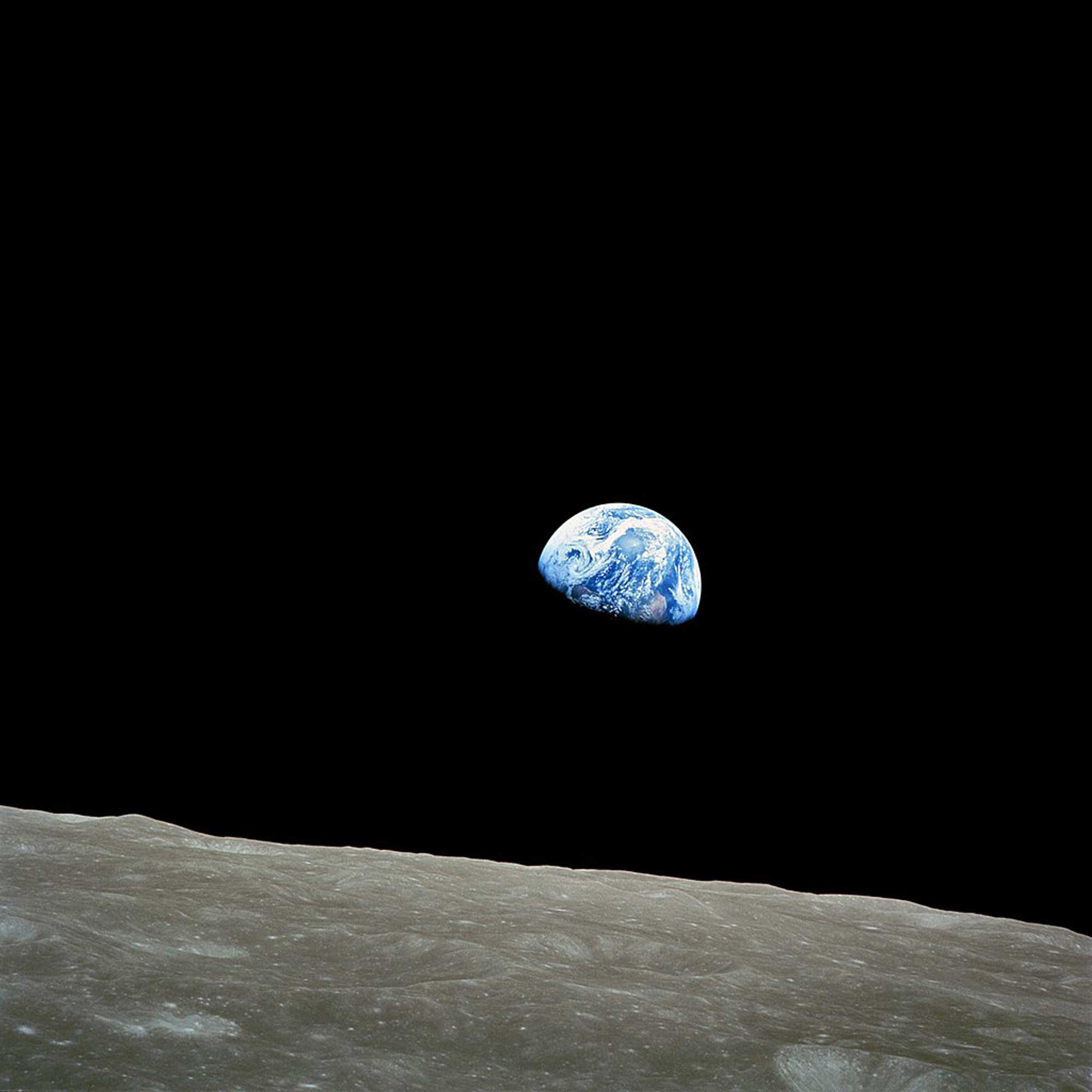
First image of the earth - Bill Anders

from the series 100 photos - 100 stories

A true milestone in history: the first picture of the earth. Find out when and by whom it was taken in this article!

8 Homeward and Anders' Earthrise

This fabulous image was taken by Apollo 8 crew member Bill Anders on December 24, 1968 at 075:49:07 (16:40 UTC) while he was in orbit around the moon. It shows the Earth rising above the lunar horizon for the third time. The lunar horizon is about 780 kilometers away from the spacecraft. The width of the photographed area on the lunar horizon is about 175 kilometers. The directly visible land mass is West Africa. Please note that this phenomenon is only visible to an observer moving relative to the lunar surface. Due to the synchronous rotation of the Moon relative to the Earth (i.e. the same side of the Moon is always facing the Earth), the Earth appears to be stationary in the "sky" of the Moon. To observe the effect of the Earth rising or setting above the Moon's horizon, an observer must travel toward or away from the point on the Moon's surface where the Earth is most directly overhead (in the center of the sky). Otherwise, the apparent motion/visible change of the Earth is limited to this point:

1. Increase/decrease as the orbital distance between the two bodies changes. 2. Slight apparent movement of the Earth due to the eccentricity (deviation from the center) of the Moon's orbit. 3. Rotation of the Earth (the Moon's rotation is synchronous with the Earth, the Earth's rotation is not synchronous with the Moon). 4. Changes in the Earth's atmosphere and surface, for example weather patterns, change of seasons, etc. The two craters that can be seen in the picture were named "8 Homeward and Anders' Earthrise" by the IAU in 2018 in honor of Apollo 8.
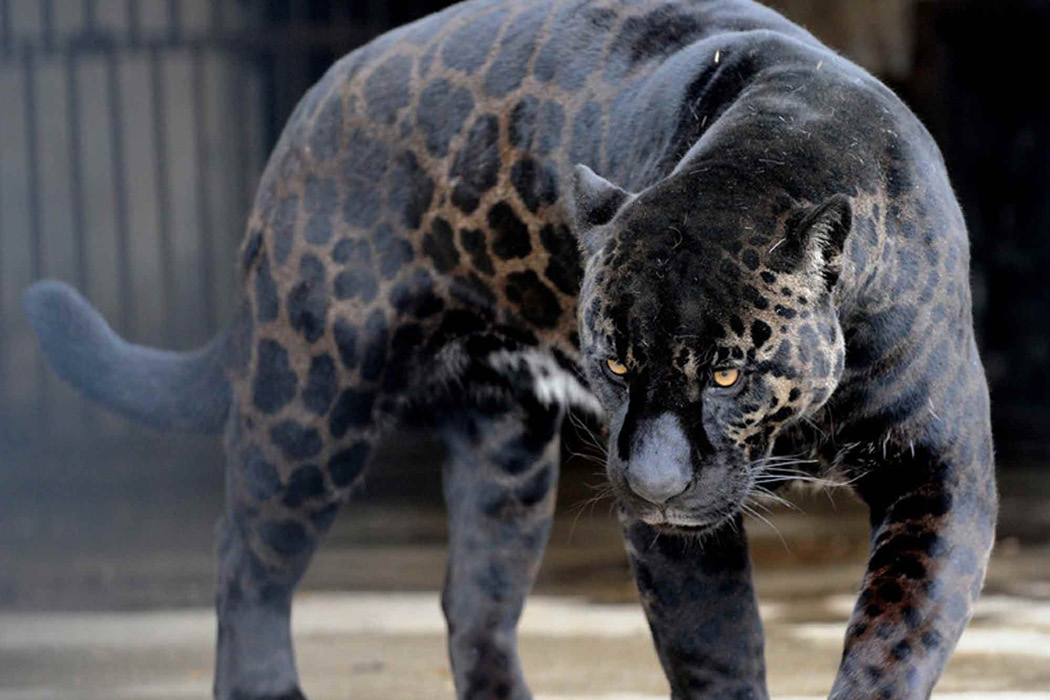

41 | 100 Animal hybrids - a game with nature

Liger - Tigon - Jaglion. Never heard of them? No wonder! These crossbreeds do not occur in the animal world. The story behind the mysterious animal crossings you'll learn about in this article.

Read now!

Interesting campaigns

Which binoculars for your next sailing trip

Water sports have their own requirements for binoculars, because at sea the binoculars are exposed to the tides and navigation is more difficult, and marine binoculars offer special features to provide you with the best possible support.

learn more

Demo equipment exhibits

Check out our demo equipment showrooms and save!

Save now

Demo equipment + exhibits

Check out our demo units + showroom items and save!

Save now

Newsletter

Latest offers, exclusive benefits, news, events, info more

Subscribe now

Last viewed articles

Also interesting

8. & May 9 | FOTOTAGE - XXL Edition

Visit the biggest photo event in the Rhineland and experience exciting shoots, photo walks, clean & check and unique trade fair deals

Newsletter

Latest offers, exclusive benefits, news, events, info more

Subscribe now

Analog cameras in 2025

It's not a new trend, but analog photography has enjoyed great popularity for some time now. We also have various analog cameras in our range and if you come to Düsseldorf, you can also look for a few old treasures in our second-hand shop!

read now

Nikon's fixed focal length Trinity - The portrait photographer's dream at aperture f1.2

The great Nikon Z mount with its 55mm diameter gave rise to hopes for a long time that all Nikon lenses in the system camera sector would now have a significantly larger aperture. But this was a long time coming in some cases. Now Nikon has delivered and completed its Trinity with the 35mm F1.2. This was preceded by the Nikon Nikkor 85mm F1.2 and the Nikon Nikkor 50mm F1.2.

Read now