
64 | 100 The icon of D?sseldorf
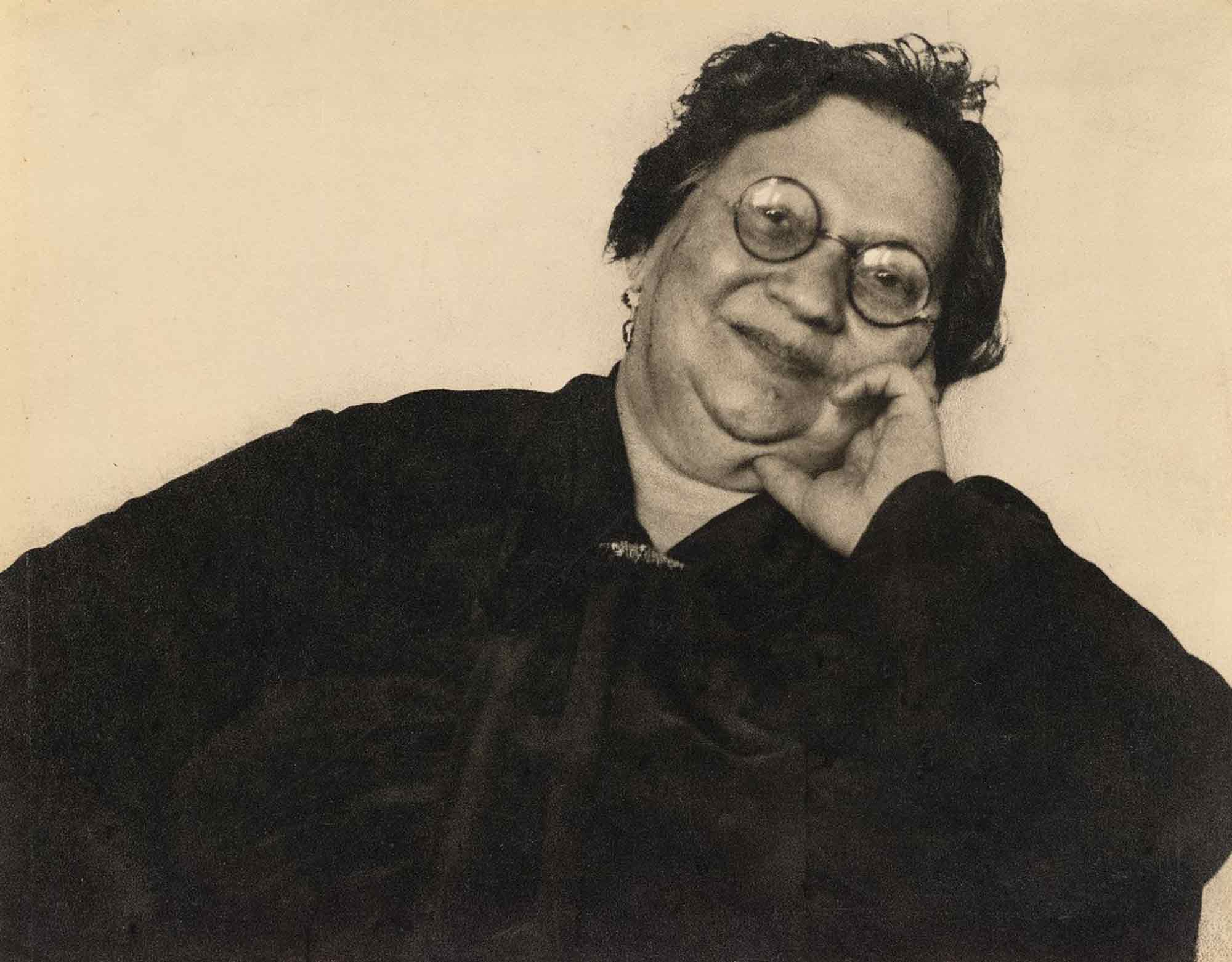 Johanna Ey
from the series 100 photos - 100 stories
Foto Koch is celebrating 100 years and we are telling THE best stories with incredible pictures behind them! Today's story is about the icon Johanna Ey and how she connected the past with the present with modern art.
Mrs. Ey was a compassionate icon of D?sseldorf. She was born into poor circumstances in Wickrath in 1864 and came to D?sseldorf around 1884 to get married. Her husband was addicted to alcohol and violent, so she separated from him in 1906 and was left on her own. However, she was a clever woman and started working in a bakery. Shortly afterwards, she opened her own bakery on Ratingerstra?e next to the Academy of Art in D?sseldorf, which was already well-known at the time.
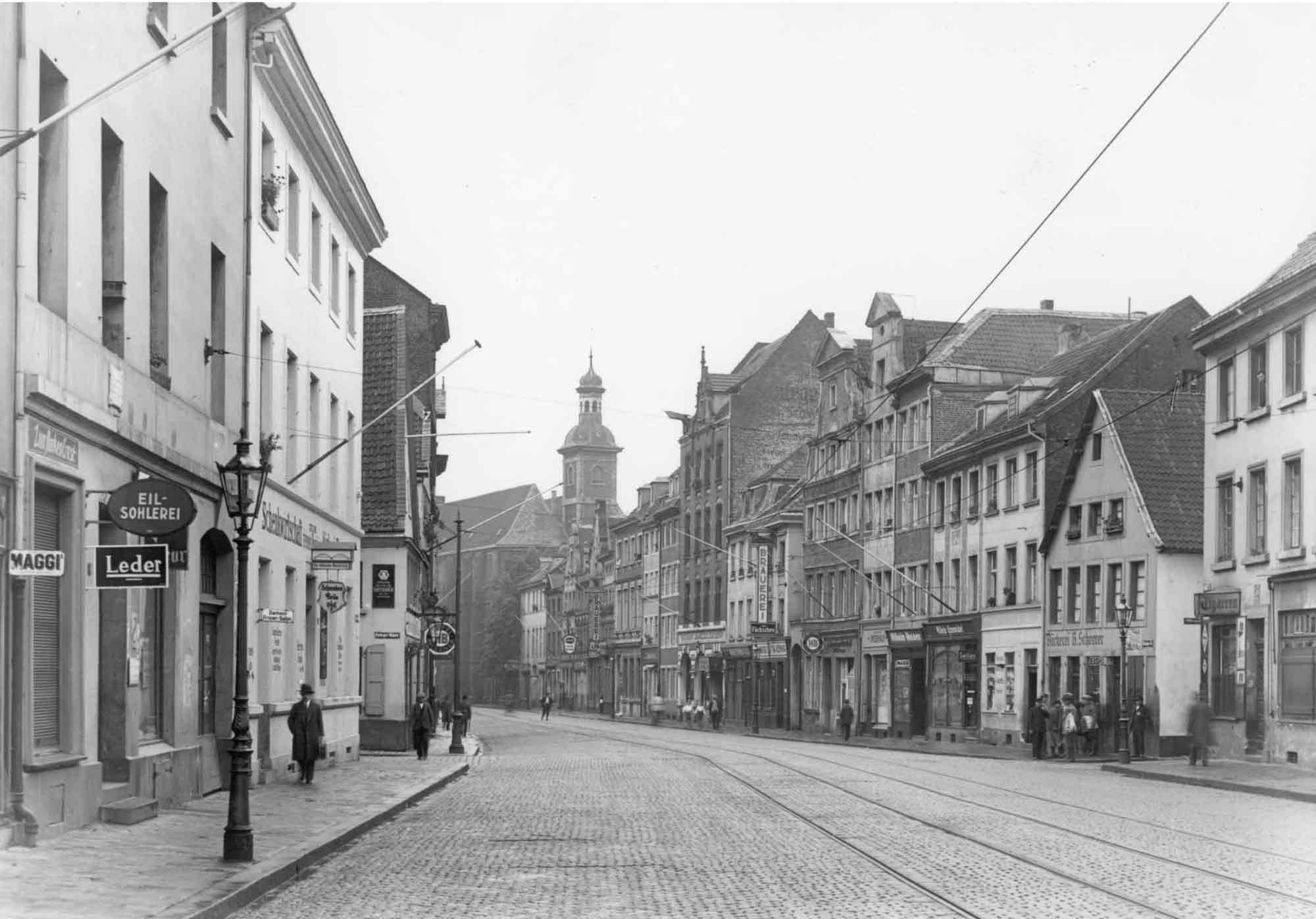 Ratinger Strasse D?sseldorf
A caf? was the central role
This developed into a central meeting place for artists, professors, teachers and students. Many were poor and had no money, but Mrs. Ey was merciful and accepted paintings instead of money. It increasingly developed into a central meeting place, now also for well-known writers and journalists, so that in 1910 she turned her bakery into a coffee shop. in 1919, the "Young Rhineland" artists' association was founded, which was of course also a regular customer of Mrs. Ey. Thanks to the alternative payment, Mrs. Ey accumulated a lot of great paintings. Of course, the constant contact with intellectual artists had broadened her horizons, and after being invited to the opera, she became an ardent admirer of musical theater. In 1916, she also opened a gallery called "Junge Kunst- Frau Ey" with these paintings, which caused a sensation. A few weeks later, it was destroyed by the NSDAP and many of the paintings were stolen or destroyed. in 1945, she reappeared like a phoenix from the ashes and, now over 80 years old, reopened a gallery on Hunsr?ckenstra?e in July 1947; an artists' caf? was established in the same building and the "Kom(m)?dchen" had its first venue there. She was no longer successful with the gallery. She died six months later. Today, a street is named after her and there is the Mutter-Ey-Cafe in her memory. Johanna Ey combined the past with modern art and is considered an icon. Even today, the 'Mutter-Ey' cafe still exists in her honor, with historical features and interesting texts and pictures about the icon.