Industry - Automate processes, improve quality & Reduce costs
Foto Koch has stood for competent specialist advice in the field of photography and videography since 1920, and our customer testimonials and reviews confirm this to this day. We offer our B2B service within the meaning of § 1 IV VwVfG. Industry 4.0 is gaining momentum! Whether controlling machines or monitoring production processes, technology is becoming increasingly important in the flow of processes, automation and quality assurance.
Application of cameras in Industry 4.0
Camera technology is also becoming increasingly popular in medicine, whether in the analysis of skin images (skin cancer diagnostics) or the support of artificial intelligence during surgical procedures. Cameras are also used in 3D scanning technology, construction monitoring or monitoring industrial parks with drones. Take advantage of the technology to integrate your staff in the right places and make better use of your potential.
For many processes, you need full access to the camera systems, for example with the software development kits (SDK) from Canon or Sony. This allows you to adapt the technology to your needs.
Transmission of video streams via the 5G network
Network expansion (5G) is also a driving force here and network cameras (IP cameras / PTZ) are constantly being developed further. The 5G network standard helps the industry to connect technology in a smarter way with an HD video connection. This allows the excavator or crane operator to operate the crane autonomously from a control center and actively work on several construction sites without being on site. Thanks to wireless technology and video streaming via 5G. Other uses of cameras in Industry 4.0 can be found primarily in the field of autonomous driving, where the camera is used to detect hazards and measure distances, among other things.
Artificial intelligence in interaction
Artificial intelligence (AI) uses cameras as a substitute for the human eye and is able to be trained for situations that humans are rarely or never exposed to in order to make better decisions in an emergency. Machine learning enables the industry to optimize processes and deploy employees more efficiently at a low cost. Technology is finding its way into 21st century companies in many different ways.
Training through virtual reality
Virtual reality (VR) & augmented reality (AR) is used to train employees / specialists and support them in their daily work. Situations are trained that employees would otherwise not be exposed to. Augmented reality, on the other hand, can support employees in their everyday work. Architects & Designers can use virtual reality not only to give themselves a better impression, but also to show the customer the product/house on a real scale. This allows customers to better evaluate what the end result looks like and leads to better customer satisfaction.
Aerial drone footage for inspection, surveying and 3D mapping
Professional video drones open up completely new possibilities for data collection for companies in industry, construction and infrastructure inspection. High-resolution aerial images, real-time images and precise 3D data help to document systems, buildings, pipelines or extensive areas quickly, safely and efficiently. Especially in areas that are difficult to access (such as roofs, bridges, pipelines, power lines or industrial plants), drones enable reliable visual inspections without the need for complex scaffolding, lifting platforms or barriers.
Drones are also playing an increasingly important role in land surveying, construction site documentation and urban mapping. Detailed aerial images, orthophotos and 3D models can be used to document construction progress, measure areas and provide data-based support for planning processes. Thanks to modern camera technology with high resolution, high zoom and reliable image transmission, even fine details such as cracks, corrosion or changes to buildings can be precisely identified. At the same time, the recorded data forms the basis for digital twins, cartographic evaluations and efficient planning processes. Drones for industry and B2B applications are therefore a key building block for safe, economical and data-driven workflows.
Find out more about professional drone applications and camera solutions in Sony's Aerial Imaging Whitepaper.
Photogrammetry for digital models and precise data capture
Photogrammetry enables the detailed digital capture of objects, environments and structures based on photographic images. It is used in many B2B areas to create precise 3D models, digital twins and reliable data sets for analysis, documentation and further processing. Applications include industry, product development, safety inspection, research, archiving and the media and creative industries.
Photogrammetry offers real added value, particularly wherever real objects need to be digitally mapped as faithfully as possible - for example, when inspecting large facilities and vehicles, digitally recording products or documenting historical objects over the long term. This makes it an important tool for 3D capture, visualization and digital workflows.
Further information on areas of application, setups and professional photogrammetry solutions can be found in the Sony white paper: Demystifying photogrammetry.
Machine Vision / Industry 4.0
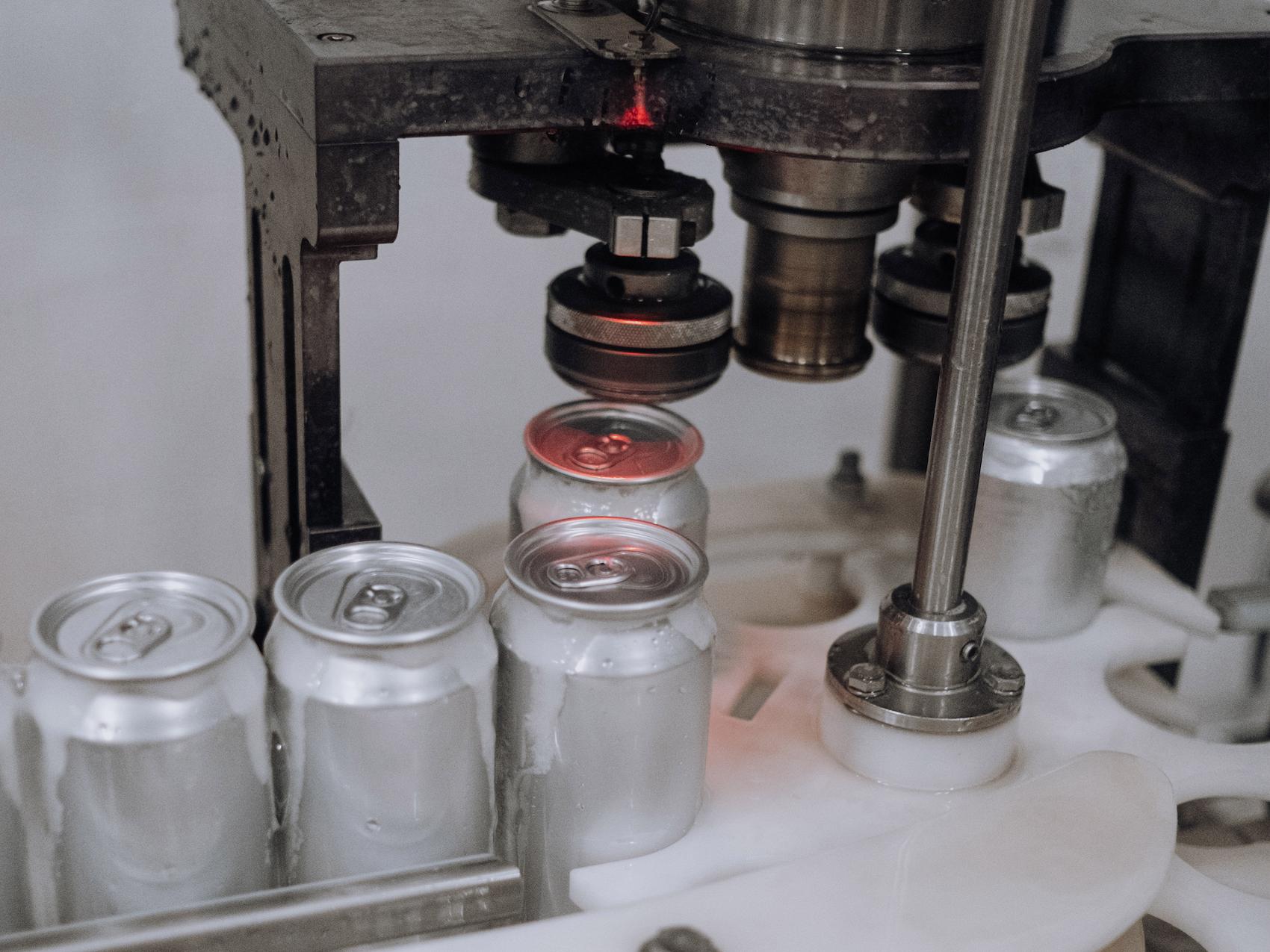
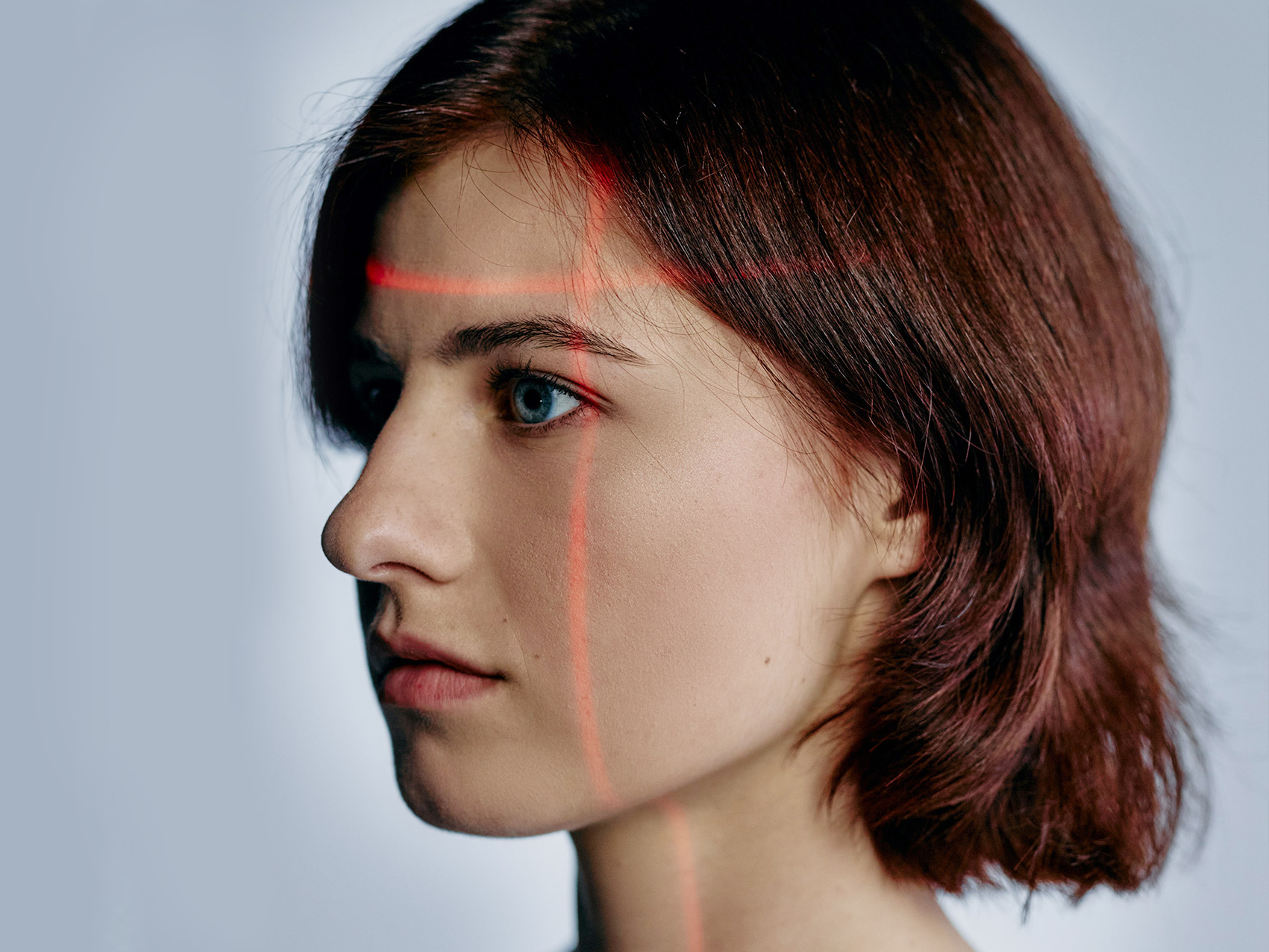
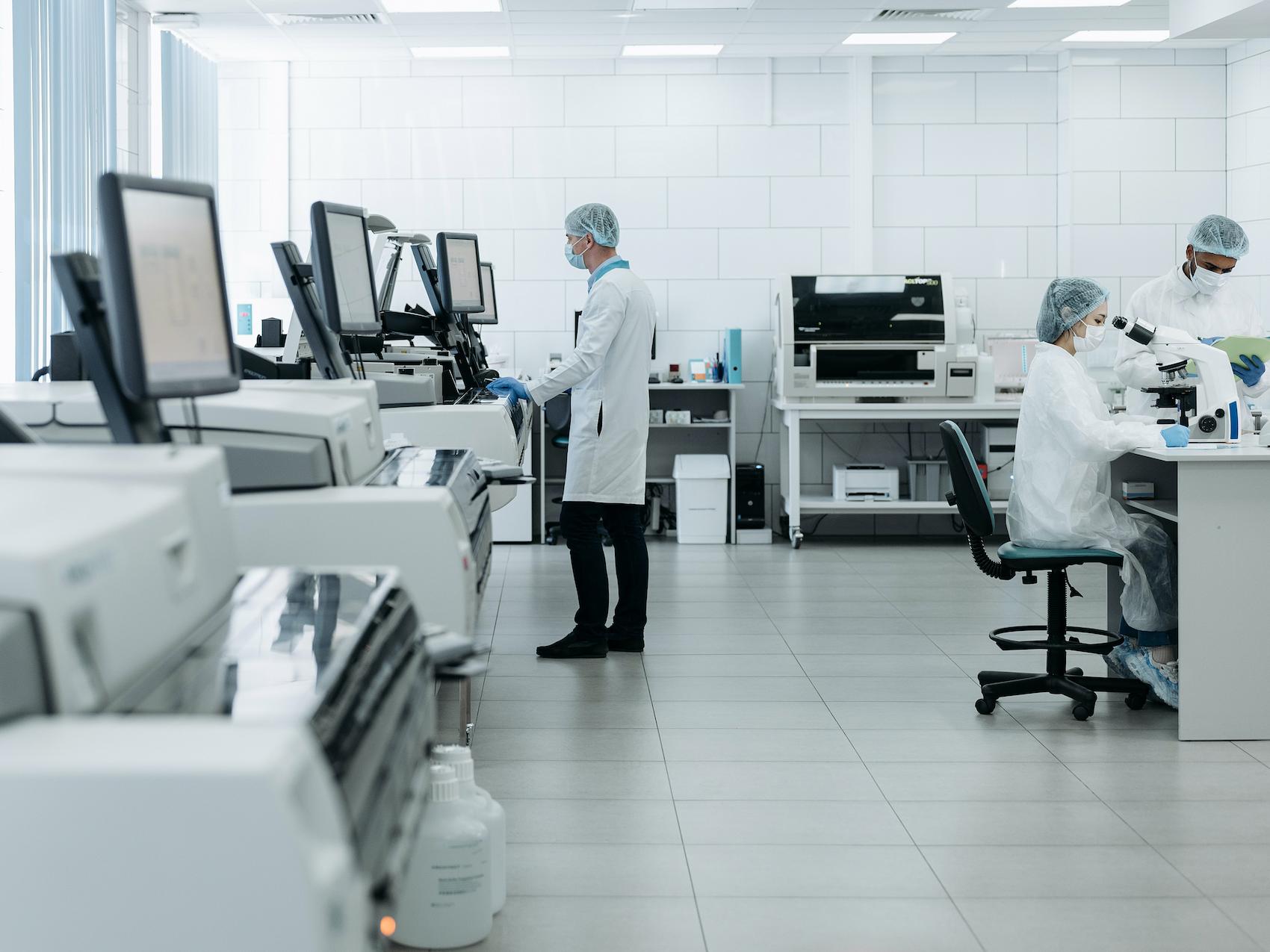
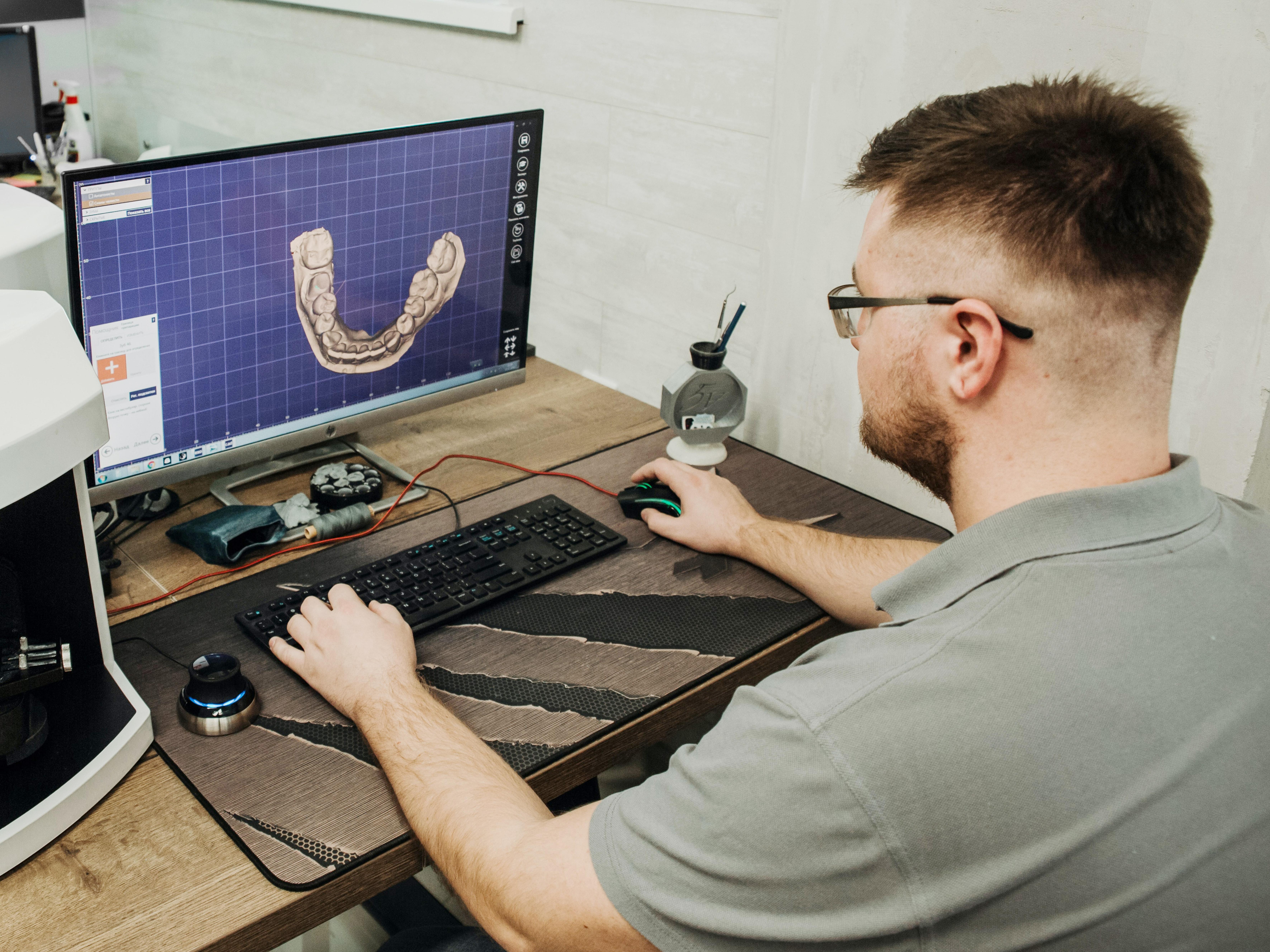

Advantages of image processing / camera technology
- Reduction of production costs
- Increase in quality
- Avoidance of production downtimes (malfunctions)
- Optimization of customer satisfaction
- Reduction of manual inspection & measuring tasks
- Reduction of the error rate
- Increase work safety
- Better use of storage space
Practical examples for video surveillance
- License plate recognition / automation of the barrier system
- Securing hazardous areas through motion detection
- Theft protection / theft prevention through video surveillance
- Quality control with light & artificial intelligence
Create your own solutions thanks to developer interfaces
Every company is different and so are your needs. Canon or Sony offer their own developer interfaces. In the case of Canon, this SDK (Software Development Kit) offers extensive access to the camera and all its settings. This allows you to further develop and enhance every conceivable scenario according to your needs. For example, you can easily control the camera remotely to trigger it via a mobile device such as a smartphone or tablet, or even a PC.
You could also control where the camera should focus live via an external device, for example, if you are running a live stream that should focus back and forth between two or more different points, the focus can be adjusted using the SDK. You can even control and adjust the white balance.
Further information on SDKs from the manufacturers
Our clients
Below we would like to list some of the clients we have already advised in the past:
- Douglas
- Douglas
- Douglas
- Douglas
- Douglas
- Douglas
- Douglas
- Douglas
Contact person
Our experts are on hand with help and advice to support you with your project. From the initial contact to the final implementation, we are at your side for your project.


Mina El Jamli
Strong partners for your business
Thanks to our long-standing contacts with many industry partners such as Canon, with whom we maintain a very good and close exchange around the products as a specialized trade partner, you benefit from our special offers for the solution of your projects!
Why Foto Koch?
We are your partner for camera technology & accessories. We have been advising our customers & industry partners for years to find the best technology for their needs.
- We have been advising you since 1920
- We are a family business
- We employ over 65 people
- We are one of the largest specialist photo retailers in Europe
- We maintain long-standing and good relationships with all manufacturers such as: Canon, Nikon, Sony, Sigma, Tamron and Co.
- We are loyal to the minimum wage law (MiLog)