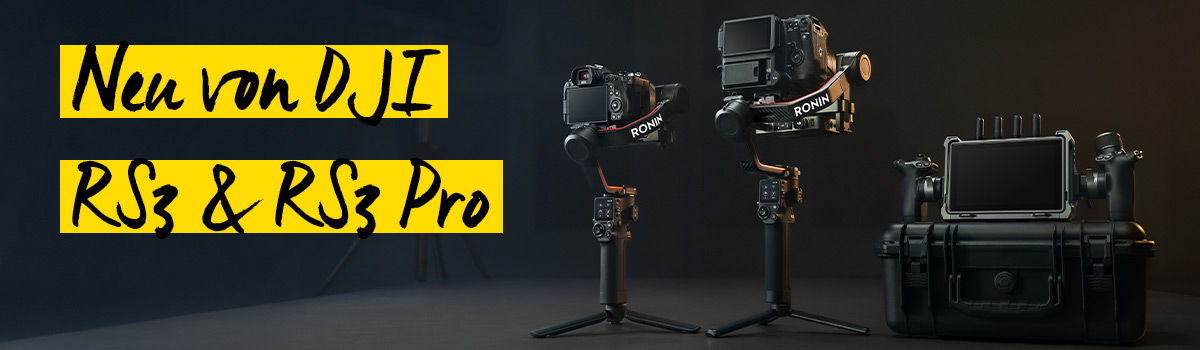
New DJI gimbals: DJI RS3 & RS3 Pro
The big DJI RS launch!
In 2018, DJI launched the Ronin S, a compact one-handed gimbal that quickly replaced the previously popular Ronin M. However, the Ronin S was anything but perfect and barely two years later DJI followed up with the RS2 and the RSC2. With new features, improved operation and significantly more performance, the RS2 was a real hit, even with professional filmmakers.
Now, another two years later, the RS series is entering the next generation...



DJI RS3 - What's new?
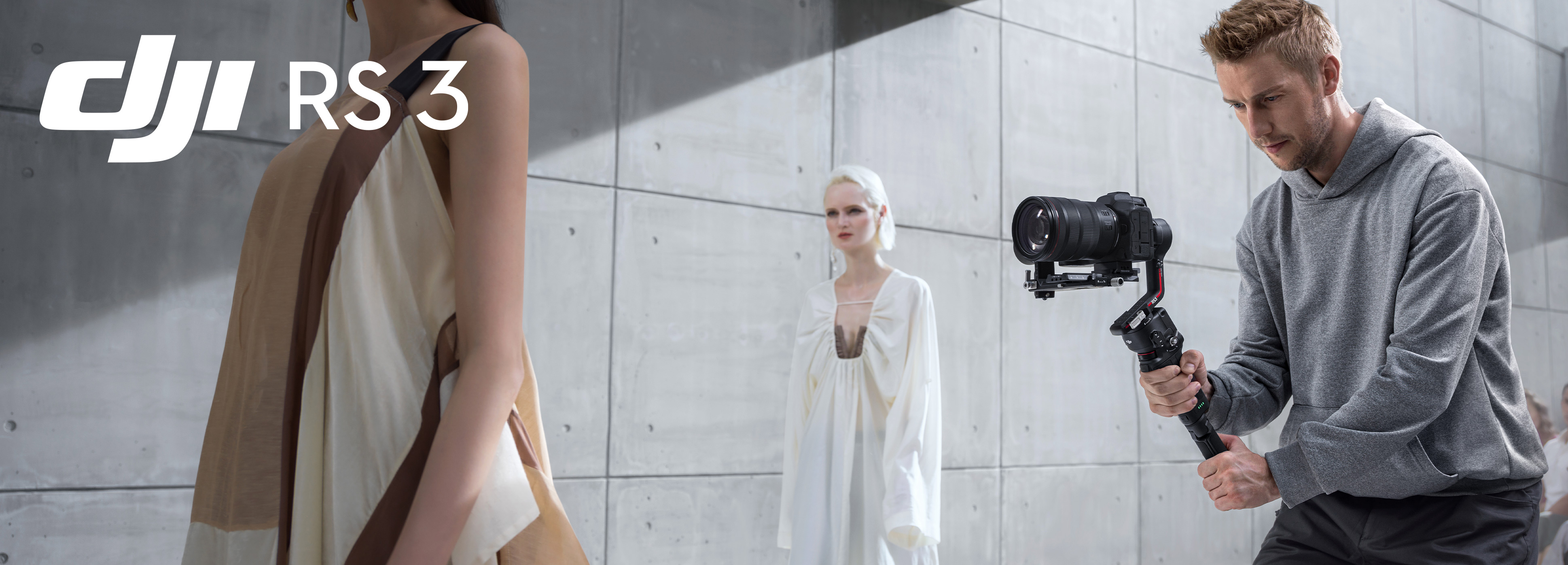
Let's start small. The DJI RS 3 is the new one-handed gimbal for solo cameramen who want to work as flexibly and efficiently as possible. It supports camera systems weighing up to 3 kg, but weighs just 1.3 kg itself. It is therefore perfect for common cameras such as the Sony Alpha 7s III or a Canon EOS R5 with a 24-70mm f/2.8 Lens.
There are some new features here that enable fast and effective working. With the new two-layer quick-release plate, the camera can be quickly mounted on the gimbal. The new automatic axis lock locks or unlocks automatically when the gimbal is switched off/on so that you can get started straight away.
Of course, the most important feature, stabilization, has also been improved. The 3rd generation RS stabilization algorithm ensures stable shots in every scenario and, according to the manufacturer, offers 20% more stability than its predecessor (DJI RSC2).
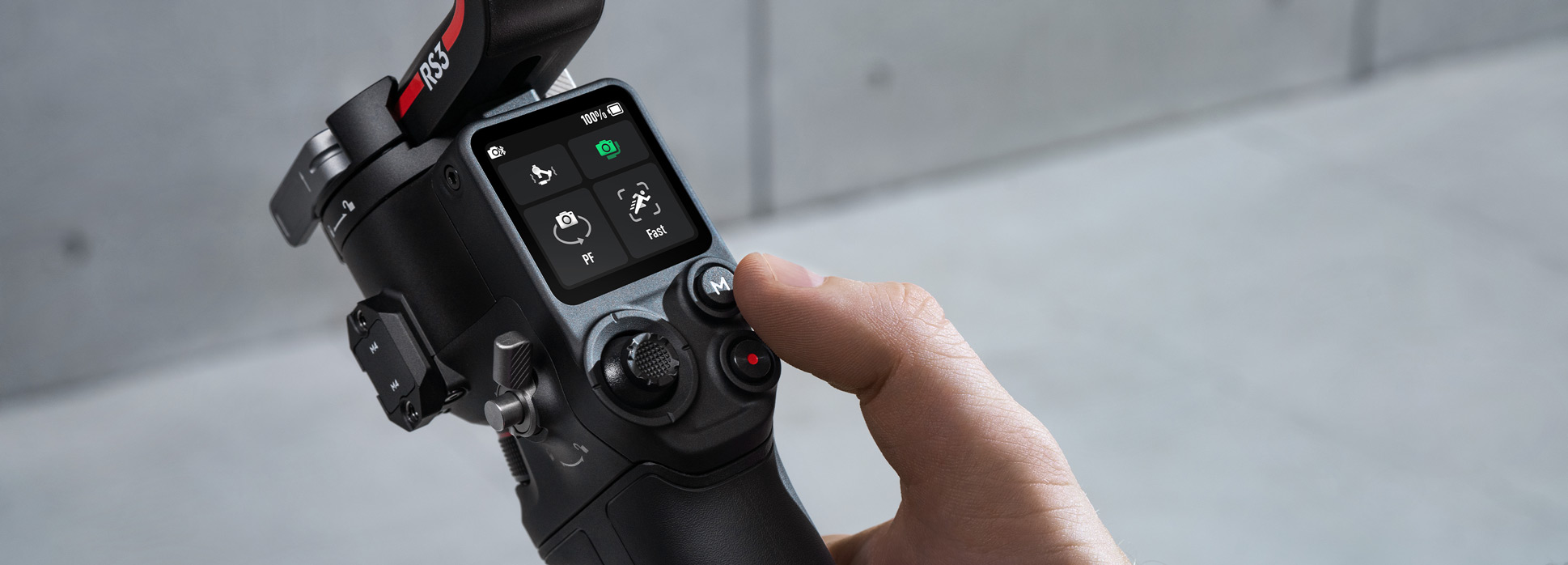
With the new, larger 1.8" OLED touchscreen, all functions of the gimbal can be conveniently controlled using the thumb and the front dial can be used to control camera functions, focus or zoom (only with compatible cameras/lenses).
Another new feature is the battery handle, which now offers 12 hours of battery life and a quick-charging function. In addition, the handle is smaller compared to the RSC 2 and can be charged independently of the gimbal.

DJI RS3 standard
- DJI RS3
- Automated axis locking
- 3 kg tested payload
- 3rd gen RS stabilization algorithm
- Bluetooth release button
- 12 h max. battery life
- 1.8" OLED touchscreen

DJI RS3 Pro - What's new?
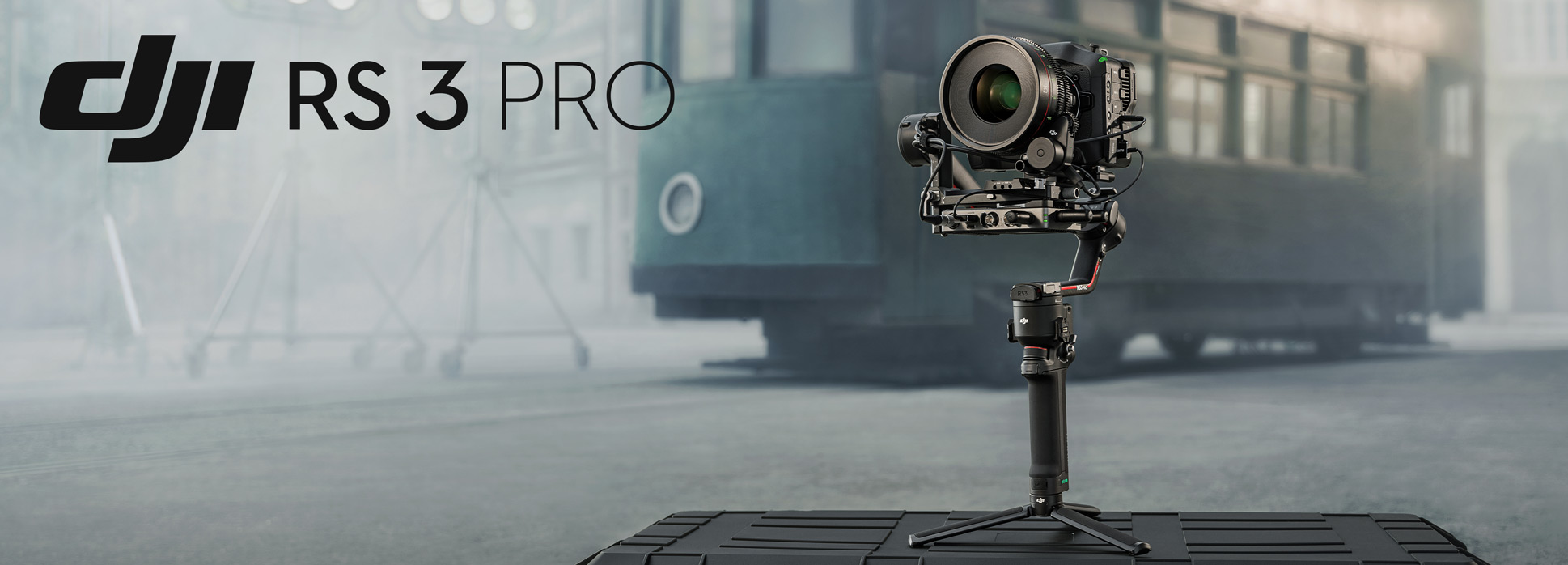
Unlike the RS3, the RS3 Pro is also designed for cinema cameras. The gimbal can carry up to 4.5 kg and weighs just 1.5 kg. However, the load capacity was not necessarily the problem with the previous models, but rather the design, which is why it is nice to see that DJI has made improvements and the RS3 Pro has now also been officially tested with a Canon EOS C70 and also a Sony Alpha FX6.
To simplify balancing, a rotary knob has been added to the tilt axis for fine tuning and some of the components are coated with Teflon to reduce frictional resistance. This makes mounting and balancing large and heavy cameras much easier.
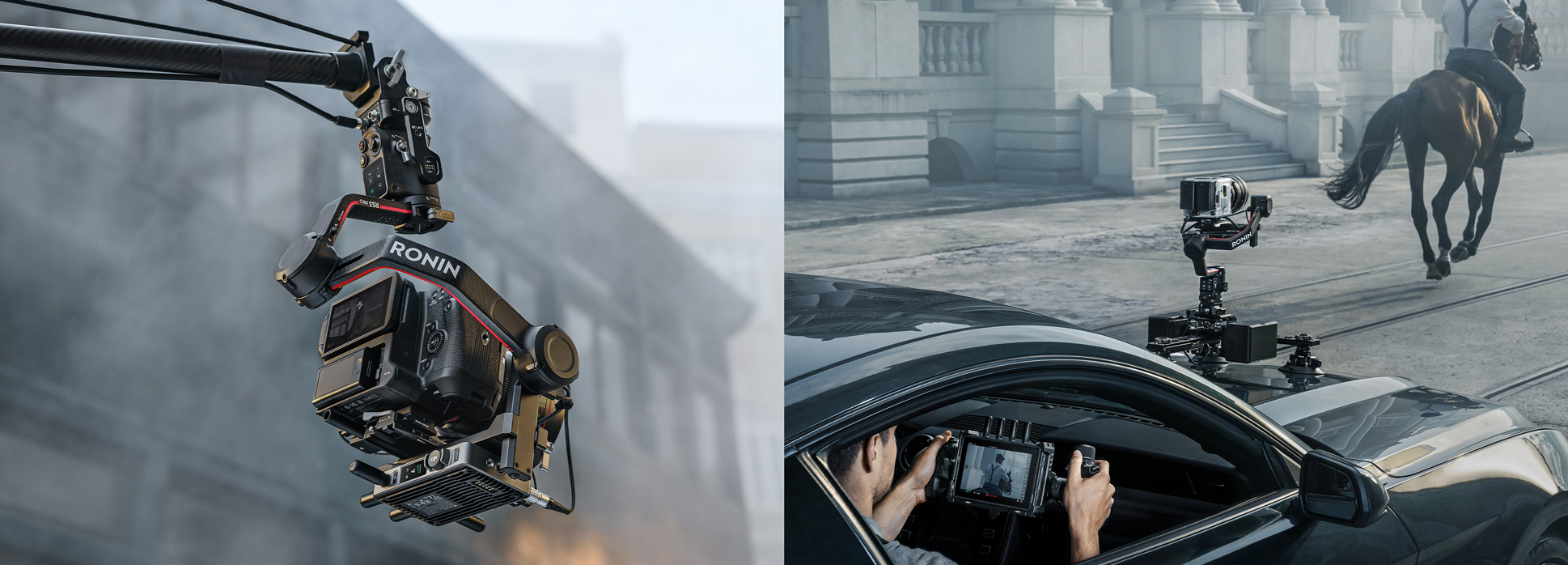
The RS3 Pro also has the 1.8" OLED touch display, which is 28% larger than its predecessor. The OLED display technology also makes it significantly brighter, while at the same time consuming less power.
There are also new features here, including the "SuperSmooth" mode, which increases the motor torque to further improve stabilization.
DJI RS3 Pro
- DJI RS3 Pro
- Automated axis locking
- Extended carbon axle arms
- 4.5 kg tested payload
- LiDAR focusing*
- O3 Pro transmission*
- Dynamic and versatile solution
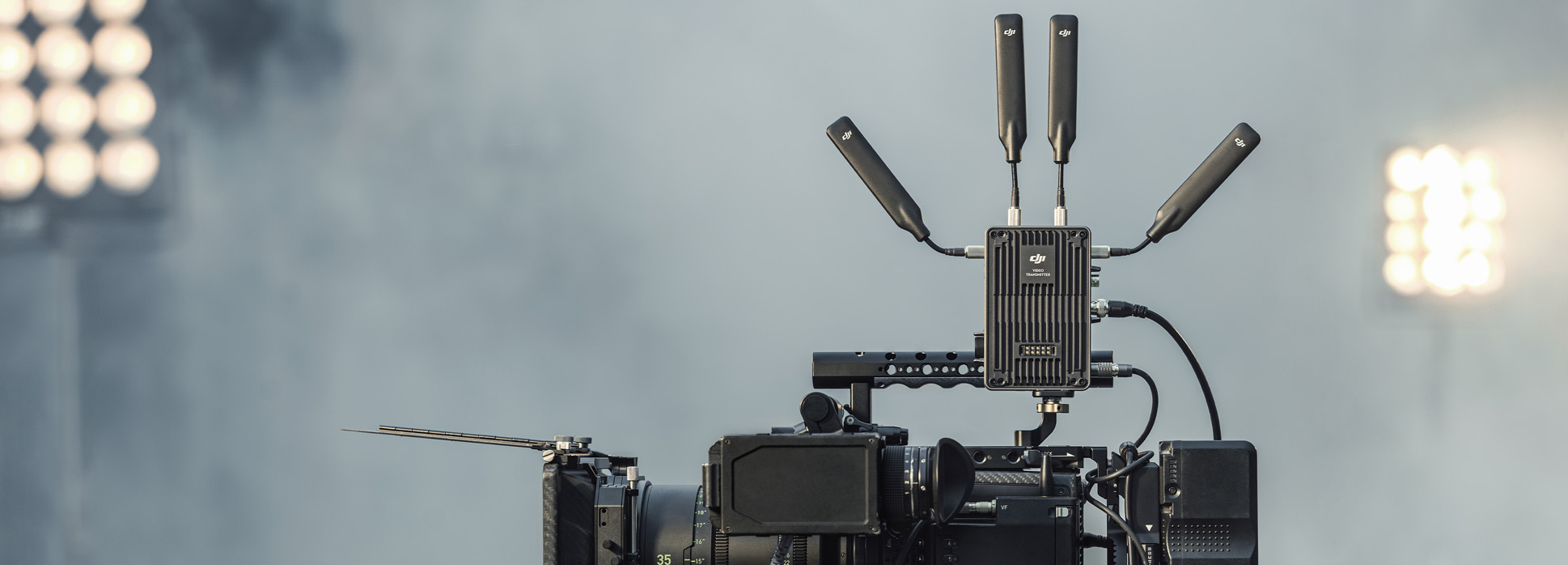
DJI Transmission
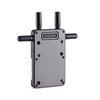
The new DJI Transmission provides professional video transmission for the RS 3 Pro, among others. The transmitter can be easily mounted under the camera and can also be supplied with power via the gimbal. This enables radio transmissions (video and audio) at distances of up to 6 km with extremely low latency and automatic frequency switching (between 2.4 GHz, 5.8 GHz and DFS frequencies).
The DJI Transmission comes with a radio monitor that can receive the signal and with which you can receive several feeds at the same time.
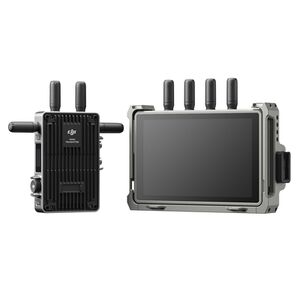
DJI Transmission
- DJI Transmission
- seamless automatic frequency change
- extremely low latency
- 6 km (1080p/60fps transmission)
- integrated radio receiver
- Gimbal/focus/camera control
- independent recording & playback
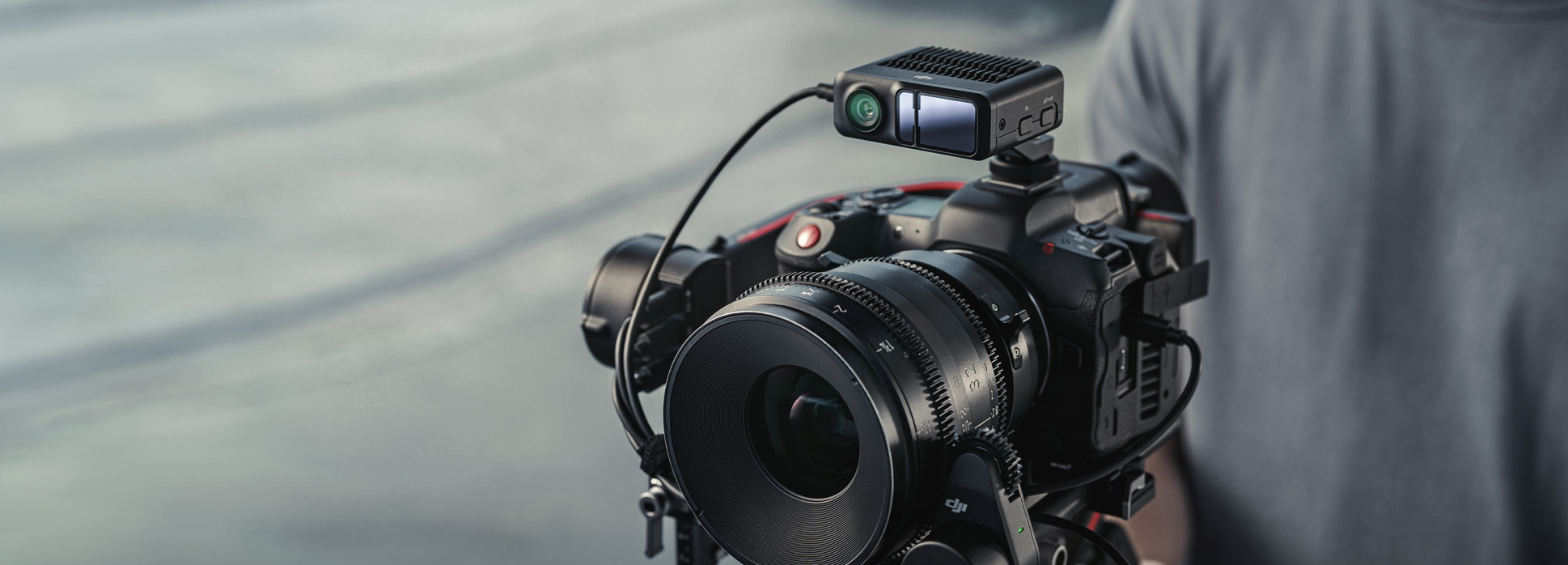
DJI LiDAR Focus
As with the Ronin 4D, there is now also a LiDAR focus system for the RS3 Pro. The rangefinder projects 43,200 measuring points within 14 meters to determine a focus point. In cooperation with the new DJI RS focus motor, focusing on the subject is made much easier. The new focus motor now also offers three times more torque than its predecessor and reduces noise by around 50%.
In addition to professional autofocus features, tracking options have also been added with the new LiDAR sensor. With the new ActiveTrack Pro, the camera of the LiDAR sensor can now take over tracking instead of the Ronin video sensor (formerly known as RavenEye) and pass this information on to the gimbal as usual.