The basis of life for all living creatures
Our planet is changing - unfortunately not for the better.
The impact of humanity is leaving its mark. But there are also opportunities, as the organization CIWEM proves.
by Daniel Krug
The environment is changing
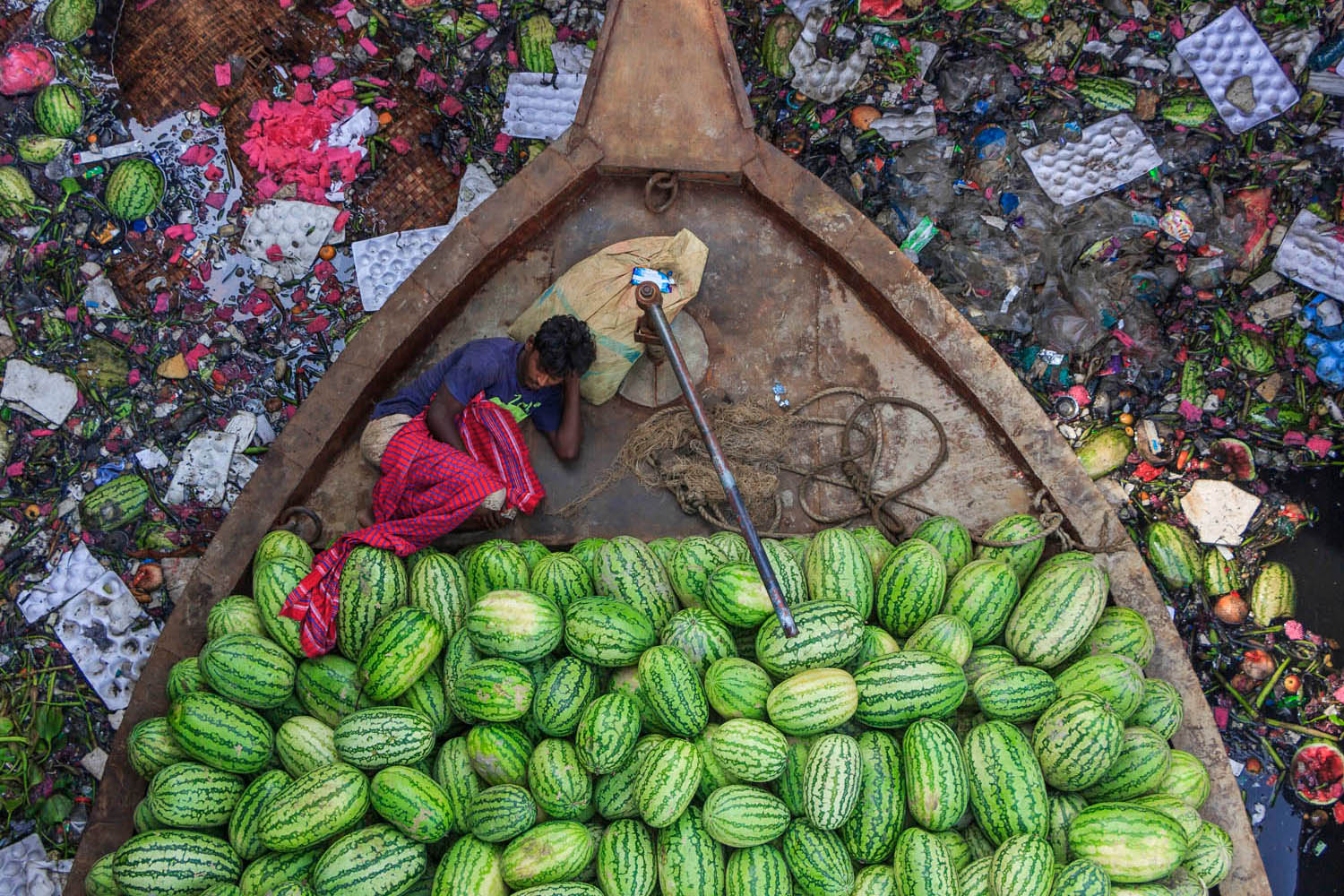
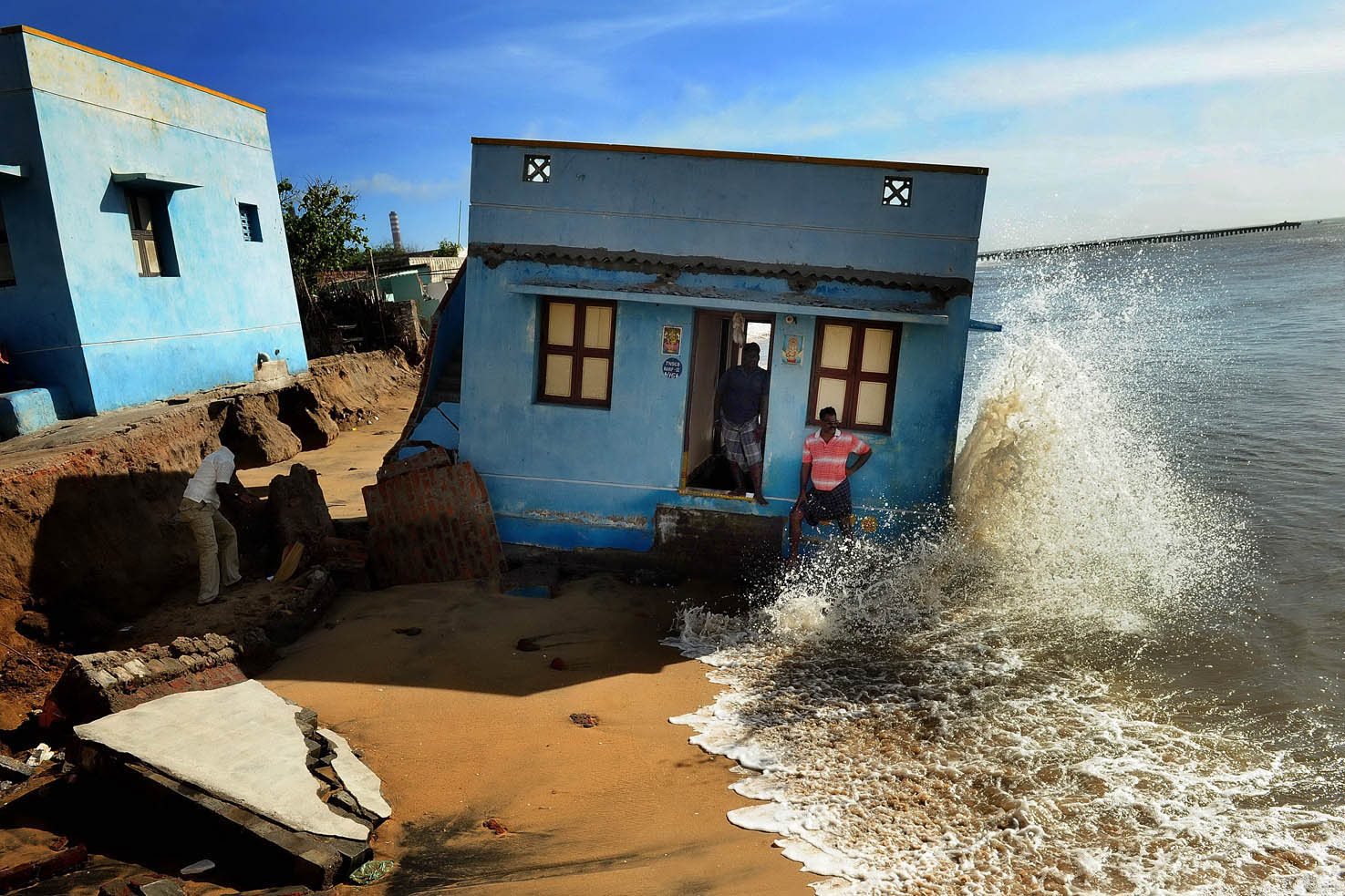
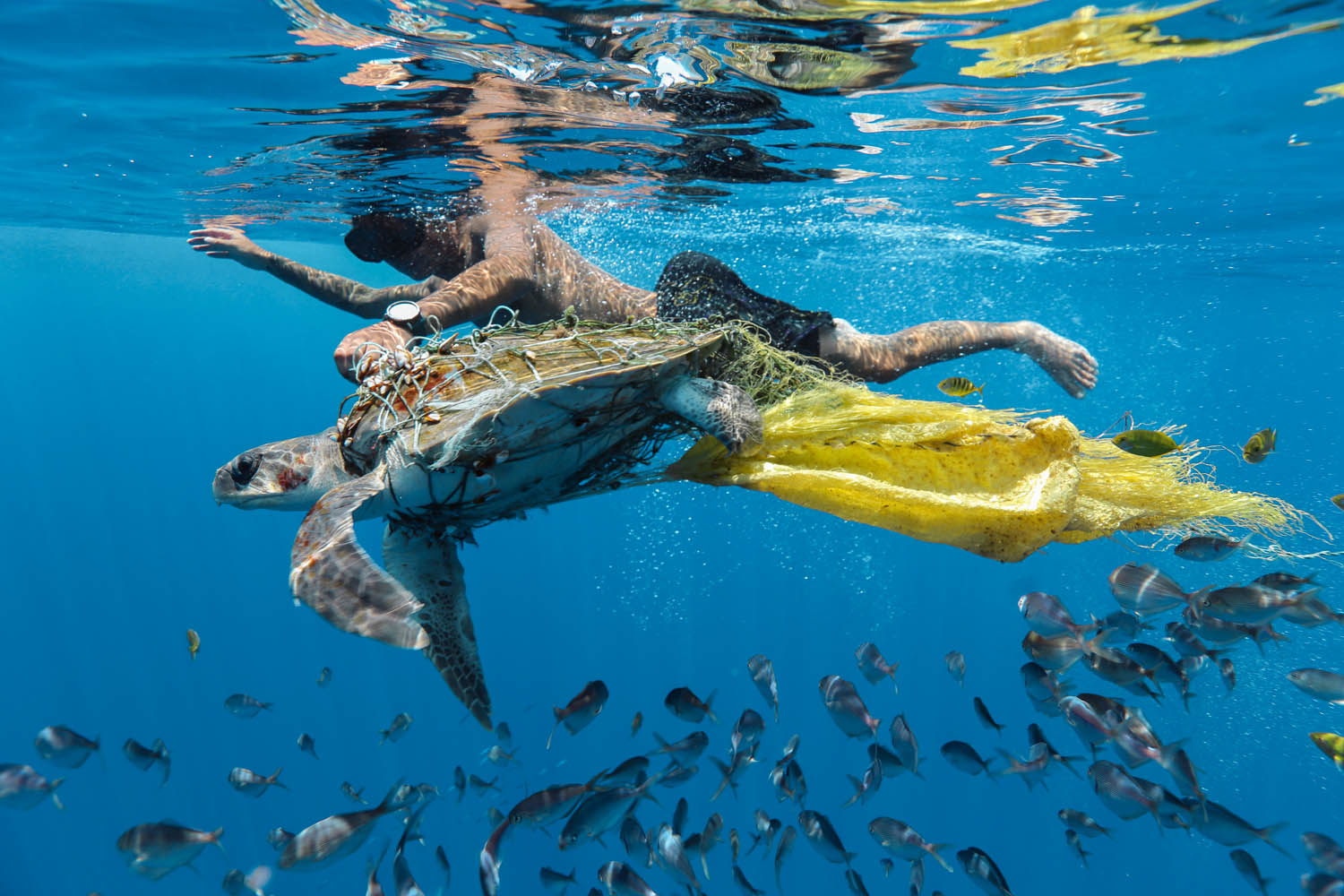
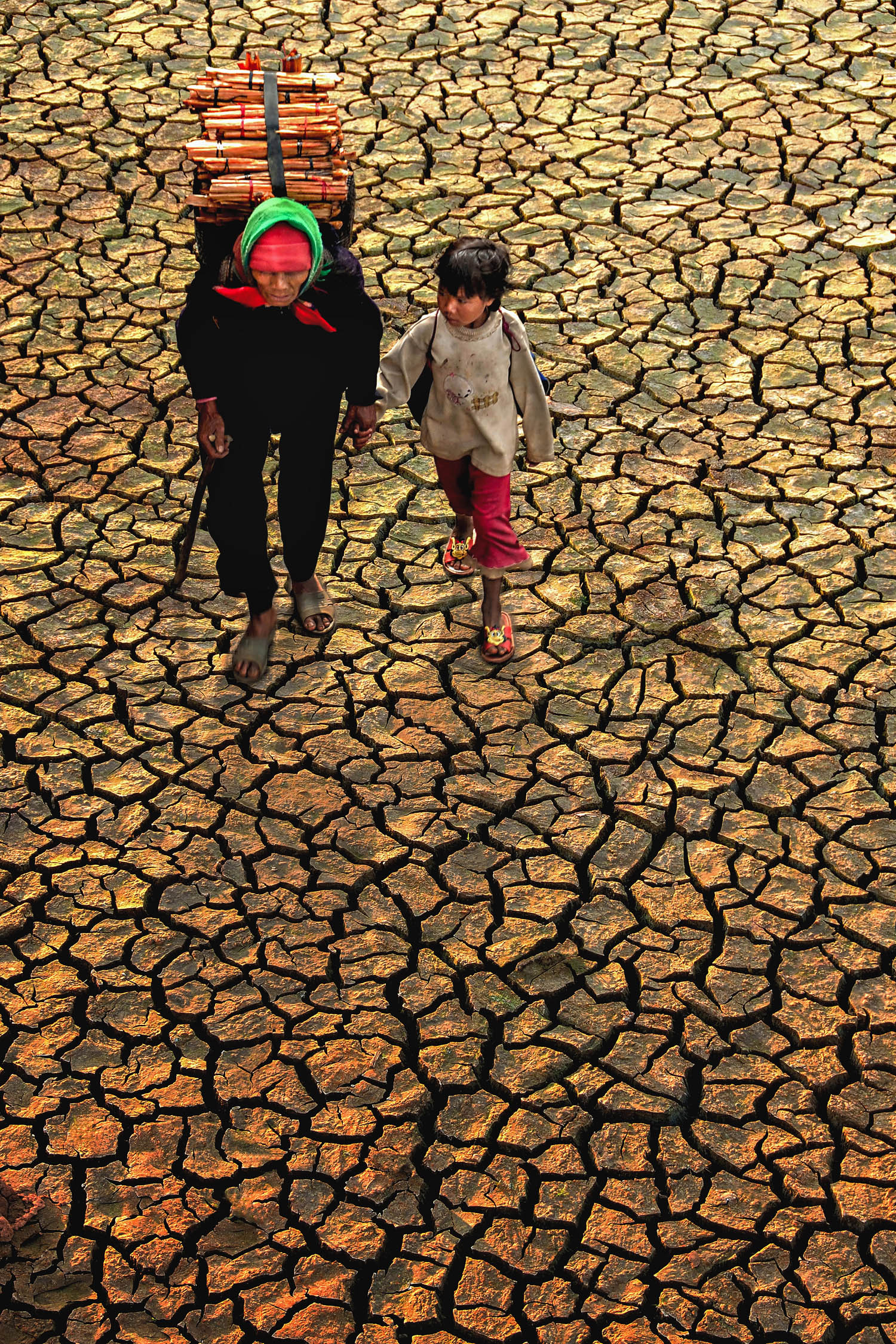
Important lakes such as the Caspian Sea are shrinking, the Aral Sea is almost non-existent. Sea levels are rising and some island states will probably cease to exist at some point. Sea creatures are dying with full stomachs because plastic waste provides no nutrients and cannot be digested. We are increasingly affected by weather extremes, be it droughts, floods or storms.
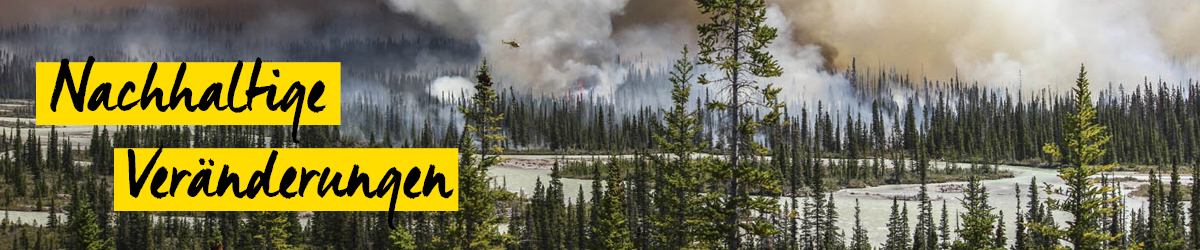
We are building roads, dams, cities and permanently changing the ecosystem. We are clearing the rainforests. We are depriving animals and plants of their habitat. There are more and more forest fires. Poverty and famine are on the rise. The rate of waste is immense. We are blowing CO2 into the air and increasing global warming.

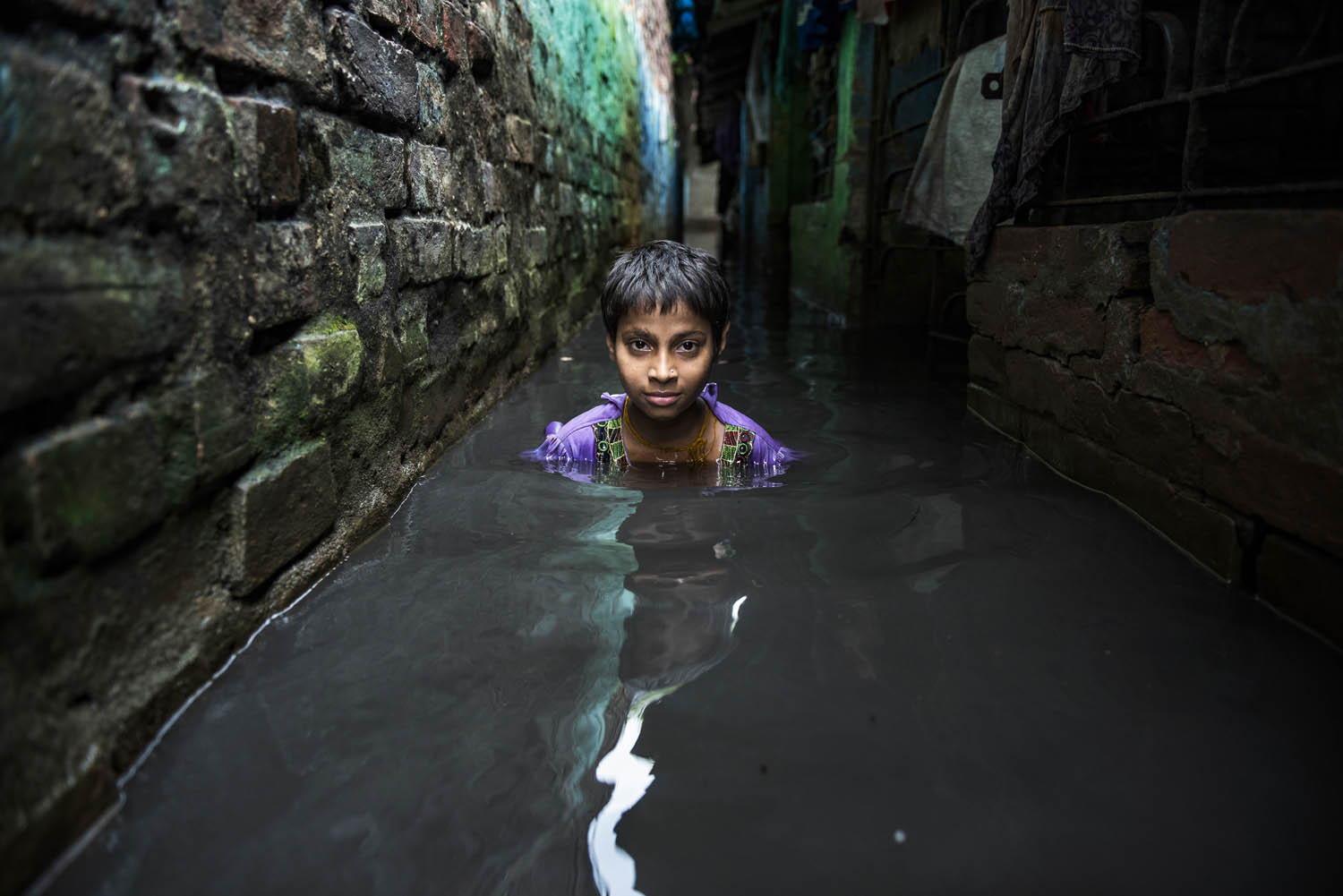
Nature is the basis of life for all living beings. It is our greatest asset and should be protected without ifs and buts. If we destroy it, we destroy ourselves. Unfortunately, there is a lot wrong with it and we absolutely must do something about it. But there are also many positive trends. If you compare the air quality with earlier times, when coal was used for heating, people today prefer to take a deep breath rather than back then. Vehicles are getting cleaner and cleaner, as are factories. The quality of the water in the Rhine has been restored and many fish species have returned. There are more and more organizations working for the environment, and in politics and industry there is at least the idea of doing better. Unfortunately, however, there is a lack of definitive consistency here. But environmental awareness is also becoming more and more present in the population.
Together for a better future
The independent charity Chartered Institution of Water and Environmental Management (CIWEM) brings together experts in sustainable environmental management. The result is a community of environmental and water experts dedicated to the common good. The aim is to protect the population from pollution, environmental degradation and natural hazards by promoting and sharing best practice. They seek solutions to various problems worldwide and use their expertise to provide impartial advice to businesses, the media and the public.
Members can be engineers and scientists, but also students or other professionals looking for progress. As well as making a major contribution to protecting the environment and solving social ills such as poverty and hunger, they have an additional professional benefit. Recognition from CIWEM can be very beneficial, and there are regular events that strengthen the community. Thanks to networking, individual members benefit from the knowledge and solutions of others. In this way, problems can be tackled with combined strength. The organization is always on the lookout for new members in order to constantly increase its expertise and assistance.
Raising awareness
To raise awareness of the world's problems, CIWEM honors the best environmental photographers every year with the "Environmental Photographer of the Year" award. This year, too, the most significant photographs are being sought in various categories. This competition shows unvarnished grievances and shocks viewers with images of reality, but also highlights positive trends. After all, you don't see the destruction everywhere in the world and may not be affected yourself any time soon. However, storms, floods, forest fires and other extremes are also on the rise in Europe. Here we show some of the best images from recent years that document the consequences of climate change and human behavior.
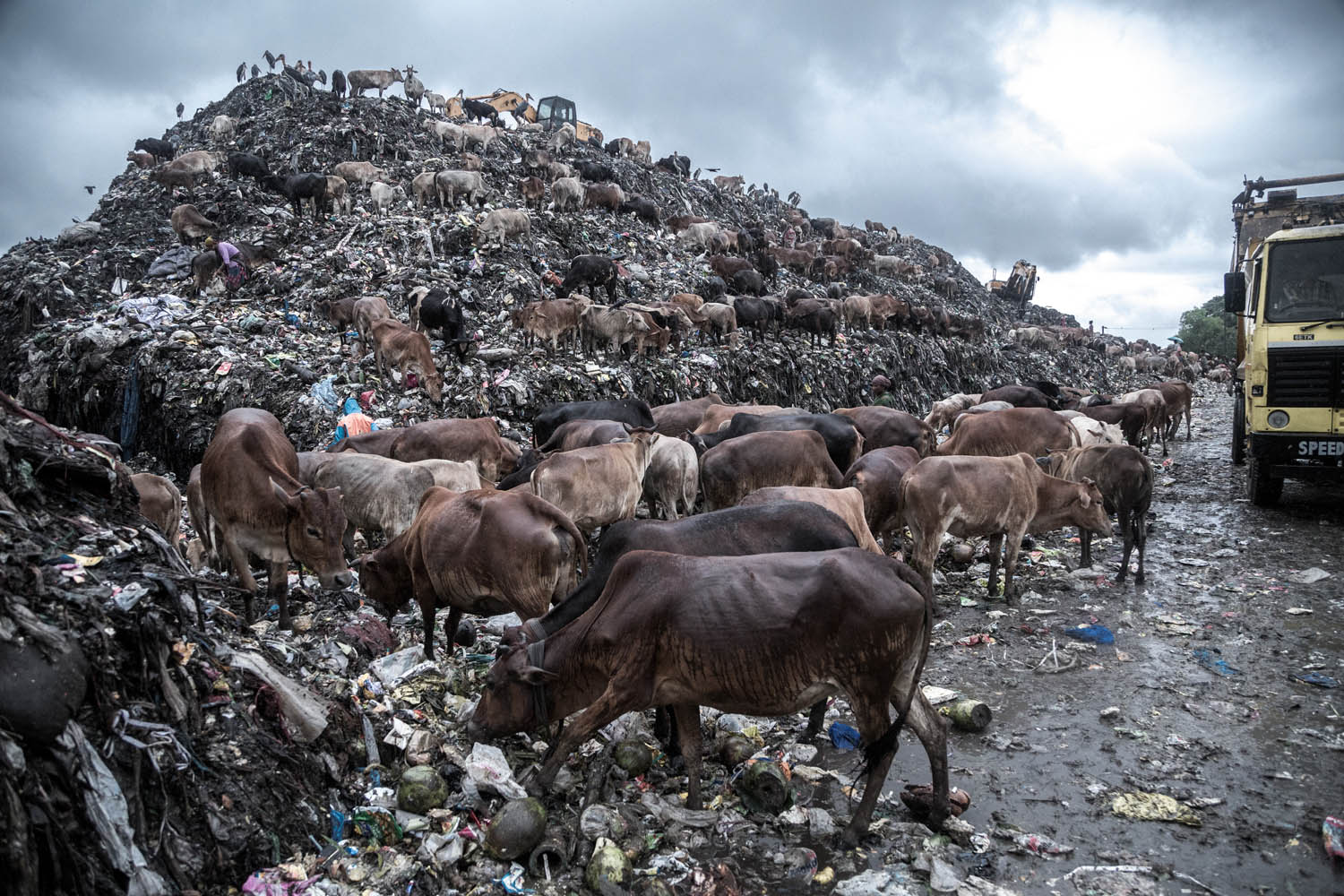
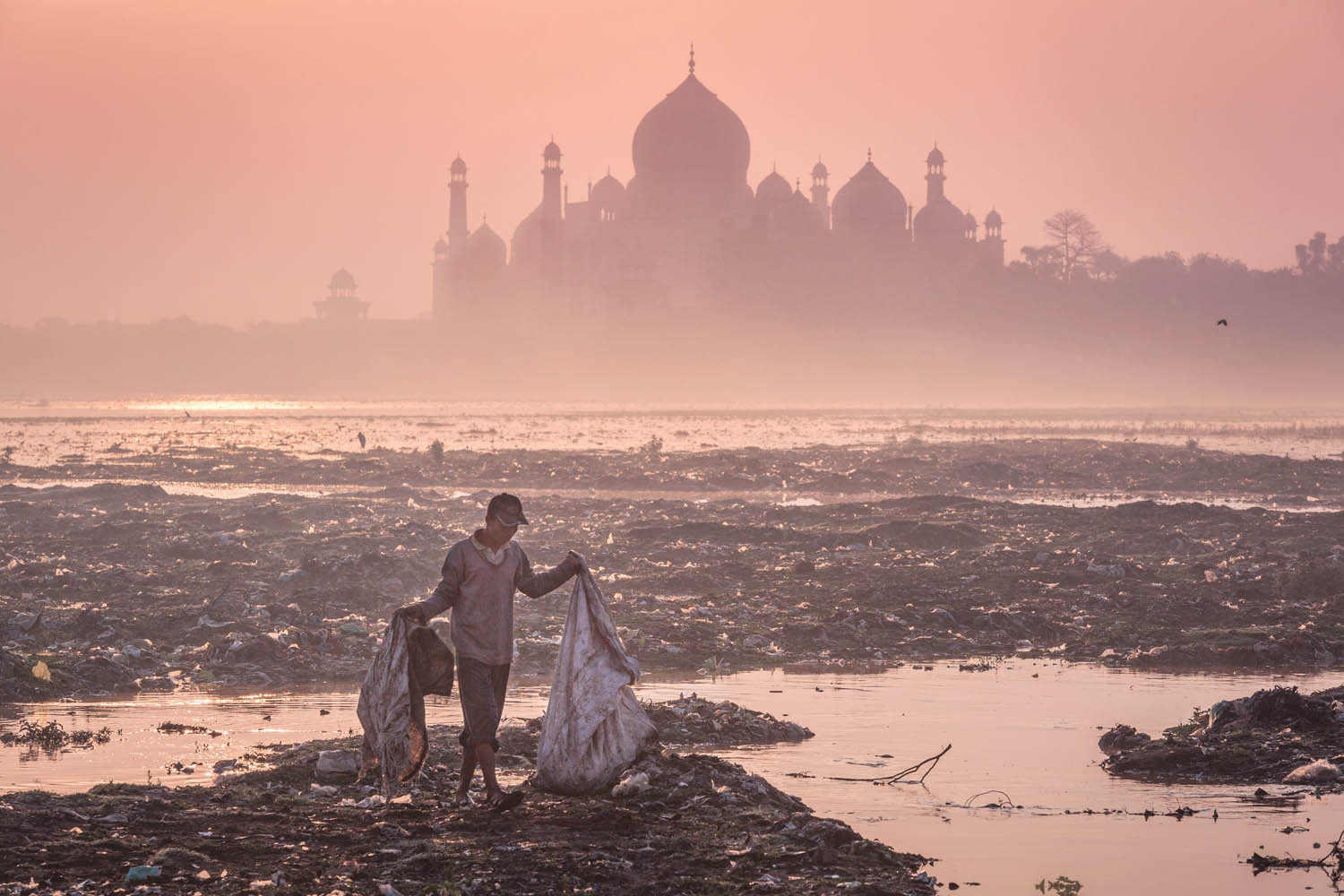
Of course, there have always been monsoons and rainy and dry seasons in many regions, but the extent is becoming increasingly dramatic.
Of course, the waste problem is more serious in other countries than here, but we must not close our eyes to it and should set a positive example. After all, the western world produces far too much waste. In addition, old appliances from Europe end up in huge landfill sites in Africa, for example, which children burn in a highly toxic way to get hold of recyclable metals. The images are intended as a warning in a photographically appealing way. Not everything is bad, and the world is not doomed. But we, each and every one of us, should try to do our bit.
Info and more works by the artists: www.ciwem.org/awards/environmental-photographer-of-the-year Facebook: @EnvironmentalPhotographeroftheYear Facebook: @CIWEM Instagram: @epoty
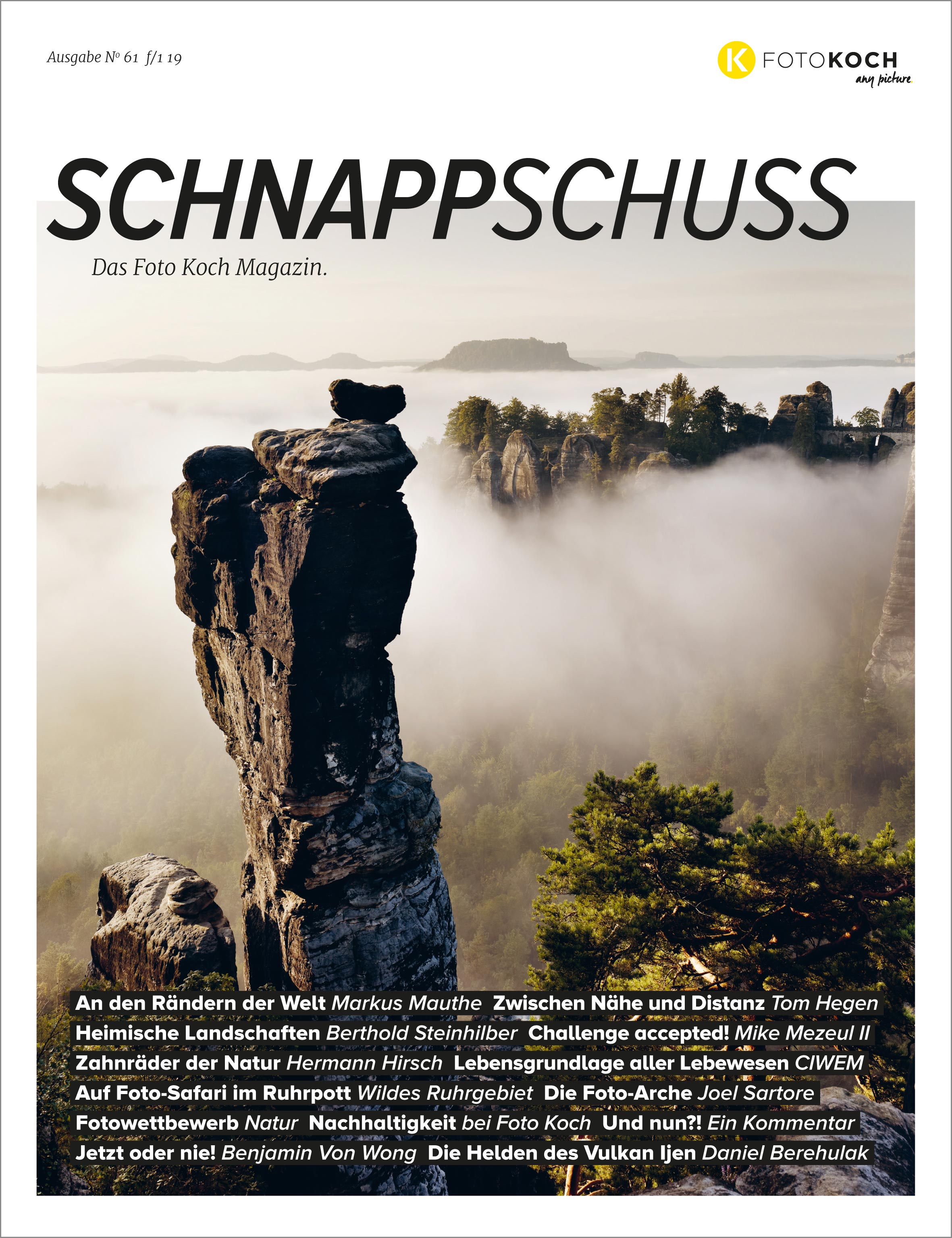
"Schnappschuss " magazine
The Foto Koch magazine has a modern, creative design and is relatively unique in terms of design and content further information