Olympus OM-D E-M1 III novelty and hands-on
Reading Time: 6 minutes - February 12, 2020 - by Jonas Junk
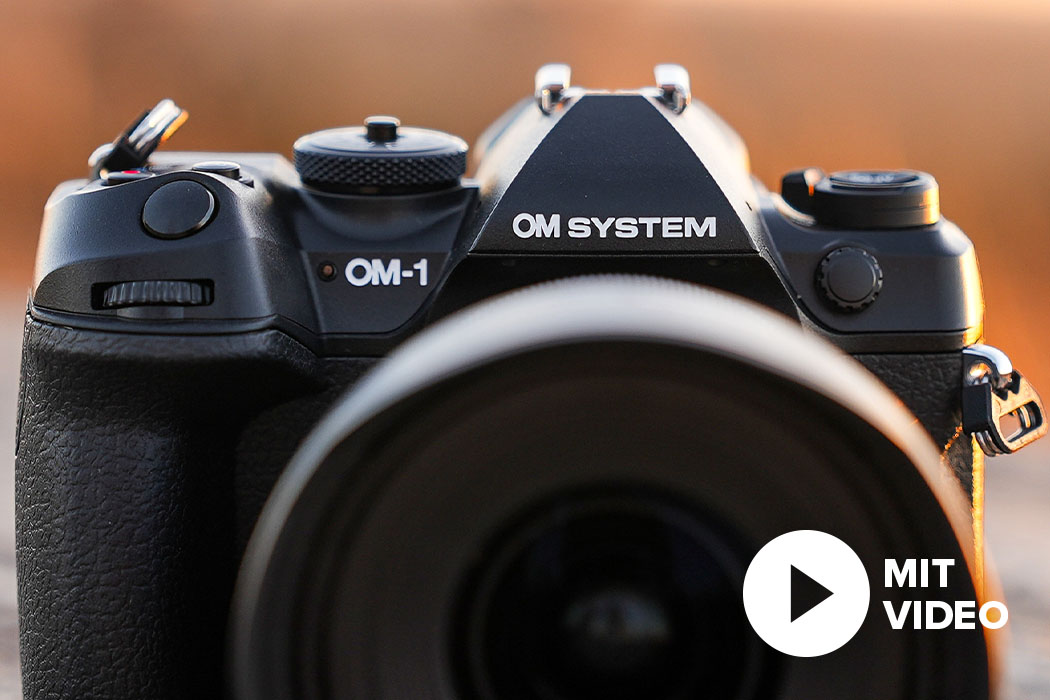
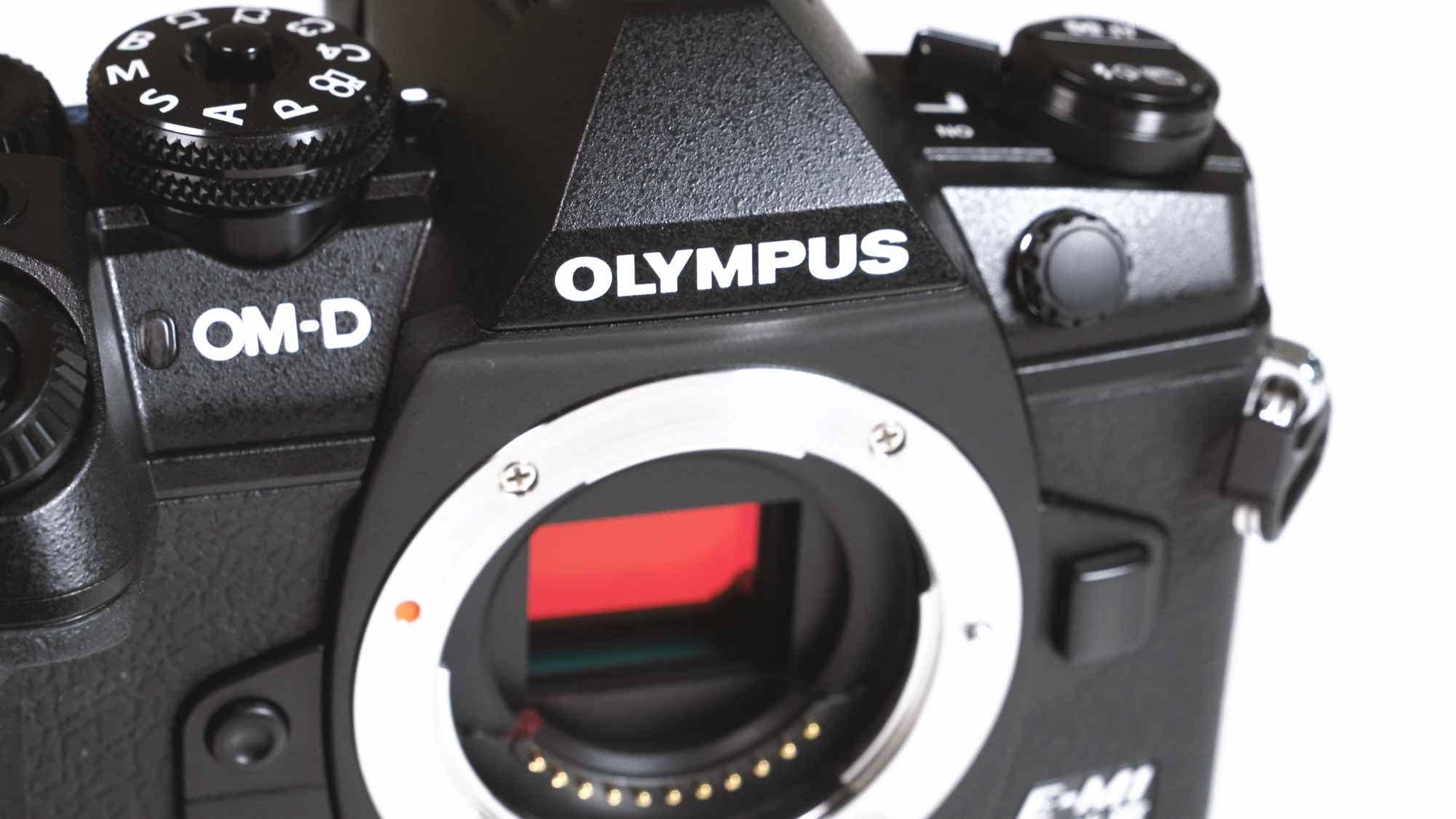
With the OM-D E-M1 Mark III, Olympus presents a new camera for professional applications. In this blog post, we present the differences to the previous model and show which Olympus cameras are the best choice for photographers. We look forward to your feedback on this post! Just send us an e-mail to content@fotokoch.de
Development of the OM-D system from Olympus
Olympus introduced the 4/3 standard in 2003, which laid the foundation for the compact system and near telecentric lens quality we have come to expect from the Olympus system. In 2012, the E-M5 introduced the first 5-axis IS with exceptional handheld stabilization. With the OM-D E-M1, Olympus presented a professional camera model for the first time in 2013, which focused in particular on robustness and autofocus speed. In 2018, we already reported on the predecessor model of the OM-D E-M1 Mark II and were surprised by the functions and handling of the Olympus flagship. Just over a year ago, Olympus tried to turn the professional segment market on its head with the Olympus E-M1X - a high-end camera with a permanently installed battery grip - but quickly realized that the E-M1X probably failed to meet the demands of the market.
With the OM-D E-M1 Mark III, Olympus is now trying to bring together the two models E-M1 Mark II and E-M1 X and present the user with a compact camera with the best possible technology.

Overview of the OM-D E-M1 Mark III
Image quality:
- Portability for professionals
- Excellent portability
- first-class image stabilizer
- New TruePic IX image processor
- High Res Shot from the hand & Live ND
- Excellent handling
Reliability:
- Complete freedom of movement
- Weatherproof
- Charging via USB
- SSWF
- Trigger with long service life
- Custom modes
- Dual card slot
High speed & accuracy:
- Performance without compromise
- 121-point on-chip cross-type phase detection AF
- 18 fps AF/AE Tracking Sequential Shooting
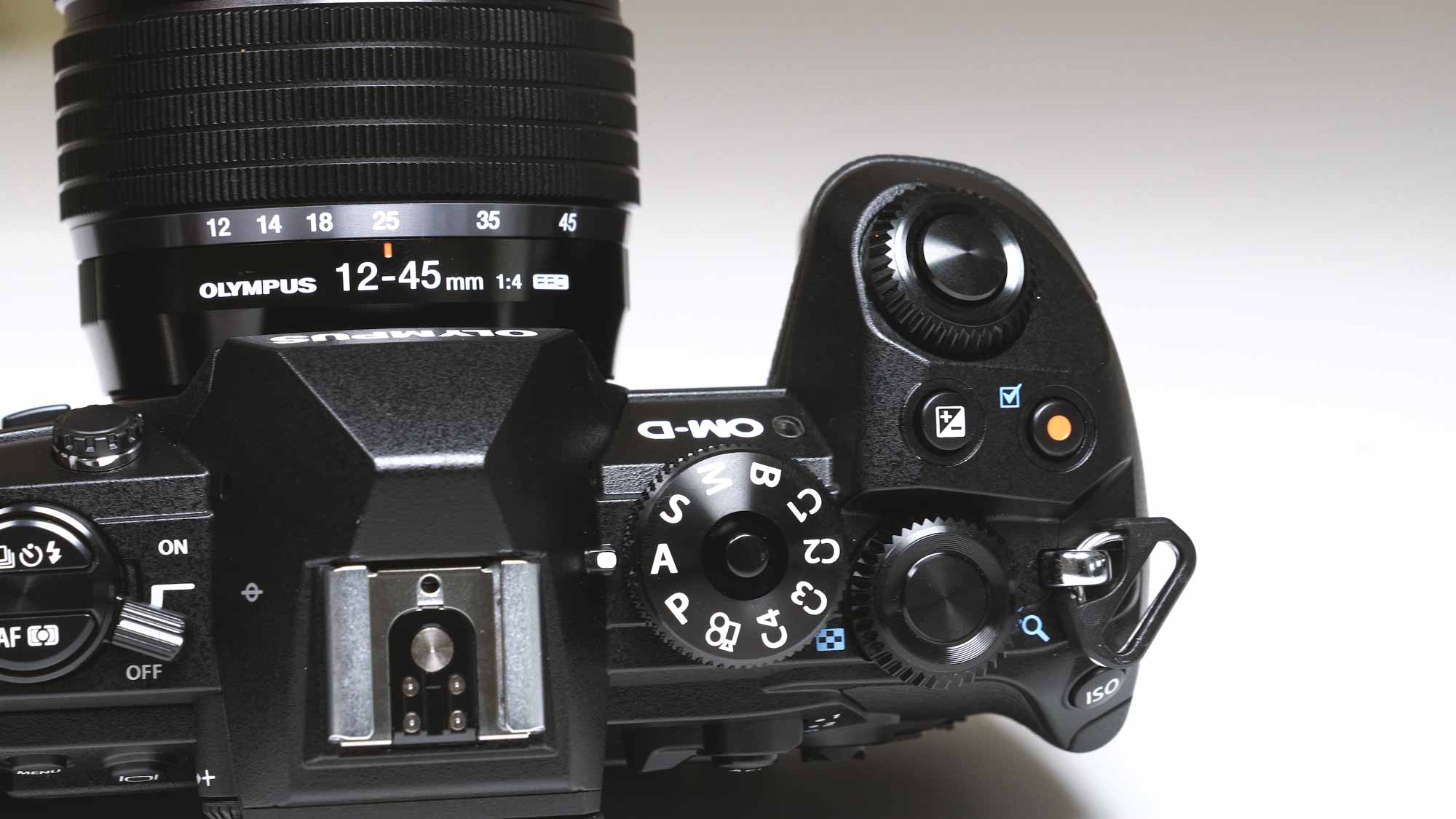
- Multi Selector Joystick
- Starry Sky AF
- Advanced Face and Eye Priority AF improved algorithm
Various creative functions:
- 4K / Cinema 4K handheld shooting
- OM Log
- High Speed Movie (120fps)
- HDMI monitor connection
- High Res Sound recording
- Live Composite / Live Bulb / Live Time / Focus Stacking / Focus Bracketing
1. Size and weight
One of the core values on which the camera manufacturer Olympus has long focused is the compact and lightweight design of the OM-D camera. One of the main reasons for these compact dimensions is the TruePic IX image processor in MFT size. The rapid change in semiconductor technology makes it possible to build image sensors in ever smaller formats that still deliver amazing image quality.
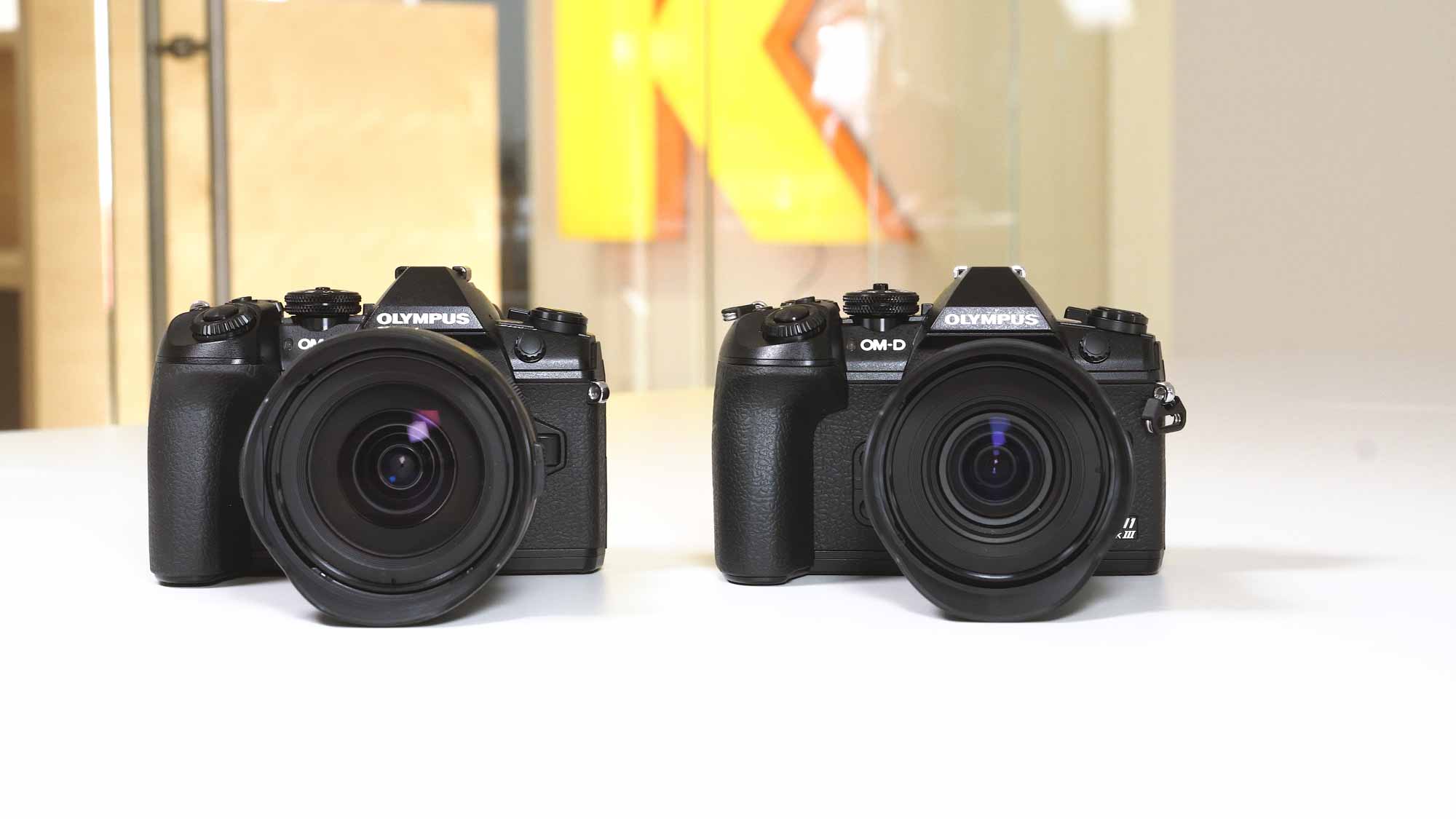 left Mark II
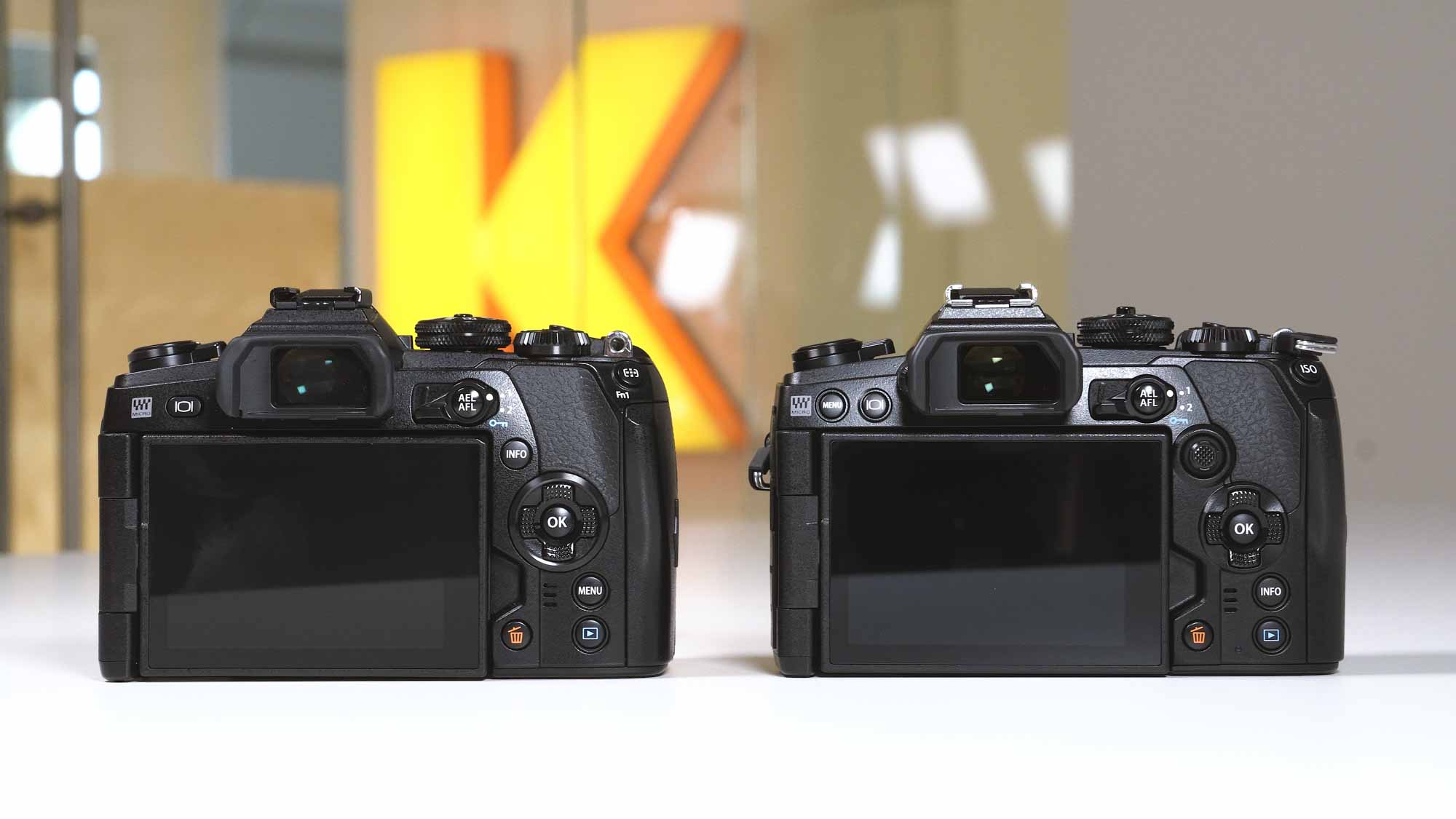 right Mark III

2. Sensor
The 20MP Live MOS sensor of the E-M1 Mark III has become even faster and therefore offers exciting new functions. The High Res Shot with 50MP can now be photographed handheld, because in some shooting situations a tripod is inconvenient or simply not possible to set up. ND filters are a thing of the past with the new OM-D E-M1 Mark III, because long exposures are now taken directly in the camera. This function practically extends the exposure time and makes it possible to take long exposures by merging several images. Five levels of Live ND effect from ND2 to ND32 can be selected, and the expected result can be displayed in the viewfinder or on the LCD screen before shooting. This function not only saves the hassle of changing filters depending on the shooting scene or lens, but is also practical for lenses to which filters are difficult to attach.
3. Image stabilization
We have already mentioned the excellent image stabilization of the OM-D cameras in the test report of the predecessor model. The E-M1 Mark III now delivers the same performance in image stabilization as the E-M1X , hand-held shots without blurring! Especially in low light situations and with long focal lengths, camera shake is a daily occurrence. The OM-D technology is designed to reduce the problem, as the sensor stabilization of the E-M1 III compensates for up to 7.0 f-stops, according to Olympus. Compared to the previous model, which was only able to compensate for 5.5 f-stops, this is quite remarkable.
4. Autofocus system
The E-M1 Mark III stands for an uncompromising autofocus system, which is characterized by high speed and accuracy. During autofocus tracking, up to 18 frames per second are possible, so even fast moving objects can be captured. A thumb joystick is now available for selecting the focus area.
A completely new feature is on board for astrophotographers. Normally you have to focus manually when shooting the night sky, but a new AF algorithm has been developed for the E-M1 III. The Starry Sky AF! This new function makes it possible to use autofocus for astrophotos too. We are curious to see when the first tests of this function will be available in practice! A constantly discussed topic among portrait photographers is eye autofocus. Here, the E-M1 Mark III delivers new algorithms that improve speed and precision.
5. Reliability
Another core value of the manufacturer Olympus is the reliability of the camera system. The E-M1 III is also made for bad weather and adverse weather conditions. The compact and lightweight body of the E-M1 Mark III is solid, dust-, splash- and frost-proof. As with the E-M1 Mark II, the dust reduction system Supersonic Wave Filter ensures photos without smudges. The service life of the E-M1 III shutter release is specified as 400,000 releases, which is double that of the previous model. Two SD card slots provide security for data processing, whereby various storage options can be selected. With the dual same option, for example, data of the same quality is stored on both cards. However, it should be noted that card slot 2 is only UHS-I compatible. Slot number 1 is compatible up to UHS-II and is therefore significantly faster. The camera can be charged via USB-C, so power can also be supplied on the move or during operation.
Olympus E-M1 III