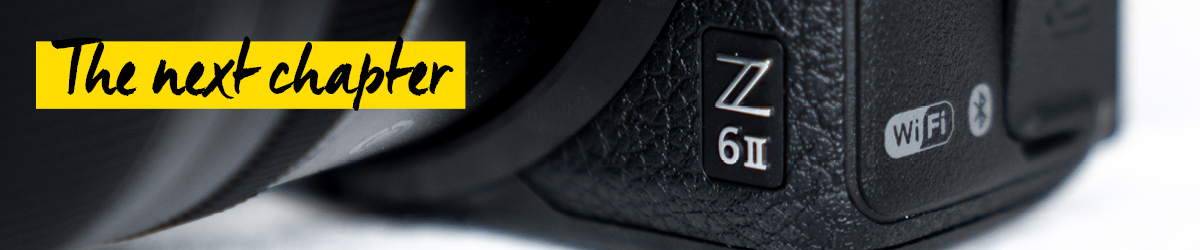

The next chapter: Nikon Z6 II and Z7 II
Reading time: 5 minutes - 14.10.2020
The Nikon Z6 and Z7 were and still are first-class mirrorless full-frame system cameras that are very popular with many photographers. Nikon has now gone one better and launched the successors to this successful series: the Nikon Z6 II and the Nikon Z7 II. In doing so, the company has focused particularly on its users and corrected any problems and errors. This takes the series to a new level: for more brilliant, sharper and faster images.
We look forward to your feedback on this article! Simply write a comment below the YouTube video, or send an email directly to content@fotokoch.de
New image processor for the second generation
The new Dual EXPEED 6 image processor sits at the heart of the new Nikon Z7 II and Nikon Z6 II and provides the basis for even faster internal image data processing. Despite the double image processor performance, the EXPEED 6 works just as efficiently as the single EXPEED. The advantages of the new image processor: A significantly larger buffer memory, faster image series with AF and exposure and faster AF tracking. The new image processor is built into both new Nikon system cameras.

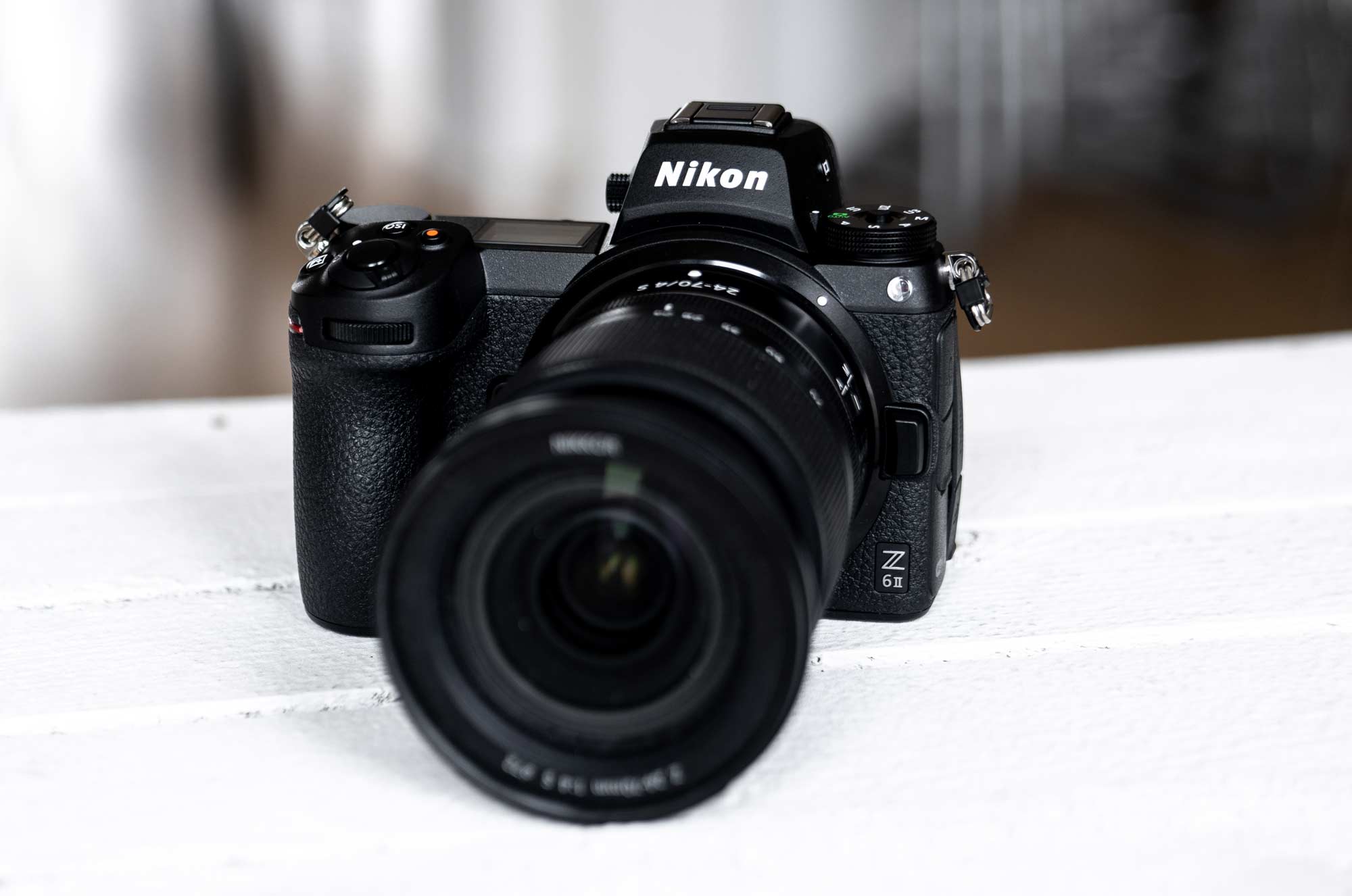 Nikon Z6 II
The new functions at a glance
- Dual EXPEED - Double the image processing power
- Dual card slot - CFexpress/XQD & UHS-II SD/SDXC
- Improved AF tracking
- Improved AF light sensitivity - (-1 EV )
- Higher frame rate - Z 6II 14 fps Z 7II 10 fps
- Larger buffer memory - Z 6II approx. 124 RAW Z 7II approx. 77 RAW
- Eye AF for people and animals in video
- Additional large, freely adjustable AF point for eye AF
- USB-C battery charging during operation - power bank, USB charger
- Battery grip with portrait shutter release - MB-N11
- Reduced black-out times of the monitor (EVF) - Dual Expeed
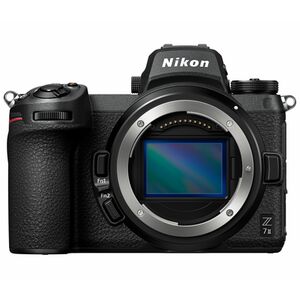

What else has changed?
When developing the Z7 II and Z6 II, Nikon responded to the needs of photographers and incorporated and implemented a lot of feedback from the first generation. There have also been some innovations in the operation of the camera and in the menu.
- The trim range for video editing in the camera can be set using input and output markers on the monitor
- The design of the virtual horizon has been optimized for architectural photography
- High-speed continuous shooting with flash triggering
- Peaking menu item has been changed to Focus Peaking
- Pixel mapping integrated into the firmware (hot pixel)
- Time-lapse movies can be automatically generated and checked after shooting
- Energy saving mode can be switched on (reduces the Live View image quality)
- The knurling on the main setting dial now has a better grip
Comparison Nikon Z6 vs Nikon Z6 II
| Nikon Z6 II | Nikon Z6 | |
|---|---|---|
| Sensor | Nikon FX-format CMOS sensor/24.5 million pixels total | |
| Electronic viewfinder | 100% image coverage, Quad VGA (1280 ? 960), 0.8x magnification | |
| Shutter speed | 1/8000 to 900 s | 1/8000 to 30 s |
| Maximum continuous shooting speed | 14 fps with AF/AE tracking | 12 fps with AF/AE tracking |
| Buffer capacity (in 12-bit lossless compressed RAW) | 124 shots (CFexpress) | 35 shots (XQD) |
| Processor | Dual EXPEED 6 | Single EXPEED 6 |
| SD-cards | Dual (XQD or CFexpress + SD card) | Single (XQD or CFexpress card) |
| Autofocus system | Hybrid of phase detection AF and contrast AF, 273 points, 90% ? 90% coverage) | |
| Autofocus performance in low light | -4.5 EV (at f/2.0, -6 EV with low-light AF) | -3.5 EV (at f/2.0, -6 EV with low-light AF) |
| Eye Detection/ Animal Detection | Available as autofocus and wide-angle AF (L) | Available in auto AF |
| VR | Vibration reduction effect, which corresponds to a shutter speed that is approx. 5.0 f-stops faster | |
| Video HDR (HLG) | Supported | Not supported |
| Video focus ring reversible | Supported | Not supported |
| Video eye detection autofocus | Supported | Not supported |
| Video animal eye autofocus | Supported | Not supported |
| Power saving mode | Supported | Not supported |
| Battery life (Sucher) | 340 shots/400 shots in power save mode, approx. 100 minutes movie recording | 310 shots/85 minutes movie recording |
| USB-charging | Supported | Not supported |
| USB-Power supply | Supported | Not supported |
| Dimensions (W x H x D), weight | 134 x 100.5 x 69.5, approx. 705 g | 134 x 100.5 x 67.5 mm, approx. 675 g |
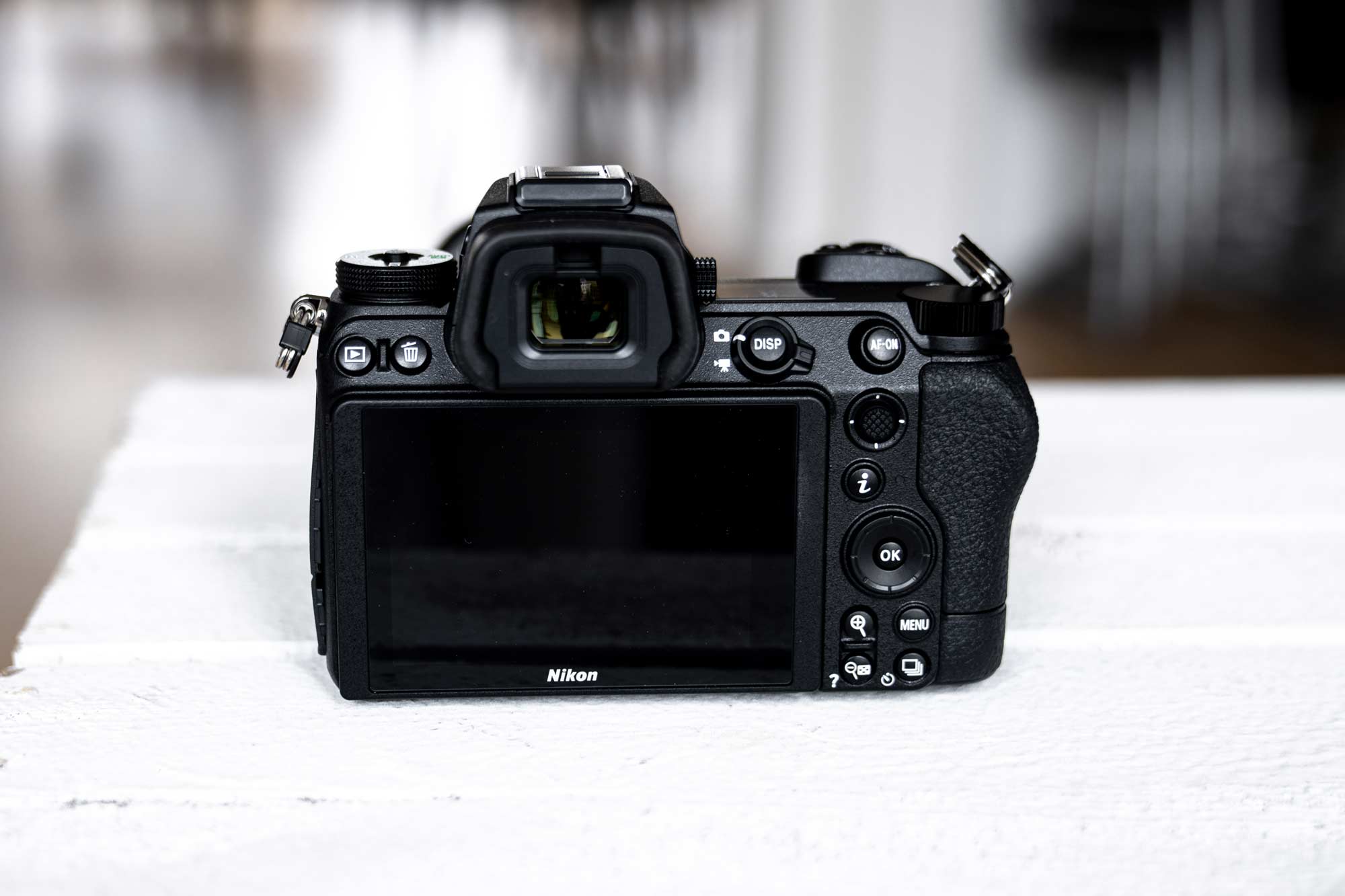 Nikon Z6 II
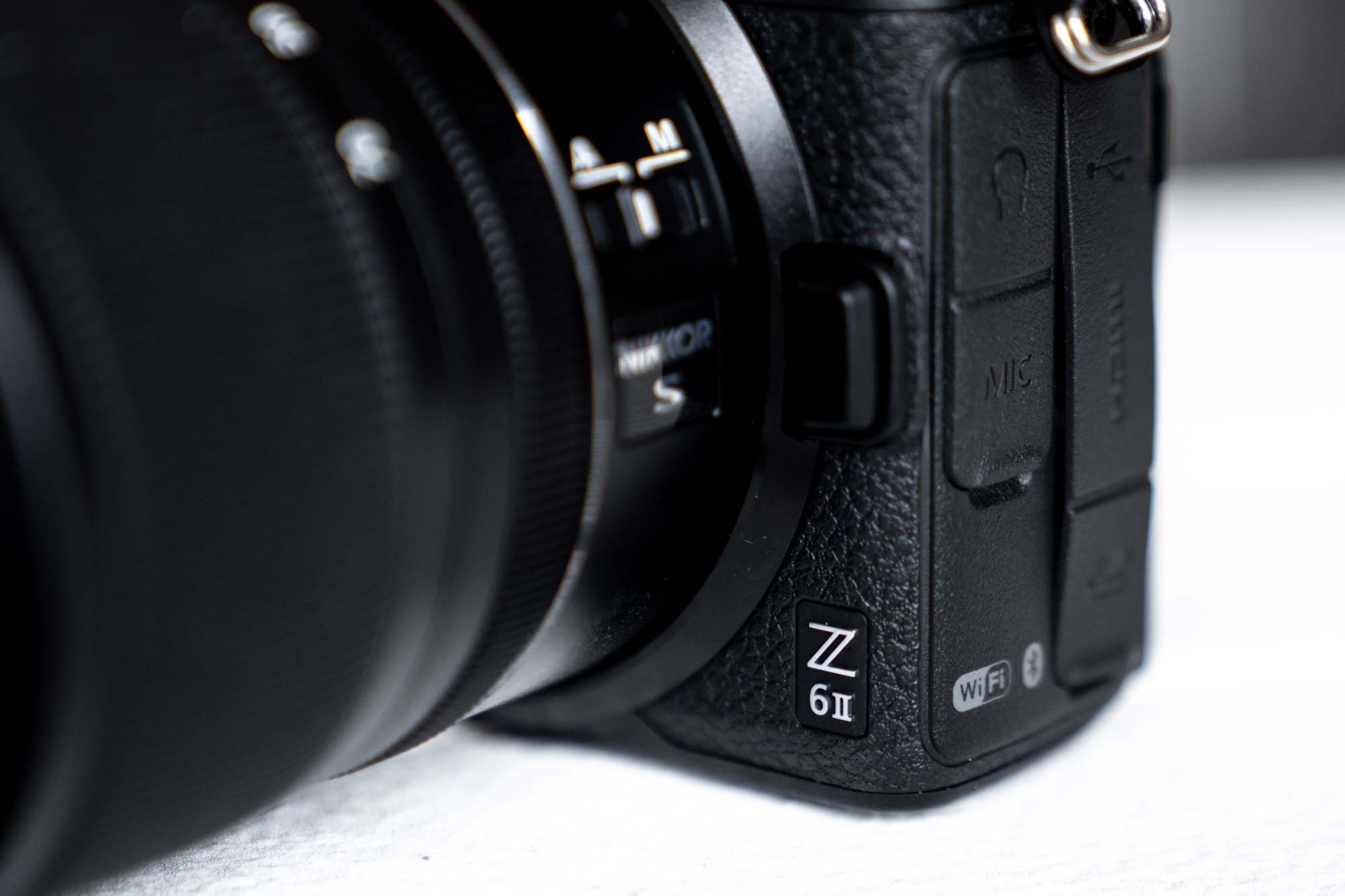 Nikon Z6 II
Comparison Nikon Z7 vs Nikon Z7 II
| Nikon Z7 II | Nikon Z7 | |
|---|---|---|
| Sensor resolution | 45.8M | 45.8M |
| ISO sensitivity | 64-25600 | 64-25600 |
| Autofocus system | 493/ Approx.90% x 90% | 493/ Approx.90% x 90% |
| -3EV | -2EV | |
| Eye-detection-AF | Photo: human / animal | Photo: human / animal |
| Continuous shooting speed (with AE/AF tracking) | 10fps | 9fps |
| Buffer capacity | 73 shots (12 bit RAW lossless compressed) | 23 shots (12 bit RAW lossless compressed) |
| Battery life | 360 shots (380 in energy-saving mode) | 330 shots |
| Maximum video recording | 4K60P | 4K30P |
| SD card slots | CFexpress/XQD + SD | CFexpress/XQD |
| Dimensions (W x H x D) | 134 x 100.5 x 69.5mm | 134 x 100.5 x 67.5mm |
| Weight | 705g | 675g |
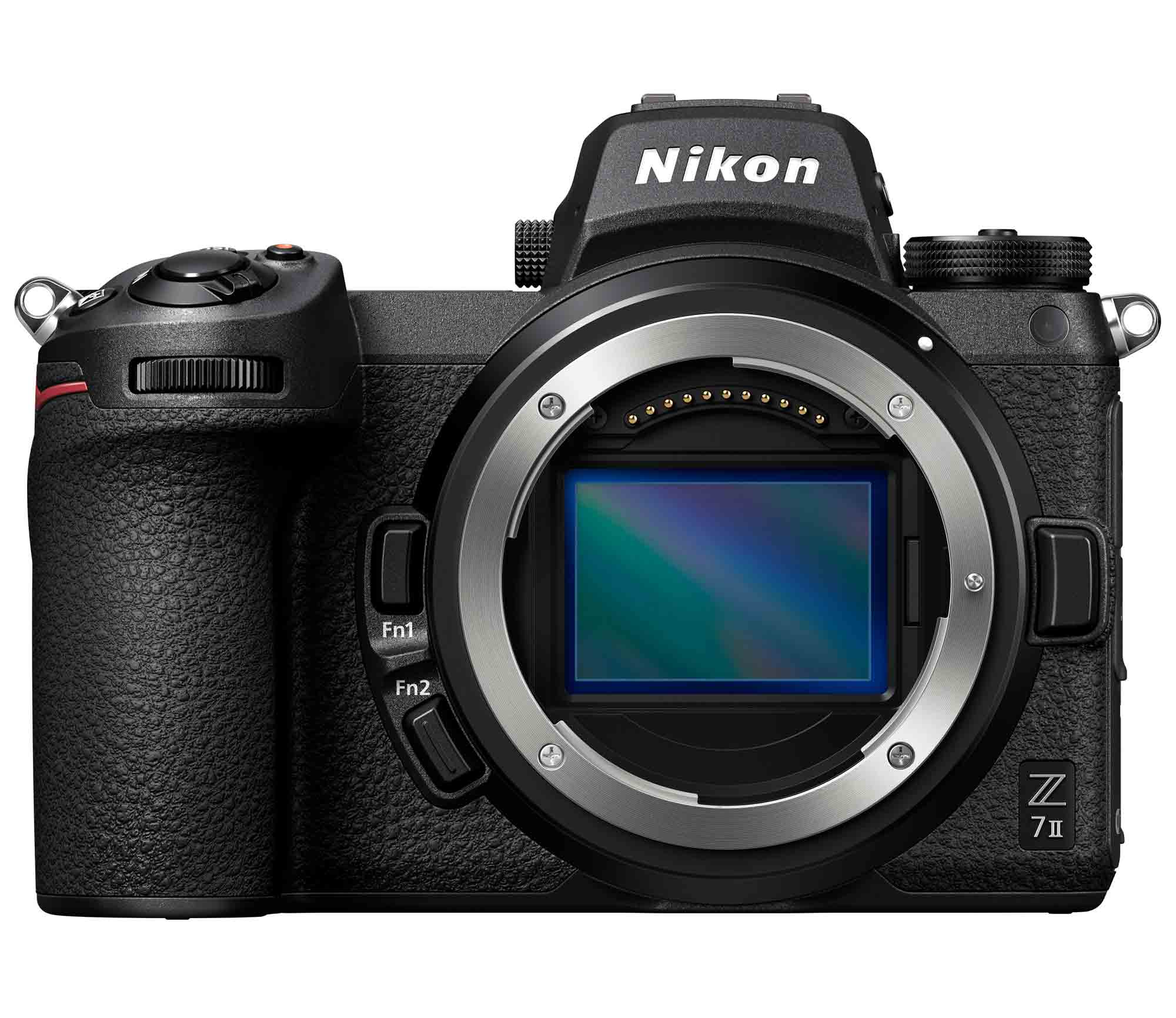 Nikon Z7 II
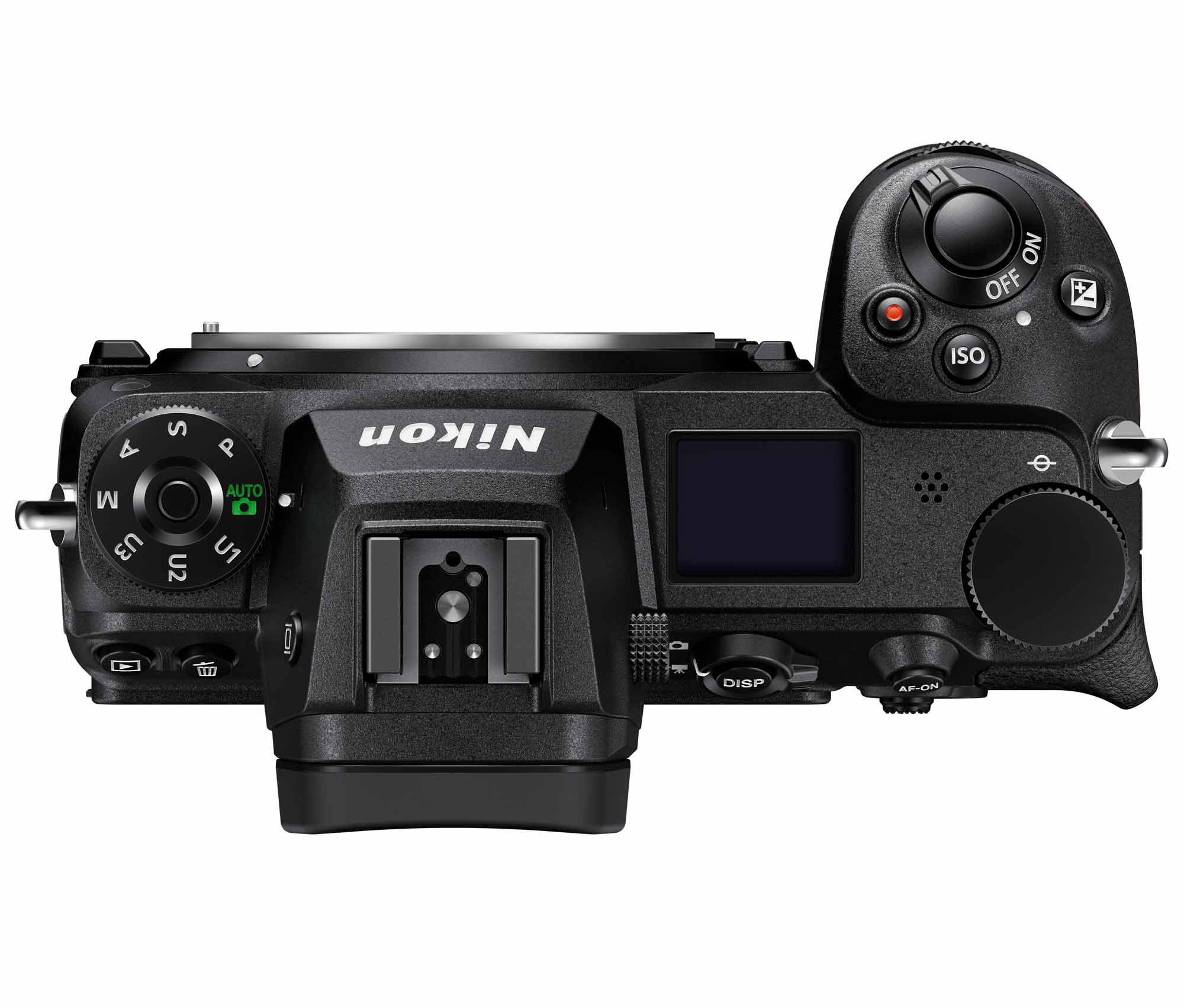 Nikon Z6 II
Conclusion
Although much has remained the same with the Nikon Z7 II and the Nikon Z6 II, the two new cameras bring with them a number of functions that could be worthwhile for many photographers. The new processor offers new possibilities to increase the performance of the cameras and the double memory card slots provide the necessary security for photo shoots. The video function with 4K 60P on the Z7 II, as well as the ability to power the camera via USB, is also a real eye-catcher. All in all, the two system cameras can be described as solid successors to a traditional brand. You are welcome to visit our D?sseldorf branch to see for yourself.
Get a 200,- Euro trade-in bonus when you buy the new Nikon Z7 II or Z6 II (Body + sets) and trade in your used camera.
Sales start: Beginning of November