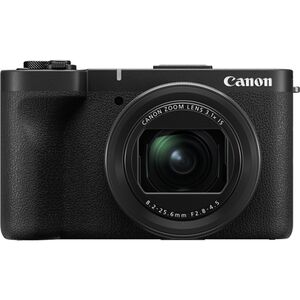
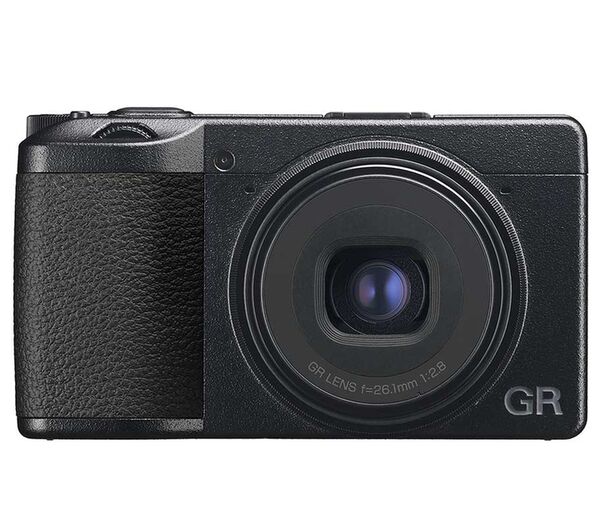
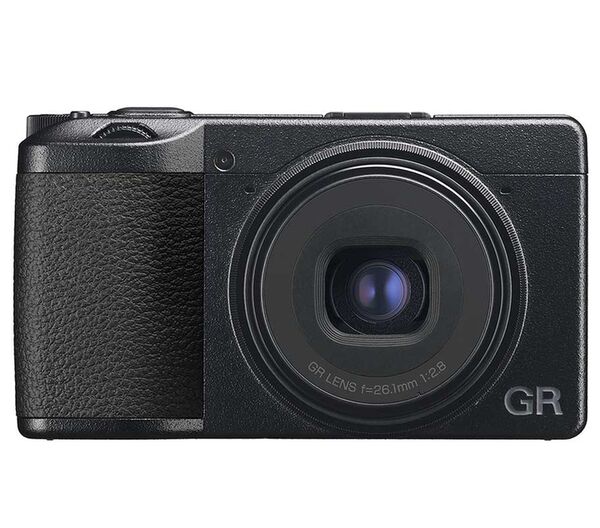
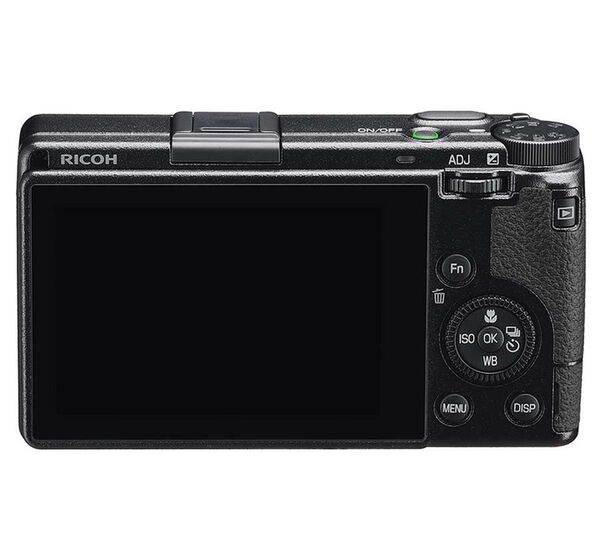
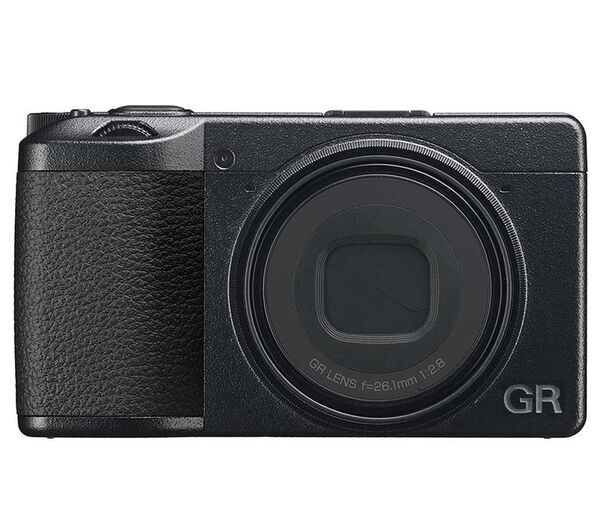
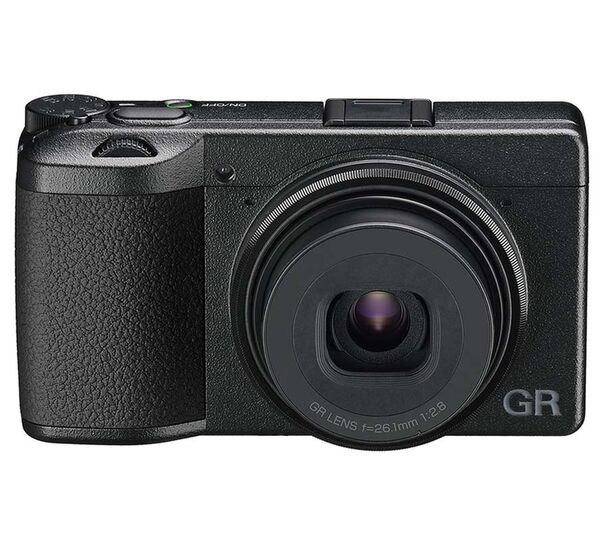
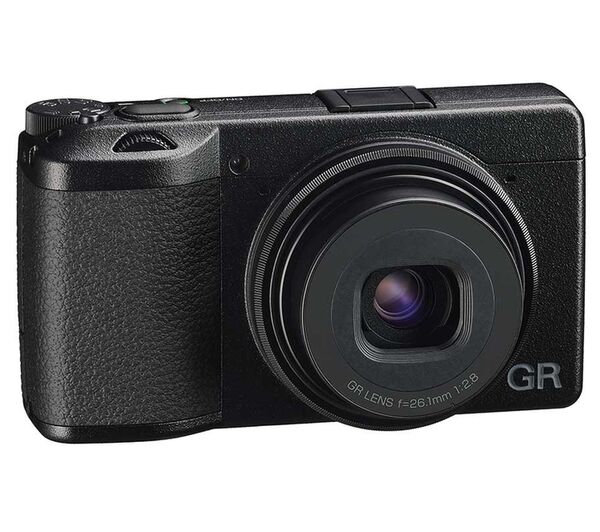
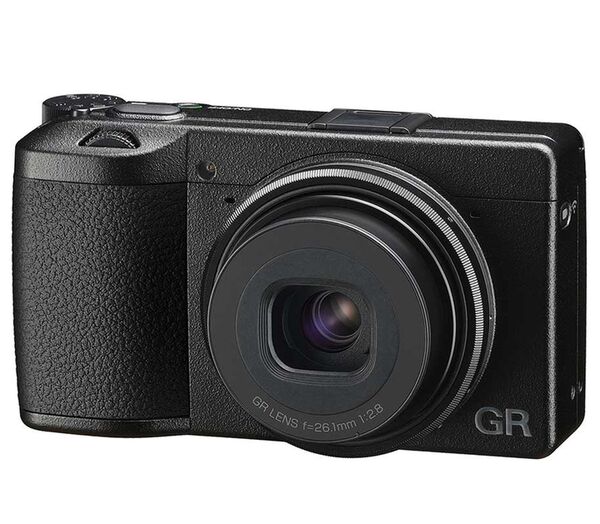
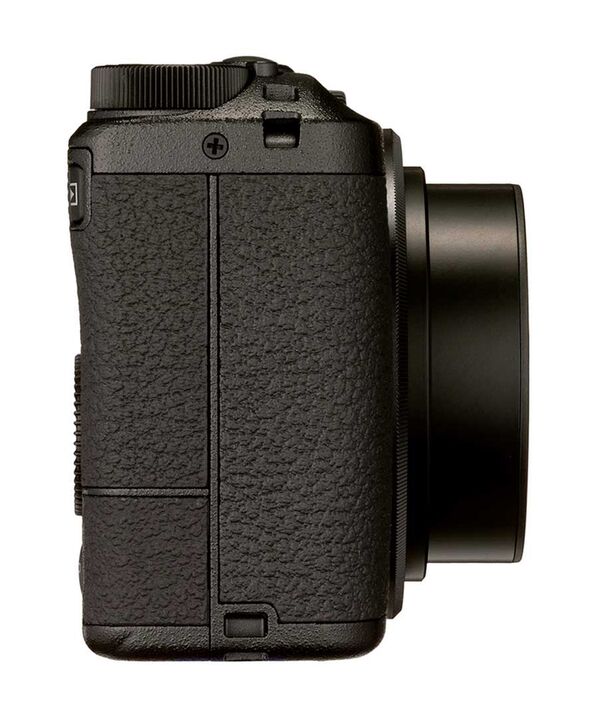
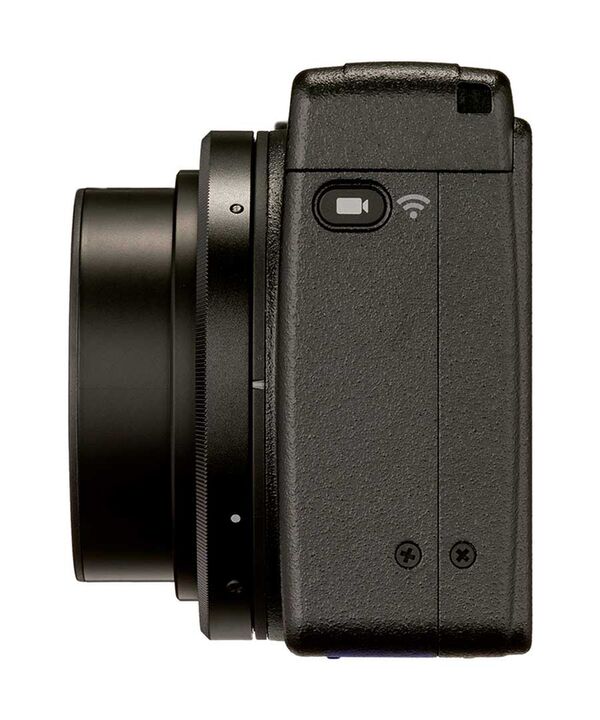
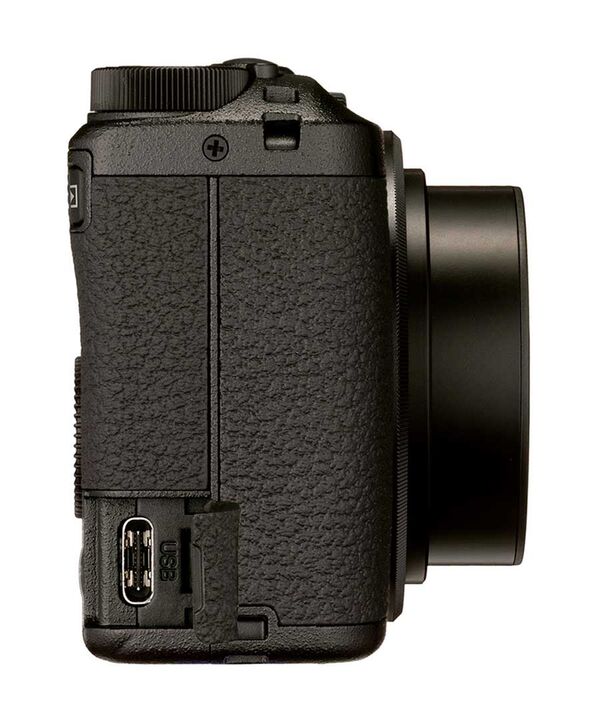
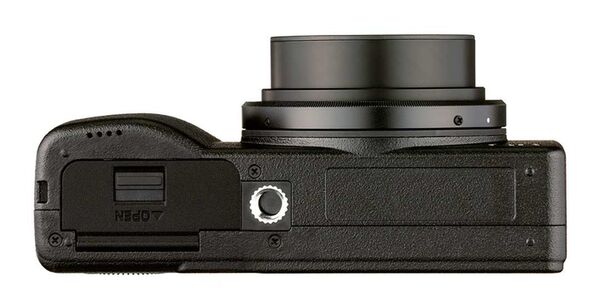
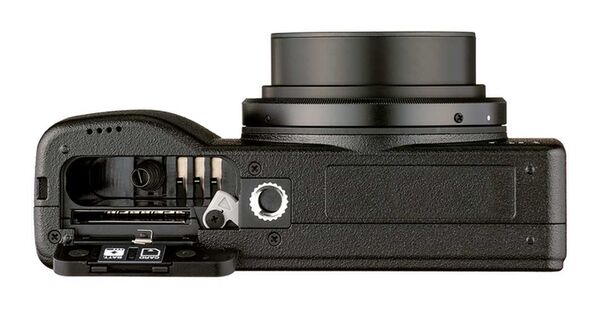
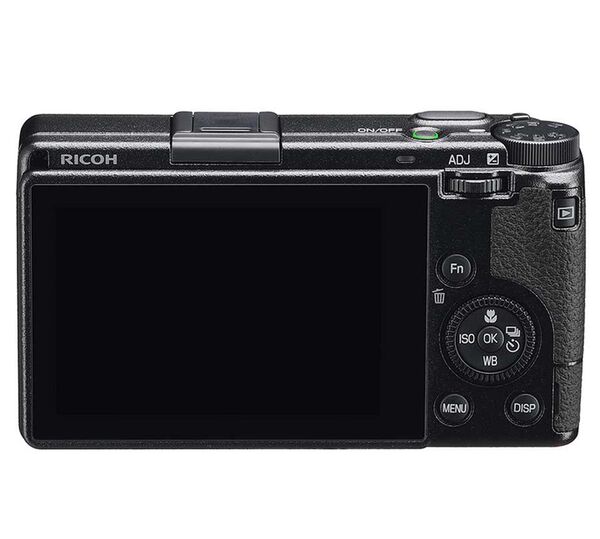
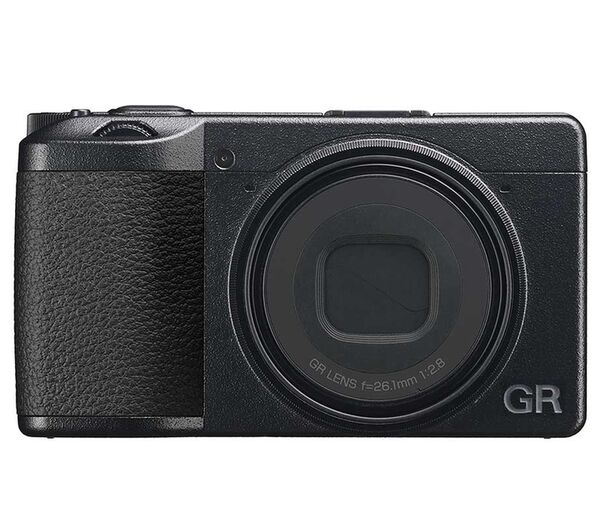
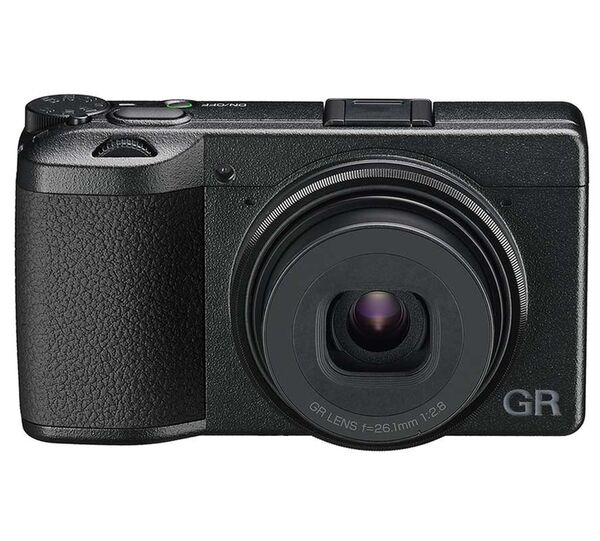
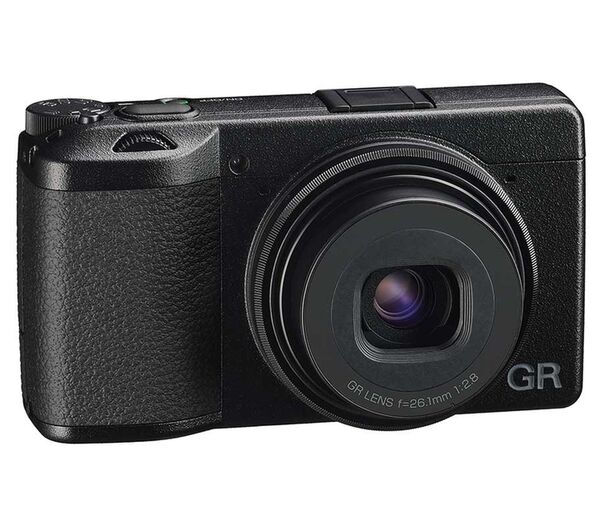
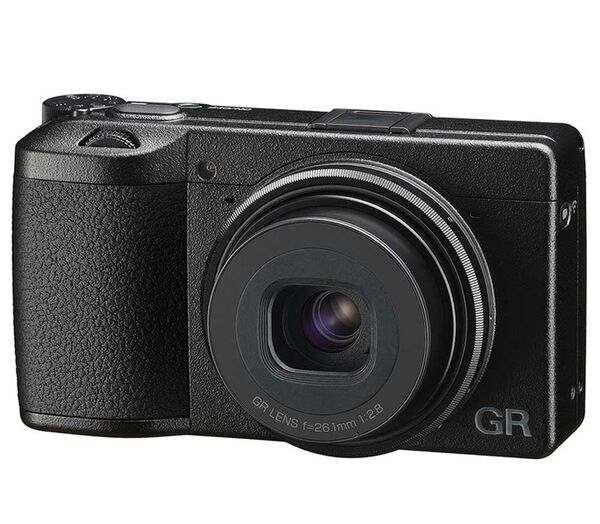
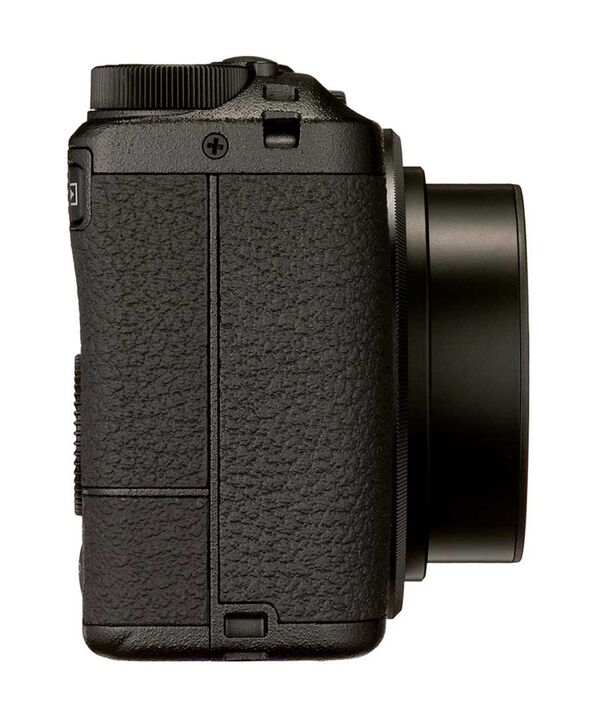
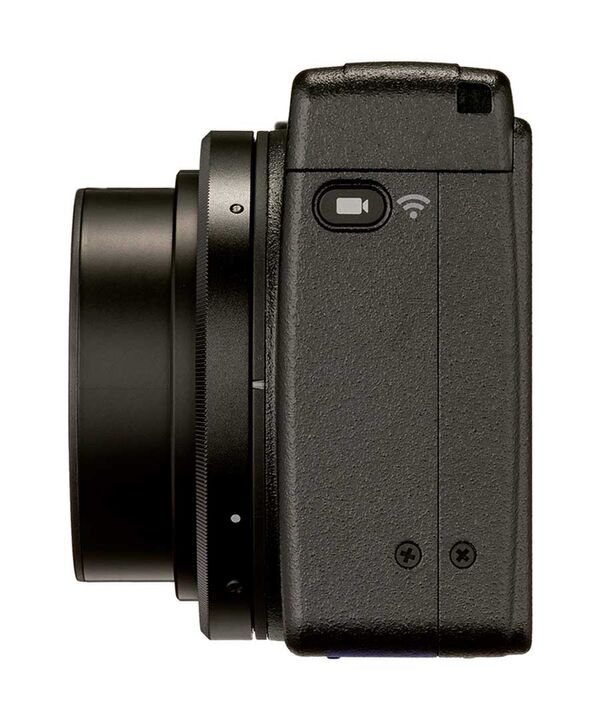
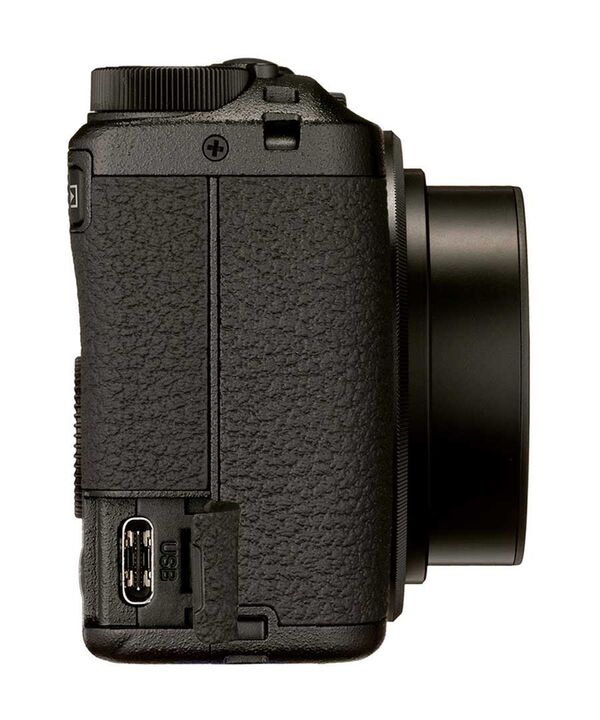
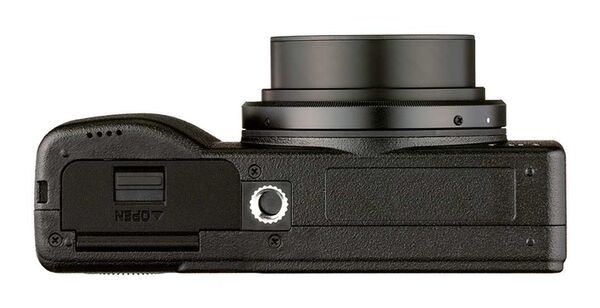
With the GR IIIx, a wish of many photographers has now been realized.
The chassis and the "user interface" of the GR III have been adopted unchanged, and instead of the previous 28 mm focal length (KB equivalent), the new Lens offers a focal length of 26.1 mm, which corresponds to 40 mm in 35 mm format, and thus almost a "normal lens". This focal length is legendary, not only in the PENTAX system, and is considered the perfect compromise for classic reportage photography. It corresponds to a natural viewing perspective and allows a greater distance to the subject than before, enabling the subject to be cropped with great depth of field.
Image quality without compromise
The RICOH GR IIIx is equipped with the newly developed 26.1 mm GR Lens, which corresponds to a 40 mm field of view in 35 mm format and comes very close to the effective field of view of the human eye. The Lens, with this versatile angle of view, can be used very universally. It lies between the wide-angle and normal range, and therefore offers a wide spectrum of image effects. The RICOH IIIx introduces a range of new and improved features.
The RICOH GR IIIx has been designed to maintain the core values of the GR series: Optimizing image quality, snapshot capabilities and mobility.
The new GR Lens for perfect sharpness performance, with high resolution and high contrast
The GR Lens has been equipped with unique RICOH IMAGING optical technology, ensuring high image quality at all times. While the GR III uses a compact optical system of 6 elements and 4 groups with a focal length of 18.3 mm (approx. 28 mm KB equivalent) and an aperture of F2.8, a new optical system of 7 elements and 5 groups with a new focal length of 26.1 mm (approx. 40 mm KB equivalent) has been developed for the GR IIIx. Both Lens are characterized by high-precision molded glass lenses with a high refractive index and low dispersion. In addition, aspherical glass lenses have been optimally integrated into the respective optical systems to suppress optical distortion and chromatic aberration to the absolute limit and achieve a high degree of sharpness. The result is sharp and clear images across the entire image range, even at open aperture settings.
Large 24.2 MP image sensor in APS-C format, for perfect image capture
The GR III and GR IIIx are equipped with a high-resolution approx. 24.24 MP CMOS image sensor in APS-C format. In addition to a wide dynamic range, it is also suitable for large-format prints.
The filterless anti-aliasing (AA) construction supports the lens performance and ensures the best possible image quality in the interaction of image sensor and Lens.
Advanced image processing options and high responsiveness: Discover the possibilities with the image processor, the GR ENGINE 6.
The image processor - the GR ENGINE 6, in the GR III and GR IIIx is an important factor in image creation. It enhances the basic high image quality of the GR and provides more detail. The fast processing enables a combination of a high-resolution sensor and a color depth of 14-bit (RAW).
This engine also contributes to improved responsiveness and functionality in autofocus and movie recording.
Shooting at ISO 102400 is made possible by the signal processing technology we have developed
In addition to the image processor, the GR III and GR IIIx have an accelerator unit. The signal output by the image sensor is prepared for processing in the image processor, which reduces noise and ensures excellent resolution and color reproduction over the entire sensitivity range - even when shooting at ISO 102400.
Body-integrated Shake Reduction (IBIS) on three axes brings exposure reliability of up to four exposure stops
Despite the smallest body dimensions, the engineers have succeeded in integrating a Shake Reduction into the body of the GR III and GR IIIx. This reduces camera shake during snapshots, even with longer exposure times, in order to obtain sharp images.
The IBIS system minimizes camera shake on three axes and provides exposure safety of up to 4 exposure stops*.
* Measured in accordance with CIPA standards.
AA filter simulator through the Shake Reduction mechanism - to reduce false colors and moiré
The effects of the optical anti-aliasing filter (AA) are simulated by the moving sensor of the Shake Reduction (SR). By slightly shifting the image sensor during exposure, false colors and moiré are suppressed.
Depending on the subject, you can choose whether the resolution or the reduction of false colors and moiré should be in the foreground. Select [High] or [Low] for the effect settings.
This function is only available at shutter speeds of less than 1/1000 second.
Capture the moment
A compact body and functional design with high performance
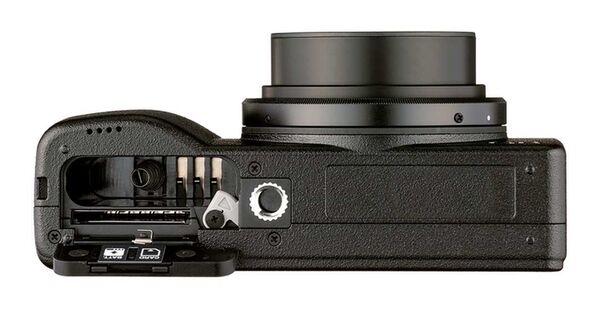
When developing the GR III and also the GR IIIx, the aim was to realize a high degree of functionality with the most compact body dimensions. The body size is comparable to the DIGITAL IV, even though it was only equipped with a 1/1.7-inch image sensor.
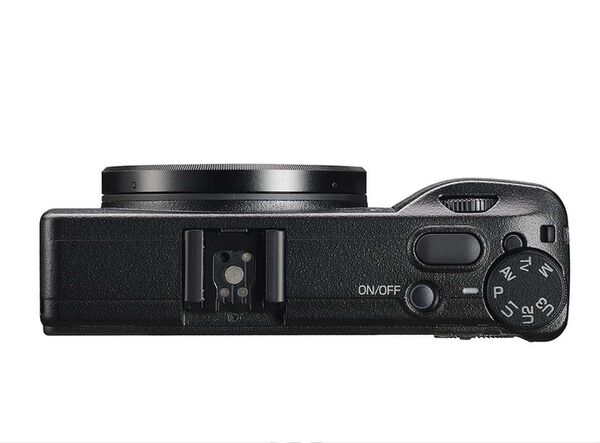
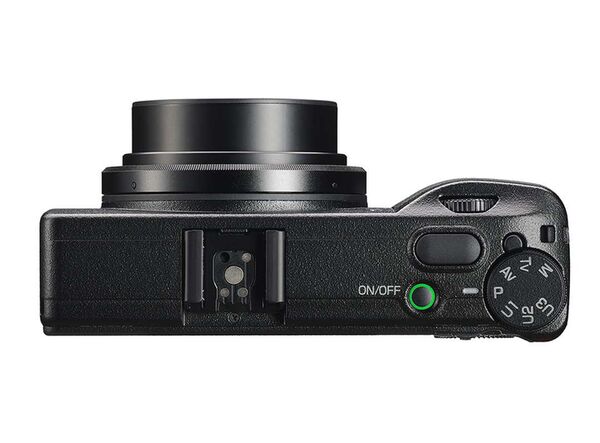
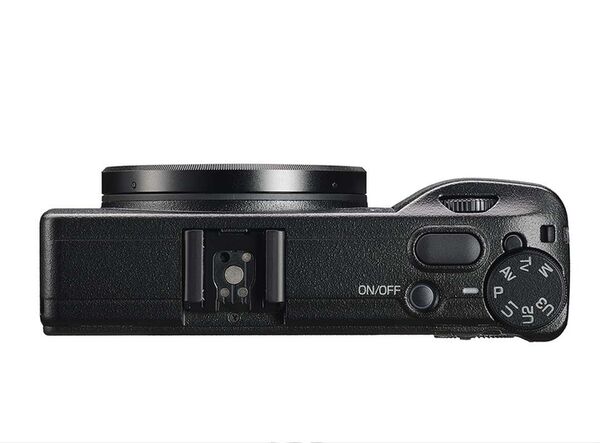
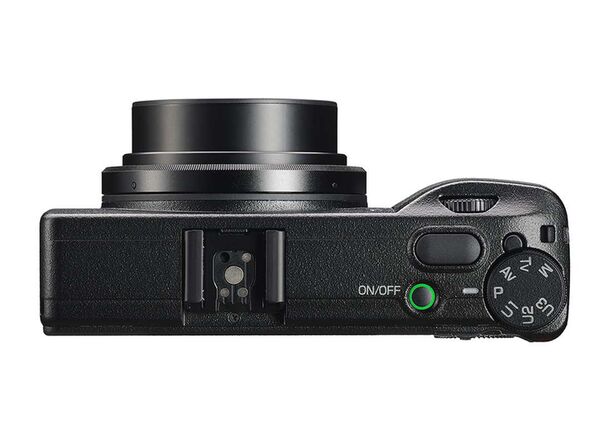
A minimalist design was aimed for in order to create a camera in which compactness and creative possibilities take center stage. The buttons and dials are arranged so that they can be operated comfortably with one hand.
Hybrid AF with a combination of phase-detection AF on the image plane and contrast-detection AF
The AF system is a combination of phase-detection AF on the image plane for fast metering and contrast-detection AF for high focusing precision.
The usual contrast detection AF problem during focusing has thus been reduced in order to achieve the fast shooting performance required for street photography.
Short switch-on delay of just approx. 0.8 seconds
The lens barrel is driven by a powerful motor so that it moves quickly from the rest position to the shooting position. In addition, the program sequence when switching on has been optimized to shorten the switch-on time. The built-in lens cover also eliminates the need to remove a lens cap.
So you never miss an opportunity to take a picture.
Various focusing modes for versatile subjects and shooting styles
Eight focus modes are available, including continuous autofocus for many occasions. The focus point can be controlled on the touch-sensitive LCD monitor, and the AF frame can also be controlled directly by touching and sliding movements on the display.
And with Touch AF, simultaneous focusing and triggering is possible. Simply tap the subject on the display and the camera focuses and releases the shutter - so no spontaneous snapshot is missed
Face and eye detection, for even faster reaction when taking portraits
This function is activated in [Auto Area AF], [Select AF] and [Pinpoint AF]. When the face or eye is detected and focused, the focus point is marked. It is easy to change the focus point in the [Auto Area AF] function. This allows you to conveniently switch between recognized faces and other subjects without switching off face/eye detection.
Eye detection is new to the GR IIIx and is also available for the GR III with a firmware update.
With Full Press Snap you will never miss a shot again
In Full Press Snap mode you save important fractions of a second. In this function, the camera adjusts to a preset distance value, saving time and capturing the moment in a fraction of a second.
Full Press Snap can be triggered by the shutter release button or by touching the LCD monitor.
Touch panel and setting dial for intuitive camera control
Customizable buttons and functions to adapt to your own style
The LCD monitor is equipped with a touch panel. By simply touching and moving it, you can move the AF frame or call up the menu. You can also change the magnification factor during playback by pinching, swipe to display the previous and next images or double-tap the monitor to return to the center of the image. There is also a four-way button with a dial around it. This "user interface" makes it possible to operate the camera quickly with just one hand while holding the camera securely.
The camera controls can be customized in a variety of ways. For example, the ADJ and Fn buttons can be assigned user-defined functions. Or you can save entire sets of settings to the U1/U2/U3 functions on the mode dial. This allows you to adapt the camera to different requirements quickly and easily.
Expanding the range of expression options
Advanced Image Control for more creativity in image composition
The GR III and GR IIIx are equipped with the "Image Control" function. This is a reminiscence of analog photography, in which different image styles are controlled via the film selection. With eleven different presets, different image styles can be simulated and, if required, further refined and adapted to your own needs.
The variable parameters depend on the selected image style, but include the following options: Saturation, Hue, High/Low Correction, Contrast, Contrast (Highlights and Shadows), Sharpness, Shading, Clarity, Toning, Filter Effect, Grain Effect, HDR Tone Value and Hue.
The new "DOF (Depth of field) Priority" program automatic, which is perfect for shots with pan focus
The simplest, and often most reliable exposure control in snapshot photography, is via program automatic. With the GR III and GR IIIx, the photographer has a total of three program control options.
In addition to the "normal program", the camera also has a program line that gives priority to the open aperture. With the GR IIIx (and via firmware update also for the GR III) there is now also an option with priority for the smallest aperture setting (GR III*: F8.0, GR IIIx: F11).
In program mode in conjunction with the [Fixed focus] setting, maximum depth of field is achieved for snapshots.
Macro mode, for a wide range of close-up shots
Pressing the macro button takes you into a completely different world of photography. The focus range is then between 6 and 12 cm (GR III) or 12 and 24 cm (GR IIIx) from the front of the lens, enabling impressive close-ups with beautiful background blur.
Even if the focus mode is set to [Fixed focus] or [∞], autofocus is activated as soon as macro mode is activated.
"Star Trail" shots in nature or in the city with the interval composite function.
This function is particularly suitable for capturing the night sky with shooting stars and other celestial bodies. It can be started directly with the button for the recording function. Settings for the start, the recording duration or the saving of intermediate images are made here. After the start, images are taken at 10-minute intervals in order to obtain impressive images of the night sky at the end.
Use a tripod. Note that noise reduction at slow shutter speeds and SR are switched off.
Focus, exposure and white balance are set to the value of the first shot.
Crop mode allows you to change the image section and expand your creative options
Crop mode allows you to adjust the shooting angle electronically.
For the GR III, shooting angles corresponding to focal lengths of 35 mm and 50 mm (KB equiv.) and for the GR III x of 50 mm and 70 mm (KB equiv.) are available. This means that you can use the right angle of view for your picture idea directly when taking the picture.
In this way, you can extend the creative scope of the GR III from realistic wide-angle shots that capture a lot of background information up to the normal focal length, while with the GR IIIx you can cover the range from the standard view to medium telephoto shots, which are suitable for portraits and natural-looking pictures, for example. The GR IIIx covers the range from standard view to medium telephoto, suitable for portraits and natural standard shots, for example.
Create special works with multiple exposure
Integrated ND filter - for a wide range of photographic expression
No function is more suited to the term "image composition" than multiple exposure, which allows you to combine several shots in one image. The camera shows the previous shots on the display, making it easier to align and decide on possible changes to the exposure parameters* in order to take another picture or finish the shot and simply create exactly the type of photograph you have in mind.
* Exposure compensation, ISO sensitivity, aperture and shutter speed can be adjusted based on the exposure mode set for the first image.
The white balance cannot be changed.
The GR III zand GR IIIx are equipped with an ND filter that can be switched on and off as required and reduces the exposure by two stops. This makes it possible to work with an open aperture for bright outdoor shots in order to play with the background sharpness, or to use a slower shutter speed in order to work with motion blur.
Extensive exposure metering options
Image post-processing using in-camera RAW processing
The available exposure metering methods are [Multi-segment], [Center-weighted], [Spot] and [Highlight-weighted]. Highlight metering, for high-contrast subjects or disproportionately exposed parts of the image, helps to keep the exposure even and suppresses light peaks in the corresponding areas.
Put the finishing touches to your images directly after taking them. Images in RAW format can be processed directly in the camera and saved as a JPEG file. Adjust parameters such as resolution, aspect ratio, white balance, sensitivity and image control options and save the result as a JPEG file. The RAW file remains in its original form and you can continue to make changes or reset them.
P-TTL flashwith automatic or manual synchronization over the entire time range
The PENTAX P-TTL automatic flash* is fully supported for high-precision automatic synchronization, even with pre-flash. This enables the use of indirect flash and daylight synchronization for a wider range of photographic expression. Short-time synchronization offers a particularly wide range of creative possibilities. Thanks to the central shutter technology, flash can be used over the entire shutter speed range.
*Supported flash units: AF540FGZ II, AF360FGZ II, AF540FGZ, AF360FGZ, AF201FG, AF200FG.
Returned goods!