Challenge accepted!
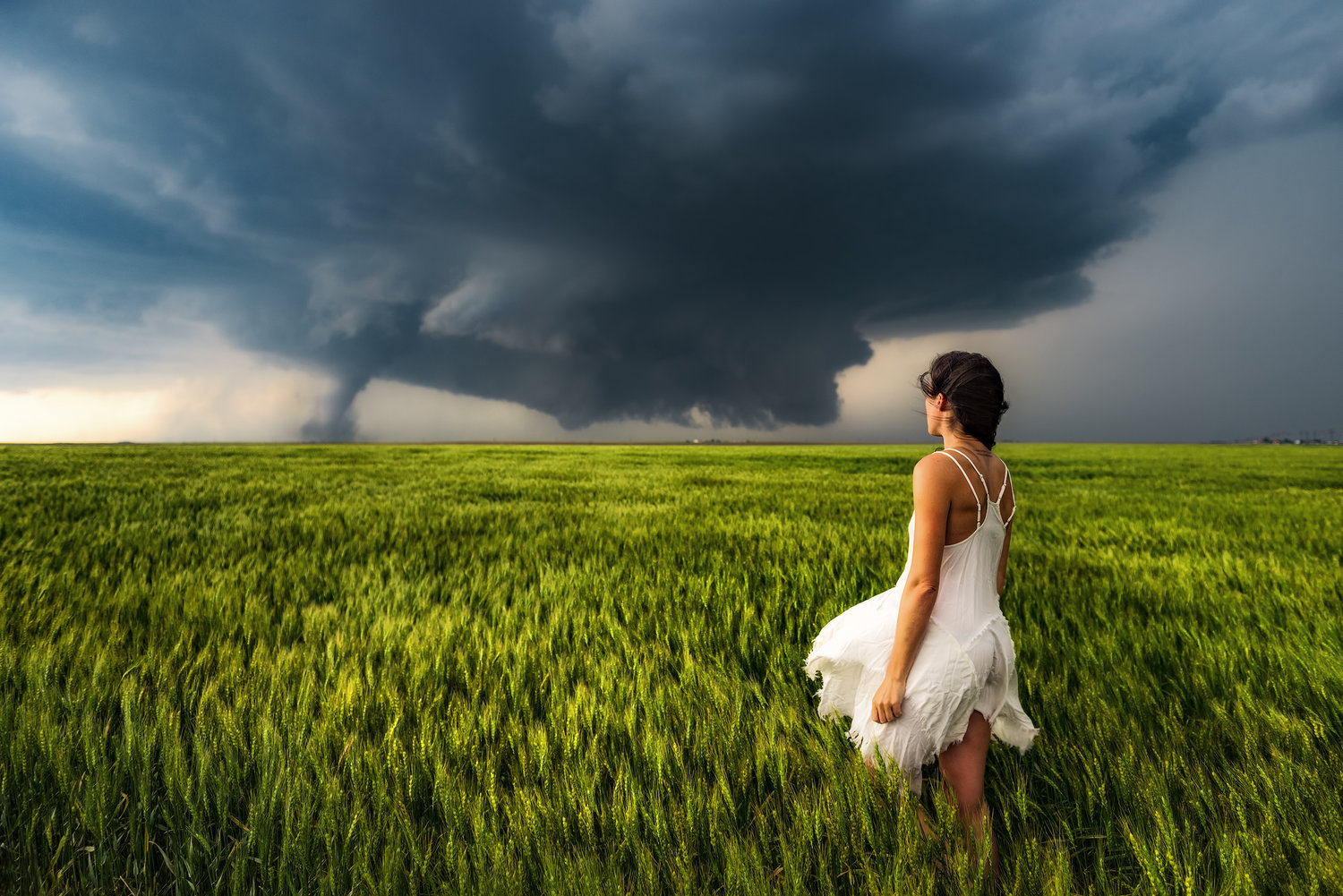
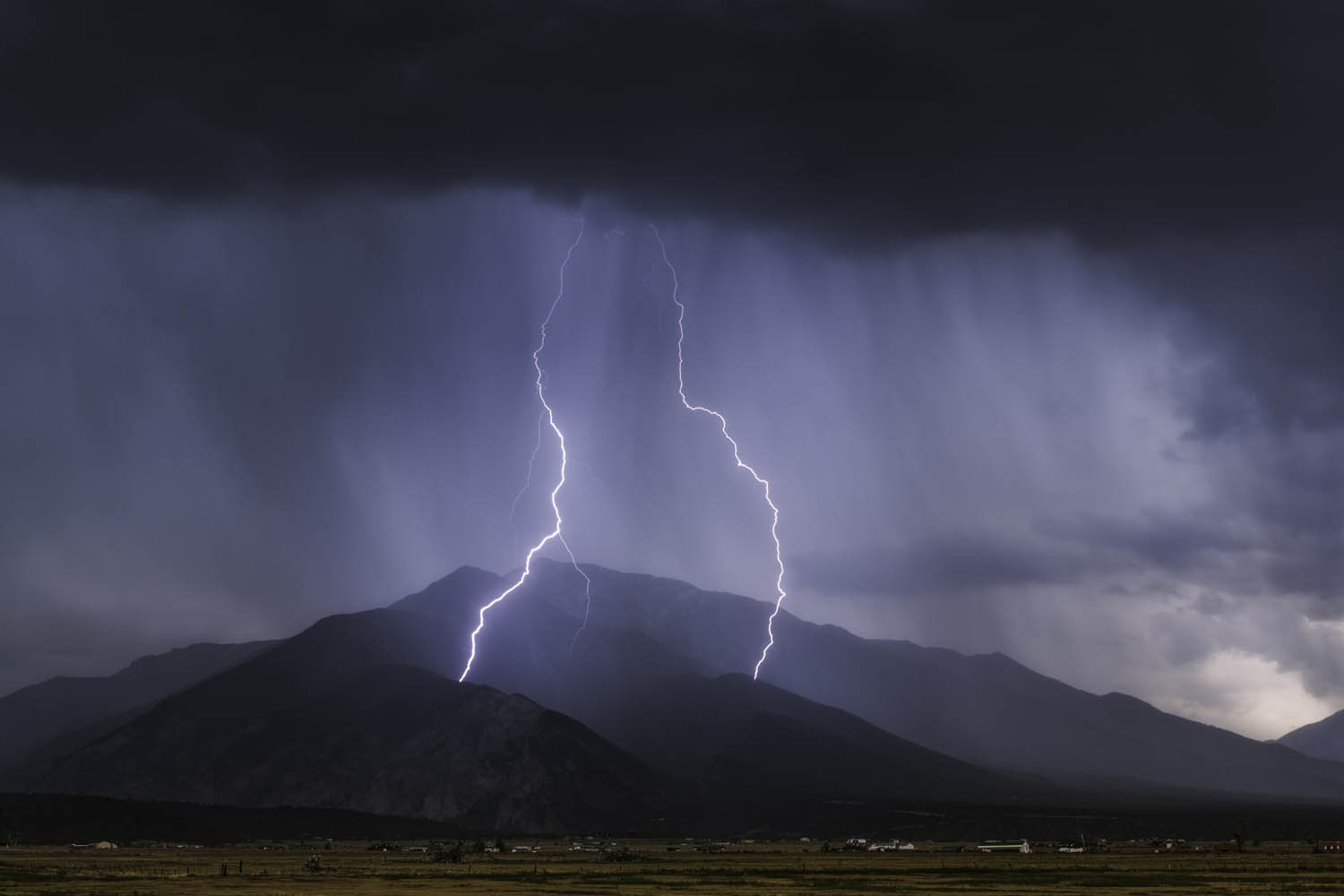
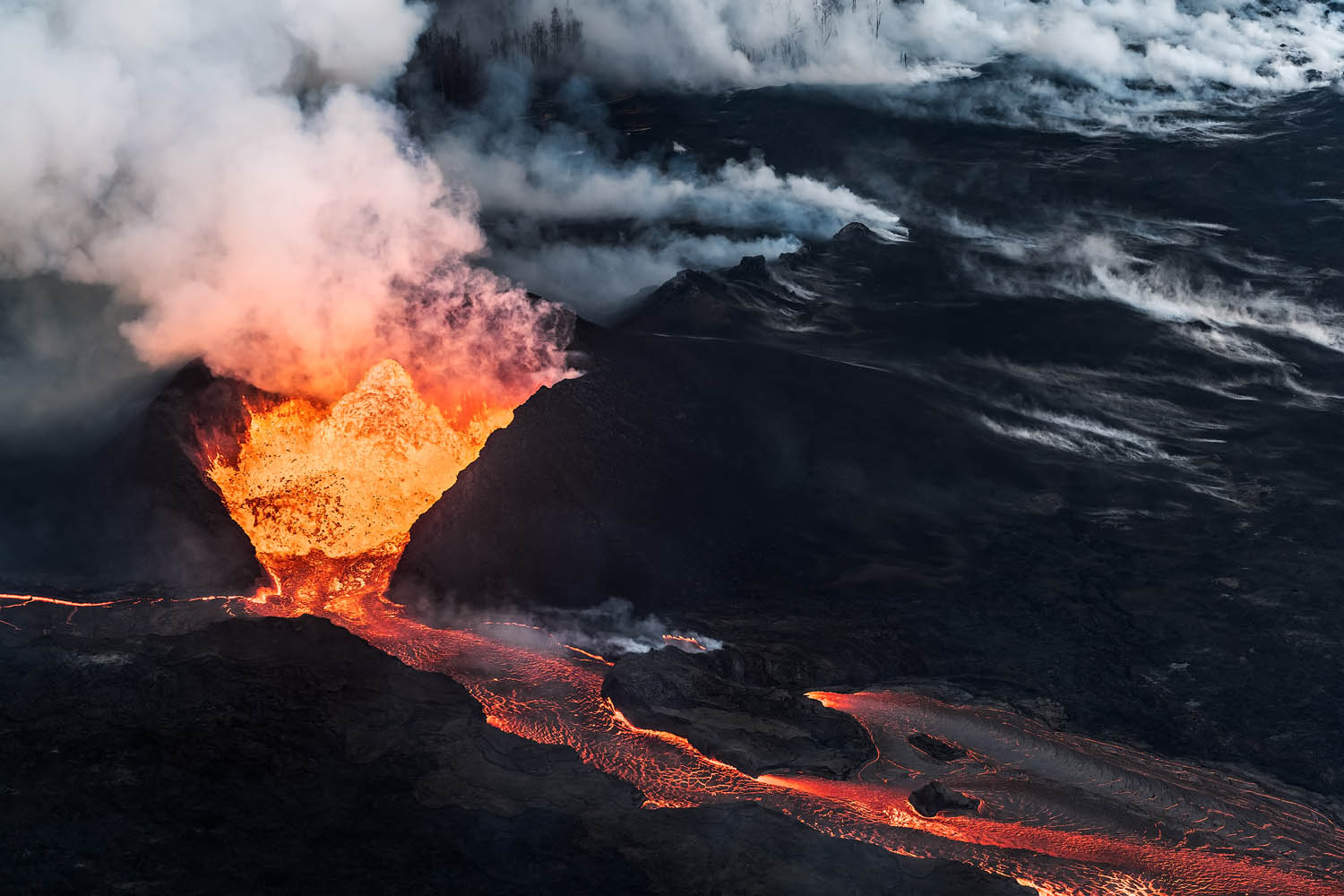
Mike Mezeul II brings us right up close to the spectacle. It thunders, it flashes, it hisses, it whistles. He places the viewer in the middle of the field in front of the gigantic wind vortex and right next to the hot, flowing lava flow. His weather photography becomes an adrenaline rush.
by Joana Kritiotis
The myth of the weather
At least in the Greek-speaking world, the twelve days from August 14th are decisive. These twelve days are associated with the beginning of the next twelve months and predict the following weather. The first day gives the weather forecast for August, the second for September, the next for October and so on. So if gray clouds gather on the tenth day, May will be rather cold in the region.
Every shade of color at sunrise and sunset and every movement in the sky is seen as a sign. This is a very old method of predicting weather conditions. It is usually ridiculed by meteorologists, but many scientists show great interest in this tradition. Perhaps there is something to it after all. Here, the farmer's rules would be a similar example.

In ancient times, people had great respect for the weather and natural phenomena. Their creation was attributed to the gods. For the Egyptians, it was the sky goddess Nut, mother of the sun, moon and stars. When she laughed, there was thunder, and her tears were the rain. In some rural villages in China, the dragon Long is still worshipped today to bring rain to the fields.
For the Greeks, it was Zeus who ruled the heavens and caused the lightning and thunderstorms. The continental Germanic peoples and the Norse myths later called him Thor or Donar. Today, we still unconsciously honor these forgotten weather gods, for example with the weekday Thursday, which is named after Donar.
Mike Mezeul II seeks adventure
The weather and natural phenomena on our planet are a fascinating mystery that we cannot influence, that we need to survive and that is responsible for the ecosystem and the existence of our planet. Volcanoes, for example, have contributed to the creation of the ocean. These bubbling places inspire photographer Mike Mezeul II, who is primarily a nature photographer, always on the lookout for adventures and impressive motifs. The American lives for every photographic challenge and says: "Challenge accepted!" (He is a volcano and thunderstorm hunter and prefers to stay outside armed with his camera in bad weather rather than sitting comfortably at home. He stands in the fields for hours watching the cloud formations. To get the right picture, he sometimes even stands on his car with his tripod and his camera with a wide-angle lens if he has to.
Or he parks on a country road between the power lines, sets up the camera on the front seat and crawls into the back seat. He thinks about whether the idea was perhaps not so clever after all and at the same time waits for the lightning strike that will hopefully hit the power lines directly above his car and produce a great photo.
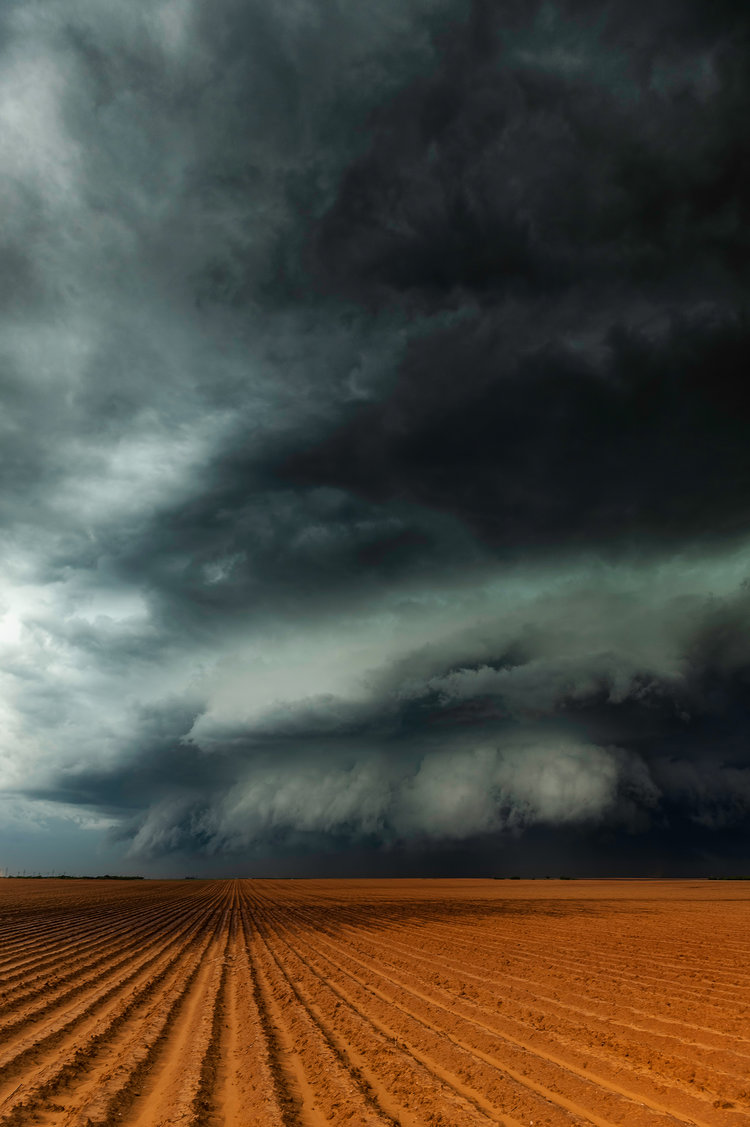
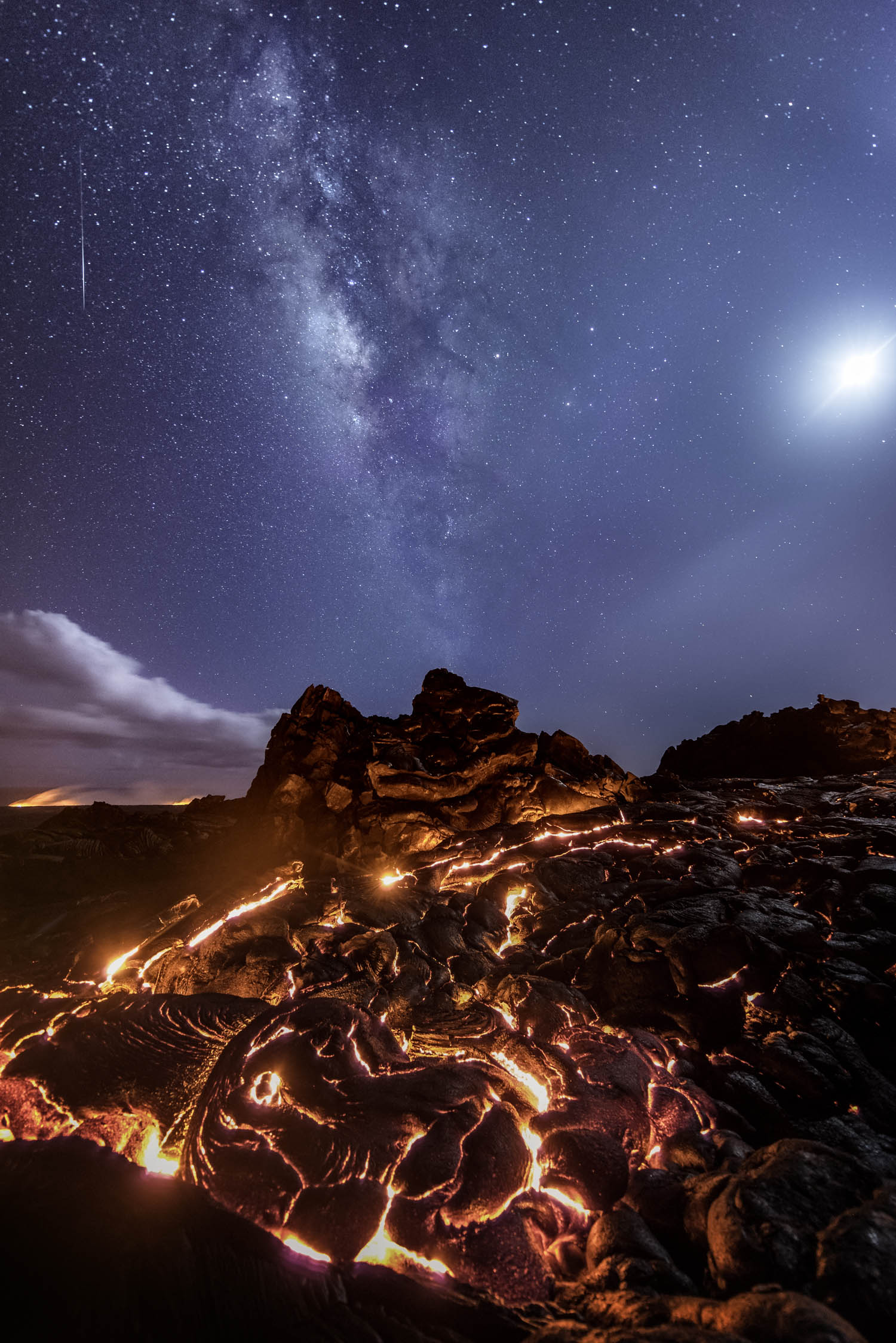
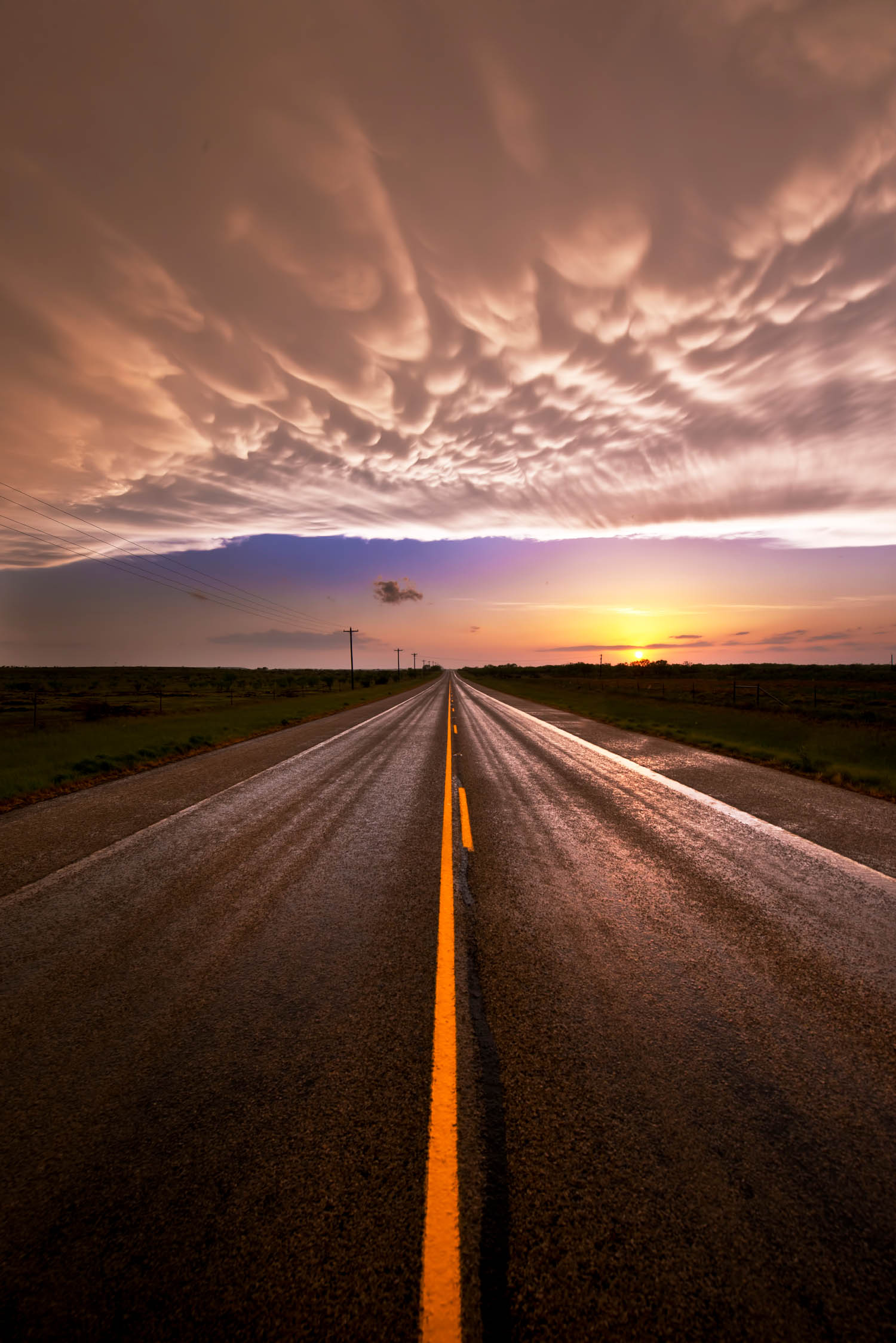
In his pictures, he shows how heaven and earth meet and captures every unique and never-to-be-repeated moment of this union. "I always have three lenses with me: the 14-24mm wide-angle lens, which is the one I use most to create the right panoramic look, a 24-70mm and a 70-200mm in case the danger level of the storm is too high and I shouldn't get any closer," Mike reveals.
In his shots, he often manages to capture dramatic cloud formations and powerful tornadoes that make you cringe with fear. In comparison, we humans and our cities are tiny. Nature becomes loud and brings color and light into focus. Its power becomes present, and the enormous energy that bubbles up in the air and inside the earth spreads an incredible and dangerous beauty. You might think that nature is communicating its importance.
"Schnappschuss" magazine
The Foto Koch magazine has a modern, creative design and is relatively unique in terms of design and content further information