How Alpha has changed the way I photograph
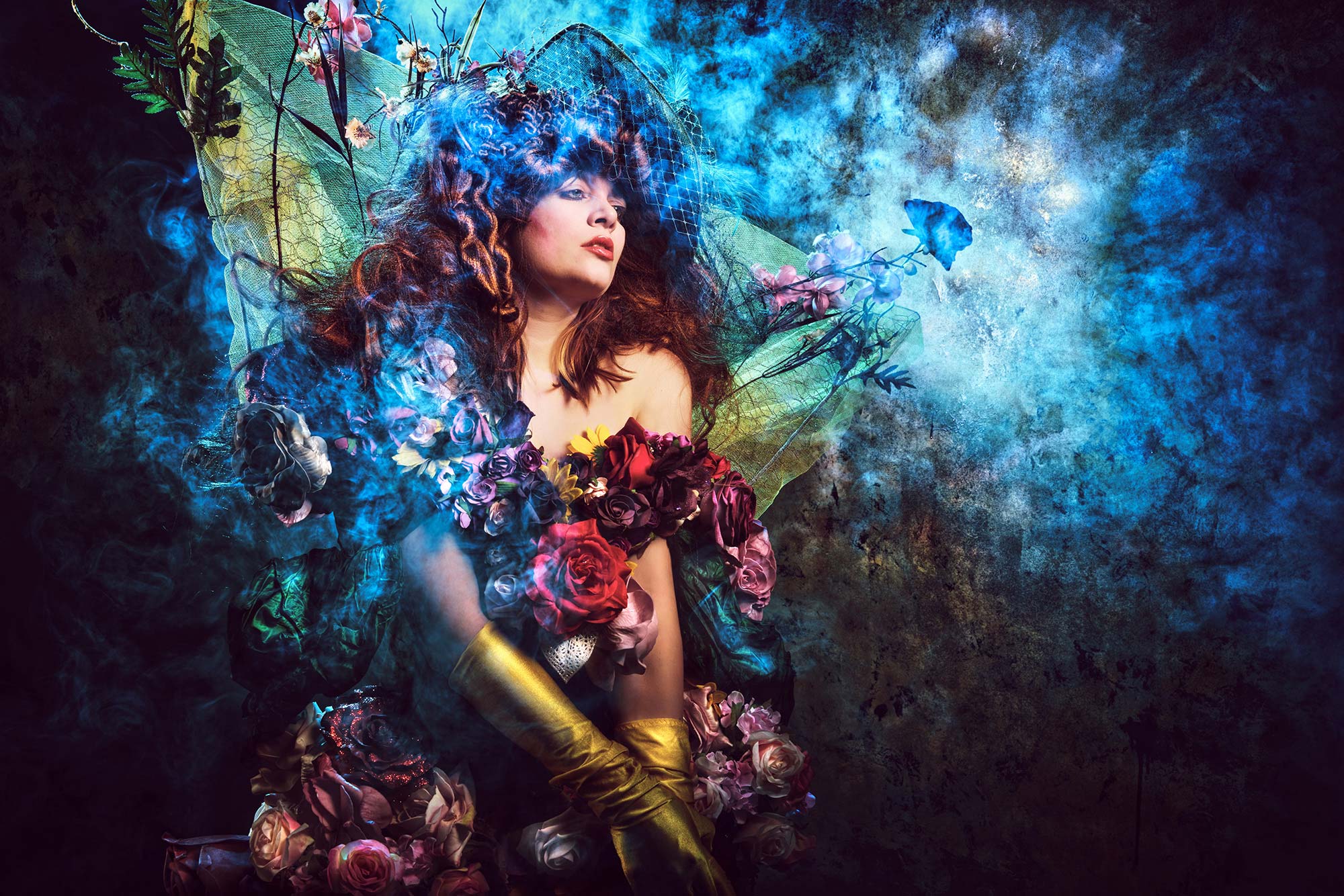
Frank Doorhof's stylish, remarkable fashion sense has made him a sought-after photographer and teacher worldwide. Find out here why he a cameras and lenses from Sony to capture his fascinating images.
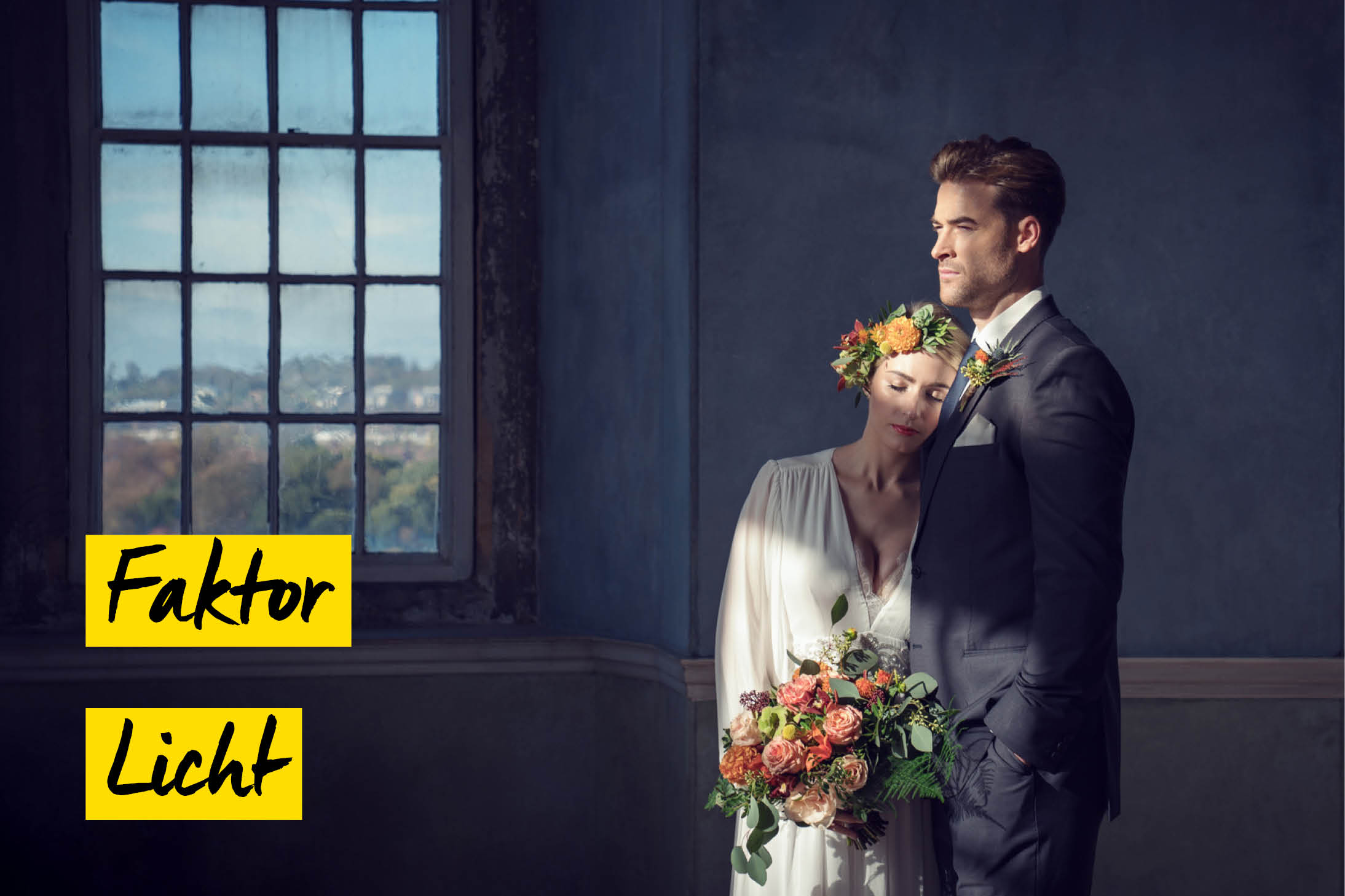
The uniqueness of Frank Doorhof's photographs can be attributed to a combination of individual factors. Whether it's the strong contrast, the vivid colors or the use of shadows - one thing is certain: his unmistakable style only became more pronounced with the switch to the Sony a system. Find out why here.
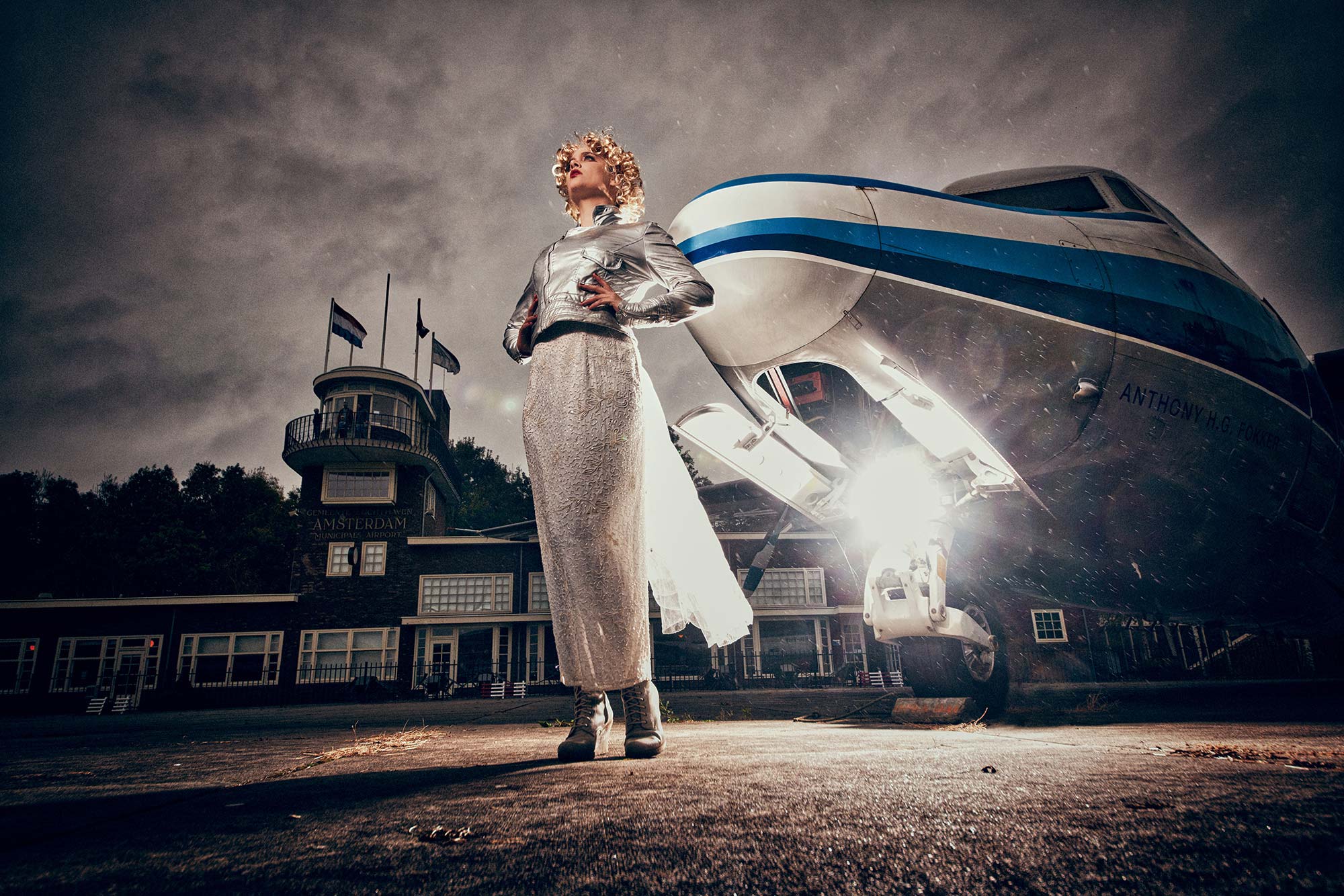

Small format, high quality
Frank travels all over the world for photo shoots and workshops and therefore has to take a lot of equipment with him. Since switching to the Sony a system, he says traveling has become much easier for him. "When I had to lug around large SLR cameras with grips and clunky, fast Lens with image stabilizer, I was always scared as my luggage regularly exceeded the weight restrictions at the airport. Switching to the a7R III and Sony Lens has relieved me of that worry. With image stabilization in the camera body, I don't need Lens with image stabilization anyway," says Doorhof.
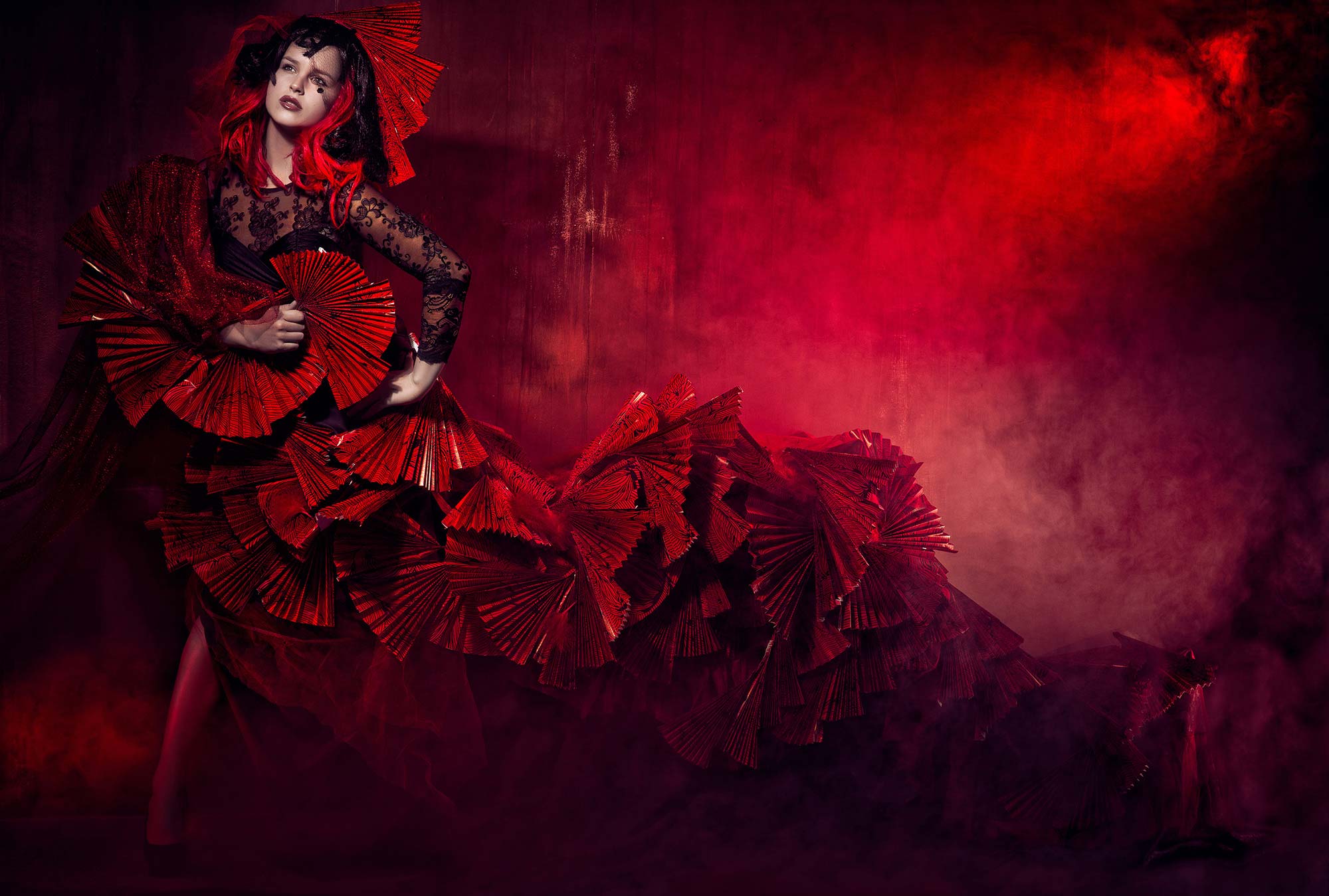
The viewfinder adapts to the image - not the other way around
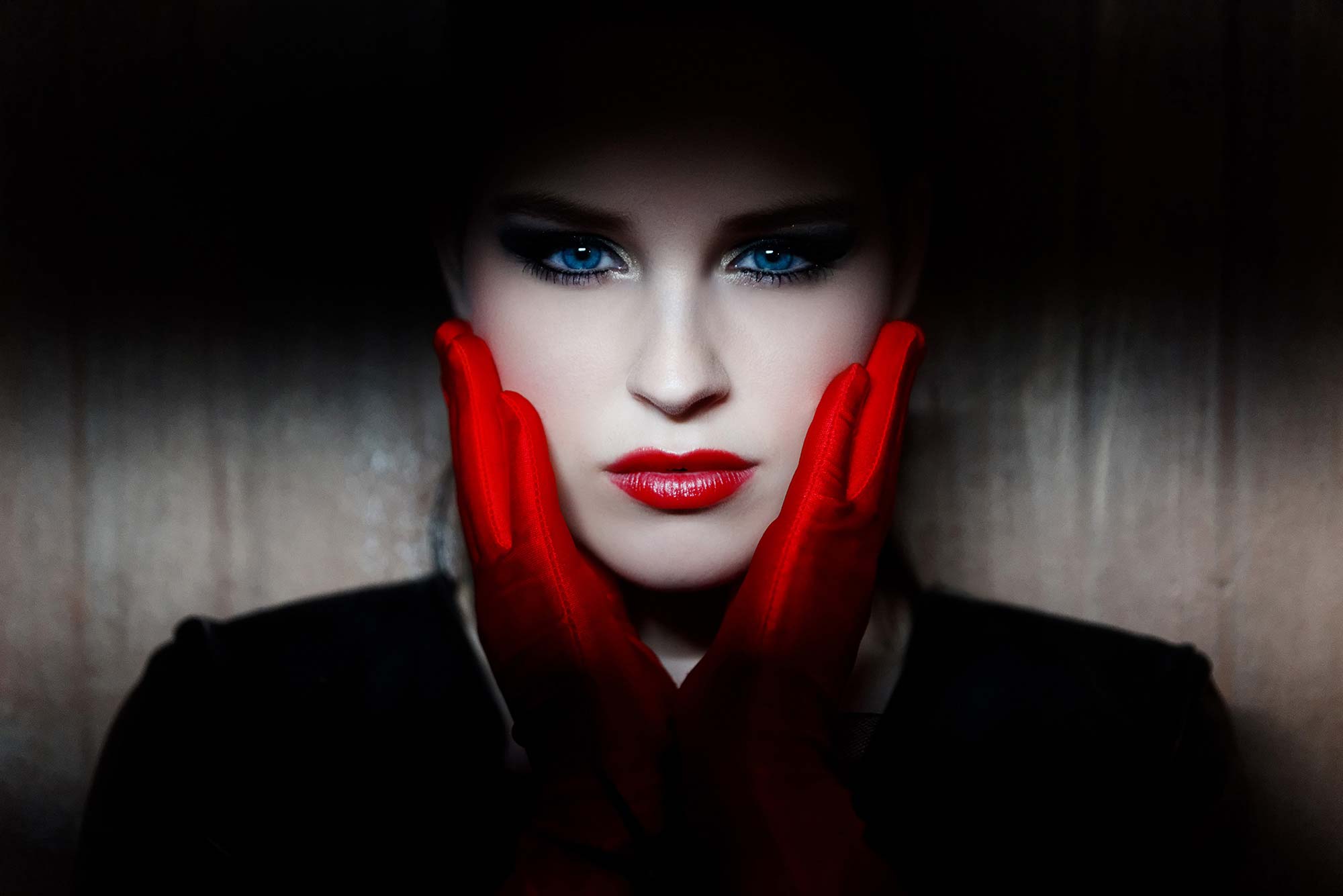
Frank is firmly convinced that the eyes and mind play a much more important role in a picture than the camera. For him, the electronic viewfinder is nevertheless essential for great shots. "With the EVF, you can see what the picture will look like before you take it. Changes to the exposure are displayed in real time. This makes it easy for me to get the creative effect I want, such as dark shadows and higher contrasts. I can spend more time with the model instead of staring at the screen all the time," he says.
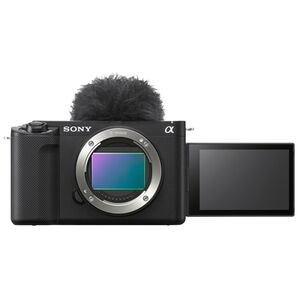
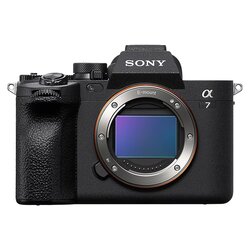
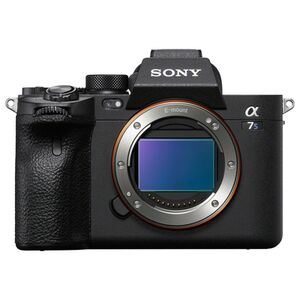
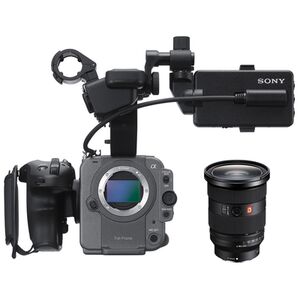
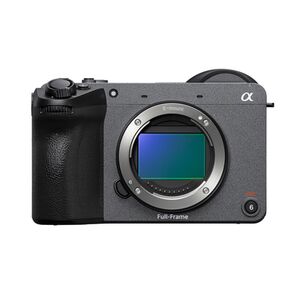
Sony Alpha FX6 Cinema Line (ILME-FX6) + SEL 24-70mm f/2.8 GM2
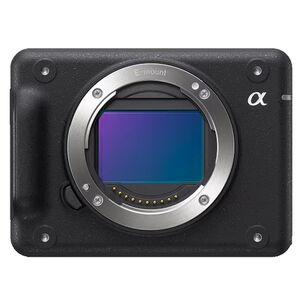
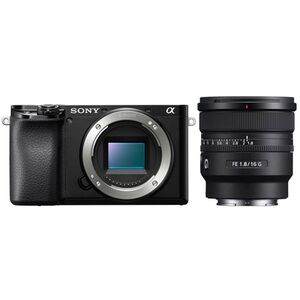
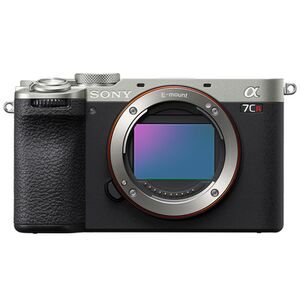
Sony Alpha FX2 Cinema Line (ILME-FX2) + SEL 28-135mm T/4.0 OSS G
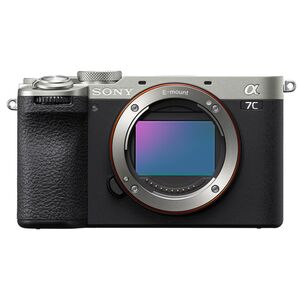
Sony Alpha FX2 Cinema Line (ILME-FX2) + SEL 16-35mm f/4.0 G PZ
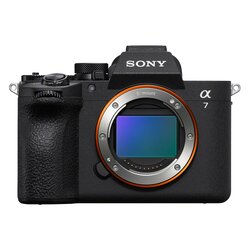
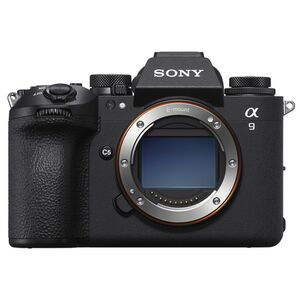
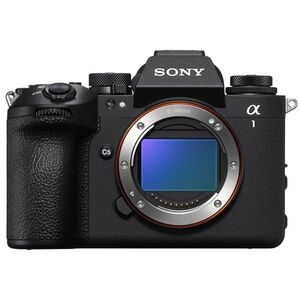
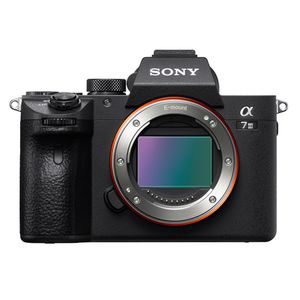
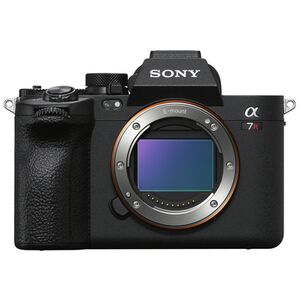
Sony Alpha 7 V (ILCE-7M5) Body
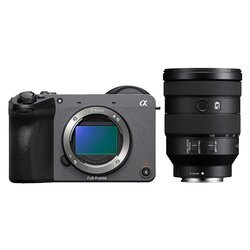
Sony Alpha FX2 Cinema Line (ILME-FX2) + SEL 24-105mm f/4.0 G OSS
Curtain up for eye recognition
As all photographers know, lighting is very important. "When I'm working in the studio or on location," says Frank, "the lighting conditions are often difficult. That's why I need to be able to rely on the autofocus all the more - and the a7R III has never let me down so far. When I give courses and we switch off the room lighting, my students' cameras simply can't keep up. I've been shooting professionally for a long time now, using traditional methods like using the center focus point or tweaking the focus and fine tune controls, but modes like eye-detect AF simply offer incredible speed and precision. For anyone starting out in photography today, I can only recommend it."
More dynamic range
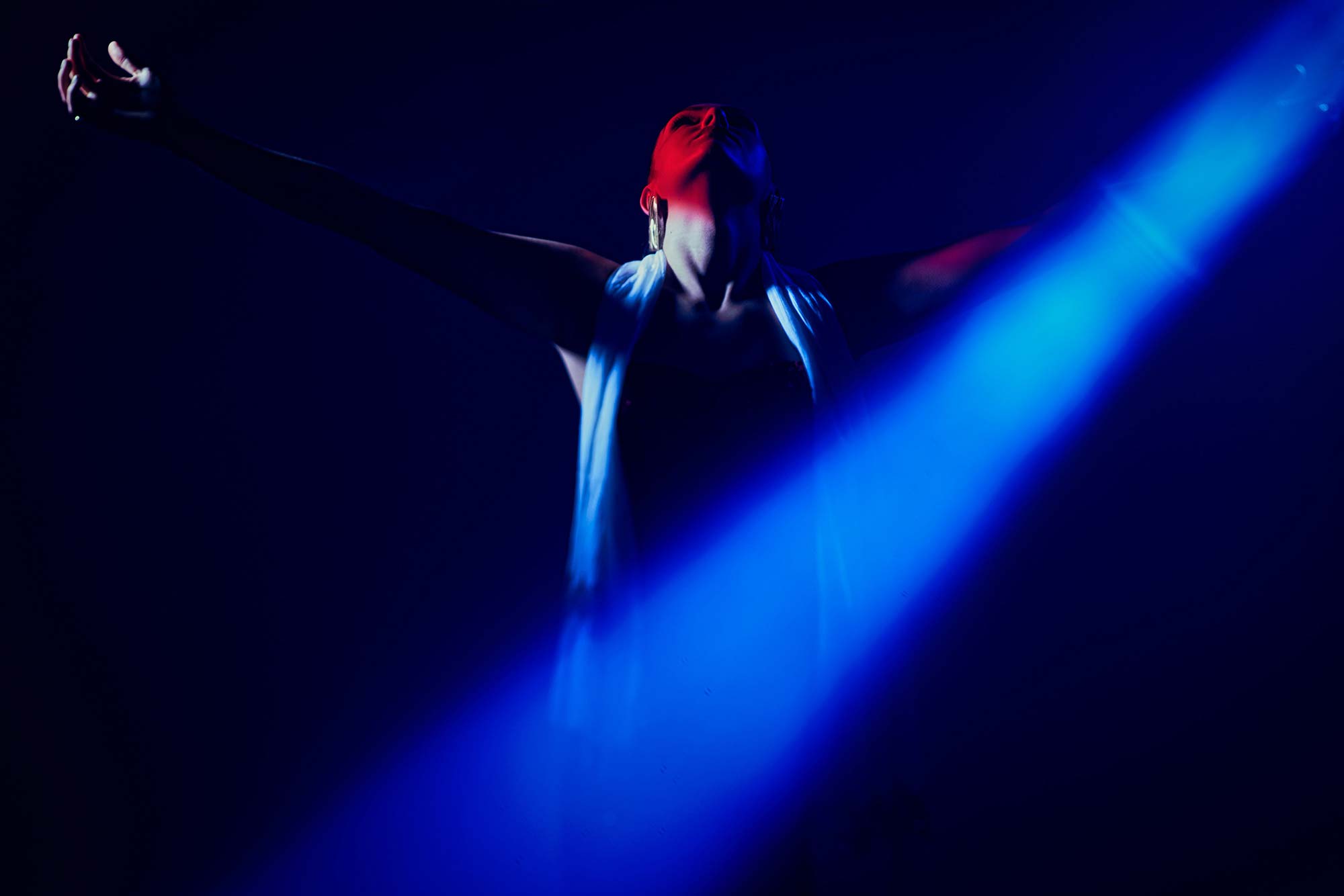
One of the main reasons why he is so convinced by the Alpha system is the great dynamic range of the sensors. "Before I switched to the Alpha, I was constantly bracketing to make sure I didn't miss any highlights or shadow details. Now I can shoot worry-free and only make minimal changes to the tones in Lightroom. I know I've made the right decision because now I can hold a strobe light directly into the camera, for example, and explore the visual limits, and the sensor can always keep up," says Frank.
Always one lens ahead
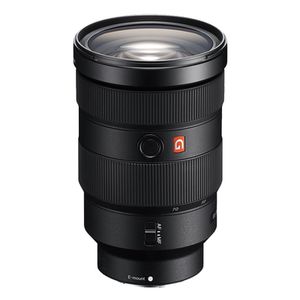
It's not just the Alpha camera itself that makes Frank's job so much easier: "Great cameras are always good, of course," he says, "but they're nothing without great Lens. It has to be a great system overall and the Alpha range is perfectly rounded off by the Lens. Most of the time I just use the FE 24-70mm f/2.8 GM for my fashion shots. It's so versatile that you can take both wide-angle and short telephoto shots and get a variety of looks with it. For example, you can bring the model's hands or feet close to the lens and play with a wide-angle shot. Or you can go back to 70 mm and get a straighter, more compact look."