Fast, manual lenses in flamenco photography
A year ago, we spoke to photographer Hans-Jürgen Sommer about the fascination of street photography in a very exciting interview. At the time, he told us: "It is the challenge of capturing the right moment that fascinates him so much about photography. He also likes to take unusual paths. Like these unique shots, which he took with the help of extremely fast manual lenses:
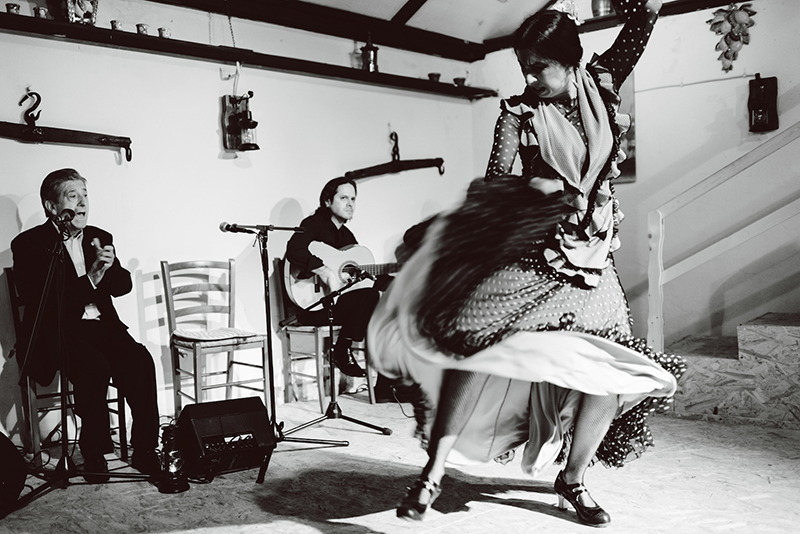
 Photo: Hans-Jürgen Sommer
The Iberian Peninsula is one of the main travel destinations for my wife and me. My wife speaks fluent Spanish and spent a semester abroad in Granada. It was there that she had her first experience of flamenco, including taking a course. On one of these trips to Andalusia, to Malaga to be precise, I got to know the real flamenco, not the tourist flamenco in the hotels.
On our tour of Malaga, we discovered a flamenco museum. To our delight, a performance was to take place in the basement of the museum in the evening. And indeed, it started with a Spanish delay and I was fascinated. The music, singing and dancing were absolutely beautiful. Naturally, I accompanied this evening with my camera.
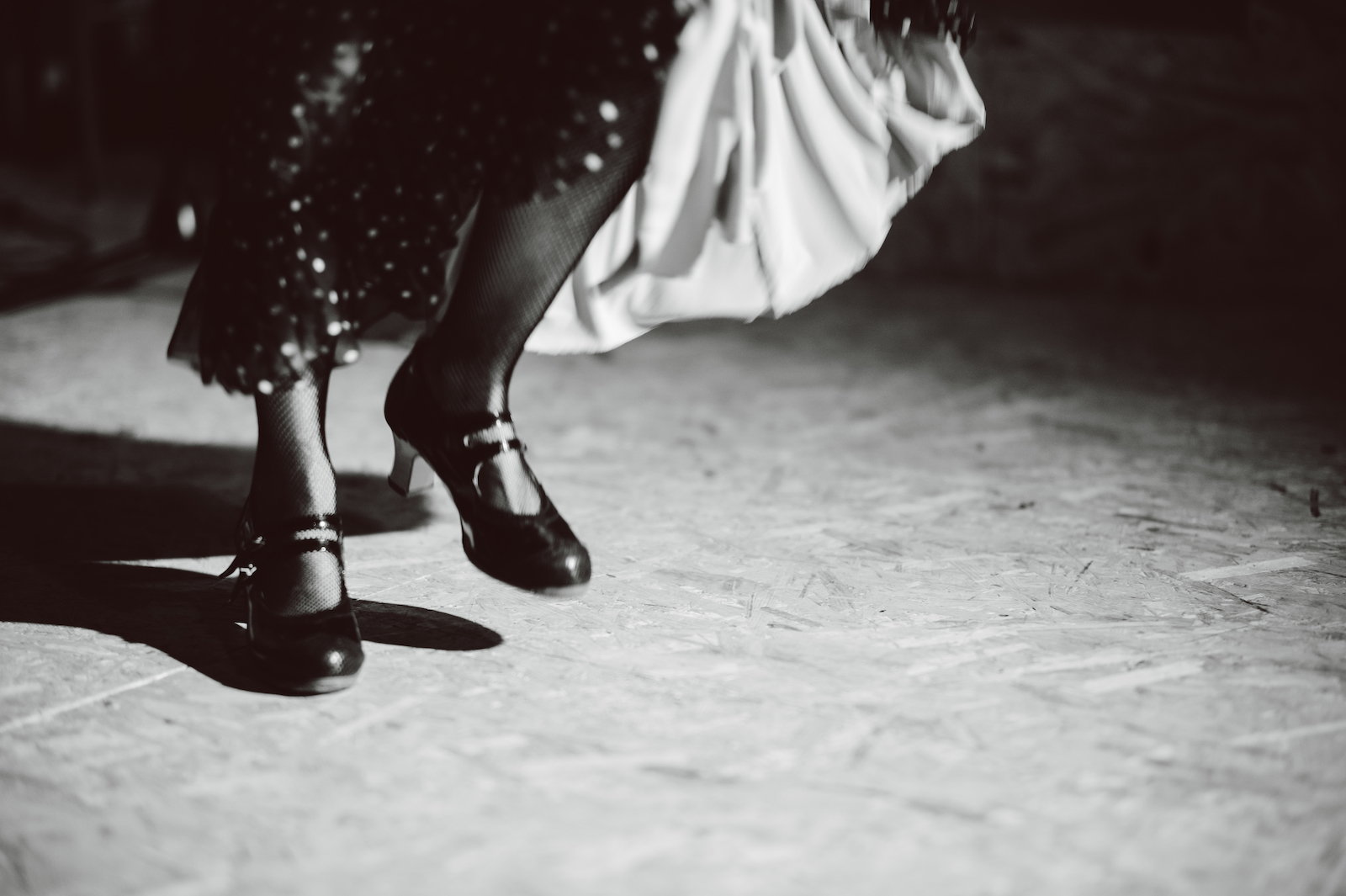 Photo: Hans-Jürgen Sommer
A few years later, I was looking through the pictures from that evening again and the idea came to me: I wondered if there were any flamenco performances near me?
I started researching and discovered a flamenco dance school in Ludwigshafen. After an email with the Malaga photographs as a reference, it was clear: I should photograph a live performance at the winery of the director of the flamenco school. The performance was to take place there, in Kirchheim an der Weinstraße.
Beforehand, I gave a lot of thought to which cameras and lenses I would use. I didn't know the location. I played it safe and my choice fell on my Nikon D800 with Nikkor 35/1.4 G. I wanted to have at least one autofocus lens. My second camera was a Nikon Z6 II, for which I have some very fast manual lenses. I knew that the field of application of these lenses is very specific. But their cropping ability is simply overwhelming. My choice fell on a 50mm with a speed of 0.95 and the TTArtisan 90/1.25. And my choice was perfect.
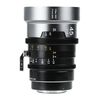
TTArtisan 90mm f/1.25
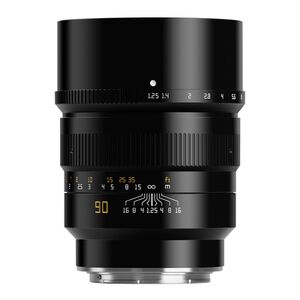
- TTArtisan 90mm f/1.25
- Sensor type: full frame
- Aperture setting: manual
- Aperture ring: clicks
- Angle of view: 27°
- Close focusing distance: 100cm
- Optical construction: 11 elements in 7 groups
- Focusing: manual
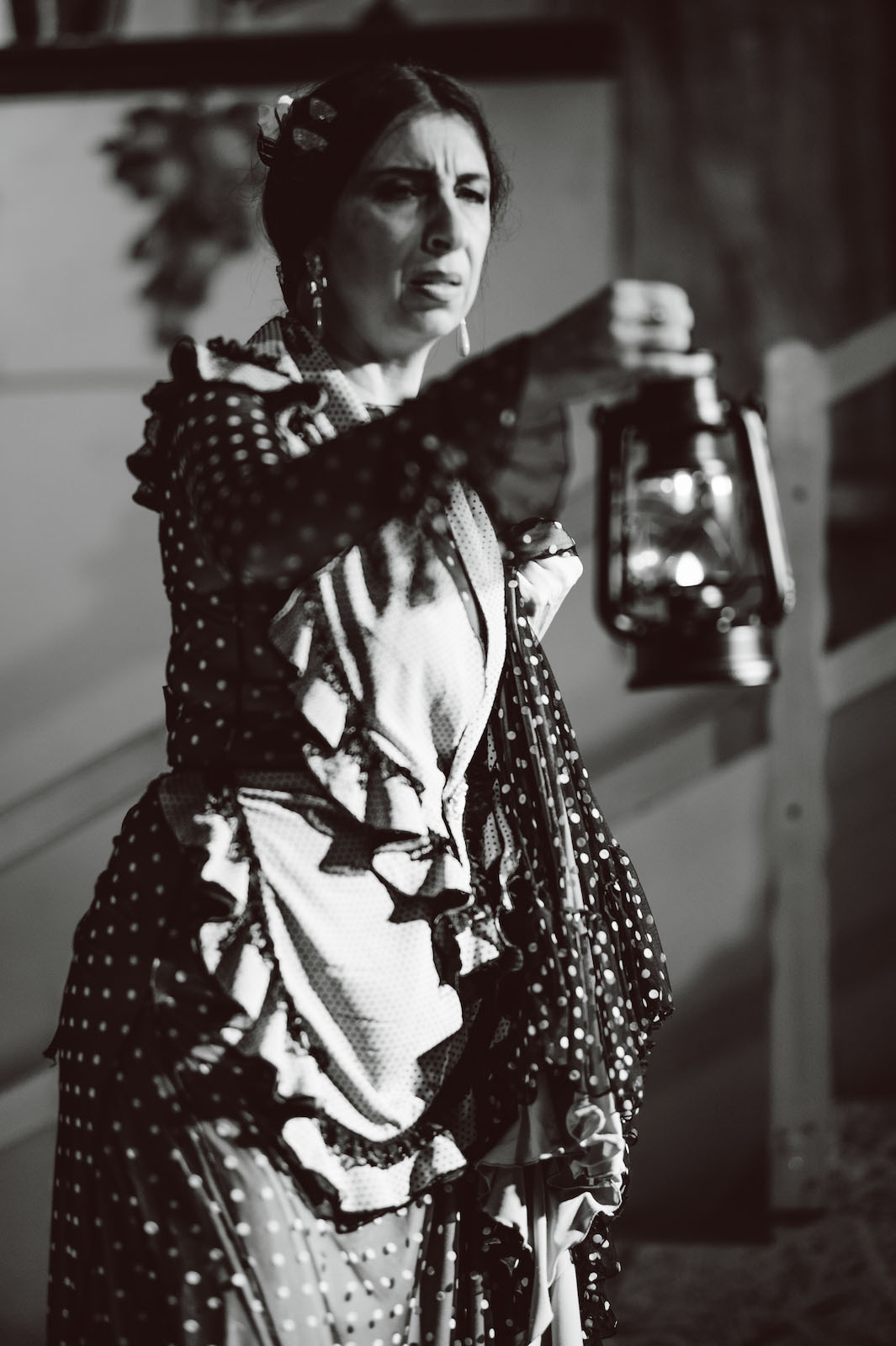 Photo: Hans-Jürgen Sommer
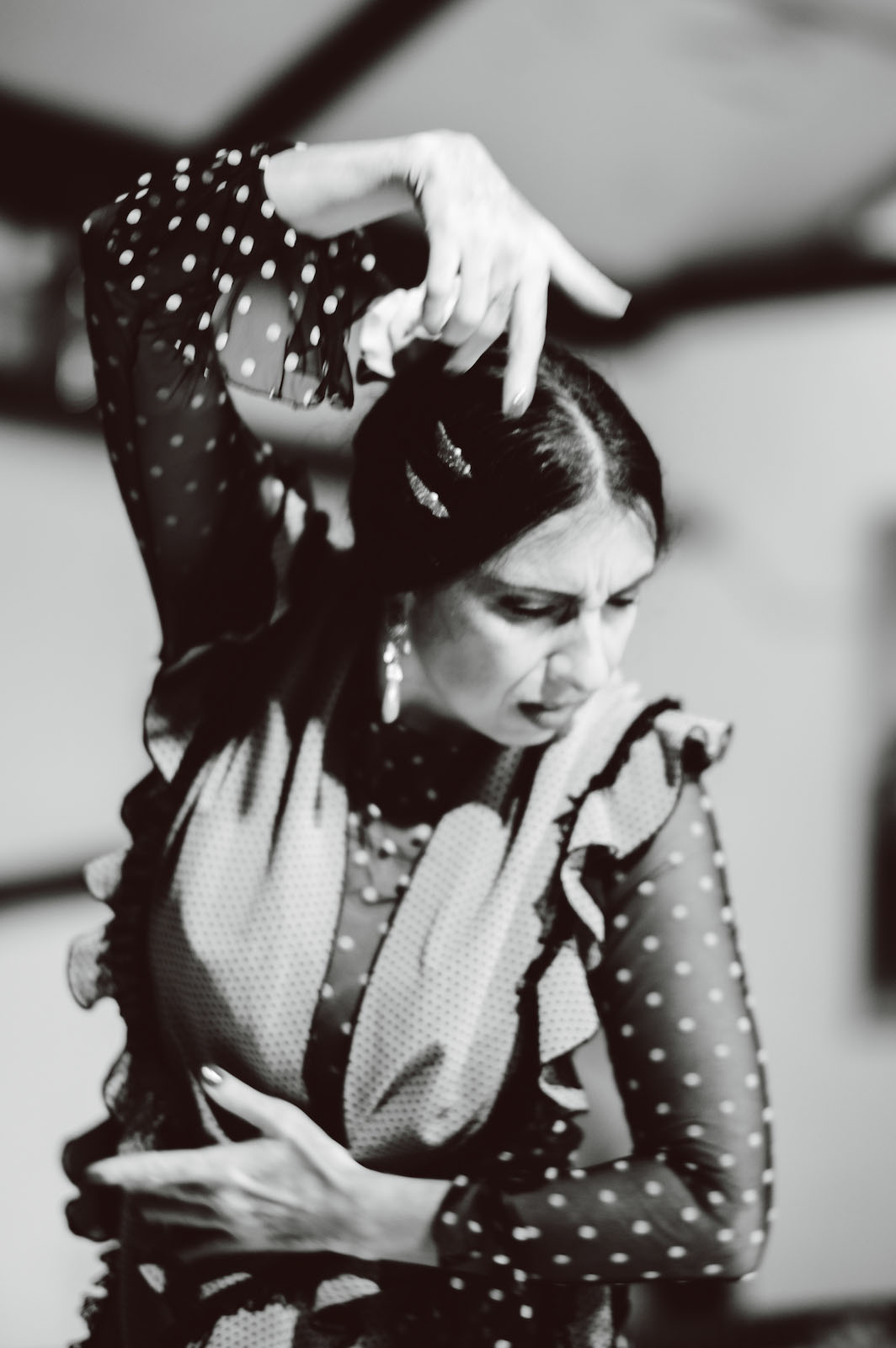 Photo: Hans-Jürgen Sommer
That evening, we arrived a little early at the winery where the performance was to take place. A large, beautifully decorated barn. We had perfect, reserved seats. I took my place with my equipment at a slight angle in front of the stage and the show began. Unfortunately, I could only take photos sitting down, as there was of course an audience behind me. I was only able to stand up from time to time.
My wife and I were surprised at how good the ensemble was. A mixture of German and Spanish musicians and singers with German and Spanish dancers put on a great show at Andalusian level. But of course I also took photos - and that was a real challenge with the manual Lens. The 35mm was perfect for the overview of the stage, and the AF made the work much easier.
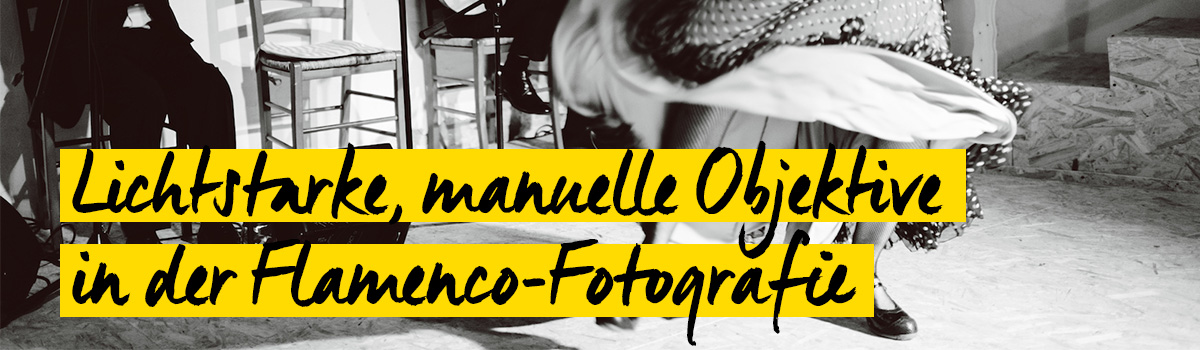
However, I got the best pictures with the manual Lens: I was able to isolate individual people on the stage with the 50/0.95. For certain body part studies I used the TTArtisan 90/1.25, using the method of focusing on a specific area and hoping that the dancers would dance into that area. This worked well, but sometimes I also tried to track the focus and focus and release at the moment when the movement stops briefly. I liked to use the TTArtisan to photograph the musicians at the back of the stage and that's where it really came into its own: One guitarist in focus, the other almost in blur.
At home on the computer, I thought about how I could edit the pictures I had taken. Some of the faces were a bit colorful due to the strong spotlights with different colors. I decided to work in black and white. I'm a big fan of monochrome, as it almost always looks classy.
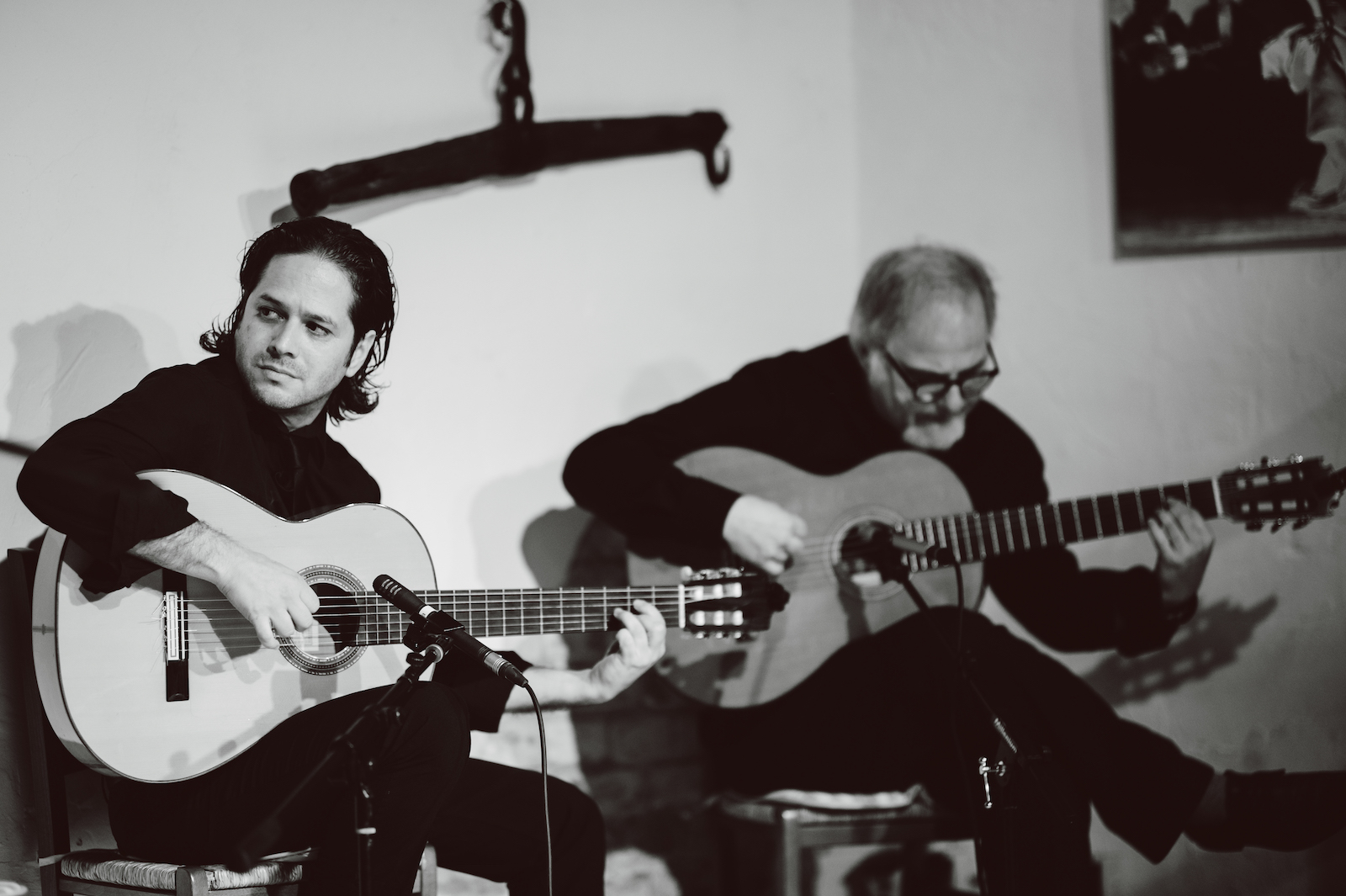 Photo: Hans-Jürgen Sommer
All I can say about the TTArtisan is that I am delighted with it. However, you have to be aware of its flaws. In normal light and with an overcast sky, it is also perfect for extreme portraits with outstanding cropping. At this speed and focal length, it is also possible to crop the entire body; the person being photographed is detached from the background. I like this very much. However, if it is sunny and you have the wrong angle to the sun, the pictures quickly become dull. It is also sensitive to lens flares. This may be due to the somewhat short lens hood. I have not noticed any chromatic aberrations so far, but these can be easily corrected in Lightroom. Otherwise, the lens is also sharp open and vignetting is minimal. Apart from flamenco photography, I use the TTArtisan to take different pictures of cities I've often visited: With a relatively long focal length and extreme bokeh. That also works very well. For example, I've often been to Bruchsal or Schwetzingen in the castle park. There are a few meter-high statues there that you can use for cropping. In the background, the castle almost disappears in the bokeh. This bokeh is nice and soft, not harsh or hard.
While the TTArtisan is not quite cheap, it is absolutely worth the price. It has a great feel and is well made. Of course, so much glass has its weight. It weighs just under 1 kg. Not exactly light, but it's worth lugging around. The lens is a dream for bokeh fetishists like me.
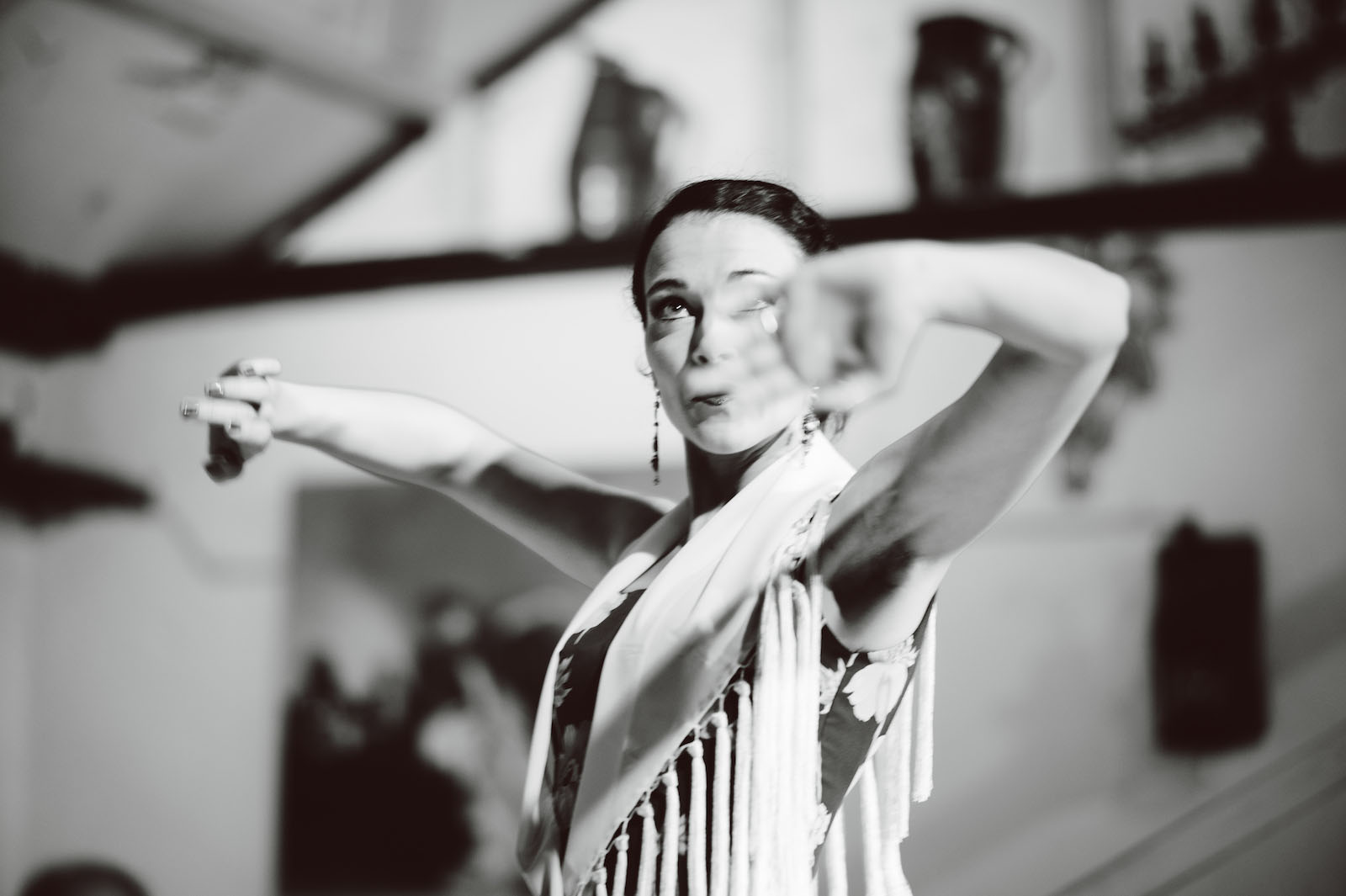 Photo by Hans-Jürgen Sommer
About Hans-Jürgen Sommer
Born in Speyer am Rhein in the summer of 1969 and raised in the provinces around Ludwigshafen, Hans-Jürgen Sommer turned to the fine arts at an early age. He enjoyed painting, but discovered photography at the age of 15. He was fascinated by capturing the right moment. A photograph was precious in those analog times. As a result, he had to deal intensively with every picture, even at the planning stage. He still benefits from this today.
With the advent of digital photography, he lives out his passion even more intensively and has been able to incorporate his experience in the field of information technology into his workflow. This opened up new creative possibilities for him.
Hans-Jürgen Sommer does not adhere to the usual conventions in photography. If the quality is right, selective coloration also makes it into his narrow selection of images.
He has exhibition experience and has also been involved in charity work in the past.