
Contrast of time
Can you remember what your hometown looked like 30 years ago? Or your neighborhood? Time invites us to forget, stores come and go, green spaces disappear, large buildings sprout up out of the ground.
Changes are particularly prevalent in the German capital. We live in a fast time that never seems to stand still.
by Niels Stiefeling
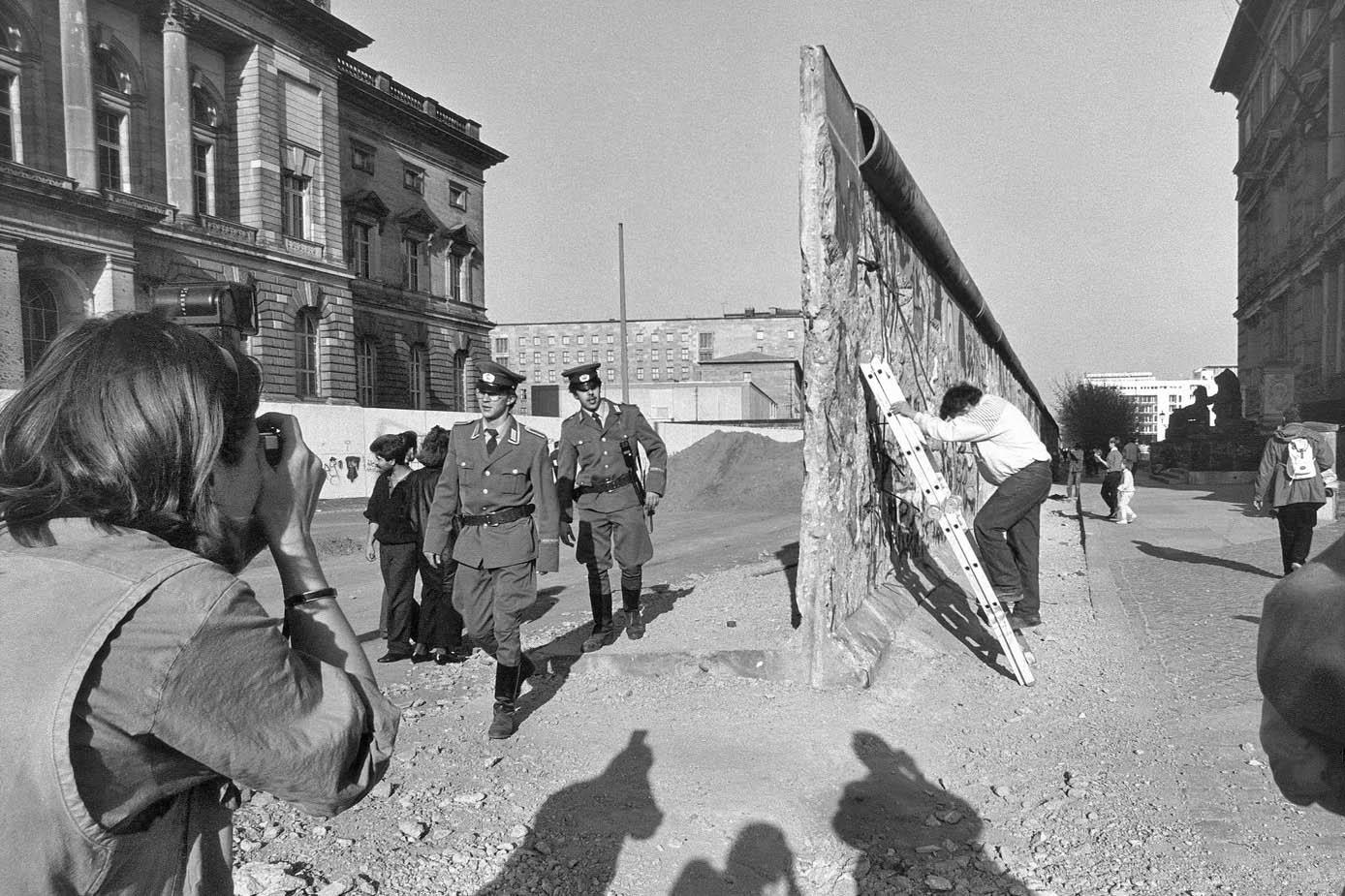
This year we are celebrating the 30th anniversary of one of the most memorable German historical events of modern times: the fall of the Berlin Wall. Unimaginable today, but not so long ago the metropolis was still divided in two, and even though the people on both sides of the Wall were similar and had many things in common, borders were built that made the close a distant memory. Friends or even entire families were separated from one another overnight.
Life was different for a while. Until 1989, when the Wall came down, provoked by peaceful revolutions and ushering in a new era of freedom. A lot has happened in Berlin since then, many places are only vaguely reminiscent of a bygone era, others are clearly recognizable. Today, Berlin is seen as a place of freedom, individuality and tolerance.
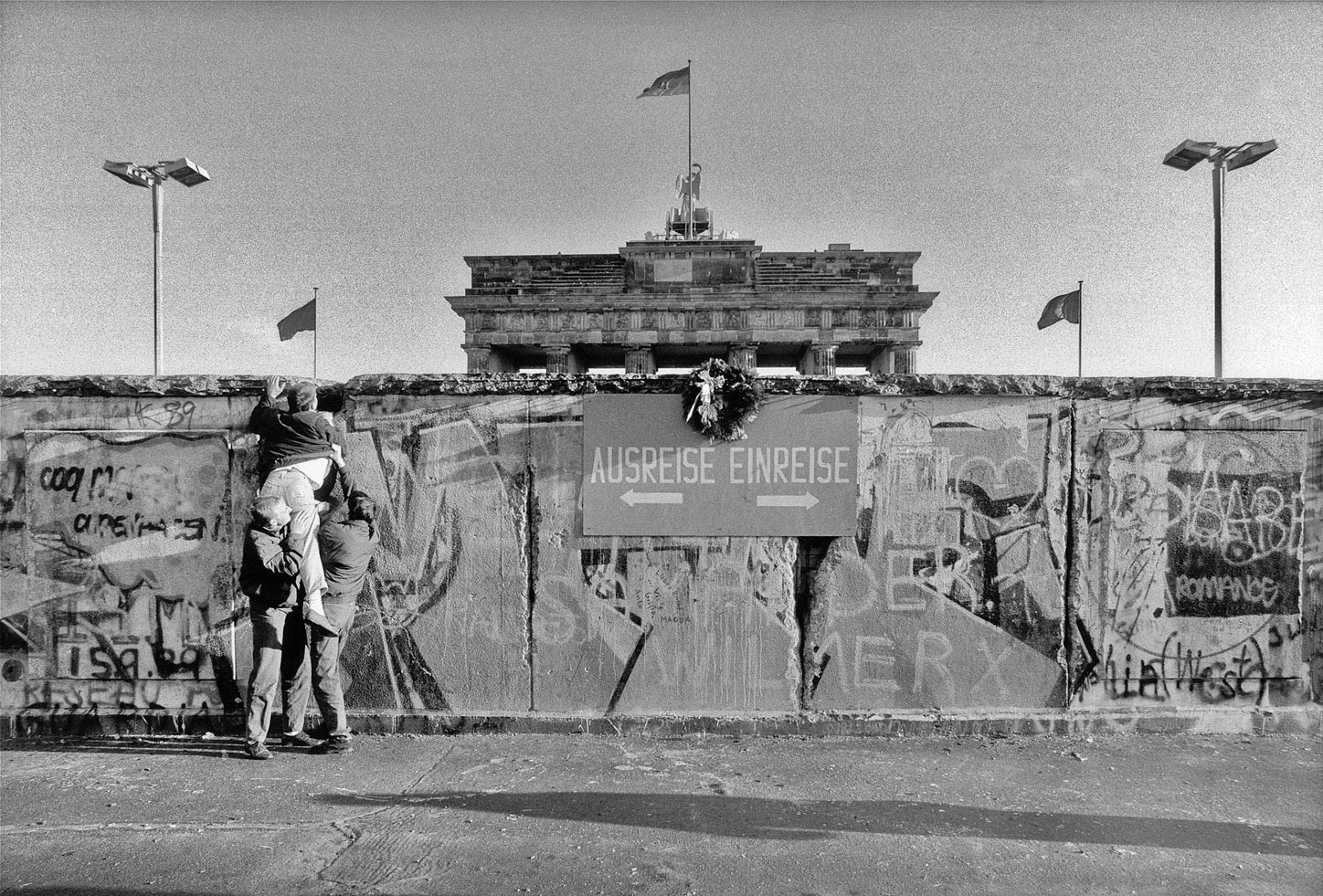
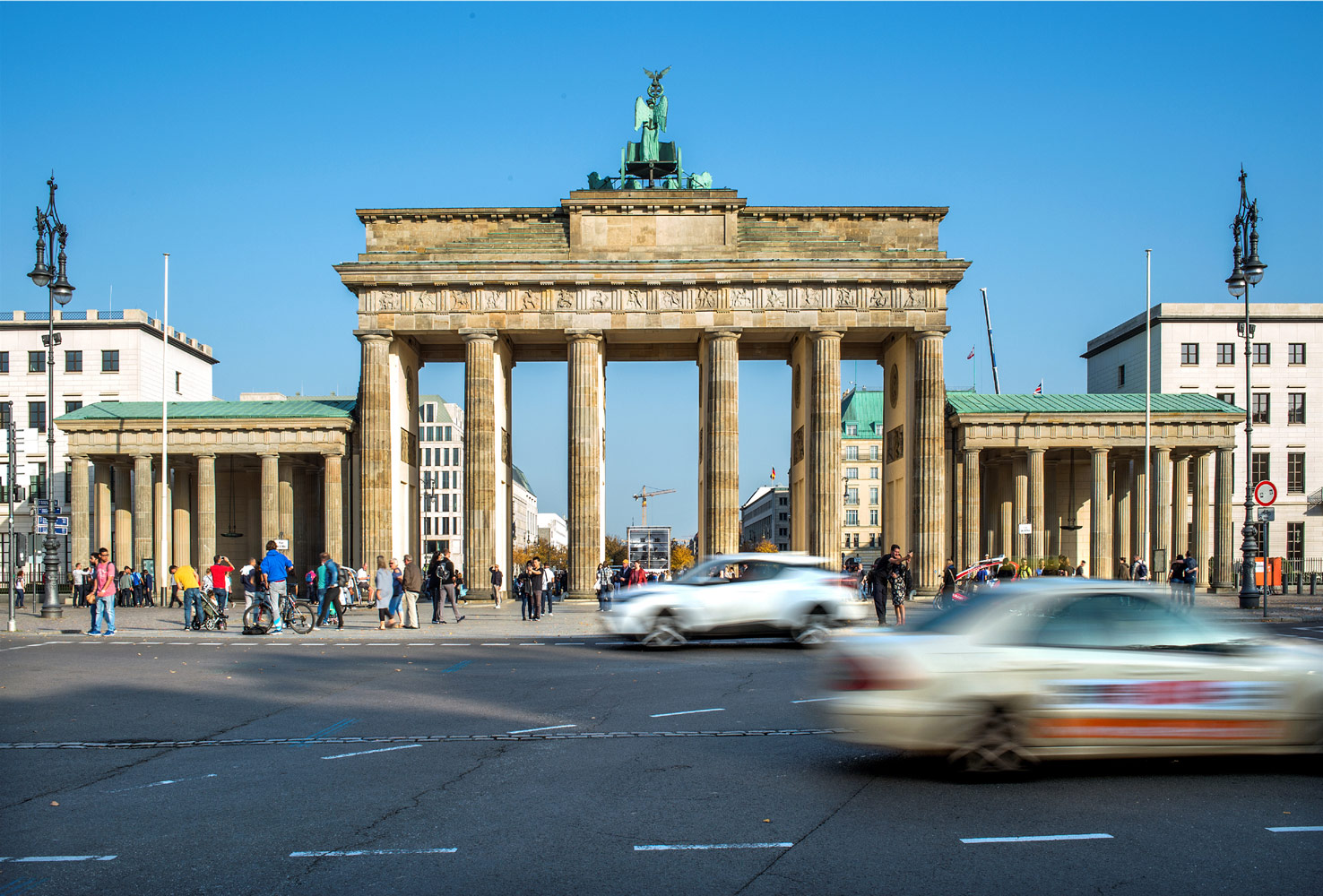
Some scenes are clearly reminiscent of times gone by
Gerd Danigel can draw on a large documentary archive of pictures taken shortly after the fall of the Wall. He himself grew up in East Berlin and experienced the zenith of the GDR first-hand. After training as a gas fitter, he came to photography in a roundabout way and began this journey as a self-taught photographer. In the meantime, he worked as a photographer at the State Institute for Cultural Buildings and took numerous photographs of buildings from the GDR on behalf of the Saxon State and University Library Dresden.
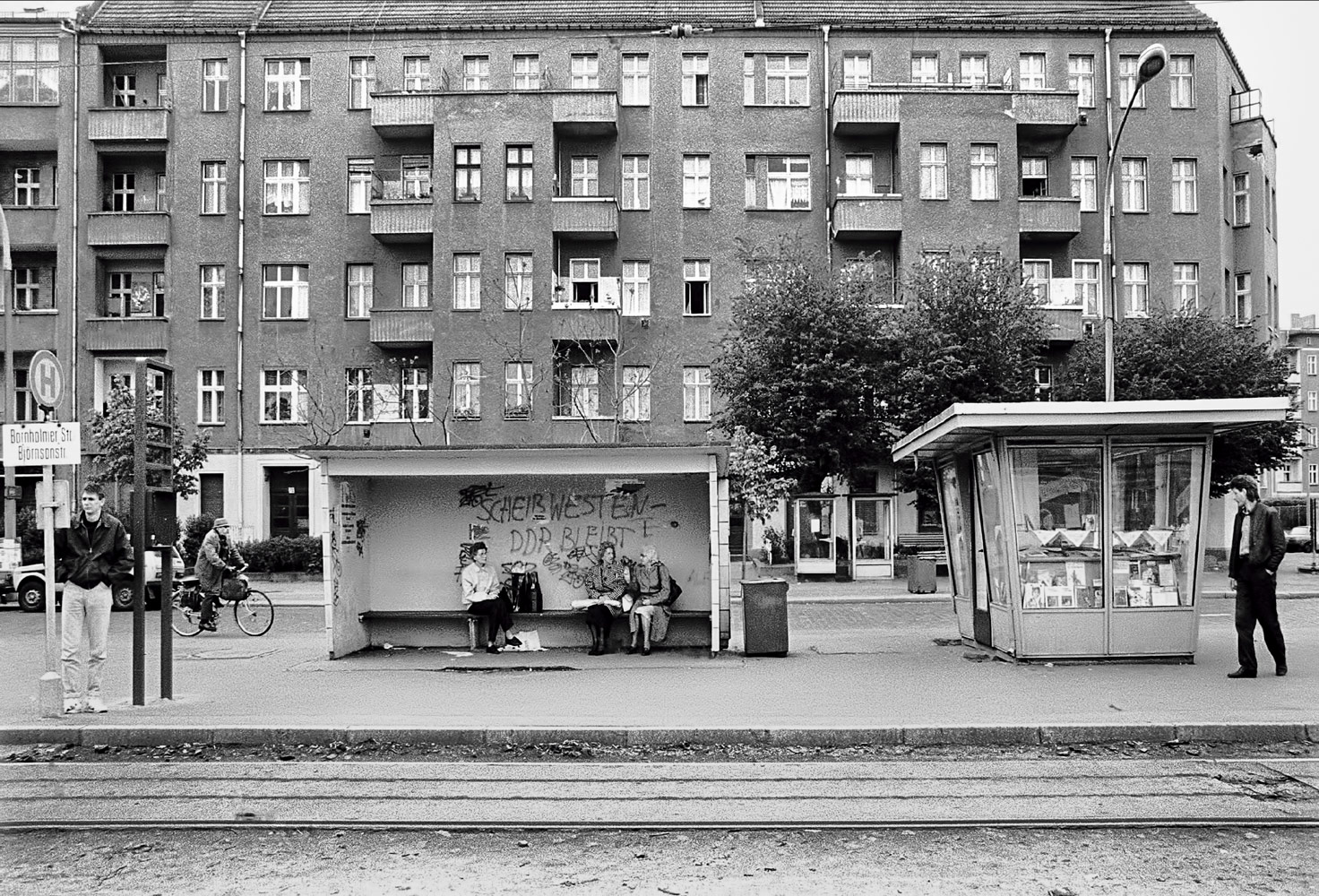
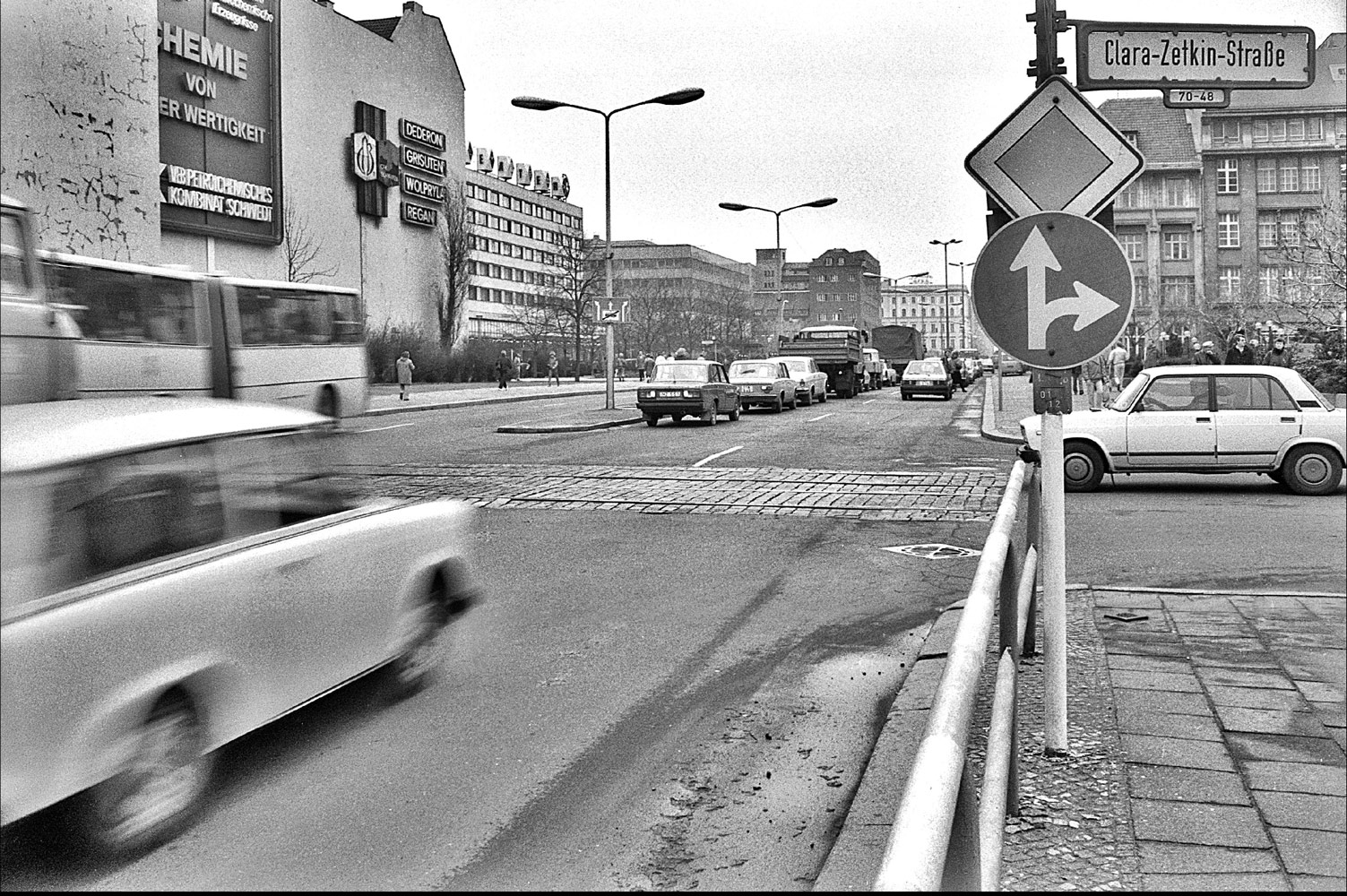
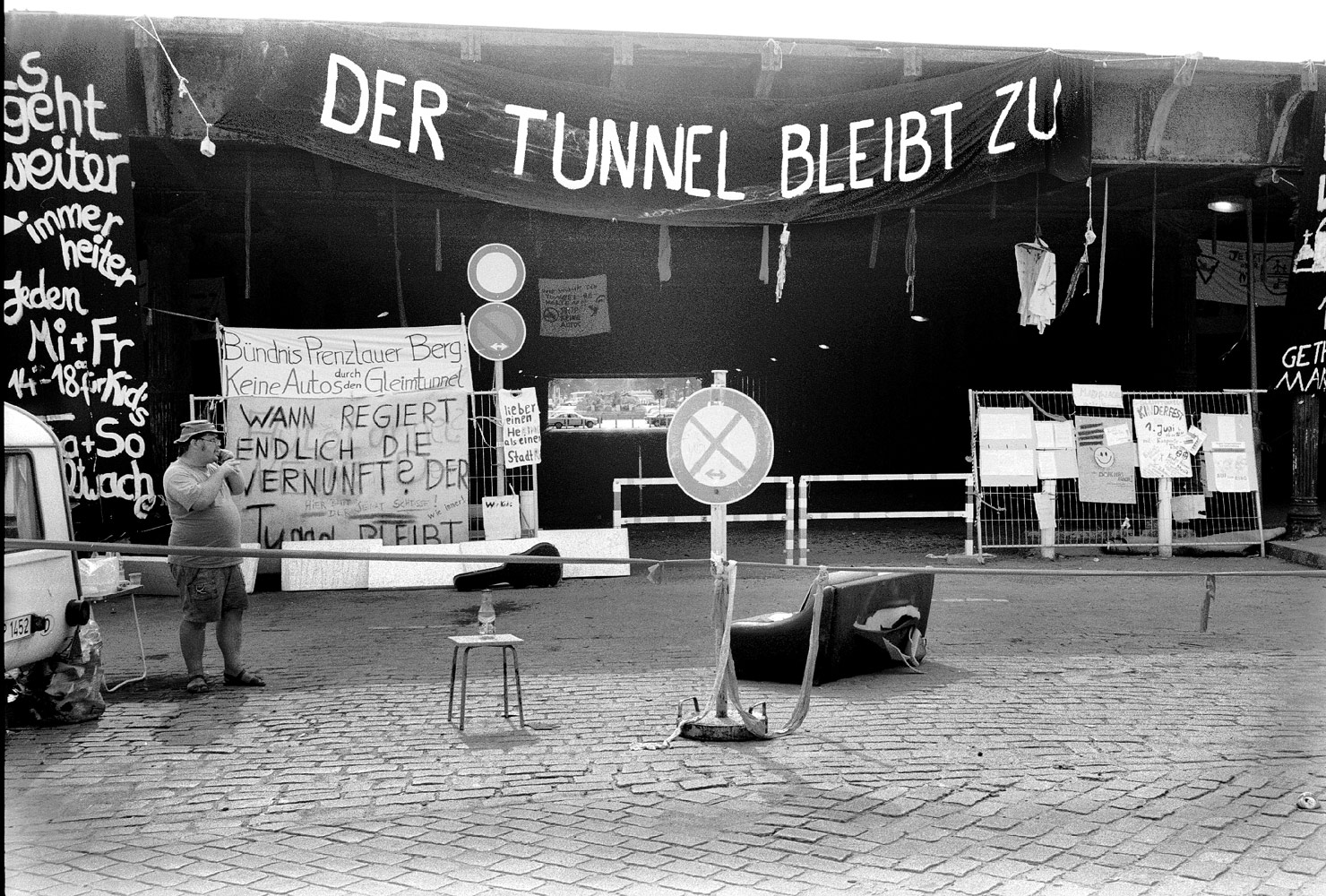
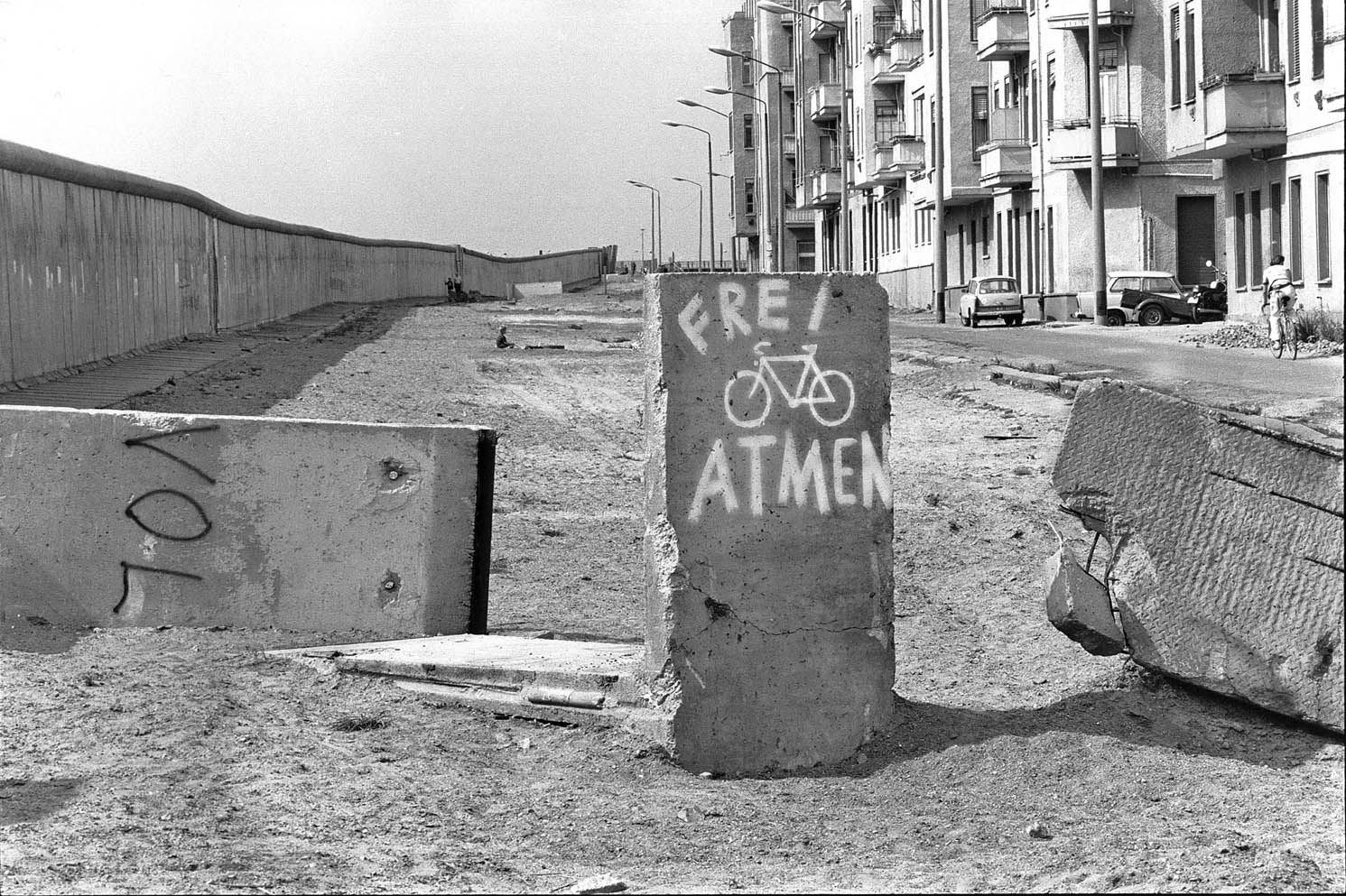
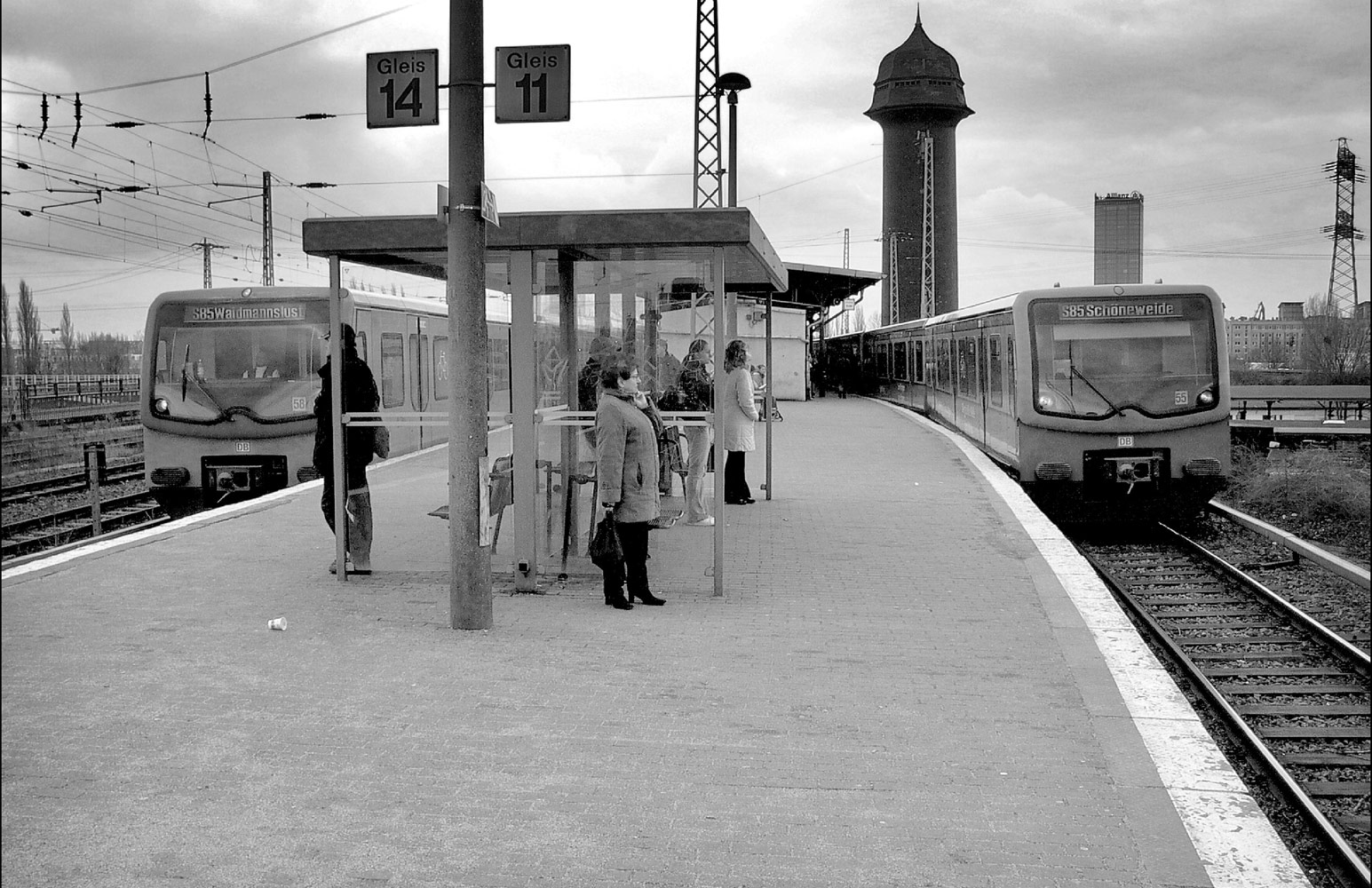
After the fall of the Wall and the opening of the border, however, he quickly began to photograph various locations in East and West Berlin. He took coherent pictures of places that had been torn in two for decades.
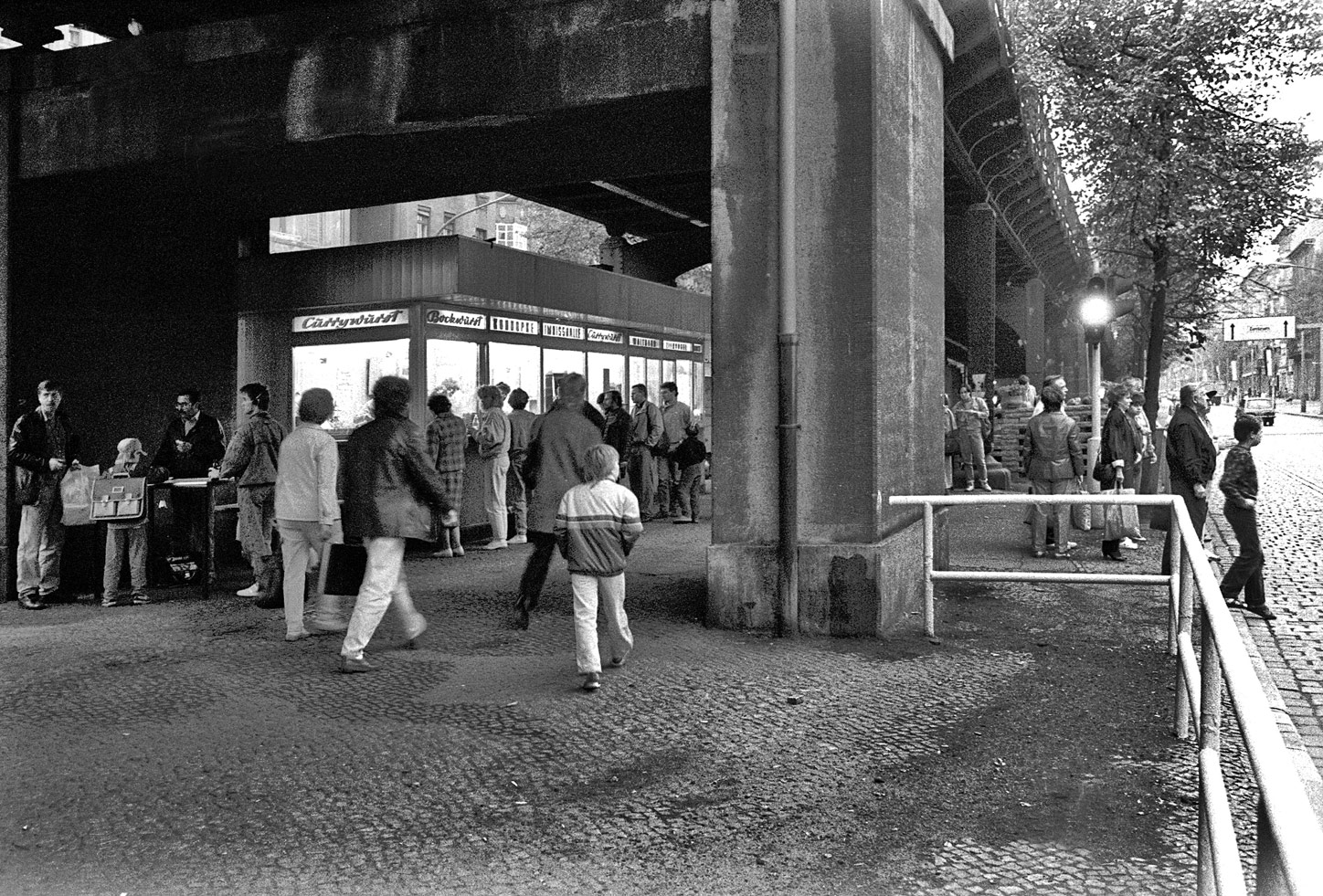
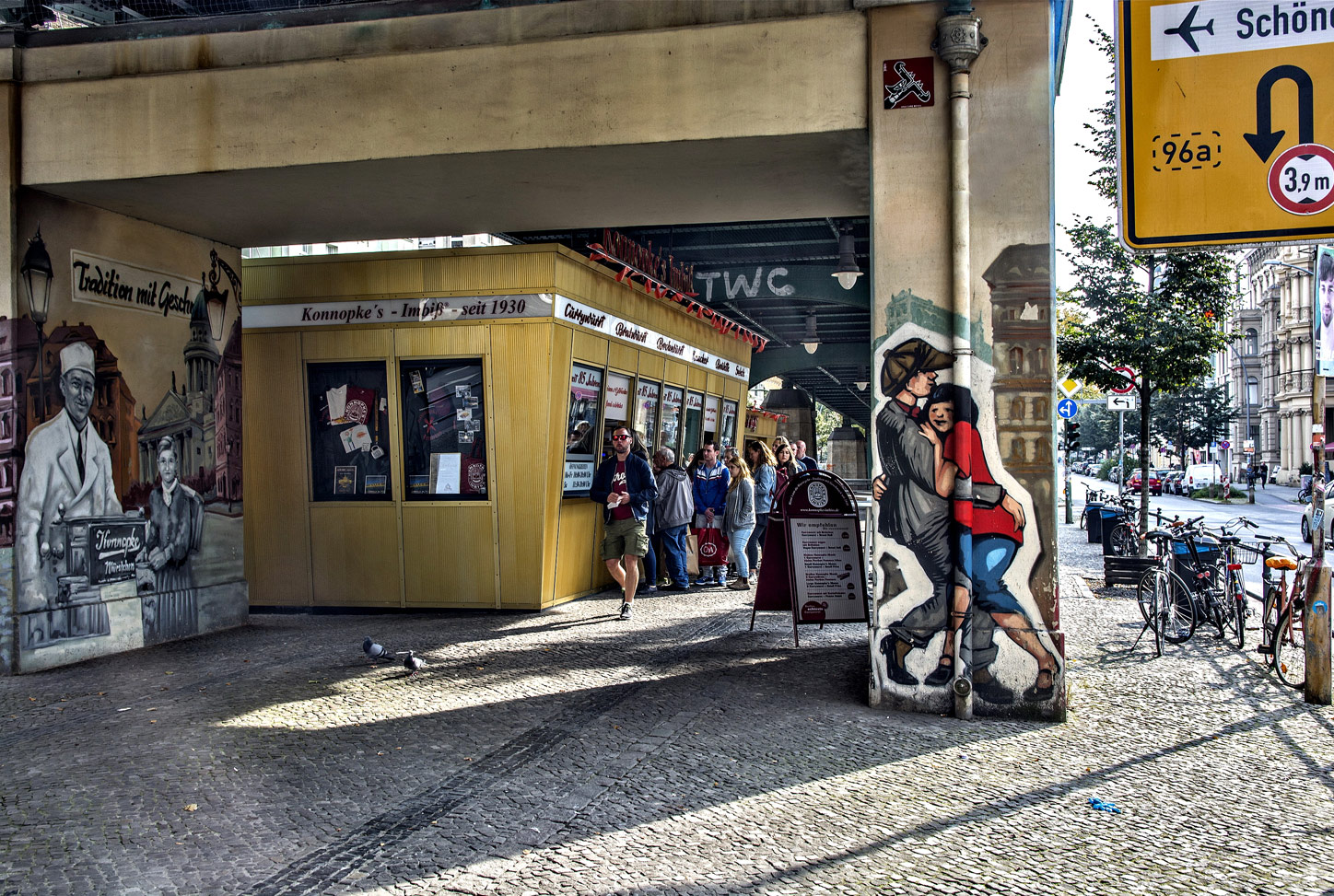
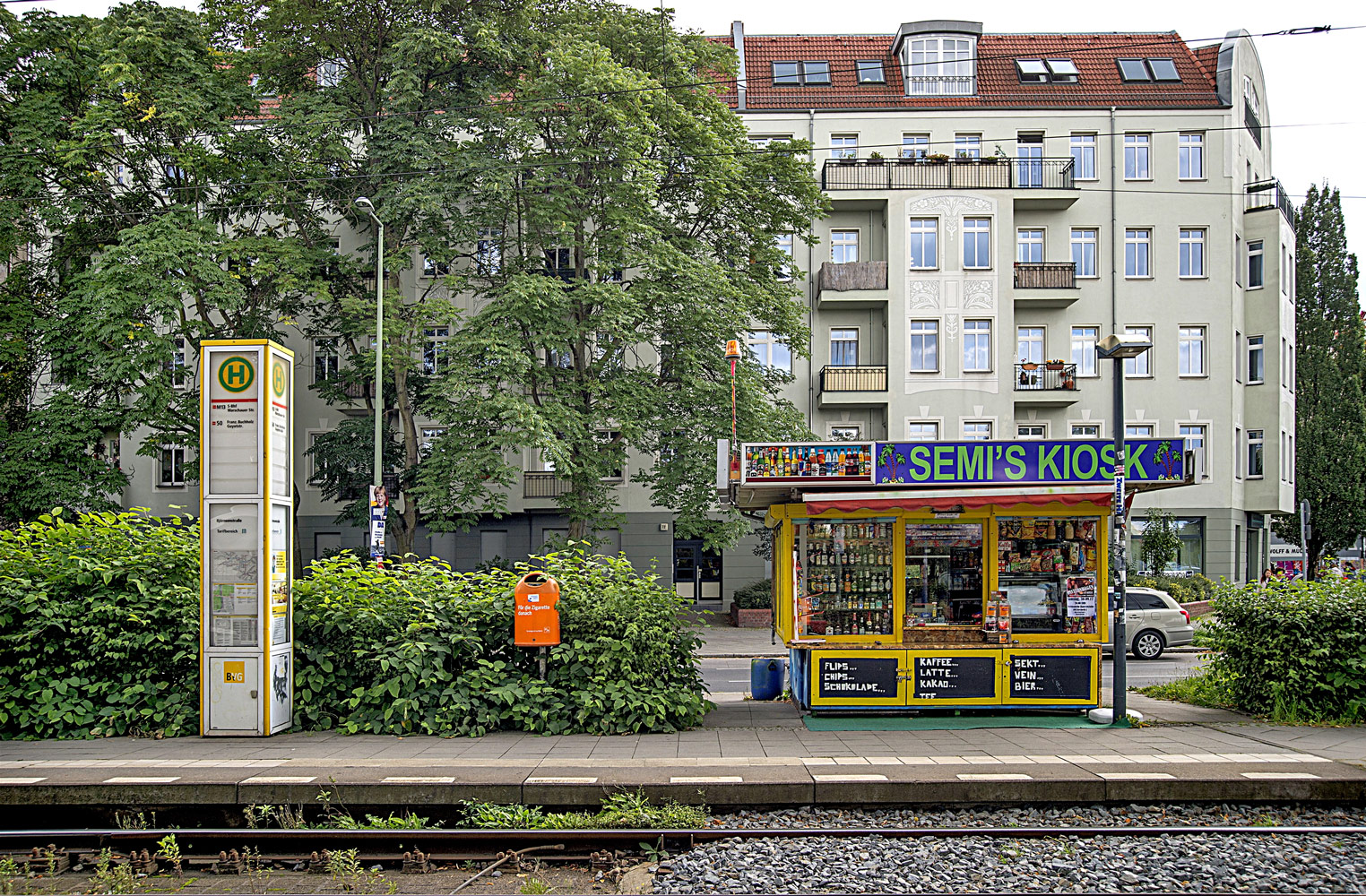
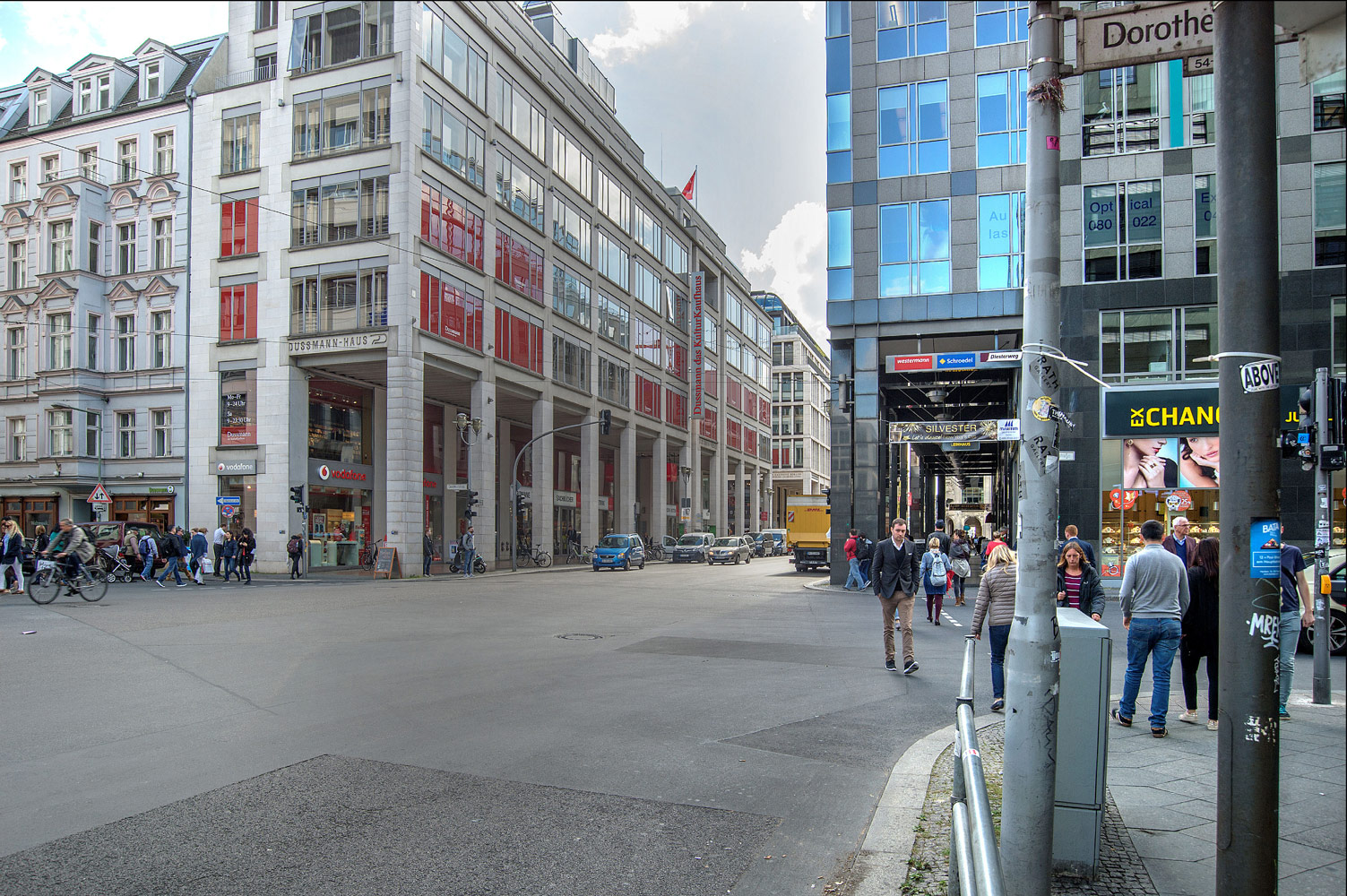
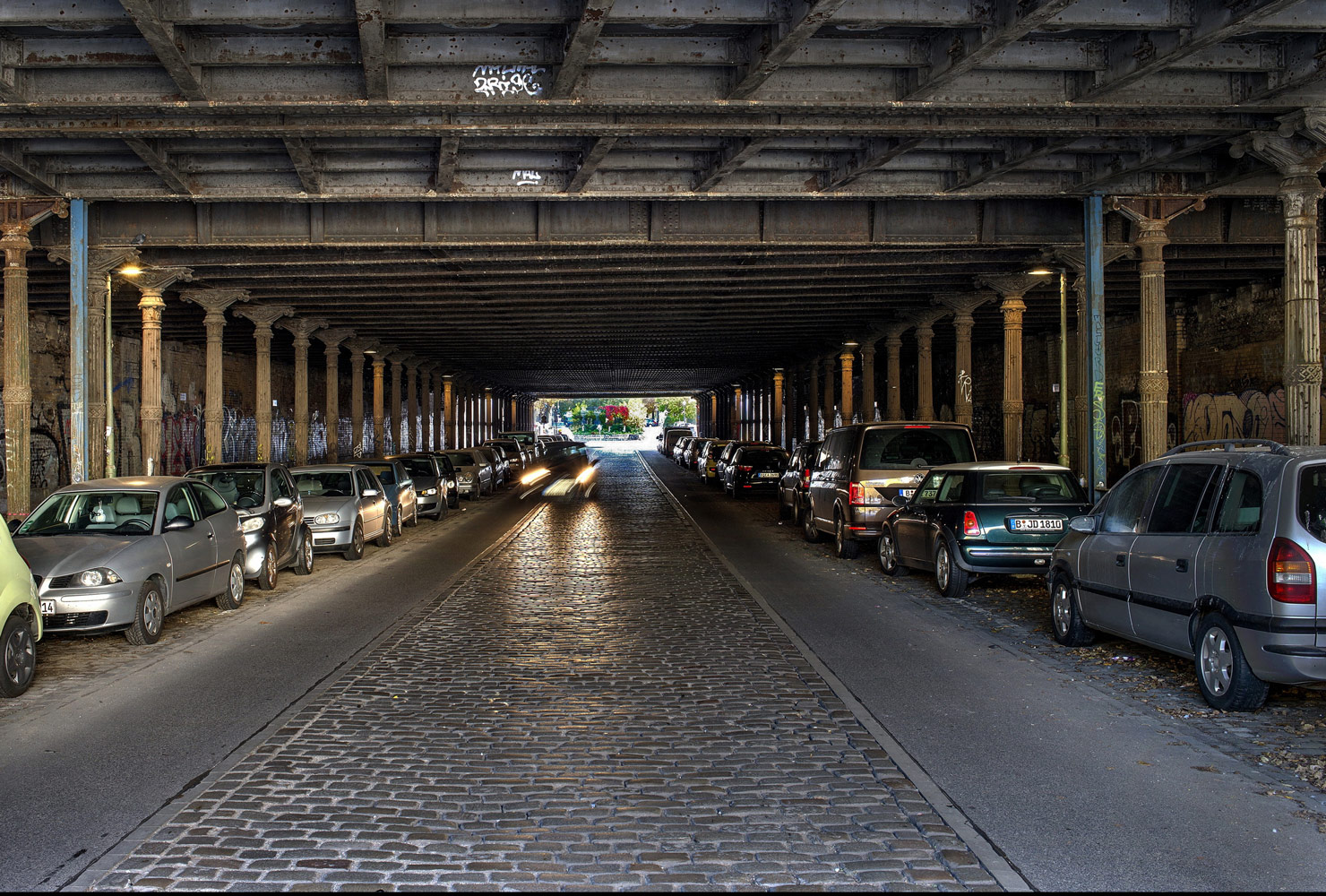
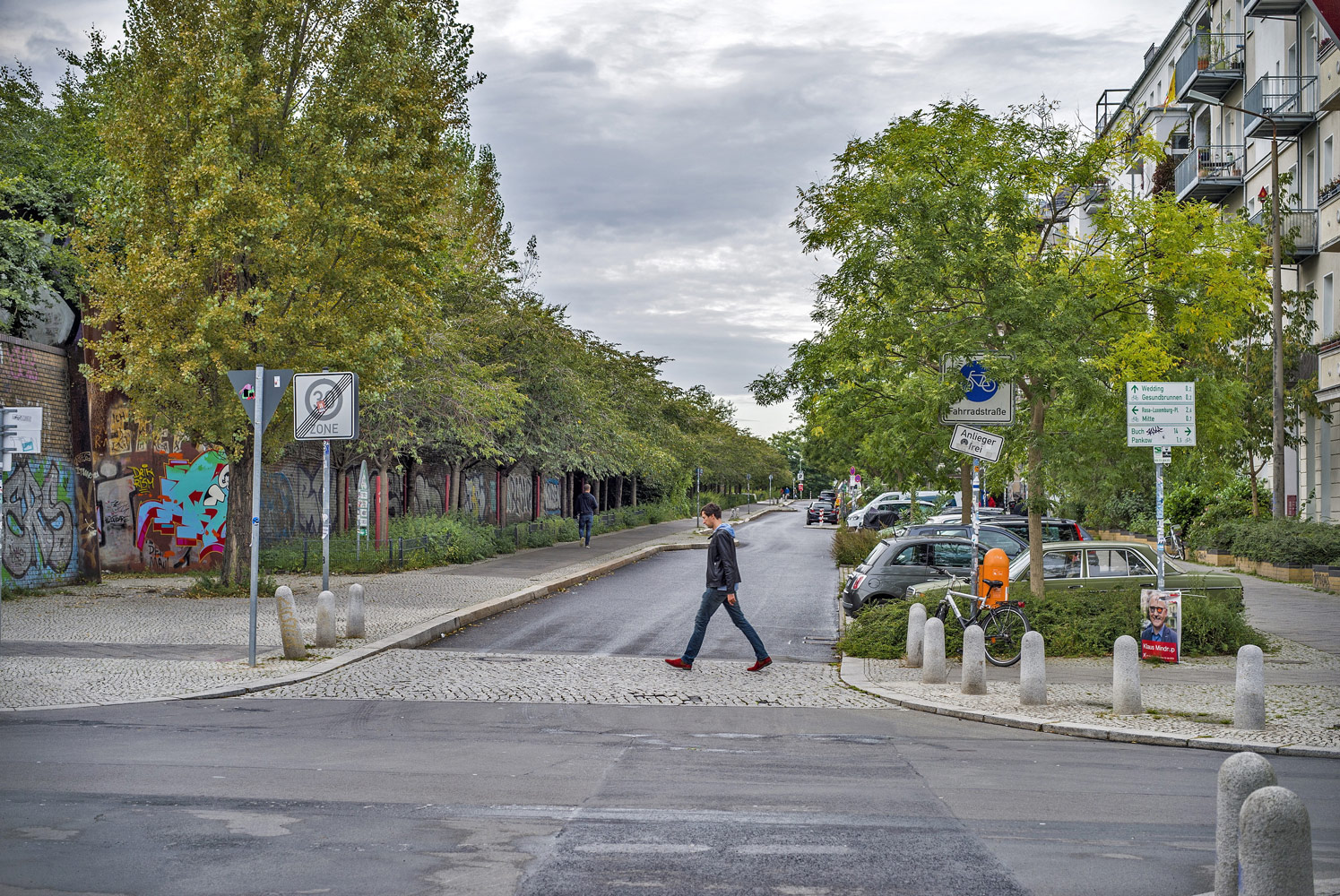
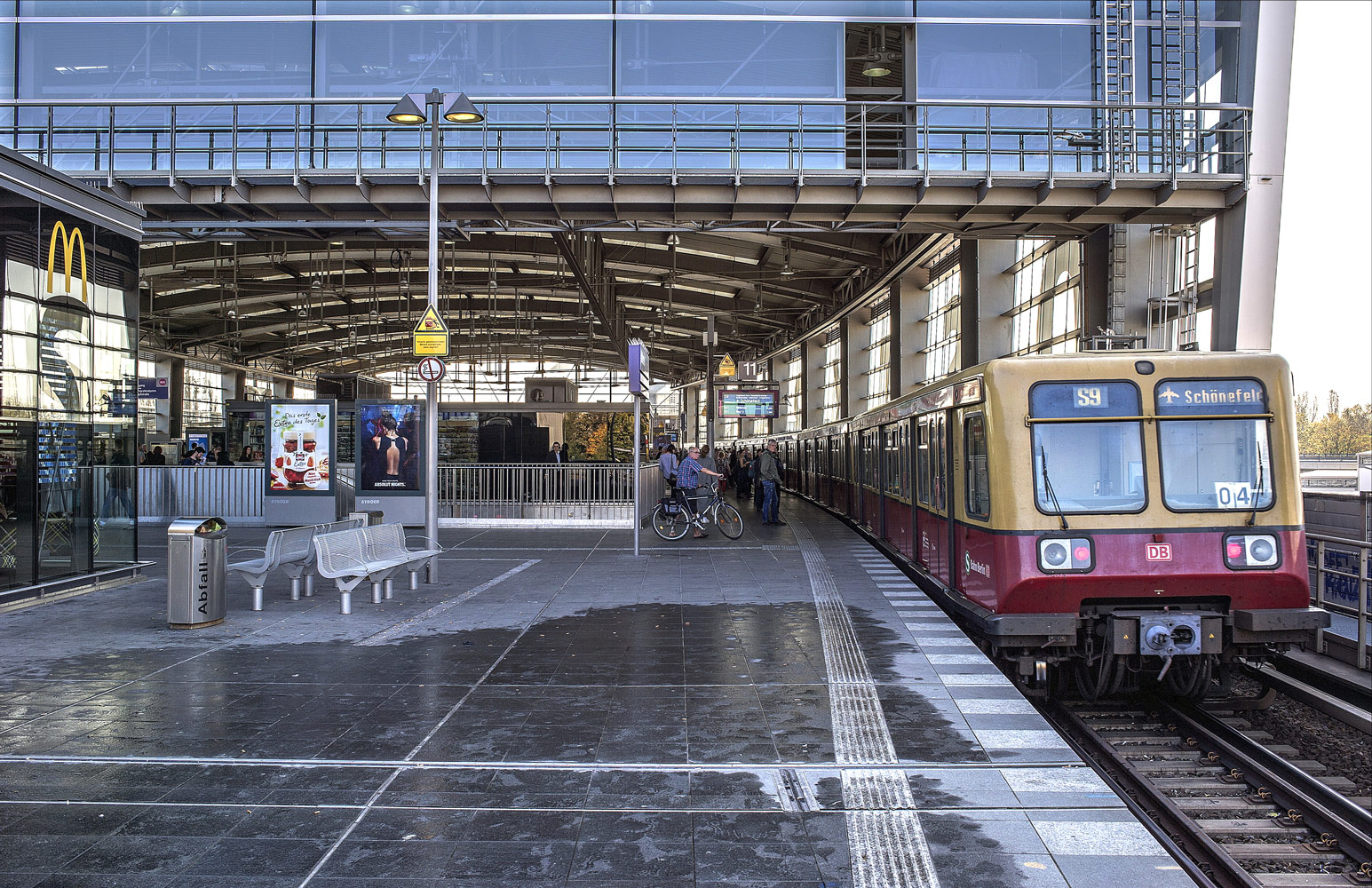
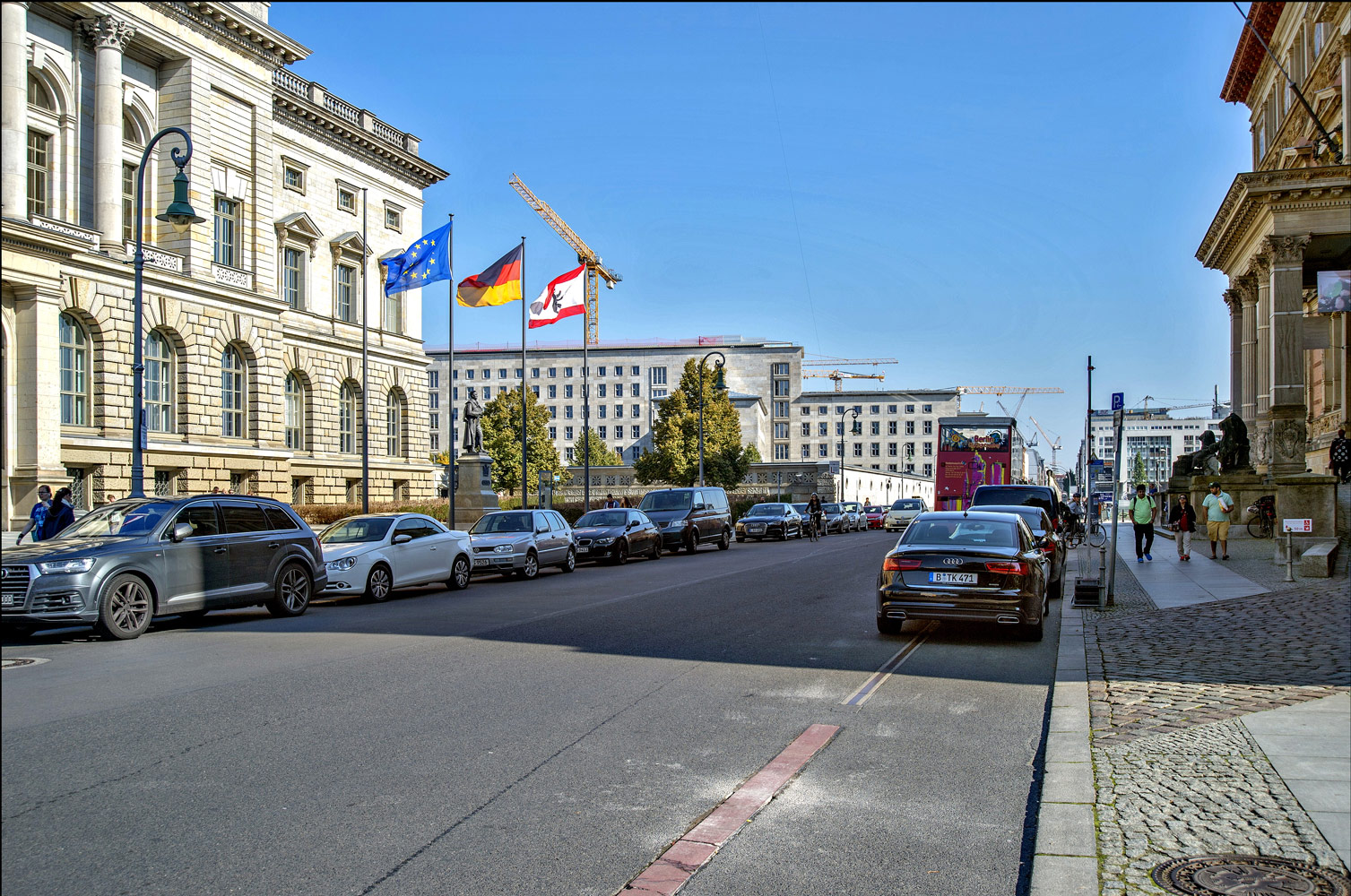
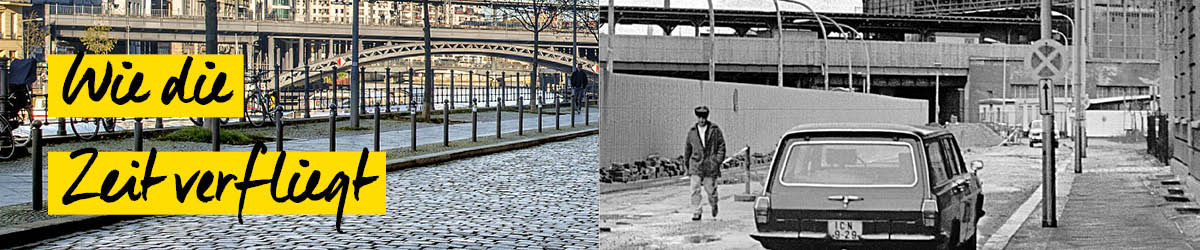
Today, he has revisited many of the places photographed back then to create comparative images. Some scenes are clearly reminiscent of times gone by, differing only in the name of the store or the billboard.
Other juxtapositions show stark contrasts. Places that were strictly inaccessible back then are now openly accessible and can be visited at will. Berlin appears freer in the pictures from 2019, an impression created not only by the fact that the Wall no longer exists. The fact that the current images shine in color alone creates a lively, fresh feeling in the direct juxtaposition. The result is a documentation of the rapid change of our modern times, which takes place every day and yet only really becomes clear when comparative images of the same scenery are placed directly next to each other.
In this way, even
the everyday becomes unique and valuable
In this way, even the everyday things that often seem unworthy of our attention, let alone something that cannot be captured, become unique and valuable. After all, every photo we take is ultimately also a piece of contemporary history. It remains to be seen what Berlin will look like in 2049 and whether the places we see will still be recognizable. But one thing is certain: time will not stand still.