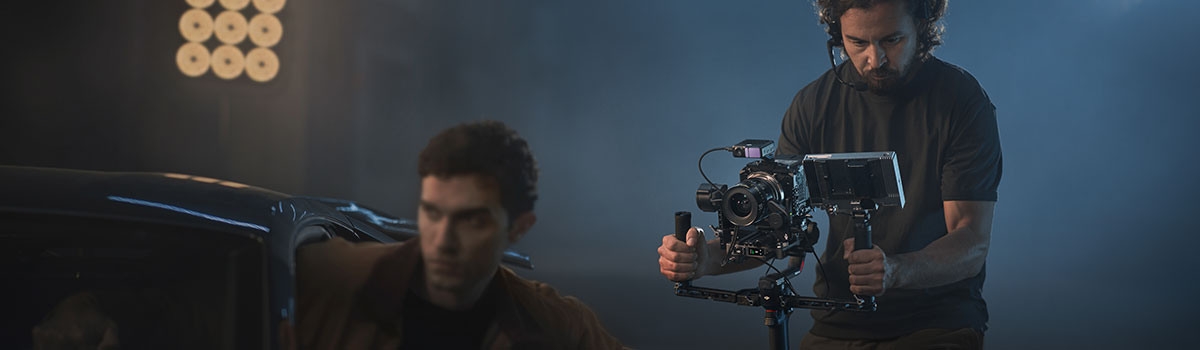
DJI innovations that videographers have been waiting for: DJI RS4 +& Focus Pro
When DJI introduces products outside of the drone range, we are always excited! Alongside the RS 4, the second generation of the LiDAR autofocus system with a completely new ecosystem, the Focus Pro, has finally been released! We think there's a lot to explain here!
The new DJI Focus Pro system
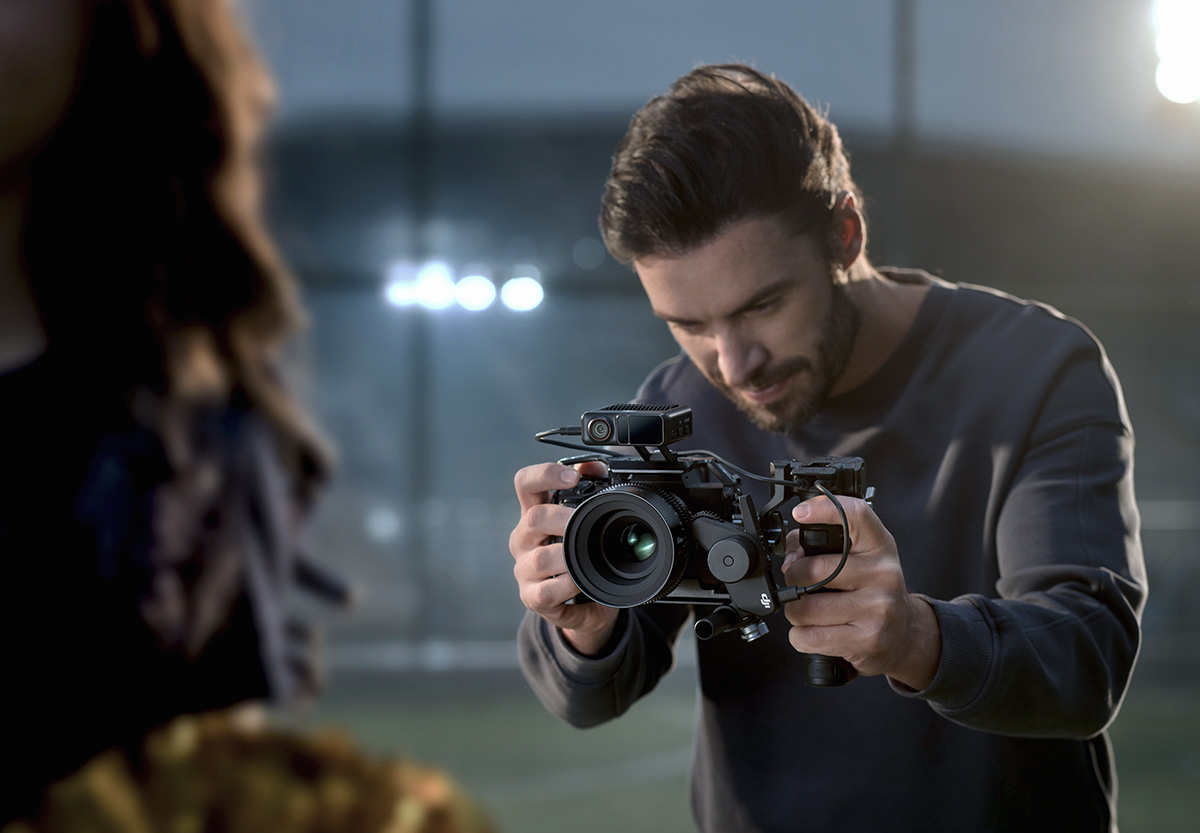
The Focus Pro is aimed at all solo videographers who do not have an extra focus puller on set. The new LiDAR is now really exciting and has been improved: many of the criticisms of its predecessor are now a thing of the past. In the following, we take a closer look at the changes to the LiDAR sensor and reveal what other accessories have been added.

New LiDAR sensor
The new LiDAR supports the tracking and adjustment of objects up to a distance of 20m, whereas the first generation was able to track objects up to a distance of around 6-7 meters. The use of wide-angle lenses with an image section of 70° has also been improved and now enables reliably better results in the peripheral areas of the image. The new LiDAR now has over 76,800 measuring points, which is more than 77% more measuring points than the first generation of the LiDAR sensor, resulting in a significantly higher and better measurement.
DJI has also made some improvements to the readout rate: only a good readout rate guarantees fast and precise adjustment of the autofocus. This is why the information is now updated every 30 Hz. This is particularly interesting and relevant in dynamic scenes such as car chases or motorsport shots. The autofocus can be adjusted and used in 5 levels in the new version. While the focus tends to be slower and more organic in the lower levels, it reacts very quickly and more responsively in the higher levels.
The autofocus "Focus Area" has also been adapted, as there is now a choice between Wide and Flex Spot: In Wide, the LiDAR itself decides whether to track people or vehicles, while in Flex Spot it is possible to select objects manually. With the help of new AI algorithms, it is now possible to recognize people and vehicles more accurately and to direct the autofocus back to the object more quickly
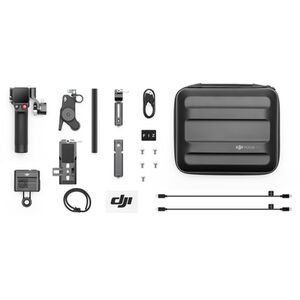
DJI Focus Pro Creator Combo
Handle or rather hand unit?
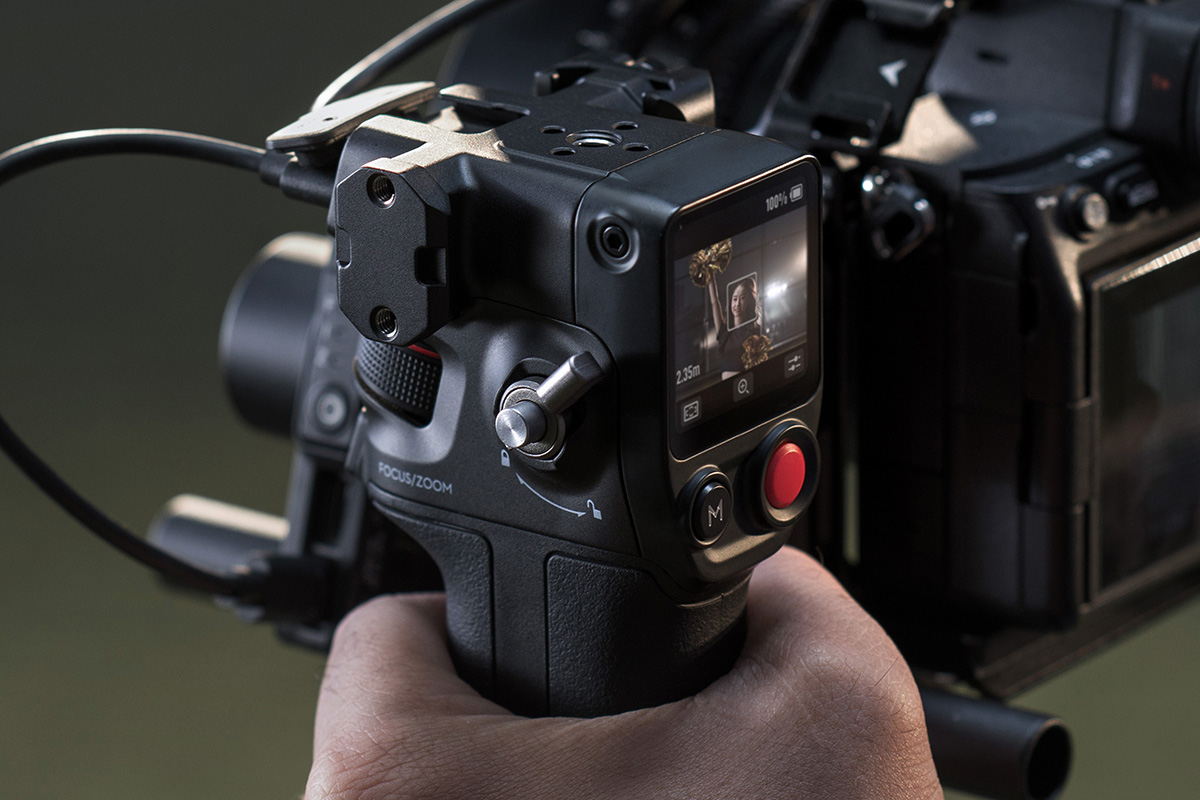
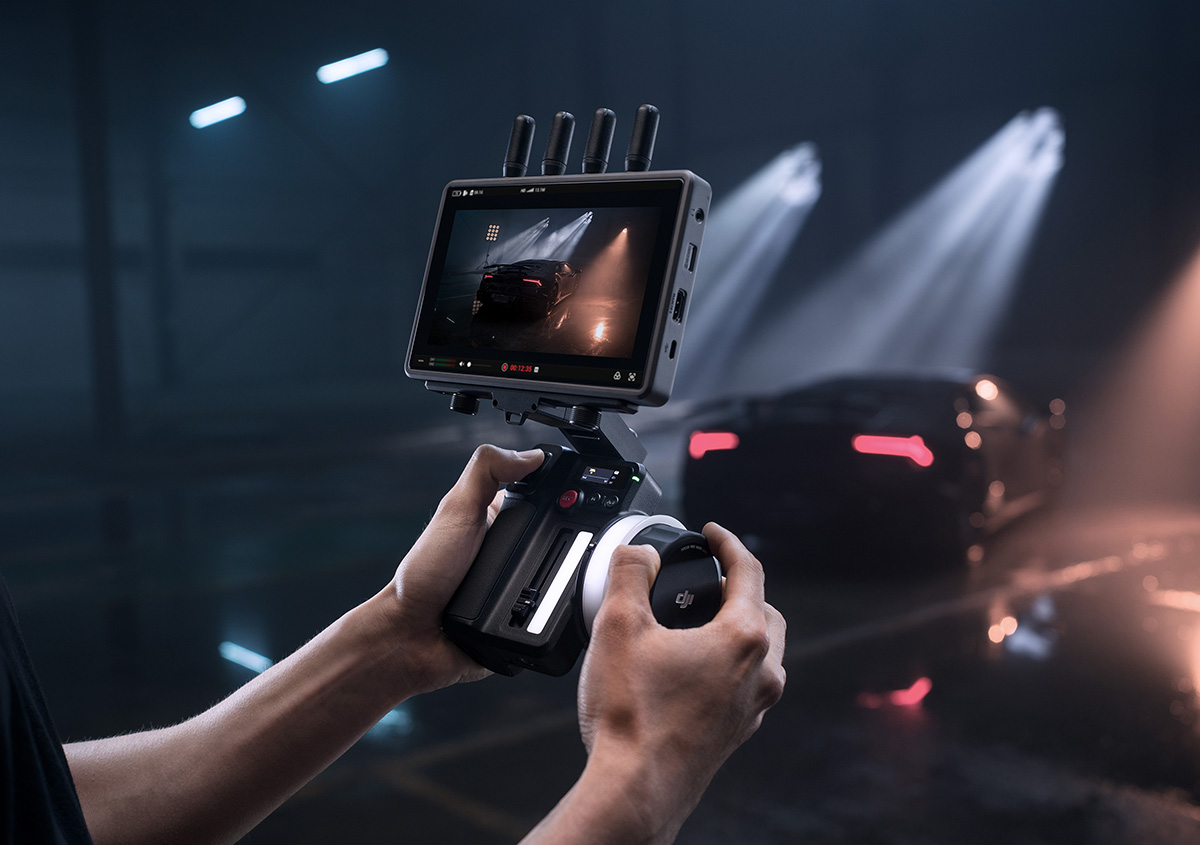
The new handle definitely has it all: it has a power supply (rechargeable battery, PD possible) that can supply the LiDAR and focus motor with power for around 2.5 hours, which is quite reasonable considering the number of measuring points of the LiDAR, the readout rate and the focus adjustments on the lens. Speaking of lenses - or rather lenses: the handle has an internal memory that allows you to store and synchronize settings to the focus motors of up to 15 different lenses. As a further pleasant addition to the system, the handgrip has a Bluetooth interface with which it can start and stop video recordings, among other things. The Bluetooth interface also allows the device to be paired with the Ronin app, enabling the calibration of manual lenses to be completed.
Another aspect in the improvement of usability is the now built-in touch display, which can be used to adjust LiDAR and motor parameter settings. The adjustment wheel on the front provides the user with tactile feedback. This makes it even more intuitive to work and quicker to decide whether manual intervention in the autofocus system is necessary.
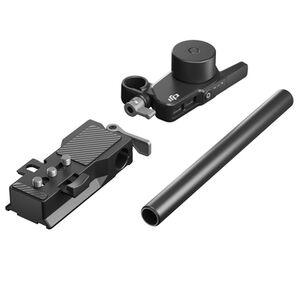
The FIZ hand unit - Magnetic FIZ hand unit
For all those who are not familiar with the term FIZ, here is a brief explanation of the term: FIZ stands for the Focus, Iris, Zoom unit. This allows everything to be controlled effortlessly, simplifying complex processes and thus increasing the team's effectiveness. One of the core functions of the DJI FIZ controller is magnetic damping. A game changer for comfort and precision is the ability to adjust the damping continuously in real time (level 1 - 100)! The wheel can also provide tactile feedback.
But DJI goes one better with the handheld unit: with DJI's usual transmission range of 160 m, everything can be conveniently controlled from a distance in combination with the DJI High-Bright radio monitor. The unit can also be used to control the Inspire 3 Ultra remote lens control.
The new FIZ motors
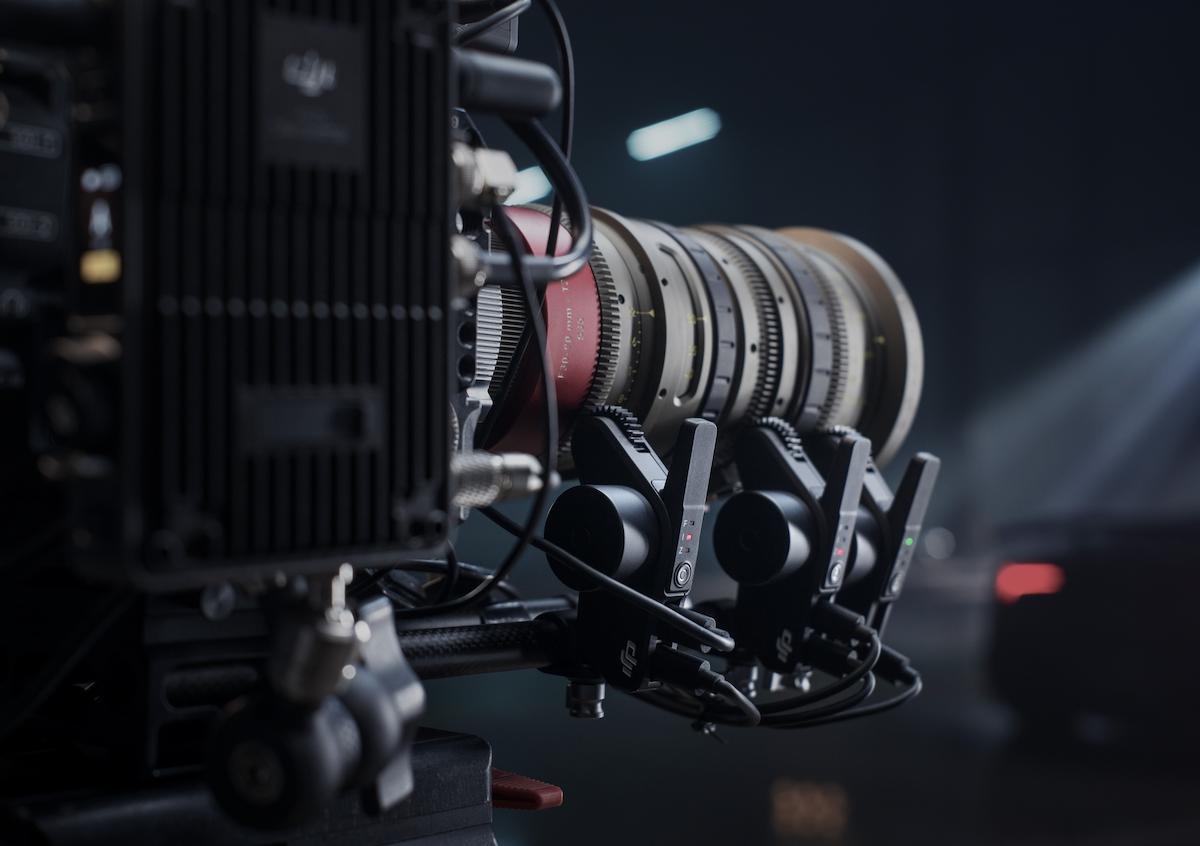
The old focus motors or FIZ motors were criticized for various aspects. One of these issues was compatibility with 15mm rods, which is now guaranteed. The precision has also been optimized and can be adjusted in 3 stages. This allows the motor torque to be set more precisely. In addition, the direction of rotation of the motor can now also be adjusted, which enables or rather improves its use in different mounting positions.
The latency of the motors has also been improved; the motors now react within 10ms.
The next generation of the RS gimbal: the RS4
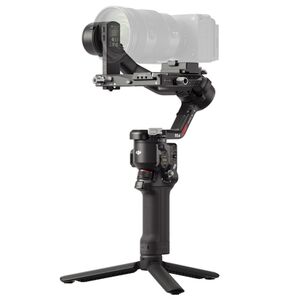
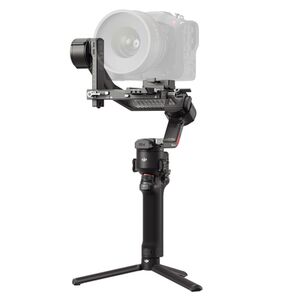
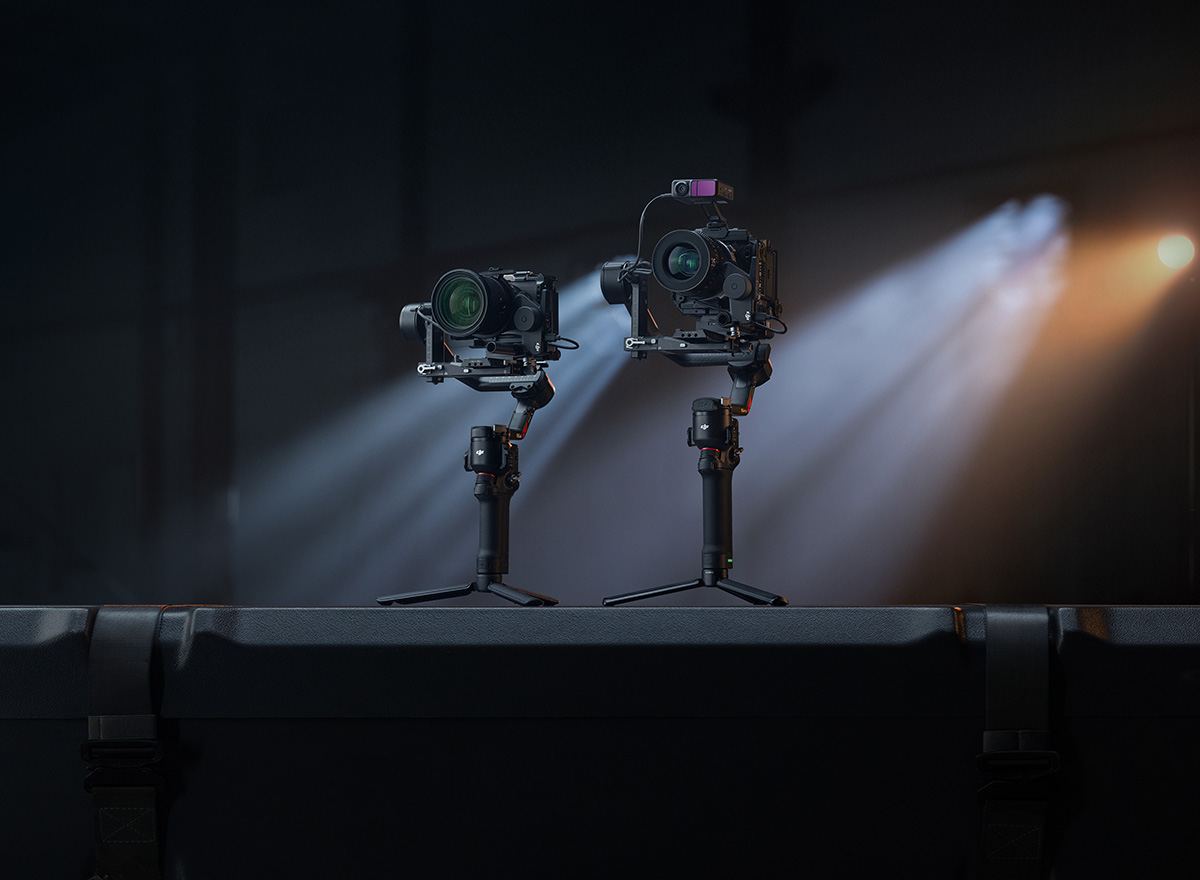
Last year the RS3 was released, now the RS4 and RS4 Pro have been released, in which the vertical mounting system has been improved: The horizontal plate can now be easily detached and mounted in the vertical position. This allows you to get native vertical video footage in full resolution quickly and effectively. A new coating on all axes reduces friction and enables smoother balancing of the gimbal for your camera.
If you change lenses while shooting, the RS 4 now offers an additional customizable position guide and a knob for fine tuning on the tilt axis. The OLED touchscreen has an automatic screen lock, which also helps with the battery life of the DJI RS4.
After the already strong Nice To Have features, the RS 4 is also equipped with an improved stabilization algorithm, which is particularly noticeable in vertical, ground shots and dynamic shots on the move.
Final words
We were unable to test the devices ourselves, but the improvements and criticism from the community were heard and many things have been implemented. We are curious to see how the feedback from the YouTube bubble will develop over the coming weeks and months, but we are excited about the developments and are very positive about the future of LiDAR technology.