Daily Portrait Berlin
from the current Schnappschuss No. 60
Try to imagine the following situation: You are at home, you are making yourself a cup of tea and suddenly the doorbell rings. There is a completely unknown person at the door. They have a camera and are about to take a picture of you. You have to take your clothes off... that's exactly the idea behind the Daily Portrait Berlin project.
by B?ra Alex Ka?parov?
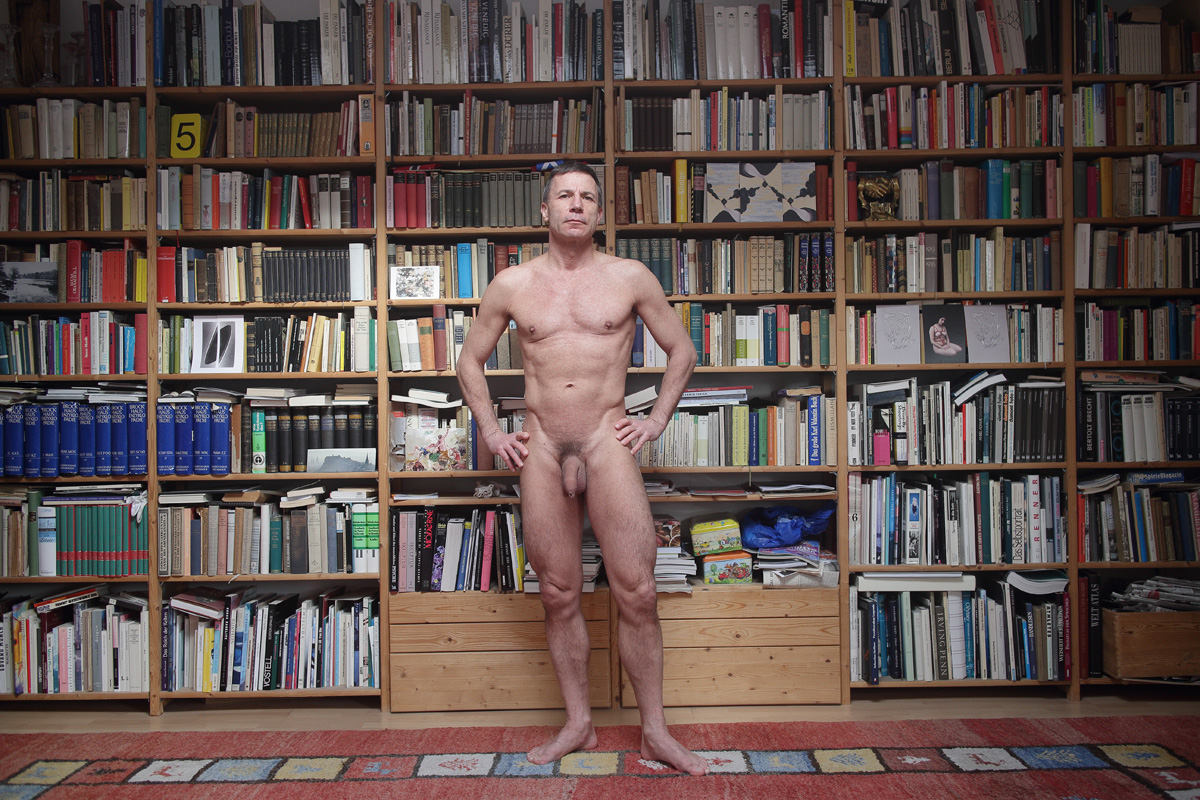
A work of art is not created to win admiration and recognition. It is created through inner tension, sometimes even through suffering. It arises from the feeling of being misunderstood, pointless and ignored. And at the same time from the need to communicate something to the viewer. The work of art is a confrontation with oneself. The search for a personal theme and for the refinement of form. It is the communication of content in a universal and at the same time unfinished way. The visual project "Daily Portrait" is exactly such a communication. In the mosaic of diverse images of contemporary society, it shows people as they really are today, without the biased selection and criteria of mainstream media.
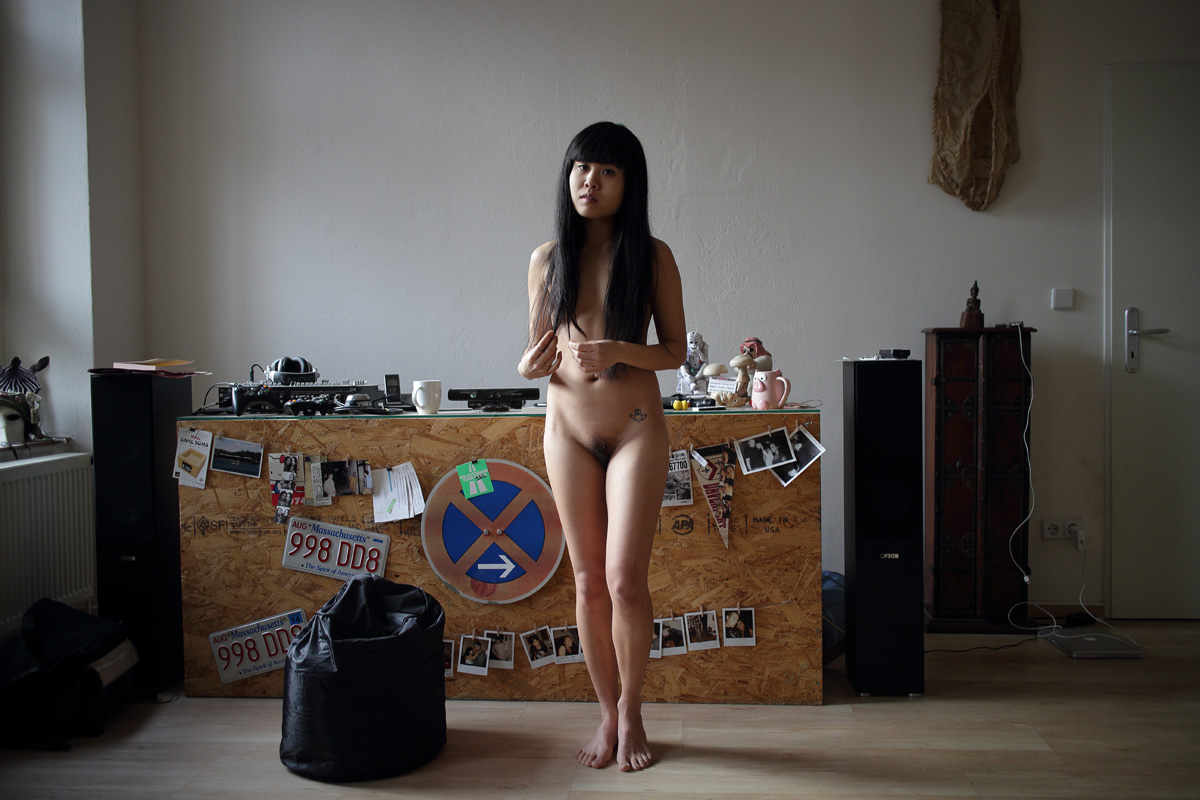
In the first year of the Daily Portrait (DP) project, which was realized using a photographic medium, visual artist Martin Gabriel Pavel captured everyone who wanted to take part in the project with his camera and in his Smichov studio. Young people, old people, people with money and without. Half-naked people or people in their underwear. Those with an open mind, extroverts and introverts alike. This is how the first mosaic of contemporary people was created.
In the following year, the project took to the streets of Prague. A wide variety of places were mapped in their authentic form. The medium for recording this mosaic was a Polaroid camera. The colorful, rectangular photographs were presented several times at independent exhibitions. The result was a square box filled with copies of a whole set of original Polaroid photographs.
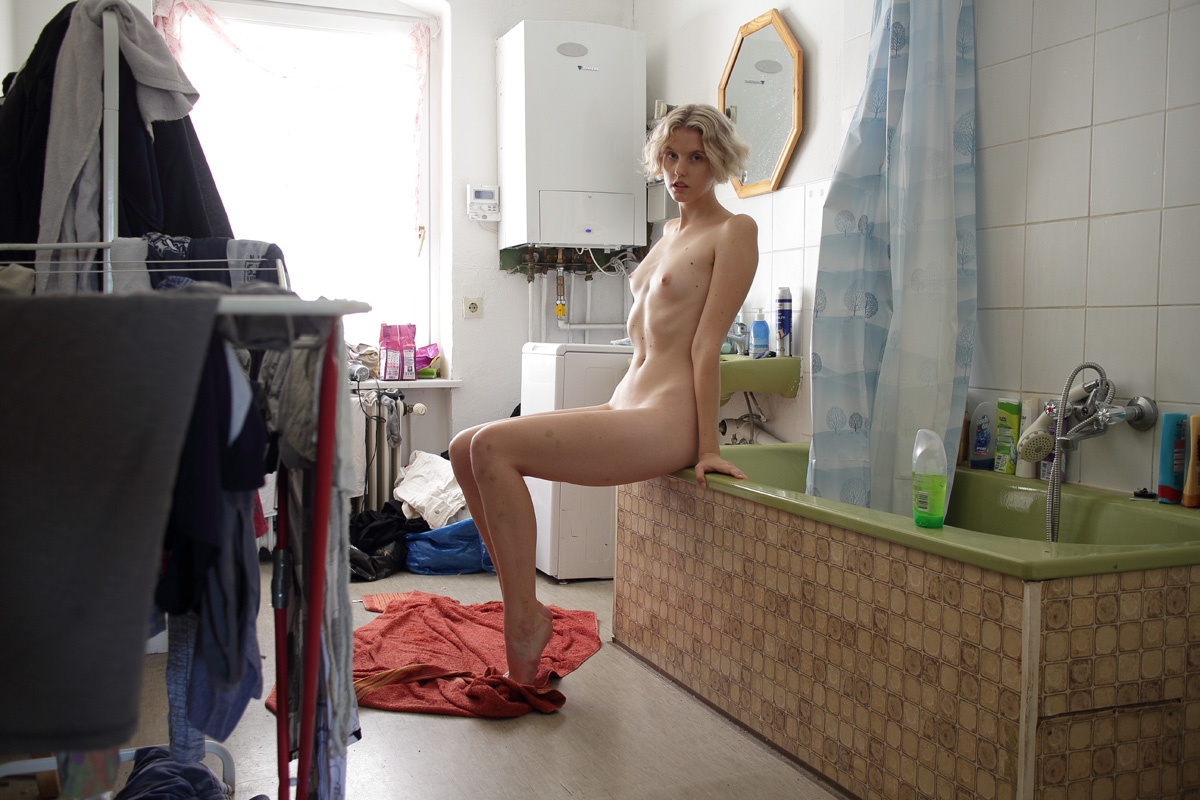

The Polaroid publication of the second volume ended up in the hands of Marek Kucera, a Czech photographer living in Potsdam. He offered Martin his support for the Berlin project. For this, a single camera was passed from hand to hand, from one willing participant
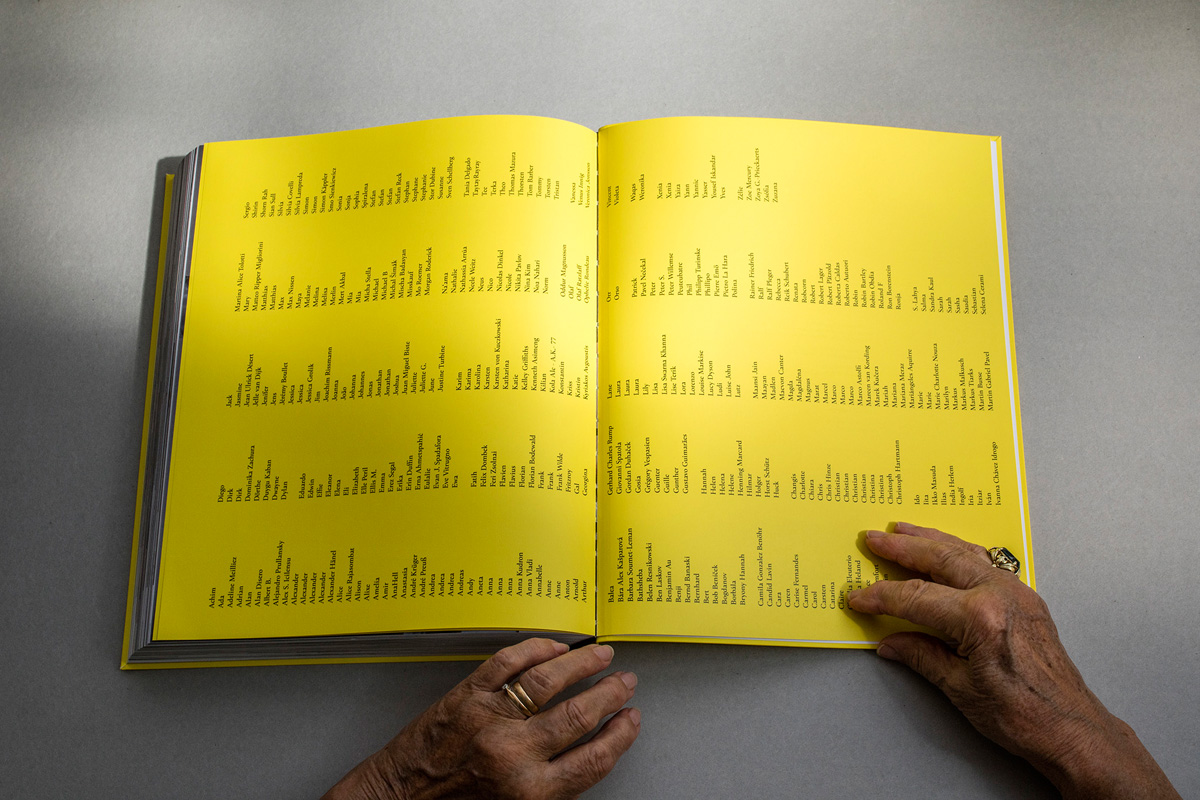
to the next. Each of them opened up their intimate space and bared their body to another member of the chain. Complete strangers who were willing to open up to each other and take pictures of each other. Their life stories were interwoven by the camera. Martin himself acted as the control unit, ready to solve all the problems of the wandering camera. He became a hikikomori: an author voluntarily isolated from all worldly events with a single goal: to successfully complete his opus. Within the 18 months of its creation, the principle of the fourth volume of DP changed the lives of 381 Berliners.
The wandering camera linked the life stories that had previously run parallel and helped to write new stories. A mosaic of an unprejudiced society was created. A new photo was taken every day. Every day, a different person undressed and had a stranger take a picture of them. Day after day, someone new became a photographer, capturing the exposed substance of their hitherto unknown neighbor.
We live in an age dominated by the advertising industry and social media, which in different ways influence our ideas of who we should be, how we should live and how we should feel. The ideal of beauty propagated by commercials, social media and the film industry is reflected in the flood of styled selfies in which everyone tries to look beautiful, live in a beautifully furnished apartment or at least portray the illusion of this beauty on their social network profile.
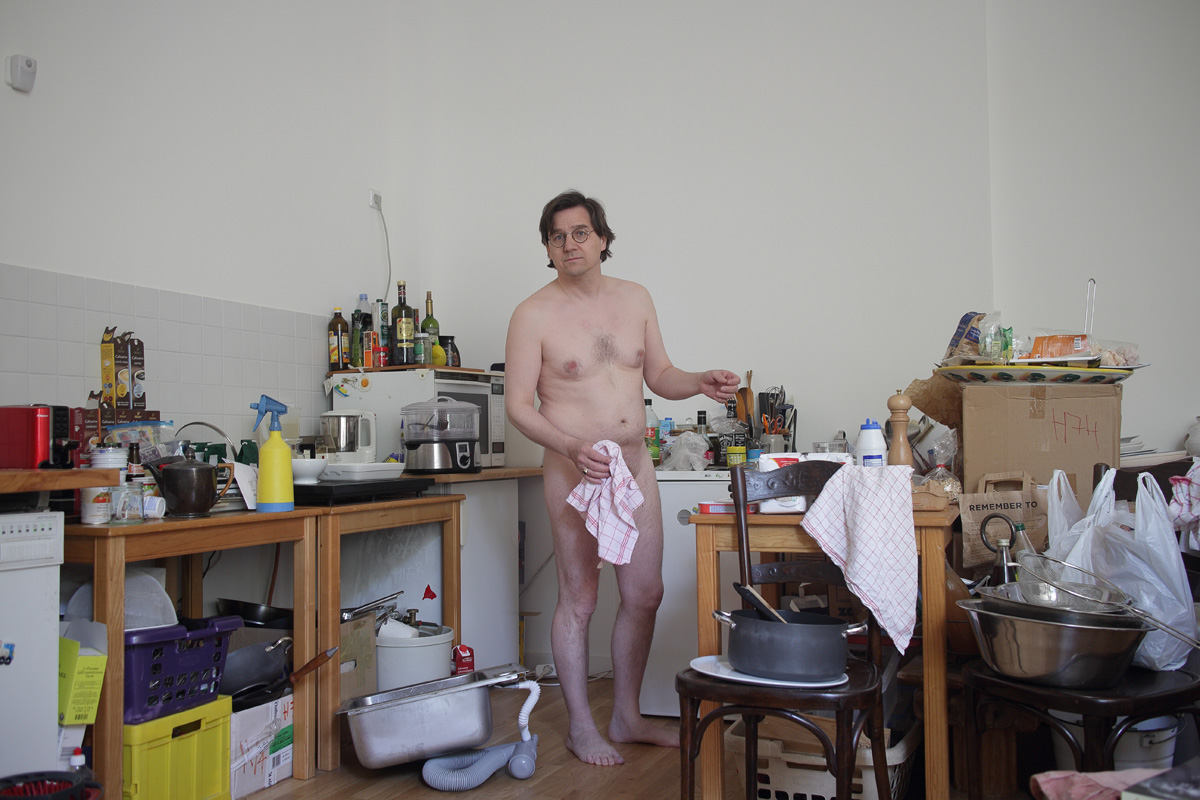
In contrast to the images presented on social networks, the pictures in
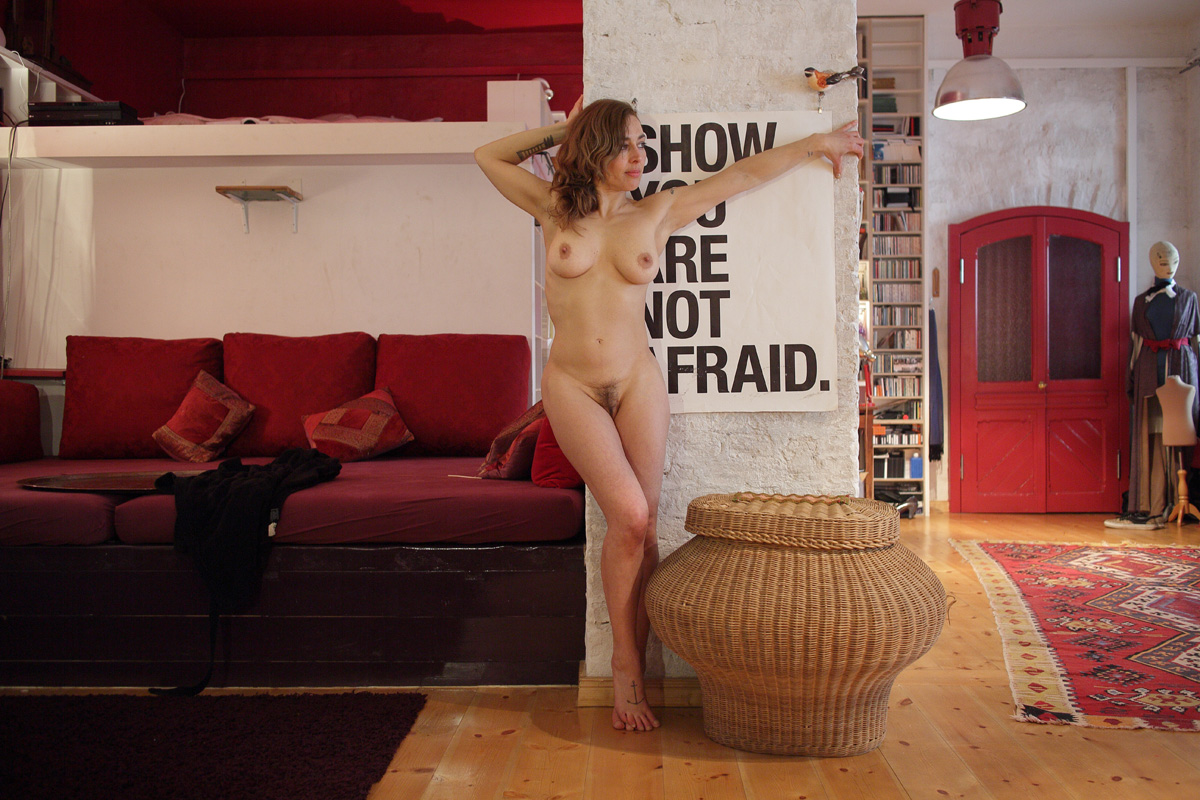
"Daily Portrait Berlin" do not lie. They reveal the true picture of society through 381 Berliners. Pictures of people who, contrary to their prejudices and fears, showed themselves naked in front of a stranger. They tell their story of how they managed to open up their own intimate space not only to the other project participants, but to the whole world.
Daily Portrait Berlin is a way of learning about others. It is a probe that explores the authentic image of the contemporary human being. A tool that was used in a completely original way by everyone who took part in the project. Those who got their hands on the camera threw away their fears. It is a means of helping people to return from social networks to reality... from the anonymity of the media back to mutual, human closeness.
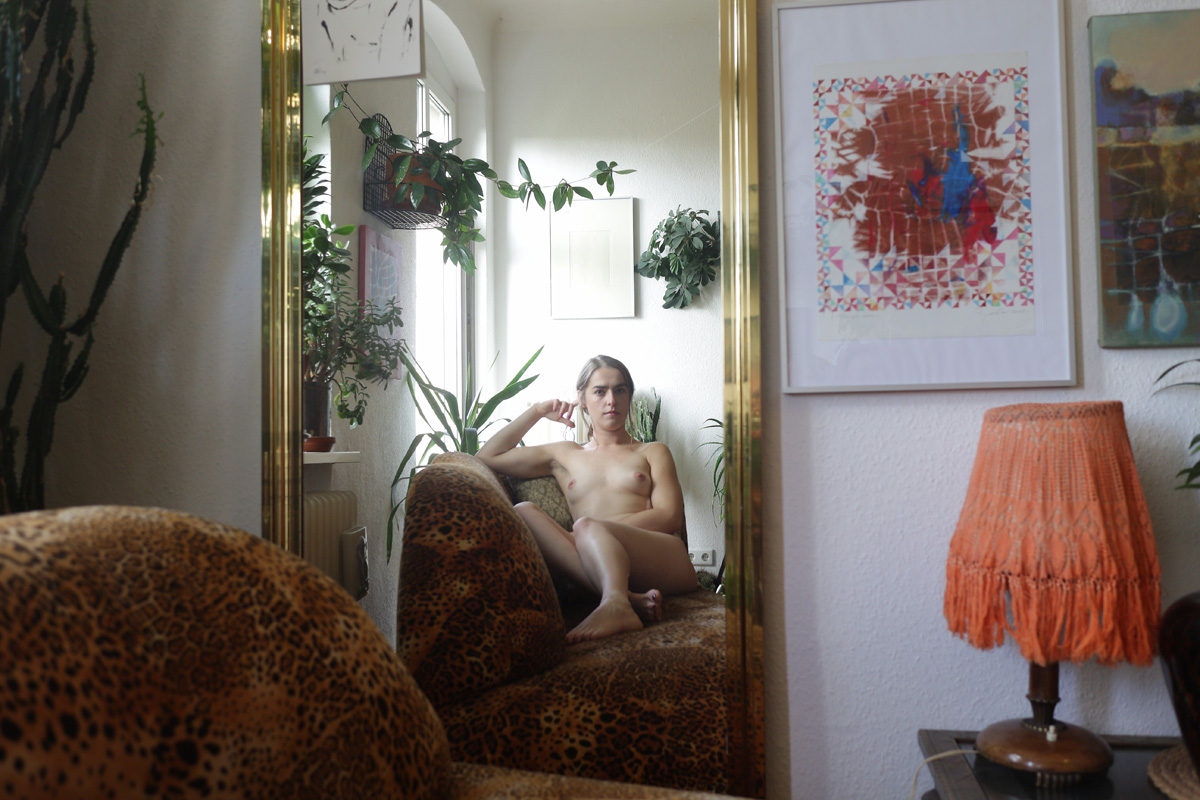
Daily Portrait Berlin is a principle that connects people regardless of their age, gender, material wealth, sexual orientation, race or national origin. It shows the moments of unexpected encounters, surprises and the creative process of two strangers, one of whom exposes himself. DP Berlin is not an encyclopedia of subcultures. Instead, it shows the image of today's people, united by their more or less similar, open attitude to communicating with their surroundings. It helps society to grow and the people who are part of it to live together, to respect and complement each other. To form a community and share a sense of belonging. DP Berlin does not evaluate or judge. It gives space for the real person. It shows the uncensored truth, an authentic world instead of a fictional one.
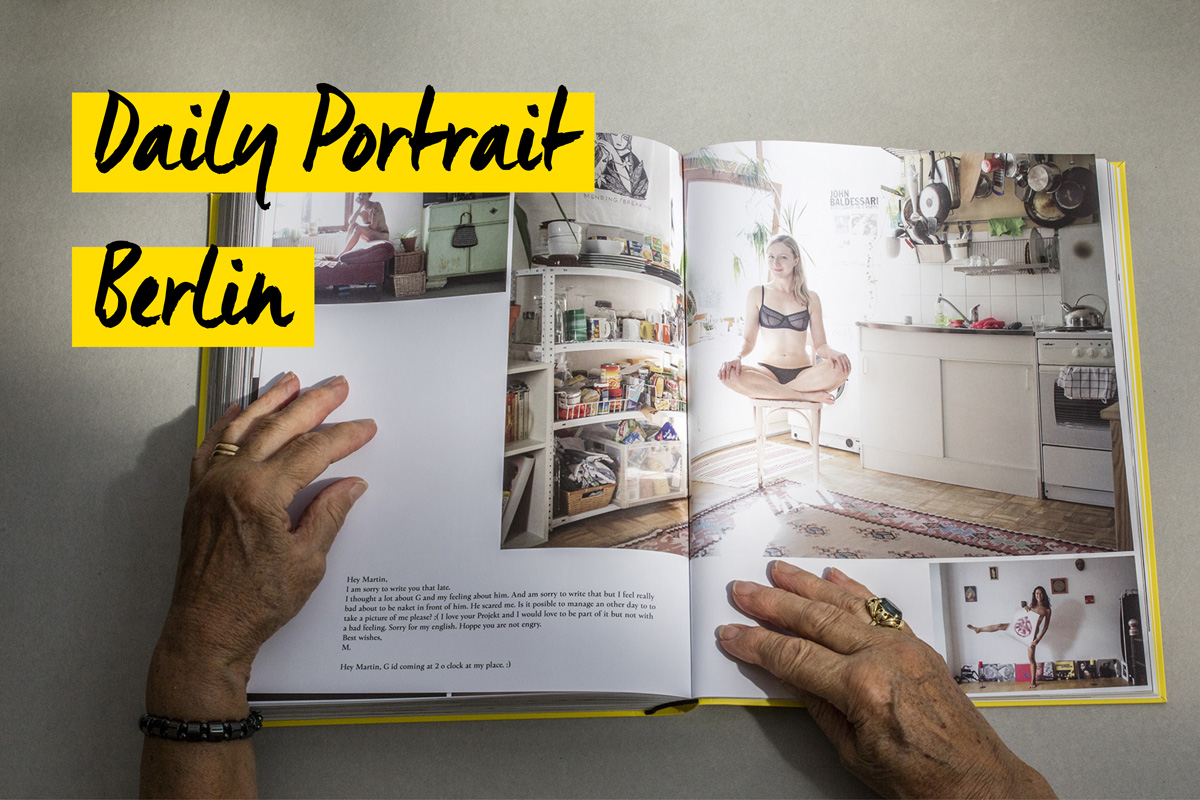
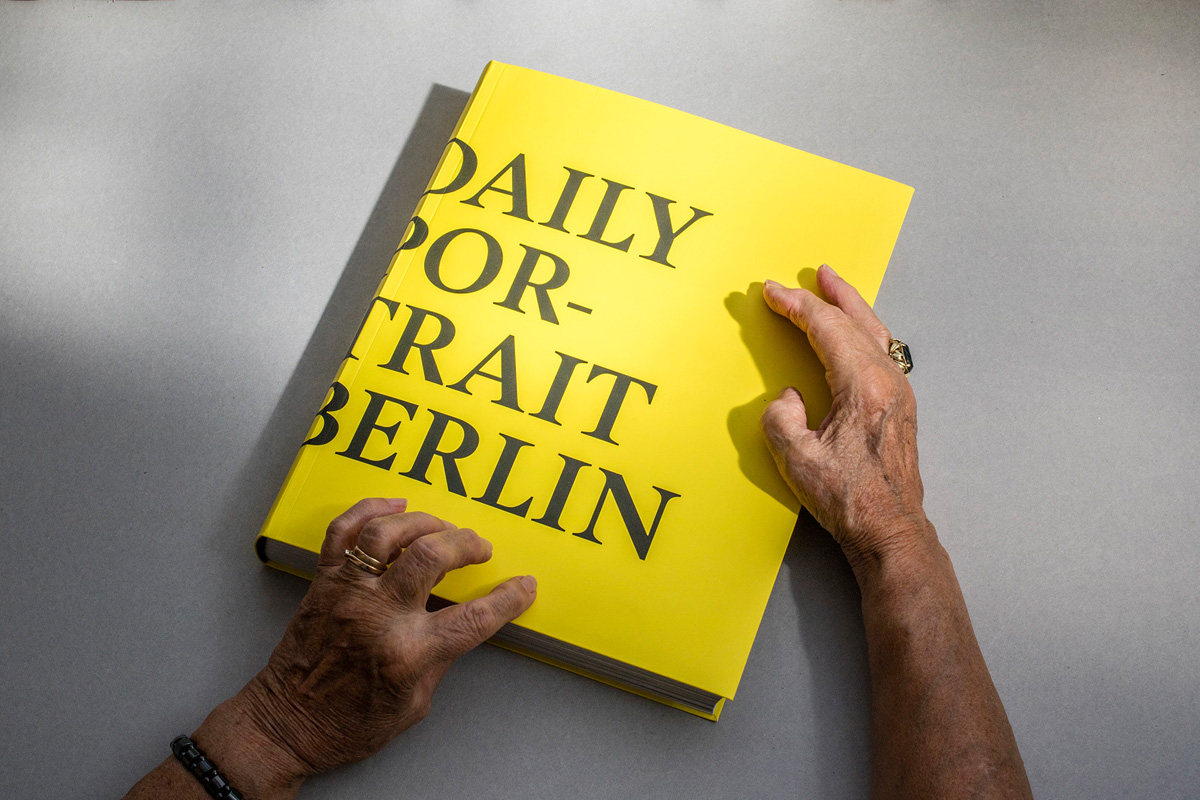
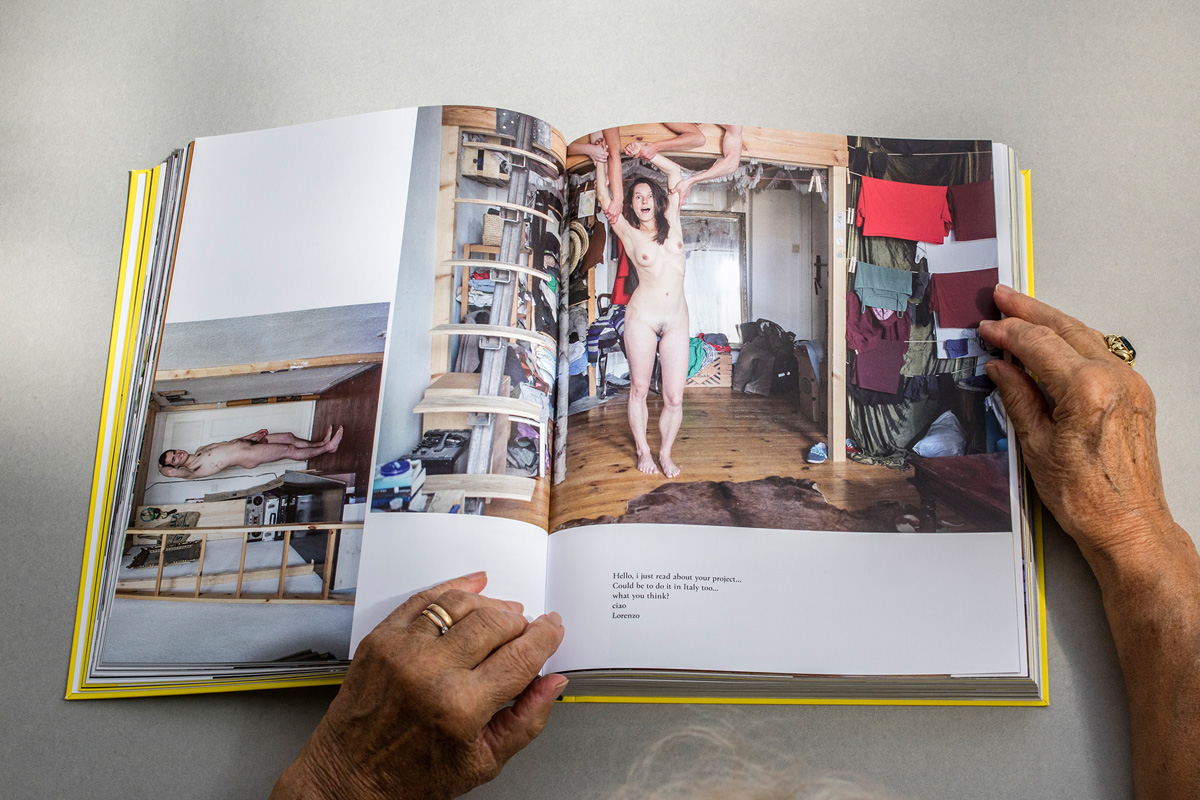
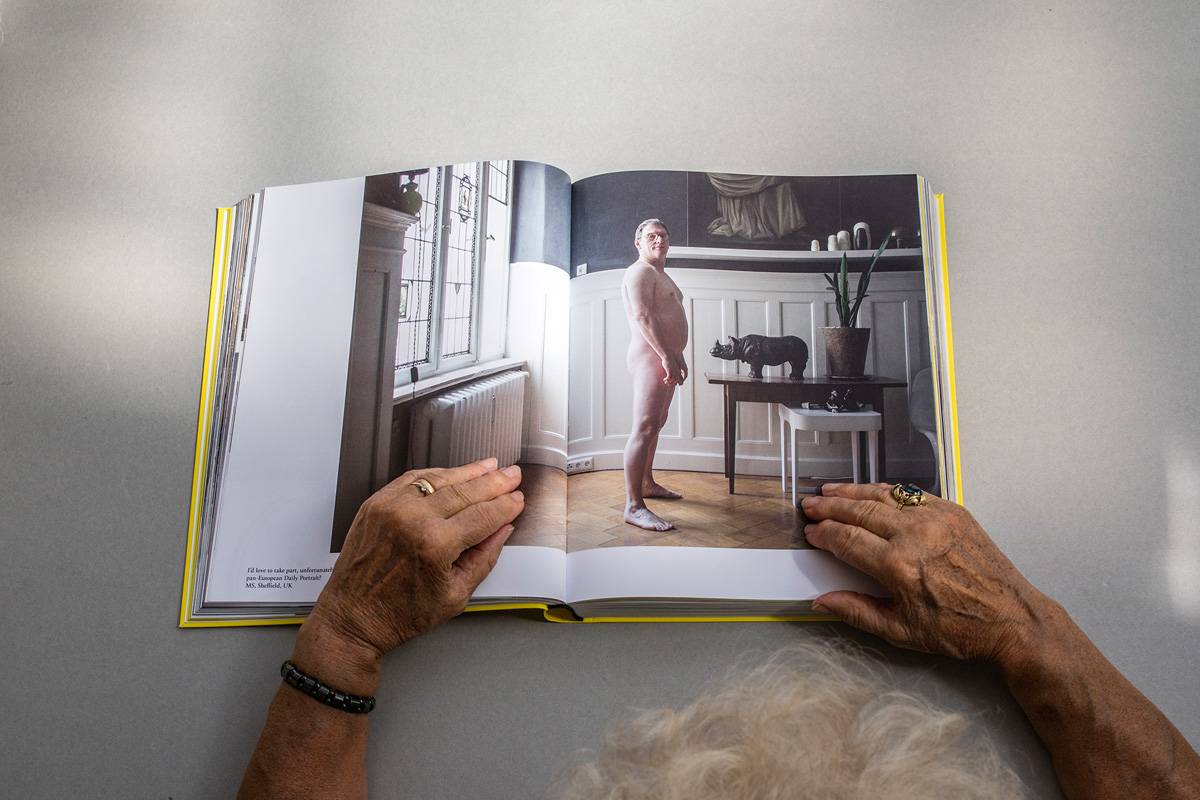
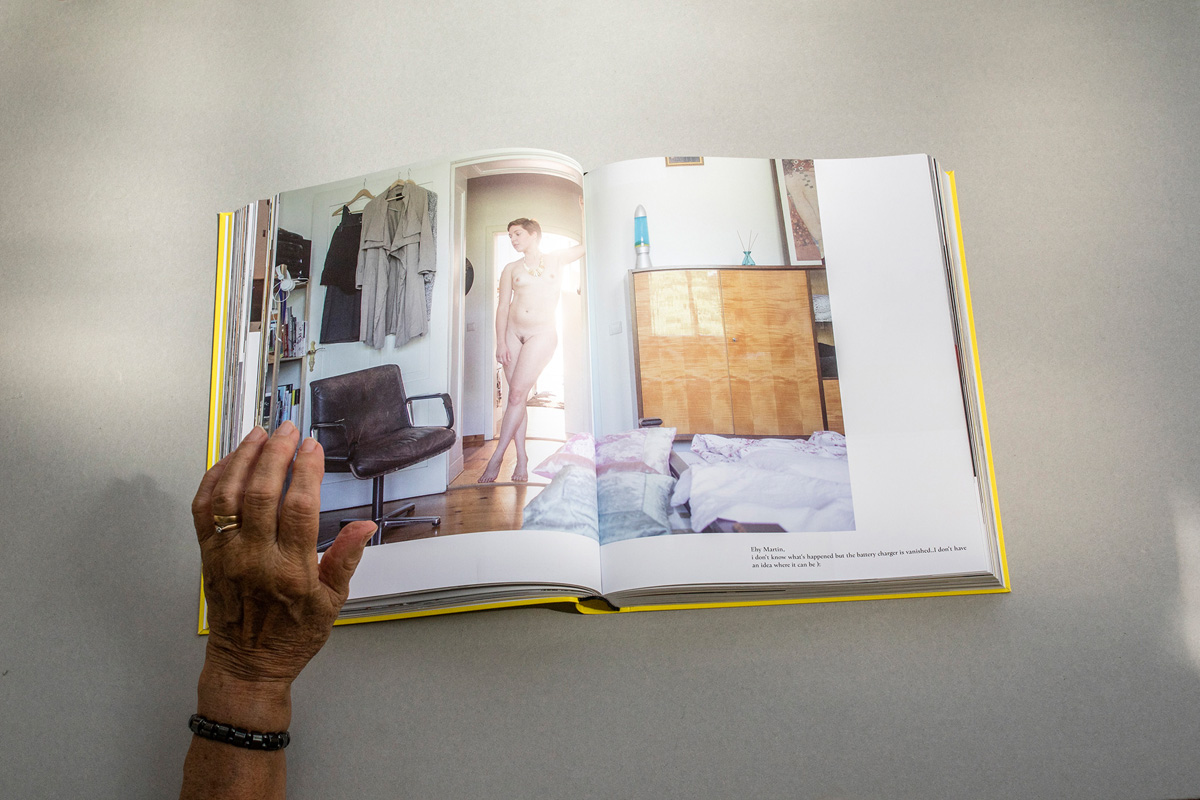
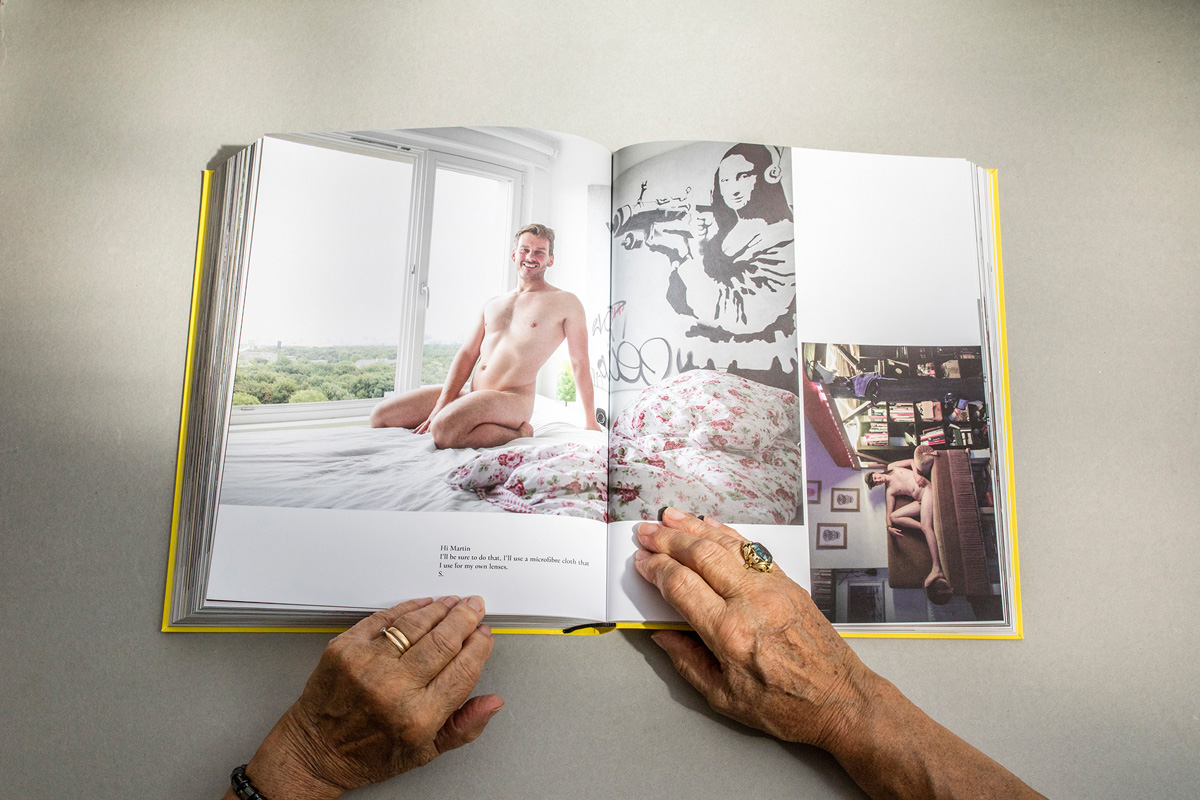
The book, which is dominated by yellow and consists mainly of photographs, provides an insight into the identity of contemporary people on its 430 pages. It shows the interiors that reflect the personalities of their inhabitants. It illustrates how people live and how they feel. It shows both openness and closeness. It reflects joy, breaks down barriers and becomes a tool for social interaction. The artwork presented here was created from the interplay of curiosity and thirst for learning, but also from many unintended, unpredictable situations and impulses. The graphic design of the publication Daily Portrait Berlin is the work of Marek Kucera. The
book contains the recordings of authentic conversations and impressions of the individual
protagonists. It is a complete, visual narrative that confirms the universality of photography as a
medium for everyone, regardless of their talents or artistic skills,
detached from the demand for perfection.
A look inside the book
more info and more works by the artist:
Martin Pavel
www.portraitdaily.com
www.dailyportrait.bigcartel.com
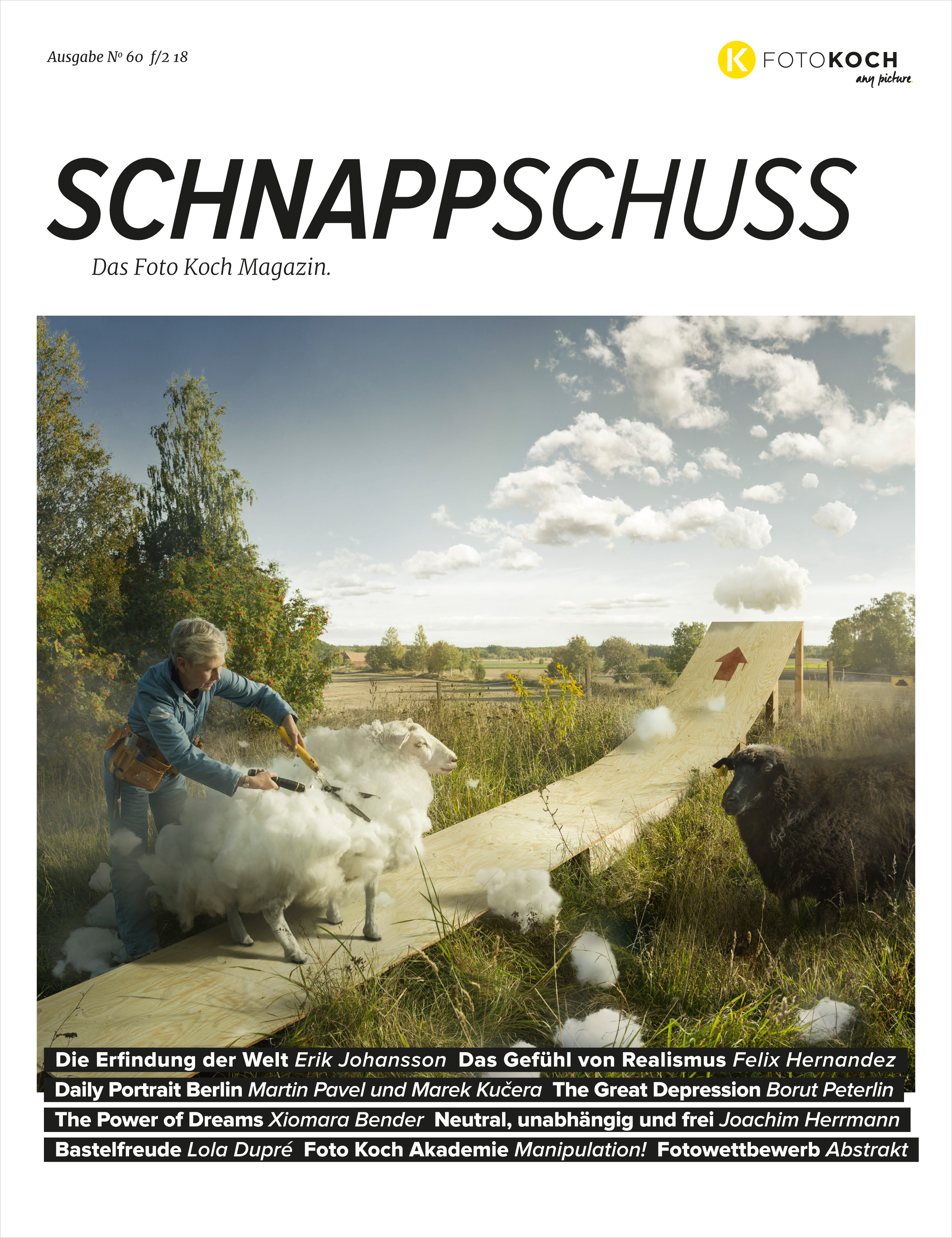
"Schnappschuss" magazine
The Foto Koch magazine has a modern, creative design and is relatively unique in terms of design and content further information