
Camera Basics #08 - What is exposure metering?
Camera Basics #07 - Photo ModeThe aim of every photographer is to obtain correctly exposed and sharp images. Sure, you can adjust a lot in post-processing, but the art lies in getting the best possible results from the given conditions. It also saves a lot of work and not everything can be corrected afterwards. Different exposure metering methods lead to differently exposed end results, but what are they and how exactly do they work? We look forward to your feedback on this article! Just send us an e-mail to content@fotokoch.de
Exposure metering systems - what are they?
The camera needs a white balance to cope with different types of light. Your camera has a number of predefined white balance settings, for example:
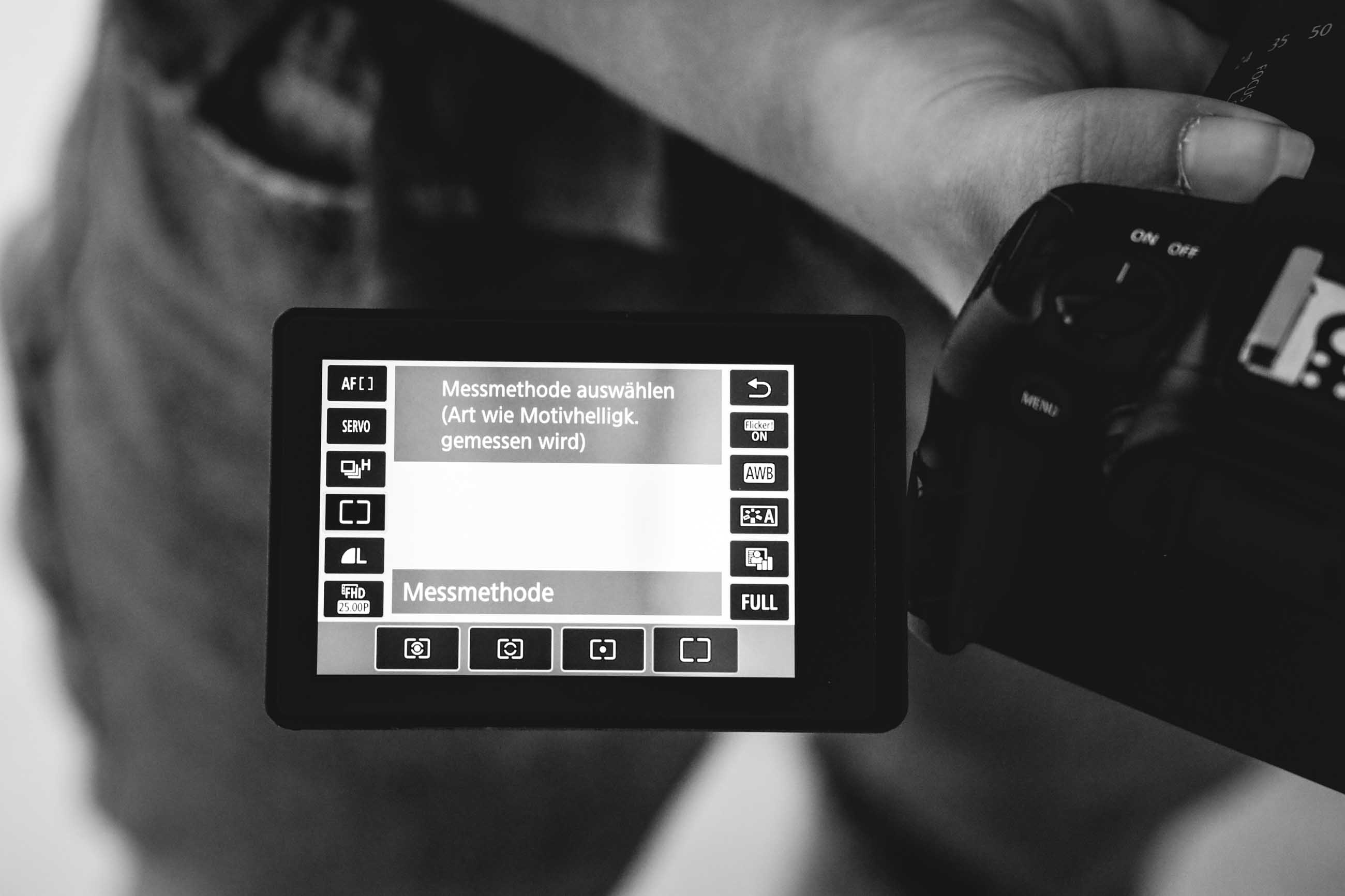
The camera's light meter is used to measure the brightness of the subject. The data obtained from this is used to determine the exposure, and the aperture value and exposure time are adjusted in automatic mode. Basically, automatic exposure metering is used in full automatic, program automatic and semi-automatic camera modes and forms the basis for the automatic calculation of the camera settings. For photographers who select all camera settings such as time, aperture and ISO themselves, exposure metering can help them to find the right parameters.
In the past, external exposure meters were used for this task. However, the disadvantage of this method was that it was very time-consuming. On the other hand, it encouraged the photographer's creativity, as they had to judge for themselves which areas in the image should be exposed and which should not.
TTL (Through the Lens) metering replaced the external exposure metering systems. In the various photo modes (e.g. landscape or portrait), the camera can now select the exposure itself and adjusts it according to the subject.
What types of measurement are there?
Spot metering
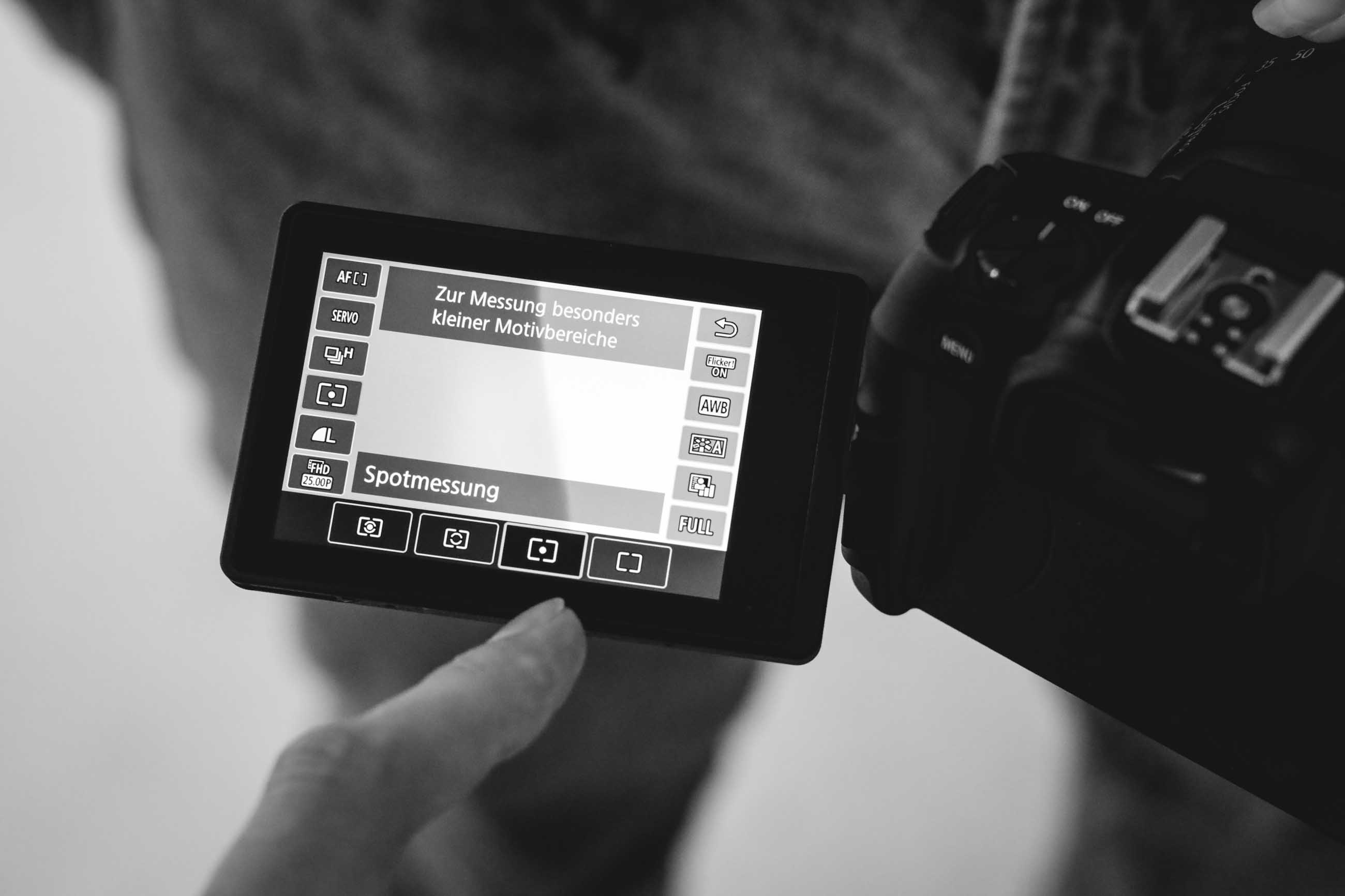
The spot metering only takes into account a very small part of the image to determine the brightness, which contains between two and five percent of the image area. More precisely, this image area is located around the AF spot. This allows the photographer to select the image area that they want to expose correctly with extreme precision. The disadvantage of this is that small changes to the image section can lead to striking changes, especially with very heterogeneous subjects. (For example: dark subject in direct sunlight) Spot metering ensures that the captured detail - in the middle of the image - is reproduced with the brightness of the middle gray explained at the beginning. If the captured detail does not correspond to this, all other tonal values in the image are shifted towards light or dark accordingly. This measurement is therefore very susceptible to errors and leads to strong changes in the exposure . The actual strength of spot metering lies less in the individual measurement and more in the ability to analyze the contrast and brightness range of a subject.
Selective metering
With selective metering, an area approximately 10% of the viewfinder field is metered in the center of the image. Due to the larger measuring range, selective metering is less sensitive than spot metering and is often used in event photography or sports photography. Especially in situations in which a central main subject is to be depicted in the photos and everything else is rather secondary, selective metering shows its strength in modern cameras.
Multi-segment metering
Multi-segment metering - also known as matrix metering - is the most frequently used and at the same time most complex exposure metering method. Multi-segment metering recognizes different lighting situations and combines the advantages of spot and selective metering. In DSLR cameras, exposure sensors are usually used, while in newer and more expensive cameras this task is covered by the autofocus metering sensors. These have a higher resolution and can even detect colors.
In contrast to spot and selective metering, multi-segment metering looks at a significantly larger image area and determines the exposure so that all image areas are correctly exposed. Depending on the camera, not only the brightness but also the color distribution in the subject is recorded, the position of the selected AF metering point and the AF distances are taken into account. In addition, the captured structure is compared with stored structures, which enables the exposure metering to correctly capture the subject in many situations. Modern algorithms make it possible for the sensors to analyze the image and suggest a correct exposure. This makes the automatic mode more usable!
On older cameras in particular, multi-segment metering is often not sufficient. For example, if there are many white areas in the image (e.g. snow-covered landscape), the light meter thinks the image is overexposed. In this case, you should set the exposure compensation to +? so that the snow images do not turn gray later.
Center-weighted integral metering
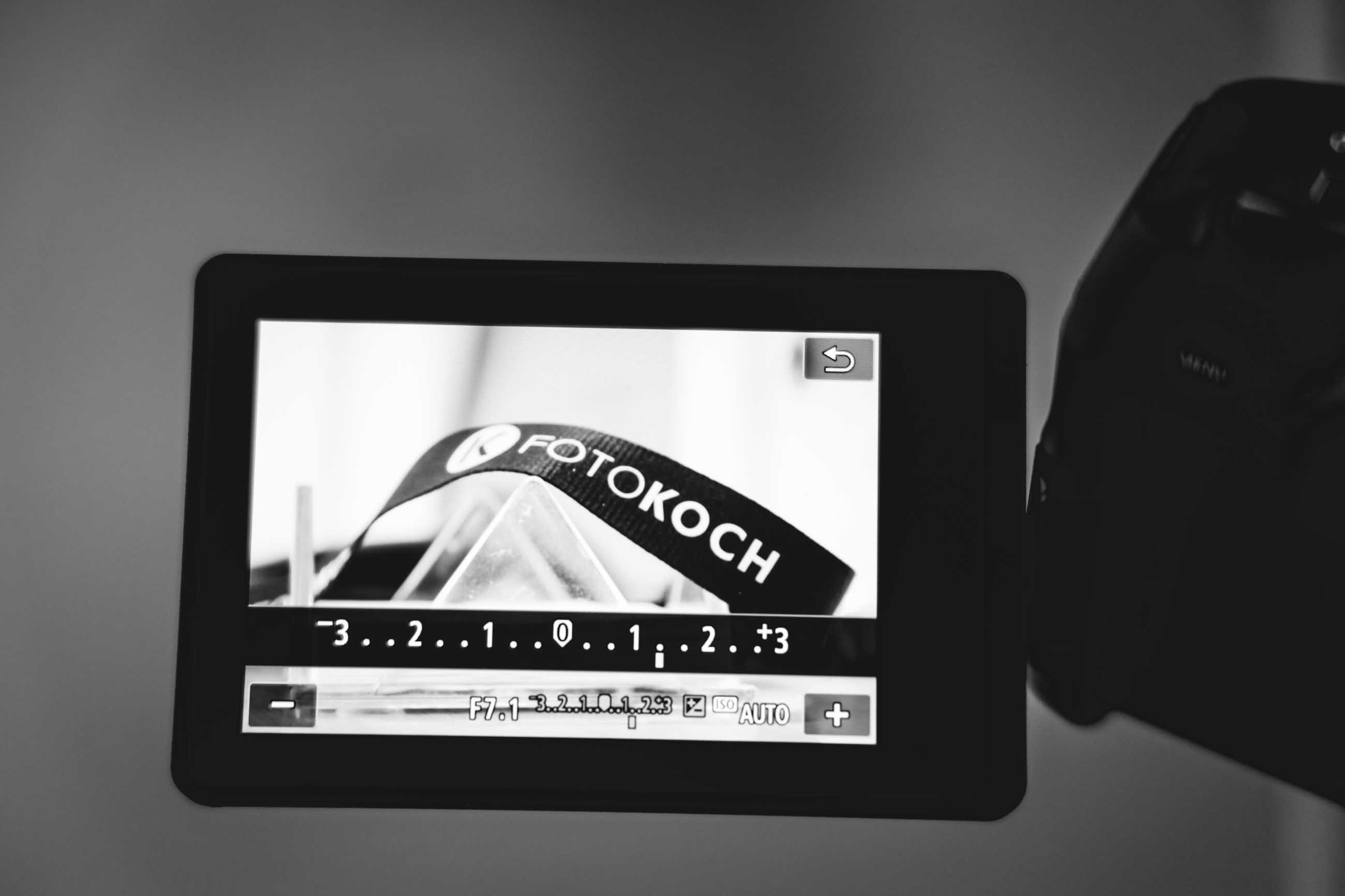
A modification of multi-segment metering is center-weighted integral metering. In this case, multi-segment metering is supplemented by the activated center autofocus field. The focus is on the center of the viewfinder; the most important part of the image should be in the center. Based on the fact that the main subject is usually in the center of the image, this image area is weighted higher in the metering. A bright or dark environment has just as little influence on the measurement result as unimportant small details. The good old center-weighted integral metering delivers a hit rate in the range of 80-90%, but is easier to correct than multi-segment metering.
The special clue: automatic exposure bracketing
With this function, your camera takes three pictures at different exposures. In addition to the normal exposure, there is then a series of images that are more and less exposed by the preselected EV value. This allows you to see immediately which exposure is optimal for your picture!

A little task for you:
- Photograph a subject several times using different exposure metering methods and observe the differences in exposure. There is no such thing as perfect here, it is more important that the exposure corresponds to your expectations and that no areas of the image are left without detail.
Thank you for reading this article. If you're interested in other photography basics, then take a look at the other camera basics
Get to know your camera - Discover the fun of photography
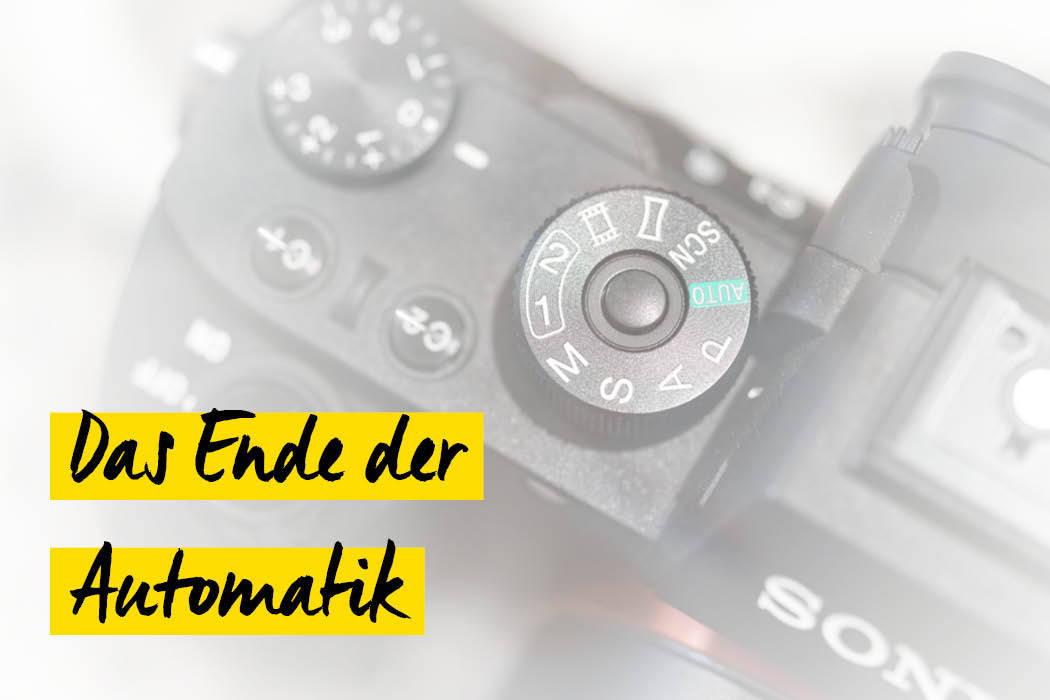
Have you bought a camera and are taking your first steps in photography? You're missing out on a lot of potential with automatic mode! Photography is only really fun when you understand your camera and know exactly which settings to use to get the photo you want. Get to know the importance of the functions and ignite your enthusiasm for photography!
to the overview