Guide to bird photography
The temperatures are dropping and the migratory birds are gathering. Some photographers will be itching to take the perfect photo now. That's why we're offering you an insight into bird photography in this article, regardless of whether it's spring, summer, fall or winter. Autumn and spring are particularly exciting.
Not every bird is immediately visible at first glance, and you often start looking for a woodpecker by ear. Birds are usually shy animals, so you need a lot of patience, a long focal length and a healthy dose of calm.
Tips for bird photography
- Bird migration in spring starts in March to May and begins again in June to November
- Not every bird is active or even visible at the same time of day
- Gather prior knowledge about the birds
- Explore the right spot
- Use your ears and don't listen to music
- Set up a feeding station
- Look for or set up watering holes
- Pay attention to the background
- Switch the camera to continuous shooting mode
- Use the automatic ISO setting
- Do not zoom in too close
- Be patient
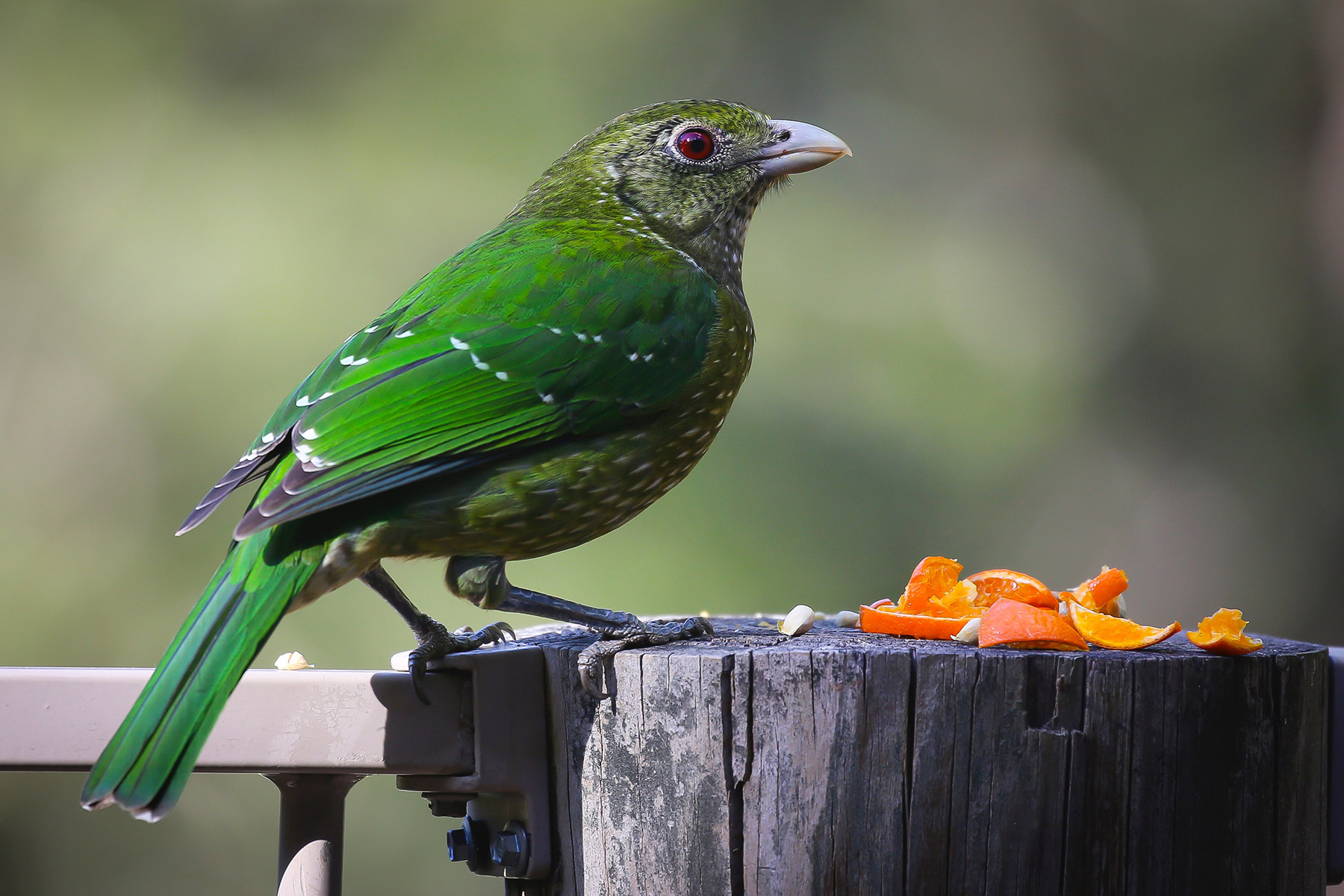

Collect information about birds
Simply use your smartphone or reading material to find out about the birds you want to photograph. We present two apps below:
- NABU Vogelwelt
- The bird app!
Cameras for bird photography
Of course, as a specialist dealer, we also need to provide you with the right knowledge about what is important in a camera that should be used for photographing birds. There is a saying that any camera is better than no camera and this is especially true for bird photography, as you should ideally have a camera that allows you to change lenses.
However, some features should not be ignored when choosing a camera:
- Good ISO noise low light behavior
- More megapixels = more options for cropping
- The camera should be able to take at least 6 pictures per second in continuous shooting mode
- Fast autofocus
- The sensor size
Cameras with many megapixels
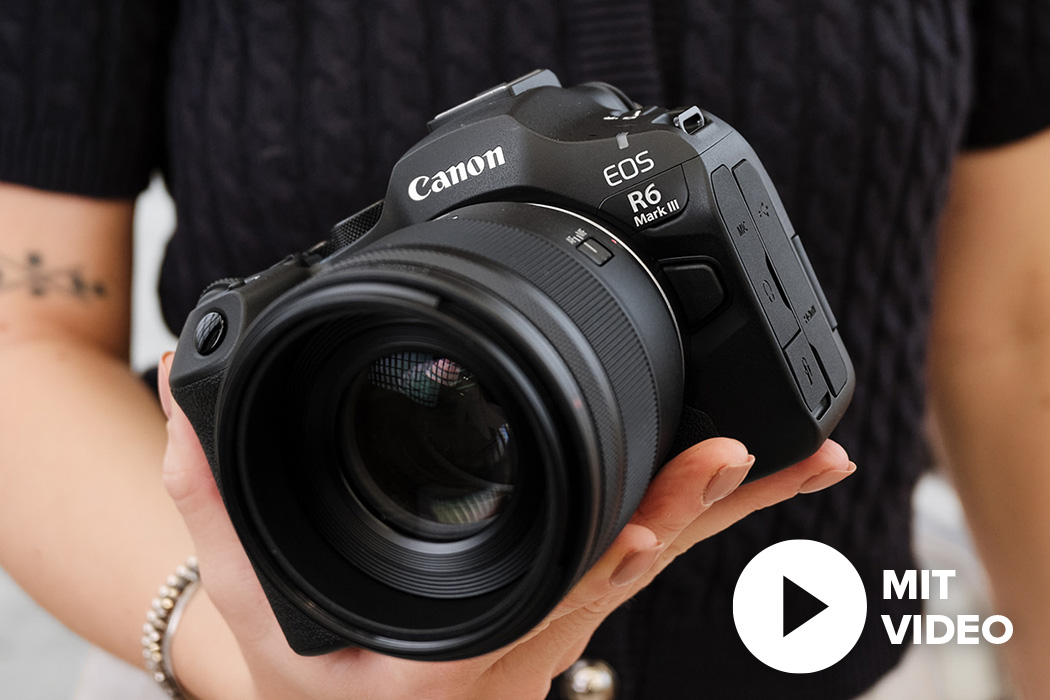
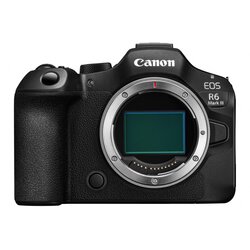
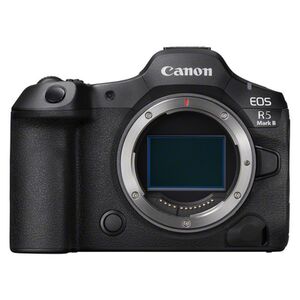
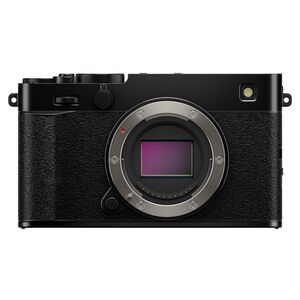
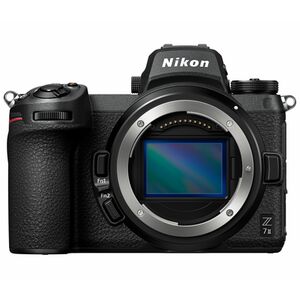
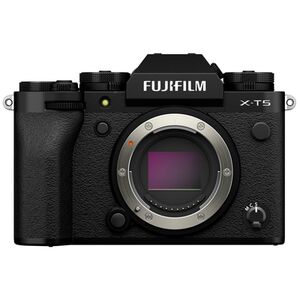
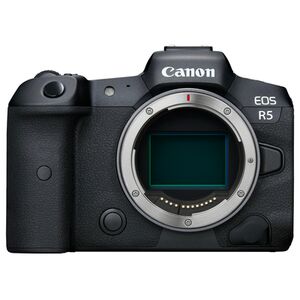
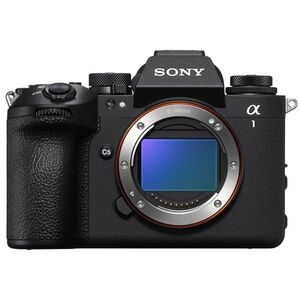
In this carousel, we present some megapixel cameras that give you enough leeway to crop the image even further into the depth. Well-known here are the Sony model series around the Alpha 7R, Nikon's Z7 II, D850 and Z9 and Canon's EOS R7 and EOS R5.
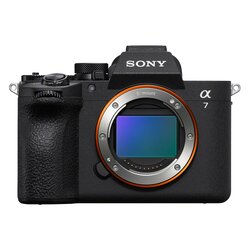
Sony Alpha 7 V (ILCE-7M5) Body

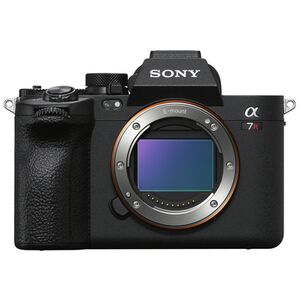
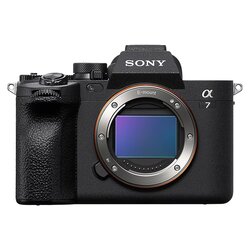
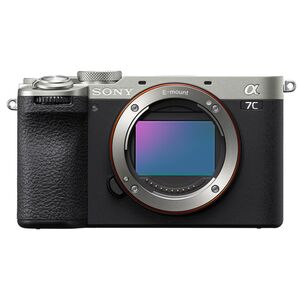
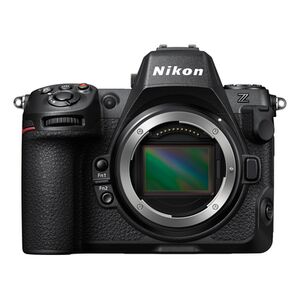
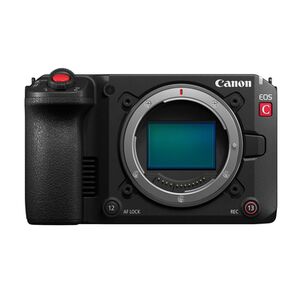
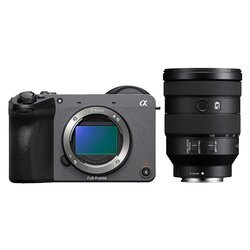
Sony Alpha FX2 Cinema Line (ILME-FX2) + SEL 24-105mm f/4.0 G OSS
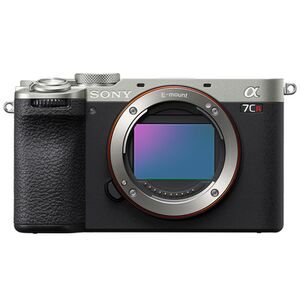
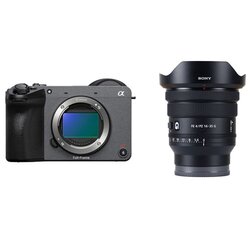
Sony Alpha FX2 Cinema Line (ILME-FX2) + SEL 16-35mm f/4.0 G PZ
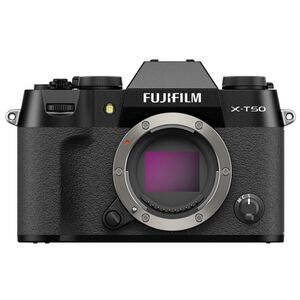
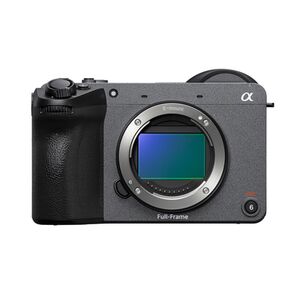
Sony Alpha FX2 Cinema Line (ILME-FX2) + SEL 28-135mm T/4.0 OSS G

The sensor size of the camera
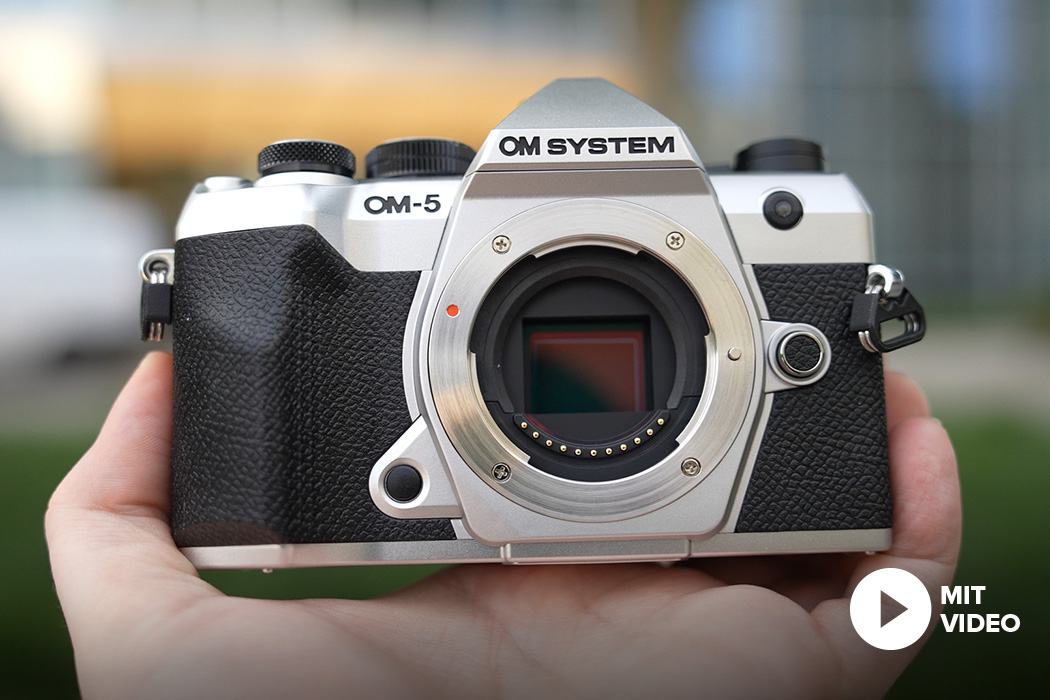
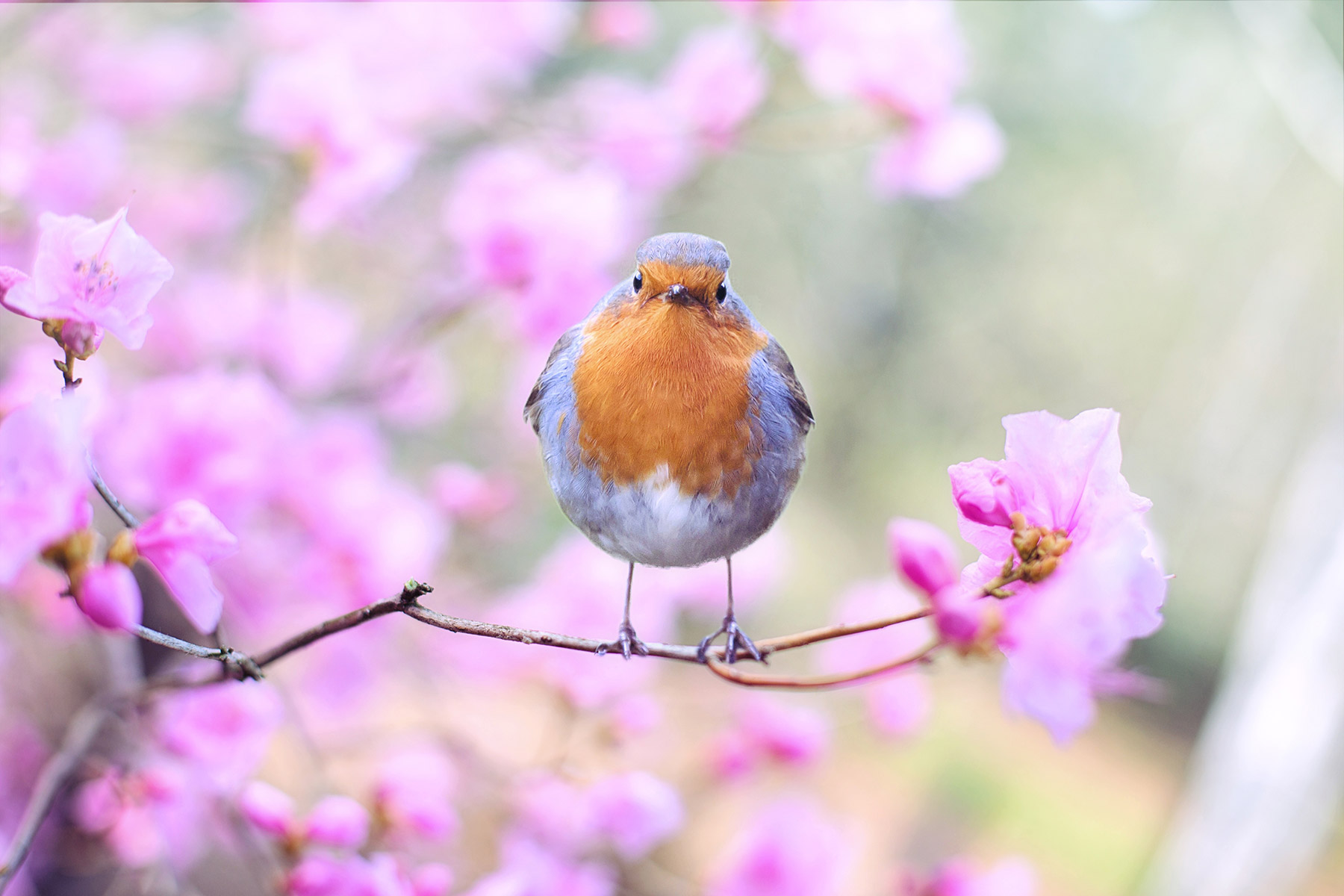
If you are now wondering why the sensor size is still a decisive factor for bird photography, then we would like to explain the whole thing to you below. The magnification factor of APS-C cameras can be an advantage in photography, because the sensor size converts the lens and the focal length is closer to the subject than it would be if you were using a full-frame camera. One disadvantage, however, is the loss of light. The disadvantage of the greater depth of field with APS-C cameras can be neglected when using telephoto lenses. The crop factor is even more pronounced with MFT sensors, which extends the focal length of the lens even further.
Noise behavior of the camera
Why is light loss a problem when photographing animals/birds? Many birds are most active in the morning and evening hours, when the light is usually at its best. This creates the problem that the ISO value usually has to be set very high in order to make use of the available light. The smaller sensors such as APS-C and MFT are more susceptible to ISO noise than full-frame sensors, and the end result suffers as a result, unless you use ISO noise as a stylistic device.
Settings for photographing birds
Now that the camera is probably up to scratch, let's move on to the right camera settings for capturing fantastic wildlife shots of birds.
The best settings at a glance
- Continuous shooting
- ISO automatic, if the ISO behavior is known, then a limit value should be determined
- The aperture should be closed when photographing so that the details in the plumage of the animals are better captured. We therefore advise not to use an aperture smaller than 4-5.6, especially when starting out. Otherwise the depth of field will be too shallow and if the focus is not optimal, more rejects will be produced
- Use matrix metering or center-weighted metering for exposure metering; you should use spot metering in extreme lighting situations.
- Do not go below the minimum exposure time: 300mm = at least 1/300 - the IBIS, if your camera has one, will certainly take a lot off here, but you should not push it to the limit
- Set the autofocus to: continuous or, if available, to bird detection, alternatively it also makes sense to limit yourself to just 9 metering fields in order to track the subject in this way
- If necessary, place the focus button on a button on the back like the AE-L / AF-L button, as in sports photography, so that the shutter is not released at the wrong moment and the focus is still held
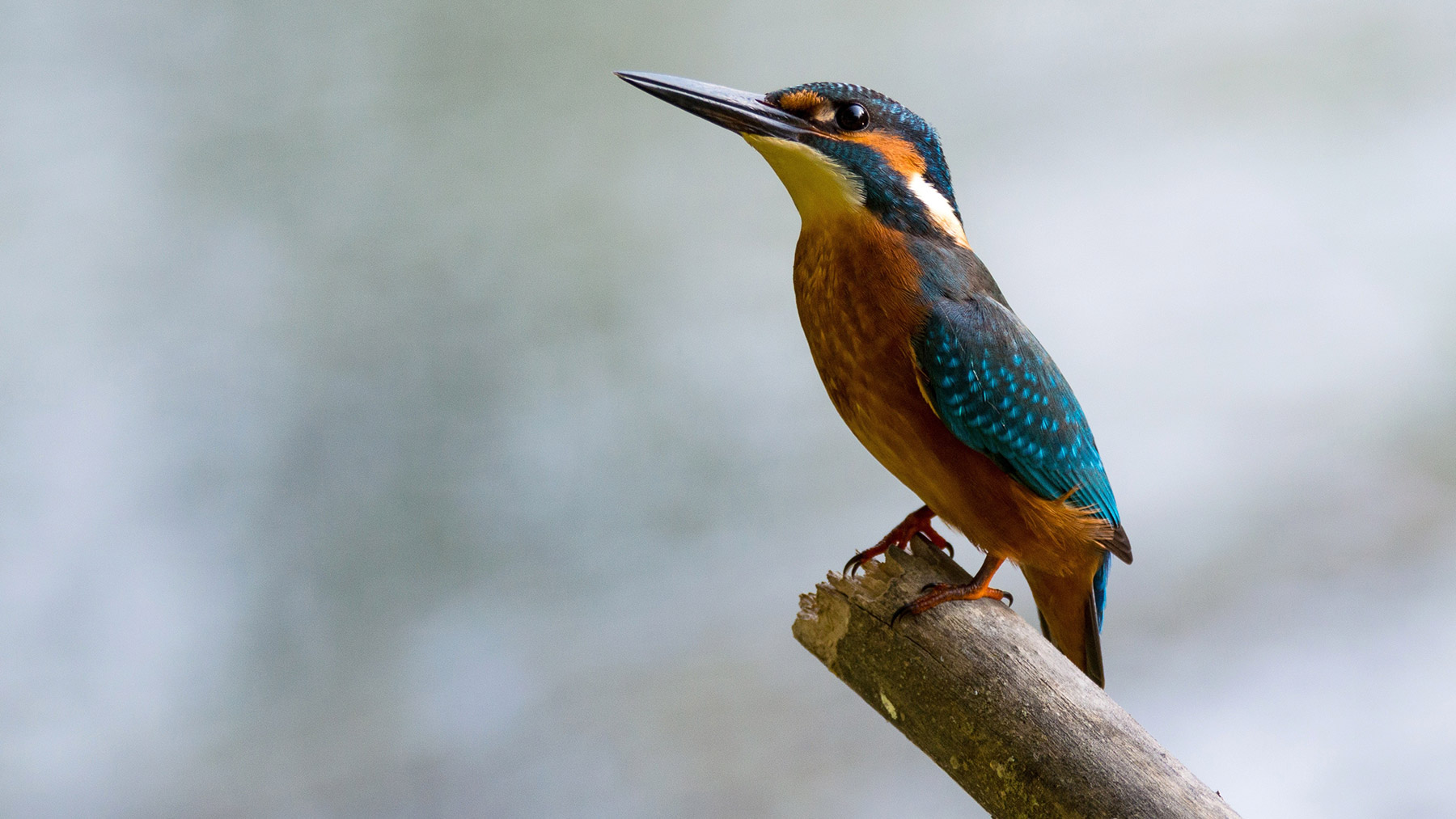
Image design
When it comes to image composition, artistic freedom is of course always the top priority! Nevertheless, we would like to give you a few tips on various composition rules for bird photography:
- Observe the golden ratio
- Take pictures of birds at eye level
- Capture emotions / gestures, such as feeding or singing
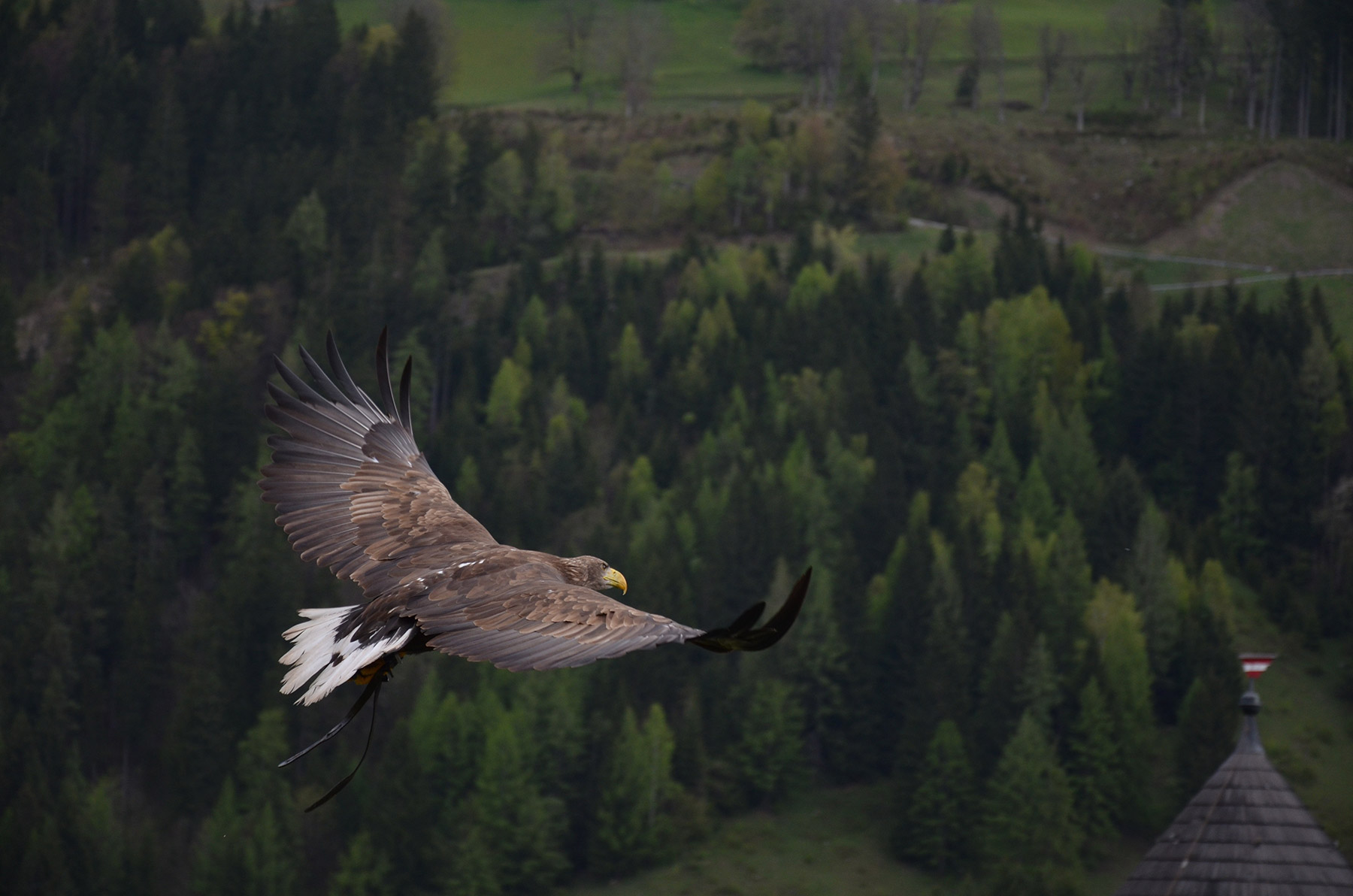
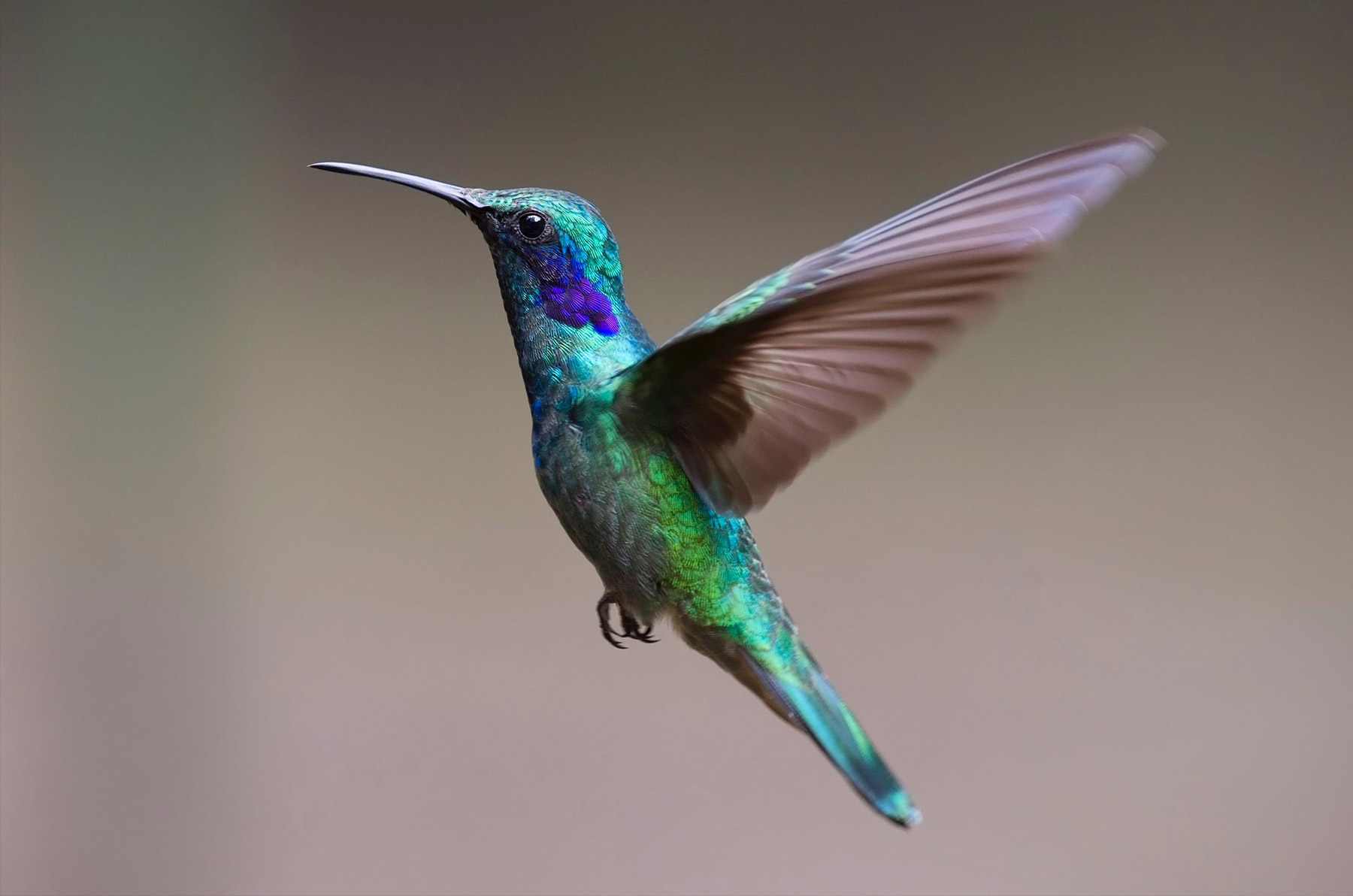
- With flying birds, it is important to leave enough white space in the direction they are flying in
- Do not place your bird subject too far to the edge of the picture so that body parts would be cut off
- Pay attention to the background, it should not create too much disturbance and bring the subject further into focus
Which lenses for bird photography
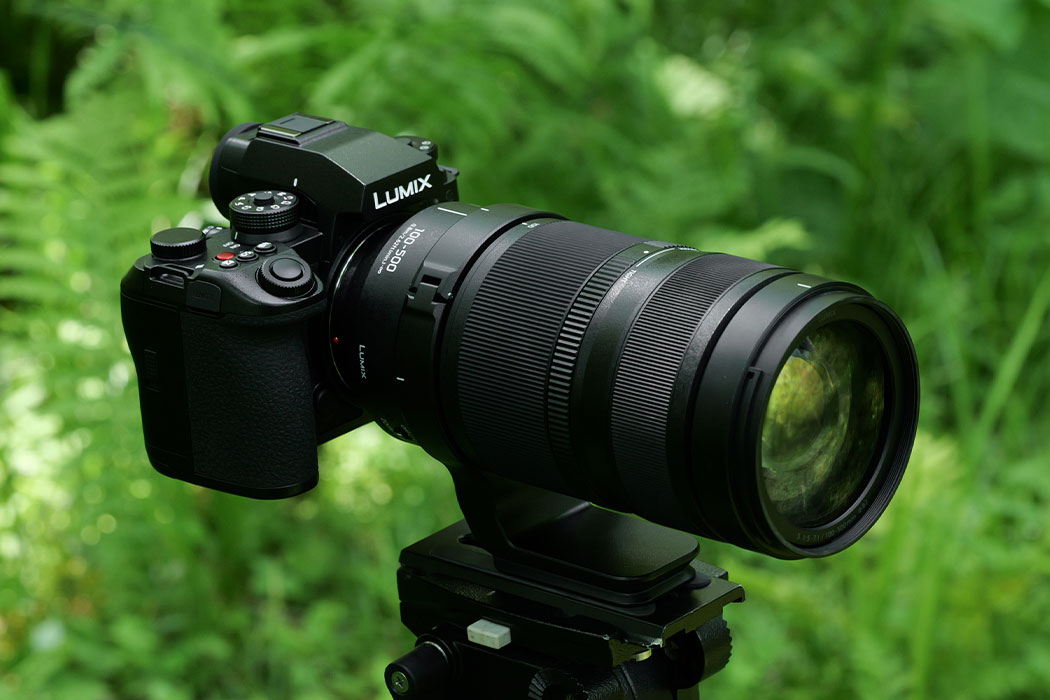
A wide-angle lens has little place in bird photography. A telephoto focal length should be in your backpack! If you want to remain flexible, a 150-600mm is a very good choice, but you will have to make some compromises:
- Slower autofocus
- Light intensity over the focal length
Alternatives to zoom lenses are, of course, fixed focal lengths, with the following focal lengths being the most common for telephoto lenses:
The advantage of fixed focal lengths lies in their light intensity, sharpness and faster autofocus. This is due to the design of the lenses, they only have to be optimized for one focal length and can therefore usually demonstrate better focusing performance. Another advantage lies in the speed of the lens, these lenses are usually quite expensive, but they usually have a very strong light output. These focal lengths are also often extended with a teleconverter, as the fixed focal lengths usually have a wider aperture, they can still be used with the teleconverter without an extreme ISO value.
What other equipment is suitable for bird photography?
We already said it at the beginning: bird photography requires patience and calm, but also camouflage! That's why we want to give you some more tips on other equipment that you should have in addition to a camera and a telephoto lens.
Tripod
A tripod is very helpful when it comes to lightening the weight and reducing camera shake. However, it also restricts you to a certain extent, as you are not able to move the camera freely. You can work with a tripod head, which allows you to pan up and down. However, this is slower than aiming at the targeted bird by hand. Nevertheless, a tripod is very practical when observing birds for hours on end, as telephoto lenses are not particularly lightweight.
Camouflage tent
If you don't feel like exposing yourself to the wind and weather, a camouflage tent can be the perfect addition. It also protects you from prying eyes in a 360? environment. The disadvantage here is of course the view, which is usually restricted to one side. For a camouflage tent, you should know your surroundings and the exact positions / favorite places of the animals to avoid having to move around with the tent.
Important note in passing: It is not permitted to enter high seats without the permission of the forestry office or the tenant.
View more camouflage tents
Lens camouflage
There are various options for concealing the lens from view or detection; special covers with camouflage patterns are available for this purpose. A nice side effect: the lens is protected from scratches and rain and is made of neoprene. It is important that this fits your lens exactly so that the lens hood and the circumference are correct.
Other accessories
The best spots for getting started with bird photography
The first address is the local forest and parks, but bird of prey stations are also a good address for photographing birds in nature. Here in D?sseldorf we can also encounter some naturalized parrots, which congregate at the D?sseldorf K?, among other places, but also in other parks such as the D?sseldorf S?dpark. Many geese and other birds can also be seen there.
You can find more birdwatching spots here: