Camera Basics #09 - Camera focus types
The focus: one of the most important instruments of your camera to get a sharp and precise image. However, there are different focus types or focus modes on your camera that work differently and are better suited to certain subjects than others. In this article, you'll learn all about the different modes and how they work!
We look forward to your feedback on this article! Just send us an e-mail to content@fotokoch.de
What is focus anyway?
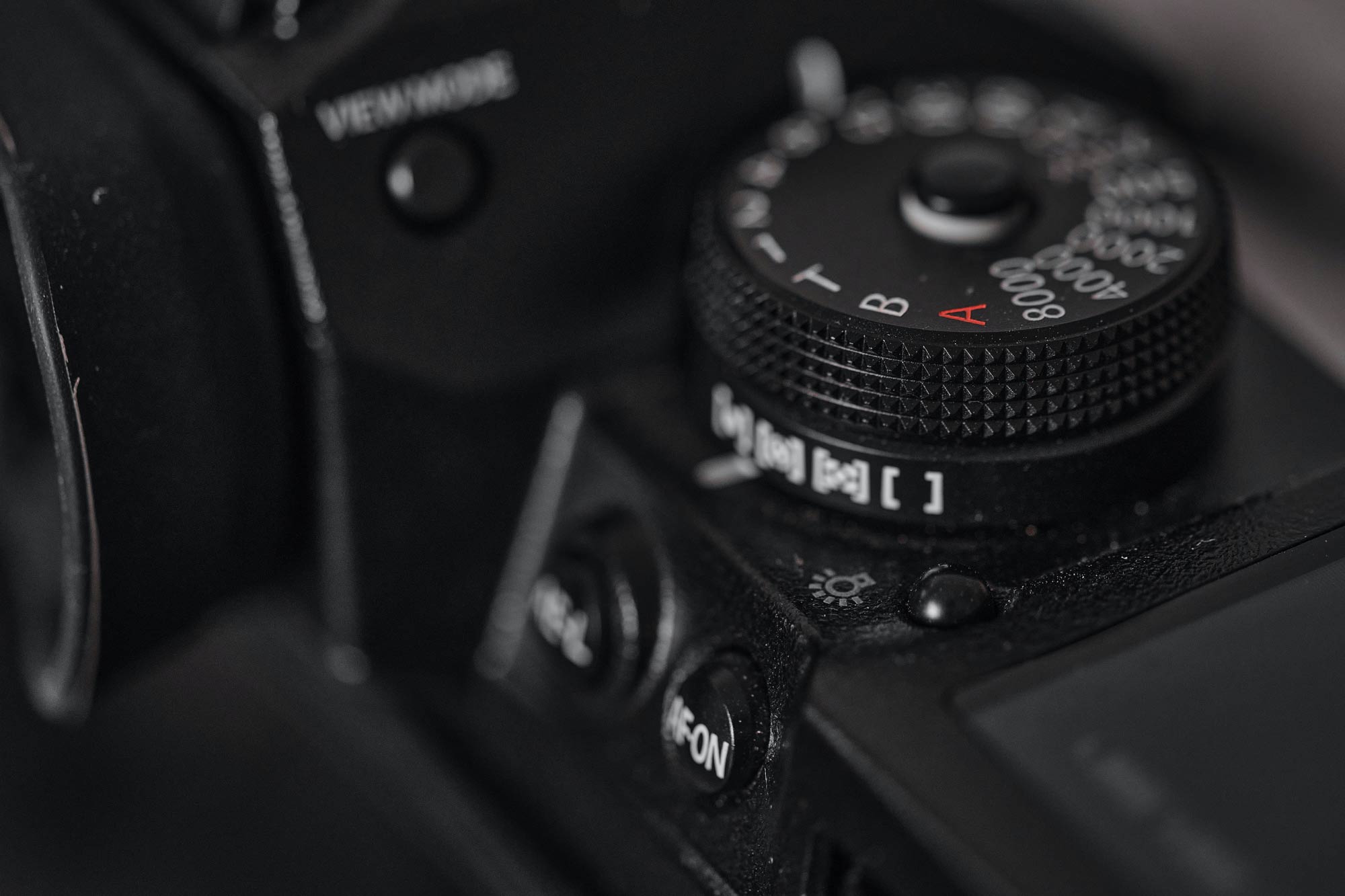
The focus in the camera determines how sharp an image appears in the end result. Put simply, the viewfinder field corresponds to the area that is in focus and where the focus ends up. It also depends on which metering field the camera or photographer has set in which the focus point can move. The focus is defined directly with the sensor measuring field (usually centered), as this allows the photographer to define the focus area with a half-pressed shutter release. The focus is closely related to the aperture setting, because the lower the f-number, the smaller the plane of focus and the less sharp the image will be.

Where do you find the focus in the camera?
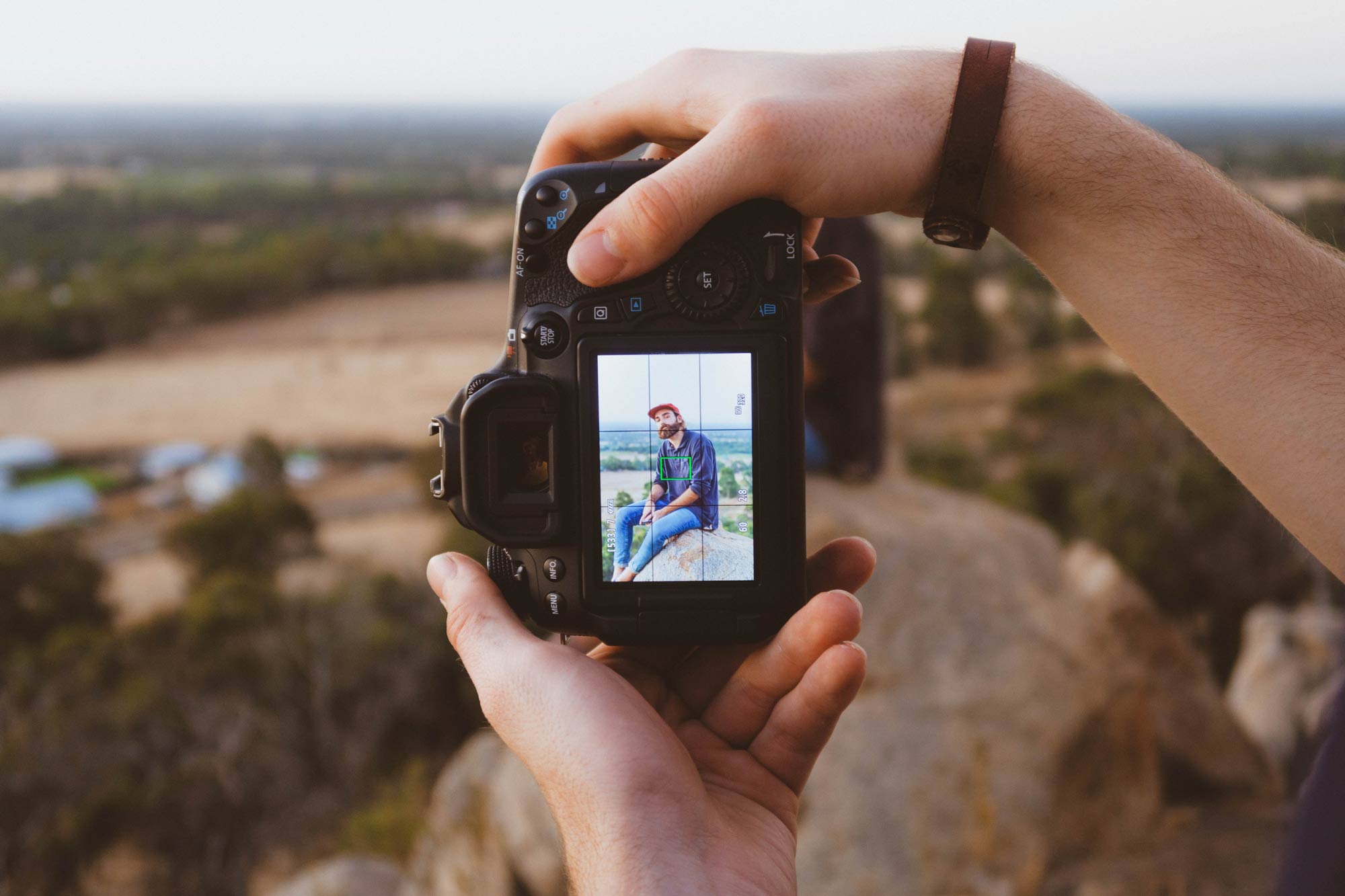
With modern equipment, the focus is usually set in the lens, where the focal plane changes depending on the focal length. Focusing in the camera is either automatic or manual. Automatic camera focus, also known as autofocus, is built into the camera or lens (not all). This can be found in the camera on special adjustment buttons (usually called AF-S, AF-C). Not all lenses also have an autofocus, which (if present) is also indicated by the abbreviations AF-S or AF-P. If these are activated, the autofocus is switched on.
What focus modes are available?
Manual mode / Focus manually
For which area is this mode particularly suitable?
-
Architectural photography
-
Landscape photography
-
Astrophotography
-
Still life, such as food photography
-
Macro photography
In contrast, there is also the manual mode, which works like the "Manual" scene program, as the photographer has to adjust the focus themselves. This is particularly useful when photographing in difficult lighting conditions or when the autofocus does not focus correctly. Precise settings can be made and the focus can be fixed for a series of consecutive photos. What to use manual focus for:
-
Low-contrast image situations
-
In backlit situations
-
In dark lighting situations when the contours are not clearly recognizable
-
For fireworks
-
For macro shots from a tripod
-
With recurring patterns
-
With many fine details
A motor built into the camera or Lens is used to focus on a manually or automatically selected subject. Many photographers use autofocus as it is usually faster and more precise than manual focus. Autofocus is particularly useful for sports and wildlife photography, as the subjects move quickly and dynamically. Many camera manufacturers are constantly trying to improve autofocus, as it is a decisive factor for the speed and sharpness of a Lens.
Autofocus: Contrast and phase detection
For which areas are these modes particularly suitable?
Phase detection:
-
Sports photography
-
Portrait photography
-
Animal photography
Contrast detection
-
Landscape photography
-
Astrophotography
-
Still life
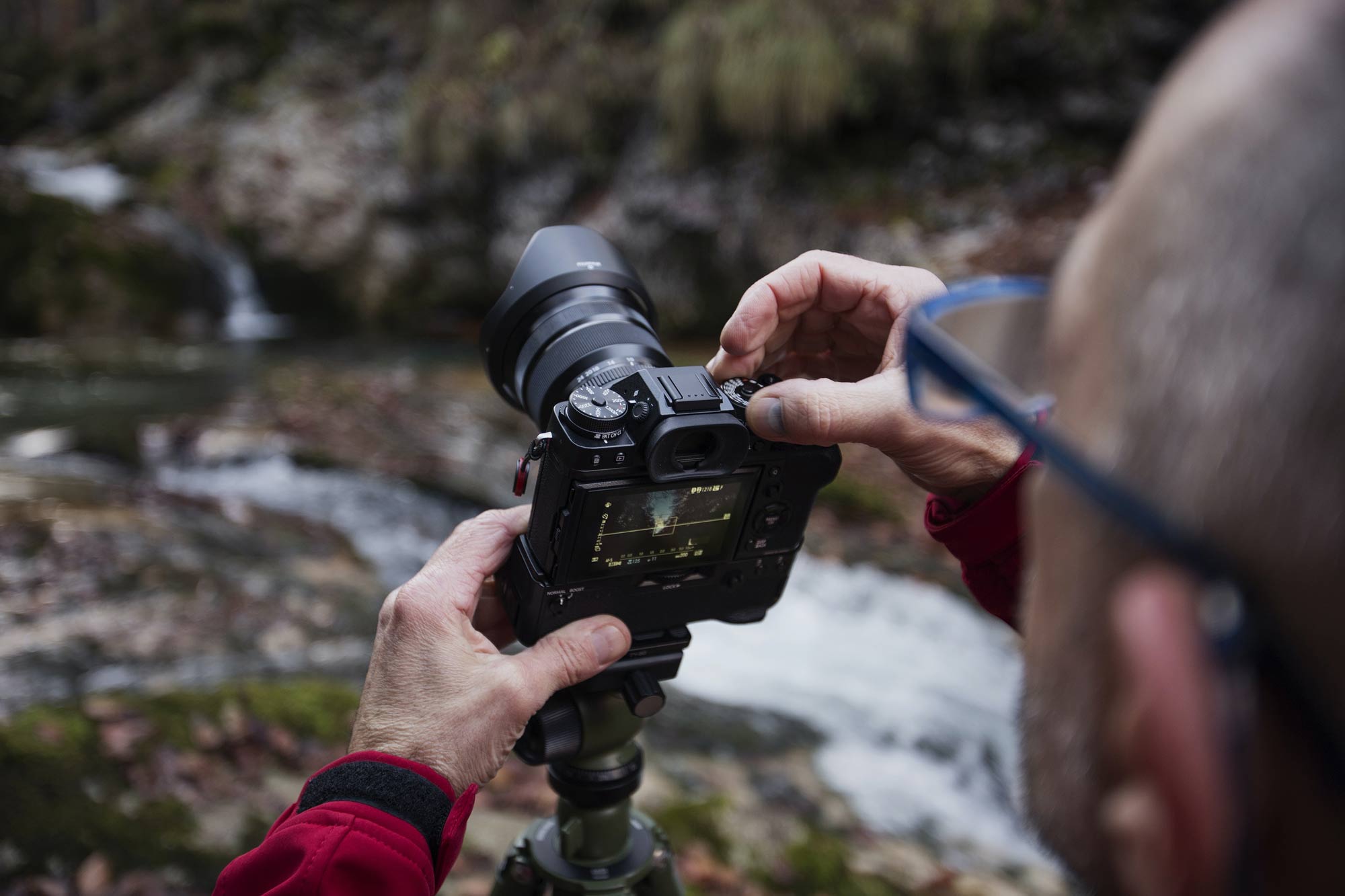
Autofocus is further divided into two main types at a technical level: Contrast and phase detection. Phase detection is very fast and particularly good at tracking moving objects, but also prone to errors such as alignment. As the name suggests, contrast detection works with the lighting conditions of the image and is therefore more precise. With this type, the camera has to evaluate and process data from the sensor, which means that this type of focusing takes longer and is more suitable for still subjects (such as landscapes).
With most DSLR cameras, phase detection is the most commonly used type of focusing, as it runs through the viewfinder. Contrast detection is carried out via the LC display (this type is usually installed in DSLM cameras). Both types work with the "optimum focal plane" in the image (usually the point of intersection with the main subject). Phase detection is faster for moving objects and contrast detection for still lifes.
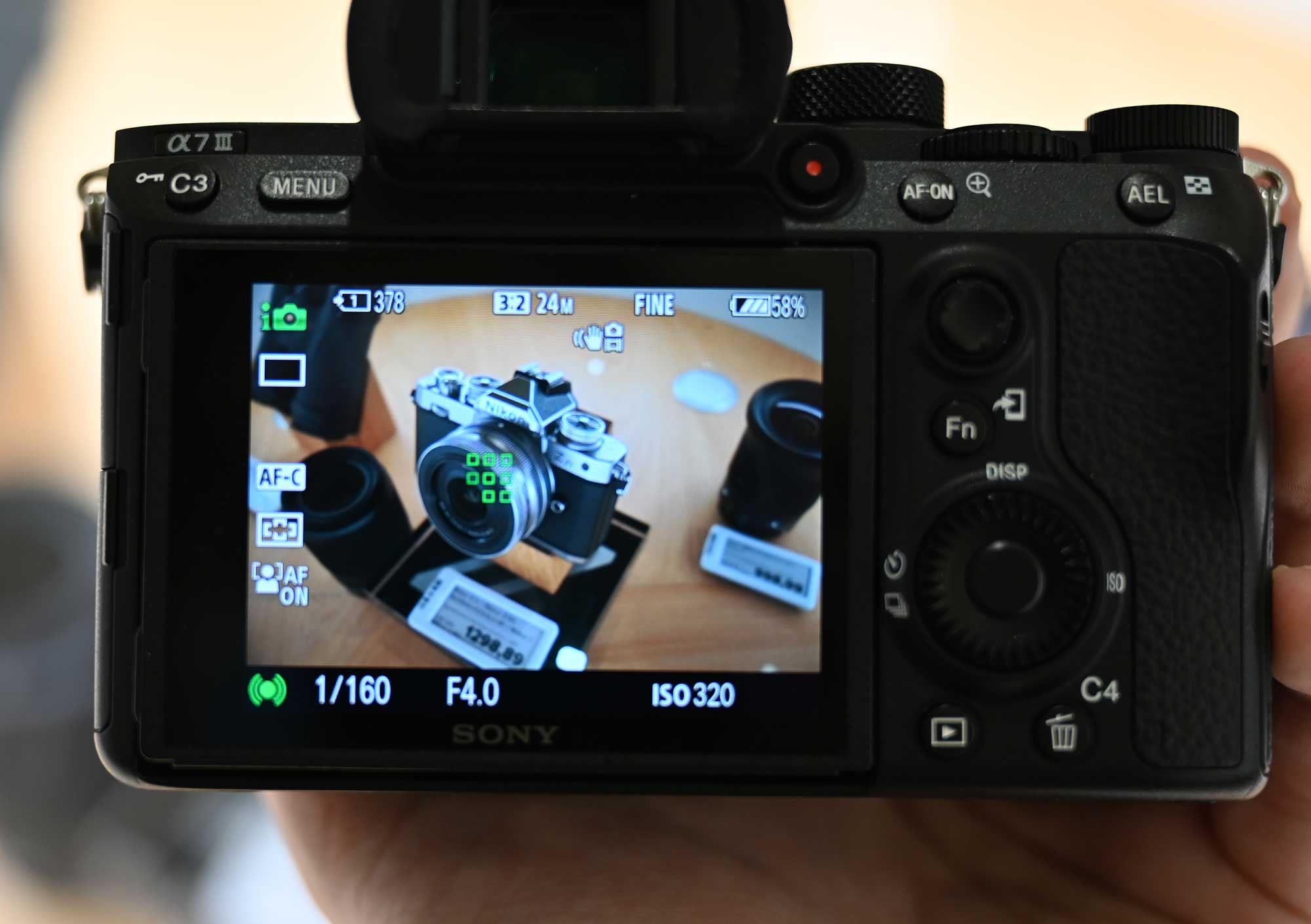 Continuous autofocus
Single and serial servo autofocus
What are the two instruments particularly suitable for?
Single servo AF:
-
Portrait photography
-
Macro photography
-
Detail shots
Continuous AF
-
Sports photography
-
Animal photography
-
Speed
The most important autofocus instruments include the focusing modes: continuous and single servo autofocus. Continuous servo:
Continuous servo is also known as AI servo (Canon) and AF-C (Nikon). Essentially, this means that the camera continuously adjusts the focus when you hold down the shutter button. This is ideal if you are photographing a moving subject and want to track its position. With the single servo, on the other hand, the camera focuses and only corrects the focus again when the focus button is released and you try again. The servo is also known as one-shot (Canon) and AF-S (Nikon). This is particularly suitable for stationary subjects.
Area modes of the autofocus
Selecting the area mode tells the camera how it should "follow" the subject. It is important here that the camera has many focus points in the selected area in order to be able to optimally track and image the selected subject. It is easier to track a moving subject if the camera has several focus points that cover a large part of the image. You still have to select how the focus points are to be used:
-
Single-point autofocus (a focus point selected by the photographer is used)
-
Dynamic autofocus (single focus point, but can move and track subjects in the focus point area)
-
Face detection: The latest cameras have face detection, which allows the photographer to focus precisely on faces (eyes left/right) - a particular advantage for portraits
-
3D tracking autofocus (the camera follows the subject as it moves over the focusing points)
-
Group area autofocus (several autofocus points are used simultaneously. Same priority for all and focusing on the nearest object located on one of the five points
-
Auto area autofocus (in this case, the camera automatically scans the scene and decides on the subject (often the closest object to the camera or a face)
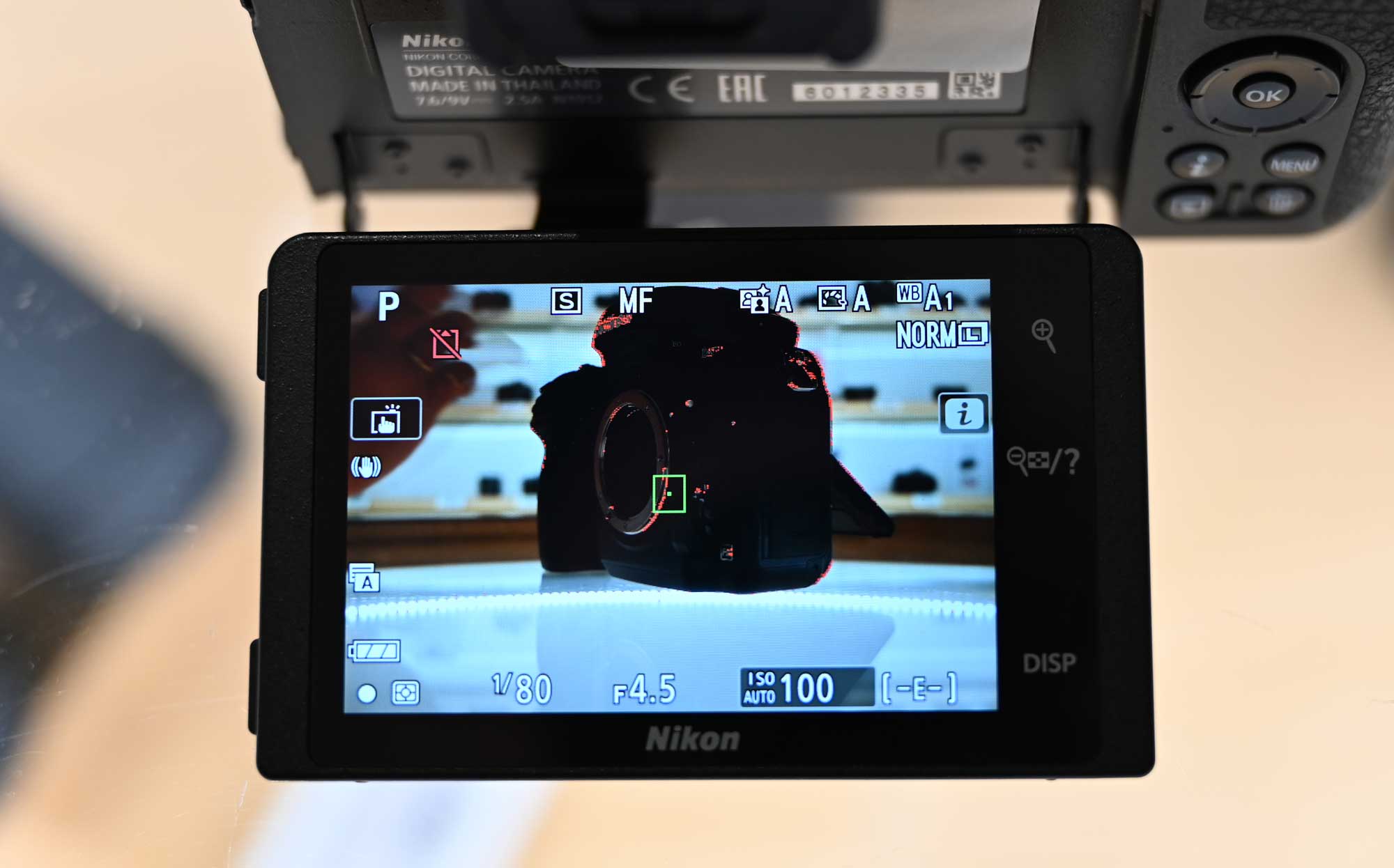 Single point autofocus
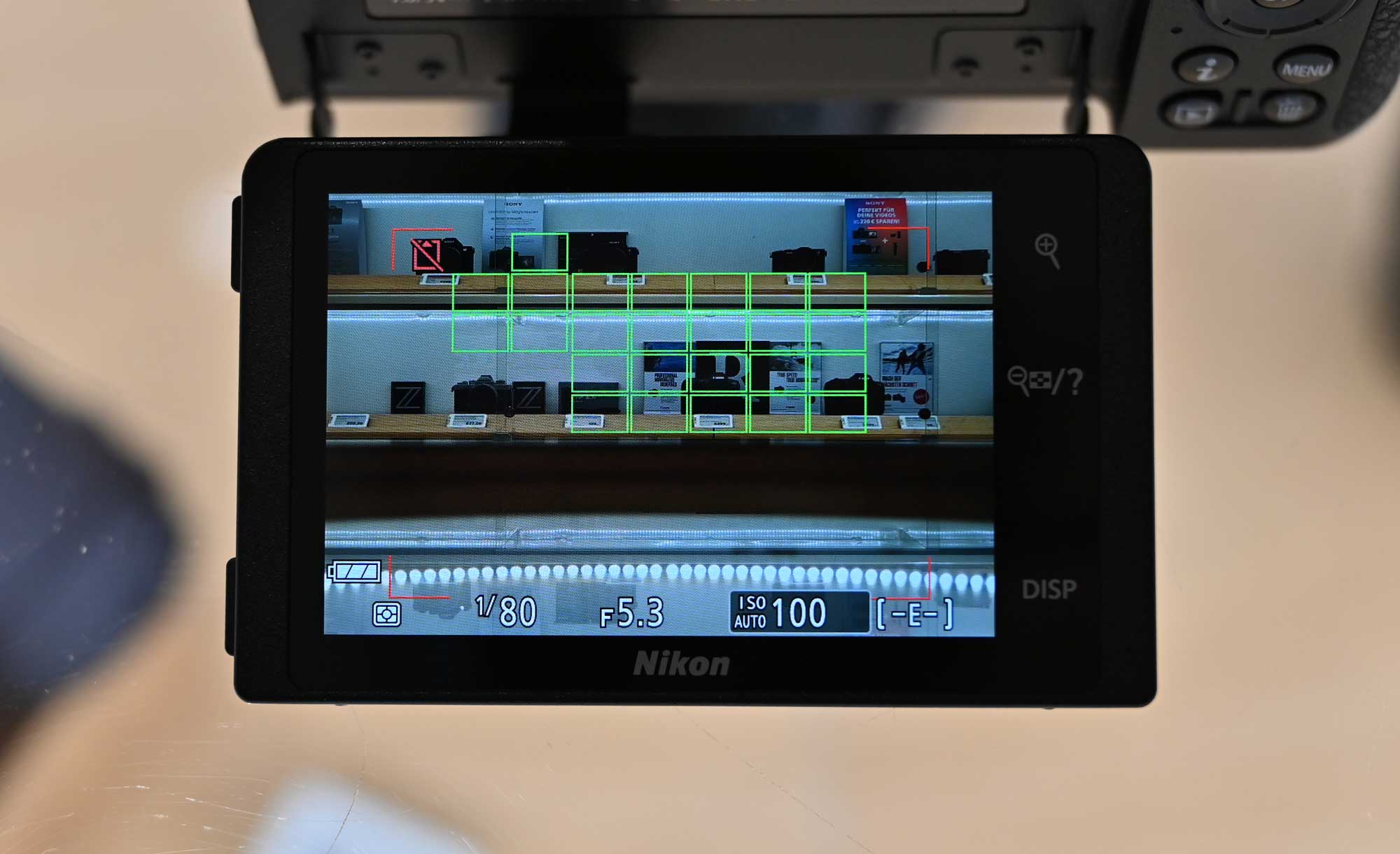 Multi-segment autofocus
 Eye autofocus
  Eye autofocus
A little task for you:
Photograph one subject with autofocus and one in manual mode. Pay attention to how the exposure and focus behave. Where do you have more influence on the focus range? Which mode gives you better results?
Share your pictures with us on Instagram and/or Facebook and tag us @fotokochde! We look forward to your results!
Thank you for reading this article. If you're interested in other photography basics, then take a look at the other camera basics
Get to know your camera - Discover the fun of photography
Have you bought a camera and are taking your first steps in photography? You're missing out on a lot of potential with automatic mode! Photography is only really fun when you understand your camera and know exactly which settings to use to get the photo you want. Get to know the importance of the functions and ignite your enthusiasm for photography!
to the overview