Storing Lens and camera equipment - what's the right way to do it?
In the wet seasons, it's easy to ask yourself one or two questions about storing your equipment. But many landscape and astrophotographers will now be heading out into nature in winter and we have a few smart ideas for a dry rucksack.


Why should your camera equipment be stored in as dry a climate as possible?
Zoom lenses and vintage lenses in particular are susceptible to damage caused by moisture. The analog photographers among us still remember the suffering of glass fungus, which can quickly render expensive and faithful glass unusable.
So if you spend a lot of time in humid areas such as the tropics or in moody autumn weather, you should protect your equipment at the end of the day. Of course, this doesn't just happen with Lens, binoculars and spotting scopes can also be affected by glass fungus.
Many landscape and astrophotographers usually take photos with long exposures, which sometimes last for hours and can freeze the Lens and camera on a tripod.
We have already mentioned zoom lenses, but why? Many zoom lenses have the nickname: Air pump, this is because these lenses draw air when you zoom with them. This causes moisture or dust to enter the Lens.
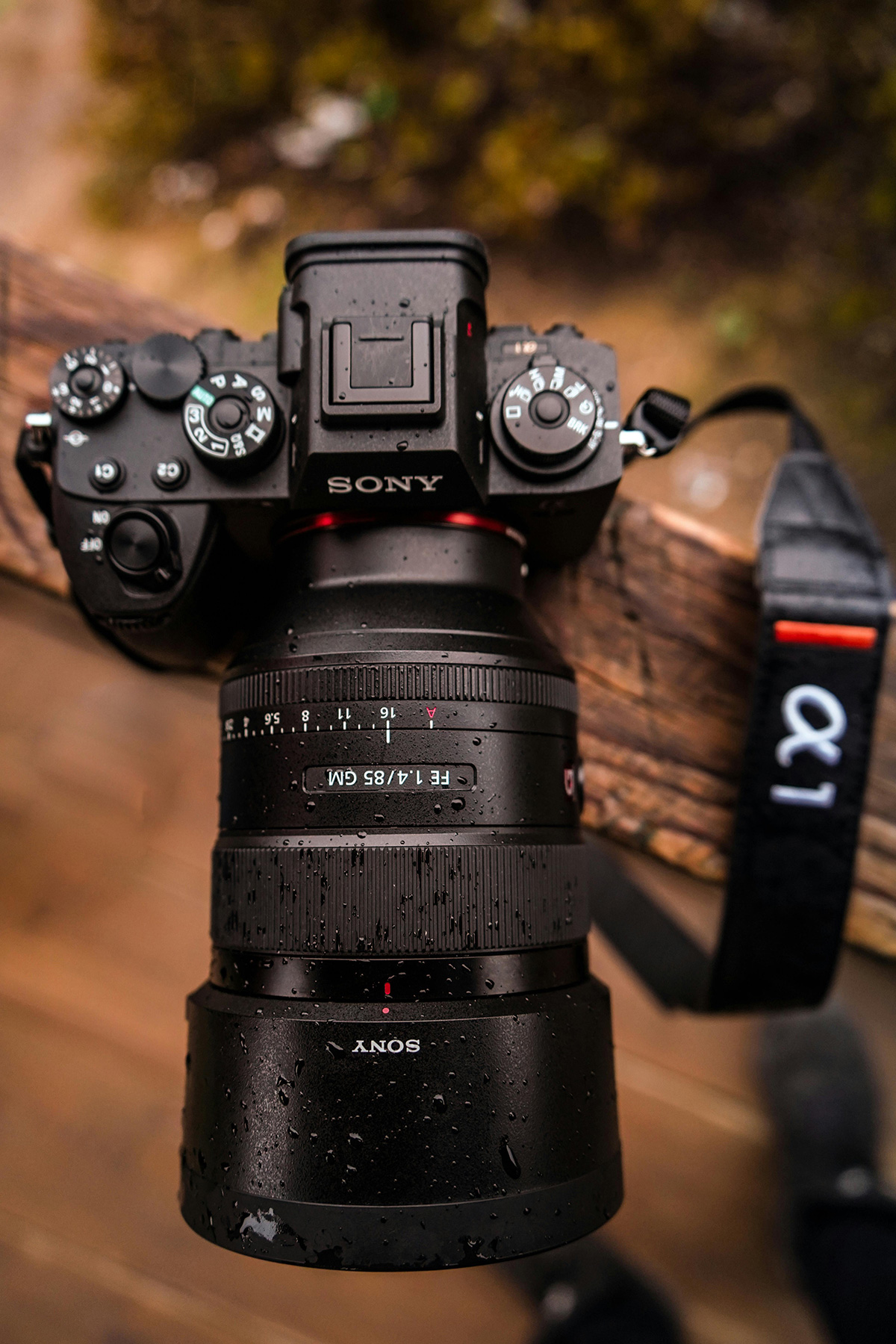
What can you do about it?
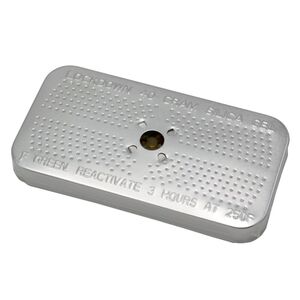
One option here is to carry silica gel or a Dunedry stone in your rucksack, which draws the moisture out of the rucksack and thus ensures a dry climate in the rucksack and dries the glass. Silica gel and Dunedry have the charming advantage that they can be baked out when they are saturated with water to absorb moisture again.
For storage within your own four walls, you can also fall back on a professional solution that may sound familiar to wine lovers. These humidity cabinets are quite an expensive investment, but are certainly exciting for the one or other professional photographer +amp; videographer.
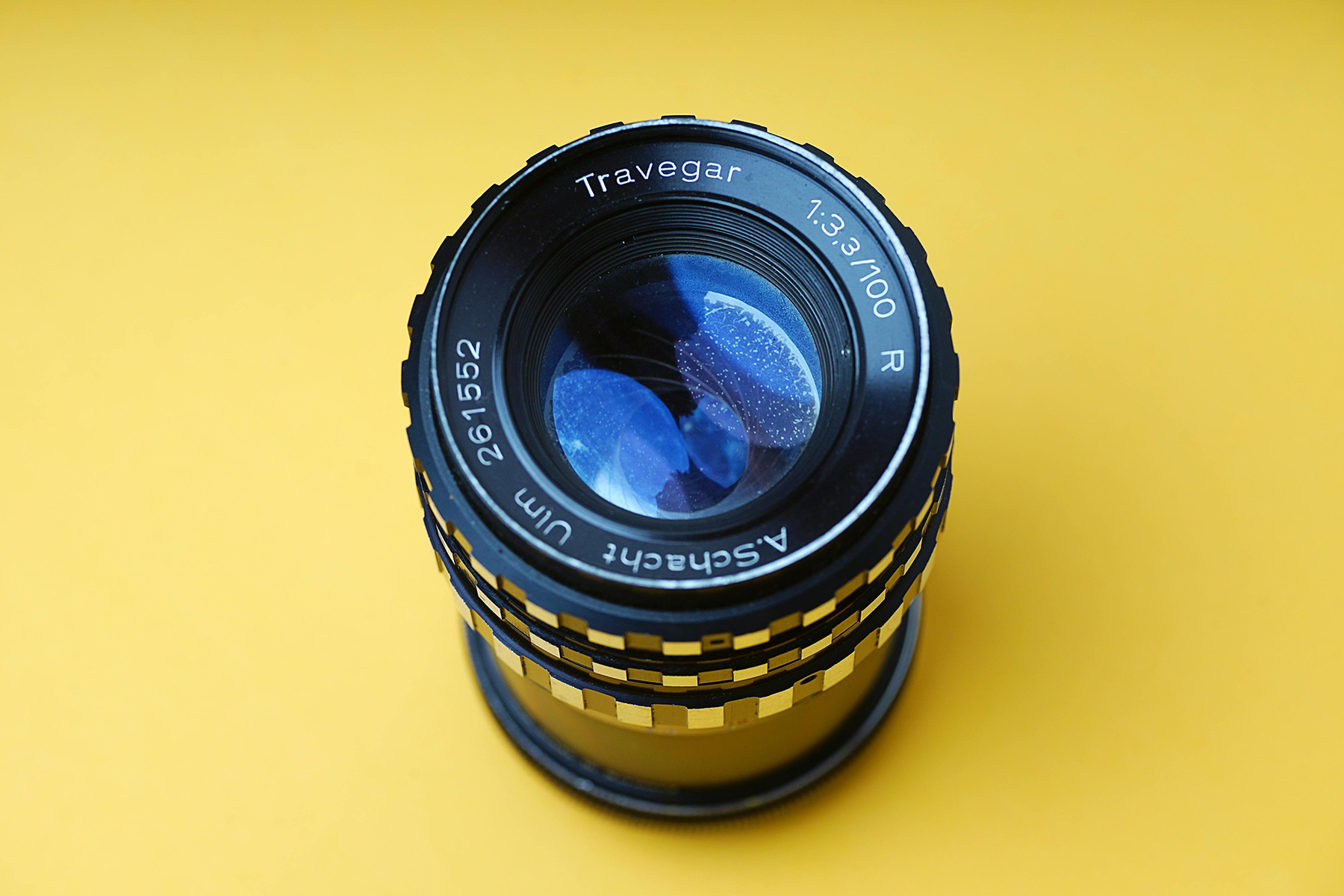
Advantages of dry Lens
In addition to reducing the risk of glass fungus, dry equipment offers other advantages that should not be neglected, what are they? Now you see:
- Improvement in imaging performance, a dry Lens without condensation or fogged glass elements.
- Reduction of corrosion on the electronics or the bayonet of the Lens.

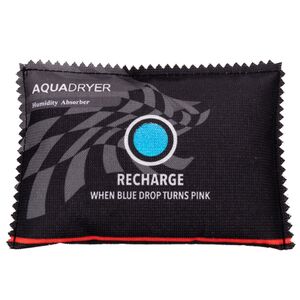
Omegon DUNEDRY moisture absorber
- Inexpensive
- Large moisture absorption
- Reusable, thanks to microwave or oven
- Practical for the photo bag
- With moisture indicator


Conclusion
Taking care to reduce moisture with your photographic equipment is a sensible aspect, especially if you travel a lot or have one or two vintage Lens in your possession, as these are usually even more susceptible to the infestation of glass fungus.