Leica Q3 - A well-rounded affair
We finally had the opportunity to test the new Leica Q3 and want to give you our thoughts on the most powerful Leica yet. You can find out everything you need to know about the camera in this article



1. The most powerful Leica
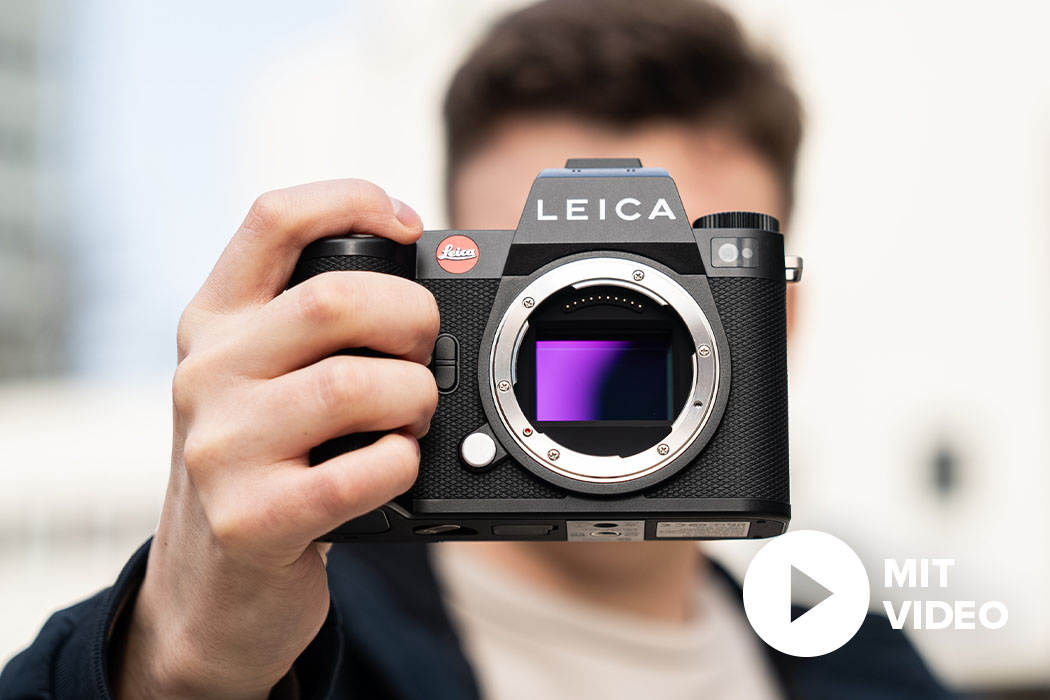
What makes the Q3 so special in the Leica line-up? Leica has used its 60 megapixel sensor from the M11. For the first time, however, the sensor is combined with the completely new and more powerful Maestro IV processor, which makes the Q3 the most powerful camera in the line-up.
Thanks to this upgrade, the camera now has enough processing power to take full advantage of the new autofocus, making the Q3 the most powerful Leica on the market today. We were really amazed by the new algorithms and features, such as the improved scene recognition with eye, head and body recognition of people.
Here you can also see the influence of the L² Technology on the UI, because on the software side the Leica behaves as we know it from new Panasonic cameras (which is positive, by the way, because the display and functionality have been solved cleanly).

Leica Q3
- Full-frame BSI-CMOS sensor with Triple Resolution Technology (60MP / 36MP / 18MP)
- Summilux 1:1.7/28 ASPH. fixed focal length with integrated macro mode
- Hybrid Autofocus System (Phase Detection AF + Contrast AF + Depth from Defocus + AI)
- tilting 3 inch display and 5.67MP OLED viewfinder
- fast and convenient connectivity with the Leica FOTOS app
- USB-C and HDMI connections
- up to 8K video and numerous video formats including .h265 and ProRes
- Made for iPhone and iPad
- IP52 protection class
For all those who photograph animals as well as people in everyday life, we also have a scene recognition function for animals and vehicles. We are already curious to see when and how this technology will be passed on to new cameras in the SL series.
The new autofocus is made possible by the addition of phase detection, among other things; we don't just have a purely contrast-based focus here, as was the case with the Q2.
Anyone who has already worked with the Q2 will know that a popular feature is the fast digital crop to other focal lengths. Crops for 35, 50, 75 or 90 mm can be made at the touch of a button. The images are cropped for the JPG, but are still saved at 28 mm in RAW.
As we have now jumped to 60MP, we end up with just under 39 megapixels in the 35mm crop and still 19 megapixels in 50mm. So this feature is still great for quick cropping and the spontaneous use of "longer focal lengths"!
All this in this small and first-class processed body has once again convinced us of the Q-series and confirmed once again why we keep flirting with the cameras when we walk past the showcase.
2. Function over form
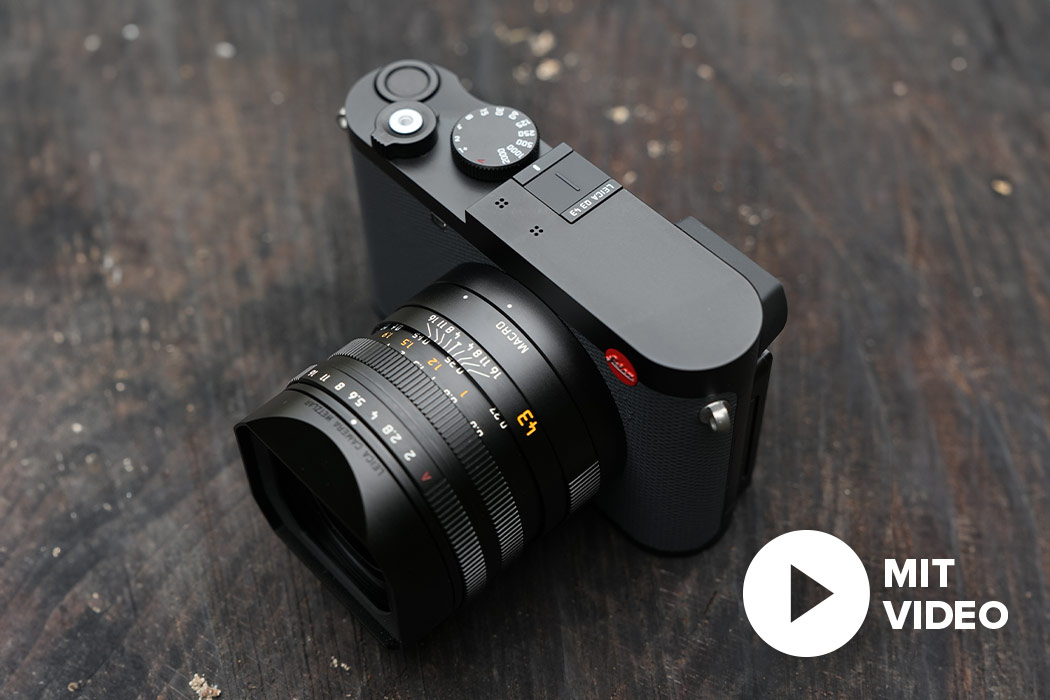
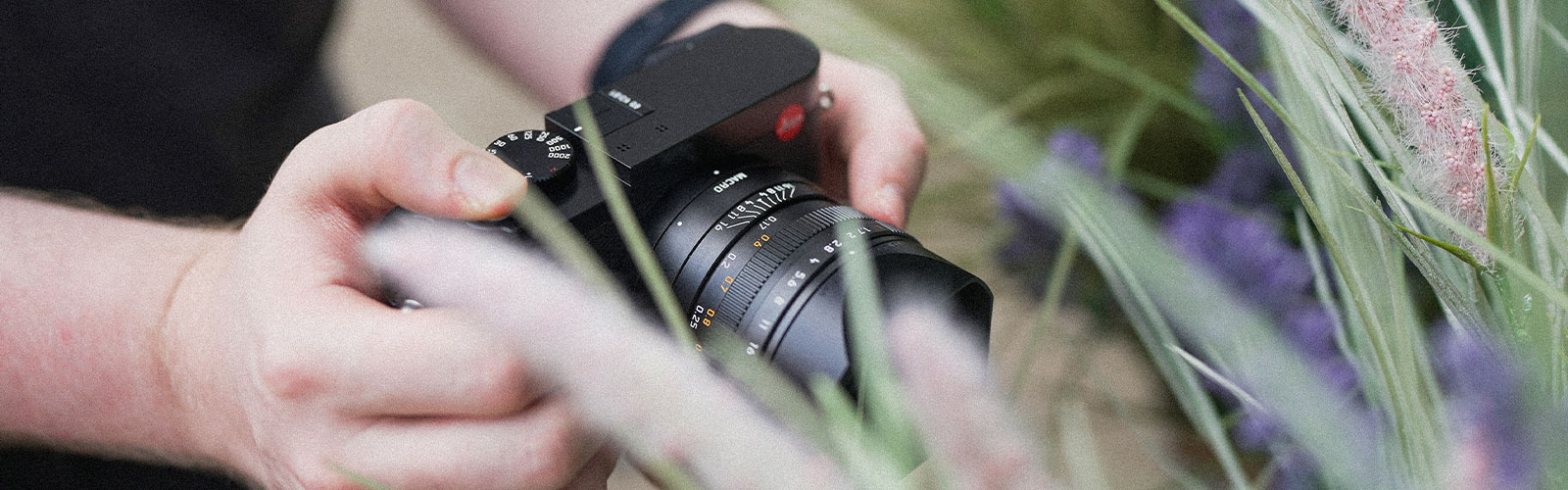
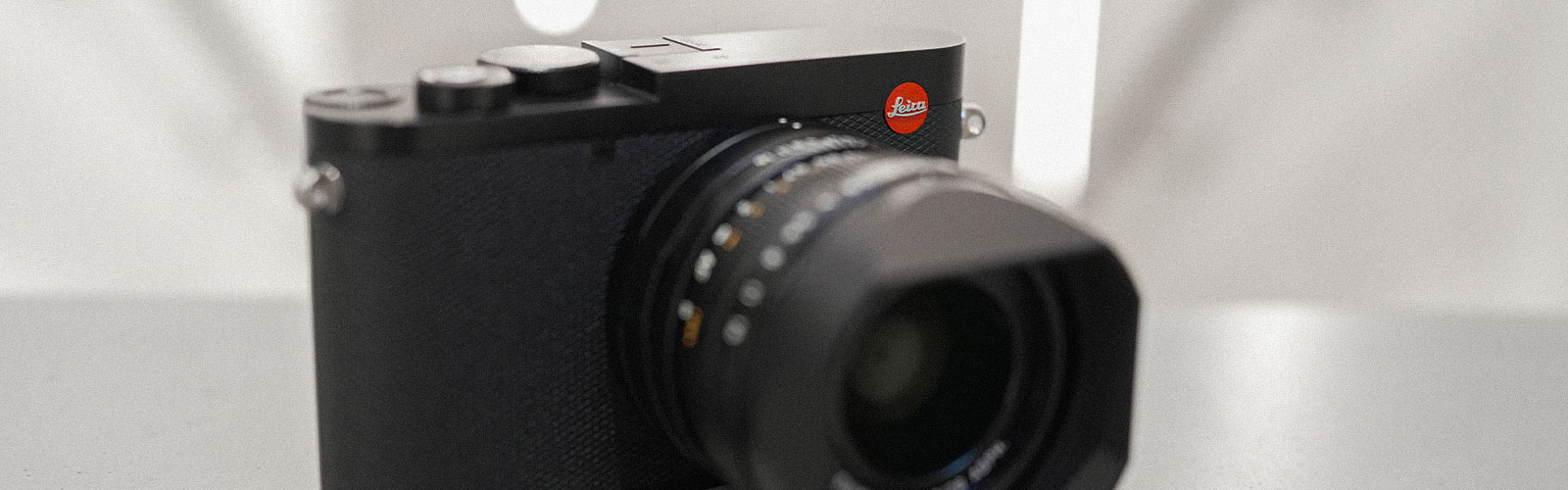
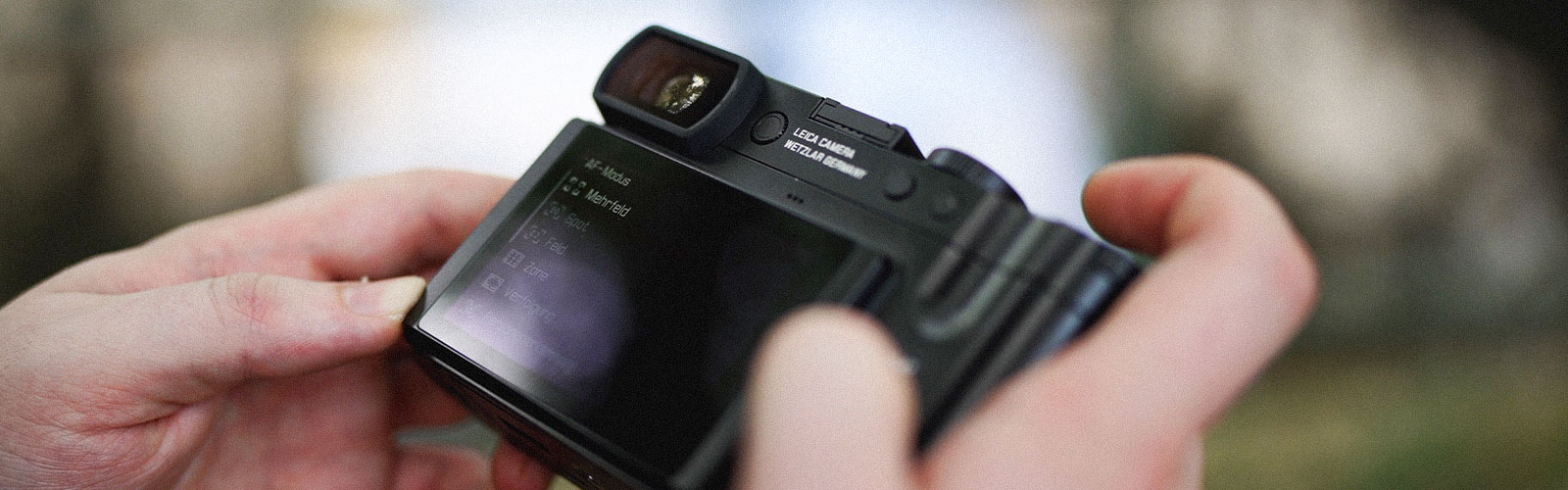
What strikes us about the new Q3 is that Leica is actually putting design behind functionality to a certain extent. If you compare the Q2 with the Q3, the new 3-inch touch display is particularly striking. Unlike the Q2, it is not seamlessly embedded in the rounded body, but protrudes clearly from the body due to the new folding mechanism, thus interrupting the round body. Is the display of the Q2 nicer? Sure, but we welcome the foldable display for high and low shots. Especially in street photography, where the camera is ultimately at home.
We can reassure anyone expecting a somewhat wobbly and poorly installed display at this point. The mechanism is solidly made and small details, such as the grooves at the top and bottom for better gripping of the display or how the display is pulled into its final position by what feels like magnets, round off the package.
On the side of the body is the second aspect where you can see that Leica is prioritising functionality here - the new ports.
It's kind of funny that new ports are such a big deal at Leica, but finally, finally we have USB-C and since Leica already has a port here anyway, they've added a micro HDMI port on top.
Both ports are located under a sealed plastic cap, which breaks up the design somewhat, but is not noticeable in everyday use.
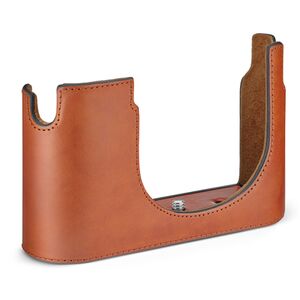
By the way, while we're on the subject of flaps: The new leather case now also has a flap for changing the memory card and battery and a small pocket for another SD card, so here too - thanks Leica!
However, you quickly realise that the Q3 is not planned as a parade hybrid. Anyone who has paid close attention to the ports will have noticed that there are no 3.5 mm jacks for feeding in external microphones. Although this should be possible later via a USB adapter, it shows quite well where the priorities lie with the camera.
You also have to do without a full sensor readout, for example. The camera crops in from a resolution of 4K. So it sounds quite nice on paper, and the new autofocus can also be put to good use, but be aware that this is not a professional level. If you're looking for that from Leica, you should take a look at the SL2S.
4. Never touch a running system: The lens
Leica hasn't changed anything about the lens on the Q3 and we're not really angry about that. After all, we have a 28 mm Summilux with an aperture of f/1.7, which is simply a fantastic lens. It is damn sharp, offers a wonderful bokeh and hardly any image errors. Sure, we have almost 13 megapixels more here than on the Q2, but you don't have to worry about the resolution of the lens, because when you get right down to it, the lens here is even sharper than the Leica M Summilux with f/1.4 and there were never any complaints that it wasn't enough for the M 11.
As usual, the focus ring has the thumb rest with the strange and somewhat unwieldy button for switching between auto and manual focus, but as with the Q2, this lens has an incredibly smooth and pleasant focus progression despite the focus-by-wire system and manual focussing is simply a lot of fun here!
The function to switch the lens to macro mode is also still there and of course, I mean it's Leica, of course the transition is simply beautiful. The macro mode allows us to switch from a close focusing distance of 30cm to 17cm. In combination with the open aperture, we can crop our subjects even better. Sure, the Q2 could already do that, but with the high resolution of the Q3 we not only have more detail, but can also crop our image even closer and bring fine structures and details even closer.
5. A well-rounded thing
We've already talked a lot about the exterior design of the Q3, but what about the user interface, what else is particularly well solved here?
One small but important detail is the assignable buttons, of which we now have one more, so three in total. We have two buttons next to the viewfinder and another on the thumbwheel on the right-hand side. As with the Q2, all three can be assigned individually by simply pressing and holding the button and selecting the desired function.
The two rear buttons can also be easily distinguished from each other as they protrude from the Body at different distances. This is the attention to detail that we really appreciate at Leica.
Also new are the 5 Leica Looks, which we can only use on the Q3. You can also view the Looks in the Leica Photos app and transfer them to your camera, and more Looks may be added here in the future.
We also like the function that allows us to automatically crop the image to fit the horizon. This can be really helpful for quick photos from the hip.
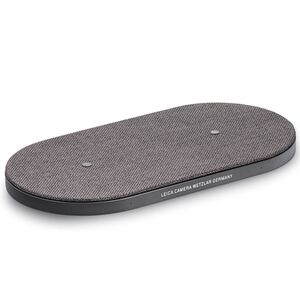
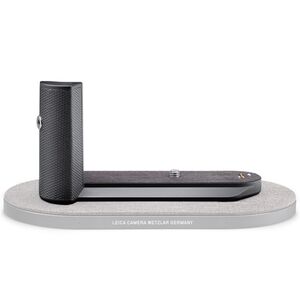
Leica is constantly trying to improve the user experience of its products and with the Q3 they have come up with something special. If we take a look at what the Q series is most often used for, it's not only street photography but also spontaneous shots when you're out and about with friends or family. What do we not want to have to worry about? That's right, a fully charged battery. For the Q3, Leica now offers the option of inductive charging, i.e. a charging plate on which we can place the camera with an empty battery in the evening, for example, so that we can take it with us fully charged the next morning.
Unfortunately, this requires a handle and a suitable charging plate. Of course, it would be desirable if these charging points could already be accommodated in the camera body, but the body would probably have to be a little larger for this and we don't want that.
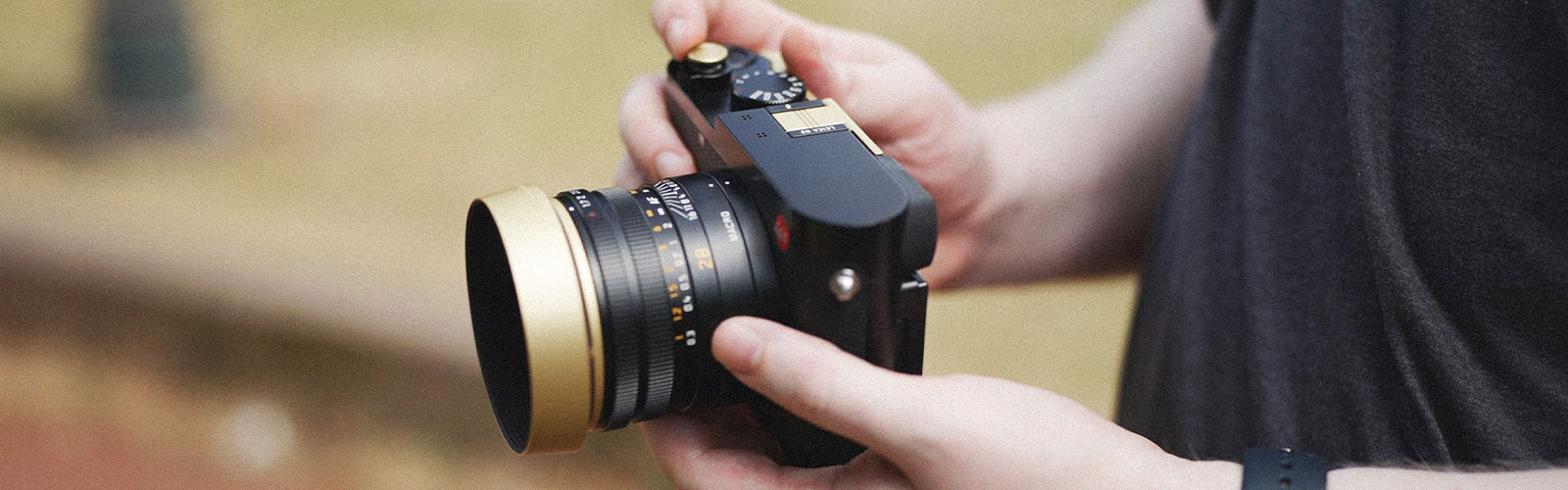
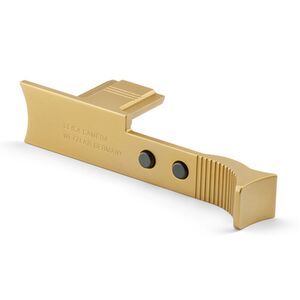
Leica has not skimped on other accessories either. Among other things, we have these golden accents with the optional thumb rest, lens hood and a button on the shutter release. Incidentally, the latter was not possible with the Q2, as the shutter button did not have a thread. If you don't like the gold, you can also go for black or silver.
6. Price and conclusion
So - now to the elephant in the room: Yes, the Q3 costs €5,950 RRP and yes, that's a lot of money... But is it? So yes of course, but let's go over it - what do we get for it?
We get a compact full-frame camera with a fixed Lens and that's actually not so obvious, because there is no other current full-frame camera in this range besides the Q series. In Leica terms, the Q3 is an incredibly good deal, because it offers the 60 MP sensor of the M11, the best autofocus that Leica has to offer and the popular 28 mm Summilux, which costs more for a Leica M than the complete Q3. All of this packed into a compact but high-quality body with an excellent viewfinder, which puts the high price of just under €6,000 into perspective. Is the camera perfect? No, we would still like to see better accessibility to the top dial, as well as internal memory or a microphone port for slightly higher quality video recordings.
But if that's all that could be improved, I think we've reached a high level of complaining.