 Photo: Silke an Mey - Canon R6 III with RF 45mm F1.2 STM at an aperture of F2.0
Body & Handling
At first glance, this camera is "typical R6": easy-to-grip ergonomics, clear operating layout and a robust body with weather protection. This is precisely why it is so attractive for hybrid users - photography with the viewfinder and filming from the display work without having to rethink.
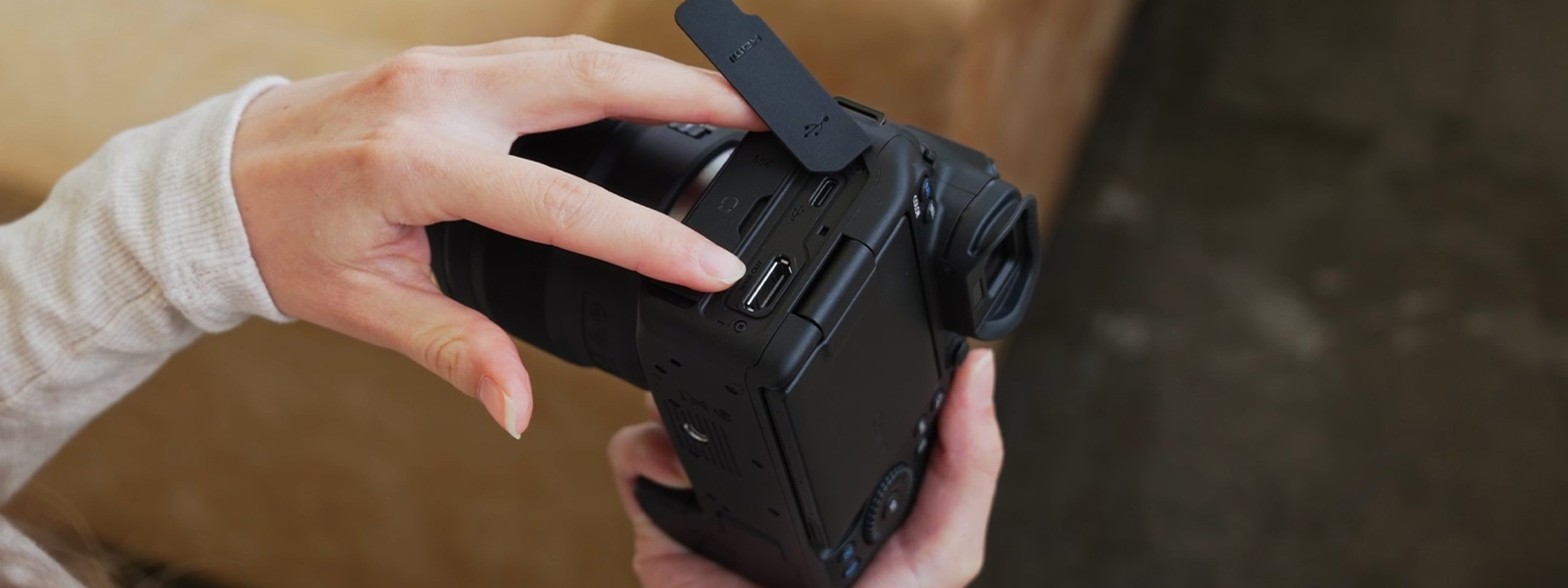
As far as the ports and storage structure are concerned, Canon has listened to its community: Full-size HDMI at last! Plus USB-C (power/data transfer/webcam), microphone, headphones and remote port. Canon now uses a CFexpress type B plus a UHS-II SD card slot for storage. This gives you higher write rates and better reliability without sacrificing existing SD cards (e.g. for backup/redundancy). By the way, we have already put together the perfect set for all those who do not yet have CFexpress cards:

Canon EOS R6 Mark III & CFexpress Angelbird AV PRO SE Type B - 3700MB/s - 512 GB
- Angelbird AV PRO SE CFexpress B v4 MK2
- Capacity: 512 GB
- Write speed: up to 1100 MB/s
- Read speed: up to 3700 MB/s
In contrast to the R5 II, there is (as with the R6 II) no active cooling and no ventilation slots that allow active cooling via the battery grip. Nevertheless, Canon has once again improved the thermal management. The camera should therefore not break down even in extreme environments. On the battery side, with the new LP-E6P you have enough reserves for all the exciting photo and video features. Of course, the older batteries can also be used, although you will then have to reckon with corresponding limitations.
Silke an Meyfashion photographer from Düsseldorf, helped us test the new camera and gives us her personal feedback from the field:
"The storage was extremely fast, the autofocus worked really seamlessly. And you can focus very well on the picture. Even a tick better than with my current camera, the R6 II."

Sensor & image quality
The core of the upgrade is a completely new full-frame BSI sensor with an effective 32.5 MP. That sounds like a sober number - but in practice it is a real exclamation mark. New generations of sensors are rarely developed from scratch, and when they arrive, they often shape the line-up for years. This is precisely why the R6 III is so exciting: the sensor delivers around 25% more resolution than the R6 II, more depth of detail for crops/retouching and a sharper 4K base thanks to higher oversampling.
The fact that around 30 megapixels is the perfect hybrid sweet spot is nothing new: Canon has already proven this with the 5D Mark IV (30.4 MP) and the original EOS R (30.3 MP) very successfully. With the new 32 MP sensor, Canon is implementing this idea in a new version - with noticeably more dynamic range and very fine noise behavior, although the resolution increases. This is precisely what makes it so suitable for everyday use: wildlife shots at dusk, weddings in mixed light, dark fashion sets or corporate reportage - the files remain resilient.
The new sensor is also a strategic signal: just as the R8 has passed on the R6-II sensor downwards, this 32 MP BSI is also likely to play a role in future models. For buyers today, this means: a future-proof basis that visibly benefits in photo and video.
"What I really like about the new R6 III is that, as usual with Canon, we get super beautiful, natural colors, especially in the skin tones. If I want to get more out of the shadows, the image doesn't fall apart immediately and I have plenty of room to maneuver." (Silke to Mey)

Speed: High-speed without compromise
The R6 III maintains the familiar 12 fps mechanically and up to 40 fps electronically, but now with a higher resolution and, above all, a significantly larger buffer. In RAW at 12 fps, you can take more than 1,000 shots before the camera catches its breath. Wildlife, sports or other moving moments benefit immensely from this and, thanks to CFexpress, the camera writes back quickly.
Pre-capture has also become smarter: Up to 20 images are saved before the actual shutter release and are stored directly on the card as regular files instead of in a closed container. This function can now also be assigned to a function button. A real safety net for everything that only happens once.
Autofocus: couldn't be better?
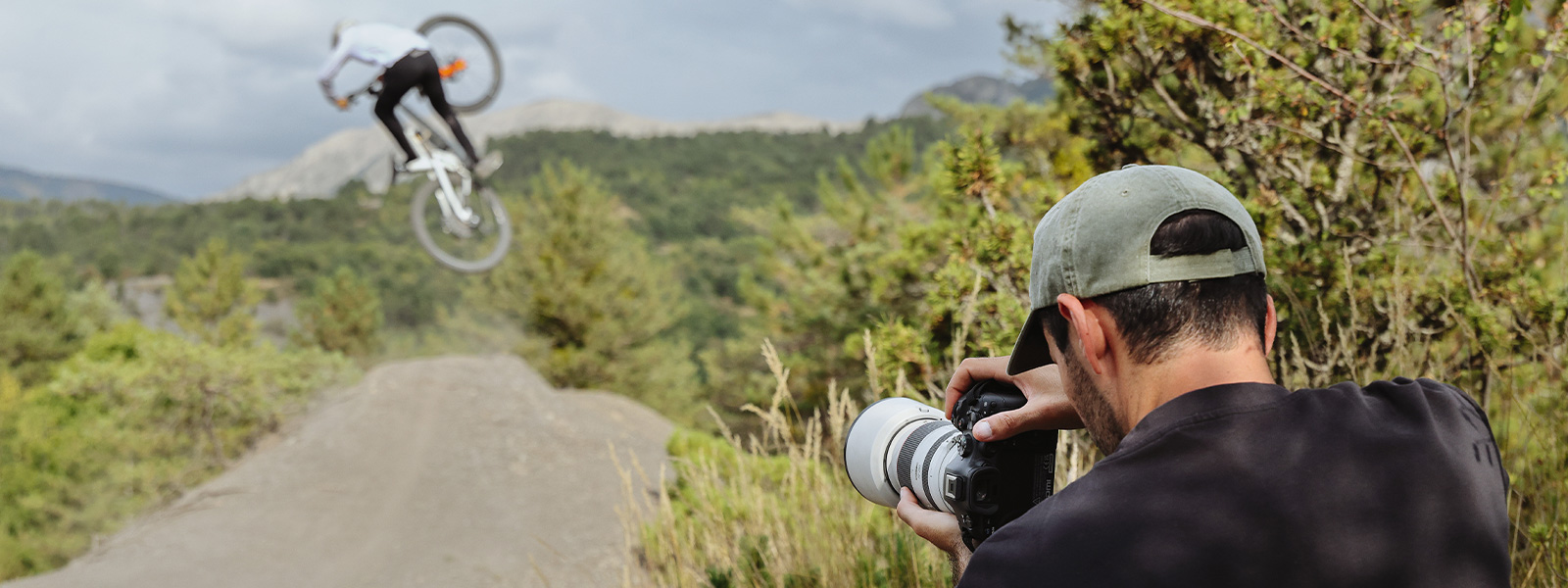
One aspect that we could hardly find fault with in the R6 II is the autofocus. But what has definitely been improved in the R6 III is the speed. The R6 III simply feels much snappier and the AF is at a level where you almost have to "force" it to make mistakes. Scene recognition, tracking, start/stop reaction times: everything is lightning fast and reliable. In low light, the AF behaves at least as reliably as its predecessor, and even feels a little more confident.
The people registration function (up to ten faces) is very practical, allowing the camera to consciously set priorities when shooting groups or crowds of people, for example - the bride and groom in front of the uncle in the background. Important for hybrid users: subject type recognition (people/animals/vehicles/car) is also available in video mode, including fine transition parameters for smooth focus movements.

"The times when you had to think about the autofocus or even wait for it are really over and the new processor has really made the camera so fast that the issue of focus no longer really seems present and you can concentrate on the really important things like posing or cropping." (Silke to Mey)
Professional-level video without feature overkill
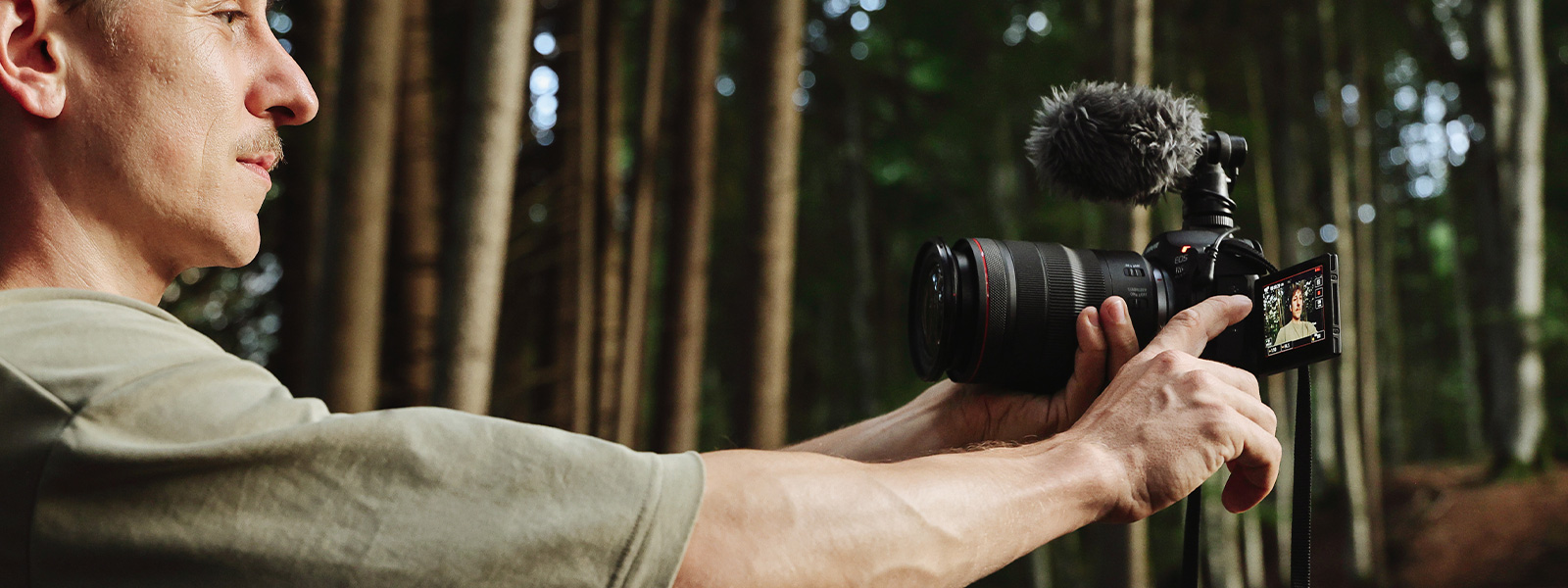
The R6 III takes the hybrid promise seriously. 4K now benefits noticeably from the 7K oversampling of the higher sensor resolution, which is reflected in greater detail fidelity and clean micro-contrast. In addition, there is 7K up to 60p and 7K Open-Gate RAW internally, including Canon Log 2 for maximum dynamic range. The RAW option saves the detour via external recorders in many setups. Important: CFexpress type B is mandatory for demanding formats/codecs!
As a result, the R6 III strikes the perfect balance: enough professional features, but at the same time a clear menu and clear user experience for hybrid workflows. If you really want all the cine options, the Canon C50 is the better choice; the R6 III remains the sweet spot for jobs and projects where photo and video are needed on an equal footing.
"For me and many other female photographers, video is playing an increasingly important role, so it's great that you no longer have to make any major compromises here. The R6 III offers all the important functions, but they are also easy to access and easy to use." (Silke an Mey)
Also interesting: The IBIS has been improved by 0.5 EV and achieves up to 8.5 stops of stabilization in combination with IS lenses. At the same time, Canon has visibly reduced the wide-angle wobble at the edges. If you need it ultra steady, switch on the digital IS (slight crop, but optional subject orientation).
A few points that we noticed in practice, which could be particularly relevant for video enthusiasts:
- Histogram continues to fade out automatically at the start of recording - here we hope for a firmware fine-tuning.
- Card slot: The camera shuts down when opened, hot-swap is not possible.
- A low-res recording preset directly in-camera (e.g. 24 MP) would sometimes be helpful when it comes to memory economy or extreme series.

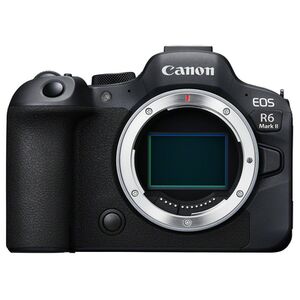
R6 II vs. R6 III vs. C50 - which one suits whom?
If you're still unsure which camera is right for your requirements - we'll make it easy for you:
Take the R6 II if..
- you rarely shoot high-speed series,
- Video is "nice to have" for you, not your main job,
- you are looking for maximum value for money (especially because it is now even cheaper)
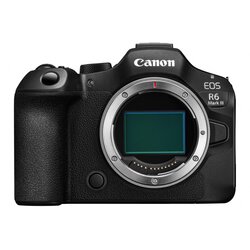
Take the R6 III ifâ¦
- Serial performance and video are seriously relevant,
- you want more resolution for crops/retouching,
- you're looking for a true hybrid camera that can do both really well.
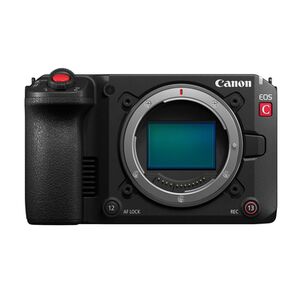
Take the C50 ifâ¦
- you run cinema workflows and dive deep into pro video features,
- Connections, codecs, monitoring & rigging are your daily business.
Price and availability
The R6 Mark III is priced at less than 3,000 euros RRP and is therefore a very convincing overall package for an extremely large number of photographers and videographers, as I said - the sweet spot when it comes to hybrid cameras. Pre-orders are now possible; the first delivery has been announced - as of now - for the end of November.

Conclusion
The Canon EOS R6 III does exactly what a "camera for (almost) everyone" needs to be able to do: high hit rate, modern video tools, high speed, more resolution - all packed into one body. It doesn't really matter what you're working in - whether wildlife, sports, weddings or fashion and portraits. The R6 III is simply the best camera you can get for the price.
A few wishes remain:
- Memory card hot-swap during video recording
- a histogram even during recording
- optional low-res mode to save memory space
- an EVF with a little more resolution
- new display mechanism with fast tilt function
But here we are talking about fine-tuning. The bottom line is that the R6 III has grown up and for many people is the only camera they really need.