Travel photography
Jens Landmesser from Canon reports in our Schnappschuss
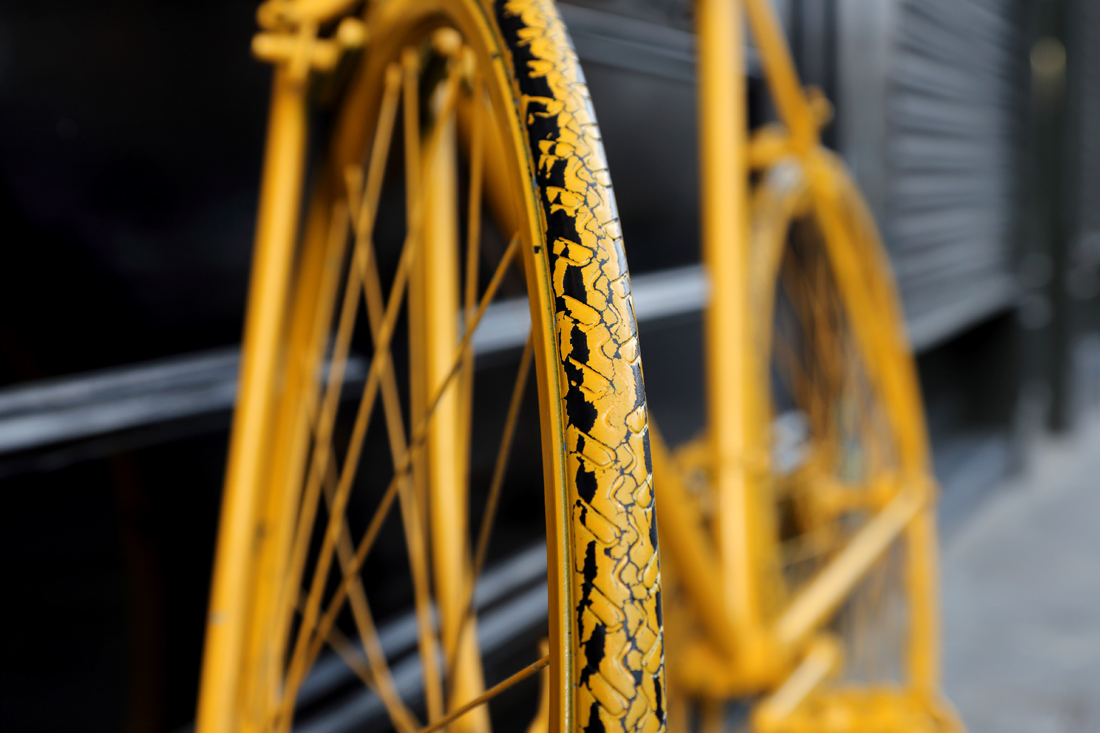
Jens Landmesser, lecturer and trainer at the Foto Koch Academy for Canon workshops and a well-known freelance photographer in the scene, gives tips on the subject of "travel photography".
What is the best way to prepare for a photo trip? Planning is very important if you want to generate great photos that can be used in a variety of ways. For example, for an online presentation or your own photo travel book, which also documents the trip haptically. Fortunately, on vacation and while travelling, many impressions and motifs can be captured in different facets that we don't encounter in everyday life. I recommend making a short list before the trip of the important motif situations, so that at the end of the trip you don't just have landscape shots on your memory card. It also makes sense to have a checklist and packing list for your photo bag, including what you need to pack and that batteries need to be charged, the sensor should be checked and it is advisable to take test photos again. Which camera do I take? This is a question of personal attitude. How much luggage do I want to take with me and what photographic options are important to me? There are brilliant, versatile SLR and system cameras, but also lightweight compact cameras. They all have their advantages and disadvantages. For example, there is the question of the size of the image sensor. The larger it is, the better the camera can deal with poor and difficult lighting conditions and the better it can capture selective sharpness. This is where the strengths of SLR and system cameras, which are equipped with large image sensors, come into play. The world of motifs also plays a role, where I differentiate between three types of motif: static motifs, dynamic motifs and motifs that contain both. Aspects such as the autofocus system or the possibilities of a continuous shooting function are decisive here.
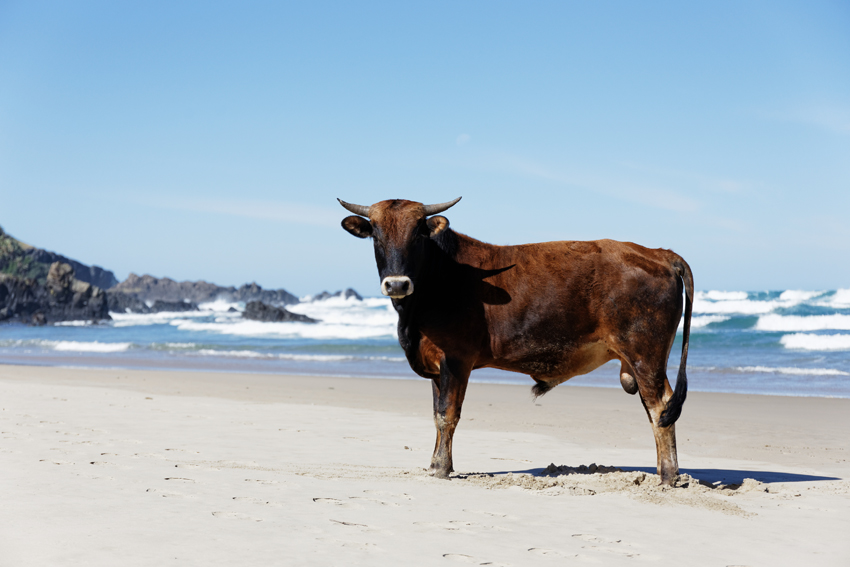
 The right moment is often decisive
What do I need in my camera bag? For successful pictures, both I and my camera system need a good eye. My camera in the form of lenses that give me the opportunity to use different focal lengths, as I want to capture a wide variety of subjects when traveling. You should definitely think about a longer focal length, because a simple walk through a market, for example, provides a wealth of images in the world of "country and people". A tripod and a good set of filters, such as polarizing filters and ND filters, round off the equipment nicely. Sufficient spare batteries, memory cards and cleaning utensils are essential. For transportation, I use a Clik-Elite backpack system on many trips, which offers enough space for my equipment as well as things for everyday use.
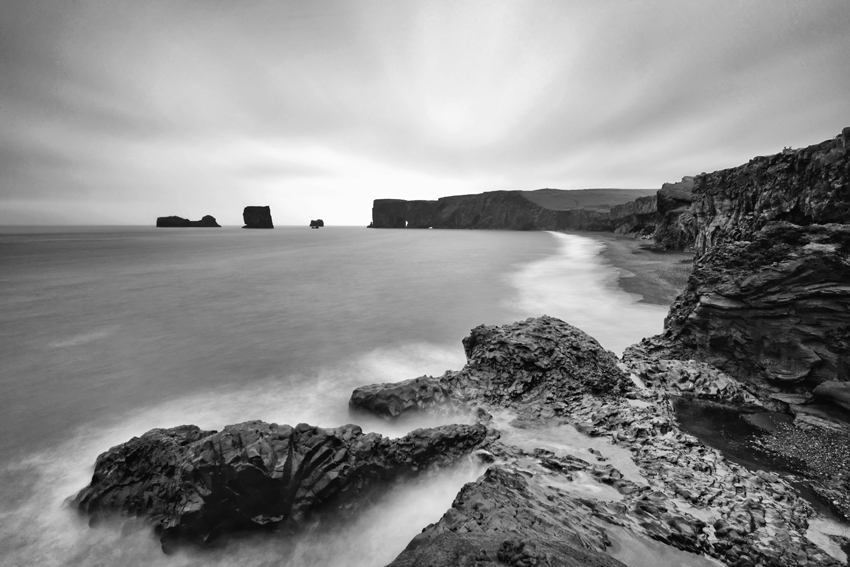 A long exposure time even in bright light? Possible with a neutral density or gray filter
What other aspects play a role in taking good photos? The rapid change of subject when traveling makes it exciting. In travel photography, many different subject areas come together in a very short space of time, be it landscape photography, country and people (people on street), architectural photography or even animal photography. However, it is important not to just start shooting, but to analyze the subject first. Every photographer should think carefully: What am I photographing? How does the subject behave? Is it static or dynamic? Where and how far should the focus be located and distributed in the picture? Open apertures and a certain focal length are useful for portraits, for example, and closed apertures for a more continuous depth of field in landscape photography. The time of day is also crucial. In general, the morning hours and the afternoon provide good light. If you are not traveling alone, it is sometimes difficult to combine your photographic passion with the interests of your fellow travelers, which is why I am often out photographing alone in the morning. Of course, basic aspects such as the rule of thirds, golden ratio, time and aperture, image composition and format are important. Just like in all other genres.
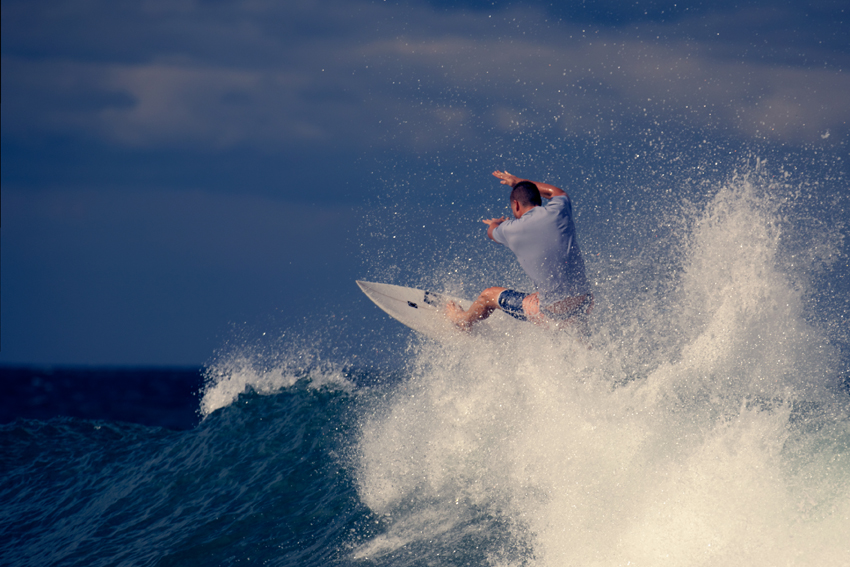 Shooting motif with high dynamic requirements.
How and what do I photograph without missing out on the actual vacation? You shouldn't just look at your travels through the camera. You shouldn't forget to perceive experiences in a "real" way. In my opinion, not every situation should be photographed! Enjoy the situation first and then take the time to photograph it in order to achieve the best possible picture results. In many subject areas, such as portrait photography, it is important to ask briefly whether the person wants to be photographed at all. This shows respect for the other person and sometimes creates very interesting contacts.
What does the ideal memory card look like after a trip? A good mix makes all the difference, be it different subject worlds, image formats or styles. What's the bottom line on travel photography? The focus of every trip and the photography associated with it should always be the enjoyment of photography. Because without a passion for this hobby or even the profession, you will otherwise only get unspectacular shots.
Referrals Foto Koch Academy Schnappschuss Magazine