
The Urbex Code
Reading time: 10 minutes - September 07, 2021 - by Marc Mielzarjewicz - From the Schnappschuss
Abandoned places are mythical and provide an insight into days long gone. An "Urbex scene" has developed around these sites. The term comes from "urban exploration". Motifs from these "lost places" are often used in photography. Marc Mielzarjewicz explains how he developed this passion and what makes it so special.
 Marc Mielzarjewicz
 Marc Mielzarjewicz
It all started when my parents gave me an SLR camera as a present when I was a teenager. Color film was too expensive. Therefore black and white. I was also able to develop the pictures myself in my darkroom. It was around this time that I came into contact with my first "lost places". Back in the depths of the GDR, I went into a vacant movie theater in my hometown of Halle with a few friends. The size, all the stucco, the silence while life was pulsating outside and the tingling feeling of doing something that only a few people do were probably the initial spark for urbexing.
This fascination has survived to this day. As I am particularly interested in architecture in photography, documenting architectural decay is the perfect hobby for me. Seeing how nature reclaims what man has created is what makes this subject so charming. The fact that I ended up producing seven illustrated books on the subject of "Lost Places" shows me how interested I am in this topic.
The "Urbex scene", which I didn't even know existed at the beginning, is constantly growing. All these people are exploring their urban environment, many of them photo-documenting it. The unwritten law - the "Urbex Code" - is not to change or take anything when entering the location. It goes without saying that access must not be gained by force.
 Marc Mielzarjewicz
"With my pictures, I want to take the viewer on a journey through time."
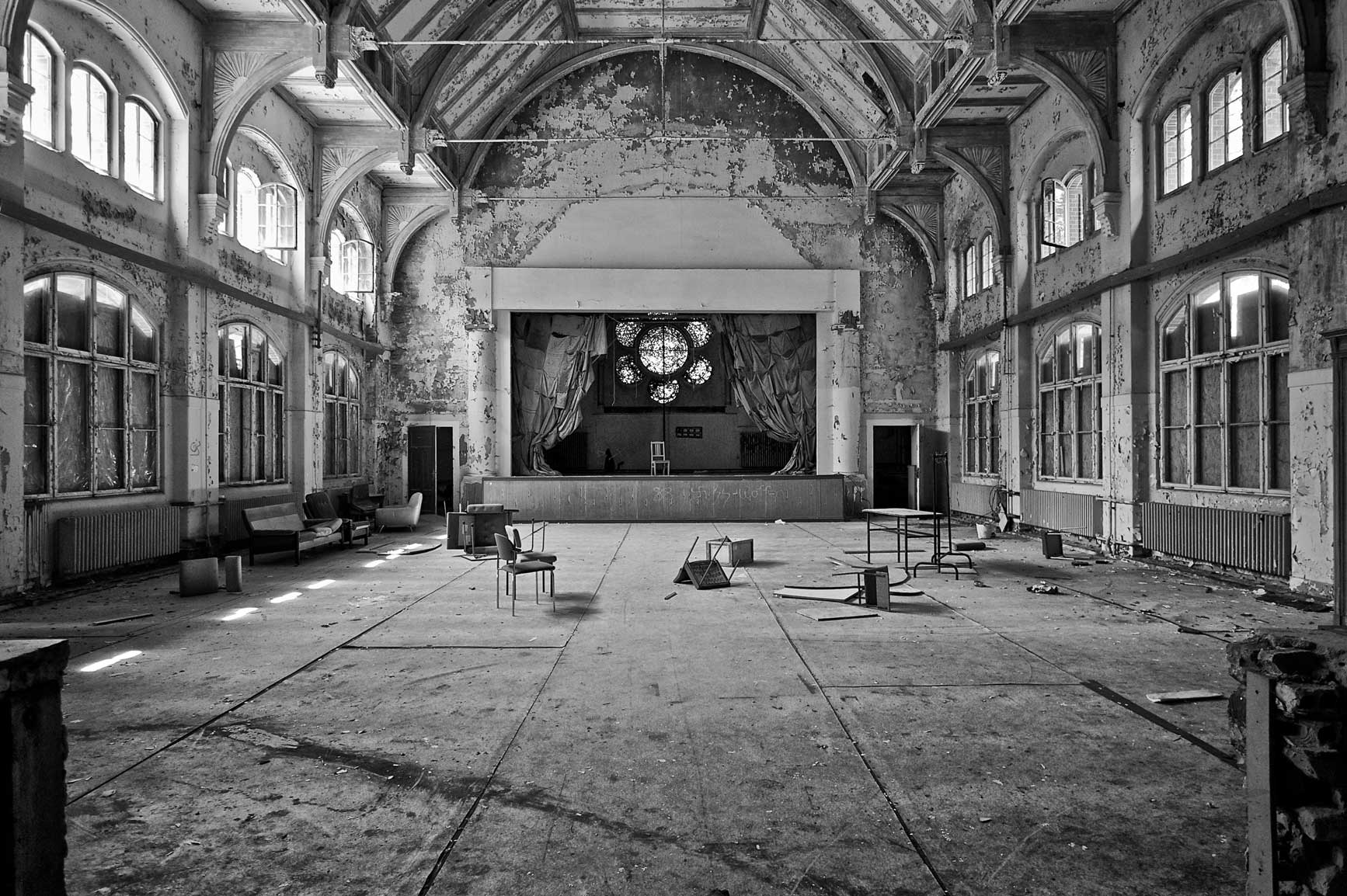
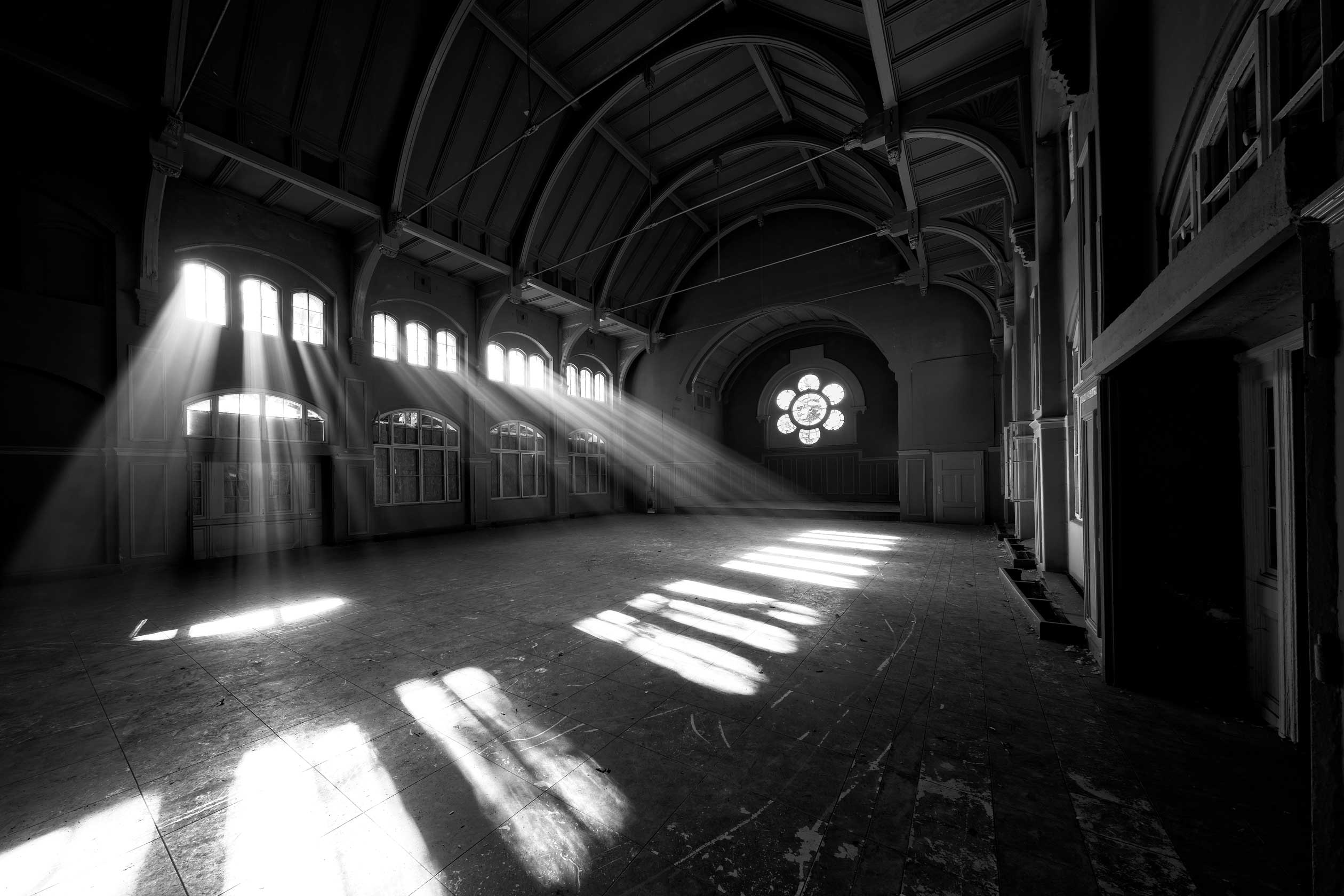
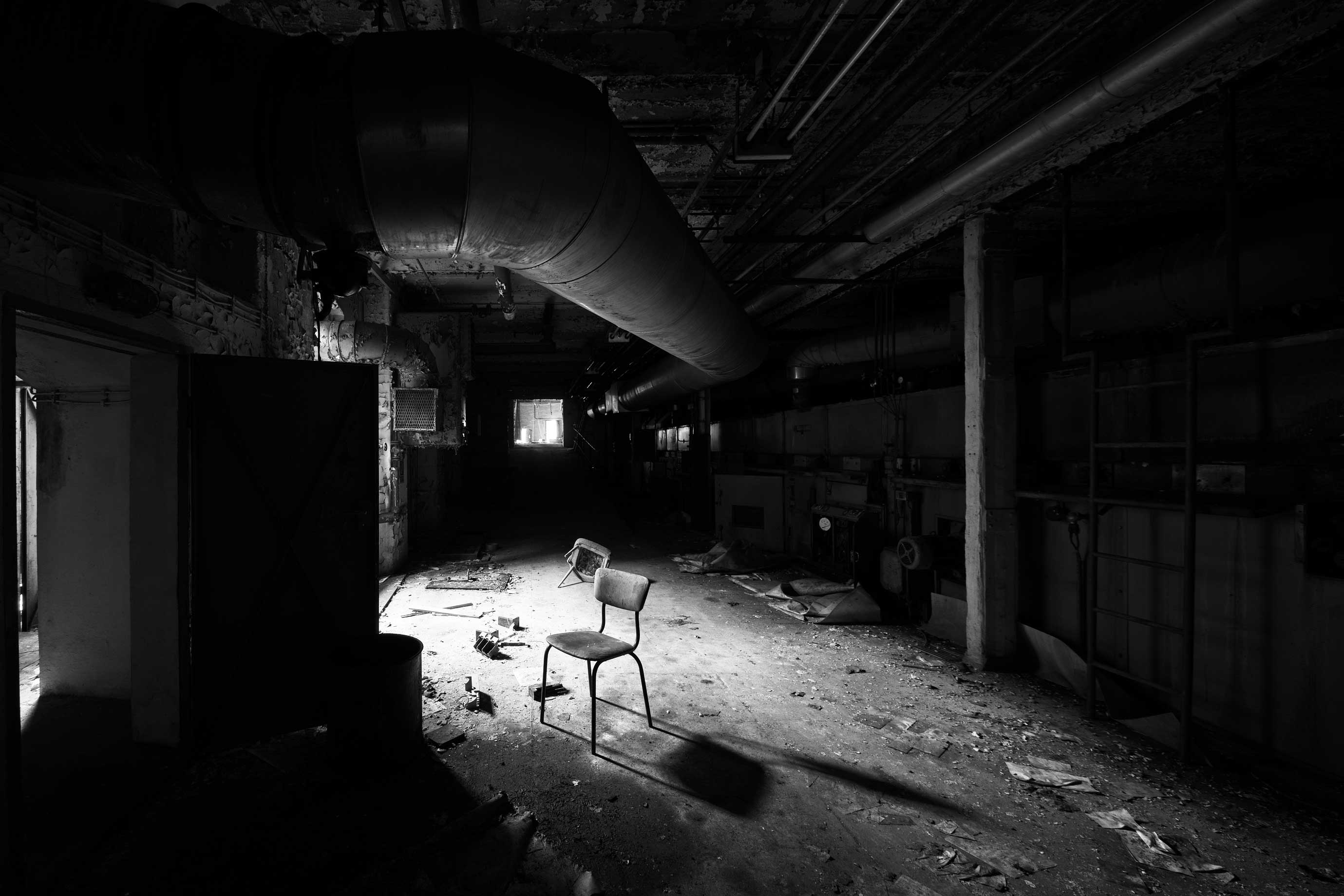
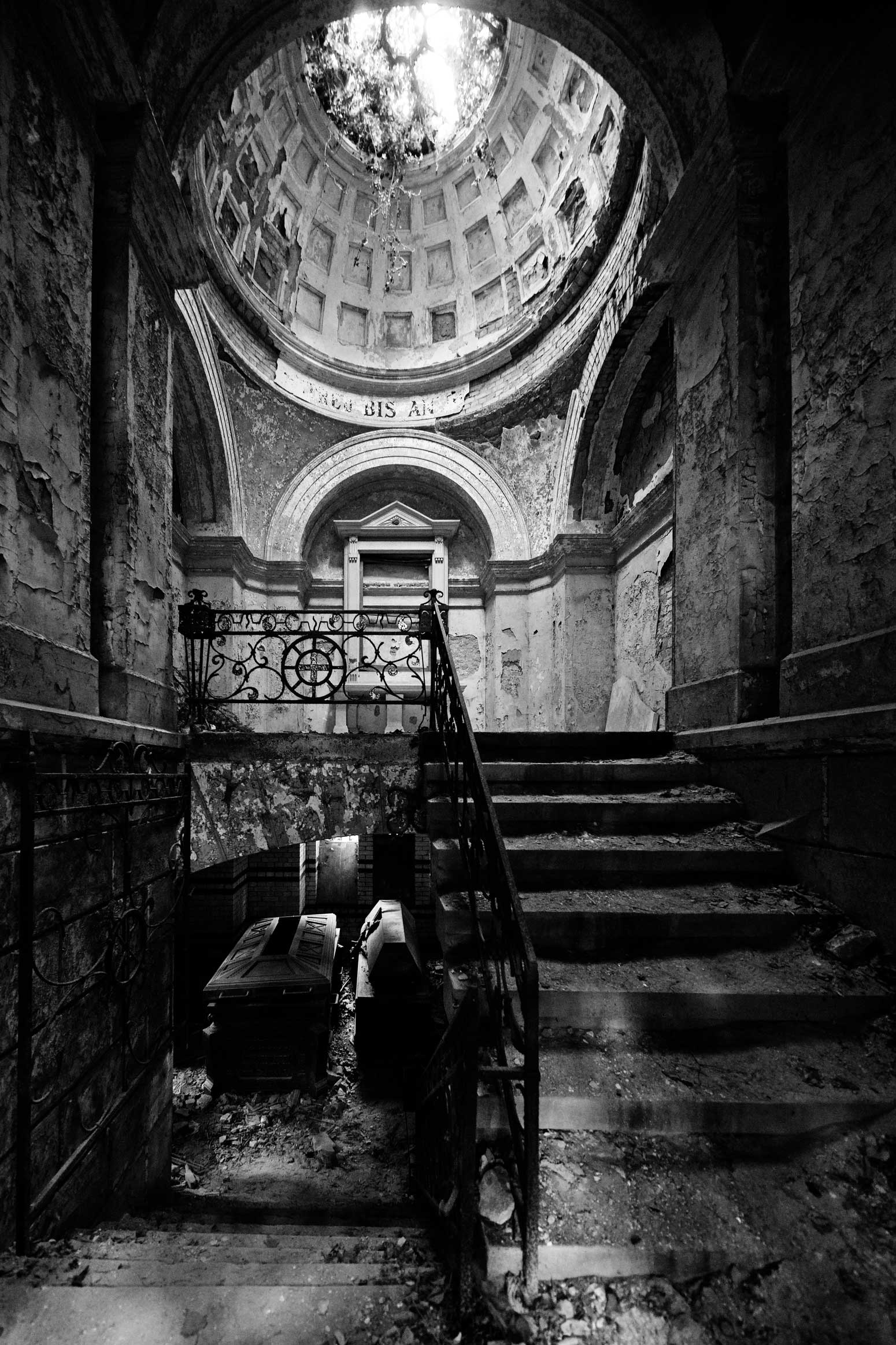
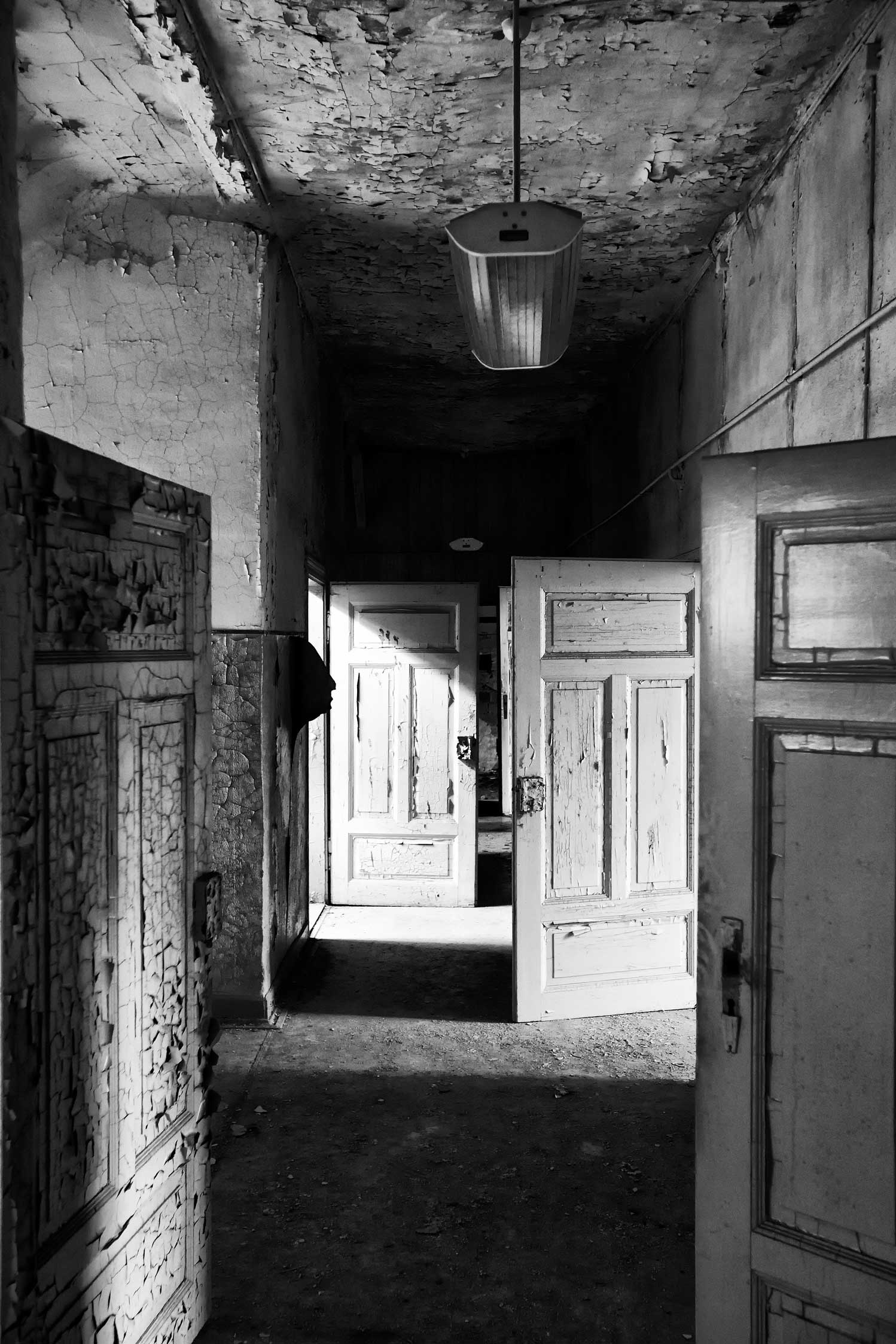
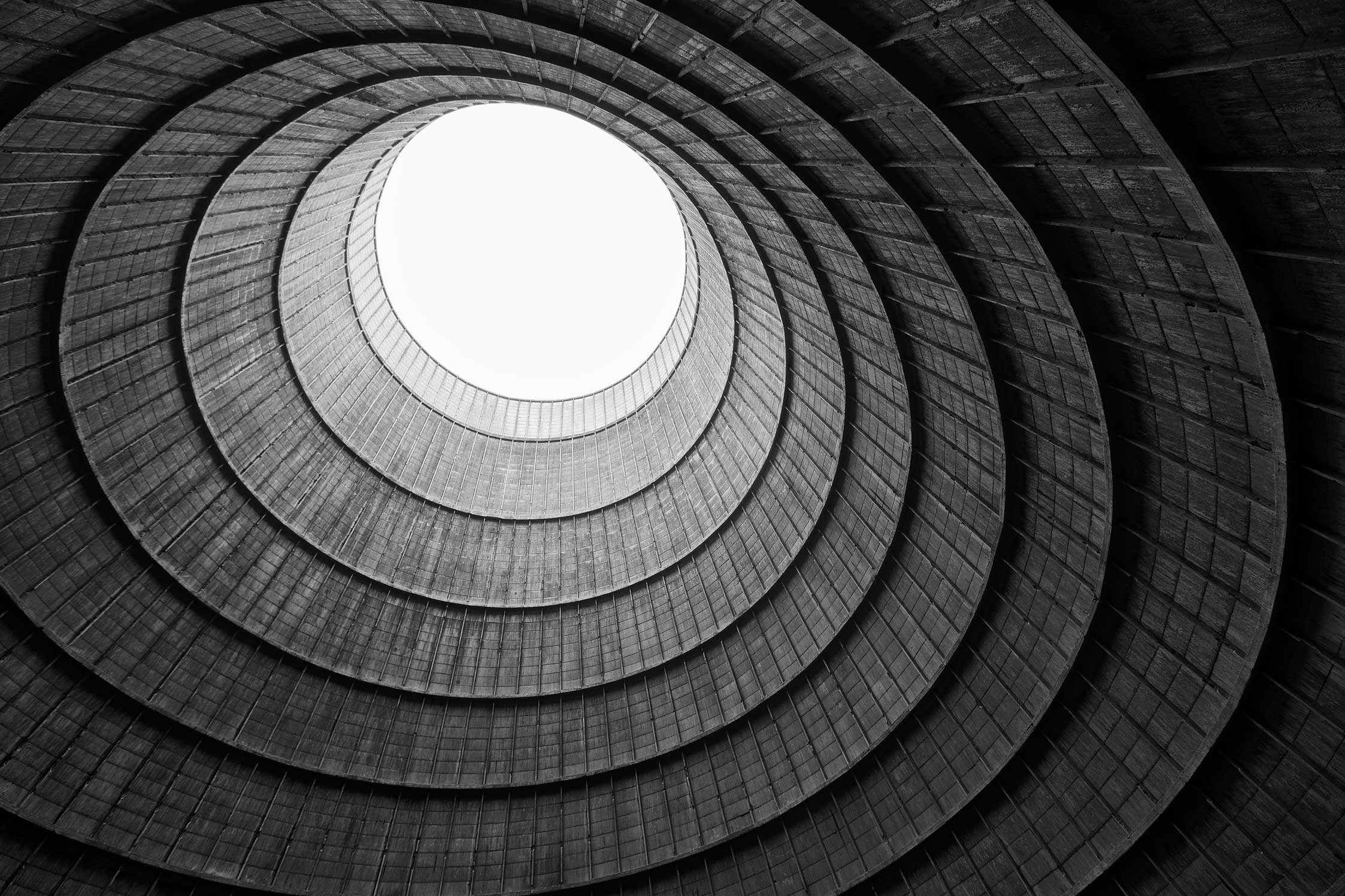
Before I start taking pictures, I let the location take effect on me. I imagine what it must have been like when the company, the hotel and the hospital were still in operation. With my pictures, I want to take the viewer on a journey through time. As the present is so full of stimuli, I concentrate on the essentials and take the pictures in black and white. The photos live from the contrasts and reflect the decay and change perfectly in my eyes. With very few exceptions, I only use ambient light. That's why taking photos with a tripod is essential. The long exposures also slow things down so that I can get even more involved with the location. With a combination of long shots and close-ups, I want to convey an impression of the deserted place.
 Marc Mielzarjewicz
 Marc Mielzarjewicz
 Marc Mielzarjewicz
Not without danger: low light, rotten floorboards and black holes in the floor require constant attention
Taking photos in lost places is not without its dangers. Little light, rotten floorboards and black holes in the floor require constant attention. Ideally, you should not pursue this hobby alone. You are safer with a companion, and the exchange can also broaden your perspective.
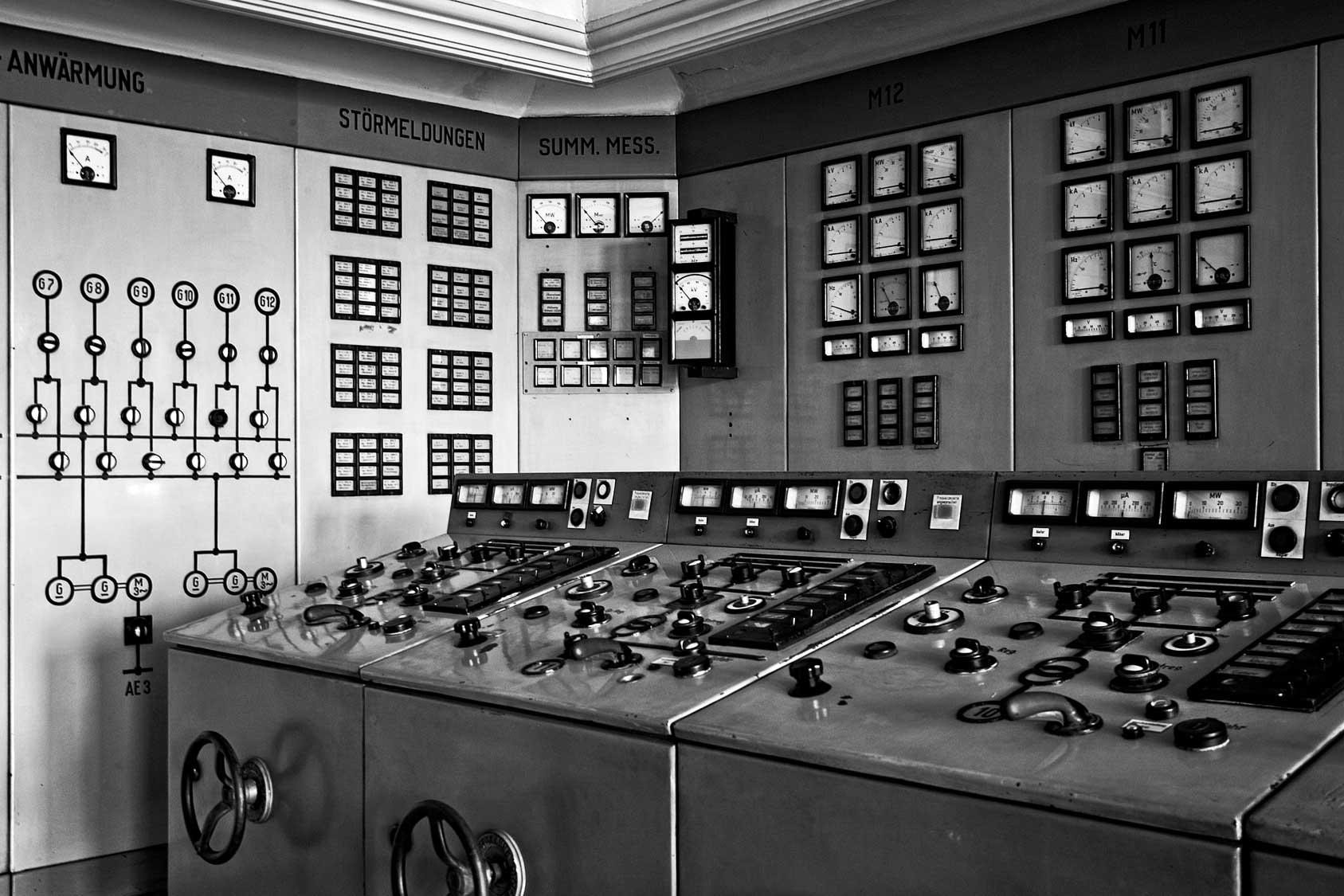
I am most interested in old industrial complexes, dilapidated power stations and dilapidated barracks. The rotting technology of heavy machinery makes the heart of the Urbexer beat faster. Coupled with the smell of old machine oil in the air, the lost place is brought back to life. Often everything is still lying and standing as it was when the lights were last switched off. I find that very fascinating.
The "Urbex Code": Do not change or take anything with you when entering the location
If you are interested in this hobby, you should observe your surroundings with open eyes. The greatest Urbex treasures can be found this way because they have not yet been overrun and photographed to death. I have often been lucky enough to get to know the owner, learn about the history of the lost place and easily obtain permission to take photos. Every Urbexer should be aware that without permission they are at best in a legal gray area.
Of course there are various Facebook groups and other networks for exchanging information. You can use Google Maps to get a good first impression of the "Lost Place" and also plan tours. Personally, I enjoyed meeting like-minded photographers from France and Belgium at the URB-EX photo exhibition in Luxembourg in 2019. I was able to find out the locations of lost places for my next vacation abroad in a friendly conversation.
 Marc Mielzarjewicz
The decaying technology of abandoned buildings in particular makes the hearts of Urbexers beat faster
For newcomers to this hobby, I recommend an organized photo tour at the beginning. In this way, for example, you can explore Germany's most famous lost place - the Beelitz sanatoriums - and get a taste of the air of sanatorium days long gone. By the way, there is an illustrated book about the Beelitz sanatoriums published by Mitteldeutscher Verlag. Since one of the few constants in the universe is decay, you can pursue this hobby long and hard. Constantly discovering new lost places from different angles makes urban exploration exciting and never gets boring. If you would like to find out more about my work, please visit my channels.
More from Marc Mielzarjewicz
Marodes.de
Website of Marc Mielzarjewicz
Instagram @urbexzar
Instagram@photofineart.de
Facebook