On vacation in Japan with the Panasonic S5IIx - 2 weeks test report
Nothing is more beautiful than traveling and vacation moments should be captured for eternity. Today I would like to give you an insight into my lifelong dream, or rather my dream trip, and what I had planned for it. I'm a passionate cosplay photographer and usually travel with the Nikon Z system. But I have to think outside the box when I look at the conditions in Japan and put my requirements into perspective.
Table of contents
The requirements for travel equipment
The final equipment list
The marginal details of the Panasonic system
Autofocus reliability of the S5IIx
Video with the S5IIx and DJI Action 3
Battery life of the S5IIx on vacation
Lumix smartphone app
Memory management during the trip
What would I wish for?
What did I love? Roughly summarized
A few travel tips for Japan
Conclusion of the travel equipment
A very personal conclusion
The requirements for the travel equipment
In line with the song title "Big in Japan" by Alphaville, my planned equipment was also very extensive and carefully planned right up to the end. We went to Kyoto, Osaka, Uji, Nara, Tokyo and Hiroshima. Each of these destinations had its own requirements. It was a question of weighing things up: So from telephoto zoom to wide angle, everything is needed. Did I use everything? Yes!
I also had it in my head to edit a short video after the trip. So the camera also had to support some formats. But the factor that was probably neglected was time, because it gets dark quickly in Japan. So we had night from 5 pm onwards. So one of the requirements for the camera was to offer strong ISO performance and very good low light autofocus.
Everything that only works semi well with my Nikon Z7II due to the high megapixels. A Z9, Z8 or a Nikon Z f were not an option. I even had the Nikon Z7II in my partner's hand luggage for fear that I wouldn't get to grips with the system. But I didn't even touch it.
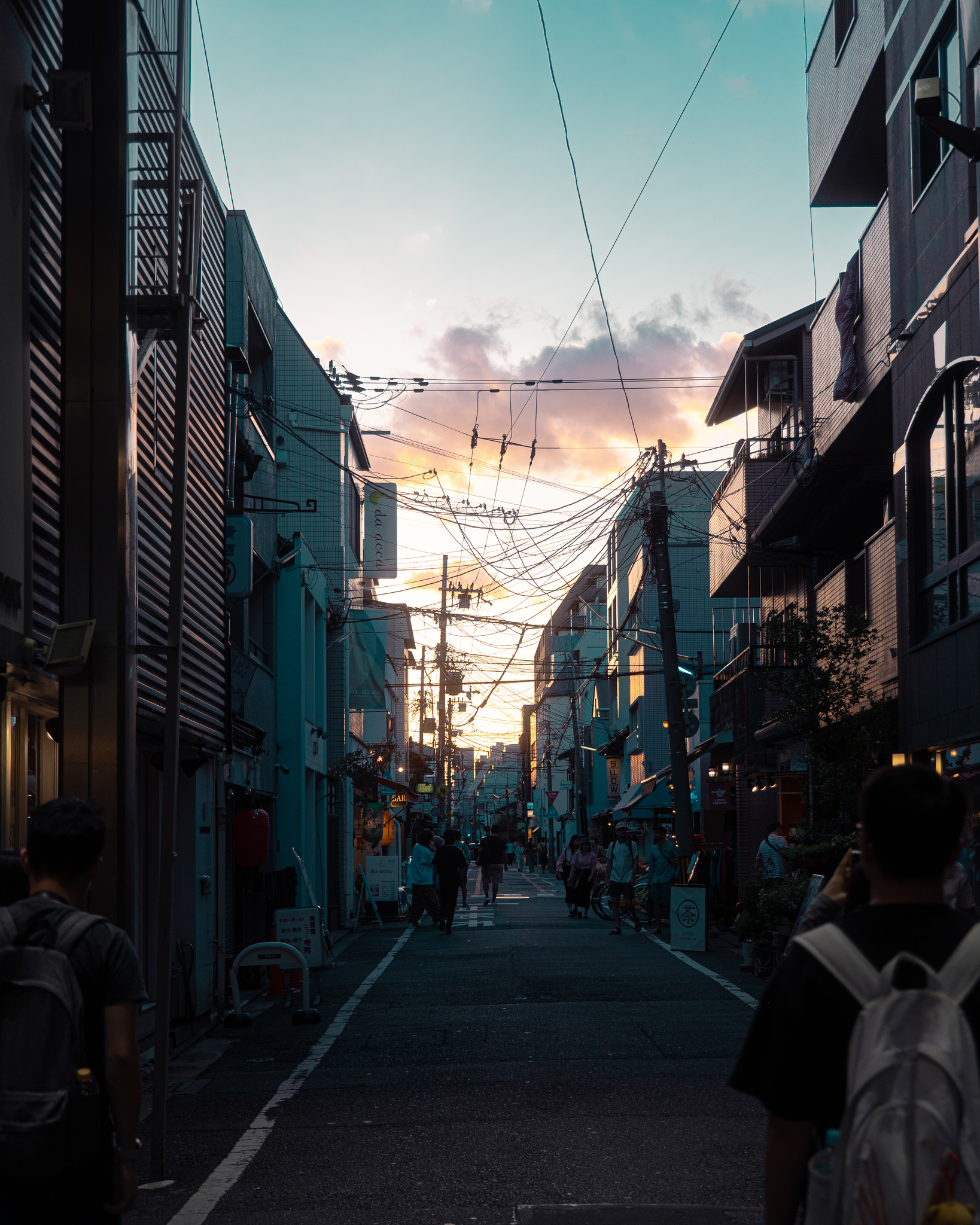
 Kyoto evening mood with the Lumix 24-105 f4 Macro
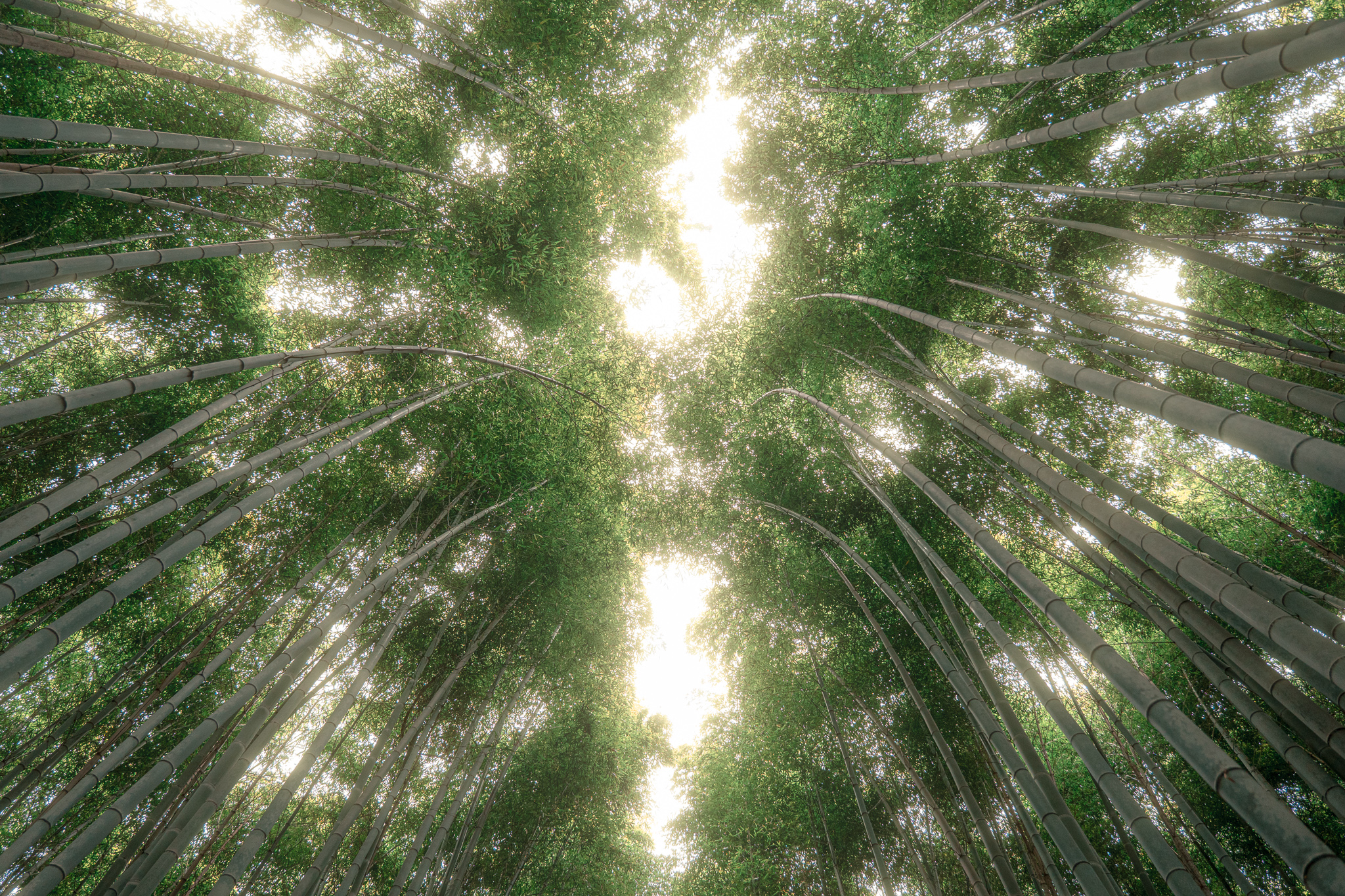 Bamboo forest near Kyoto with the 24-105 f4
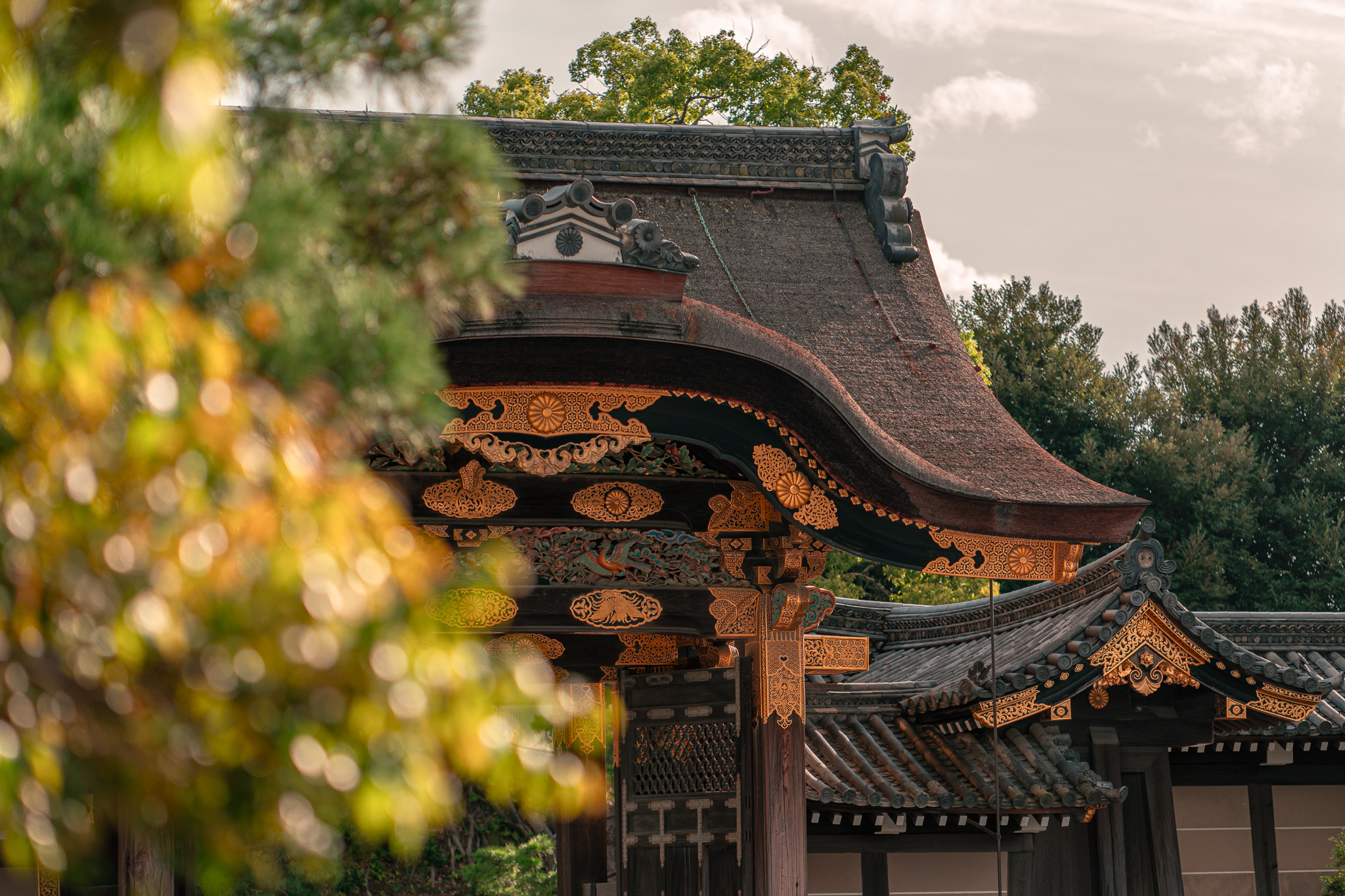 Kyoto Castle Nijo with the Lumix 70-200 f2.8
The final equipment list
- Lumix S5IIx
- 2x 128Gb Lexar UHS-II SD cards
- H&Y ND / CPL filter 67-82mm
- K&F Concept Mistfilter 82mm 1/4 & 1/8
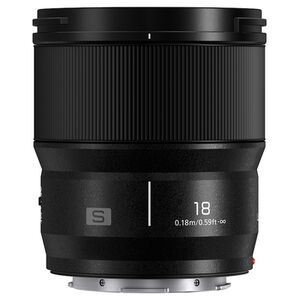
- Panasonic 18mm f1.8
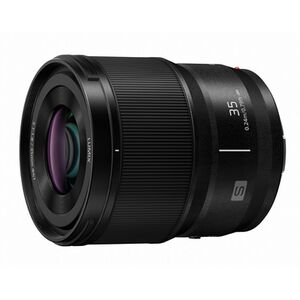
- Panasonic 35mm f1.8
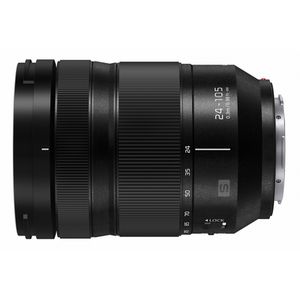
- Panasonic 24-105mm f4
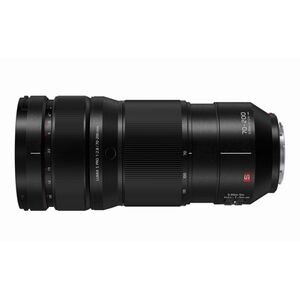
- Panasonic 70-200mm f2.8
- Sirui Venus 50mm Anamorphic t2.9 1.6x full frame
- Sigma Art 35mm f1.2 DG DN


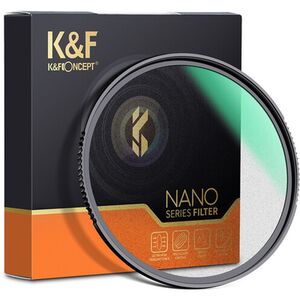
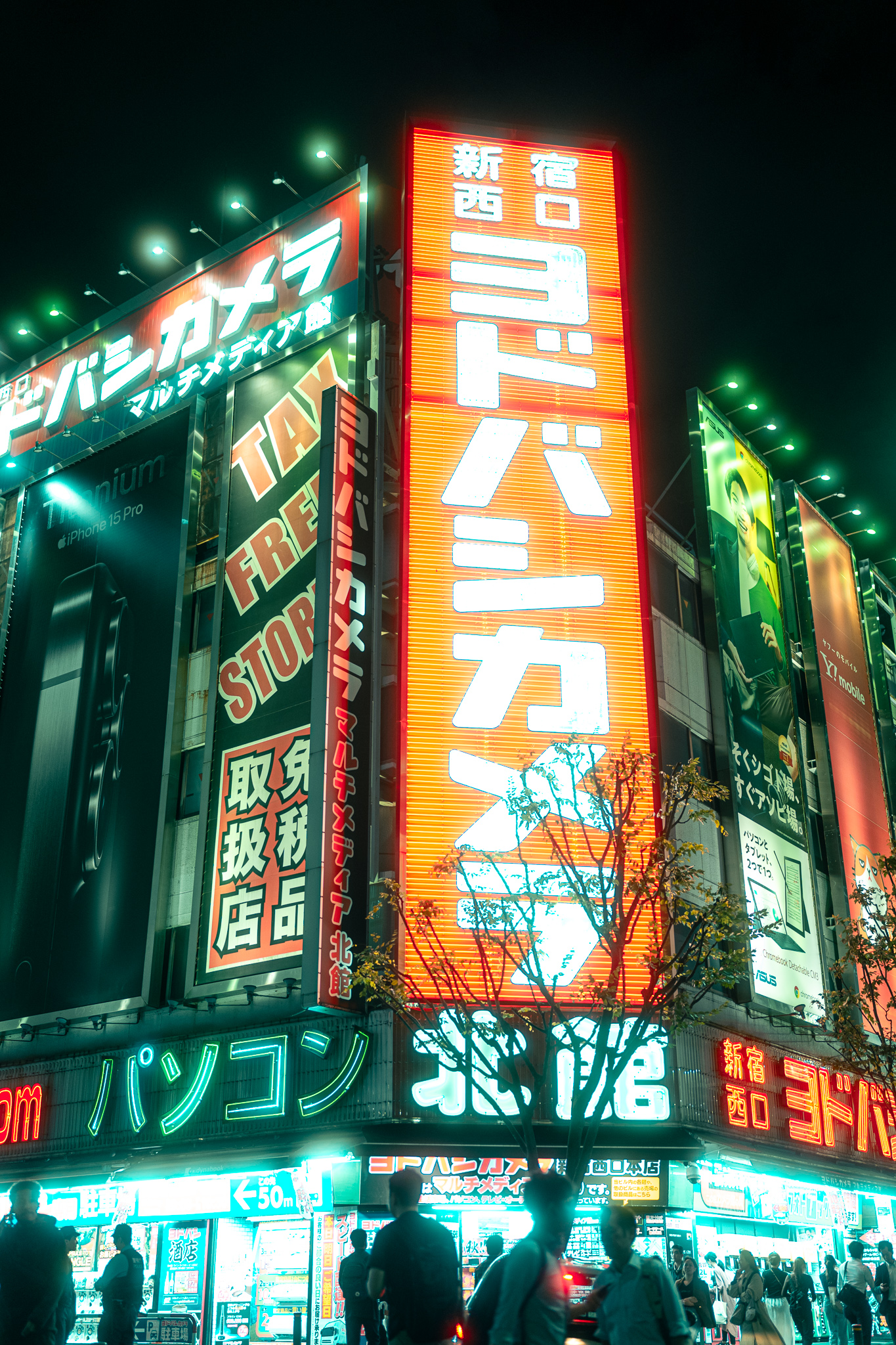 The effect of a mist filter at night and with many light sources
A few thoughts on the equipment
The 18mm for the cities and the 24-105mm for macro (insects, food) and video. The 70-200mm is a perfect all-rounder and has been my "always on" lens for many situations in Japan's rural areas. I took the 50mm with me primarily for videos, but in the end I didn't use it out of sheer fear that I wouldn't get the focus I wanted. We had fewer situations with the Japanese tuning scene in Tokyo than I had thought or intended, but the time factor also plays a major role here.
In Japan, you can see a lot of details on the roofs of traditional buildings and this is where a telephoto zoom really comes into its own if you want to document them. I had many images in my head and also in mind of how I wanted to capture Japan for my travel reportage: they should capture the tranquillity, the traditions and the hustle and bustle factor at some points. With the 18mm in Tokyo or Osaka's Koreatown, many dynamic shots were taken, which showed the limited space and the impressive skyscrapers. It was especially fun to take a walk in the evening in Shinjuku in the city's street food alley, where every store offers fresh yakitori and beer. It's super narrow, the path is maybe 1.5m wide. Shooting there with 18mm was a bit crazy!
The 35mm. Yes, I probably could have traveled with just the Sigma, but I wanted to balance the two lenses against each other, which I managed to do in the night situations. But we're also talking about small things here, which you should also simply offset in terms of weight. The Panasonic 35mm simply wins! Perhaps I should also mention the weight of the equipment: It was 10Kg, which I had stowed in my backpack in an F-stop insert.
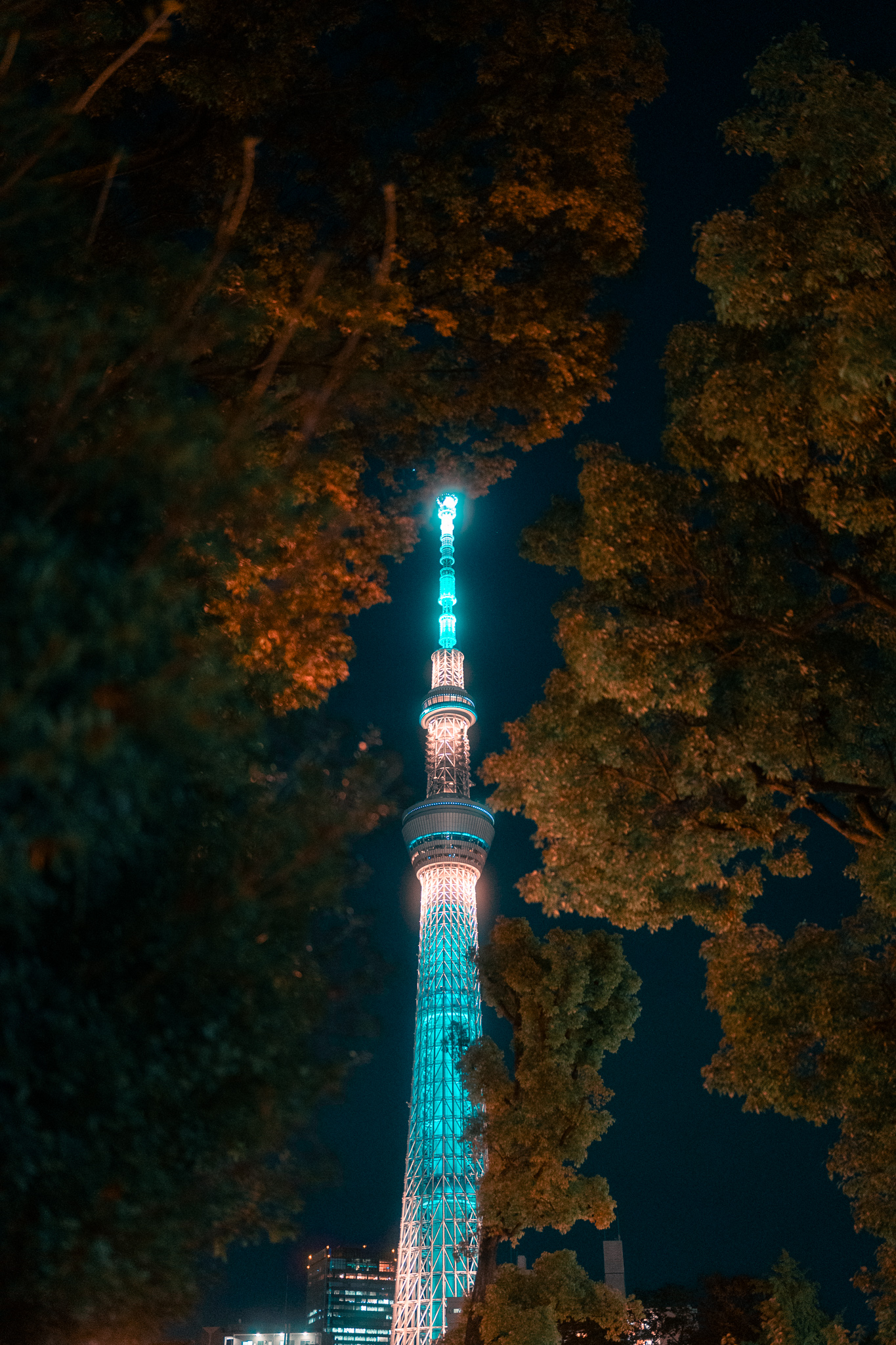 Tokyo Skytree taken with the Sigma Art 35mm f1.2 | Mistfilter 1/4
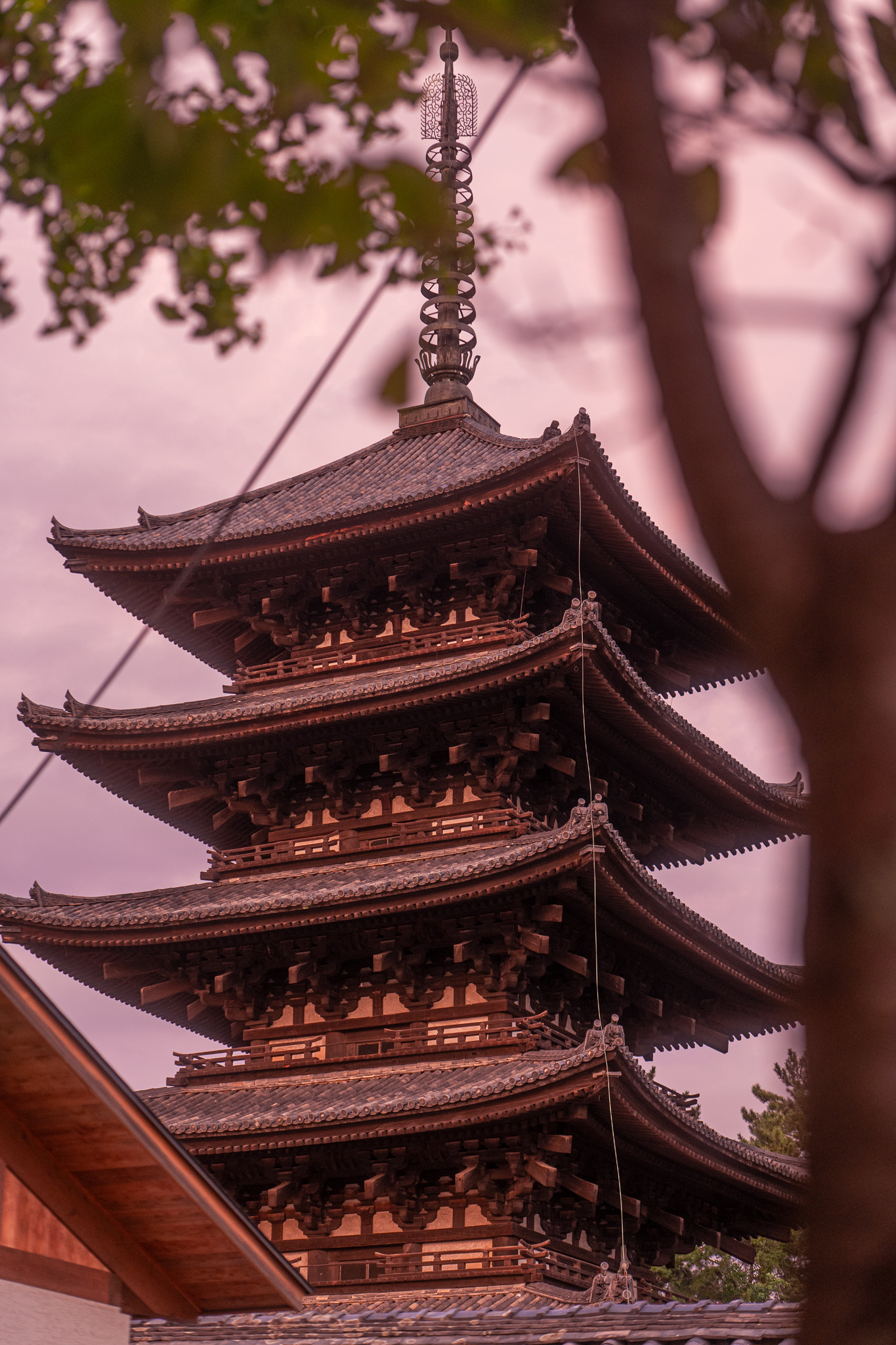 Nara - Kofuku-ji Gojunoto - Taken with the Lumix 70-200 f2.8 | Mistfilter 1/4
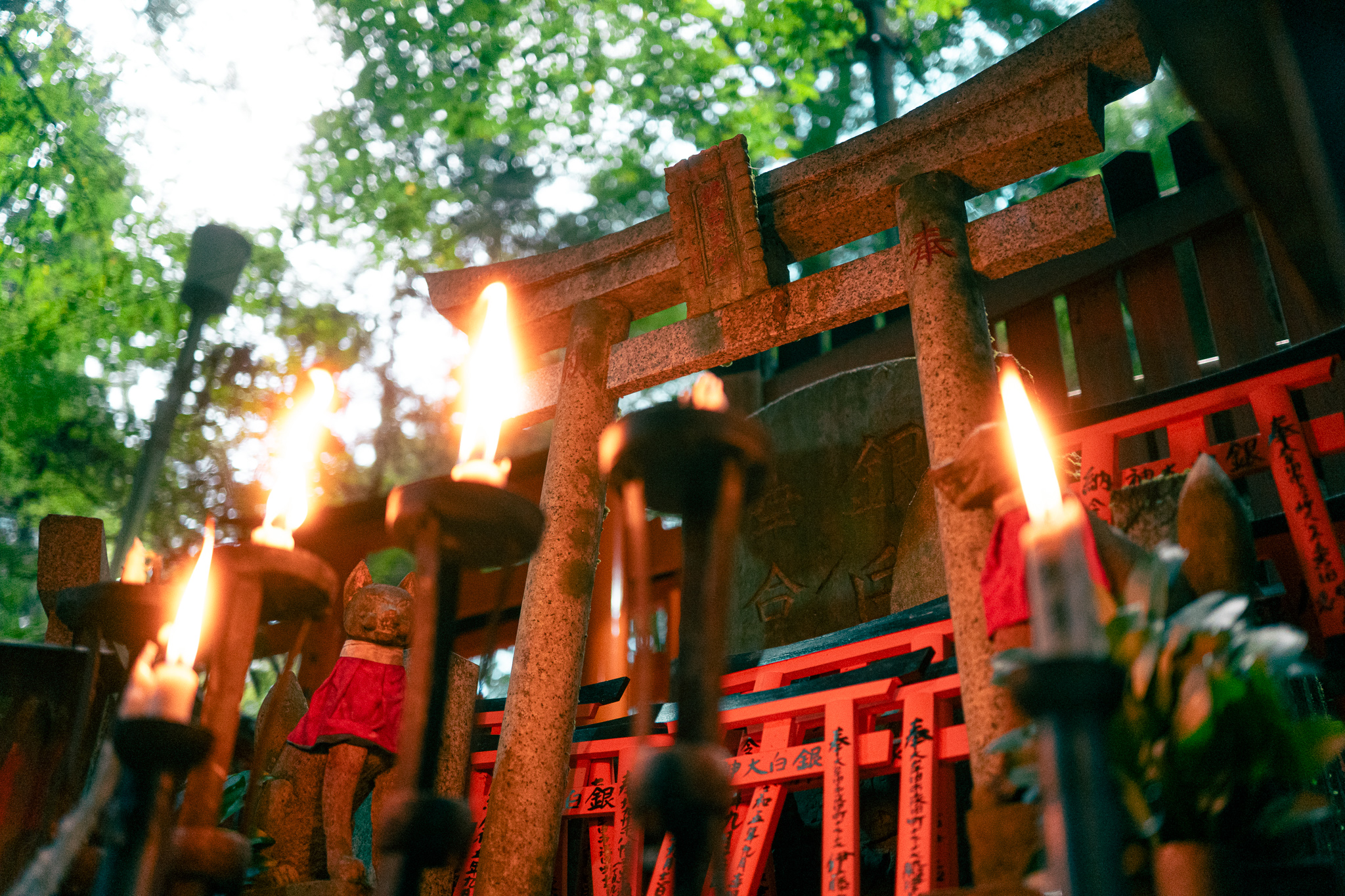 Fushimi Inari-Taisha - Private shrine with the Lumix 35mm f1.8 | Mistfilter 1/4
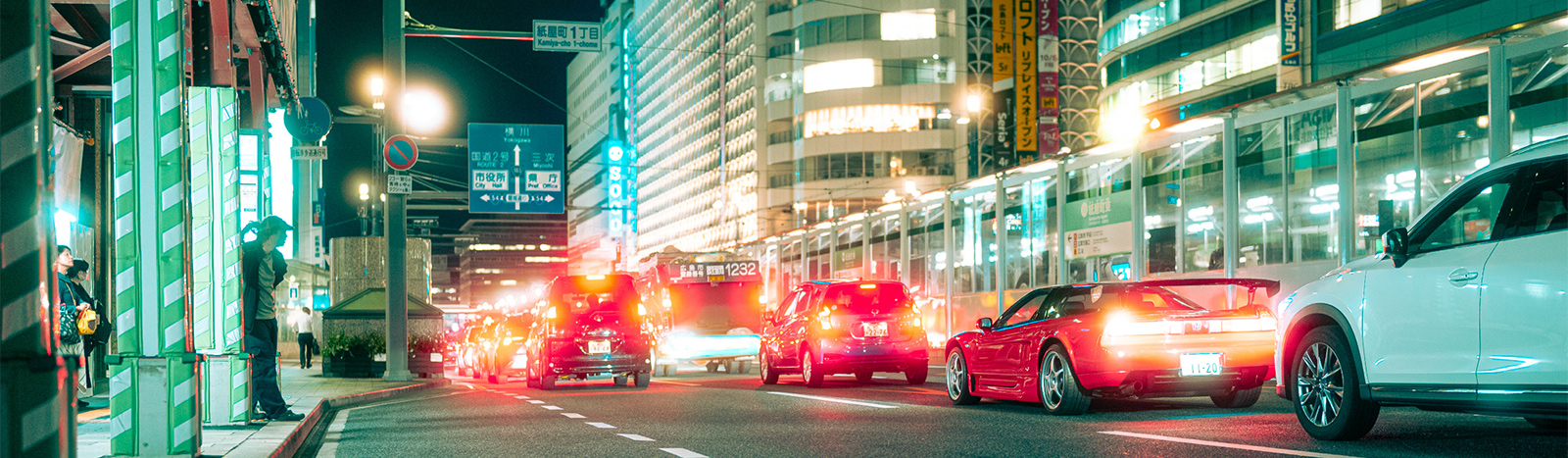
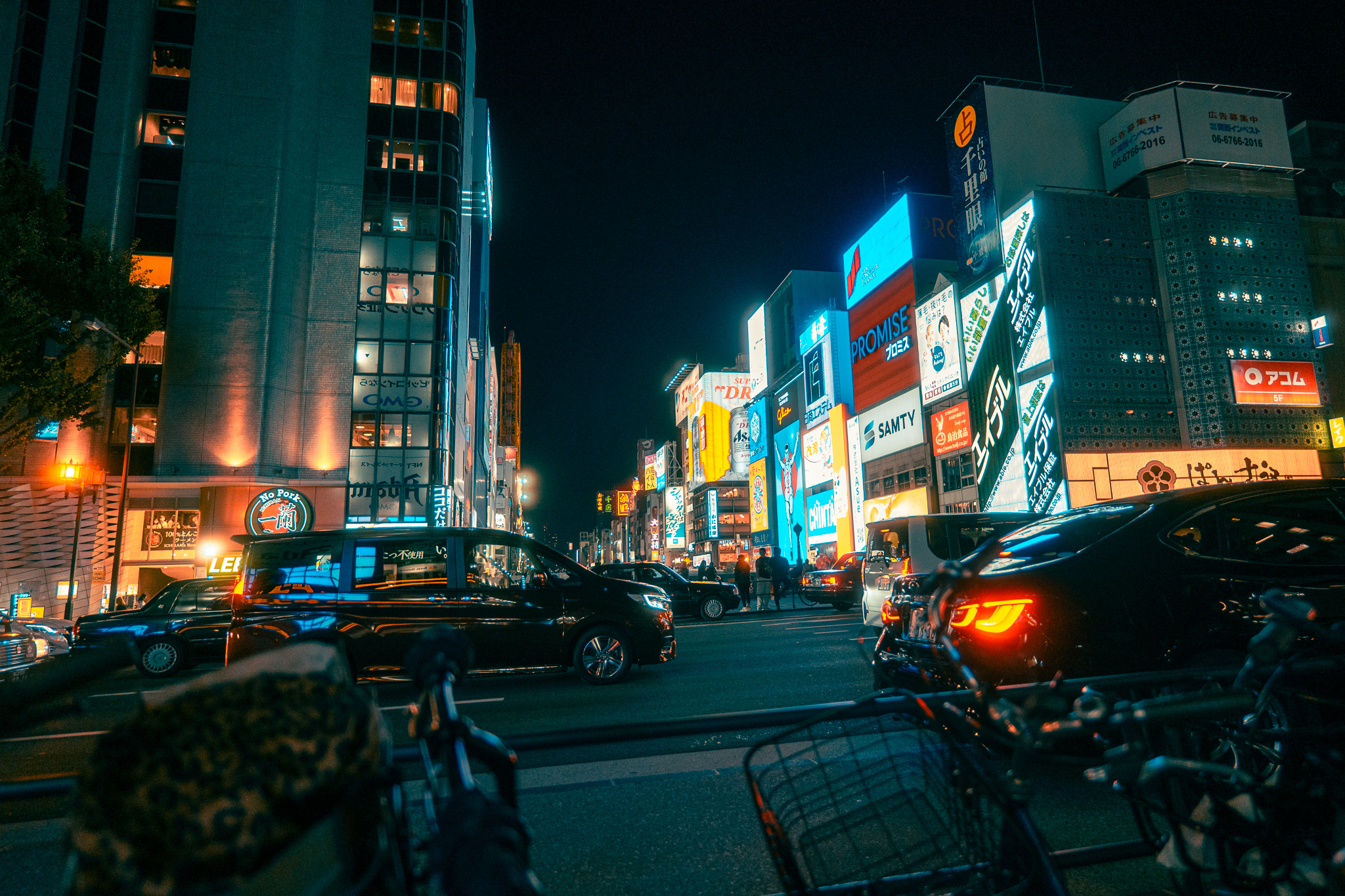 Osaka Dotonbori - Panasonic Lumix 18mm F1.8 | Mistfilter 1/4
The marginal details of the Panasonic system
The Panasonic menu is second to none. Nikon certainly offers one of the most comprehensible and intuitive menus here, as these have only changed minimally over the various camera generations. But now Panasonic is unbeatable with its range of functions and the depth behind some points. Awesome! I configured my own menu to access all the settings as quickly as possible. It was a bit annoying that many items for video and photo are duplicated and sometimes cannot be accessed from one to the other. This meant that some items were initially duplicated in my menu, but were later removed or swapped.
At night, I used to adjust the ISO before taking the next picture without looking at it, adjusting the camera while holding it in my hand and counting the clicks as I knew where I was with the ISO. This allows you to quickly adjust the ISO and continue to find the subjects.
Another thing I really liked was the focus ring on the 70-200mm. With its click system, it can be quickly switched between manual and autofocus. I also liked the form factor of the fixed focal lengths and the fact that they have the increasingly common 67mm filter standard and also the same height and a similar weight. Perfect for videographers working with a gimbal. But I shot crisp images at f1.2 and 1/50.
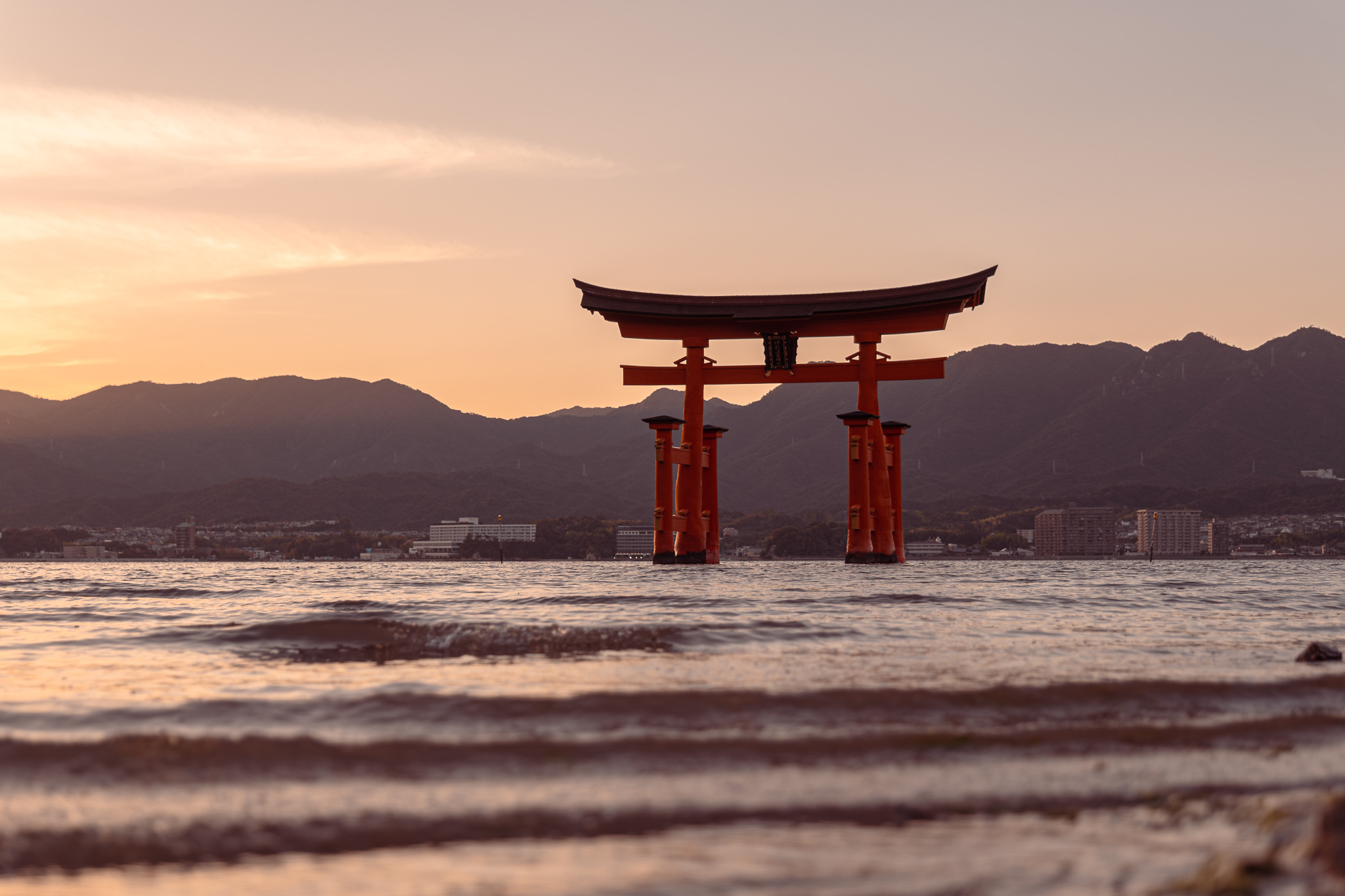
Autofocus reliability of the S5IIx
Whether S5II or the X variant, both work like a beast, I am definitely convinced of that. I put them to the test again and again with a 1/4 crap filter. The only thing I had difficulties with was the choice of subject. Because here I find that the camera tends not to focus on the target I'm aiming for. As a result, I often flipped through the various modes using the focus button on the back and also used the joystick a lot. Especially with macro, I almost always manually aimed at my target, because the problem here is that the lens always focused on the target at the back, because it was often a situation in which a spider or another insect was perched above us and the focus jumped to the things in the background, as these usually had a higher contrast.
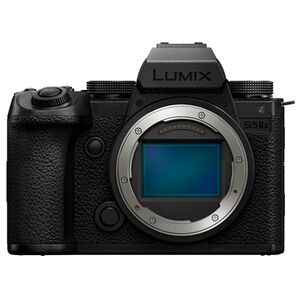
Panasonic Lumix DC-S5IIx
- Black Edition Design
- 24.2 megapixel full-frame sensor
- new processor with L² technology
- Dual Native ISO
- uncompromising image quality
- RAW video output
- USB SSD recording, All Intra recording
- Pro Res Recording, Pro-Level Streaming
- Phase Hybrid AF
- built-in fan
- 6K 30p/25p 4:2:0 10-bit
Video with the S5IIx and DJI Action 3
Yes, I had already tried to record with the SSD in advance, which I managed without any problems. The settings around 4K 30fps or the 4K Crop 60fps are also super easy, and yes, you have to be careful which formats you set and which codecs you use. Because depending on this, the memory card may not be able to write the required speed. I was able to test the camera's video features a little before my trip. Working with anamorphic lenses works very well so far, even if I miss the function to set my own stretch factor or to optimize the image stabilizer for it. But the fact that this alone is possible is a significant added value for me. All the formats and the Opengate simply offer a very well-rounded working environment.
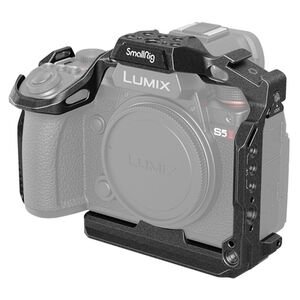
The DJI was intended more for small and quick moments or to document the long Shinkansen journey from Kyoto to Tokyo or in Nara when a deer tries to eat us because we have cookies or none (then they like to be cheeky and nip us). I have the Adventure version of the Action 3 with the battery charging station and the extra trays for memory cards, which is great for traveling. My Osmo Action 3 is in the Small Rig Cage and the S5IIx in the Blackmamba Cage are well protected and access to the battery is still possible, especially with the DJI. The Blackmamba Cage provides good access to all buttons on the S5II.
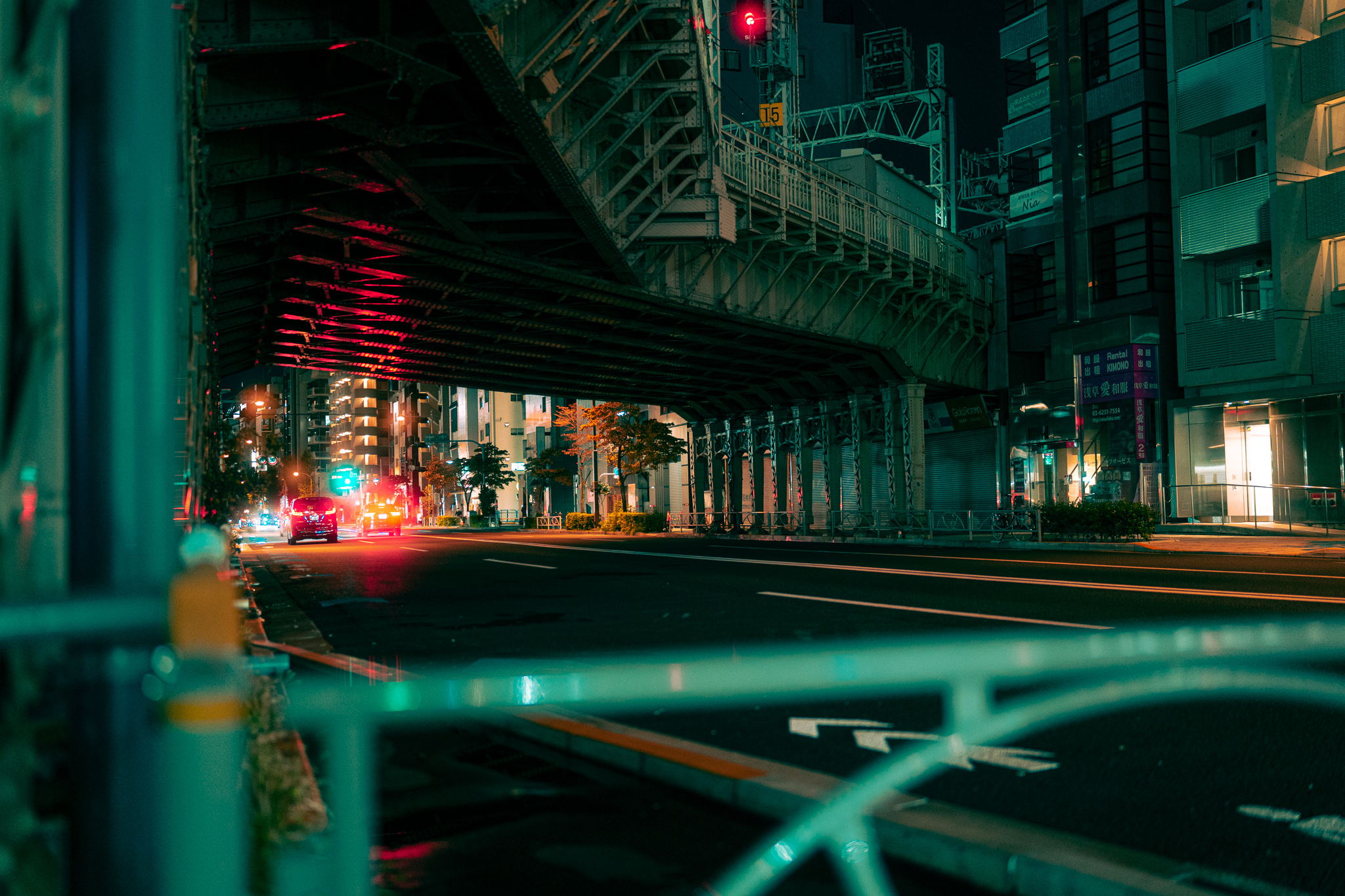
Battery life with the S5IIx on vacation
I think the question of battery life is one of the most exciting questions. It turned out that you can go a long way with three batteries and on average I used two a day. So I charged one battery in the camera and the other externally. I also used the Bluetooth function with the app in the meantime to send pictures to my cell phone to send them to friends.
Lumix smartphone app
Overall, the app is easy to use and fast when transferring data, of course with raw files. Unfortunately, I was not able to transfer them as compressed JPEGs, which is what I had set up. This may also be due to the pre-production model of the camera I had with me. But what works really well is the firmware update and I also find the connection for going live via the app very well solved.
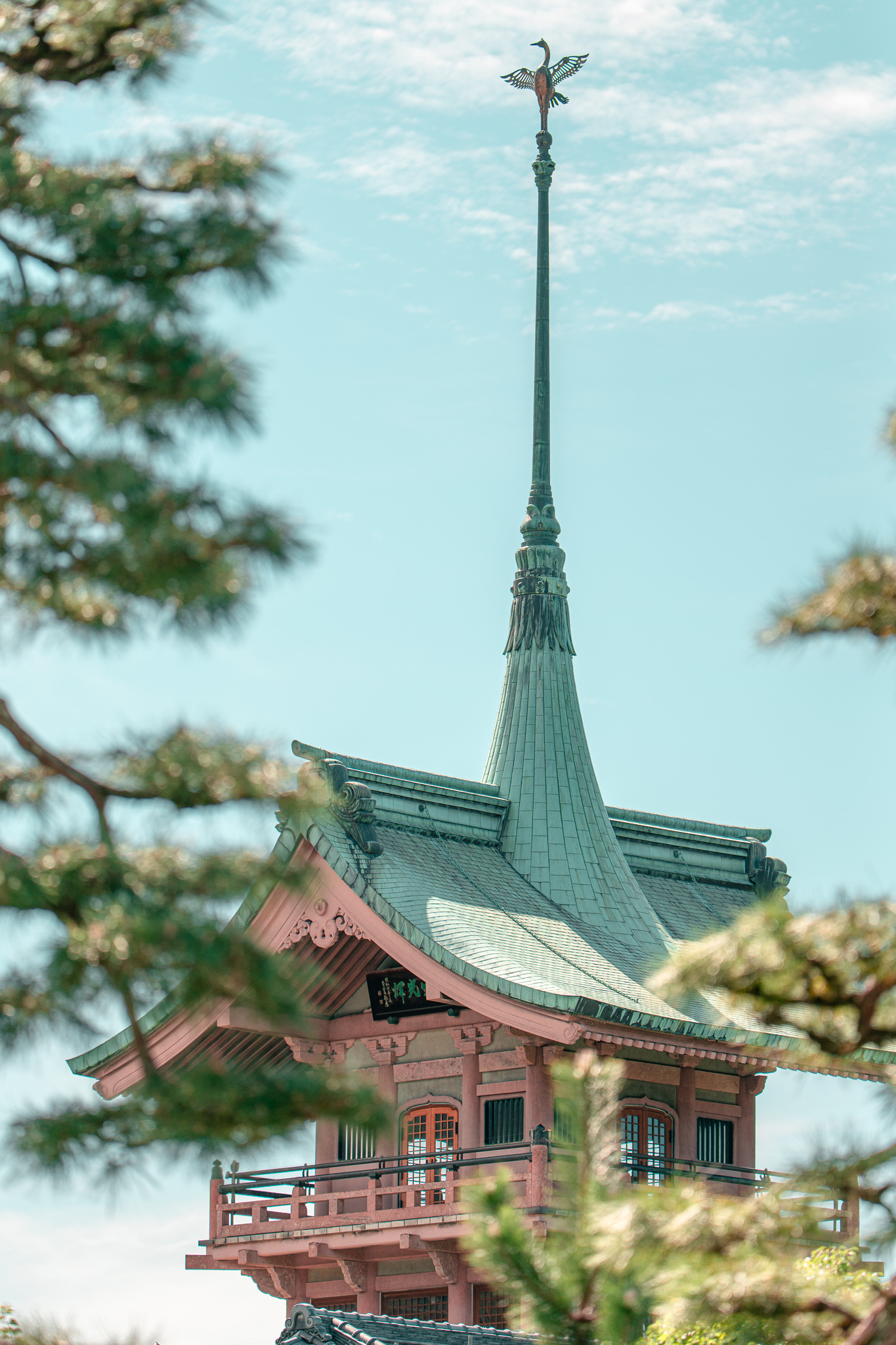
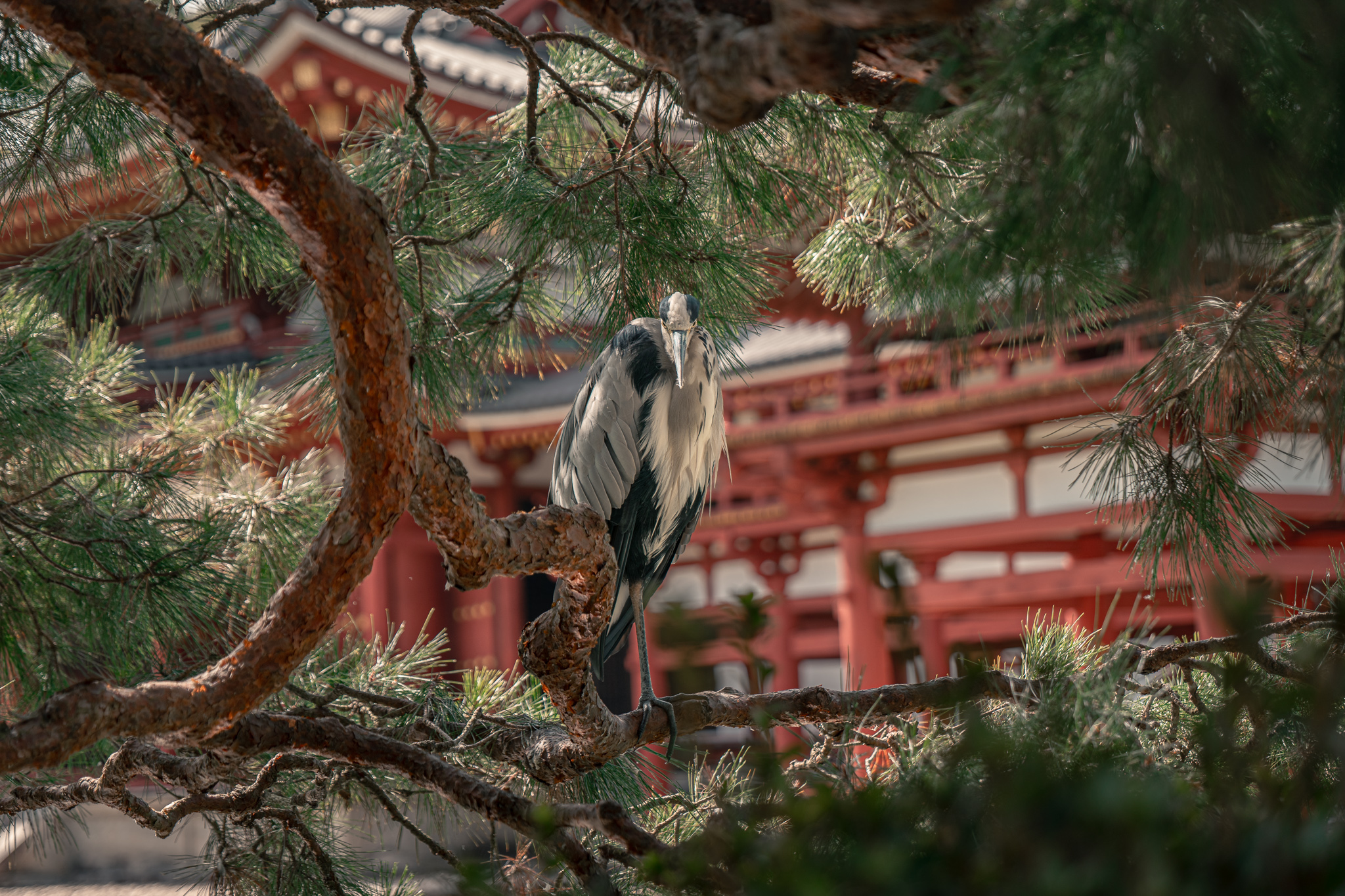 Uji By?d?-in with crane and the 24-105mm at f4
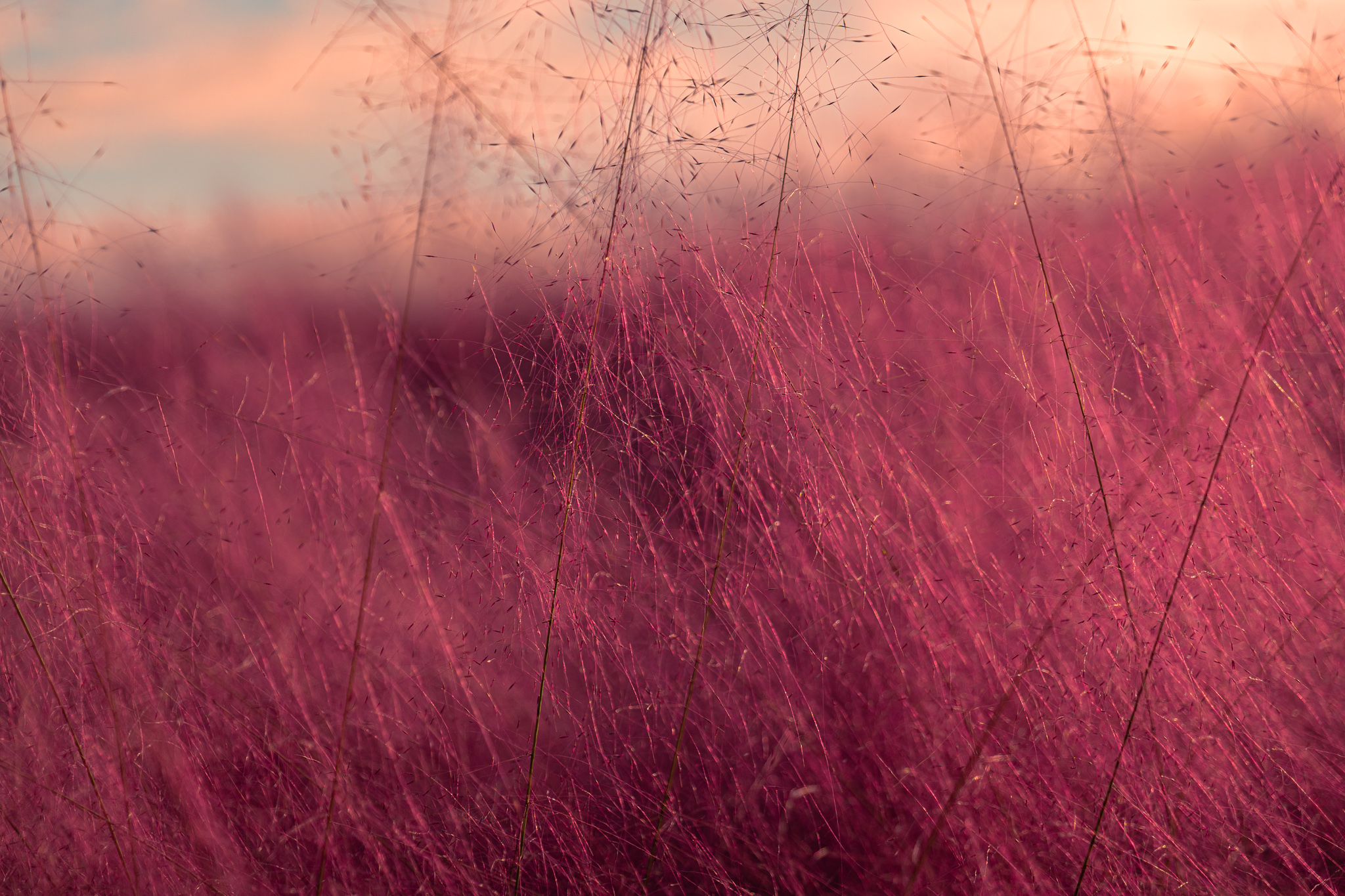 Osaka Expo 70 Commemorative Park with the Panasonic 24-105mm f4
Memory management while traveling
The topic of memory cards and storage space in general: I had a 1TB M2 SSD in a docking station with me and a second 2TB SSD with which I wanted to record video material. I decided to pull the videos from the memory card every evening, as these take up the most data, to save space for the raw files. On average, between 190 and 250 photos were taken every day, which after 14 days is a decent amount of data. I photographed in backup and had I not done so, the whole thing would have worked without worrying about the final amount of data.
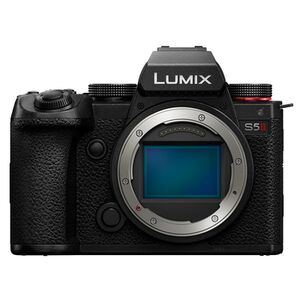
Panasonic Lumix DC-S5II
- 24.2 megapixel full-frame sensor
- new processor with L² technology
- Dual Native ISO
- uncompromising image quality
- Phase Hybrid AF
- built-in fan
- 5.9K video
- Burst: 30B/s (electr.) / 9B/s (mech.)
What would I wish for?
I have praised a lot, but I also have to say that I have noticed a few things where I still see room for improvement for software and co:
- Faster switch-on times, after switching off for a long time
- Anamorphic display for photo mode too, ideally with a customizable stretch factor
- A quick add function for the "My menu" at each menu item
- A slightly better display, because it is very reflective and the contrast is too strong, which sometimes makes you tend to prefer to expose a little too brightly. A little more nits would certainly do the display good and I think with the X variant for video it would be a unique selling point
- More precise autofocus for macro shots, so that it finds its target better
- Slightly better detail sharpness and slightly improved chromatic aberrations of the Panasonic 35mm
What did I love? Roughly summarized
- Autofocus performance, especially in low light
- Handling, rarely worked so intuitively
- Weather protection, we had a day in Tokyo where we only had rain
- ISO performance, really strong! Very pleasant noise behavior
- Incredible image stabilization with slow exposure times
- 120 heart viewfinder, resulting in a very smooth image. The Z7II only has a 60hz display
- Button layout and the wheel for scrolling through the images
 Hiroshima traditional theater play with the Panasonic 70-200 f2.8
A few travel tips for Japan
- Many people know English better than they say they do
- Always try to explain it as simply as possible
- Don't use cabs because they have exorbitant fees
- Google translator is a good tool to work with
- Don't accept street offers, as these are increasingly tourist traps
- If you want to do karaoke: they sometimes have German songs, depending on where you are. But also a wide range of English titles
- Dismantle the tripod clamps on the optics if not needed
- Try to eat in the rush hours and avoid them. 4-7 p.m. and 8-10 a.m. in the morning
- The best place to withdraw money is the Kombini around the corner, where the fees are manageable
- Put your backpack on the floor on buses and trains or carry it in front of your stomach
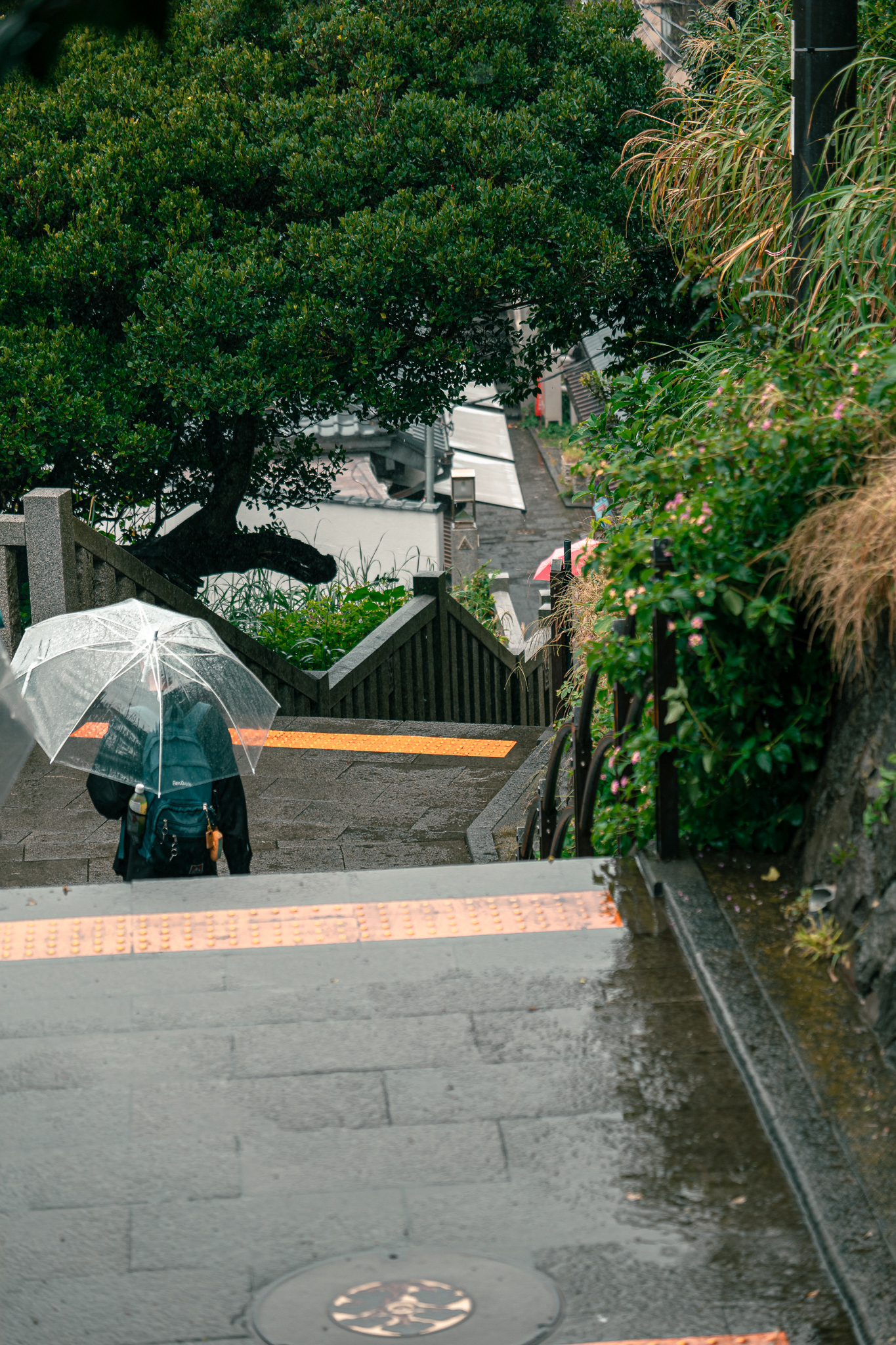
- Take a look at the different seasonal forecasts in Japan, so you can better target special events that take place in Japan's nature. For example, we just missed the red leaves of the Japanese maple.
Specialties from different cities
Of course, I have to share a few tips about the food and drink on our trip:
- Osaka: Korean food, okonomiyaki, takoyaki and cheesecake
- Hiroshima: Oysters and Momiji Manju on the island
- Uji: Matcha, because it comes from there
- Kyoto: Matcha and Yatsuhashi
- Nara: Kakinoha Zushi
Conclusion on the travel equipment
Many would say: "You need a tripod for traveling!" That's certainly an option, but it would have been too bulky for me. I had packed one in my suitcase, but unpacked it because I didn't need it and I wanted to see what the image stabilizer could do at 1/50 and so on. Another piece of information: a tripod is prohibited in many places of interest anyway. I couldn't and wouldn't have wanted to do without any of my lenses except the Sirui, as I used all of them again and again. Perhaps I could have done without the 24-105mm, but with its macro function it is definitely relevant for a trip to Japan. The zoom range alone justifies the use of this lens, it does a very good job and many of the pictures shown here were taken with this lens. The H&Y filter was a real dream with the revoring, quickly adapted to all lenses and off you go.
Many things about the Panasonic are simply a joy to use. Because when you work with it, after a certain time you just fly through your self-configured menu and set everything else you need. I think that the S5II would make a lot of DSLR switchers happy and Sigma is also picking up many users of the Canon system who may not have any prospects with the RF system, because the adapter allows many EF lenses to be used on the L mount.
The colors that you capture with the camera are simply super pleasant to look at. Whether it's the skin tones or the colors in nature, you can already see the influence of Leica here. I really hope that Netflix includes the S5IIx in its range of certified cameras. If you're not dependent on the video codecs, the S5II is a particularly good choice for the full-frame system and the versatile L mount system, and it will be interesting to see which other companies will follow suit.
I really enjoyed the excursion into the Panasonic system and I'm very happy with the results of my trip, even though I didn't use the LUT function because I didn't want to commit to one style for the trip. I exported my settings for your own camera. In your own menu, some menu items are certainly still totally unsorted, but you can work well with them.
Would I buy an S5II or S5IIx now to get into photography or would I consider switching? Yes. Because the system simply offers a very strong complete package, which I can't find in any other brand. I also think that the price you pay for the system is more than justified and the experience of photography and videography with the devices is simply very pleasant and that's why I will probably take a step into the system sooner or later!
By the way, you can download the LUTs of the images in many places in the article. Perhaps they will help you to get the most out of your camera and your trip to Japan. It's important to know that they also change your exposure a lot. Try them out in advance and see how you can best apply them.
A very personal conclusion
For me, the trip was also a search for new approaches and perspectives. During my time in Japan, I was able to meet a German friend who emigrated to Japan, make a new friend with whom we explored the region around Kyoto and who wears a kimono / yukata every day, and deepen my friendship with our guide couple. I was also able to learn more about Shintoism and Buddhism, which was exciting and a world of its own. During my first Sento visit in Kyoto, my colleagues and I met a group of Yakuza (yes, they are actually not allowed to enter). I would therefore also like to thank Panasonic for the opportunity to take the camera and lenses with us on this trip.
In Tokyo we met a German photographer colleague who is currently traveling in South East Asia for several months. Experiencing all this in such a distant country was worth the 17-25,000 steps every day. From the tears of joy when we landed to the tears I shed in Osaka airport when we said goodbye to our companion from Kyoto. It was a trip that I will remember for a very long time.
I think that the trip helped me to see many things differently and allowed me to see many perspectives with an open eye for the environment, where in everyday life you would perhaps look at your cell phone more often. I consciously let my gaze wander through the rooftops and streets.

More about the author
This article was written in my spare time and it is important for me to say that the industry has had no influence on the article. I love to use photography to capture my point of view and then to share my journey with the devices I tested. Because we can test these new cameras ourselves for longer and give everyone a deeper impression / experience.
My social media