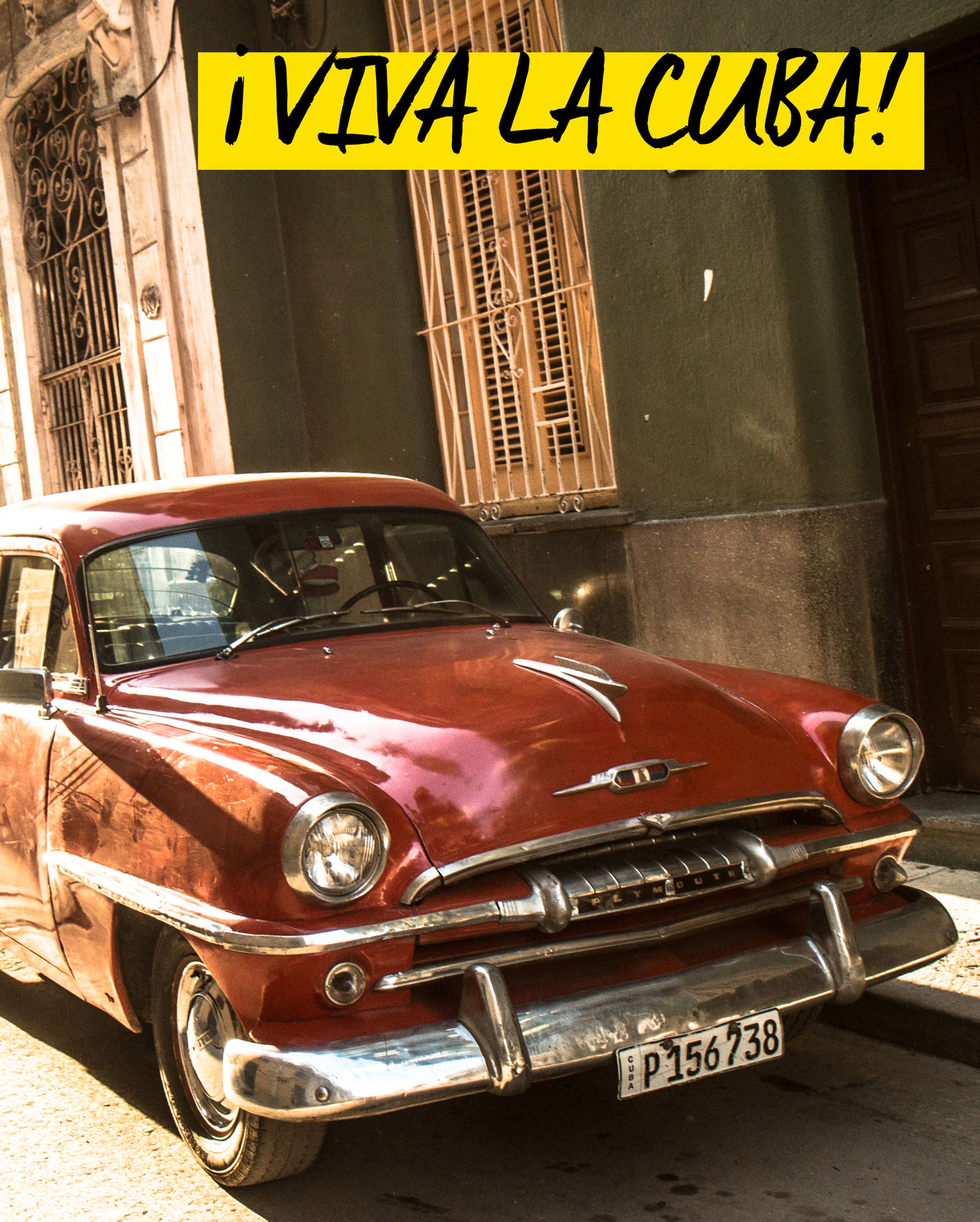
!Viva La Cuba!
From the magazine Schnappschuss No. 53
Cuba - Caribbean-white sandy beaches, cigars, cocktails, salsa music and, above all, old cars and Soviet influences: Is a vacation in Cuba a trip back in time?
That's exactly what my girlfriend and I wanted to find out at the beginning of the year. by Daniel Krug
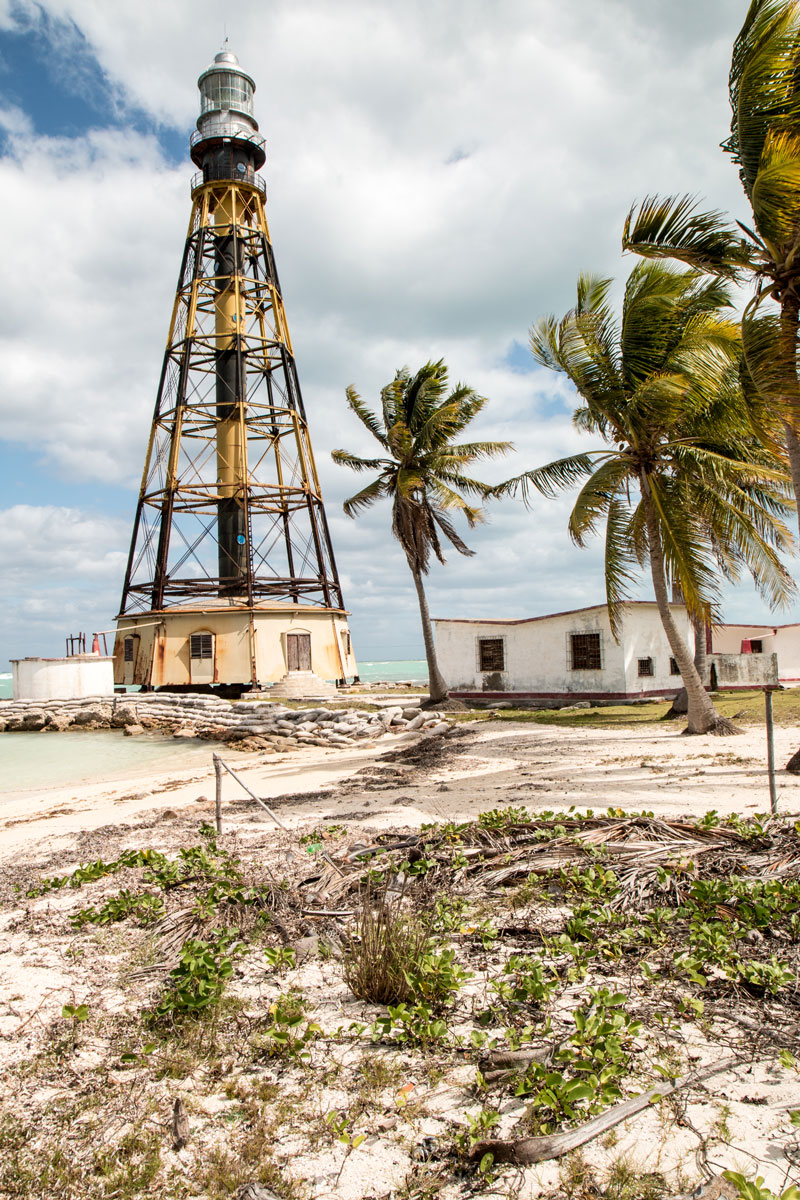
Ever since Barack Obama and Ra?l Castro approached each other, meaning that Cuba and the USA spoke to each other again for the first time in decades, it was clear that the Caribbean island had to be visited as soon as possible. Before US citizens can travel there more easily, before the country is flooded with American tourists, before all the old cars are slowly but surely bought away and disappear. There are still plenty of historical motifs that make photographers' hearts beat faster. Photographic situations lurk around every corner. It's not difficult to find them, the camera should always be ready to shoot. And if you have enough of the Cuban motifs in the box, there are still the white sandy beaches with the crystal-clear water for the classic vacation photos and of course for relaxation.
Cuba is fantastic. Cuba has a feeling all of its own when you stroll through the streets of Havana, for example, and experience its ramshackle charm. Although the ravages of time have gnawed away at all the imposing colonial buildings, they still convey a grandiose past splendor. In contrast to this are the restored squares, which seem almost artificial and surreal. There are also simple, almost crumbling (prefabricated) buildings all over the island. However, it is precisely this mixture that makes up today's Cuba and provides plenty of photo material
Photographic situations lurk around every corner. It's not difficult to find them, the camera should always be ready to shoot. And if you have enough of the Cuban motifs in the box, there are still the white sandy beaches with the crystal clear water for the classic vacation photos and of course for relaxation.
Cuba is fantastic. Cuba has a feeling all of its own when you stroll through the streets of Havana, for example, and experience its ramshackle charm. Although the ravages of time have gnawed away at all the imposing colonial buildings, they still convey a grandiose past splendor. In contrast to this are the restored squares, which seem almost artificial and surreal. There are also simple, almost crumbling (prefabricated) buildings all over the island. But it is precisely this mixture that makes up today's Cuba and provides a lot of photo material. Another of my photo highlights were the old vintage cars from the 1950s and before. Beautiful road cruisers, Cadillacs and the like, which could be seen and, above all, smelled everywhere. They had been lovingly restored, maintained and fitted with new engines by the Cubans. In contrast, we also drove in old Soviet Ladas, which were only held together by a few wires. However, the fact that Cuba is also becoming increasingly modern can be seen in the USB radios in the aforementioned collector's vehicles or the Apple stickers with the Cuban flag, although there are actually hardly any American goods to buy. Nevertheless, horses and carriages are still one of the most widespread means of transportation and many fields are cultivated with oxen and ploughs. Only very few people can afford a car, let alone gasoline. A large part of the population has to hitchhike, while others are modern, stylish people and already have a smartphone. However, we didn't have the internet once in the two weeks (even though it is available in some places), which was very relaxing and pleasant.


Most Cubans are incredibly friendly and helpful. The best place to stay is in the homes of families who rent out a room or two and where the food is sensational. Despite language problems on our part, they always managed to help us organize our onward journey. For example, by calling the station, as it is always questionable whether the train will run or stand still for a few days or weeks while waiting for spare parts from Russia or China. We were lucky, it ran.
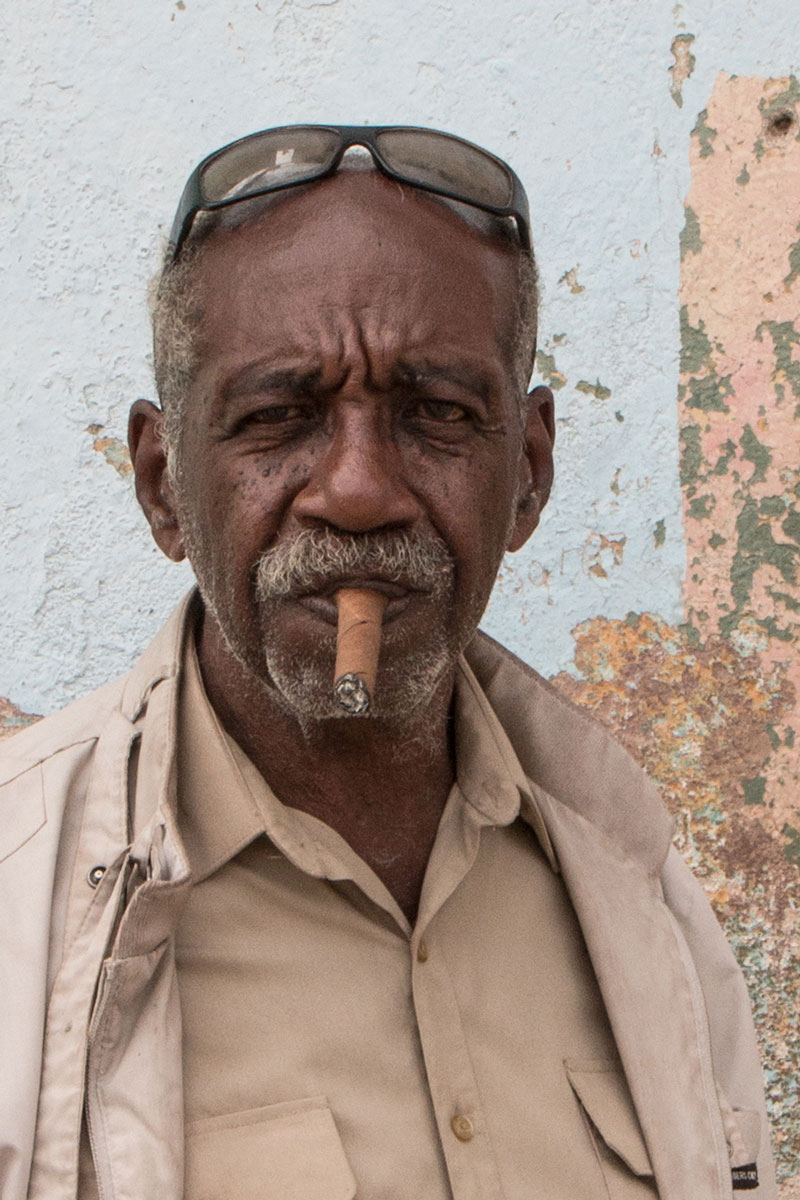
So even with a language barrier, it's worth traveling beyond the package vacation, because everything is done up in the tourist regions and you hear "Guantanamera" at least five times every evening. This has little to do with the Cuba of the locals. It is therefore worth taking a few steps away from the tourist hustle and bustle. The mini pizza still tastes best from the doorway around the corner, while you watch old Cubans playing dominoes with a cigar in their mouths. A photo on demand is no problem here:
?Viva la Revoluci?n! - the revolution never dies: on every corner, Che or Fidel are beaming from the walls of houses or from huge billboards, socialist slogans can be read everywhere. Once Fidel Castro was pictured together with Hugo Ch?vez - which is still understandable - and Nelson Mandela. I wonder what the latter would have said about this!?
You can see everywhere that attempts have been made to build something in the name of socialism - even if Marx would surely turn in his grave if he knew which countries have adorned themselves with socialist or even communist feathers and in some cases still do. Keyword Soviet Union, North Korea etc. But that is another topic.


I was born in the DDR myself, but was too young to remember it. From stories told by my parents and grandparents, I can only guess what it was like back then. In Cuba, much of it is still the same or even more extreme. Outside of the tourist areas, some of the stores are almost empty. I think of a store in Matanzas that had three small counters: one for loose noodles or rice, one for soft drinks and water and one for two types of potato chips and one type of cracker. This is where the locals go shopping with their money, the CUP. Then there is the other money, the CUC, which is for tourists and higher expenses and can be exchanged for CUP by Cubans. You can also use it to shop in other more expensive stores, for example 500g of lentils for the equivalent of around 7 euros. This reminded me of the reports about the "delikat" stores in the DDR, where a can of pineapple cost 12 East German marks. In Cuba, there is usually only one type of cola, one type of soda and one official bus company for tourists. Rum, on the other hand, is available in abundance and in every conceivable form, which makes the CUC supermarkets look full. To get money, however, you have to allow for a minimum waiting time of half an hour at the banks.

Whether times will improve for the Cuban population remains questionable. One good thing is that Cubans have been able to leave the country more easily since Ra?l, even though they are hardly allowed to enter any other country. It is also good that more is being imported again and that the country is opening up more and more to the outside world. Those we have spoken to are looking forward to the Americans. Let's hope that Cuba largely retains its charm and roots, even if the evidence of the past is increasingly disappearing. Despite a rather poor population, most seemed happy and not as distressed as in other countries we have traveled to. Hopefully the Cuban gap between those who benefit from the opening up and those who gain nothing from it except rising costs will not widen too much. Hopefully the Cubans will retain their zest for life and take a step towards a modern, contemporary future, even if that means less food for us photographers.
?VIVA LA CUBA!

"Schnappschuss" magazine
The Foto Koch magazine has a modern, creative design and is relatively unique in terms of design and content. further information