 Thomas Stelzmann
16 | 100 ambrotypes
from the series 100 photos - 100 stories
Unique pieces instead of "digital thats's-what-everyone-does"
Thomas Stelzmann takes us into the world of ambrotypes; a world that feels like a journey through time. This is an excerpt from Schnappschuss no. 55: you can find the full report here.
by Thomas Stelzmann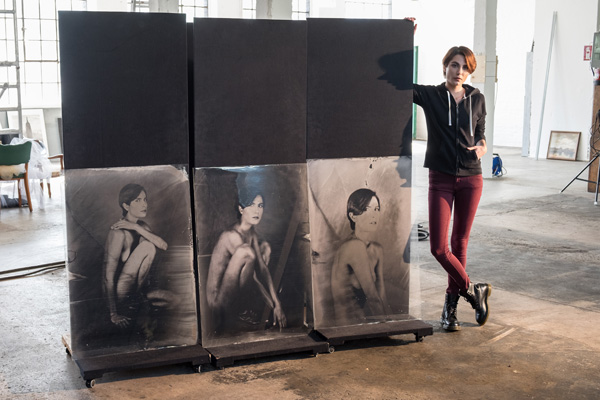
Back in the darkroom, the plate is developed and then fixed (again in the light). Here the unexposed silver compounds are washed out and the image slowly becomes visible. This is followed by soaking, drying and later an airtight seal. This is necessary because you are dealing with elemental silver, which gradually turns black on contact with atmospheric oxygen, as you know from grandma's good silver cutlery. The image would disappear after a few years and all the work would be for nothing.
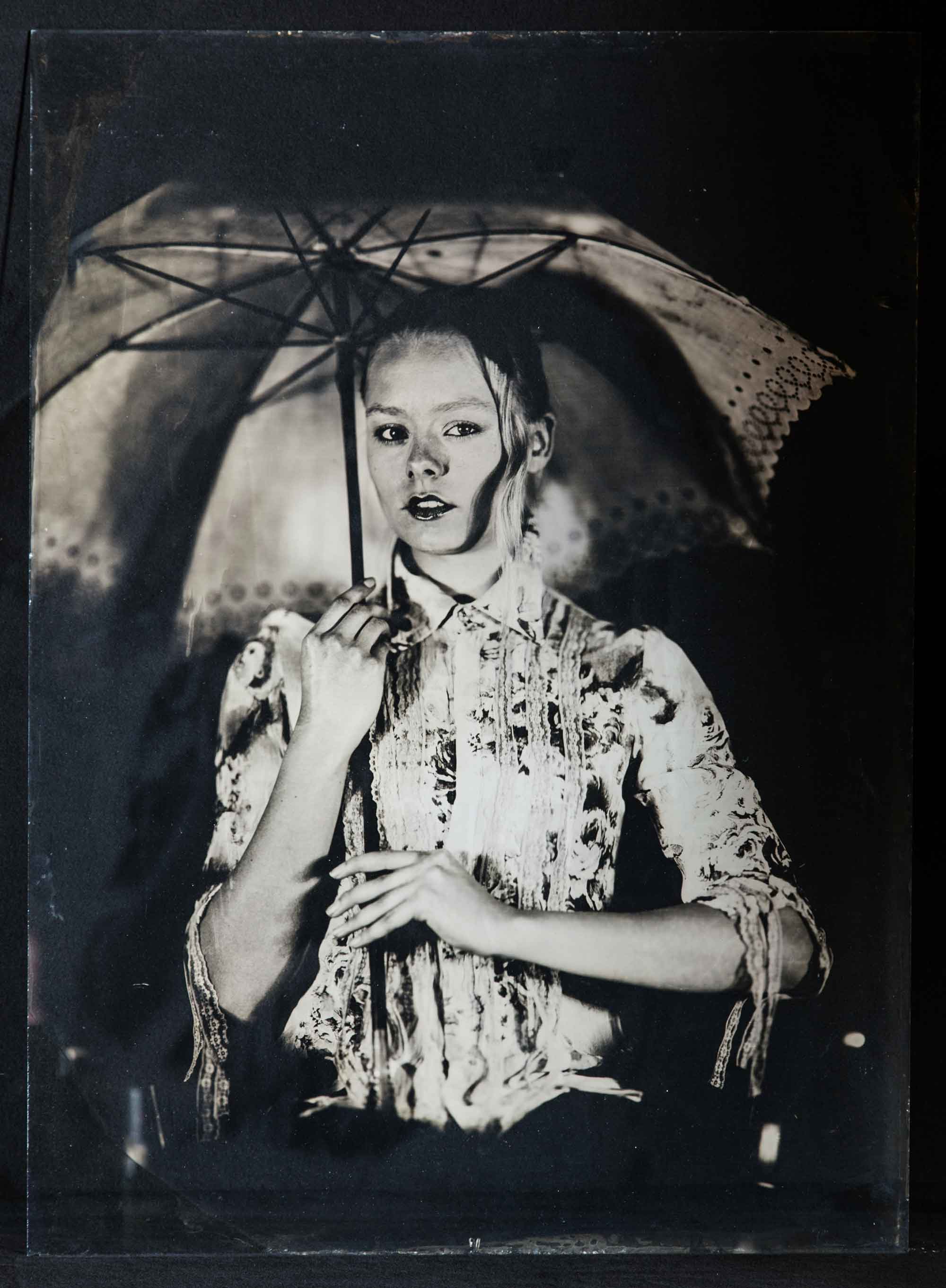
The result is technically a pale yellow negative, which appears as a "normal image" against a black background: an ambrotype. Each plate is absolutely unique and cannot be reproduced. There is only this one image, this one piece of photographic truth, the opposite of the "digital thats's-what-everyone-does".
Incidentally, the term "ambrotype" contains the Greek word "ambrotos", which means "immortal". This fits well, because if everything has been done correctly, these images do not fade, they last for decades or even centuries. Pictures dating from around 1850 still exist.
Anyone who wants to see the results of our efforts so far will have the opportunity to do so this year from 14.09.2017.
In the "Alte Pumpstation" in Haan, we will be presenting what is probably the largest contemporary ambrotypes in Europe during a joint exhibition with a D?sseldorf artist. We will provide information about this in good time on our website gebaeude1.de and on the specially created website ambroteam.com
After the exhibition, we will carry out further tests, because the answer to the question of how large ambrotypes can actually be made is certainly not 100x70 cm...
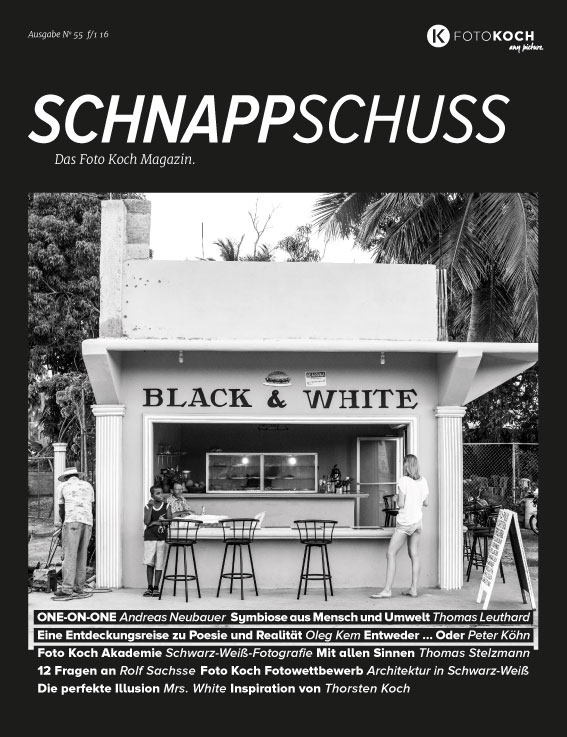
Thomas Stelzmann already reported on the topic of ambrotypes in our black and white issue of Schnappschuss (No. 55) from May 2016. You can read the status at that time from page 32 onwards. To the issue as PDF