
86 | 100 The return of the bison
Foto Koch is celebrating 100 years and we are telling YOUR best stories, because we wouldn't be here without you. Today's story comes from Alessandro Sgro and he tells us about the return of the bison, which he captured photographically.
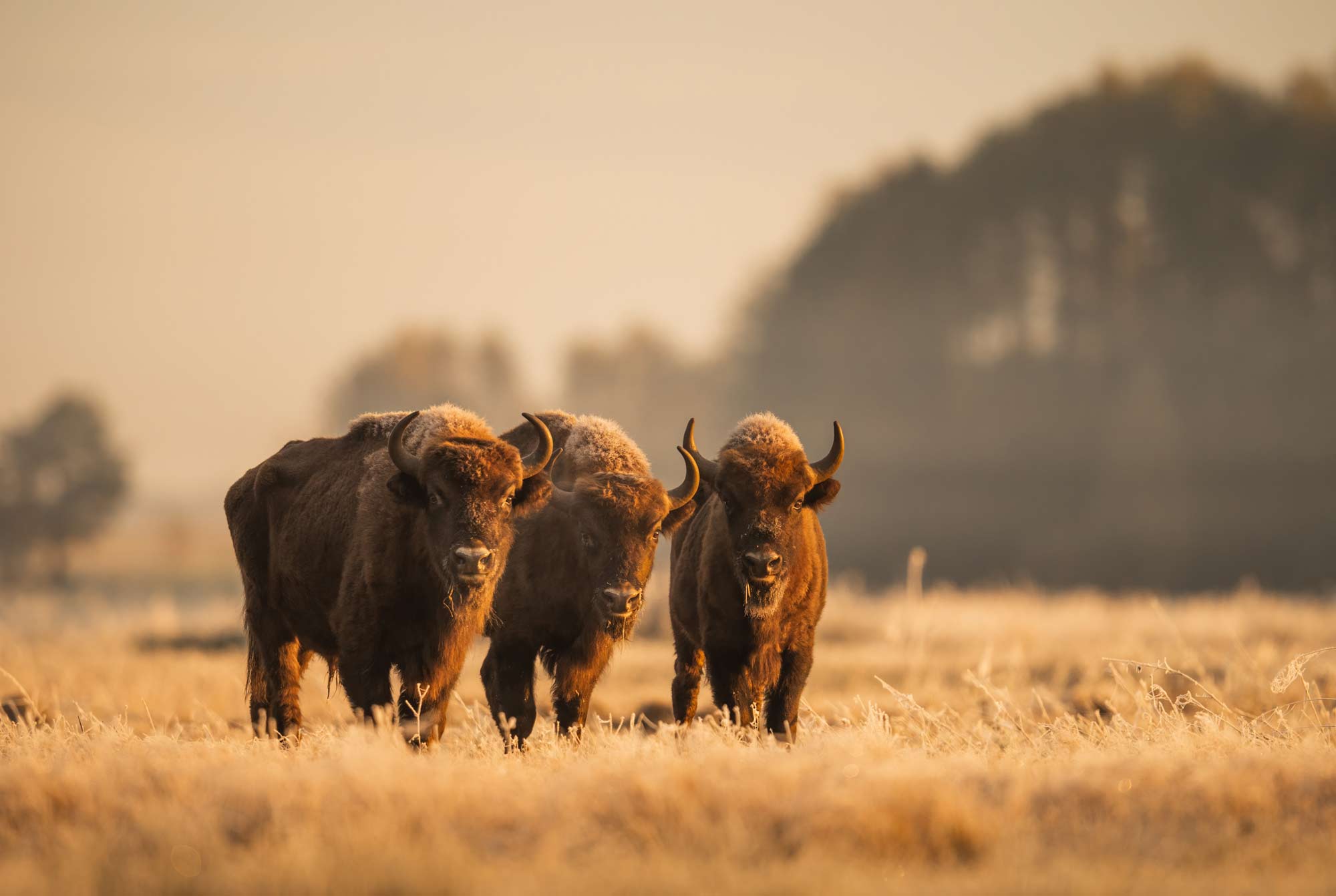 Bison - Alessandro Sgro
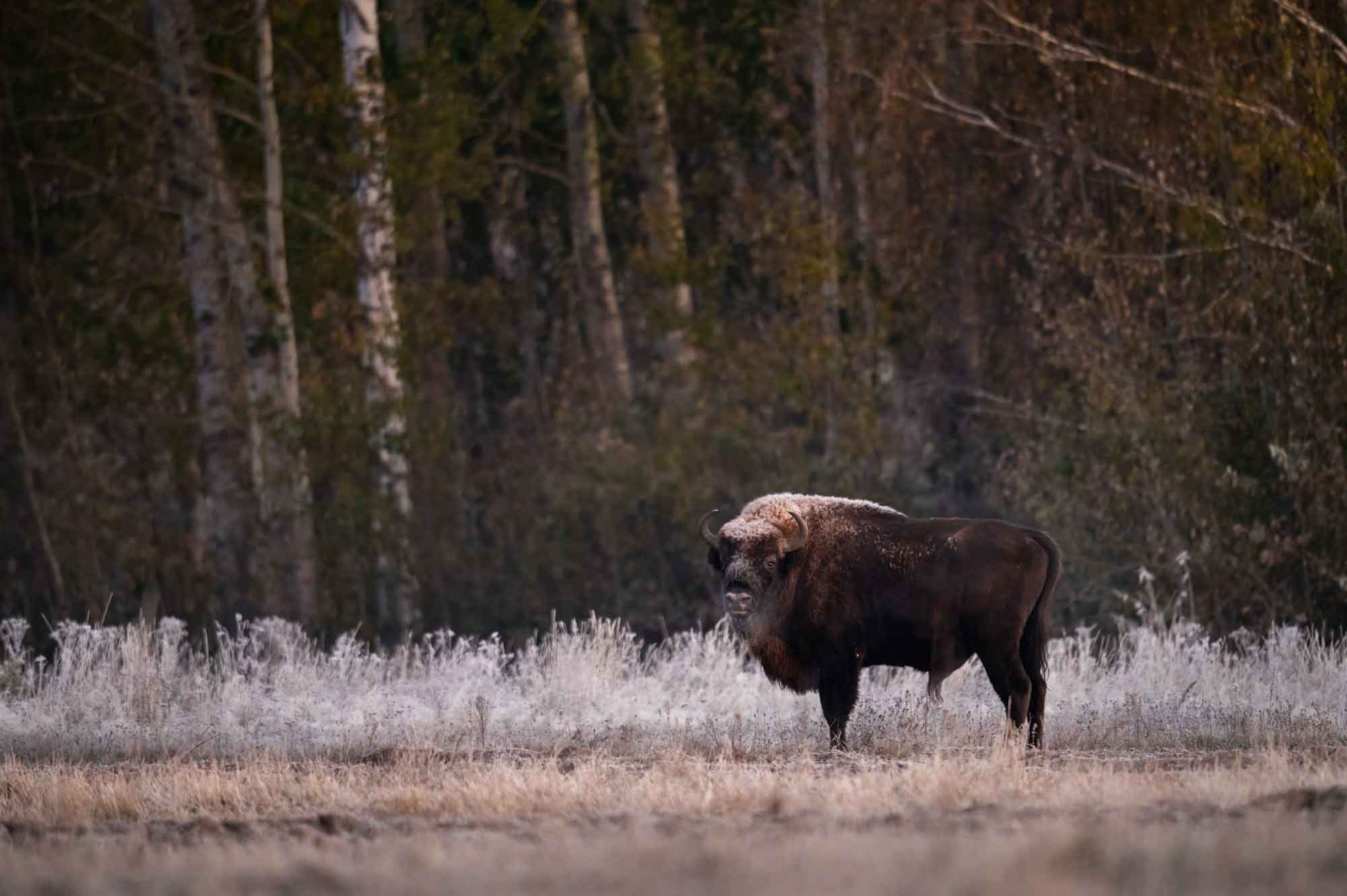 Bison - Alessandro Sgro
The story of the Bison Bonasus
The return of the European bison (Bison Bonasus), also known as the bison, is one of the most encouraging wildlife conservation stories in Europe. Once widespread across the continent, this magnificent animal was driven to the brink of extinction by hunting and habitat loss in the early 20th century. When the last wild European bison was shot in the Caucasus in 1927, there were less than 60 individuals living in zoos and private parks. in 1954, the first bison were reintroduced into the wild in the Bia?owie?a Forest in Poland, followed by reintroductions in several other countries. Organizations such as Rewilding Europe and the WWF in particular continue to work for the protection and conservation of bison today. Free-ranging herds currently exist in several European countries, including Germany, Switzerland, Poland, Belarus and Lithuania. The primeval forest of Bia?owie?a, an ancient forest area on the Polish-Belarusian border, is still home to the world's largest free-ranging population of around 1,000 wild bison.
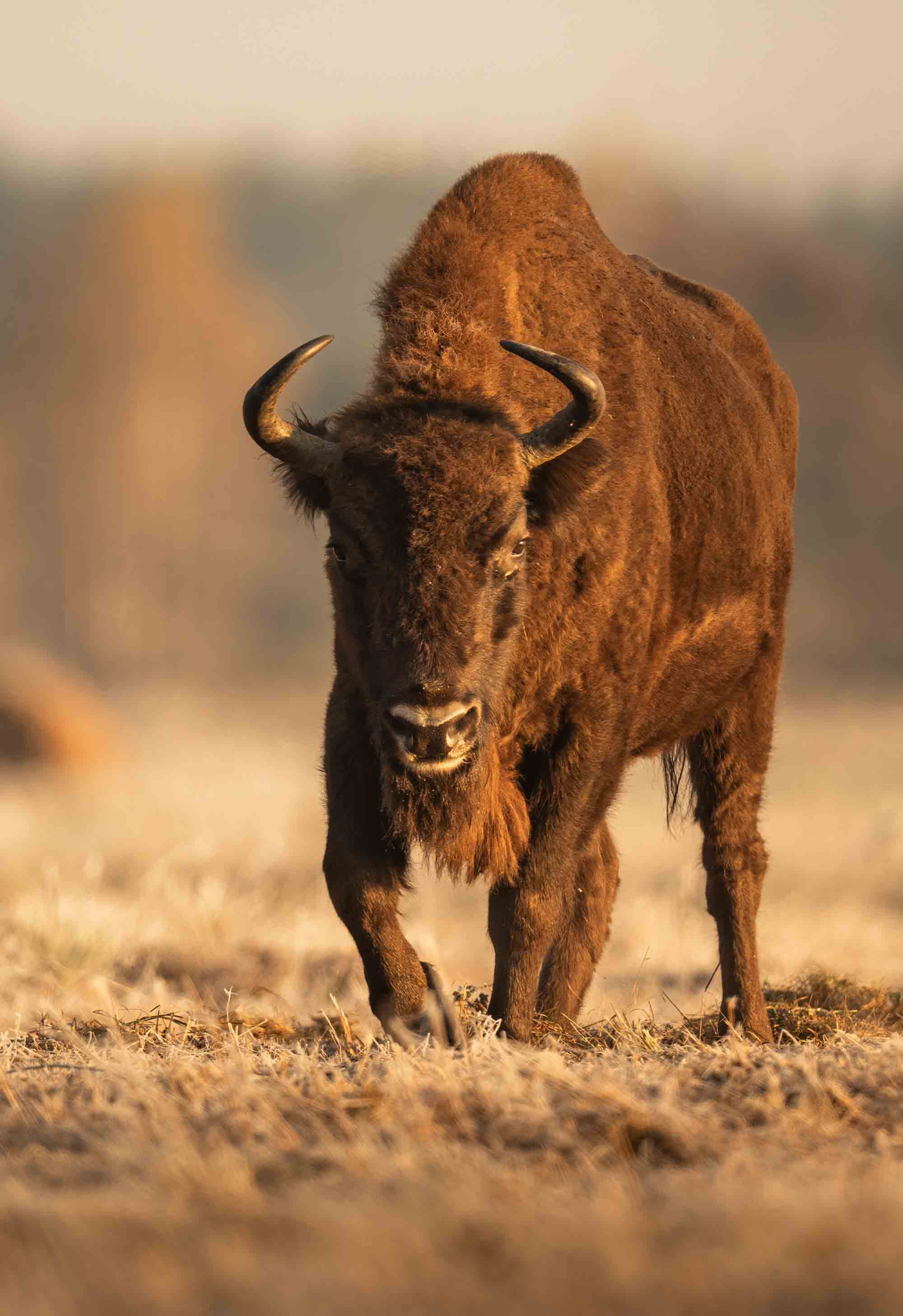 Bison - Alessandro Sgro
A hairy beast that keeps landscapes open
Like its North American cousin, bison are less shaggy, with a slimmer body shape and curved horns. The heaviest wild land animal in Europe, a typical European bison is around 2.1 to 3.5 meters long, with large bulls sometimes weighing up to 1000 kilograms. It can reach speeds of up to 55 kilometers (40 miles) per hour. This very impressive animal once lived all over Europe, except in some parts of Spain, Italy and northern Scandinavia. Contrary to popular belief, it is an animal of open and semi-open country, but it also likes forests or woodlands nearby to find shelter and food for some of the year. Today there are around 7500 bison (of which about 4000 are wild), with Poland and Belarus being the main strongholds. Bison are primarily grazers, but an important part of their diet also comes from bushes, brambles and trees. Bison eat up to 60 kg per day and have a real impact on vegetation, keeping open land open and creating a mosaic landscape. As well as grazing in the front, they trample around in the middle, roll in mud holes, roll in churned up sand pits and then fertilize from behind. All of this is very important for the diversity of ecosystems. It is clear that bison are ecosystem engineers, a keystone species that plays an important role in European landscapes and supports a variety of other species through their behavior.
It was a wonderful experience for me to meet these beautiful creatures again in the wilderness of Eastern Europe. The story of the bison is a real encouragement and shows that we humans can protect and coexist with nature through positive interventions. Let's hope for more stories like this and keep working to better protect and conserve even more species in the future, because species extinction is one of the most threatening challenges of our age.
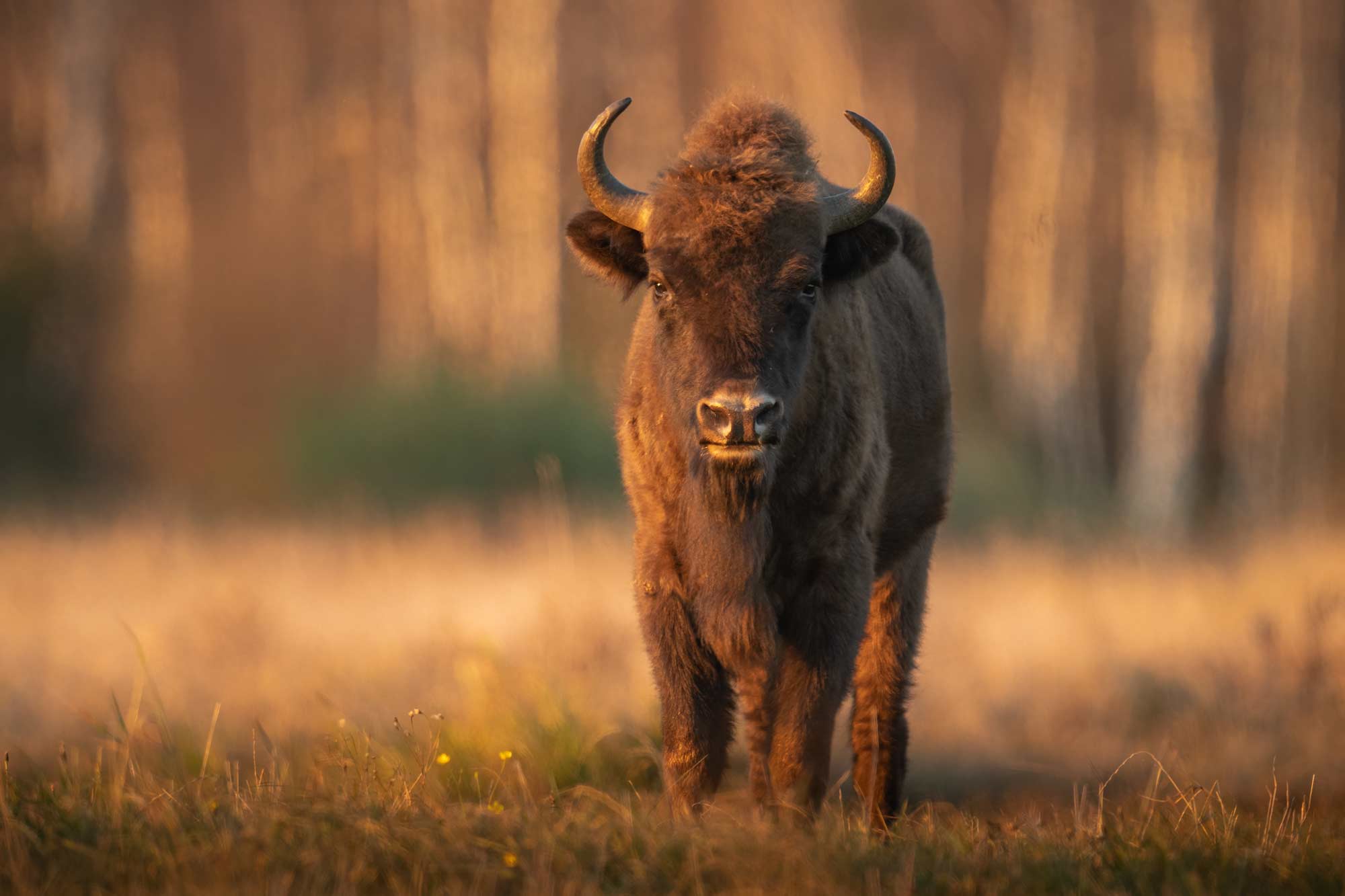 Bison - Alessandro Sgro
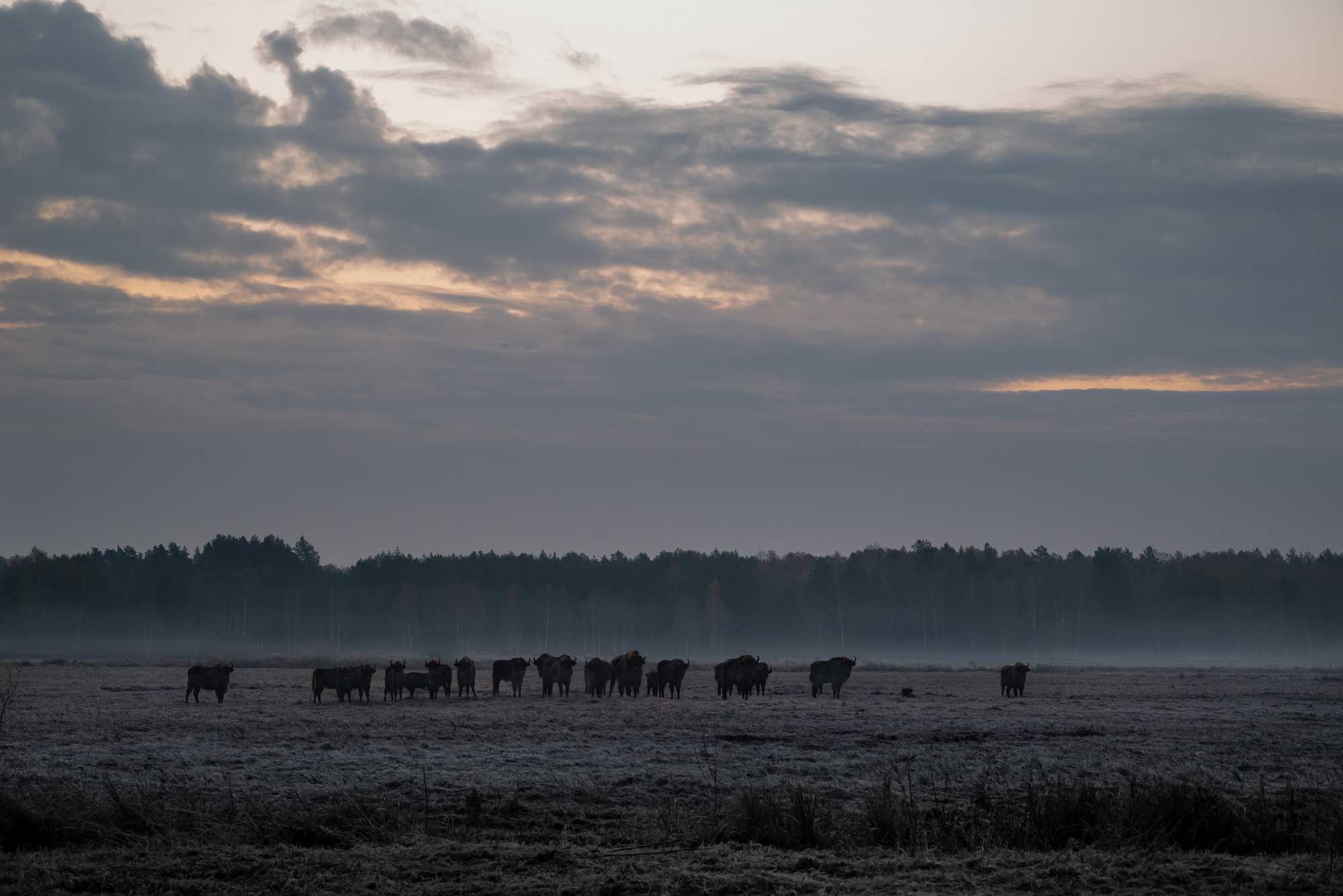 Bison - Alessandro Sgro
More about Alessandro Sgro and his projects
alessandrosgro
.myportfolio.comInstagram: @alessandroxsgro