Your shopping cart

Yellow Easter: Objektiv + Filter Aktion | Jetzt sichern
Camera setting Shutter speed

Camera Basics #01 - What is shutter speed?

Have you just bought a camera and are taking your first steps in photography? In this article, we'll explain shutter speed and show you how this setting affects your photo.

The shutter speed is also called the exposure time and is one of the three important factors influencing the exposure of your photo. The shutter curtain is located in front of the sensor and opens for a certain amount of time to allow the light to hit the sensor. This time is either calculated by your camera or set manually by you. A shutter speed of 1/1000 means that the shutter is only open for one thousandth of a second.

Photographing with a fast shutter speed

Exposure - fast shutter speed

Photographing with a slow shutter speed

Exposure - slow shutter speed

Motion blur

Now you may be wondering how you should know which shutter speed is best to use for your subject. The shutter speed not only affects the brightness of your photo, but also has an influence on moving objects in the photo.

Motion - fast shutter speed


A small task for you:

  1. Take photos with a tripod in S/Tv mode and change the time from a very slow shutter speed to a faster one. It is important that there is movement in your subject, e.g. a road. Observe how differently the subject is depicted.

Thank you for reading this article. If you are interested in other photography basics, then take a look at the other articles. Here we continue with the aperture.
Camera Basics #02 - What is the aperture?

"Wow, great photo, what aperture did you take it with?" If you're at a loss and wondering how to take a photo with an aperture, then this article is for you!

The aperture
More articles about getting started in photography

Guide for bird photography

Great shots of birds are no longer a secret thanks to our guide! Take advantage of autumn and our tips to capture fantastic shots of birds this weekend.

Read now

Camera Basics #24 - What are video codecs?

This time, the topic of video codecs is aimed at videographers, or those who want to become one. Photographers are less likely to be able to use them, but extra knowledge rarely hurts. We explain how video codecs work and what they are used for. Video codecs are very complex, which is why we will go into many facets here and also how you can improve or worsen your video editing performance by using different codecs.

learn more

Camera Basic #23 - What is dynamic range?

Modern camera sensors contain a lot of image information, which can be used to your advantage when shooting in RAW format. The extent to which this image information can be exploited depends entirely on the ISO you use, as this greatly changes the sensitivity of the sensor.

Inform now

Camera Basics #22 - What are chromatic aberrations?

We have already written so many technical blog articles about the basics of photography and videography, but we have not yet talked about one of the most well-known optical errors (aberrations), chromatic aberrations.

Read now

Camera Basics #21: Getting started with sports photography

We confidently say that this article is one of the best ever for sports photography. In the guide, we also try to cover the various equipment decisions and how to find the perfect settings.

Read now

Camera Basic #03 - What is ISO sensitivity?

ISO is one of the core elements of photography. If you understand ISO, you can work much better with the light in many situations and can also use ISO noise as a stylistic device for your photos.

Read now

Camera Basic #20 - Open Gate and its advantages for social media explained

Social media has become indispensable and the technology continues to develop. Open gate technology offers the possibility of reading the full sensor for video, but what does that mean?

Read now

Camera Basics #19: Tilt shift lenses and the effect explained

The tilt shift effect is certainly an old shoe for many photographers, but this effect is very interesting to consider because it can be found in many facets of photography, so the use of tilt shift optics is not only at home in architectural photography.

Read now

Interesting campaigns

Digitizing slides, photos or negatives - Which method is right?

The dark season moves in many people the nostalgia for the past and the old slides and Super 8 films are pulled out and then viewed. The analog treasures of the past are nevertheless for various reasons not durable for eternity or even dangerous to fire.

Read now

Guide to ND filters - How to find the right ND filter?

If you are new to photography or videography, you may be confused by the different names for light reduction and what an ND filter (neutral density filter) is used for.

read now

Analog cameras in 2025

It's not a new trend, but analog photography has enjoyed great popularity for some time now. We also have various analog cameras in our range and if you come to Düsseldorf, you can also look for a few old treasures in our second-hand shop!

read now

Last viewed articles

Also interesting

8. & May 9 | FOTOTAGE - XXL Edition

Visit the biggest photo event in the Rhineland and experience exciting shoots, photo walks, clean & check and unique trade fair deals

The street camera par excellence? The Ricoh GR IV in a practical test.

The Ricoh GR series has been a firm favorite in the world of street photography for years: Small, unobtrusive, fast and amazingly powerful. With the new Ricoh GR IV, Ricoh is building on this and delivering sensible, practical improvements.

Read now

Analog cameras in 2025

It's not a new trend, but analog photography has enjoyed great popularity for some time now. We also have various analog cameras in our range and if you come to Düsseldorf, you can also look for a few old treasures in our second-hand shop!

read now

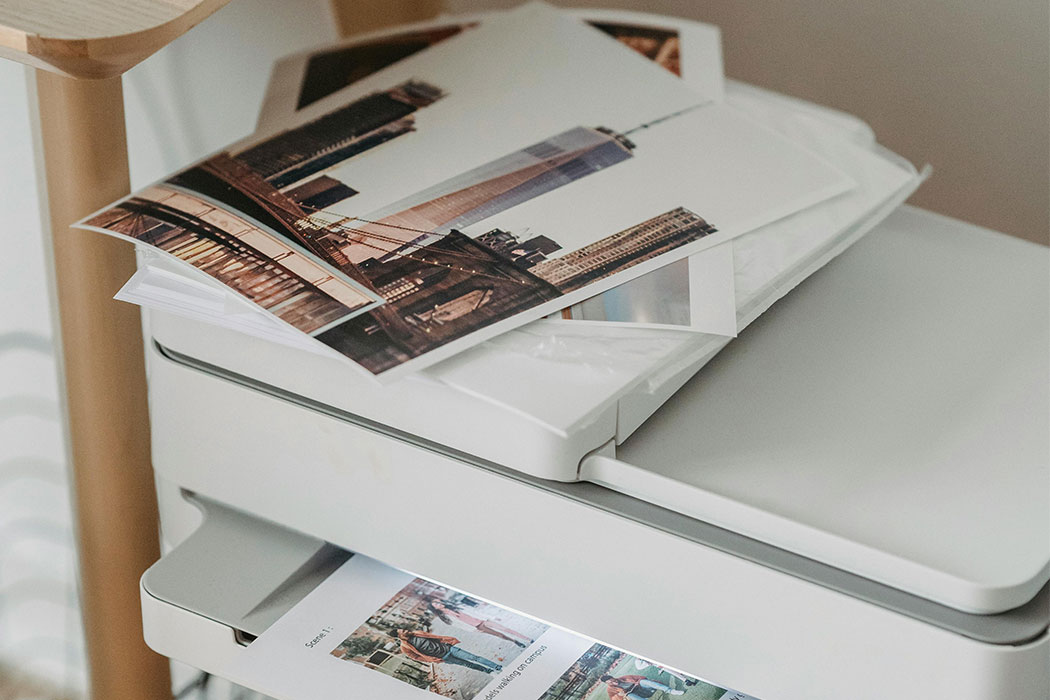
Guide: What photographers should consider when choosing printer paper

If you print your own pictures at home, you need to pay attention to a number of things. In addition to the right color profiles for the pictures, you need to pay attention to the drying times required by the respective papers and the effect you want to achieve with the paper on which the pictures are printed.

Read now