Sony Alpha 6700 - for wildlife & landscape photography in Germany & surroundings
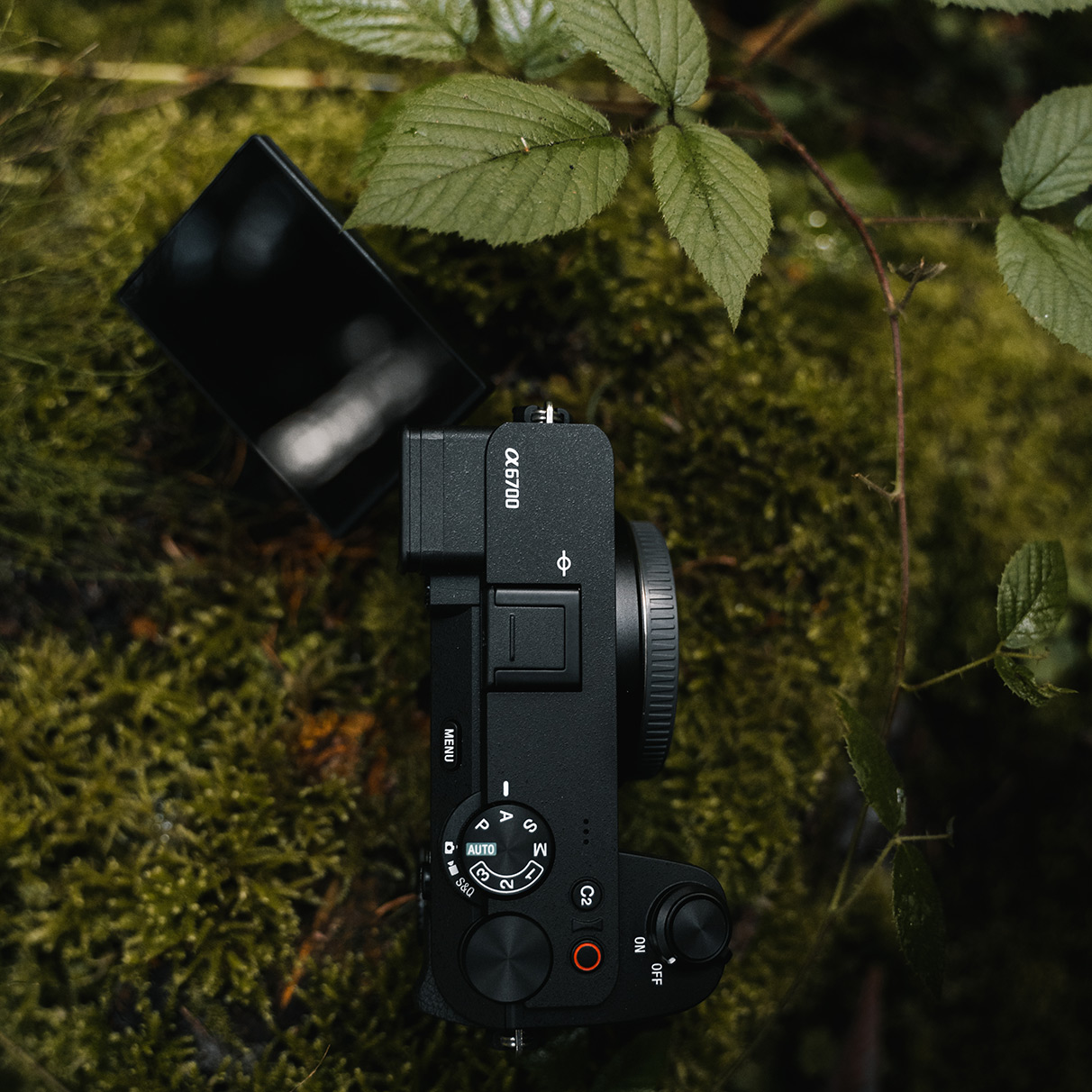
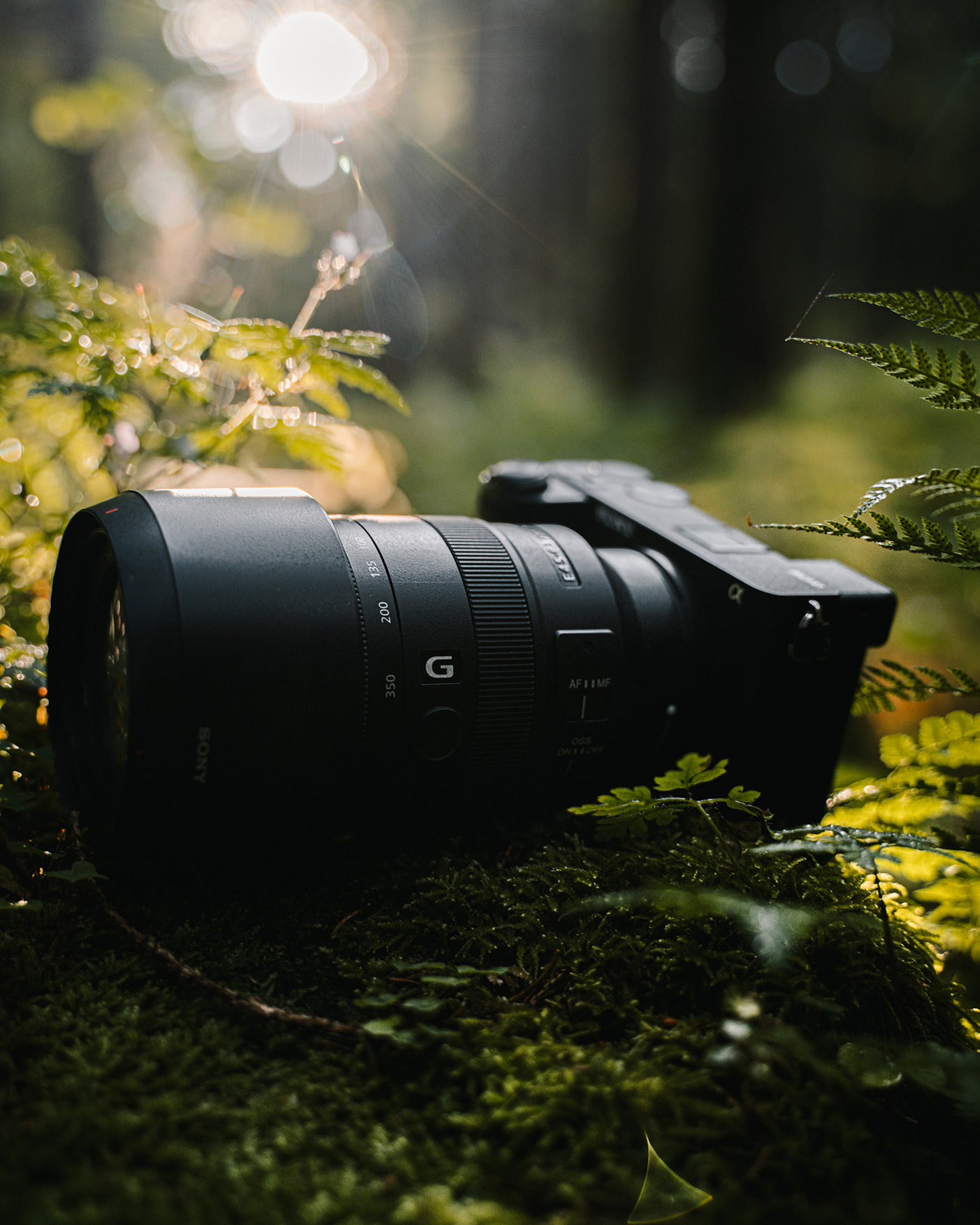
Sony offers with its Alpha 6700 an APS-C camera, which not only pleases the portrait photographer, but also picks up wildlife photographers & landscape photographers just as well. Especially with the 70-350mm lens, Sony offers a combination that is perfectly suited for this use. That's why we sent Benedikt.Hoehny and Marinas.Journey with the combination into the wilderness of Germany. To give you a better impression of the camera and the combination.

26 megapixels, strong autofocus and 5-axis image stabilization
With 26 megapixels, you can already work well in wildlife photography, but the real strengths come with the support of AI autofocus and the 5-axis stabilized sensor, which allows you to shoot handheld in darker situations. Then there's also the fast continuous shooting speed, which is great for wildlife photography. It also manages focus bracketing in the body itself of up to 299 individual shots, which will certainly be an interesting feature for macro photographers.
But the Alpha 6700 is also great for video, with its strong autofocus and auto-framing, which allows video content creators to track themselves in the frame, offering a great deal of flexibility.
The most important technical data at a glance:
- Hybrid camera
- 26 megapixel - Exmor R sensor
- AI assisted autofocus system with advanced subject & tracking functions
- 4K/120p video recording (with 6k oversampling)
- 5-axis optical image stabilization
- compact and lightweight and suitable for any adventure
- swiveling touchscreen
- high-resolution viewfinder with XGA OLED technology
- robust, dust- and splashproof construction

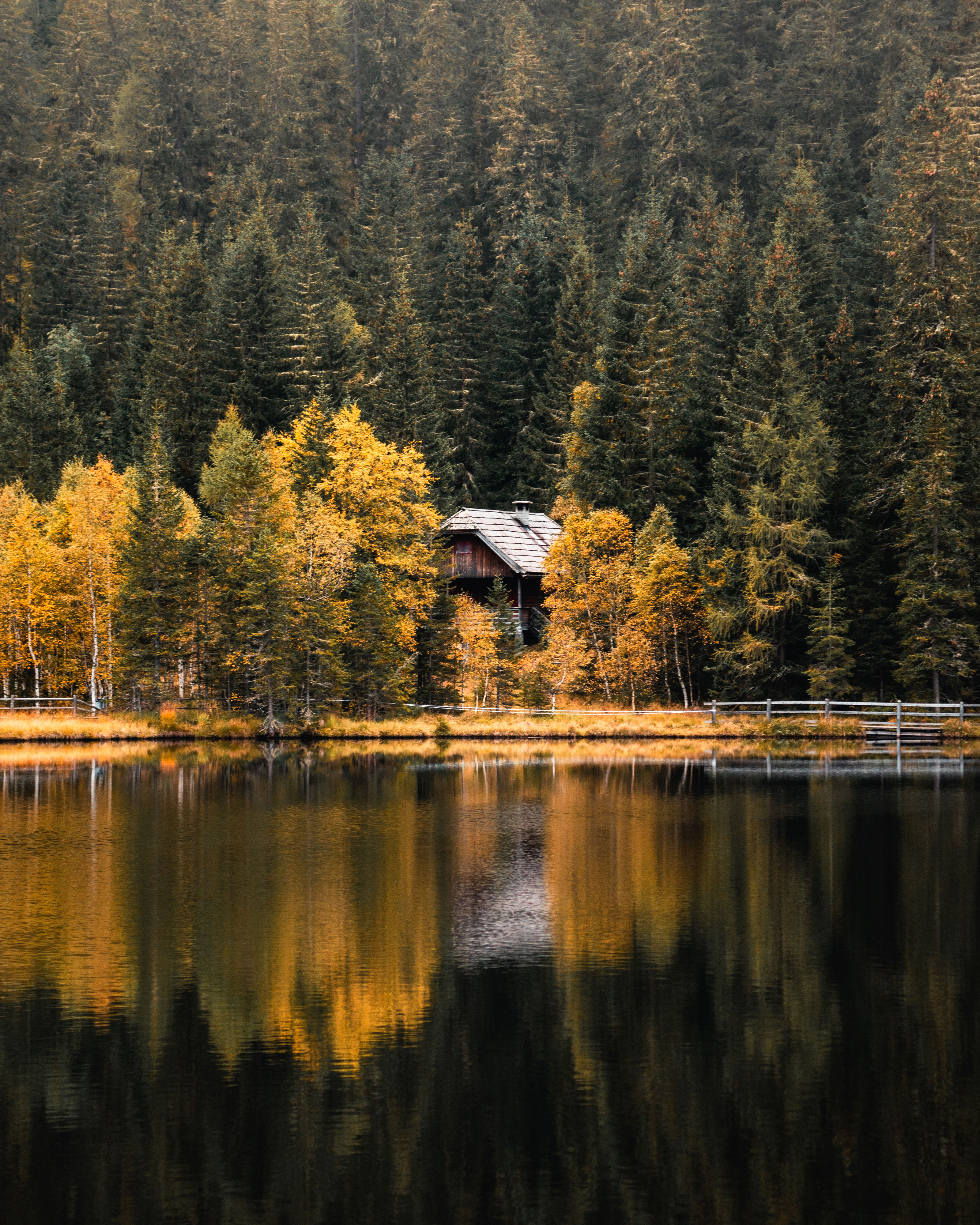 Landscape shot with the Sony Alpha 6700 with the SEL 70-350mm
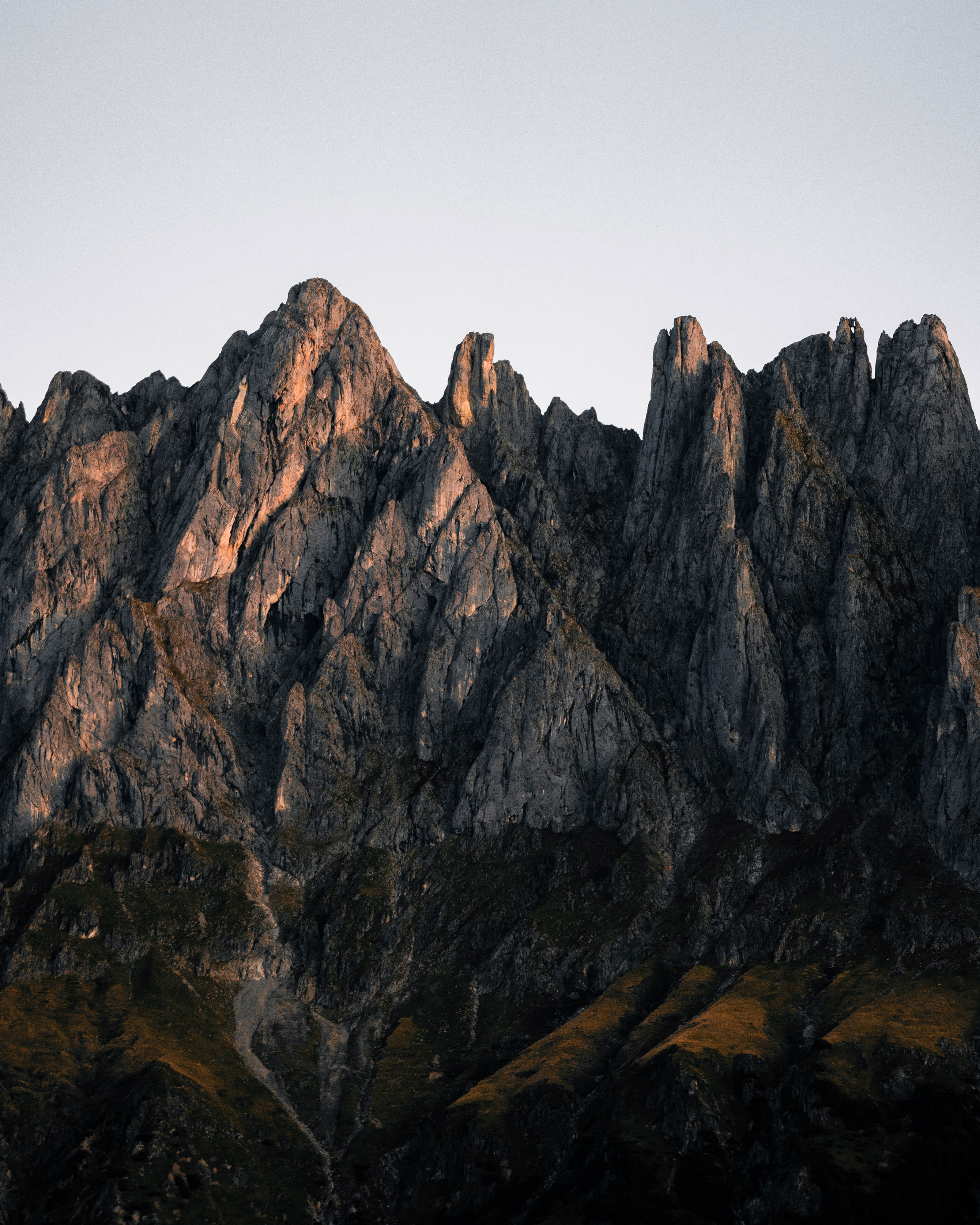 Mountain panorama taken with Sony Alpha 6700 with Sony SEL 70-350mm
Benedikt Hoehny
In the past, I was more and more oriented towards video production in addition to photography, so I found a must-have in this camera. I was convinced by the possibilities to film in 4K with 120 fps as well as the active stabilization which guarantees you to be able to film without a gimbal. In addition, there are S-Cinetone/S-Log3 profiles to get everything out of the videos during editing. Not only filming, but also taking pictures is a real pleasure. Super fast AF that promises you sharpness over the entire image.
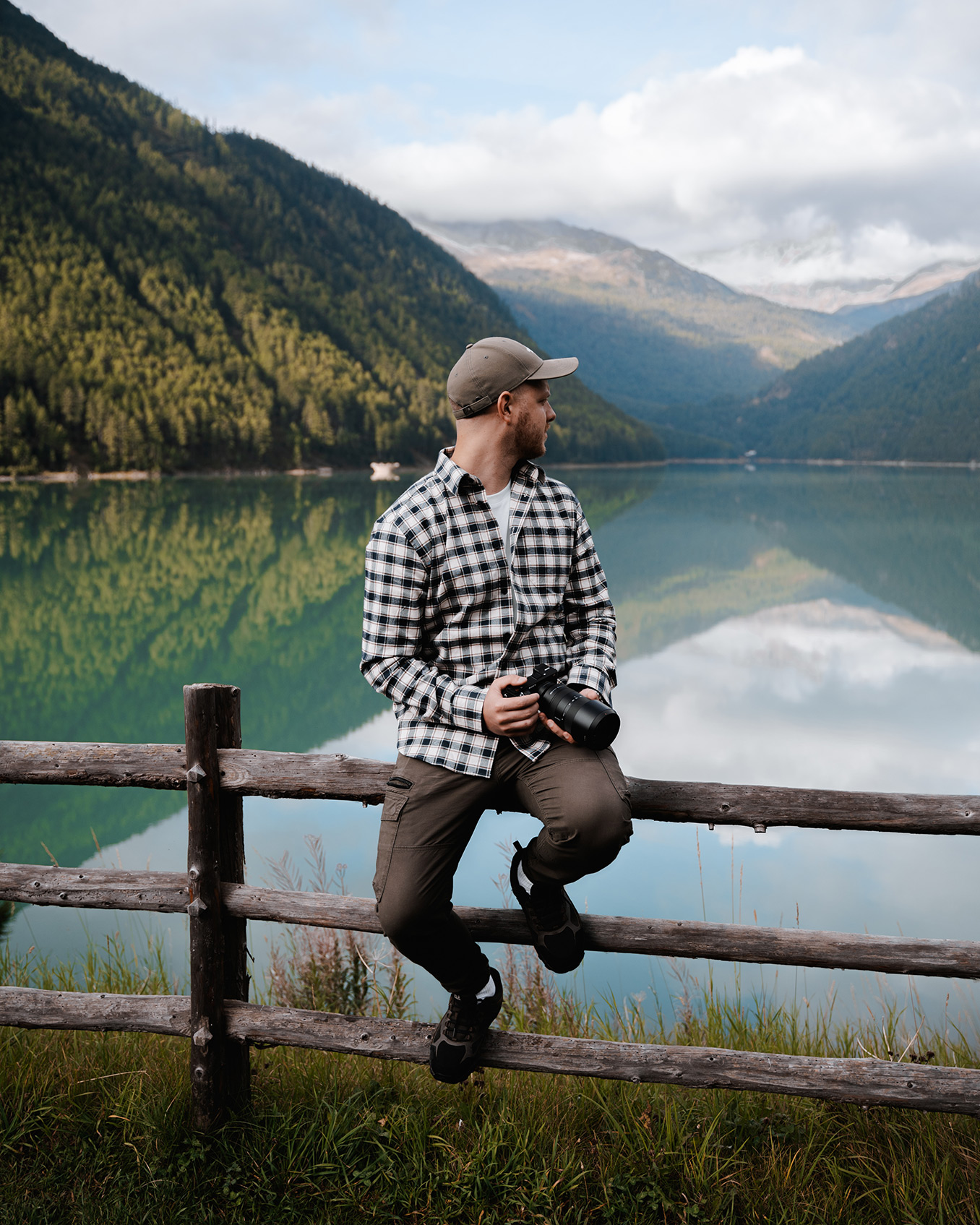
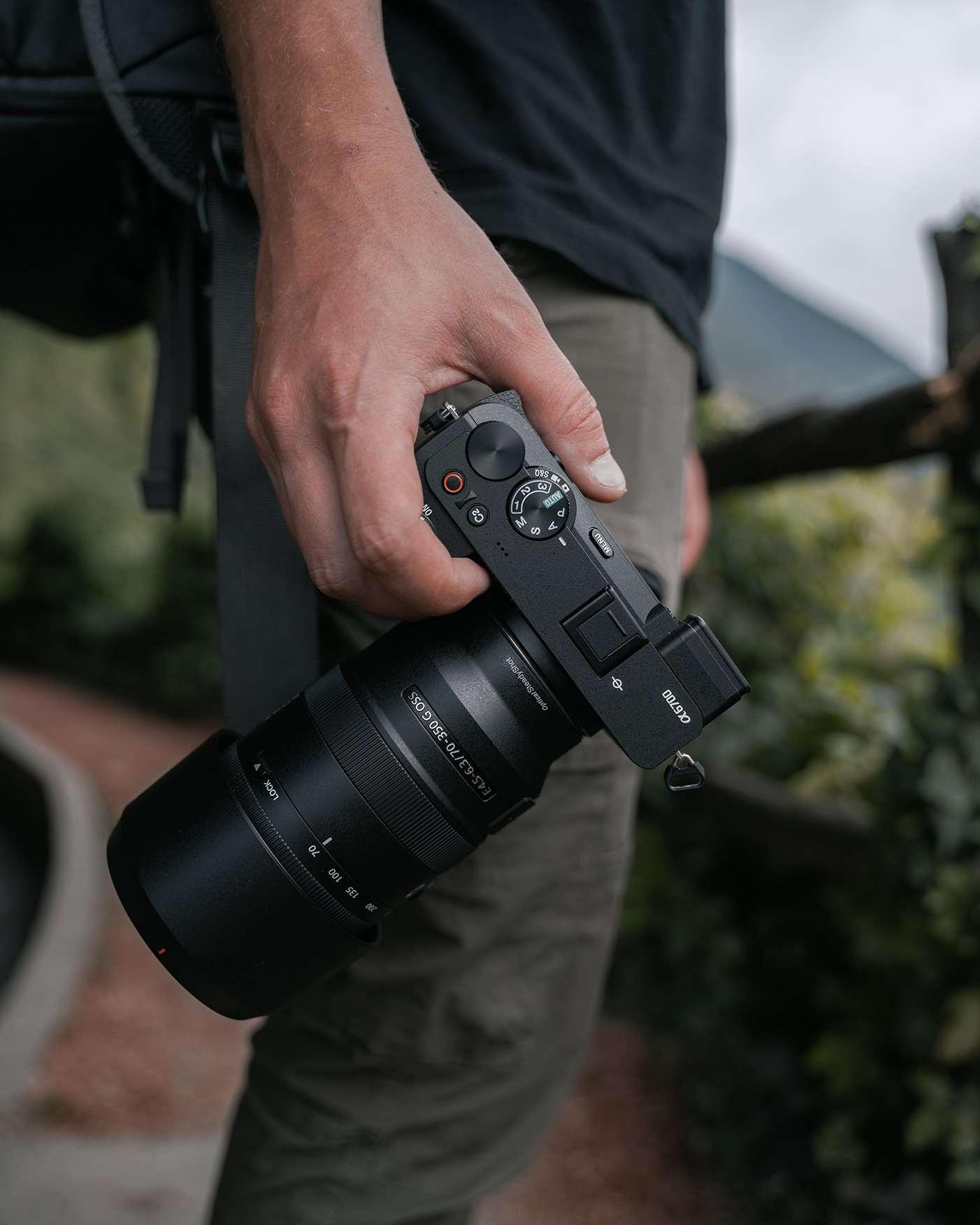
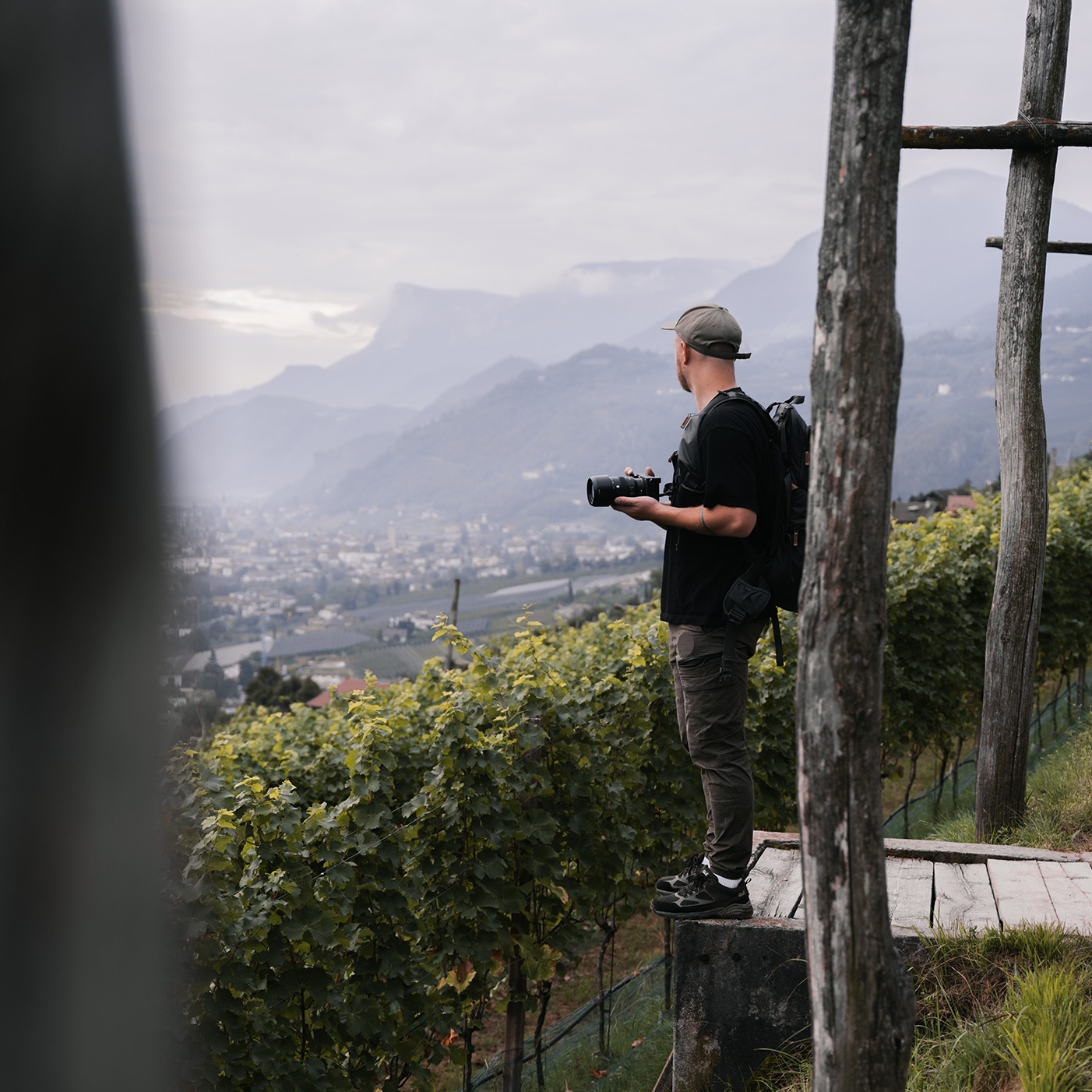
Marina from Marina's Journey
I especially liked the handling of the camera as well as the compactness. The camera fits perfectly in the hand to be ready for the next shot. The lens is exactly to my taste. I always had the option to vary with the focal length to have the right distance for every situation. I can definitely recommend the camera and the lens to everyone!

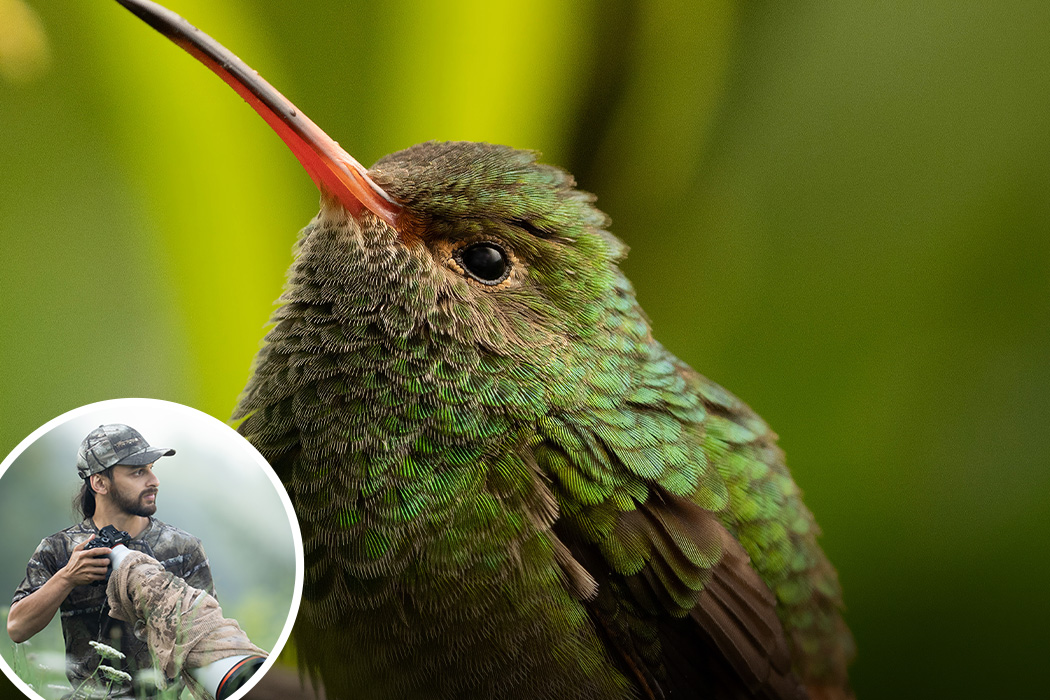
Perfect detail shots with the 70-350
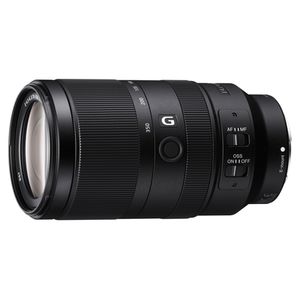
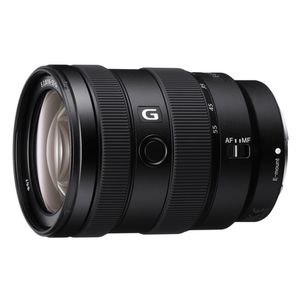
If you are not looking for a compromise, but for attention to detail, the 70-350 is a lens that allows you to get perfect shots at a fairly short distance, but also to capture distant objects, like animals. With the G series you get a very good image quality from Sony, which convince with sharpness and little distortion and very pleasant bokeh. Especially this 70-350mm is convincing in many areas, thanks to its focal length it is not only suitable for one area of photography, but serves as a universal tool for many photographers.
The most important technical data at a glance:
- for Sony E APS-C cameras
- optical image stabilization
- 625 grams light
- for landscapes, wildlife, sports and nature photography
- 70-350mm (equivalent to 105-525mm in full frame)
- ED (Extra-Low Dispersion) glass elements minimize chromatic aberration and color bleeding
- circular aperture with nine blades for soft bokeh
- fast and accurate XD (extreme dynamic range) linear motor
- precise and reliable autofocus
- dust and moisture resistant
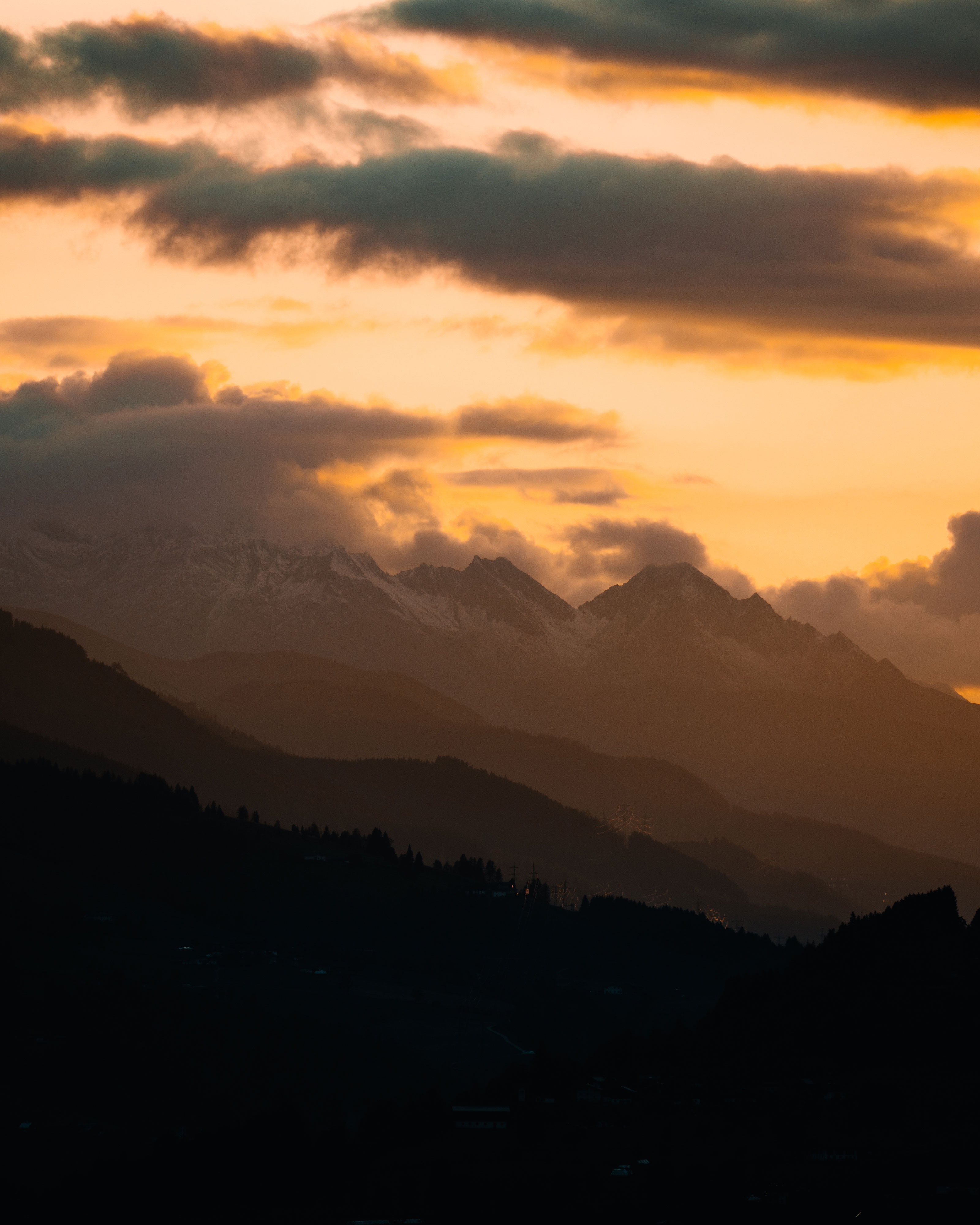 Mountain shot in the golden hour with A6700 and Sony 70-350mm
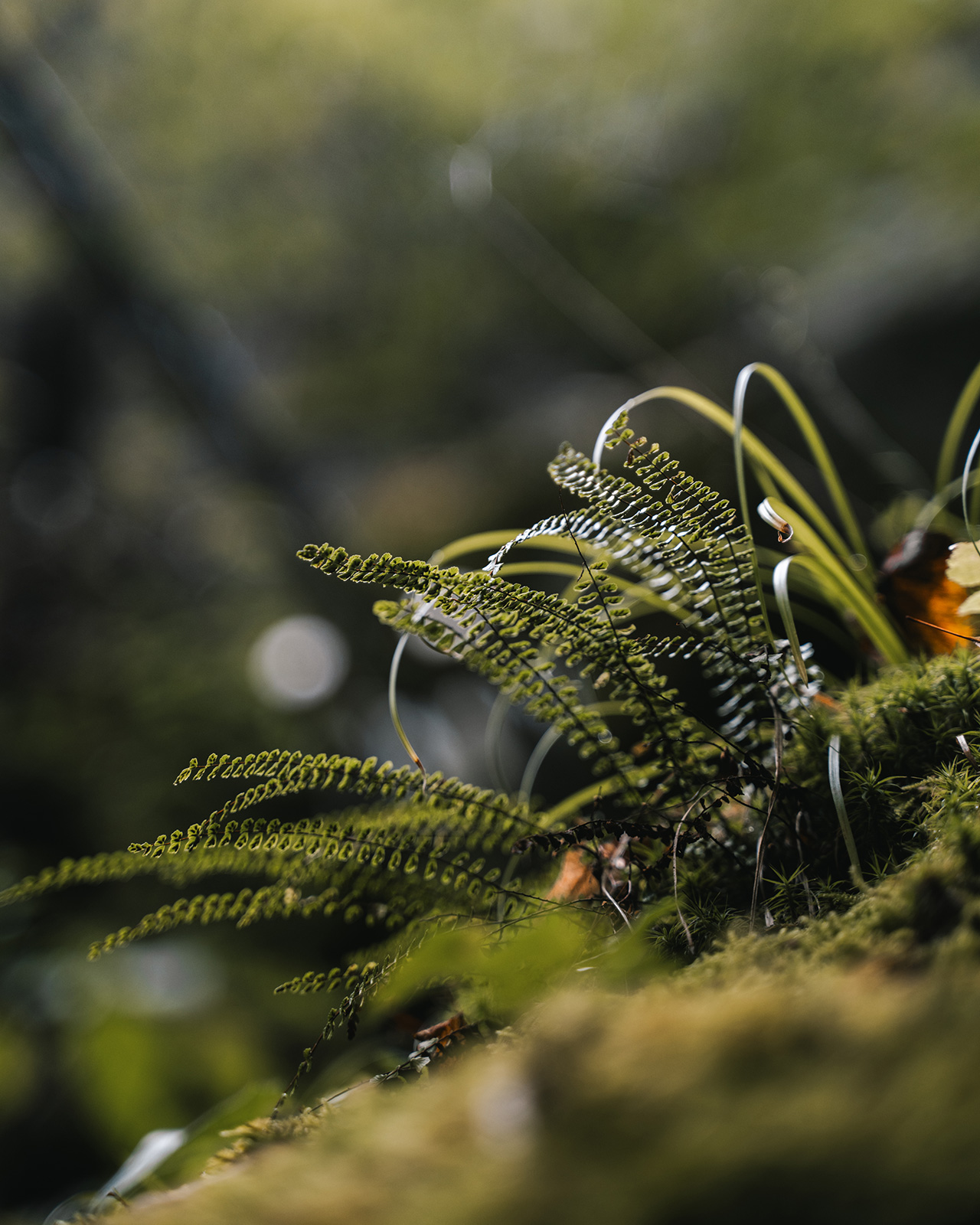
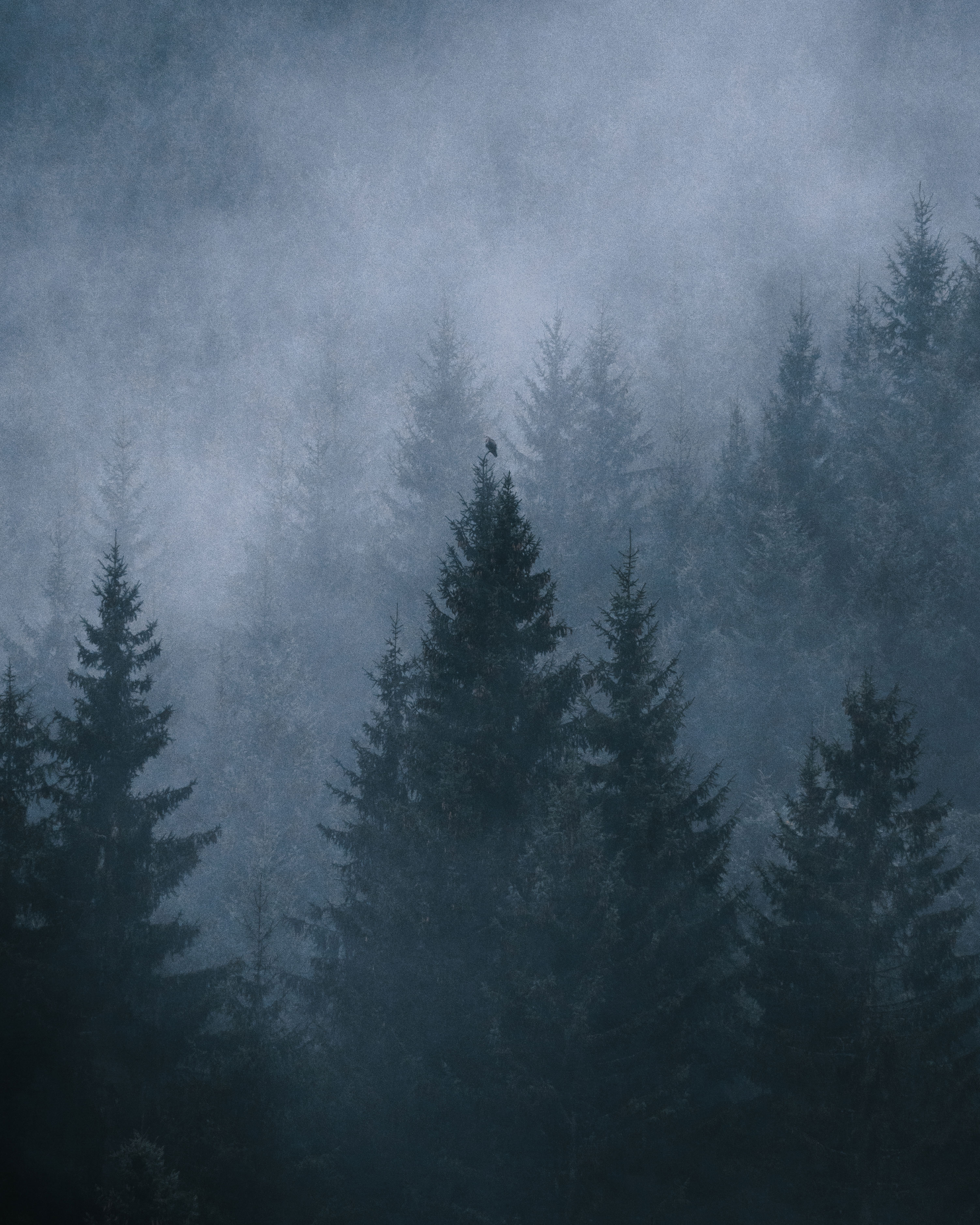 Sony Alpha 6700 nature shot taken with the SEL70-350mm
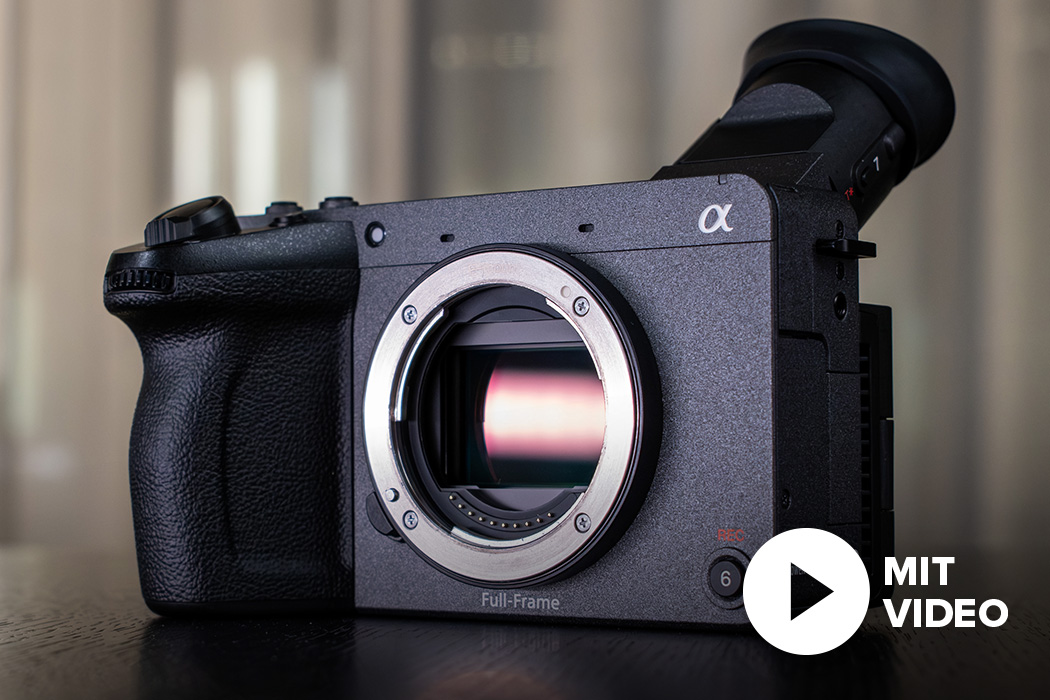
Sony Alpha 6700 (ILCE-6700) Body

Our conclusion on the Alpha 6700 with the SEL 70-350mm
The Sony A6700 offers many advantages, due to its compactness and versatility, which many photographers are looking for on their travels. Wildlife photographers in particular benefit from the cropfactor, because it means that the focal length is longer in 35mm terms and you can get closer to the animal and thus get a closer crop, which can definitely save you a lens or two. Certainly you don't have the same open aperture, but telephoto lenses with a large open aperture usually cost much more. Especially for beginners or for vacation, cheaper lenses with a large focal length range are suitable, because these also help you to get to know your needs better.



Never miss photo news & offers again!
Sign up for our free newsletter to never miss any offers, events and news again.