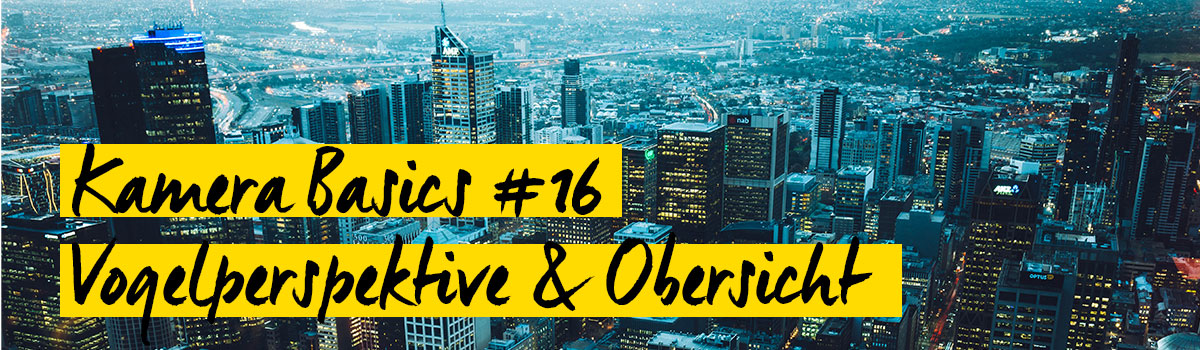
Camera Basics #16 - Bird's eye view, the world from above
In photography, there are many things that influence the effect of an image on the viewer. The choice of perspective is one of the first things you can determine on the spot; this goes hand in hand with the choice of focal length or other settings.
Once you start to deal with perspectives and change from the normal perspective to other perspectives, you soon realize that the frog perspective or the bird's eye view are very complex.
We welcome your feedback on this post! Just write us an email to content@fotokoch.de
The all-encompassing bird's eye view
The bird's-eye view usually serves to define several perspectives that take place above the eyes. These include the top view / overhead view, the classic bird's eye view and the overhead perspective. The bird's-eye view is usually equated with the top view. However, the bird's eye view takes place in a much larger radius than the top view. The bird's eye view is characterized by the fact that the vanishing point of the image is below the horizon.
The overhead perspective takes the pure top-down view, which is often used for motifs such as food, unboxings, product photos, sectional views of houses, drone shots of rivers and much more.
Why is this distinction so important?
Filming usually involves several people coming together to work on a project, such as recording a commercial for a salad dressing. In order for the cameraman/camerawoman to clearly carry out the Director of Photography's instructions, the slang of the industry should be spoken. Time is money, so you have to be blindly confident that it's clear what's meant when the announcement comes, "Set up camera A in an overhead view over the model's shoulder."
The whole thing also becomes important when you realize how perspectives also affect the distortion of people. For example, since many people rarely look at themselves from above or below in the mirror, it happens that they are not always 100% comfortable with their own perception here.
Effect of bird's eye view & top view
With bird's-eye view and top view, the horizon shifts and the ground moves into the foreground; the image can take on more three-dimensionality. But this perspective also makes many things look compressed and small.
In this way, of course, emotions can be specifically evoked. For example, this perspective can trigger a feeling of anxiety in the viewer, especially when a wide-angle lens is used and the effect of distortion due to the focal length comes into play. It can also symbolize inferiority or submissiveness, which we understand dogs and co. to have stored in our subconscious as behavior.
The bird's-eye view is subconsciously used again and again by tourists when they take pictures of the city and its streets from skyscrapers or church towers. Thus, from a height, the city's vehicles seem quite small. This miniature effect is appealing and can be enhanced with a tilt-shift lens and bring a special look to your pictures. You know this effect for example from the series "House of Cards" in the intro.
If you want to recreate this effect a bit, you can work with masks in post-processing to pull the blur into the image. Many shots from above live on the time of day and the position of the sun, because shadows determine the effect and depth of the images. For example, depending on the position of the sun, the shadow of the Eiffel Tower can paint a whole new picture of the city.
Interesting image composition plays an important role for the bird's eye view. This perspective has the danger of getting lost in a two-dimensionality very quickly. By adding a foreground, these shots can gain a lot of added value.
The top-view perspective
The top-view perspective allows - contrary to the bird's-eye/bird's-eye perspective - more horizon and shows more distance, the effect is equal to the bird's-eye perspective. It is also very suitable for a supertotal.
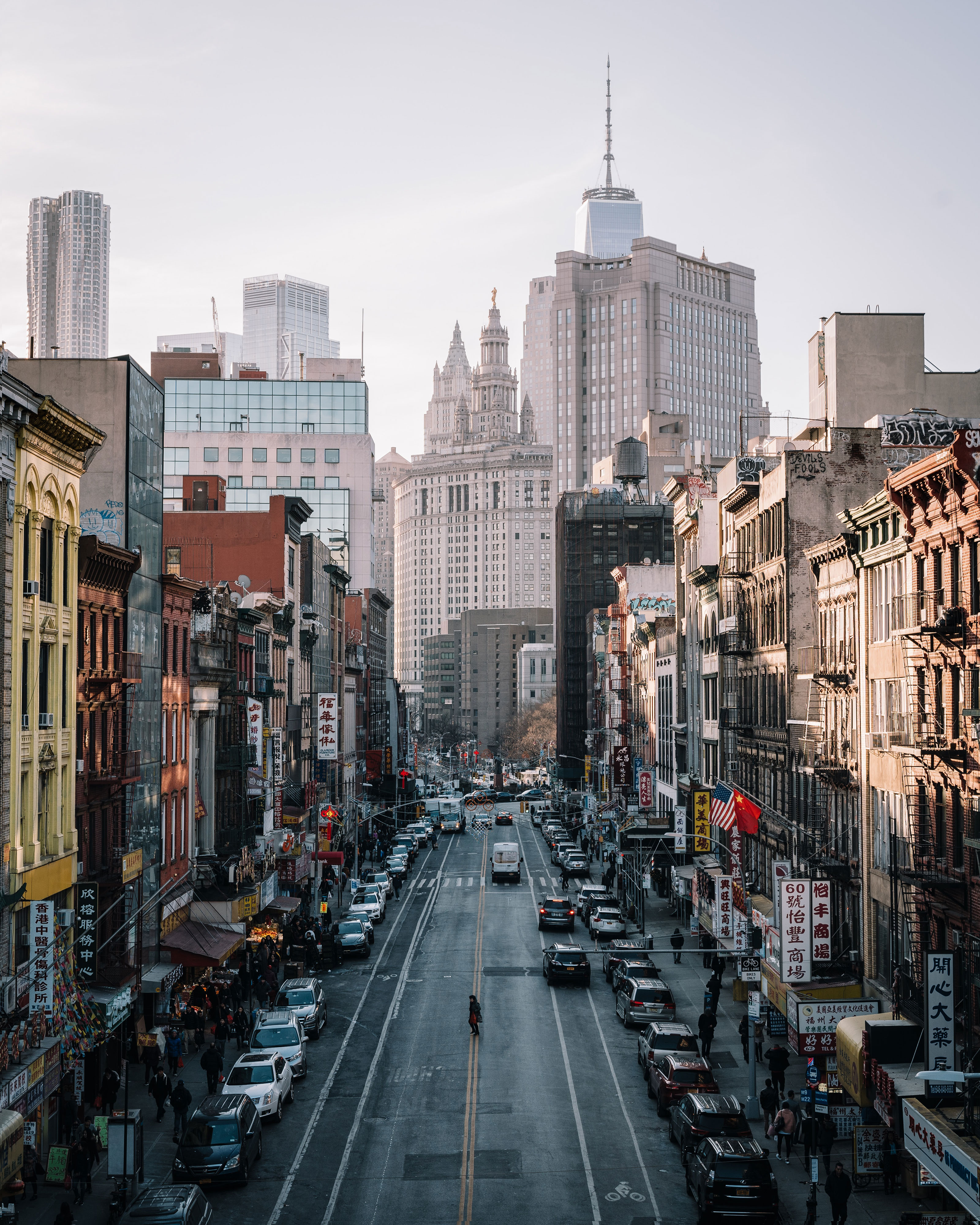
 Top view perspective in a city shot
 Tilt Shift Miniature Effect Example in Top View
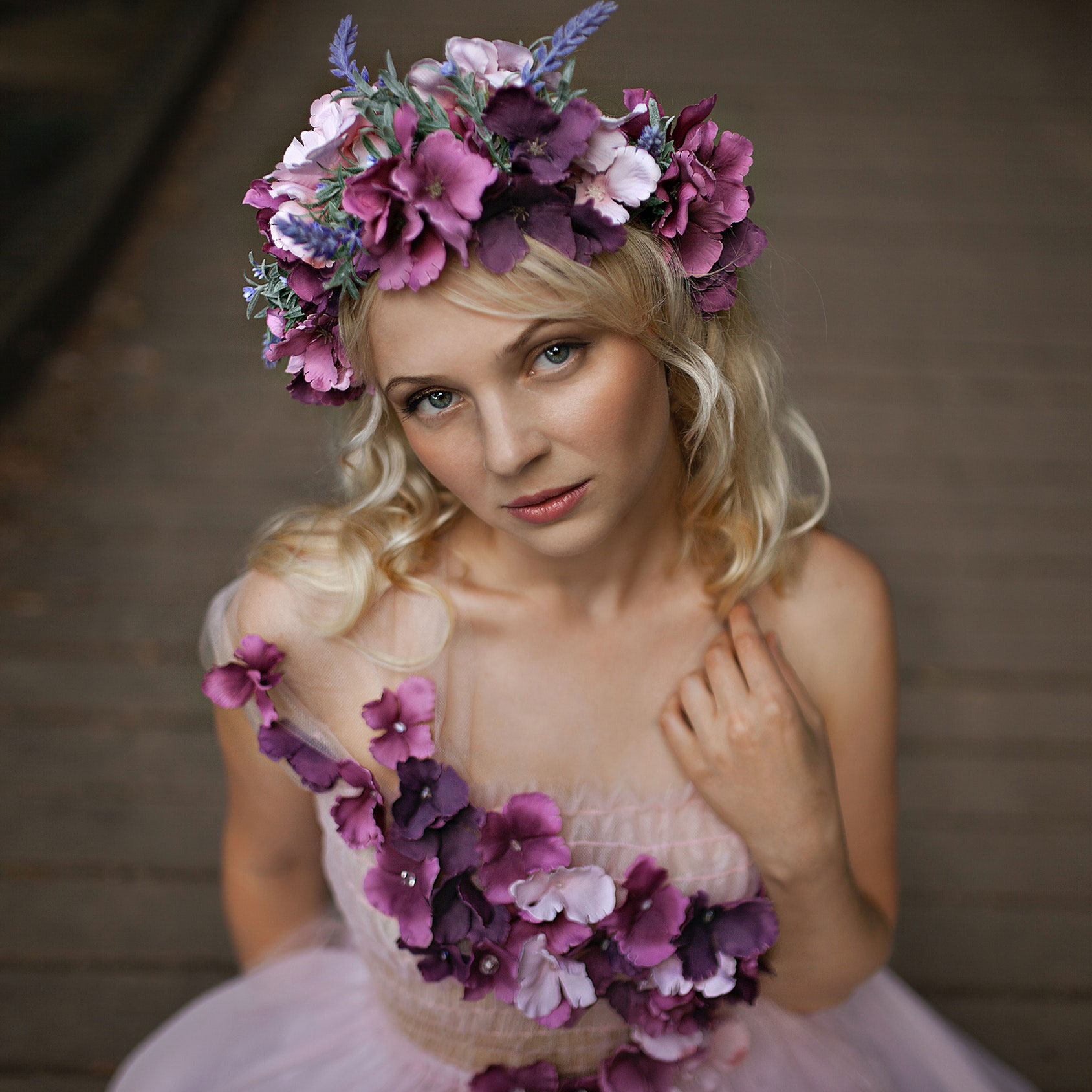 Example top view in portrait photography
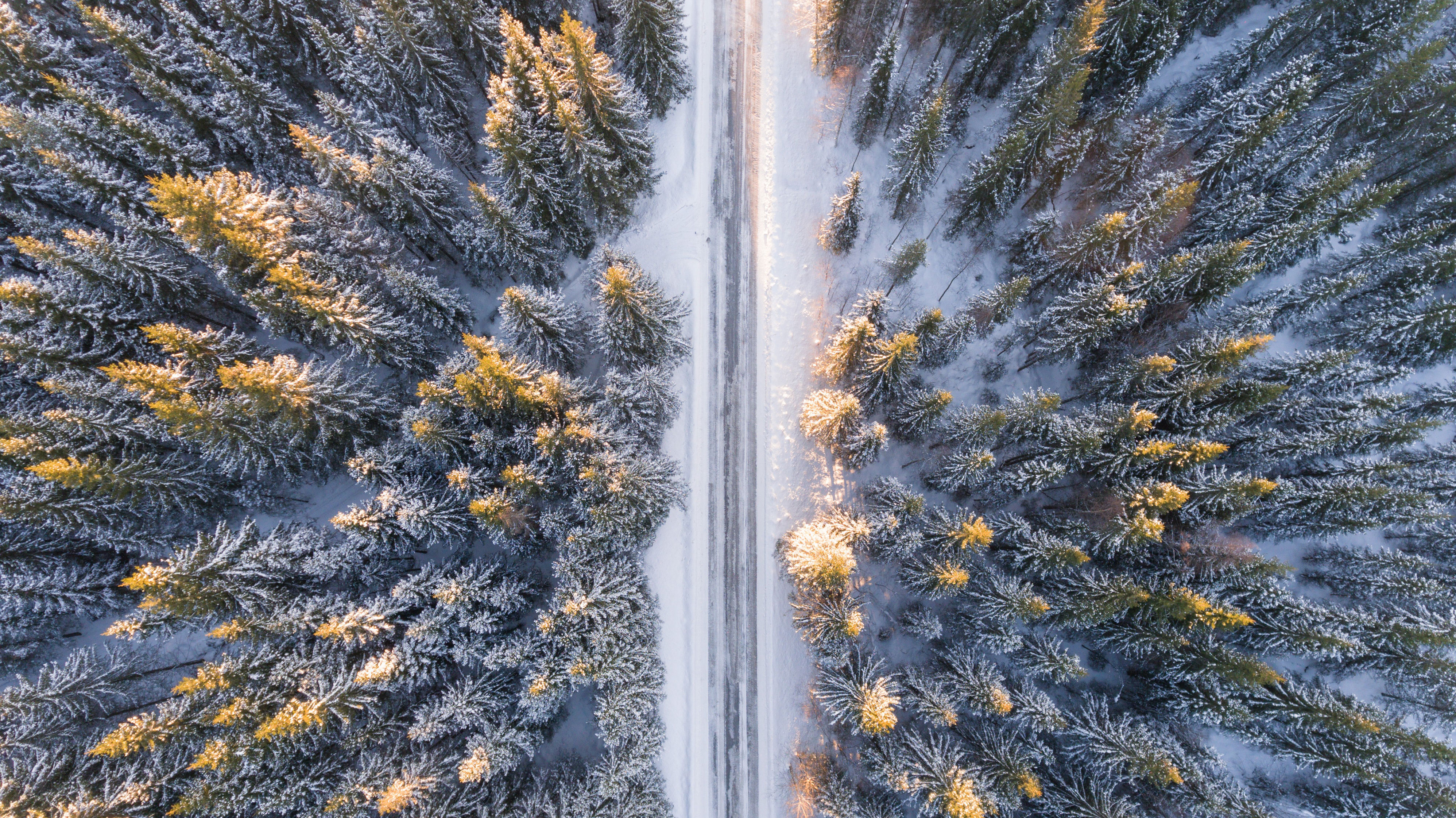 Topdown perspective with the drone
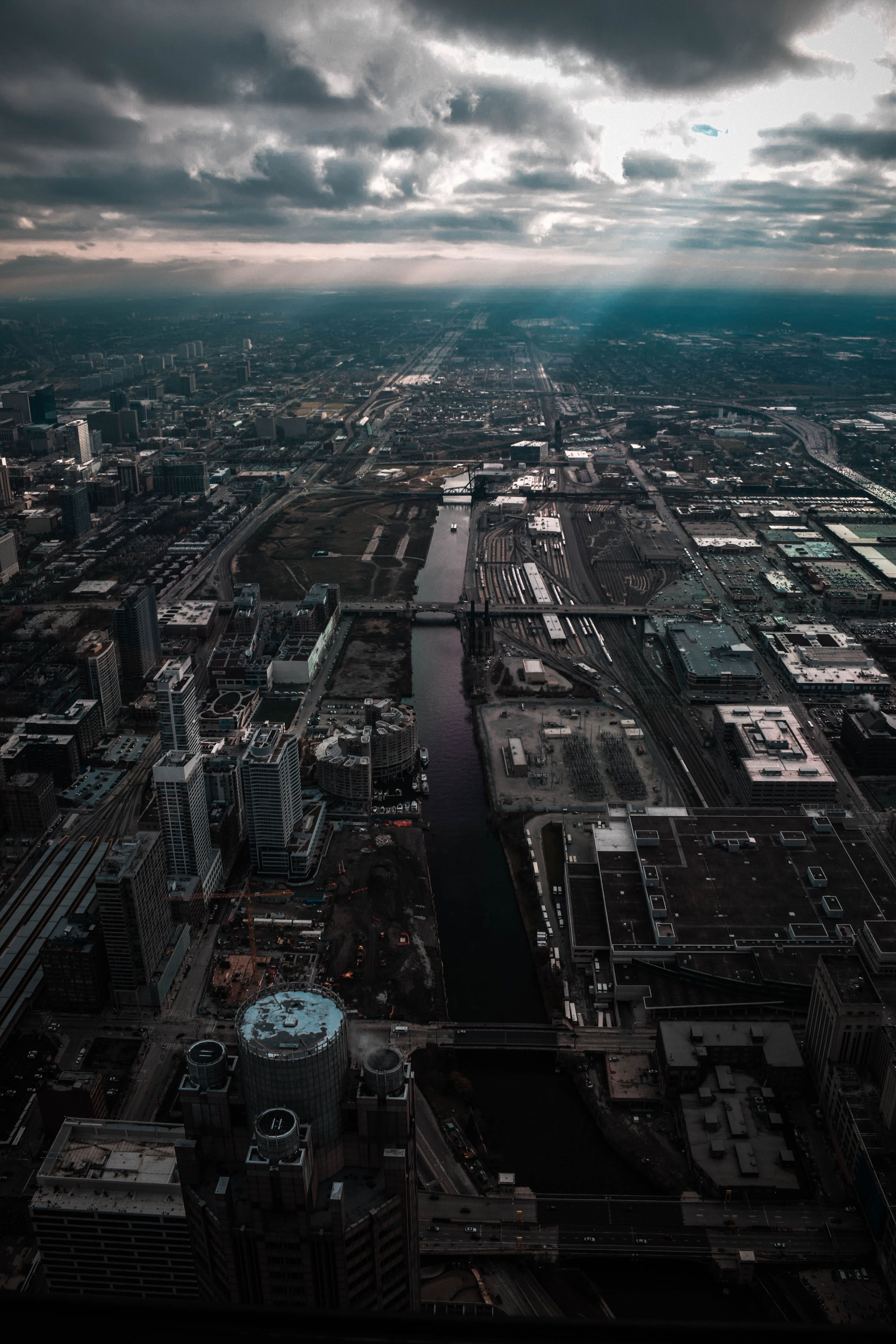 Bird's eye view of a city shot, sky takes up less than one third of the image
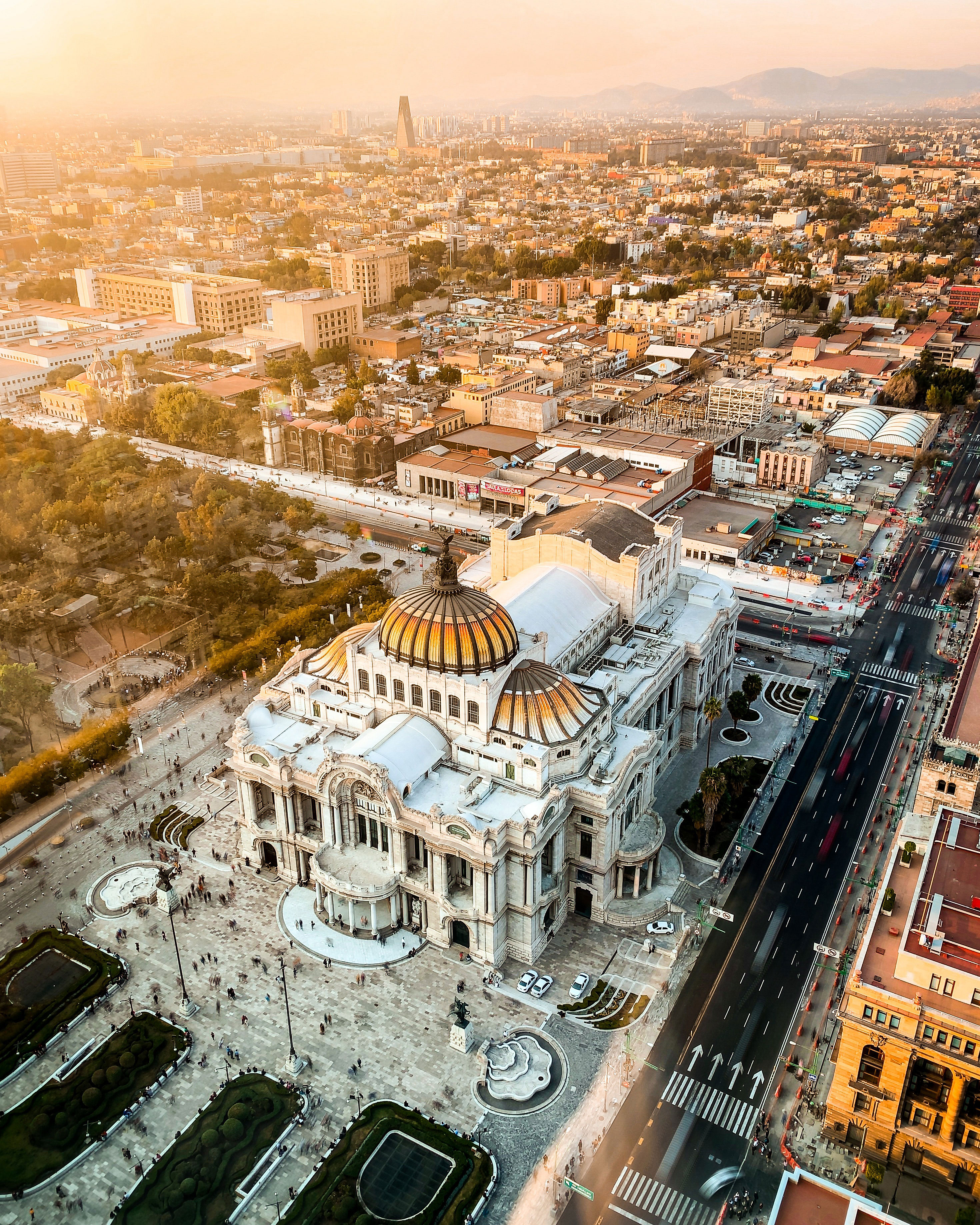 Bird's eye view of a city shot, sky takes up less than one third of the image
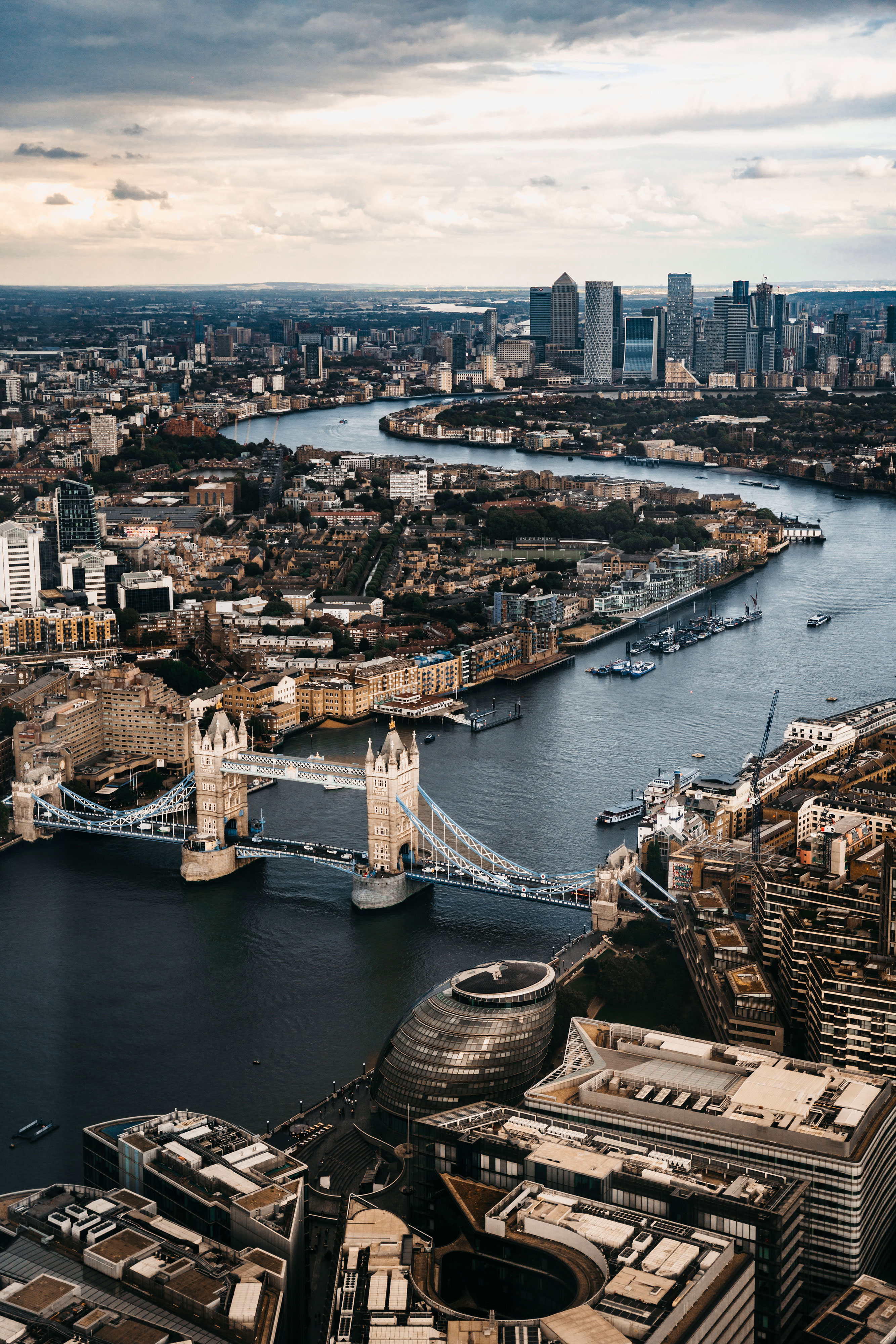 Bird's eye view of a city shot, sky takes up less than one third of the image
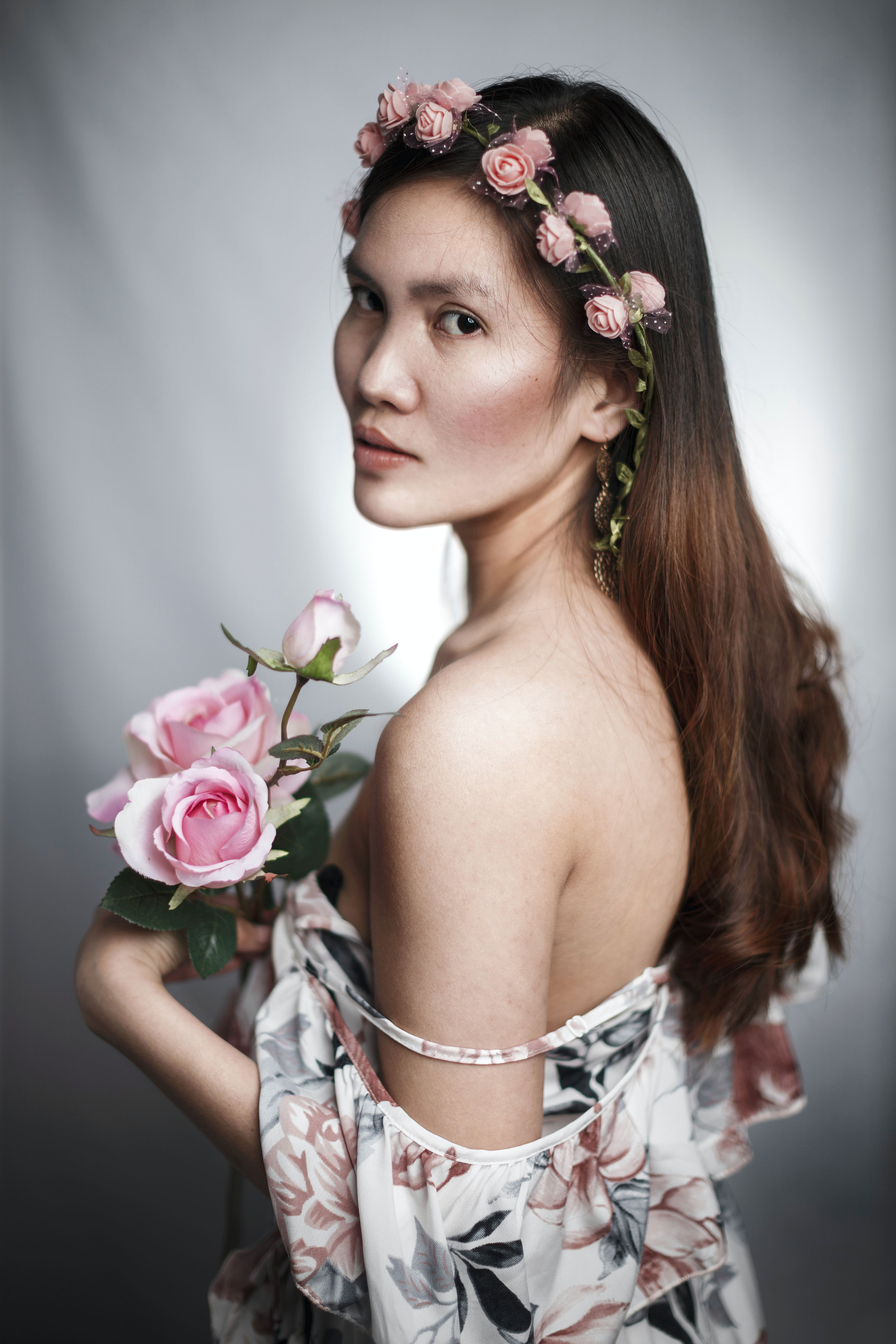 The top view additionally emphasizes the cheekbones depending on the light setting
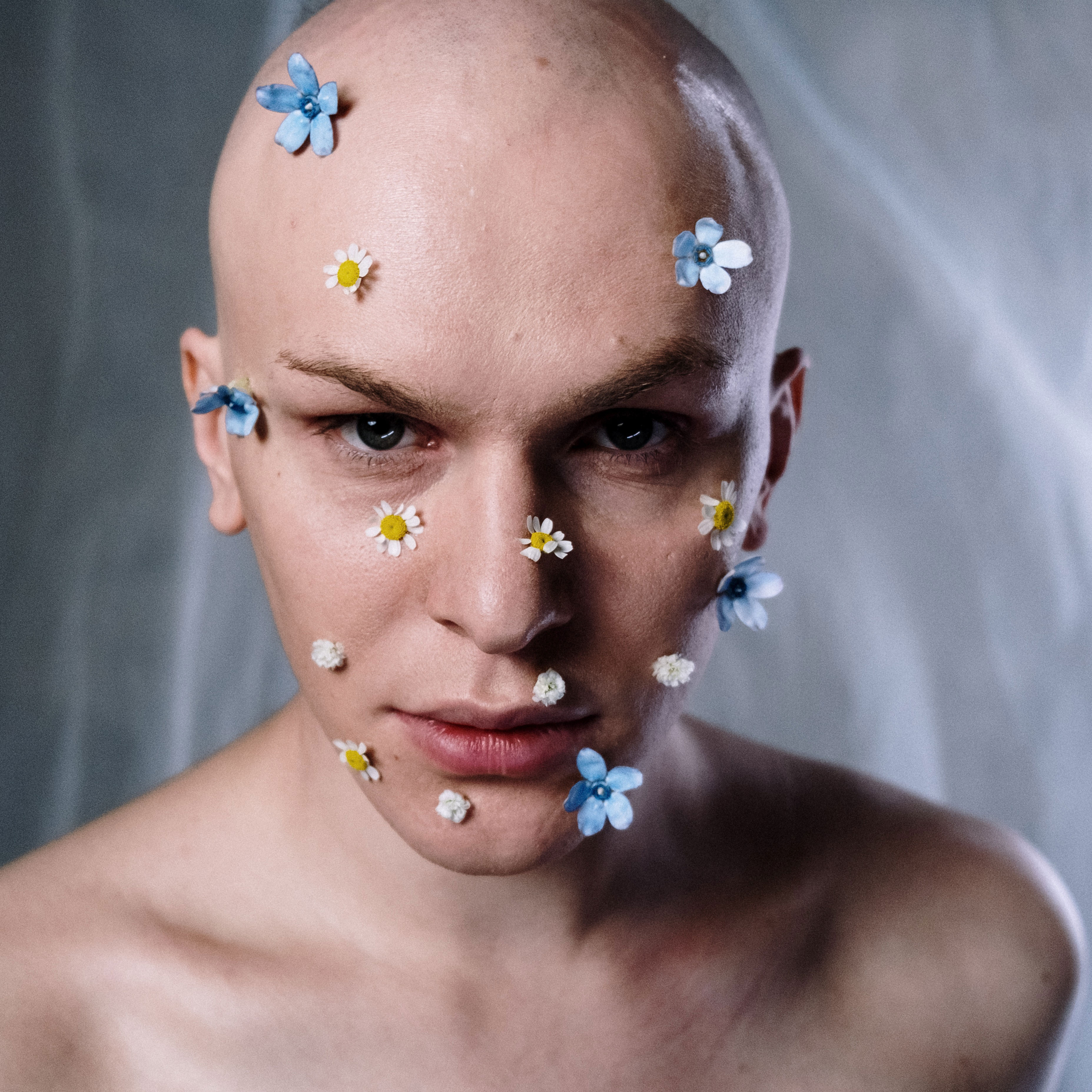 Effect of the top view on a male model
Application of top view & bird's eye view in portraits
The perspective is suitable for seated portraits, which should direct the viewer to the model's face. When using ultra-wide angles, the distortion still occurs, which brings into play the effect described above. We have picked out a few examples of this in the section below. The top view can make a model look a little slimmer and her limbs a little longer because of the perspective and distortion.
Prominent use cases of the wide angle
Incidentally, this stylistic device is also heavily used in the anime series "Naruto" during the Chunin selection trial to intensify the character development or conflict of the character Gara. In the movie "Fear and Loathing in Las Vegas" with Johnny Depp, not only is the famous Dutch Angle used repeatedly. There are also some scenes with a wide angle lens in the top view and in the bird's eye view, with the distortion for the noise effect. Unfortunately, we can't show any scenes or screenshots for copyright reasons. However, we recommend you to just have a look at them, especially "Fear and Terror in Las Vegas" is a masterpiece of absurdity and still real Hollywood.
The choice of equipment
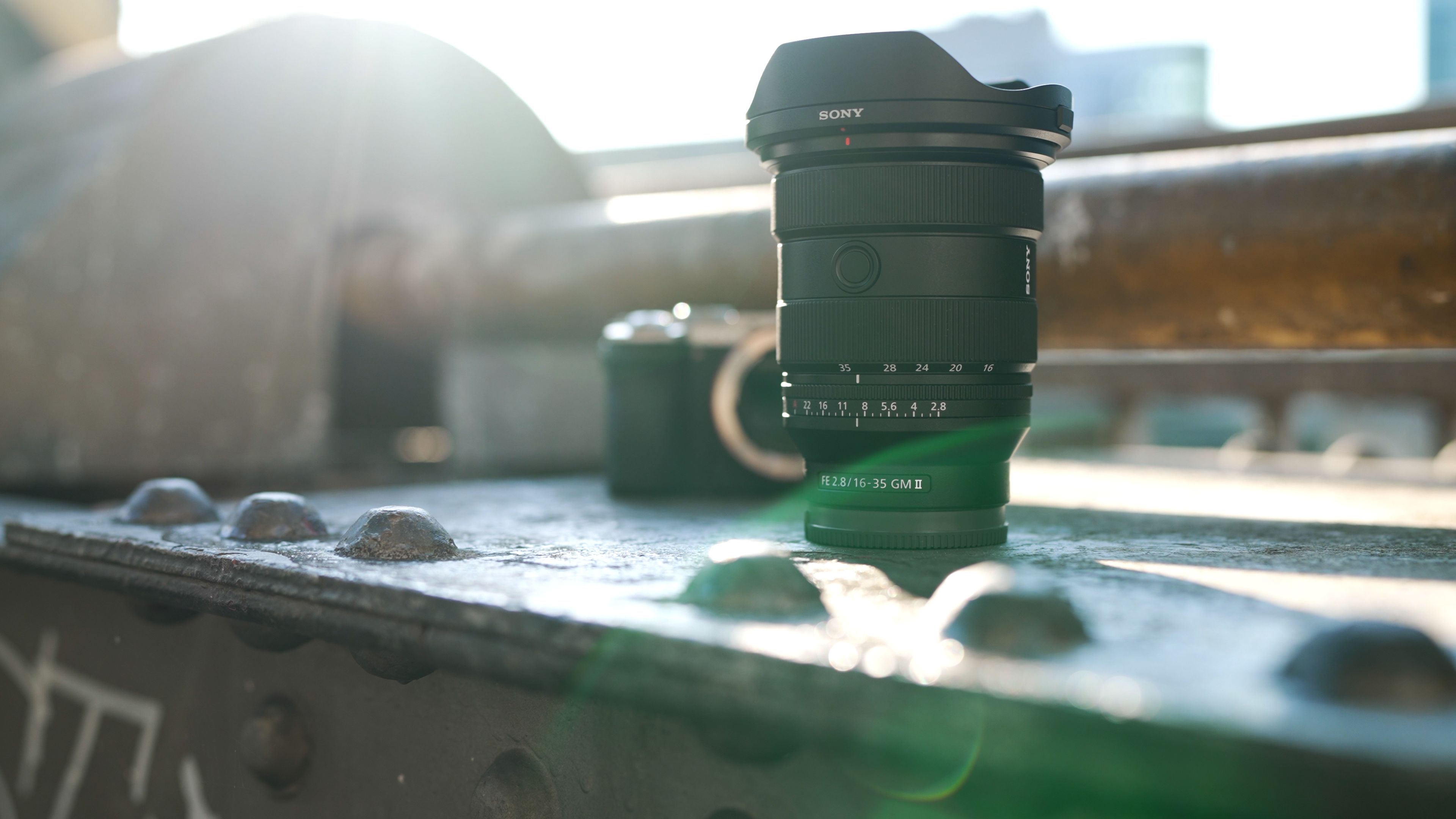
When it comes to equipment, anything goes and everything is possible. But you can do little wrong with a wide-angle lens. If you add a telephoto lens, you can get a lot of great and detailed close-up shots from an overhead / bird's eye view.
If you attach your camera to a tripod and hold it in the air, you can also create a DIY-style drone shot yourself with the help of a radio trigger, since drones are now banned in many places. But a tripod, like a monopod or selfie stick, is often allowed.
Our Schnappschuss No. 58: Perspectives
Of course we also provide the necessary creativity and inspiration: In our Schnappschuss number 58 you could catch a variety of angles and new perspectives. Take advantage of the offer and take another look at the PDF of the magazine when you get a chance. Otherwise, feel free to check out our other articles related to this Schnappschuss.
A small task for you:
Use your next vacation or the next walk through your city to move out of your usual perspectives, let your gaze wander through the distance from time to time and hold your camera above your head.
Show us your pictures on Instagram and/or Facebook and tag us @fotokochde! We look forward to seeing your results!

Thanks for reading this article. If you're interested in more photography basics, then check out the other camera basics
Get to know your camera ? Discover the fun of photography
You bought a camera and are taking your first steps in photography? With the automatic mode you miss a lot of potential! Photography is only really fun when you understand your camera and know exactly which settings you need to set to get the photo you want. Learn the importance of the functions and ignite your enthusiasm for photography!
Go to all camera basics