Macro lenses
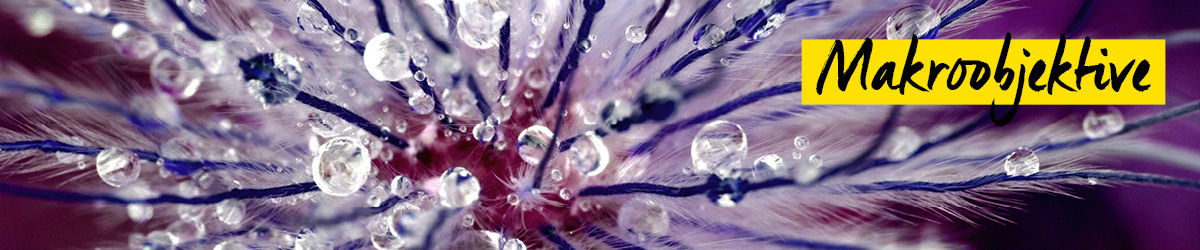
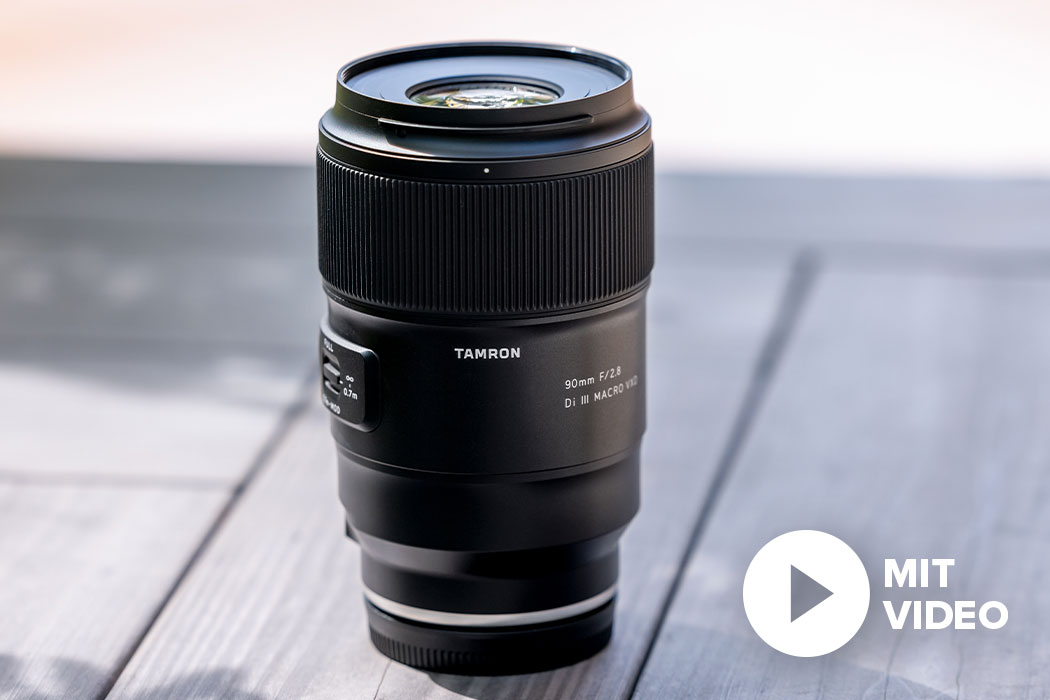
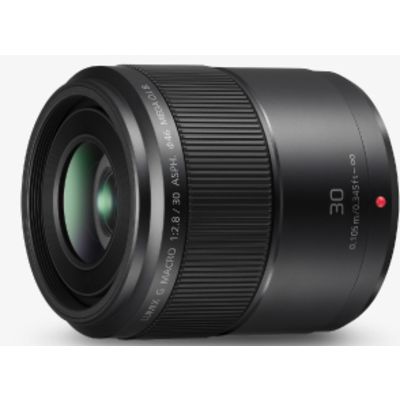
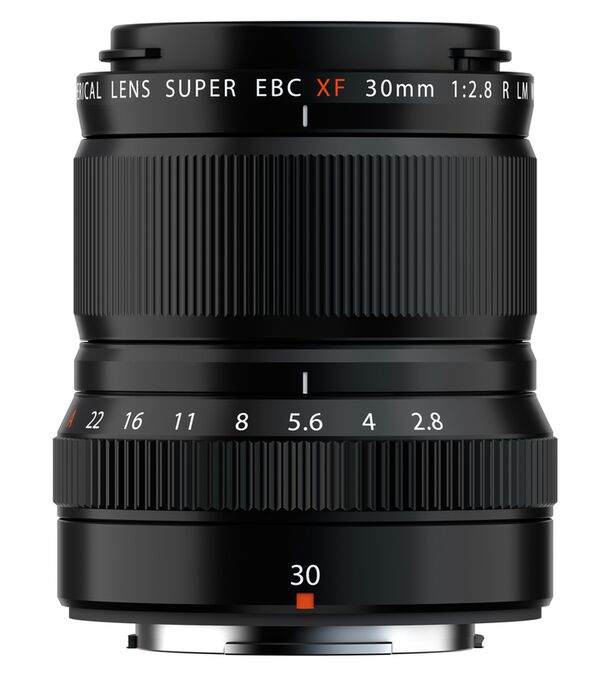
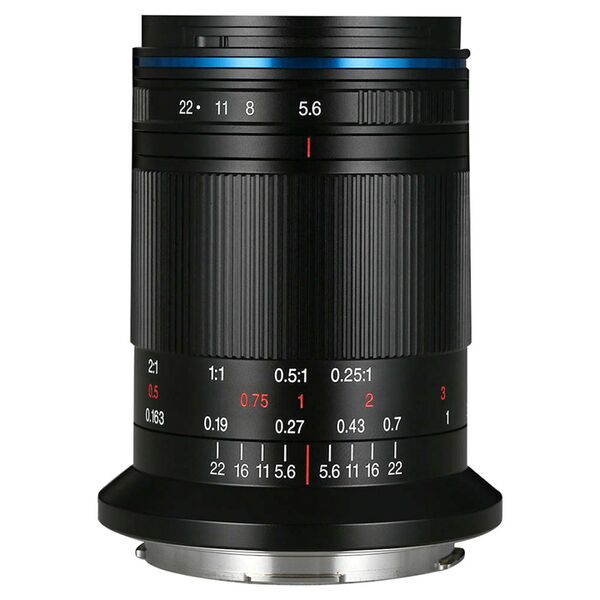
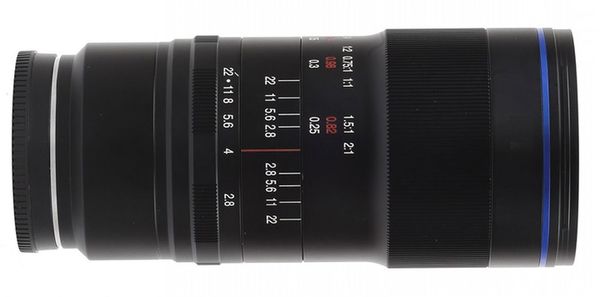
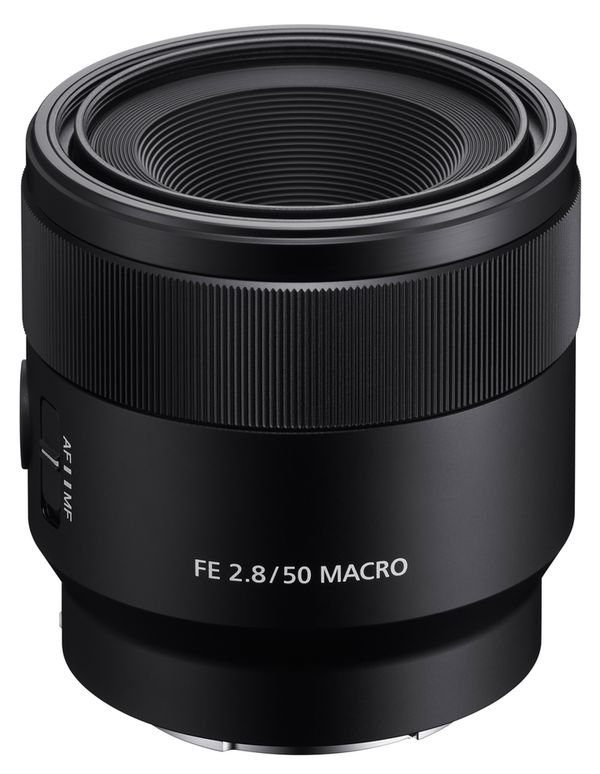
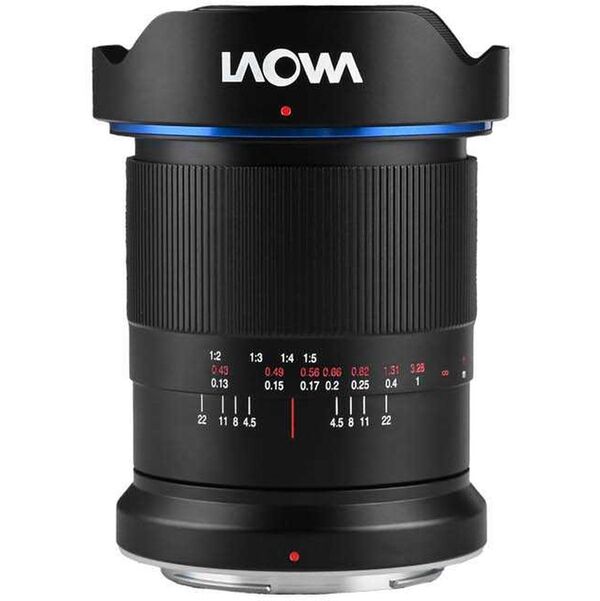
Here you will find all macro lenses. These are specially designed to bring out the small things in a big way. The macro lenses are available as Fixed focal lengthas Zoom lensor Megazoom lens or as a Telephoto lens.






Free live consultation
Your individual consultation - from the comfort of your sofa
Arrange appointment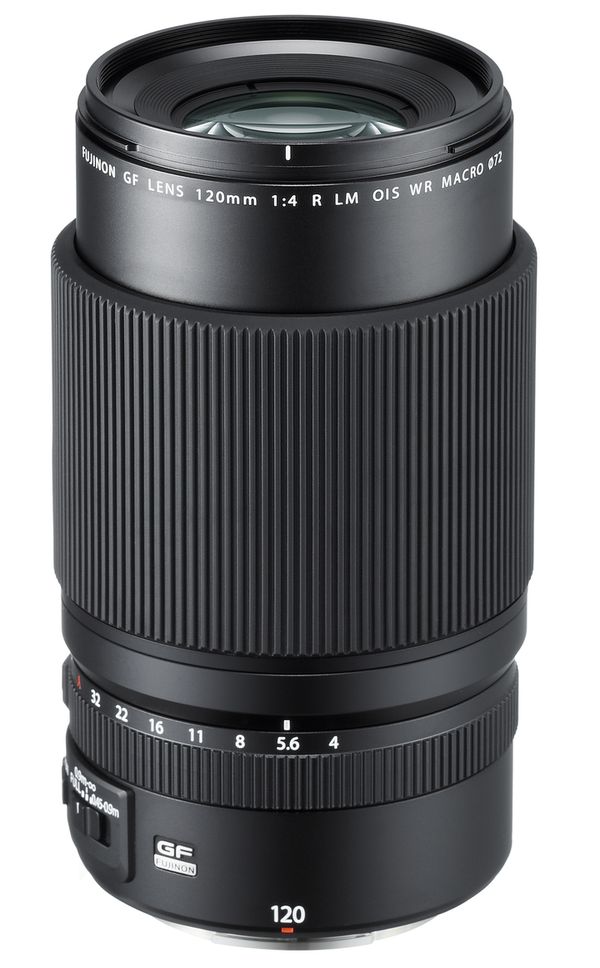
Olympus M.Zuiko AF 30mm f/3.5 ED Micro Four Thirds
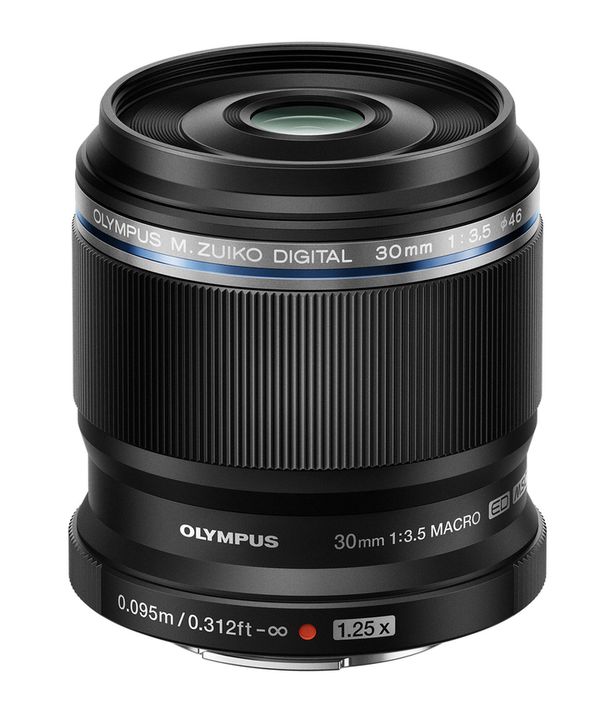
Olympus M.Zuiko AF 30mm f/3.5 ED Micro Four Thirds
Meaning of the delivery status
Immediately available
The item is in stock and can be shipped at short notice.
The item is also in stock in our shop in Düsseldorf.
Please note: Despite updating our website regularly, it is possible that an item may be out of stock but shown as available for a short time, especially when orders are high. All information is therefore without guarantee. We will inform you immediately if there is a delay in the expected availability/delivery time. The availability information refers to an order quantity of 1. Availability may vary for higher order quantities.
Delivery time (from-to) working days after receipt of payment
The item is not in stock in our inhouse warehouse and will be ordered from the external warehouse/manufacturer or disributor after you have placed an order. The expected delivery time is listed with the item.
Please note: Despite updating our website regularly, it is possible that an item may be out of stock but shown as available for a short time, especially when orders are high. All information is therefore without guarantee. We will inform you immediately if there is a delay in the expected availability/delivery time. The availability information refers to an order quantity of 1. Availability may vary for higher order quantities.
Item has been ordered
The item has already been ordered from the manufacturer or distributor. The delivery time is usually between 1 week and 2 months. As soon as a more precise delivery time is known, we will publish the details on our website. After placing the order, you will be informed regularly about the delivery time.
Available at a specified date
The item has already been ordered from the manufacturer or distributor. We have been informed of the expected delivery date.
We are happy to order for you
The item is currently not in stock and will be ordered for you from the manufacturer or distributor after you have placed an order. The delivery time is usually between 1 week and 2 months. After placing the order, you will be informed regularly about the delivery time.
Item has been ordered. Delivery time 1-3 months
The item is currently not available. We were not given a delivery time. Experience shows that the expected delivery time is 1-3 months.
Goods have been ordered. Long delivery time expected. Pre-order now and secure your place on the waiting list.
The manufacturer or supplier cannot confirm a date, so we assume a waiting time of 2 to 9 months. You can still order the item and secure your place on the waiting list.
Delivery alarm
You would like to be informed as soon as the item is in stock?
Notification when the product is back in stock No reservation and no place on the waiting listYou want to reserve the product?
Order now, pay later (prepayment) Notification when the product is back in stock Product reservation and fixed place on the waiting list Cancellable at any time free of charge (until delivery)Use macro Lens for the art of depicting small objects life-size
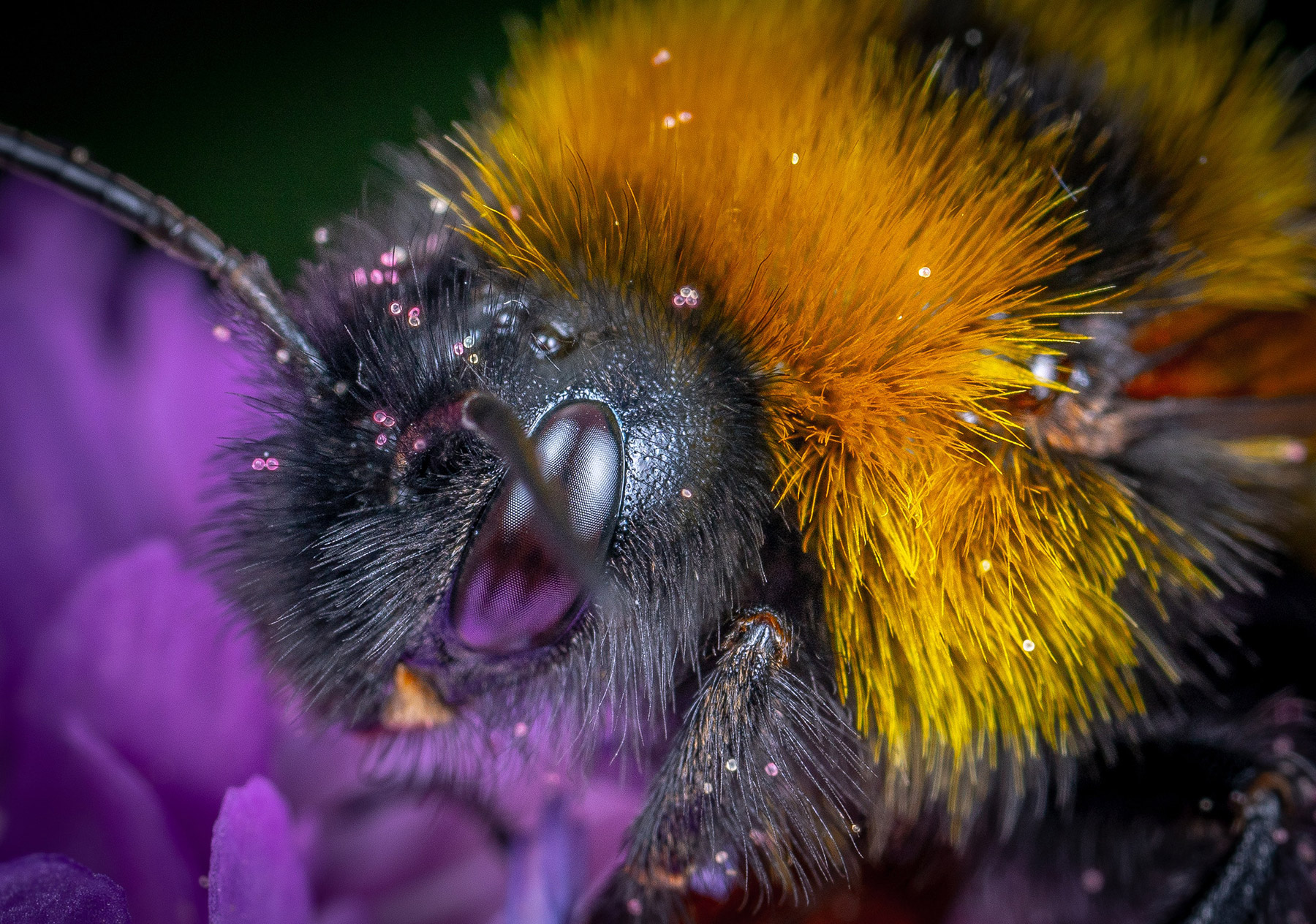
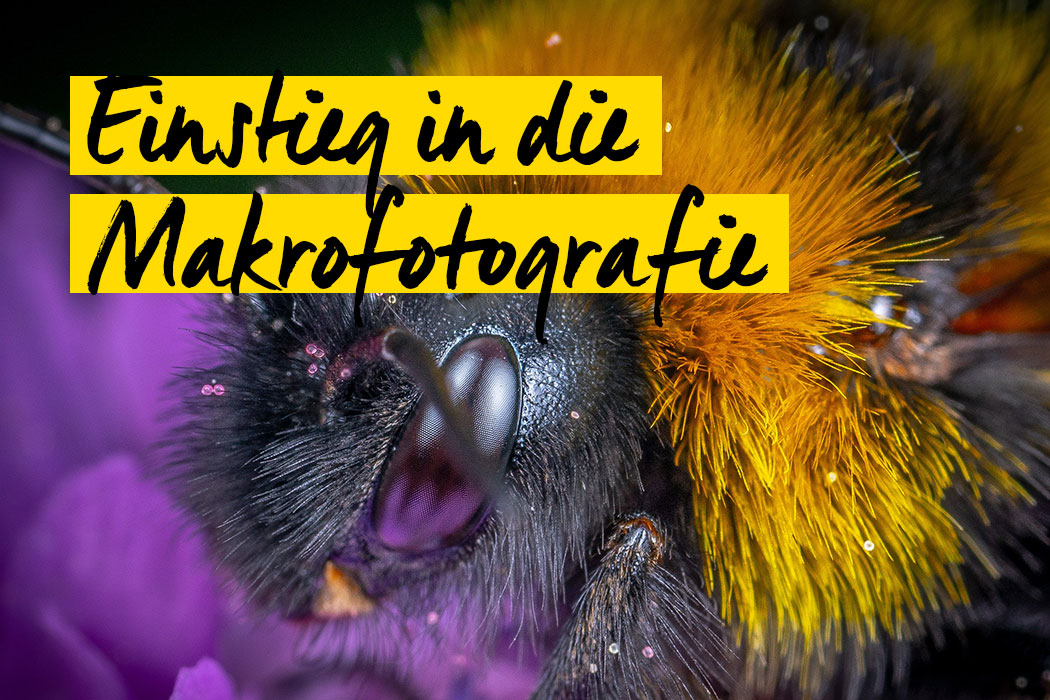
Have you ever seen a picture with incredibly small details, such as the fibers of a plant or the pattern of an insect? These are typical subjects in macro photography, where the macro lens is used as the main tool. These shots of tiny objects, which would not be possible with a standard lens, are both a challenge and an art. A macro lens is also an excellent tool for taking portraits, landscapes and other subjects. In this article, you will find all the necessary information about macro Lens and their use in photography.
What is a macro lens?
A macro lens is a special type of camera lens that allows you to take sharp pictures of very small objects. The magnification factor is often 1:1 or greater. This means that the size ratio of the subject on the sensor level is equal to or greater than the actual size of the subject in reality. This allows you to take super-sharp close-ups of things like flowers or insects with macro Lens. Small objects can therefore be depicted life-size or even larger. This is possible thanks to the extremely short focusing distance of these Lens.
How does macro photography work?
As the most important tool in macro photography, macro lenses work with very short focusing distances to capture sharp images of very small objects. Due to the shorter focus distances of a macro lens compared to a normal lens, the photographer often has to get quite close to the Lens. A wide-angle lens or portrait lens captures an entire landscape or person and reduces the Lens to the size of a camera sensor. A macro lens, on the other hand, captures a tiny animal, for example, and enlarges the image to the size of the camera sensor. Lenses with a magnification ratio of 1:1 or 2:1, for example, are therefore macro lenses, whereas magnification ratios of 1:2 or 1:3 are not.
What are typical focal lengths for macro Lens?
An important point when choosing a macro lens is the focal length. In contrast to the purchase of normal Lens, it is not about the wide-angle or telephoto range, but about the minimum focal length. Macro Lens are available in different focal lengths for different purposes. The most common focal lengths range from 50 to 180 mm. The exact values depend on the respective manufacturer and model. Generally, macro Lens with shorter focal lengths are smaller and cheaper to buy. Macro Lens with a longer focal length have a greater minimum distance to the photo object. This means that more distance must be maintained between them and the object in order to maximize the magnification.
Advantages of macro lenses compared to close-up lenses
A lower weight or lower purchase costs are often arguments in favor of a close-up lens. Nevertheless, macro lenses score points with remarkable close-ups of tiny objects. Thanks to the versatility of these camera lenses, you can also achieve great bokeh and portrait effects. Investing in a macro lens is worthwhile, not least to follow the new trend in photography. Even if the quality with a close-up lens is enough for you at first, you will quickly forget about these lenses once you have taken close-up photos with a high-quality macro lens.
Lenses that offer a glimpse into this new world are available from almost all camera manufacturers, such as Canon, Nikon, Sony, Leica, OM System or Pentax in their program. But also manufacturers such as Samyang, Laowa, Sigma and Tamron all those who want to get really close will find what they are looking for.
What are the areas of application for macro Lens?
Macro Lens can be used not only for macro photography, but also for taking pictures of landscapes or portraits. For example, close-ups can be taken of wedding rings at a wedding or beautiful facial expressions can be captured of visitors at an event. Macro lenses are therefore incredibly flexible to use, because not every Lens allows you to take pictures of the picturesque view of the mountain landscape and then focus on pretty wildflowers or tiny insects up close in the next moment. This versatility is not possible with a regular Lens.
6 tips for macro photography
- Use a macro lens or macro lens to capture small objects in close-up.
- Use a tripod to keep the camera stable and avoid camera shake.
- Experiment with depth of field by opening or closing the aperture to focus on the desired area.
- Try ring lighting or a reflector to illuminate the subject and minimize shadows.
- Try shooting the subject from different angles to achieve interesting perspectives.
- Use the Live View function on your camera to focus precisely on the subject on the screen.
Focus stacking
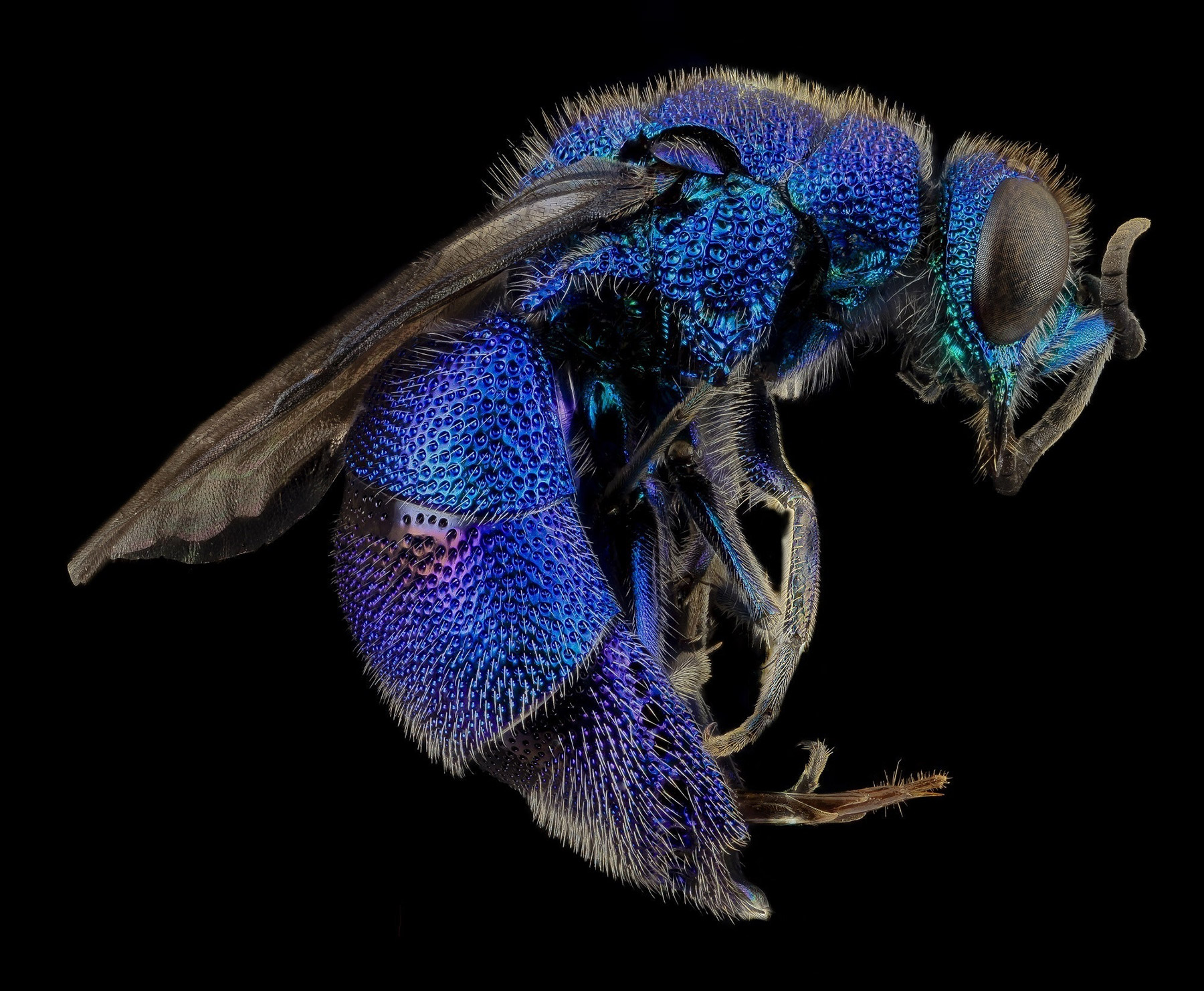
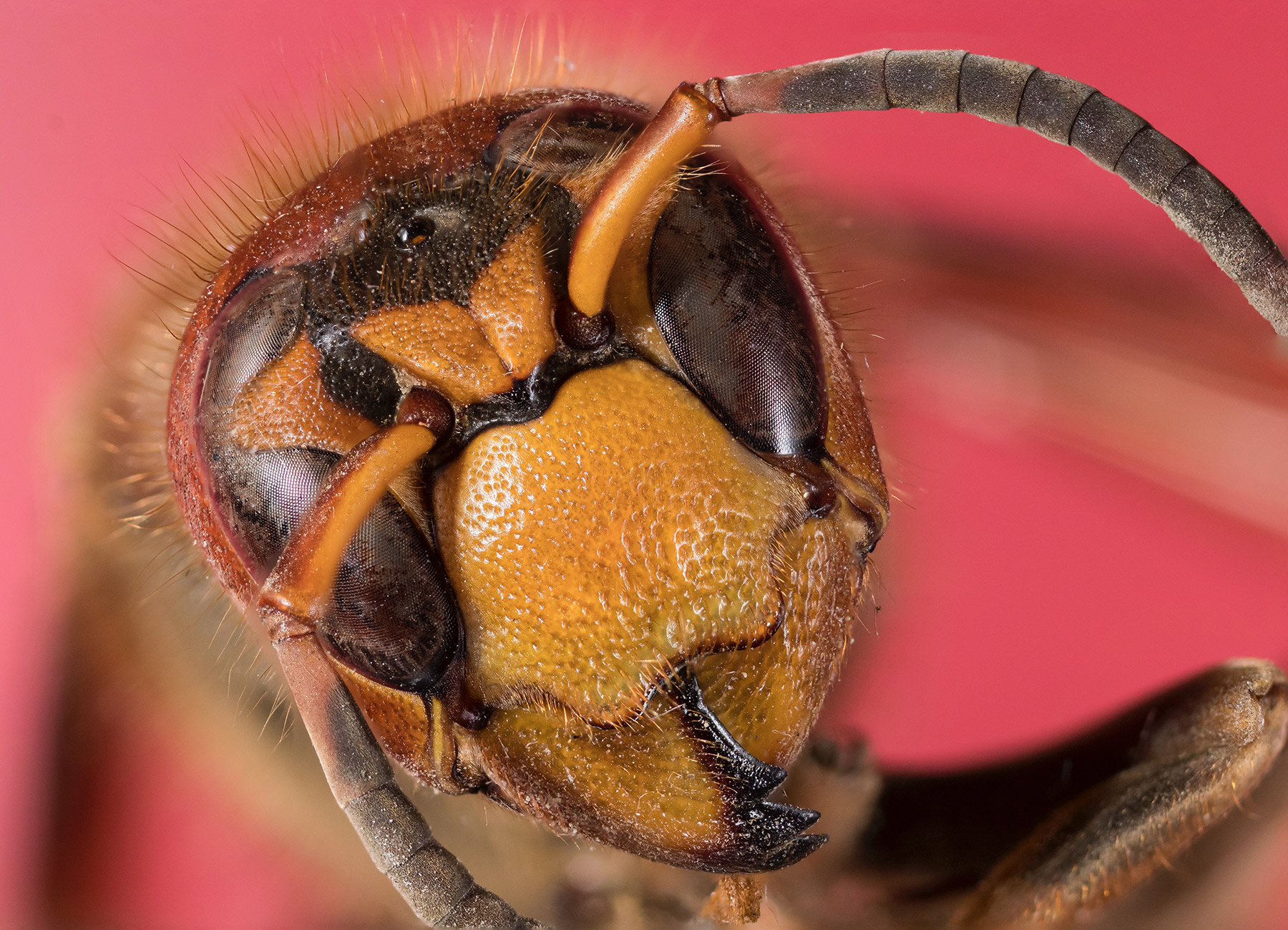
Macro photography offers great potential for very detailed shots, which are possible thanks to focus stacking. With focus stacking, several shots are combined to achieve a greater depth of field. A few examples of this are shown below: