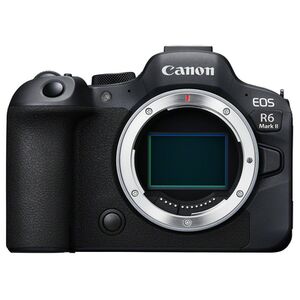
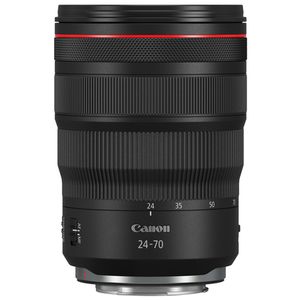
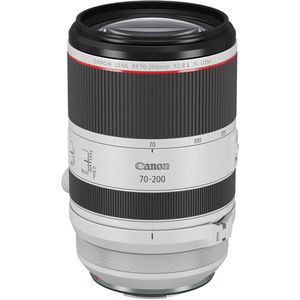
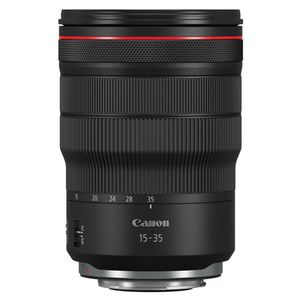
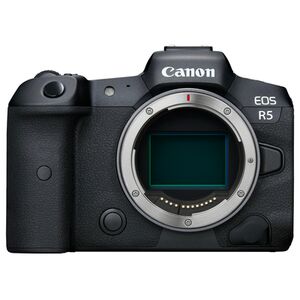
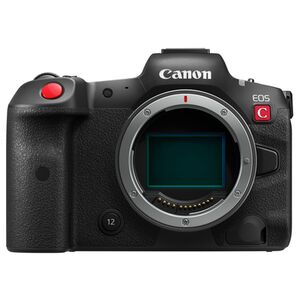
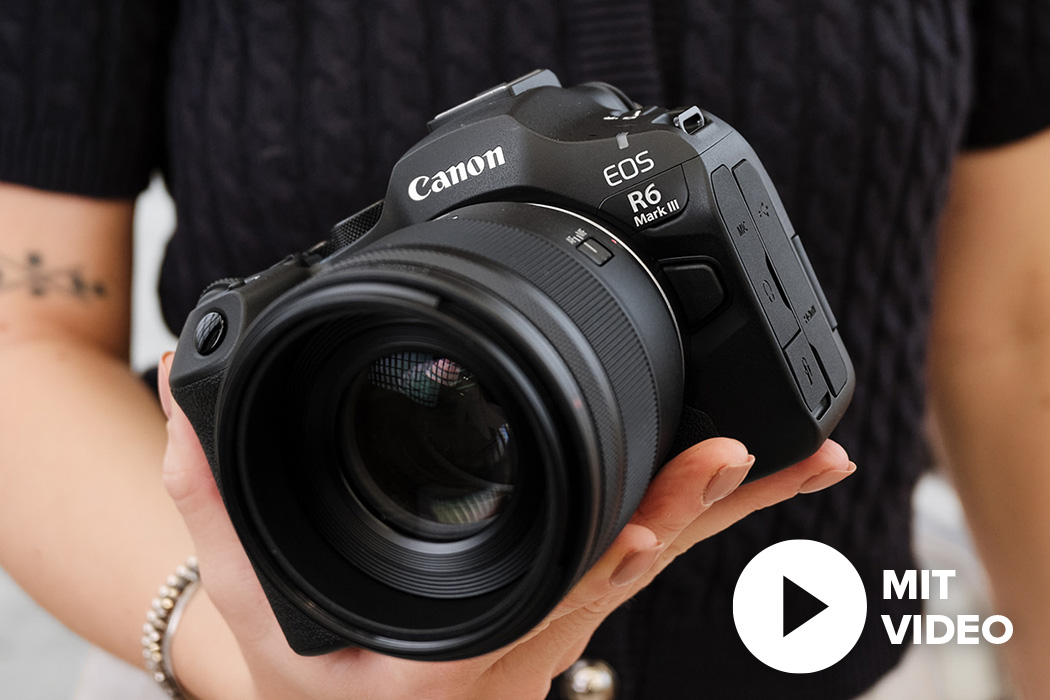
 Source: Canon
5 reasons for the Canon RF system
Should I switch from my beloved EF lenses to the RF system? Many Canon fans are probably asking themselves this question. Because even though the EF bayonet is over 30 years old, it is still very popular. In this article, you can find out why switching to the RF system can still be a good investment.

1. Compact without sacrificing quality
Although the diameter of the RF bayonet has remained the same at 54 mm compared to the EF bayonet, the flange focal distance - i.e. the distance between the bayonet and the sensor - has been more than halved in the new RF system: From 44 mm to 20 mm. This means that RF lenses can be built much more compactly than their EF counterparts without compromising on quality, which can make a huge difference, especially when traveling.
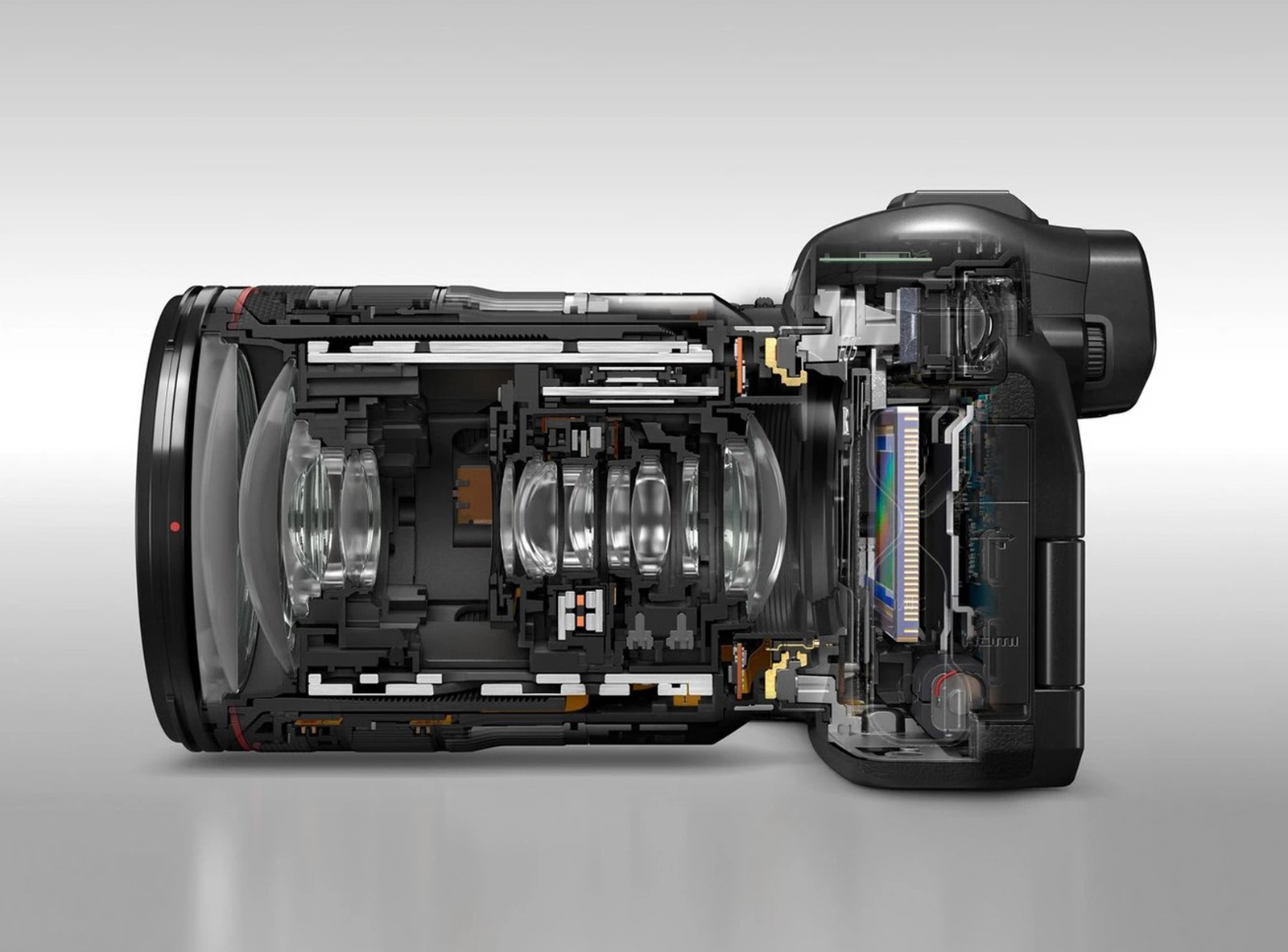
 Source: Canon
2. Faster communication
With the new RF system, Canon has also greatly improved the communication between camera and lens. A total of 12 (instead of the 8 used with the EF bayonet) poles connect the camera and lens and ensure a significantly higher bandwidth in data transmission.
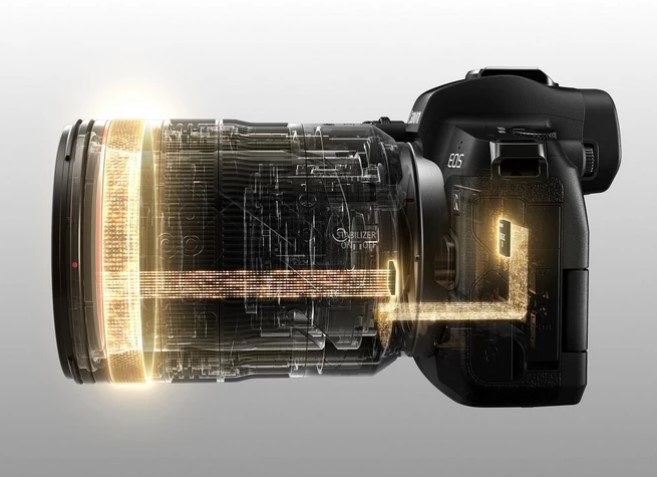 Source: Canon
3. Better operability
Thanks to the significantly faster communication between camera and lens, the RF system offers numerous new control options that were previously not possible. For example, all RF lenses are equipped with a special control ring that can be individually adjusted. This allows you to conveniently control a wide range of settings such as shutter speed, aperture, ISO or even the AF area without having to open the menu.
 Source: Martin Bissig for Canon
4. Better autofocus
The higher bandwidth of the RF system mentioned above also ensures significantly better performance in terms of autofocus. Top cameras, such as the EOS R 5 or R 6, can focus on their subject in just 0.05 seconds and then track it reliably throughout the entire image section.
The RF lenses also use the latest autofocus technologies: the RF 70-200mm f/2.8 IS USM, for example, is the first lens to use Dual Nano USM technology and is equipped with two UltraSonic Motors (USM), which together ensure faster and more efficient focus performance.
 Source: Oliver Wright for Canon
 5. Perfect for videos
Switching to the RF system also offers many advantages for videographers: The speed of the electromagnetic diaphragm (EMD) has been increased on all RF lenses. This enables smaller aperture steps of 1/8 in the video range, which means that changes in brightness during the adjustment of the aperture are much less noticeable when filming.
The aforementioned faster communication between camera and lens is also noticeable when filming in terms of image stabilization. Thanks to the new design of the RF bayonet, the sensor has much more freedom of movement and can therefore compensate for camera shake much better.
Many RF lenses are equipped with an optical image stabilizer (OIS). You can easily recognize such a lens by the abbreviation IS in the lens designation.
RF lenses with IS show their strengths above all in combination with cameras, such as the R 5 or R 6 Mark II, which are themselves equipped with internal image stabilization (IBIS). This is because the cooperation between the two systems enables stability of up to 8 f-stops.
6. Conclusion
No question: EF lenses are still good and definitely have their raison d'?tre - it is not for nothing that they have been used by many for over 30 years and can also be used on the new EOS R cameras with the appropriate adapters without any problems.
However, if you want to benefit from the many innovations and new technologies that Canon has developed in recent years, you should definitely consider switching to the RF system. Especially in combination with the new EOS R cameras, RF lenses offer significantly better performance on many levels with the same or even a more compact design.