Guide to street photography
What is street photography?
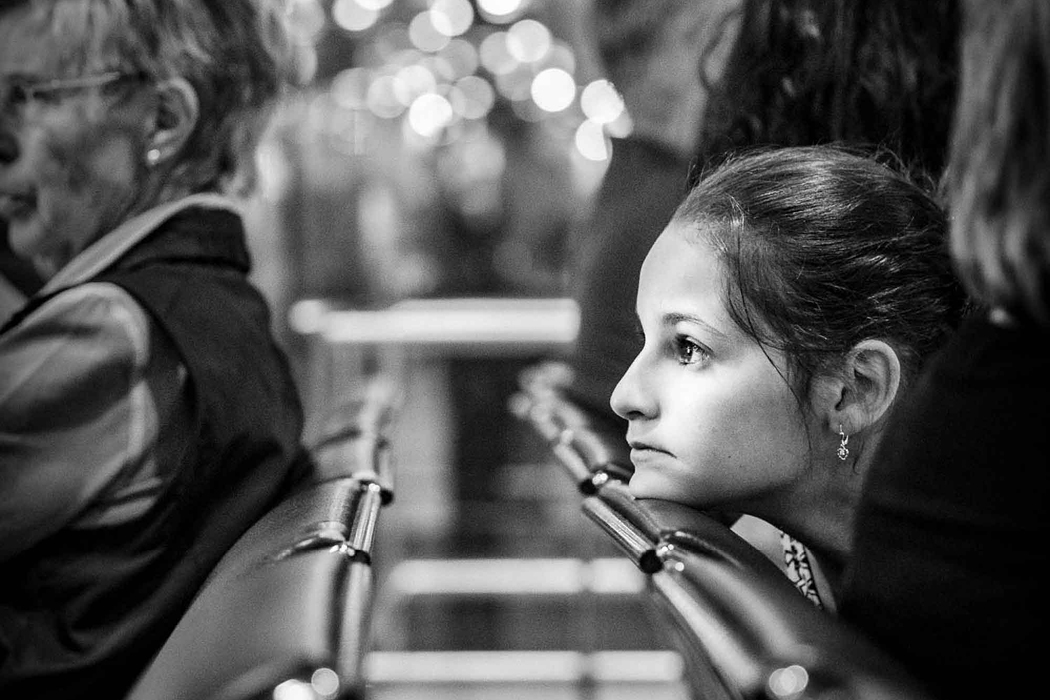
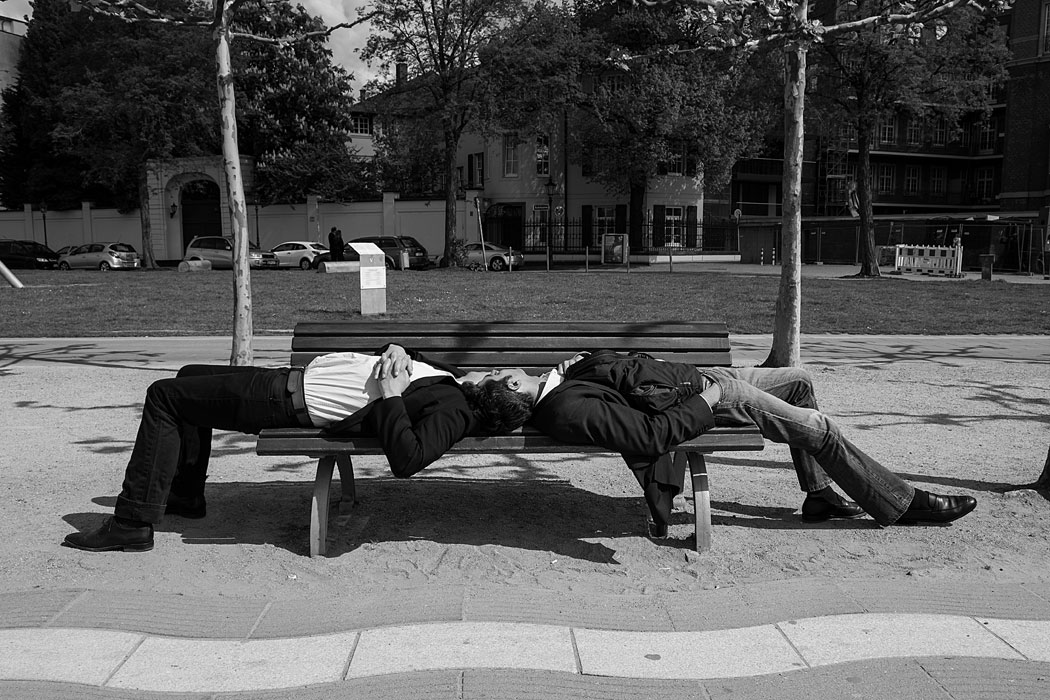
This is not necessarily about pictures taken on the street. Street photography is basically an honest portrayal of everyday situations, taken in public spaces such as the train, a café/ or a park. It is about capturing a moment as unadulterated as possible.

 Cafe in New York at the crack of dawn | @bentaeff
What is the best approach to street photography?
It's not enough to simply point and shoot; image composition also plays an important role in street photography. The image should always have a clearly recognizable motif, for example you can direct the viewer's gaze with negative space or leading lines. You should try to make the viewer think or tell a story with your picture.
 Man in restaurant | Ben Täffner
Tips for better street photography
-
Look for objects, places or situations that are interesting. We see many things every day, so take your time and take a closer look at your surroundings.
-
Your picture doesn't always have to be beautiful. Sure, the exposure and ISO should be set correctly, but the important thing is that the picture arouses the viewer's interest.
-
Don't be a Bruce! That means: always be nice - if you photograph people, compliment them after you have obviously photographed them.
-
As in everyday life, respect and friendliness go a long way, because not everyone wants to be photographed. So if someone asks you to delete their picture, you must comply with this request, no matter how well you think the picture turned out.
-
If you don't yet feel comfortable photographing people on the street, then start from a distance. Look for unusual backgrounds, for example, and if you then photograph a person in front of them, the background can become the subject.
-
Another option for introverted photographers: be a tourist! Learn not to look people directly in the eye, no matter how much you can feel their gaze on your neck. Pretend to be a ''tourist'', pretend to be distracted by a beautiful building, for example, or pretend to be filming the area. Remember: everything in the city is new to you! that makes the whole thing exciting.
-
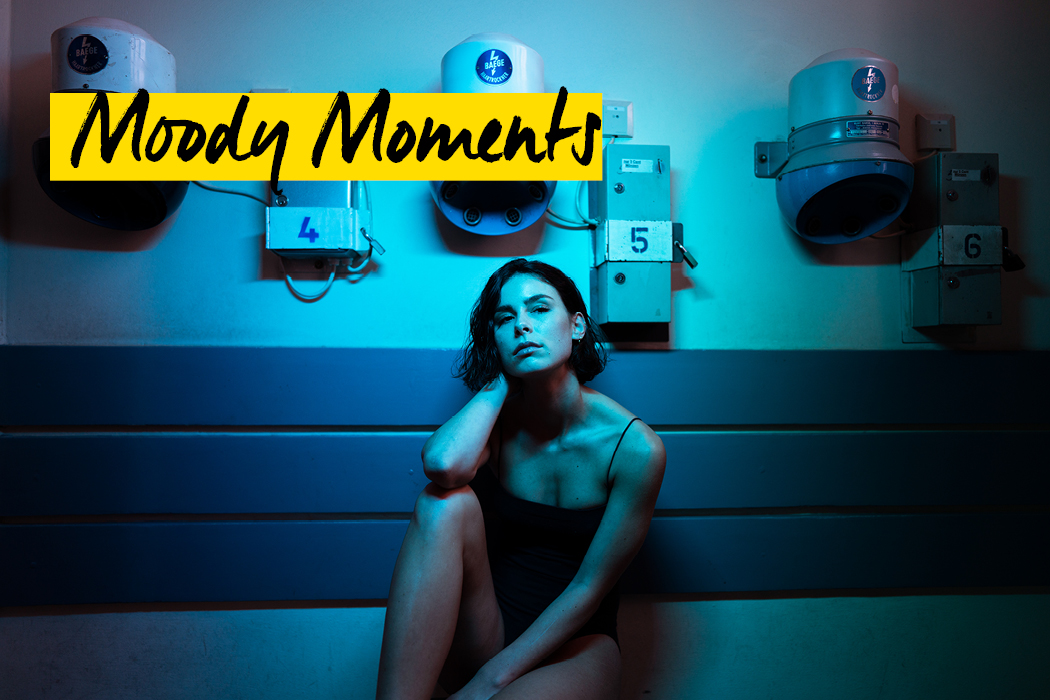
Go outsometimes during or after it has rained. You can create beautiful reflections of neon signs, for example, on the wet street. In addition, people are more focused on themselves and the weather, which also makes it a little easier for you.
-
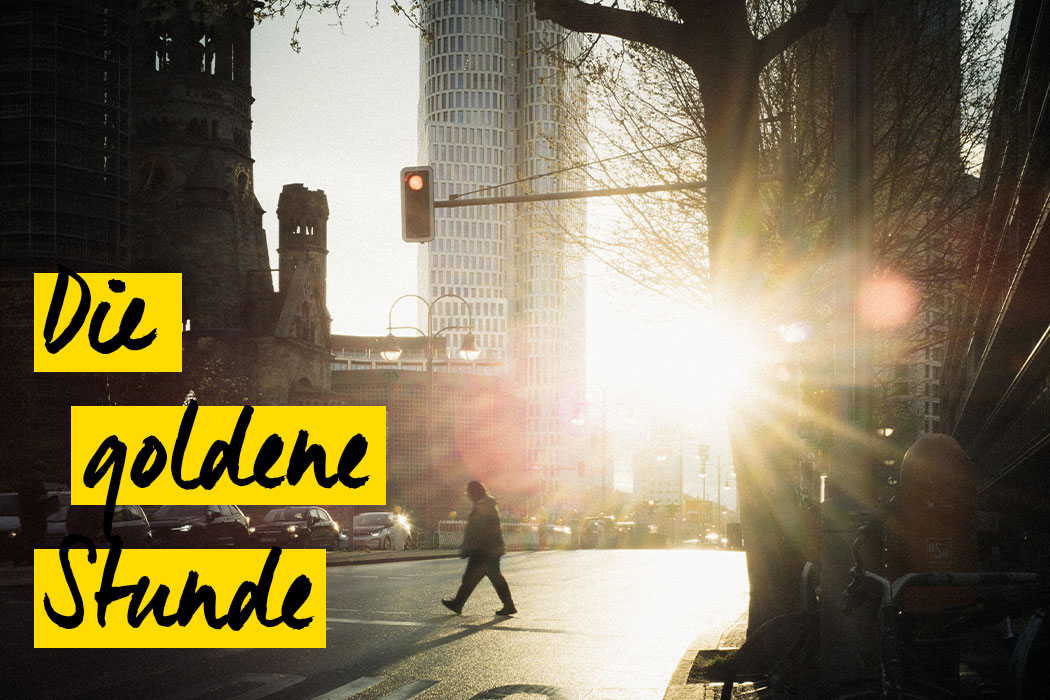
Ahigh contrast between light and dark, for example through shadows cast by a building, makes your picture more exciting and can contribute a lot to the composition. You can use this to focus on one person in particular.
-
Hard geometric shapes in combination with a person in the center provide a different kind of contrast. Here the focus is on the architecture, which also triggers feelings in us.
 Amazed at Times Square | Ben Täffner
-
Not every picture is successful in the end. The best photos are usually the result of a huge number of shots. Street photography always involves a little bit of luck. Being in the right place at the right time and then a good composition. If you take a picture just 2 seconds too late, the pedestrian is no longer in the middle of the street, but almost on the other side. So don't be afraid to press the shutter button.
-
Wear good shoes that you can walk around in for a long time, a rain jacket and use a small, inconspicuous camera.
-
Judging yourself is difficult. Get feedback from others. This doesn't mean you should share it on Facebook and count likes and comments. Get honest and qualified feedback from people you trust.
What times of day are good for street photography?
That's not easy to answer. But first of all, there is no perfect time for street photography. The mood is different depending on what time you set off or what the weather is like. If you set off at 8 a.m. on a Monday morning, you will come across lots of people who are on their way to work, for example, and may be in a hurry. But if you go to the same place on a Friday evening, most people will already have had their weekend and the mood will be more relaxed. Of course, this also changes the atmosphere of your picture.
What features should the camera have?
-
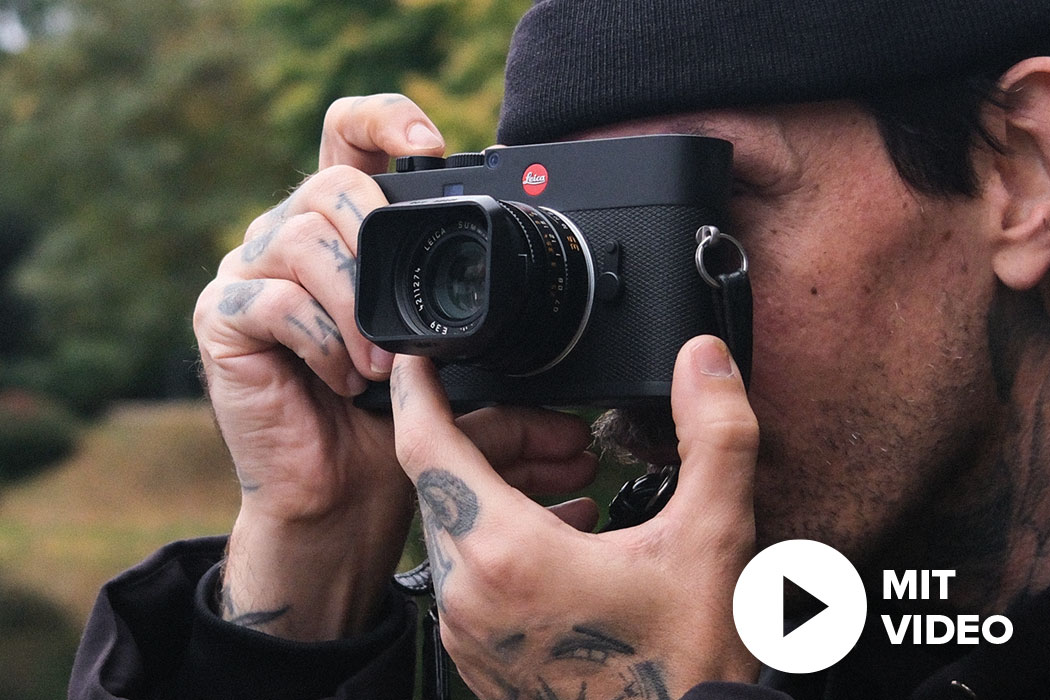
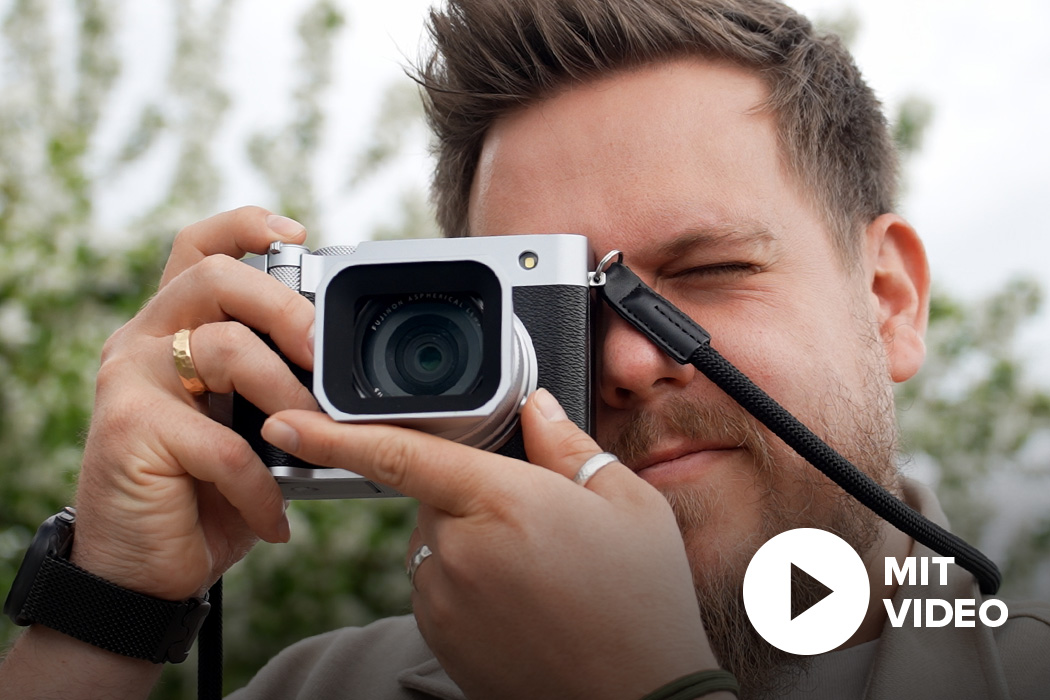
It should besmall and light. If you're out and about with your camera for several hours, it can quickly become heavy. But small and light is not only good because of the weight. Your aim is to capture moments without distorting them; with a large camera you will always attract attention, for better or worse.
-
Autofocus also plays a major role. In street photography, nothing can be planned or predicted, so a fast autofocus is important to be able to react to unforeseen events.
-
Just as important as a fast autofocus is the ability to take fast burst/continuous shots.
-
Nice to have, but not a must, is a silent shutter release. With this, you won't make yourself noticed as soon as you shoot your subject.
 A street vendor smokes a cigarette | @bentaeff
Which focal lengths are suitable for street photography?
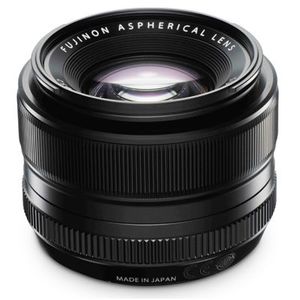
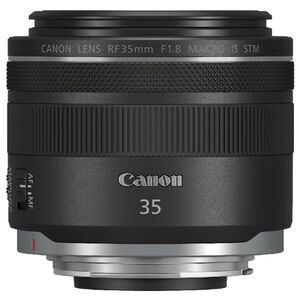
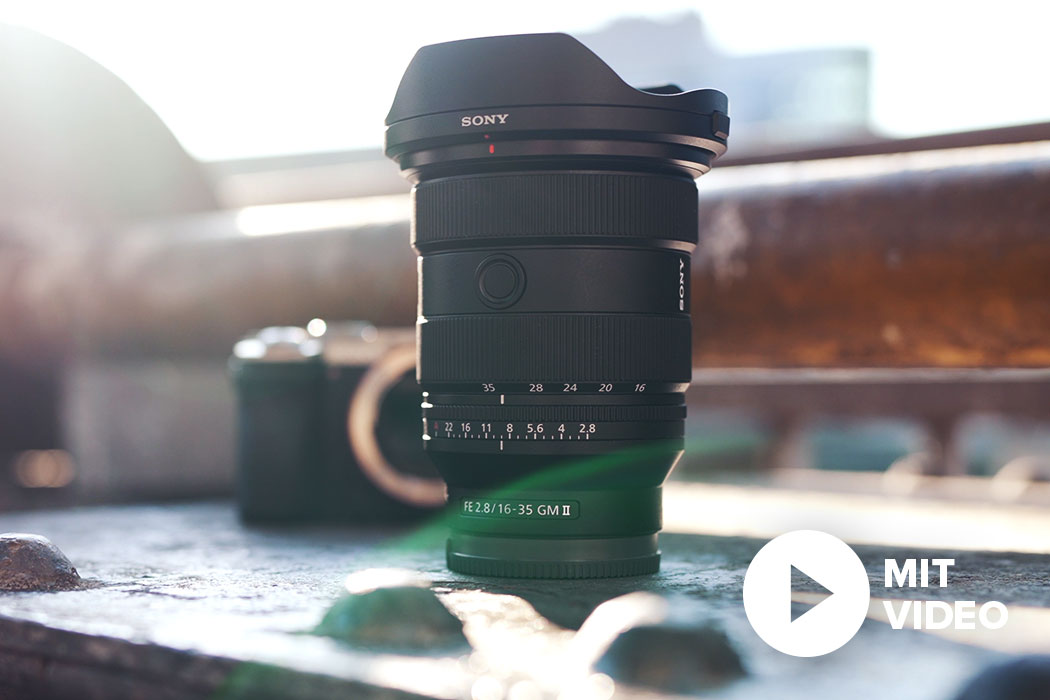
Fixed focal length or zoom? Fixed focal lengths are usually brighter than zoom lenses, which gives them an advantage in low light conditions. Zoom lenses offer the possibility of getting "close" to your subject from a greater distance. Lenses with a focal length between 20 and 50mm are most commonly used. Different focal lengths offer different image looks and also change the way you photograph. A 50mm Lens depicts the subject almost as we perceive it with the human eye. With a wider-angle Lens, you may have to change your point of view.
Camera recommendations
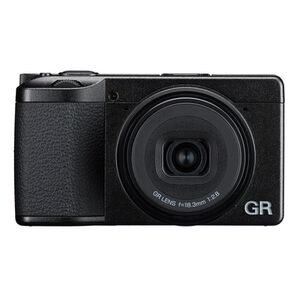
Ricoh GR IV
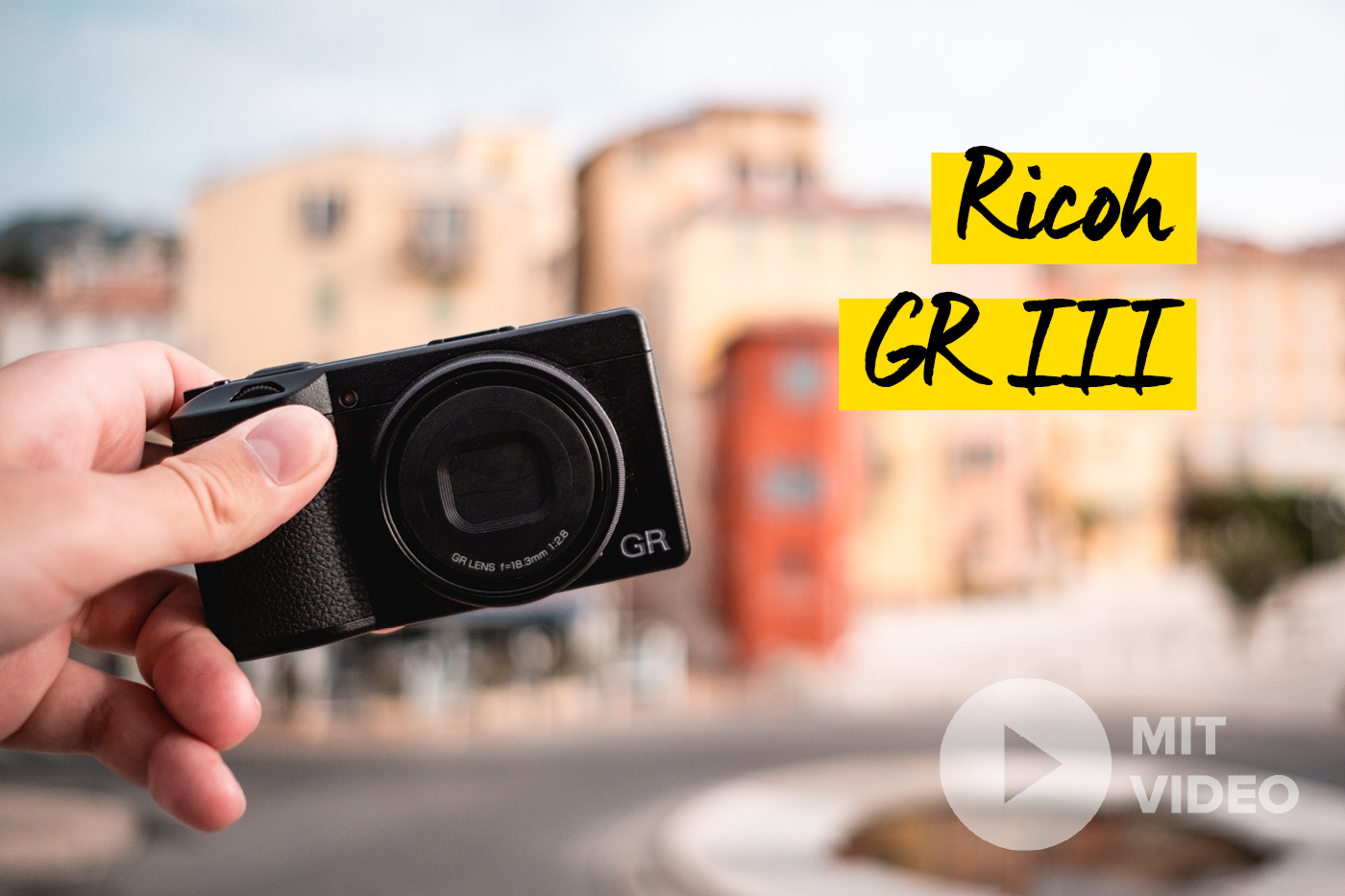
The Ricoh GR IV is a compact, lightweight camera that is particularly suitable for street photography due to its fast operational readiness (approx. 0.6 s). It enables discreet working, offers directly usable film looks for quick further use and a lean operating concept (e.g. Snap-Focus on the dial), which is designed for spontaneous motifs.

Fuji X100VI
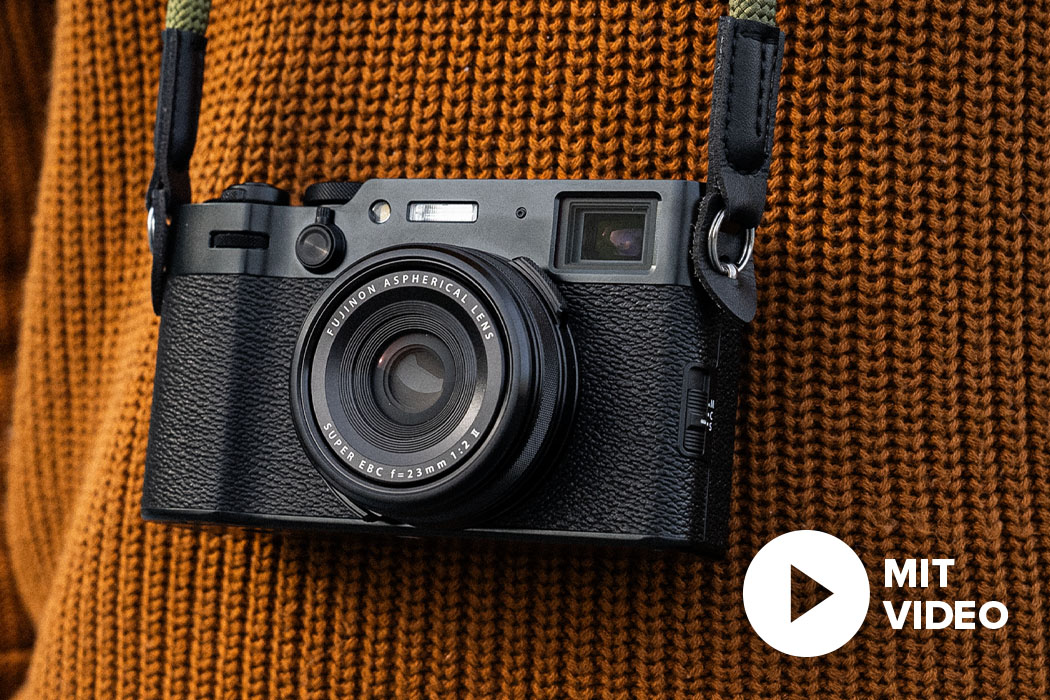
The Fuji X100VI has a 40.2MP APS-C sensor and a 23mm Lens (35mm equivalent) fixed to the body with a lens speed of f/2. With it you have the possibility to take photos without any noise. The performance in high ISO ranges is also impressive.
In contrast to its predecessor, the X100VI now has an IBIS, which makes it possible to take blur-free pictures even in the dark.
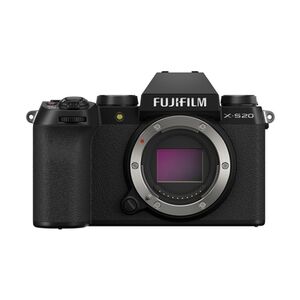
Fujifilm X-S20
With 26.1 megapixels, the Fuji X-S20 offers plenty of potential for one or two cropped shots. The X-S20 also offers the new autofocus system of the X-T5 and a longer battery life, which makes the camera even more attractive. In addition to all this, the form factor and weight are also important aspects that make the X-S20 attractive for street photography. It has an image stabilizer and also features the popular image simulation for analogue films, which many Fujifilm enthusiasts appreciate.

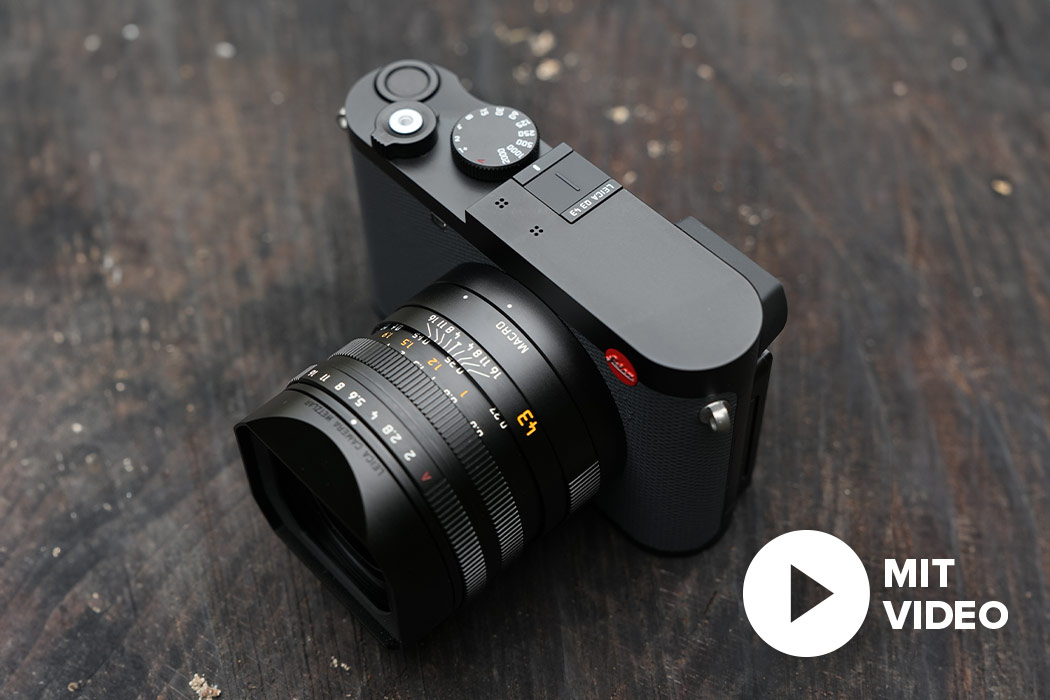
Leica Q3 black
The Leica Q3 is ideal for street photography as it offers a perfect balance of compactness, intuitive operation and exceptional image quality. Its 28 mm Summilux Lens with f/1.7 aperture enables versatile shots with impressive sharpness and bokeh, while the fast autofocus captures fleeting moments with precision. The 60-megapixel full-frame sensor ensures outstanding detail and the robust, weatherproof housing allows spontaneous use in all conditions. With its classic design, it remains inconspicuous, while the tilting display and OLED viewfinder support creative perspectives - a camera made for urban stories.

Panasonic Lumix DC-S9 & Lumix S 35mm f/1.8 Olive
The Panasonic Lumix DC-S9 & Lumix S 35mm f/1.8 (Olive) is a compact full-frame set aimed at photographers who want to combine image quality and mobility: The S9 brings a 24 MP sensor, integrated image stabilization and a nimble phase-detection AF system in a comparatively small, stylish body. The 35mm f/1.8 complements the camera with a moderate wide angle, compact construction (approx. 295 g) and weatherproof design and is well suited for both fast street shots and video recordings. Together they offer a balanced combination of good image quality, uncomplicated handling and direct opportunities for social media content.