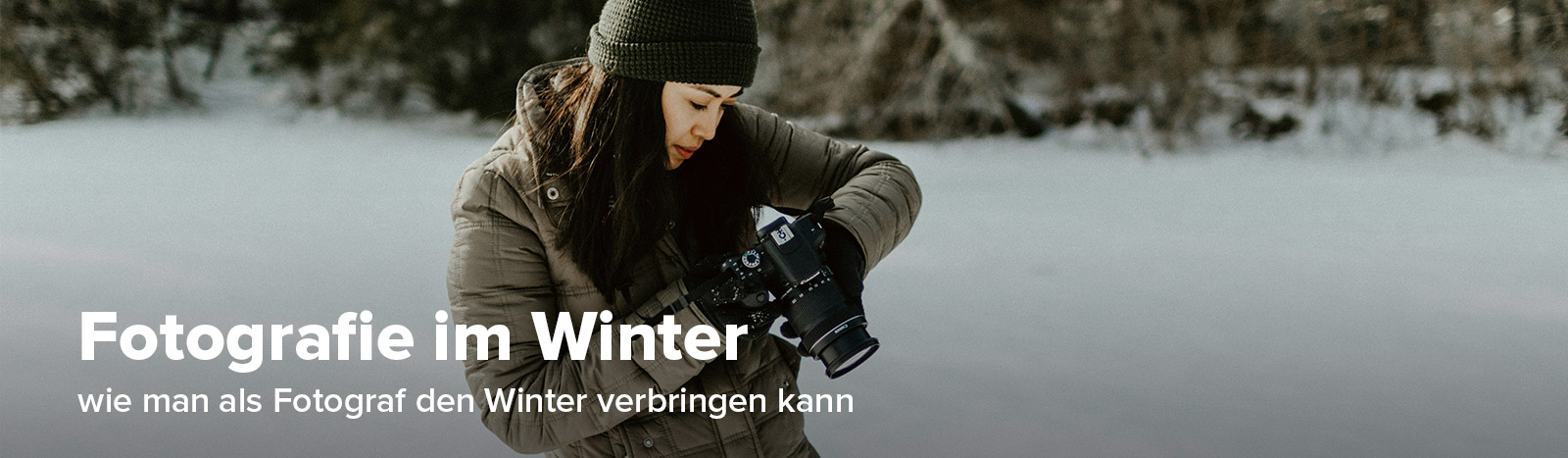
Photography in winter - what do you do in the cold months?
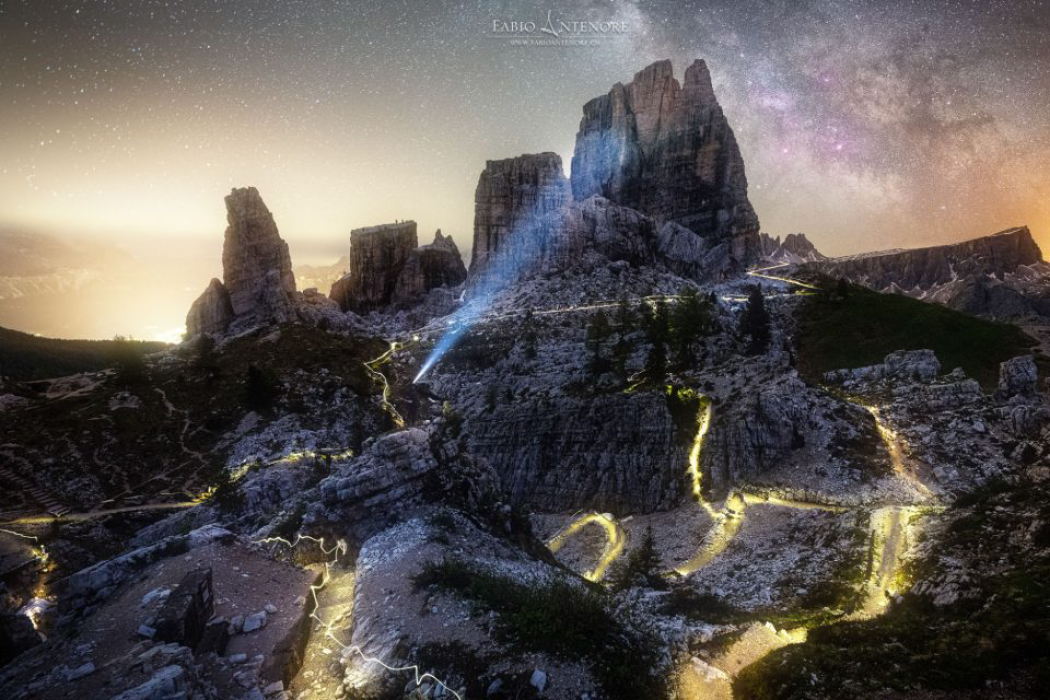
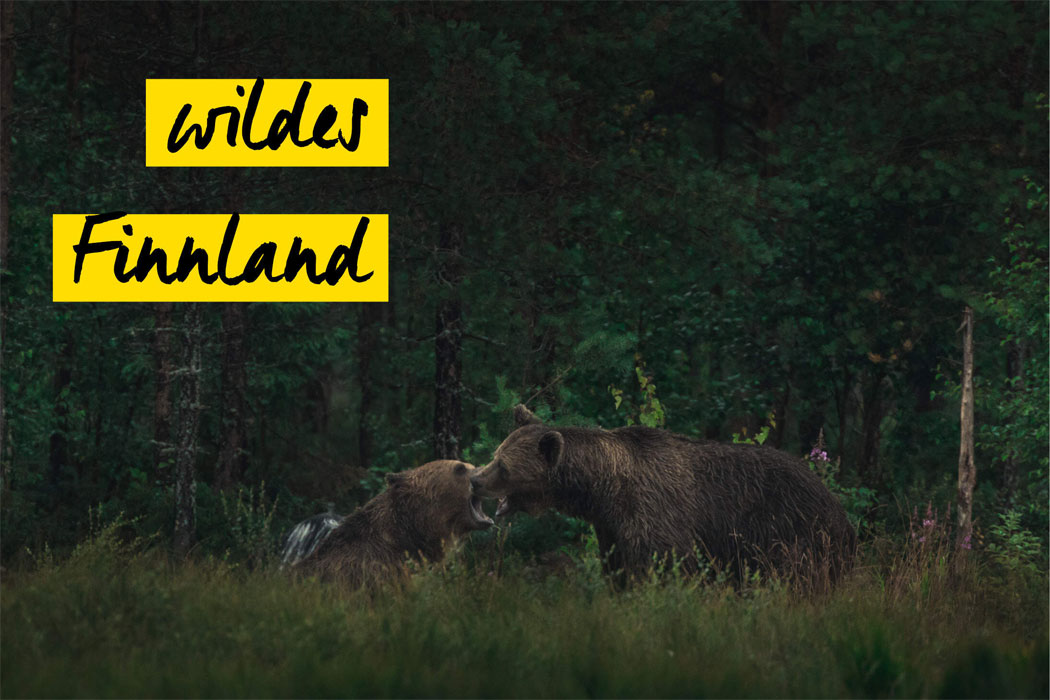
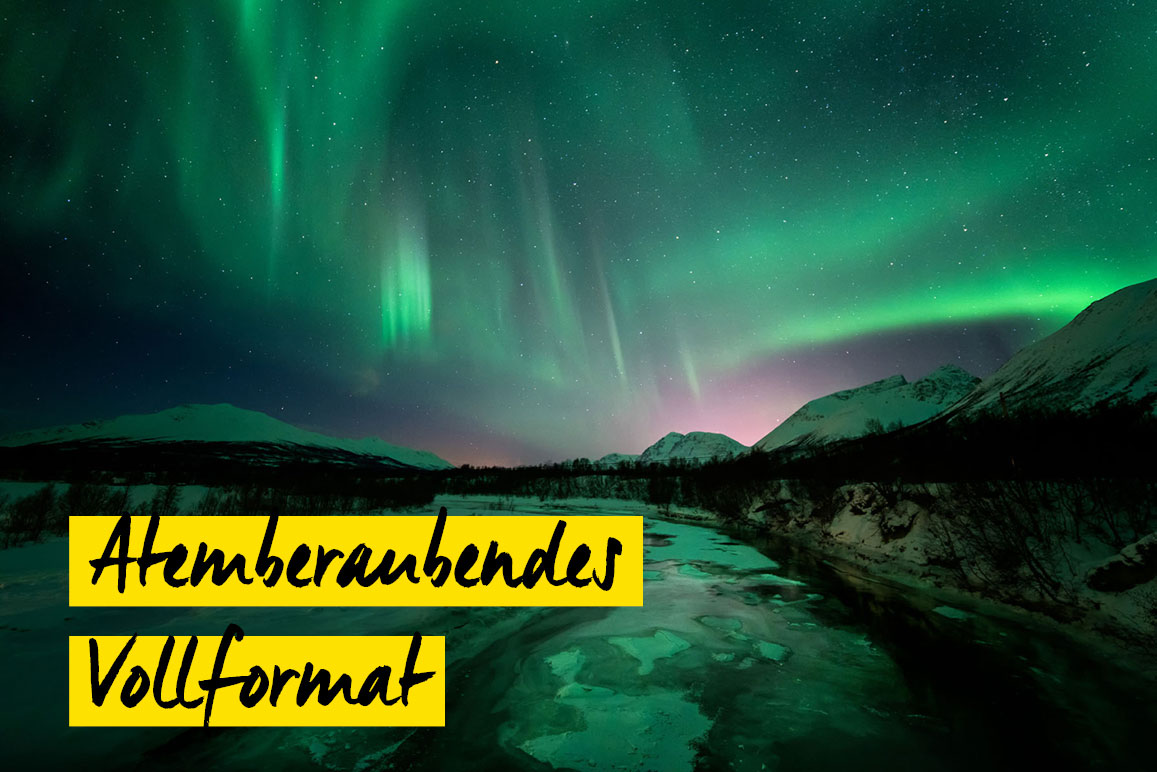
In the cold season, the camera is usually in the cupboard, but what can you do during this time? We thought we'd put together the right blog articles for winter and also show you the best things to do in the cold months. Let the content from our project inspire you for the darker months.
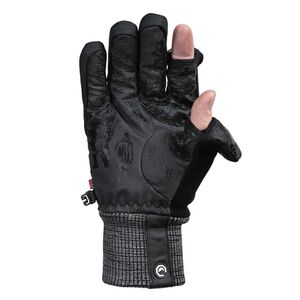
Vallerret Markhof Pro 3.0 photo gloves
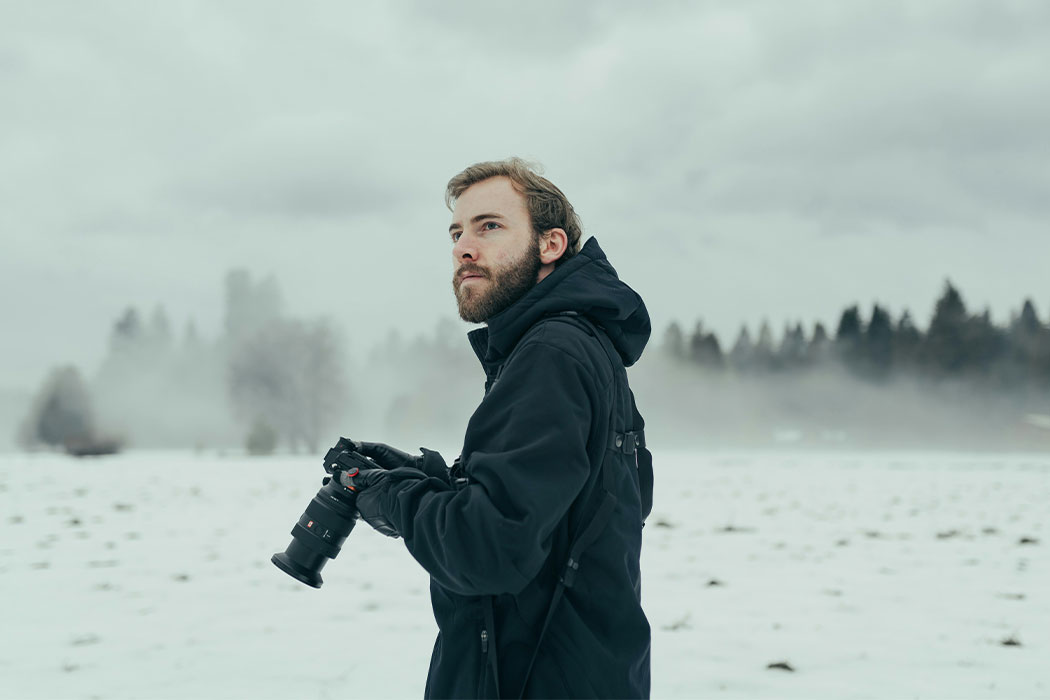
Practical gloves are essential for photographers, as it is much easier to operate the camera if the fingertips can be folded. Alternatively, you can wear mittens, in which case all fingers are removed as soon as you want to control the camera.
Facts about the gloves from Vallerret:
- high-quality glove for the cold seasons
- reinforced insulating layer and wiping thumb with leather trim
- easy camera handling with FlipTech finger caps
- Storage compartment with attached tripod key
- 100% merino wool interior for full freedom of movement and warm hands
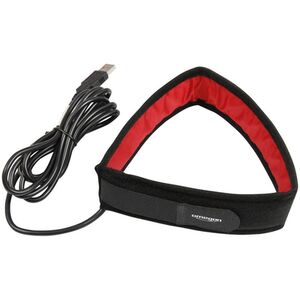
Omegon heating tape USB 40cm
Landscape photographers who sometimes shoot outdoors for a night in winter may already be familiar with it! Dew precipitation, this slowly but steadily freezes the front element of your Lens and to prevent this, a heating tape is very suitable.





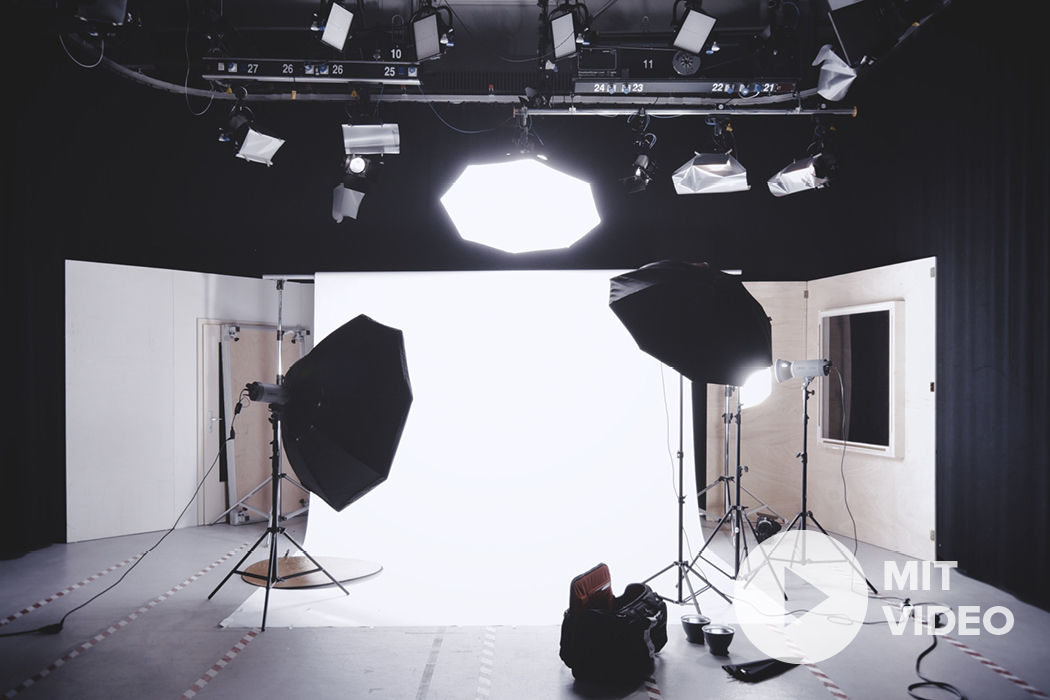
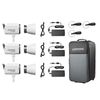
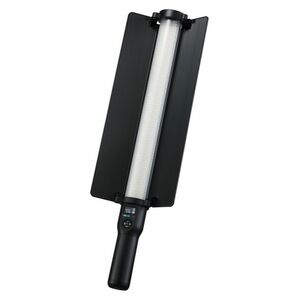
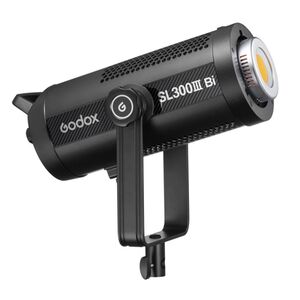
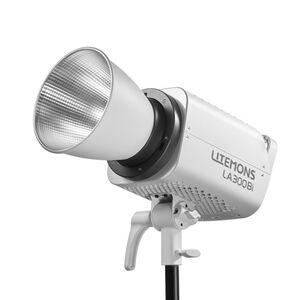
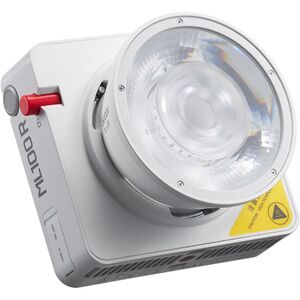
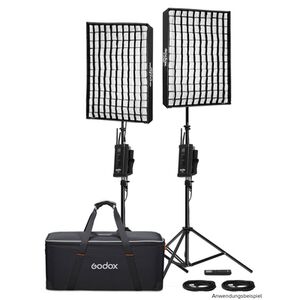
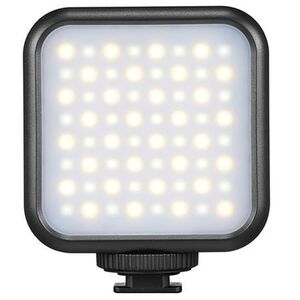
The best continuous lights for winter
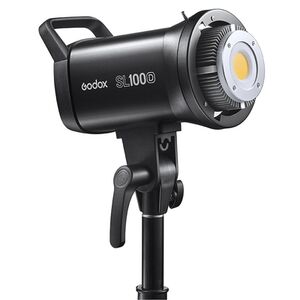
Why always cameras or Lens? That's why we're showing you the best sellers in the continuous light sector here.

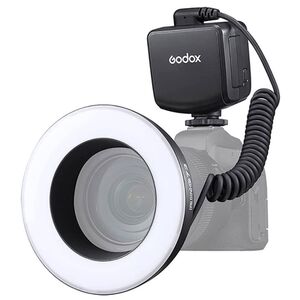
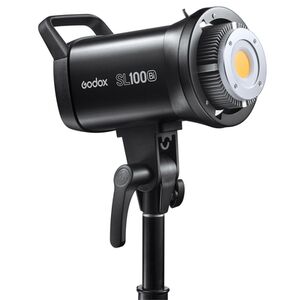

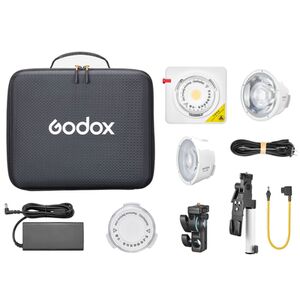
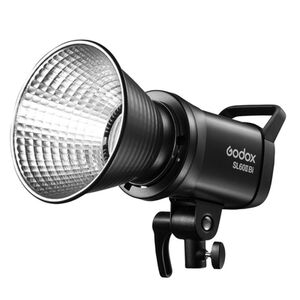





The best tips for taking photos in winter
1. preparing for the cold
- Kamera-Akku: Batteries discharge more quickly in the cold. Take several spare batteries with you and keep them in a warm bag (e.g. close to your body).
- Kamera-Schutz: Use a camera cover or plastic bag to protect your equipment from moisture and snow.
- Eigene Kleidung: Dress warmly and in layers. Don't forget gloves - ideally ones that leave fingertips free to operate the camera.
2. handling the exposure
- Belichtungskorrektur: Snow reflects a lot of light, which often makes images look underexposed. Adjust the exposure by +1 to +2 EV to make the snow appear bright white.
- Histogramm prüfen: Check the histogram to avoid overexposure (burnt out highlights).
3. color temperature and white balance
- Manueller Weißabgleich: Snow can appear bluish or gray. Adjust the white balance manually to obtain natural colors.
- RAW-Format: Shoot in RAW to precisely adjust the color temperature later.
4. creative compositions
- Kontraste nutzen: Search for contrasts between the snow and dark objects (e.g. trees, buildings, clothing).
- Texturen einfangen: Close-ups of snow, frost patterns or icicles provide interesting textures.
- Weite einfangen: Use wide landscapes to emphasize the wintry atmosphere.
5. Lichtbedingungen
- Goldene Stunde: The low position of the sun in winter provides a warm, soft light - ideal for mood pictures.
- Bewölkter Himmel: Use the diffused light of a cloudy sky to minimize shadows and get even exposure.
6. capture movement
- Snow in motion: Photograph falling snow or moving subjects in the snow (e.g. children, animals). Use short exposure times to freeze details or longer ones to emphasize movement.
- Langzeitbelichtung: For creative effects, you can use long exposures of snowy landscapes or lights.
7. tripod and accessories
- Stativ verwenden: A tripod helps in difficult lighting conditions, especially for long exposures.
- Polarisationsfilter: Reduces reflections on snow and ice and enhances colors.
- Gegenlichtblende: Helps to minimize stray light on bright winter days.
8. Nachbearbeitung
- Adjust highlights and shadows: Lighten the snow without losing detail and make sure dark areas don't sink.
- Kontrast erhöhen: To emphasize structures and contours.
- Farbkorrektur: Remove blue cast or add warm tones, depending on the desired mood.
9. motifs and ideas
- Winterlandschaften: Forests, mountains, frozen lakes or snow-covered villages.
- Makroaufnahmen: Ice structures, frozen leaves, frost on glass.
- Porträts: With a wintry outfit, snowflakes in the hair or a warm drink in the hand.
10. after the session
- Kamera akklimatisieren: Let the camera slowly come to room temperature to avoid condensation.
- Ausrüstung trocknen: Check camera and Lens's for moisture and dry thoroughly.

Omegon DUNEDRY Moisture Absorber
- Moisture absorber
- perfect protection for your equipment
- prevents fogged lenses and damp equipment after a long night of observation

The best photography deals in winter
You can usually make real savings with most manufacturers from Black Friday until mid-January, here we show you all the unfiltered promotions!