Guide: Cameras for animal photography 2025
Animal photography has been trending again since 2023, which is why we would like to present the best current cameras for animal photography to the beginners and professionals among you:
Table of contents

Facets of animal photography
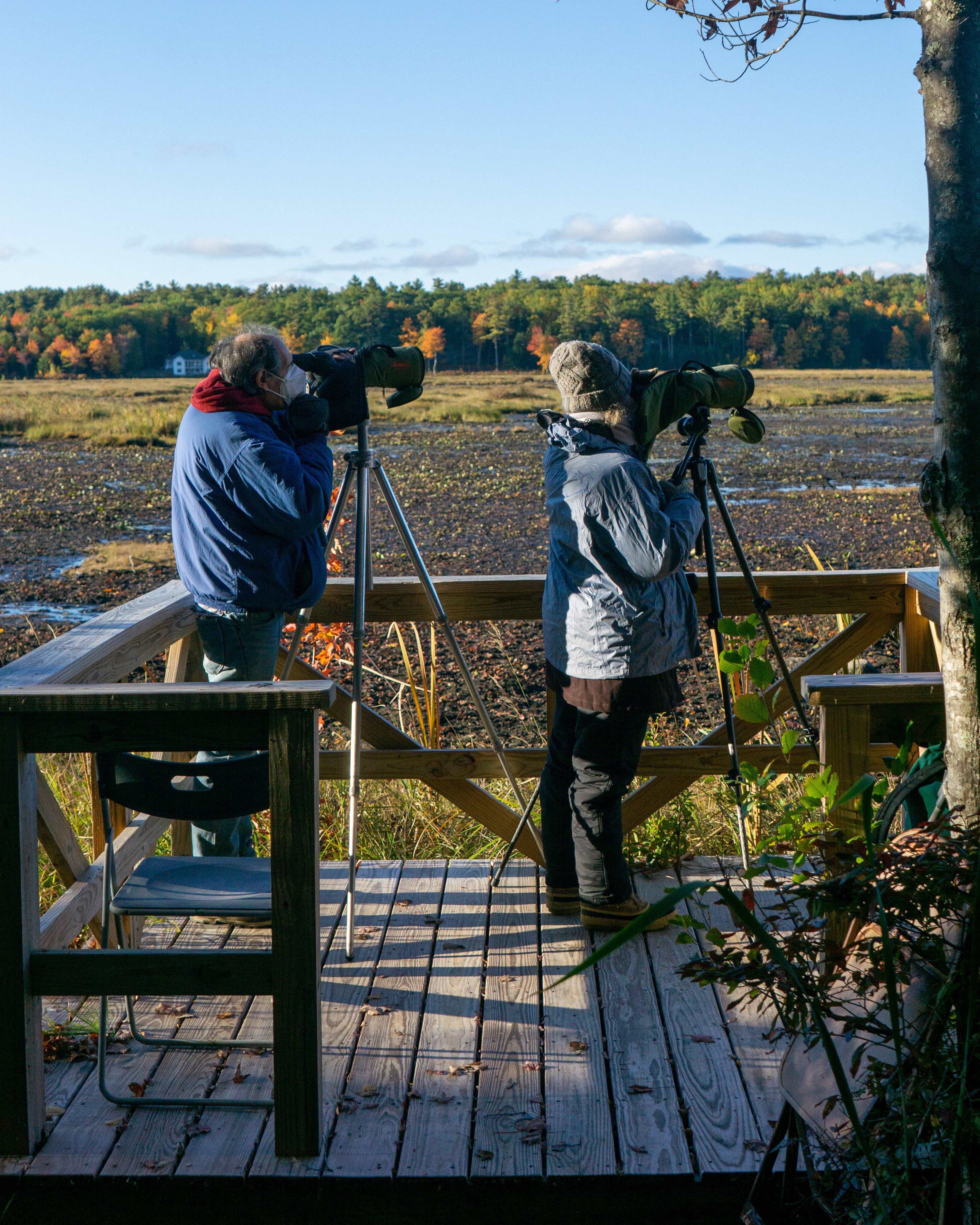
Animal photography is the generic term for the various areas that differ technically in minor nuances and require different accessories. For example, there is classic dog photography, cat photography and horse photography - those who like to go out into nature quickly fall into the category of wildlife photography or bird photography. These differ, for example, in the choice of tripod & head.
Camera requirements for wildlife photography
If you are not yet familiar with cameras and perhaps do not yet know what you need for photographing wild animals, we explain the most important technical data for choosing the right camera below, and briefly go into each aspect:
- Continuous shooting speed: The higher the continuous shooting speed, the more likely it is to capture the moment of action. A camera should ideally achieve at least 9 frames per second, cameras with an electronic shutter can often achieve a much higher continuous shooting speed, in top models even up to 120 frames per second! The camera should of course have a large internal buffer so that you can take photos for several seconds at a time despite the high continuous shooting rate.
- Megapixels: They offer scope for cropping and the possibility of capturing more details, but limit the ISO performance in dark situations, as megapixel monsters start to produce noise more quickly in the dark. We have an article on this: Megapixels explained
- Sensor type: Professional cameras for wildlife photography often rely on so-called "stacked BSI" sensors. These are characterized by a fast readout speed and high light sensitivity, thus reducing the unsightly rolling shutter effect and keeping the camera's viewfinder smooth - especially important for shots of birds in flight! There is now even the first camera with a so-called "global shutter" sensor: with this, the rolling shutter effect can even be completely avoided.
- Sensor size / crop factor: As the focal length of a lens is always calculated for a full-frame sensor, you have to factor in the so-called crop factor to calculate the effective focal length of a lens on a camera with a smaller sensor. The crop factor extends the effective focal length of your lens and you get "closer" to your Lens. A full-frame sensor is calculated with a crop factor of "1x", an APS-C sensor has a factor of "1.5x" or "1.6x" and an MFT sensor has a crop of "2x".
- Example calculation: Full-frame sensor with 200mm Lens x crop factor 1 = 200mm APS-C sensor with 200mm Lens x crop factor 1.5 = 300mm (converted to full-frame equivalent) MFT sensor 200mm x crop factor 2 = 400mm converted to full-frame equivalent. However, the individual pixels of the sensor are smaller, which leads to poorer noise behavior.
- ISO performance / noise behavior: The sensor size also affects the noise performance of the camera. The larger a sensor is and the fewer megapixels it has, the larger the individual pixels can be, which is known as the "pixel pitch". The larger a pixel is, the more sensitive it is to incident light and the better the noise behavior. In practice, cameras with a full-frame sensor are therefore much better suited to low-light photography than cameras with APS-C or MFT sensors. For wildlife photography, a camera should be able to reach at least ISO 12,800, as animals often show particularly exciting behavior at sunrise or sunset!
- Sensor stabilization: Mirrorless system cameras usually offer sensor stabilization (IBIS), which is particularly helpful for taking sharp handheld shots despite a long exposure time. Together with a modern lens with integrated lens stabilization, you can take good photos even in low light! Advanced systems even make it possible to record videos from the hand.
- Autofocus: Thanks to AI support for the autofocus system, modern cameras are able to recognize and track subjects independently. In addition to people, many animals can now also be reliably recognized and focused, with the camera automatically focusing on the eye! Even in dark situations, modern cameras offer very good autofocus performance. While some entry-level cameras use a limited area of the sensor for autofocus, advanced and professional models use the full sensor.
- Pre-recording / Pre-capture:
Many advanced and professional models offer a pre-recording function, whereby the camera takes photos even before the shutter release button is fully pressed! This function is particularly useful for photographing unpredictable moments such as a kingfisher diving into the water or a bird flying off a branch. - Weather resistance: The camera should at least be able to withstand drizzle, because if you go out into nature, you always have to expect unpredictable weather. Many modern cameras are now particularly well protected and can withstand a rain shower.
The best cameras for wildlife photography
Now we come to the highlight, the selection of cameras that are particularly suitable for wildlife photography. We have already written an article about good Lens for wildlife / safari photography in the past.
Below you will find our entire range of system cameras:
Cameras for beginners and ambitious amateurs
The following cameras convince us with their excellent combination of technical capabilities and an attractive price, perfect for hobby wildlife photography.

Fujifilm X-H2S
The APS-C camera from Fujifilm offers a fast autofocus system with 26 megapixels and a maximum ISO of 51,200 and with the electronic shutter you can take up to 40 pictures per second. This is more of a professional-level feature. If you want to produce a video in between, you can benefit from up to 120 bps at 4K.

Canon EOS R7
Canon's APS-C flagship offers a particularly high resolution of 32.5 megapixels in combination with a high continuous shooting rate of 15 frames per second with the mechanical shutter and 30 frames per second with the electronic shutter. Together with the fast autofocus system, IBIS and RAW pre-recording function, it is a very good choice in the Canon system!
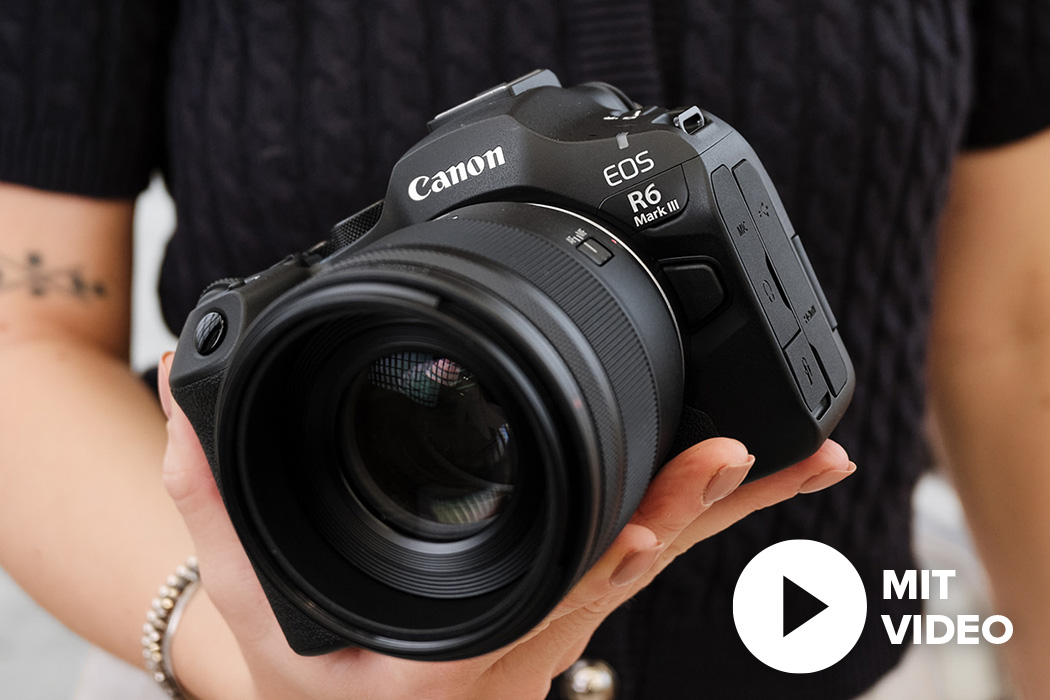
Canon EOS R6 III
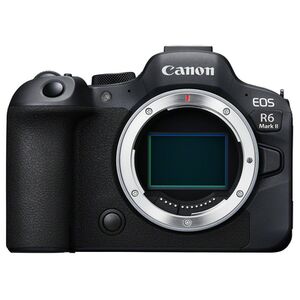
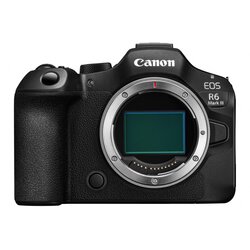
The first camera in this article with a full-frame sensor, it offers 40 frames per second with the electronic shutter at full 32.5 MP resolution. The R6 Mark III's autofocus works reliably even in very low light conditions, and with strong ISO performance and 8.5-stop IBIS, this camera offers a combination that enables great photos even in twilight. In particular, the pre-capture function with photos in RAW and videos in 10-bit with up to 4k 120fps is a highlight of this camera for wildlife photography!


Nikon Z6 II
Nikon offers powerful sensors around the dynamic range and a 24.5 MP sensor. Unlike its predecessor, it also has two card slots and therefore offers enough memory for long continuous shooting. It offers 14 frames per second with an autofocus that still works quite reliably in twilight.

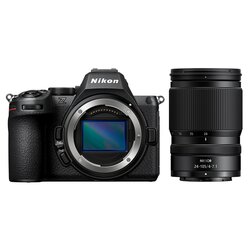
Nikon Z6 III
The successor to the Nikon Z6 II offers improved autofocus performance and a particularly bright and colorful viewfinder, which makes the viewing experience even more pleasant. The pre-capture function of the Z9 & Z8 is also built in, with up to 120 frames per second possible when using the electronic shutter. Like its predecessor, it has 24.5 megapixels, but with a new half-stacked sensor for a higher readout speed and a better viewing experience.

Sony Alpha 6700
Offers the latest technology in terms of autofocus and 4K video at 120 frames per second. Thanks to the APS-C crop factor, you are particularly close to the subject and can use all E-mount Lens - ideal as a second camera for a full-frame camera. It offers a continuous shooting speed of 11 frames per second.
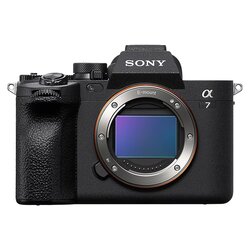
Sony Alpha 7 IV
It offers 33 megapixels in full format and a very good autofocus system that is second to none. With 10 frames per second and a very large buffer, the camera offers much of what professional photographers need for their work. It is extremely flexible and should the focus ever shift, it offers very good performance in every area.
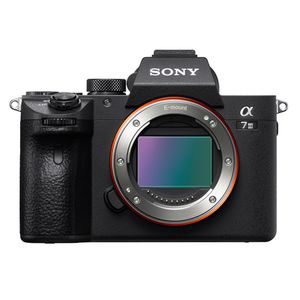
Sony Alpha 7 III
The camera is not the newest in the line-up, but still a true price-performance champion. Not only does it offer sensor stabilization, but at 10 frames per second it is also not badly positioned. Another advantage is the wide range of Sony FE compatible Lens - also from third party manufacturers.
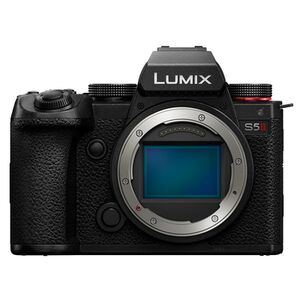
Panasonic Lumix S5II
With the electronic shutter, the camera manages up to 30 frames per second, with the mechanical shutter, the camera still manages 9 frames per second. It offers Dual Native ISO and a strong price with a good price-performance ratio. The L-mount has strong partners with good Lens and many functions that make everyday life with the camera easier.
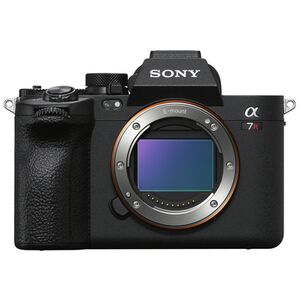
Sony Alpha 7R V
This camera offers an autofocus that knows whether you are standing in front of the camera or not. It also has a new display system for rotating and panning. The IBIS provides stabilization up to 8 f-stops. In addition to all this, it also offers powerful video functions such as 8K24p and 4K120p. At 10 frames per second, it is not super fast, but still fast enough.

OM SYSTEM OM-1-II
In addition to its 20 megapixel stacked BSI MFT sensor, modern autofocus and powerful IBIS, this camera also impresses with its compact size. Thanks to the 2x crop factor, you are particularly close to the subject, and with up to 120 images per second in RAW with pre-capture, even small subjects can be photographed effortlessly.
Professional cameras
Here the prices go up quickly, but so does the performance. These devices also offer further advantages in terms of button assignment, handling and so on, which alternatives do not always offer. If you don't want to leave anything to chance, you'll find what you're looking for here:
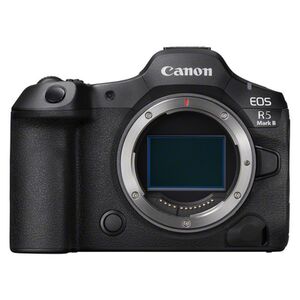
Canon EOS R5 II
Here we start with the professional equipment for wildlife photography, this camera is not only super reliable when it comes to weather conditions, but also offers flagship-level performance. With its 45 MP Stacked BSI full-frame sensor, 8.5-stop IBIS and up to 30 frames per second continuous shooting rate, it leaves nothing to be desired. It offers pre-capture with both RAW photos and 10-bit videos, even up to 4K120 and 2K 240 fps! Its brilliant, smooth viewfinder and lightning-fast, state-of-the-art autofocus with subject detection and tracking are also impressive. Combined with the high-quality Lens of the Canon RF system, this creates breathtaking images with a particularly high level of detail.
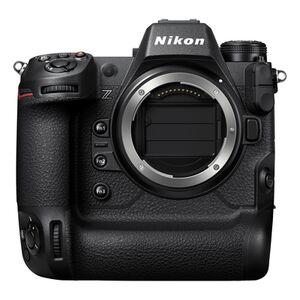
Nikon Z9
The Z9 made big waves in the media when it was launched. It has no mechanical shutter and offers up to 1/32,000 shutter speed with its 45 MP Stacked BSI full-frame sensor, with 20 frames per second it offers enough flexibility for those animal moments. The autofocus is very accurate and with its integrated handgrip it is extremely robust.
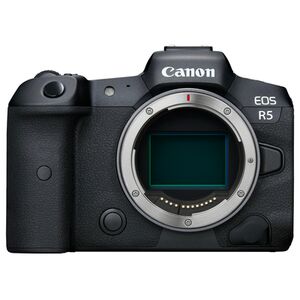
Canon EOS R5
It is a true hybrid between photo and video, but focuses more on photography. Like the Z9, it offers many megapixels that allow you to crop further into the image without losing detail. At 20 frames per second, with the electronic shutter and 4K 120fps (8K30 is possible), it offers performance and future-oriented functions that will give you pleasure with the camera for a long time.
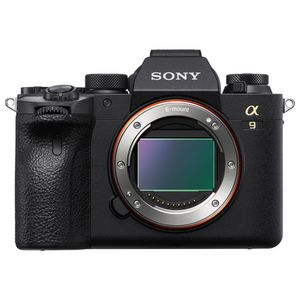
Sony Alpha 9 II
Yes, there is a successor to the 9III with global shutter, but the 9II has not become significantly less interesting. Because it offers 20 frames per second (electronic shutter) and a shutter speed of 1/32,000. A very fast and accurate autofocus.
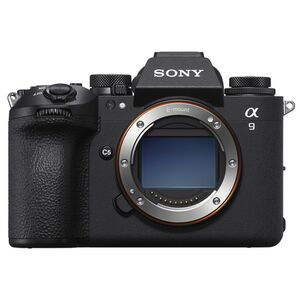
Sony Alpha 9 III
The a9iii sets new technological standards: with the world's first stacked CMOS full-frame sensor with global shutter, the rolling shutter effect is a thing of the past. With a full 24 megapixel resolution in RAW at up to 120 frames per second with pre-capture and ultra-fast shutter speeds of up to 1/80,000 second and brilliant autofocus, this camera captures even the fastest movements pixel-perfect.
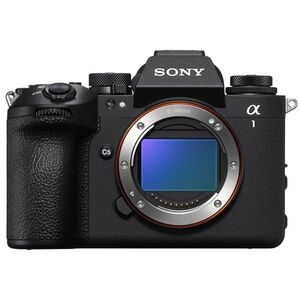
Sony Alpha 1 II
If you're looking for more resolution than the a9iii, the a1ii is the camera for you. With its 50 MP stacked full-frame sensor, it achieves up to 30 images per second in RAW with pre-capture and lightning-fast autofocus. It also impresses with 8K30 and 4K120fps videos - ideal for filming animals.
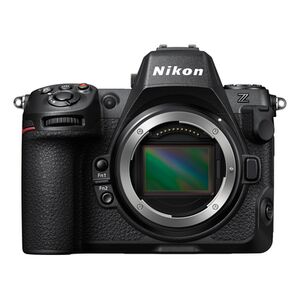
Nikon Z8
This is the little sister of the Z9, it can basically do everything the Z9 can do, just a little smaller and more compact, it has the innovative display concept and uses the common EN-EL15 batteries. This is particularly exciting for all those switching from the SLR system, e.g. the D4, D3 or older.
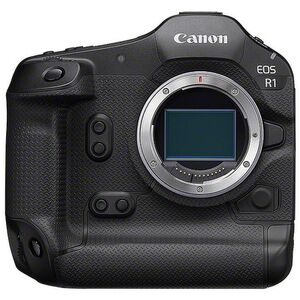
Canon EOS R1
The Canon EOS R1 impresses with its excellent low-light capabilities, super-fast 24.2 megapixel BSI stacked sensor and high-precision AF cross-type sensors. Canon's flagship camera offers robustness and reliability for the highest demands, whether in the rainforest or on the high seas, with pre-capture function in RAW at up to 40 frames per second and extremely fast autofocus, this camera is built for top performance.
Why MFT is exciting for wildlife photography
Very few people talk about the MFT system because it is often talked down, but the biggest advantage lies in its compactness and sensor size. The sensor size has a crop factor of 2 and the MFT system offers small compact Lens with a long focal length. In full-frame format, 200mm = 200mm, but in the MFT system these 200mm are directly 400mm.
Tips for wildlife photography
If you are traveling in a new area and have some time, it is a good idea to work with wildlife cameras to find the paths of the animals and perhaps also to record the times when they are most likely to be encountered. (Please research whether you are allowed to use wildlife cameras in your area before using them)
If you want to track down animals from a distance, binoculars are a good choice. They should have a diameter of at least 30 mm and a magnification of 8. You can find suitable binoculars here:
After the research comes the "hunt" for the perfect photo! In addition to camouflage clothing, it also helps to camouflage the Lens and yourself. A practical camouflage tent is ideal for this (please research whether you are allowed to use camouflage tents in your area before you use them):
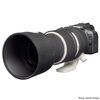
Perfect camouflage is particularly important for long lenses such as telephoto lenses, as their shape and color make them stand out from their surroundings. Lens camouflage is ideal for this:
The best gadget, the dot sight
Many wildlife photographers like to use a dot sight to learn how to photograph with long focal lengths. Once mounted on the camera's hot shoe, it allows you to quickly and easily see where the camera is pointing - especially handy for quickly finding a subject like a flying bird in the sky, even when working with a long fixed focal length!

OM SYSTEM EE-1 dot sight
- easy tracking with long focal lengths
- with hot shoe mount
- battery operated
Settings for animal photography (for beginners)
The following settings are a rough guide; they should be adjusted further depending on the situation and lighting conditions. The most important component for animal photography is the shutter speed, which should be as fast as possible to freeze movements.
Here, anything from 1/640 is a good value, especially if the camera has an electronic shutter, extremely short exposure times of less than 1/8000 can be achieved. This works particularly well when the sun is shining so that the ISO does not have to be too high.
Even 1/10 can be used if the lighting conditions require it, but then the camera should be used on a tripod to avoid motion blur.
An aperture should be decided according to the subject and the time of day, often a value between f2.8 - f11 is suitable, which of course also depends on the Lens you are using and whether a telephoto adapter was used. Many wildlife photographers shoot as wide open as possible to get a nice bokeh.
If you want, you can also switch to the aperture priority mode of your camera, which has a different name depending on the manufacturer, then you select the aperture and ISO yourself, but the camera sets the exposure time itself.
Our conclusion
Wildlife photography has so many requirements that you have to consider in detail, for each subject area you want to photograph the requirements can be completely different.
Even if new cameras are significantly more powerful and superior, in theory you can use any camera for wildlife photography. The most important thing is to simply get started, as this is the best way to find out which functions you need. If you want to spend less at the beginning, you should keep an eye on our used cameras, because it doesn't always have to be the latest, even older cameras allow you to get started in wildlife photography.
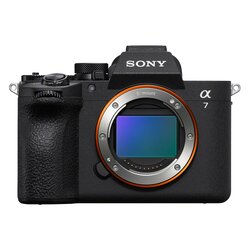
Sony Alpha 7 V (ILCE-7M5) Body
Sony Alpha 6700 (ILCE-6700) Body