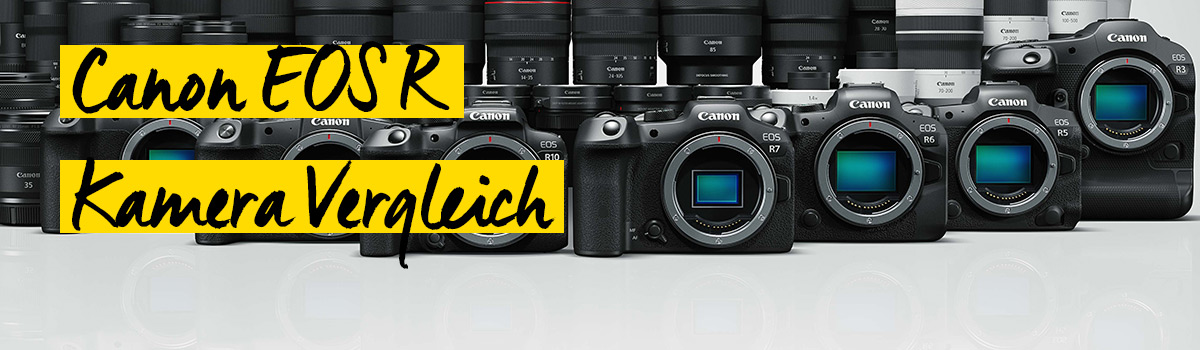
Canon EOS R cameras compared | Which Canon R is the right one?
If you're looking for a system camera in the EOS R system, you'll find it in this article! We give you an overview of the different models and for whom which camera is suitable. Canon's system offers everything from beginners to professionals.
Overview of the Canon R devices
We will go into more detail about all the cameras listed below in the article and explain all the important features of the cameras.
Full-frame cameras:
- Canon EOS RP
- Canon EOS R
- Canon EOS R8
- Canon EOS R6
- Canon EOS R6 II
- Canon EOS R5
- Canon EOS R5 II
- Canon EOS R5C
- Canon EOS R3
- Canon EOS R1
APS-C cameras:
- Canon EOS R10
- Canon EOS R50
- Canon EOS R7

The Canon EOS RP in summary
The EOS RP is the most affordable entry-level model in Canon's full-frame mirrorless system. It is perfect for everyday use and offers a sufficient number of megapixels with its 26MP sensor. The Canon EOS RP supports you in your photography with many functions / automatic functions, such as focus bracketing for macro photography. With focus bracketing, the camera gradually moves down one focus level, enabling focus stacking. This works well in natural light, but can cause problems with the electric shutter when using flash in the HSS range, so that the finished image ends up with streaks. The advantage of this technique is that the images have much more sharpness over the entire image, thanks to the merging of the images afterwards. The captured images are then combined in post-processing, for which Lightroom and other programs usually already offer automated processes.
For portrait photographers, this camera offers face and eye autofocus, which makes the work much more pleasant because you can concentrate more on the image section or the expression. This makes the camera a perfect tool for developing your skills.
This camera is not the perfect companion for sports photographers, as the autofocus is sometimes rather sluggish compared to other cameras. Videographers are also less likely to use the Canon EOS RP, as the video function is only available with a crop. The camera is therefore primarily aimed at ambitious amateur photographers.


The Canon EOS R in summary
Like the RP, this camera is part of the affordable entry-level full-frame range, its controls are mainly touch-based and it has 30 MP, which is more than sufficient for everyday use. The EOS R is aimed at amateur photographers who would also like to take on the odd small assignment. The Canon EOS R is also optimized for the low-light range and also has a tilting display like the Canon EOS RP.
Differences between the R and RP
The autofocus of the R works better in low light situations than the autofocus of the Canon EOS RP. The EOS R has a higher viewfinder resolution & a larger display than the EOS RP has
Canon EOS R8 in summary
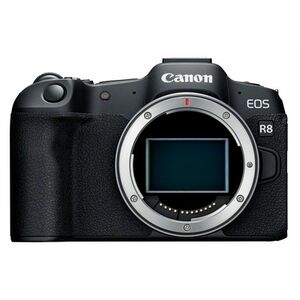
The 2023 full-frame entry-level model from Canon! With the new Canon EOS R8, Canon is going on the offensive against the EOS RP and models from other brands and is using the sensor from the EOS R6 II in its EOS R8. This offers a very powerful autofocus with the support of artificial intelligence in the price range, which offers a lot of potential to fulfill the wishes of the photographer. In contrast to the R6 II, an IBIS system is not used here and a smaller camera battery is also installed. The camera is primarily aimed at ambitious amateur photographers who want the advantages of the Canon EOS R6II but can do without a larger battery or a battery grip. The camera is also lighter than the R6II or R5, although there is no need to compromise on the high continuous shooting rate and ISO sensitivity.

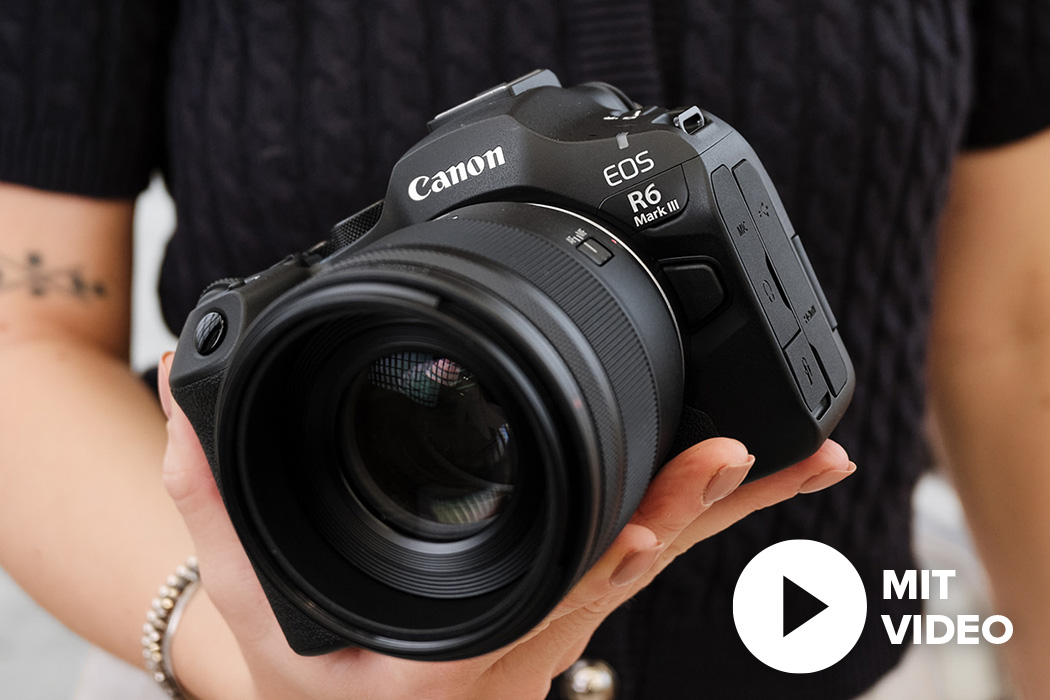
Canon EOS R6 in summary
The R6 is aimed at photographers from the fields of sports, nature or reportage / weddings. The camera has a 20 MP full-frame sensor with sensor stabilization (IBIS). This helps to stabilize images and videos, so that even lenses without image stabilization can be stabilized, for example when using Sigma Art lenses from the EF mount system. It can take up to 20 images per second, making it ideal for sports and reportage. In addition, the Canon EOS R6 excels in the field of video, unlike the Canon EOS R or RP, it has no crop in video and the sensor stabilization helps to record high-quality video material. It is suitable for vlogs and other videos, but is not yet at a professional level.
In addition, the Canon EOS R6 has a DIGIC X processor, while the Canon EOS R or RP has the DIDIC 8 image processor. This offers a better buffer memory, which makes it possible to take pictures for even longer at a high frame rate if a UHS-II memory card is inserted.
Another eye-catching feature of the Canon R6 is the large digital viewfinder, which is similar in resolution to the Canon EOS R. When you first look at it, it probably seems a little cooler than it actually is for some viewers, but this can be easily corrected by configuring the menu. The R6 also has the autofocus properties of the Canon EOS R, the speed of the Canon EOS R6 comes from the sensor of the Canon EOS-1D X Mark III, which belongs to the professional segment of the SLR segment. The Canon R6 also performs very well in the low-light range and has a maximum ISO sensitivity of up to 102,400, so the ISO can still be used up to 6400 or 12800 with ease.
The camera is also equipped with Bluetooth and Wi-Fi and can therefore be connected to a smartphone and the Canon Camera Connect app.
Canon EOS R6 Mark II in summary
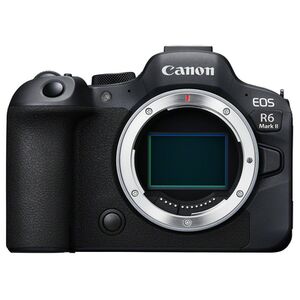
With its AI-supported autofocus system, the Canon EOS R6 II is a price-performance winner in its price class and, in addition to being a powerful still camera without a mirror, is also a very good video content tool. It offers many features that make it a very strong video camera. The EOS R6 II shines with its new sensor with a high frame rate of 40 frames per second with the electronic shutter. For videographers, the rolling shutter effect has also been further reduced with the new sensor, as well as Breathing Compensation, False Color and Pre Record. With the R6II, we need to talk again about the built-in autofocus system: The focus recognizes trains, airplanes, people, animals and co. which is simply brilliant! The focus has its strengths for every area of application!
Anyone who has already read up on the R7 will certainly have come across the pre-capture feature. With this feature, the camera takes a few pictures before the actual shutter release, so you won't miss a single moment! The Canon EOS R6II now also works even better in low light situations with the new autofocus package.
The R6II is a true professional device and is a worthy successor to the Canon R6, which can now do even more than just take photos!
Canon EOS R5 in summary
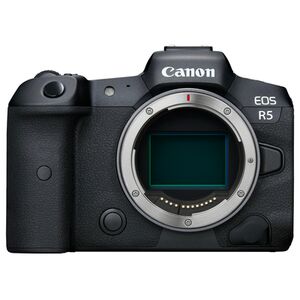
The Canon EOS R5 is the megapixel flagship Canon model series, with its 45 megapixels it is aimed at professional photographers, who photograph commercial assignments in the areas of: sports, nature, fashion or reportage. It also has a sensor with IBIS (image stabilization via the sensor). It is also a powerful video camera, which is able to deliver 8k video material in RAW, the only disadvantage is that the Canon R5 tends to overheat, which is why 8k video is only of limited use with this model. It is more optimized for photography than video, the Canon EOS R5C performs this role reversal, more on this later.
The EOS R5 also has up to 20 frames per second (electronic triggering), just like the Canon EOS R6. Like the R6, it is also splash-proof and delivers super-sharp results thanks to the autofocus system, so unlike many other mirrorless system cameras, the Canon EOS R5 also has an auto eye focus for birds, where most other manufacturers focus more on dog + cat. The Canon's eye autofocus also works very well in open aperture situations. If you use the working tool a lot at events, you will notice the quiet triggering of the R5, which makes it even easier to record unposed and authentic moments at weddings.
The Canon R5 can also offer a direct upload to an FTP server, so the data can be delivered directly, for example to customers or to your own website or stock databases for newspapers & magazines. Some other manufacturers only offer these functions from larger model series onwards. The memory card slots of the EOS R5 offer space for a CF Express card as well as a slot for a UHS II SD card.
Canon EOS R5 C in summary
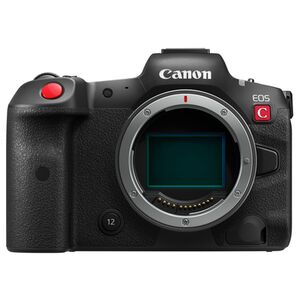
The Canon EOS R5 C is the sister camera of the Canon EOS R5, where the "C" stands for Cinema. It is aimed at professional videographers, because the R5C can be adapted to the needs of the user even better than the R5, and the cooling performance has been optimized by a fan, so the resolution of 8K 60p is no longer a problem! As part of the presentation of the Canon EOS R5 C, we recorded a comparison of the cameras on YouTube, the video is also linked here in the article.
One of the main differences of the R5C, apart from the fan for the cooling capacity, is that the R5 C variant does not have a built-in IBIS, as this is an active power consumer like the fan and is usually used with gimbals or other stabilization systems when shooting anyway. The hotshoe of the R5C also differs from that of the EOS R5, so the R5 C has the intelligent hotshoe of the R3.
It is of course still possible to take photos with the EOS R5C, but its main focus is on capturing moving images
Comparison of the Canon EOS R5 with the Canon EOS R5 C
Canon EOS R5 II in summary
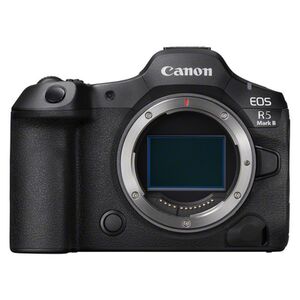
The Canon EOS R5 Mark II is the successor to the Mark I. It has a newly developed sensor that enables a better dynamic range, especially in low-light situations, thanks to its backside illuminated stacked design, which means that shadow areas are brightened with less loss of detail.
Essentially, however, this camera uses the new DIGIC X and DIGIC Accelerator processors, which enable the camera to achieve a higher continuous shooting rate (30 bps) and many new AI functions in the camera. But the Canon R5 II also comes up trumps in the area of video, with up to 8K60p.
The AI functions cover a wide range of areas beyond autofocus, including Action Priority for the first time, which attempts to focus on the best objects for the photographer in defined sports. But the R5 II and Canon EOS R1 do not stop there. They offer more, internal upscaling with AI and noise reduction.
Eye tracking has also been improved in the new generation and now offers an even more precise determination of the position of the iris and which object in the eyepiece is targeted in order to be focused on.
Canon EOS R3 in summary
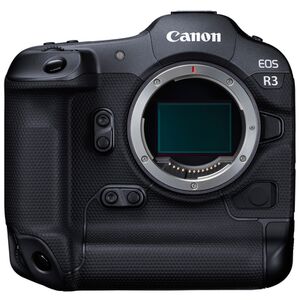
The Canon EOS R3 is the largest camera in the EOS R series. It has a very good battery life and can easily be used for longer periods of time thanks to the large battery in the handgrip. It is the top model and proves this with up to 30 frames per second, which is almost like a small movie within a second you create a flipbook on the memory card of the R3.
This professional camera also serves as a substitute for a hammer in case of doubt, it is robust enough to hammer a nail into the wall! The Canon R3 currently has the latest autofocus technology with the greatest subject recognition / subject tracking, whereby the camera's autofocus automatically tracks people, animals or vehicles in both photo mode and video mode. The autofocus also has other functions such as Eye Control, which focuses on the object that the photographer is looking at in the viewfinder. The focus technology of the Canon R3 is less comparable to the Canon R6 or R5.
The sensor stabilization has found harmony again in the R3, the image stabilization is 8-stage in this model, which is why it works particularly well and is in perfect harmony with the Lens. The hotshoe of the Canon EOS R3 is a new one, which has an intelligent control unit that enables power supply and data communication for new accessories, for example a smartphone can be mounted on the camera and data can be transferred via USB cable. The R3 also comes with another app, the Mobile File Transfer app, which allows you to transfer images quickly and add the appropriate metadata to the images.
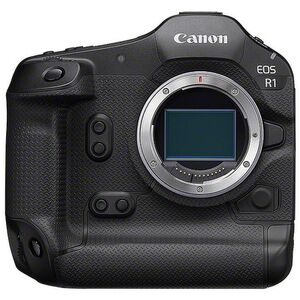
Canon EOS R1 in summary
The Canon EOS R1 is the mirrorless successor to the EOS-1D X Mark III, the professional camera for all things sports! The R1 has been long awaited by many Canon photographers. It offers 24 megapixels, with the special feature that it uses cross autofocus sensors, which not only scan the sensor horizontally, but also vertically. This increases the precision of the autofocus, which can also be controlled by eye.
With up to 40 images per second, the camera offers a very high frame rate without a blackout in the viewfinder and a loss of quality in the viewfinder. It offers a built-in battery grip and an optimized button layout for a better, more intuitive workflow. But anyone buying an R1 will most likely need a fast option for exchanging data between the photographer and the editor / media agency so that the photos can be prepared directly for use in newspapers, and the camera offers a wide range of Wi-Fi 6e, LAN and multi-threaded FTP connections and a function with which the camera always establishes the best connection to the nearest Wi-Fi access point.
The EOS R1 is even larger than the EOS R3, and the viewfinder is even better and has a higher resolution. It also has the same AI functions as the EOS R5II.
APS-C cameras from the EOS R system
So far we haven't talked about the APS-C cameras in the Canon EOS R series, which are currently the EOS R10 and EOS R7. These cameras also close the last gap in the RF system and we'll explain why below!

Canon EOS R10 in summary
The Canon EOS R10 is part of Canon's entry-level camera series and features the Canon RF mount, which also accepts Canon RF-S lenses. As already mentioned, the camera is aimed at beginners in digital photography with higher demands. Like the R3, it manages up to 30 frames per second in burst mode and has other exciting automatic modes such as subject focus bracketing + stacking internally, which, like the Canon RP, stacks all images internally and enables a fascinating sharpness over the entire image, this function is particularly interesting for macro or detail shots.
The Canon R10 is particularly lightweight, which is interesting for traveling! It has a small internal flash, it does not have an internal sensor stabilizer, which is due to the smaller battery as well as the weight, which is lower than that of the R7. The battery is identical to that of the EOS 850D or EOS 250D and is the LP-E17.
If you think back to Canon's SLR models, the R10 of the XXD model series is more like a 77D in detail, which has established itself among demanding amateurs and is a perfect universal camera.

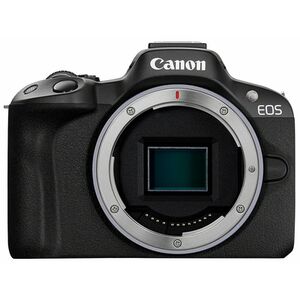
Canon EOS R50 in a nutshell
Many Canon users refer to the Canon EOS R50 as the successor to the M50 series, but it offers a little more than the M50 series. Its features are primarily aimed at content creators, as the Canon R50 allows you to display the vertical image section and thus see whether the person is in the center of the image. It is located in the APS-C segment and has a 24.2 megapixel sensor, which offers 4K at 30 fps. It is particularly suitable for vlogging and creative processes.


Canon EOS R7 in summary
The Canon EOS R7 is the more powerful sister of the Canon EOS R10, it has everything the R10 doesn't! We list the most striking differences below:
- Image stabilization via the sensor
- Larger battery
- More megapixels 32.5 MP compared to 24.2 MP
- Video resolution from 7K to 6K, with Canon Log 3 color profile available.
The Canon R7 is essentially based on the Canon EOS 7D in the SLR segment, which is primarily used for sports and nature photography and videography. Both the R10 and this camera feature the new image processor of the R3 & R5, the DIGIC X. The R7 also has the same focus-bracketing functions as the other R-series models. The great advantage of the ASP-C sensor size is most significant in the R7: the crop factor of 1.6 paired with the focus speed offer new dimensions for animal + safari photography: closer to the object, faster focusing of the object and better image quality thanks to the camera's improved sensor. So you'll never miss a moment when "hunting" wild animals!
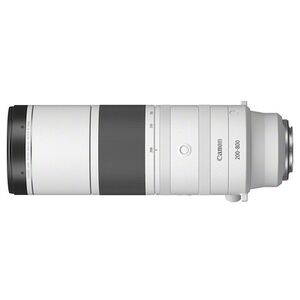
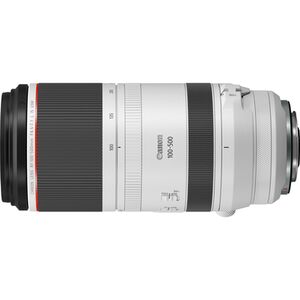
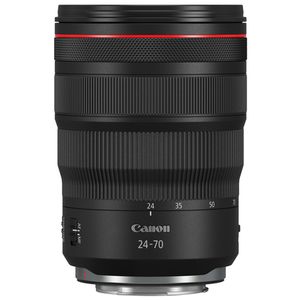
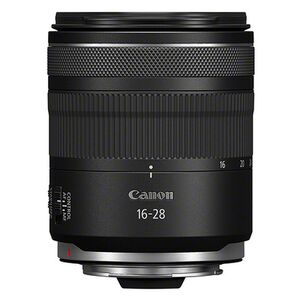
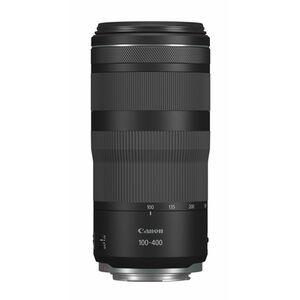
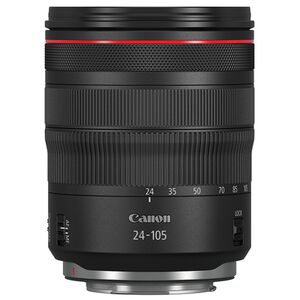
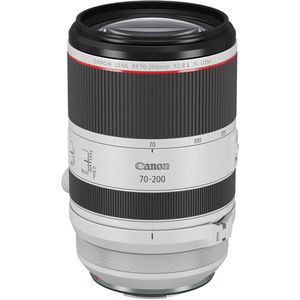
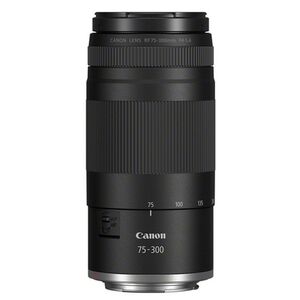
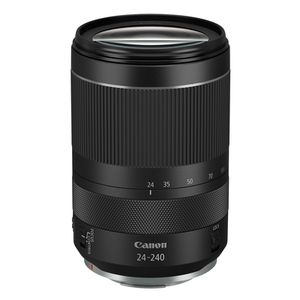
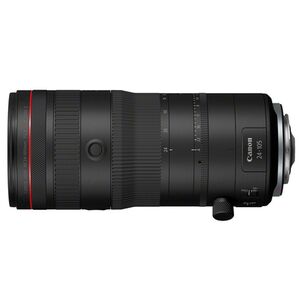
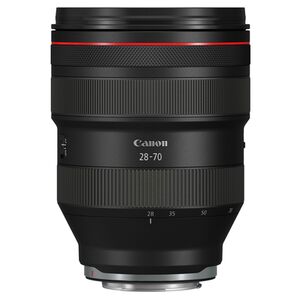
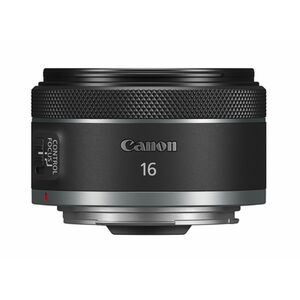
The best Canon RF Lenses
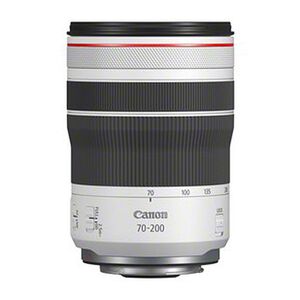
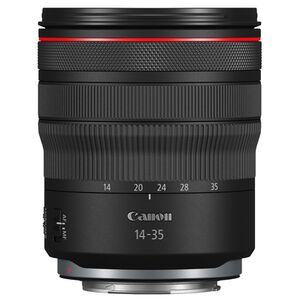
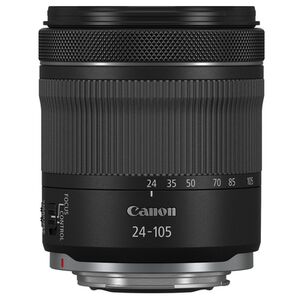
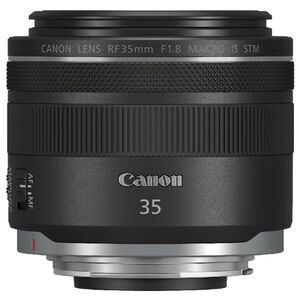
If you want to exploit the full potential of the Canon RF lenses, you should also use the native lenses of the R system. We have selected some of the best lenses for you below.
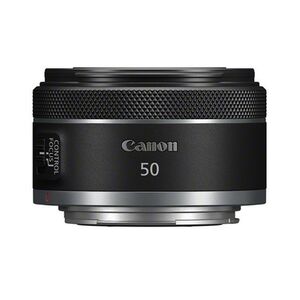
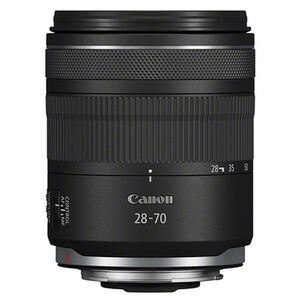


Using the old EF system on the new Canon R (RF) system
Canon offers the option of adapting lenses from the EF mount system to the new RF mount in its system, so old lenses from the system can be taken along and used on the new system. This reduces the costs for the changeover and brings the advantages, such as the autofocus functionalities, of the mirrorless system into your own workflow.
Special feature of the lens adapters
Canon offers two different versions of the adapter, one without a control ring and one with a control ring, which differs in that this ring can be used to freely configure options. This allows you to set many functions via the ring without interrupting your photography, such as setting the aperture, ISO sensitivity or exposure time.
The adapters are both protected against dust and splash water and the metal bayonet underline the high-quality workmanship that Canon has demonstrated here.