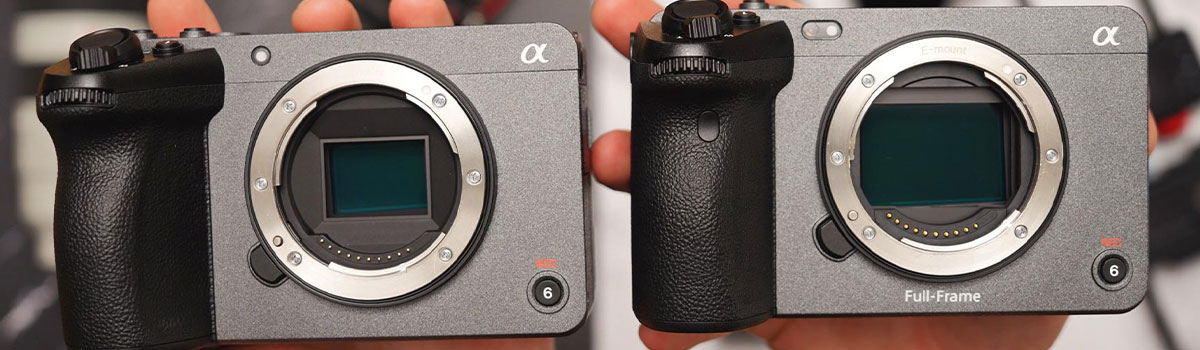
Full format vs. APS-C format - What's so great about full format?
Every photography fan has heard the term "Full-frame camera" or "full-format sensor" at least once. But what is a full-frame sensor anyway and what impressive advantages does this larger sensor actually have compared to a smaller sensor such as APS-C? We want to answer these questions before you buy a new camera.
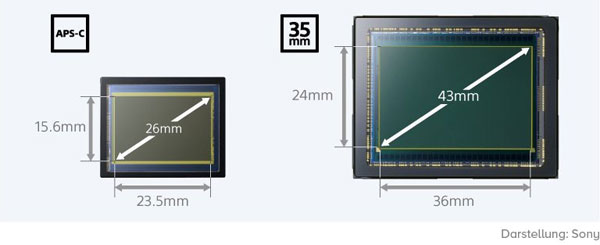 The image sensor makes the difference | image is a crop factor of 1.6. 1.5 is now often the norm. 43mm / 1.5 is therefore 28mm
The advantages of the crop factor
In contrast to a full-frame camera, a camera with a smaller sensor also selects a smaller image section. Only the inner part of the image is captured; the image is "cropped" at the edges. The so-called "crop factor" for APS-C cameras and MFT cameras describes the relationship between the actual focal length of the lens and the impression of focal length created by the smaller image section. Due to the crop factor, APS-C cameras also achieve a higher focal length. If you take a photo on a full-frame camera with a focal length of 200mm, the image section on an APS-C camera corresponds to a focal length of approx. 320mm. This can be a significant advantage for animal or sports photographers, for example.
List of the advantages of APS-C
- Extension of the focal length due to the smaller sensor
- More compact +amp; lighter cameras
- greater depth of field, particularly interesting for macro


Advantages of full-frame sensors
We have already identified the technical differences between the sensors. Now the question arises as to what advantages a larger sensor brings with it
Full-frame sensors are considered the "premier class" of SLR cameras. At low ISO settings, there is hardly any difference between full-frame sensors and smaller sensors. In particularly good lighting conditions (and therefore at the lowest ISO setting), the full-frame sensor cannot yet show many of its strengths. In low light conditions, however, the larger sensor performs much better. If the ISO value is increased, the full-frame sensor shows a considerably better level of detail and much less image noise. This image noise is also familiar to amateur photographers: a kind of dust suddenly appears on the digital images or the image looks grainy.
A camera with a full-frame sensor can easily be set to a light sensitivity of ISO 6,400 and higher (in relation to the megapixels, more on this in our Megapixel Camera Basic article) - the image quality hardly deteriorates at all. Especially in low-light situations, such as in the theater or at open-air events in the evening, the advantages are clear. Compared to an APS-C SLR camera, a full-frame sensor gains approximately one aperture and therefore considerably more light. So if you often want to take great photos in low light conditions, you should take a closer look at the full-frame sensor. The dynamic range of your photos is much greater with the 35 mm format sensor. This means that the colors are more brilliant and the subsequent scope for editing the photos is increased. This is a particular criterion for astrophotography, which is why many astrophotographers have already switched to larger sensors.
Modern APS-C system cameras have a better dynamic range and also better algorithms for reducing image noise and can also work better with higher ISO values than 800. With most SLR APS-C cameras, the captured image is already very noisy at an ISO value of around 800 and the sharpness of the image decreases significantly.

Due to the larger image sensor, the full-frame camera also offers a slightly shallower depth of field than SLR cameras with smaller sensors. This characteristic of a full-frame camera can be used as a design element and, for example, to create out-of-focus photos. This design element is particularly well known in portraits. In order to draw the viewer's attention to the essential elements of the image, the photographer has the option of selecting the focal plane more precisely and thus cropping the subject. This makes the full-frame camera a great companion for professionals and ambitious amateur photographers in the fascinating world of artistic photography.

Difference in weight due to sensor size
Anyone thinking about buying an SLR camera should also make very practical considerations. Firstly, there is the weight: cameras with a full-frame sensor are naturally heavier. This can certainly become a burden if you want to be mobile and are also dependent on many lenses. An SLR camera with an APS-C or MFT sensor is considerably lighter.
Due to their high-quality and robust construction, full-frame cameras can withstand mechanical stress better for everyday professional use. For daily professional use, the full-frame camera is therefore certainly the better solution from this point of view. Last but not least, the price of the camera and lenses also plays a major role. Cameras with smaller sensors are significantly cheaper than cameras with a 35 mm sensor.
The change brought about by system cameras
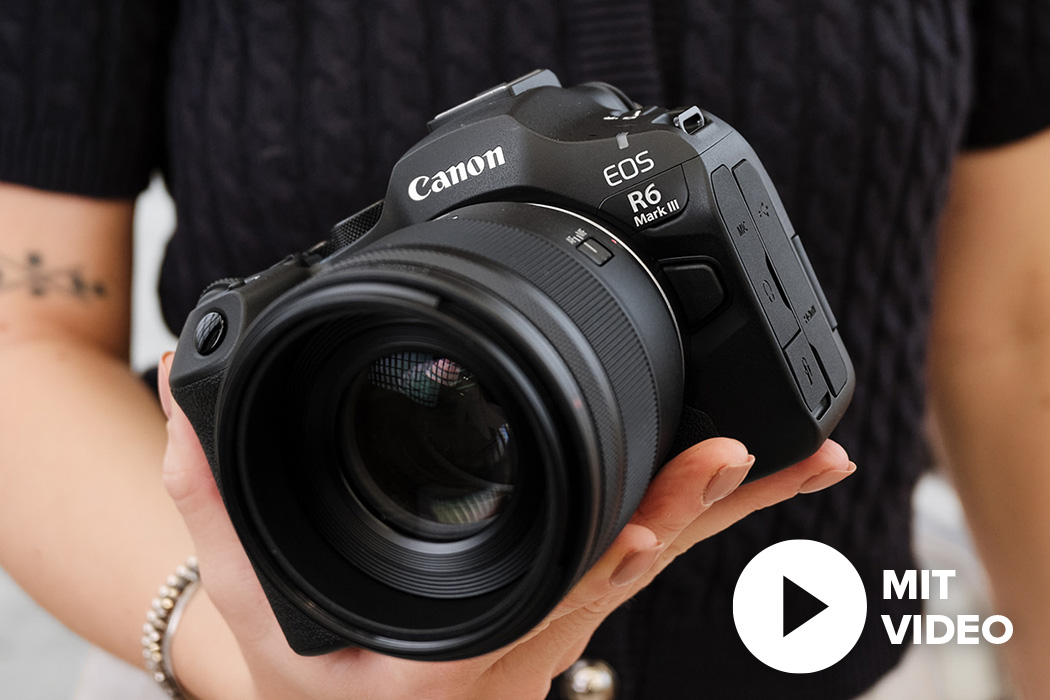
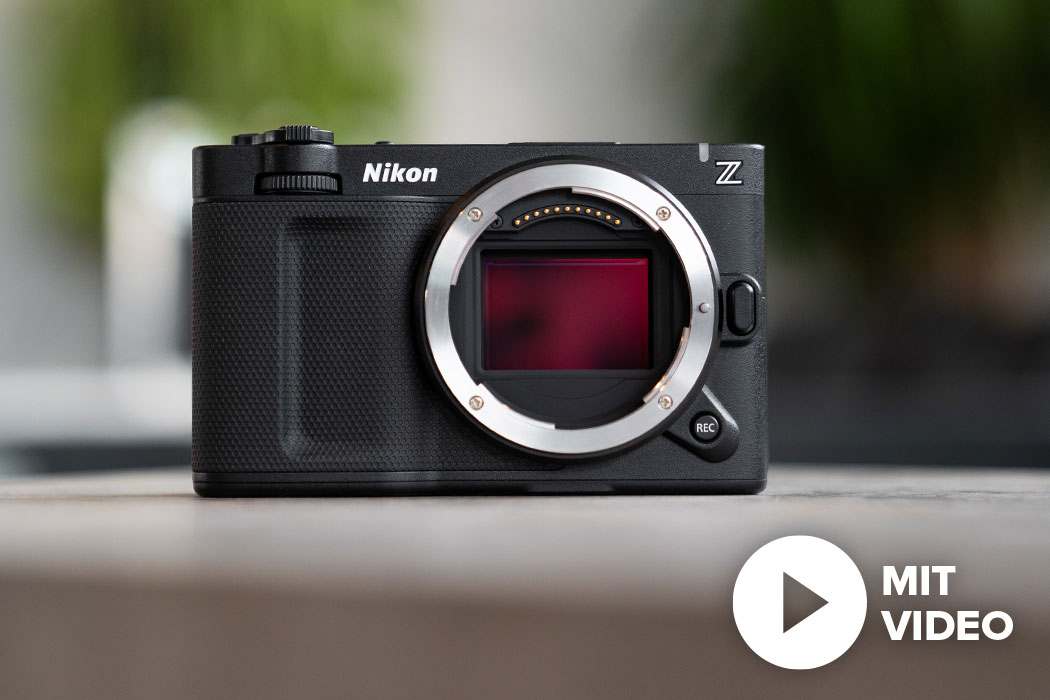
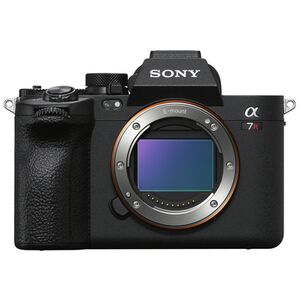
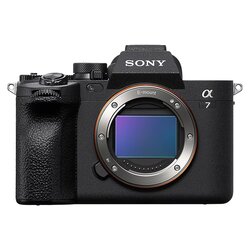
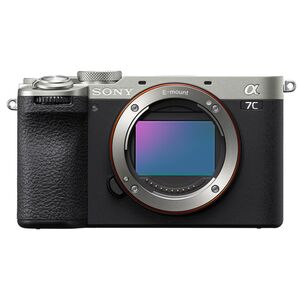
Typical SLR cameras with a full-frame sensor are, for example, various Canon and Nikon models. Sony offered here with the system cameras of the Alpha series was one of the first to offer mirrorless cameras. Mirrorless cameras have the great advantage that they can be built more compactly. Mirror reflex cameras are referred to as DSLRs (digital single-lens reflex). In contrast, system cameras work without a mirror (the "m" here stands for the missing mirror) Not so long ago, system cameras did not reach the speed of DSLR cameras, but today mirrorless models such as the Sony Alpha 9 are in no way inferior to the large DSLRs.
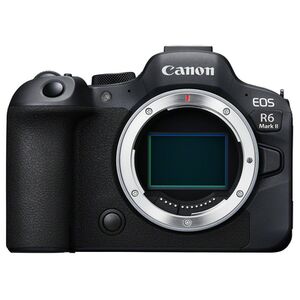
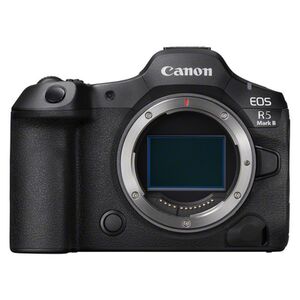
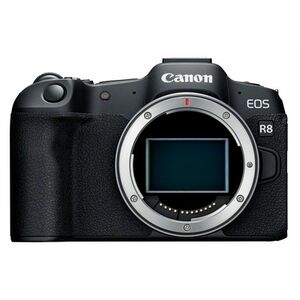
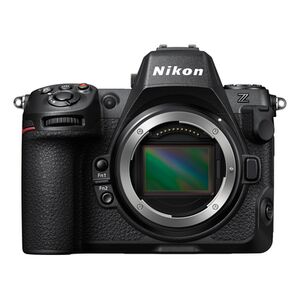
However, we now also have many other brands strongly represented on the system camera market, such as: Canon with the EOS R series, and Nikon with the Z series, as well as Panasonic with full-frame and MFT sensors. However, Fujifilm also stands out with its cameras, which only produce APS-C (X series) and medium format cameras (G series) without a mirror.
Weight differences of system cameras: full-frame to APS-C
We have already seen the difference in weight between DSLR full-frame cameras and DSLR APS-C cameras, but this is also present in mirrorless cameras, where the weight also varies greatly between full-frame and APS-C cameras due to a smaller battery or fewer technical functions. Here the difference in weight also lies in whether you are in the professional system or in the consumer sector. For example, a Sony Alpha 9, Nikon Z9/Z8 is considerably heavier than an APS-C camera.
The biggest weight saving comes from the design of the lenses, even if the manufacturers are becoming smaller and more compact in full-frame format.
 Compatibility of full-frame lenses and APS-C lenses
Can I also use full-frame lenses on APS-C?
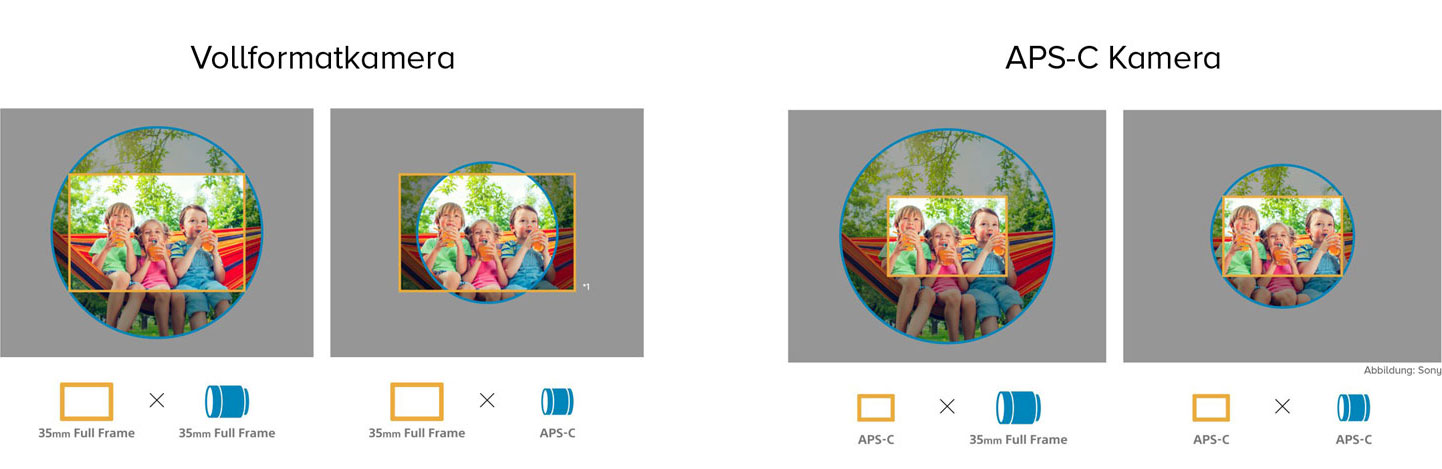
Yes, and almost without restrictions. This is different for lenses that are designed for APS-C sensors, as they cannot use the full-frame sensor due to the illumination circle. The bokeh is somewhat rougher on APS-C than on the full-frame sensor.
If you use APS-C lenses on a full-frame sensor, you will have black/dark areas at the edge of your shot, as the sensor is not illuminated over the entire surface. Many cameras can be switched to an APS-C mode in which these lenses can be used.
More and more aperture fixed focal lengths for APS-C cameras
Manufacturers such as Viltrox and Sirui are currently showing that an APS-C camera cannot be excluded from the market. This is because fixed focal lengths with an aperture of f1.2 achieve a bokeh and a depth of field that can be compared to the full-frame format! One disadvantage that remains is the amount of light that the sensor can absorb; the open aperture naturally compensates somewhat for the increase in ISO value.
Sony Alpha 7 V (ILCE-7M5) Body

Sony Alpha 6700 (ILCE-6700) Body




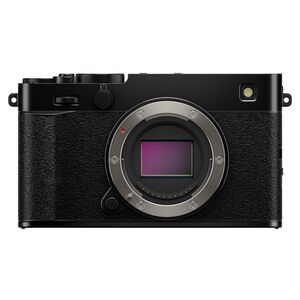
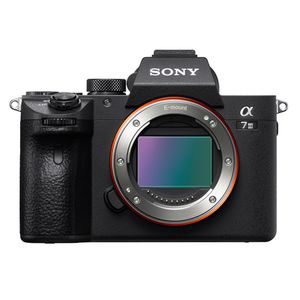
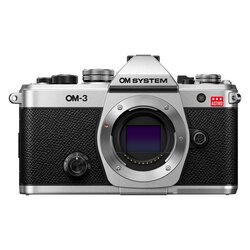

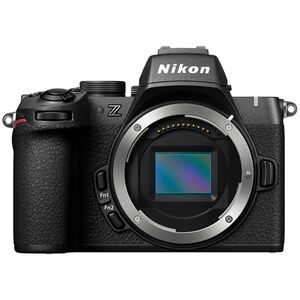
Our conclusion:
Whether a full-frame camera or a camera with an APS-C or MFT sensor is ultimately right for you depends entirely on your requirements. The acquisition costs between APS-C cameras and full-frame cameras are now almost at the same level, which means that the question also partly shifts to the subsequent acquisition costs, which need to be considered more closely. For many photographers, an APS-C system has now become more of a secondary system alongside a full-frame camera system. The APS-C sensor really makes sense as a supplement, especially in the field of animal photography and sports photography.
The smaller APS-C sensors have not yet completely lost the technical backlog in terms of performance in poorer lighting conditions, but the market has many new and strong lenses that address points of criticism such as poorer bokeh and the like. To experience the feel and feel between the camera manufacturers and sensor sizes, we will be happy to advise you in our Düsseldorf store and you can find out for yourself which camera suits you best at . Because you can also take outstanding pictures with an APS-C camera.
Buy full-frame cameras at Foto Koch:
Full-frame cameras from Panasonic