In accordance with §11 PAngV (German ordinance regulating the indication of Prices), the last offer price shows the lowest price of the last 30 days after all usual direct discount deductions. Discounts such as cashback or trade-in, which are calculated or paid out after the purchase or by third parties without a contractual relationship with Hifi Foto Koch GmbH (service providers, agencies, manufacturers, etc.) or which require further action, are not included.
That's a good question to which I don't really have a good answer. I probably came to photography relatively late.
I studied computational linguistics and didn't really start taking pictures until after my studies. I always enjoyed being creative in my free time, but it mostly had to do with music. i moved to Berlin in 2008, took some time out and started taking more photos to get to know the city better. That was also the time when I started uploading photos to Flickr.
There I discovered many photographers whose style appealed to me and also matched the kind of music I liked. So the whole thing developed step by step. I became more ambitious, gradually found my own style and stoically pursued it for a long time. As time went on, my photos got better, I received my first print requests and commissions.
I decided to stay a photographer and not return to computer linguistics, as I could no longer imagine myself in a purely office-based job.
Aishy City Lights
2. What inspires you?
Music, architecture, the work of other photographers and artists that I discover in books, exhibitions and online - these are usually the things that inspire me to get creative too.
3. Is your photography art or classic architectural photography?
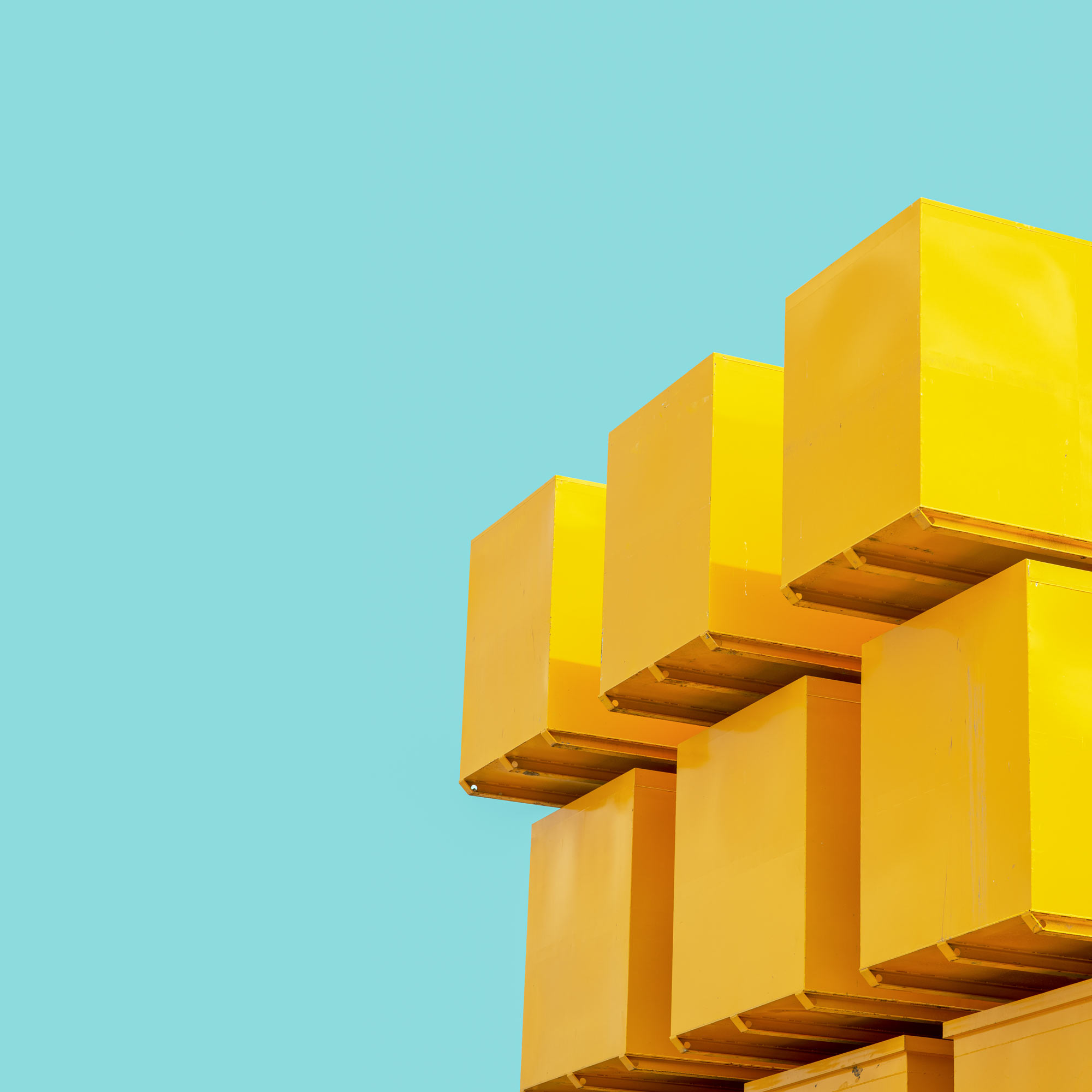
My photography is not classic architectural photography, it is not technical enough and too imprecise for that. However, I do use architectural photography techniques because I like clarity, geometry and lines. Whether my photos are art is probably in the eye of the beholder. Certainly, the colors and motifs are often rather freely chosen and have the sole purpose of looking beautiful or at least interesting. I would say my photography is an artistic approach to architecture and urban landscape photography.
Matthias Heiderich - Lisbon
4.What role does the color blue play in your photography?
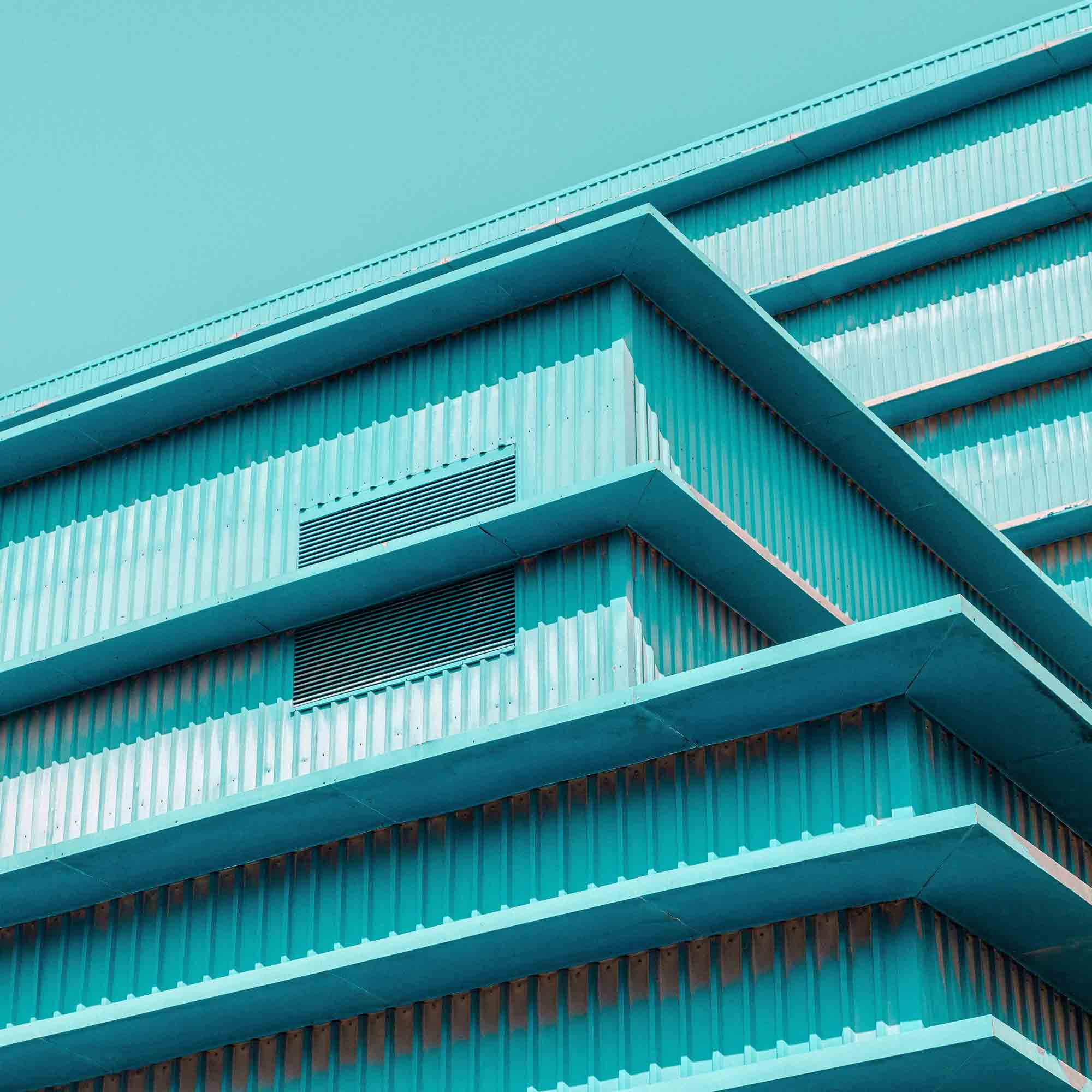
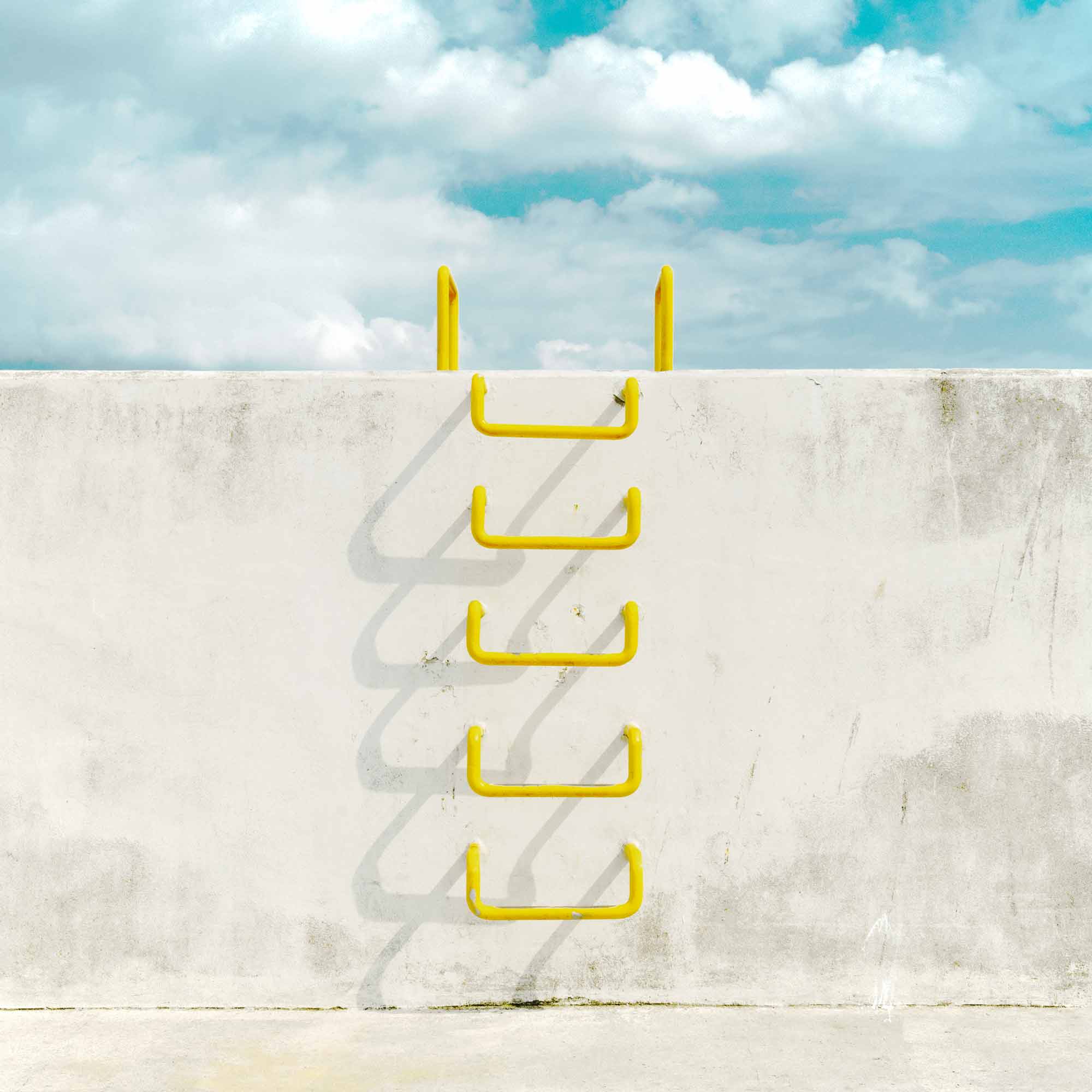
The color blue appears frequently in my photographs because the sky is often visible and it is known to be blue on most days. A lot of my photos show reduced architecture in front of a blue sky. So it acts a bit like a canvas that I use to show something that I find exciting.
5. Blue is a cold color. But in your pictures it often gives a warm feeling. How do you manage that?
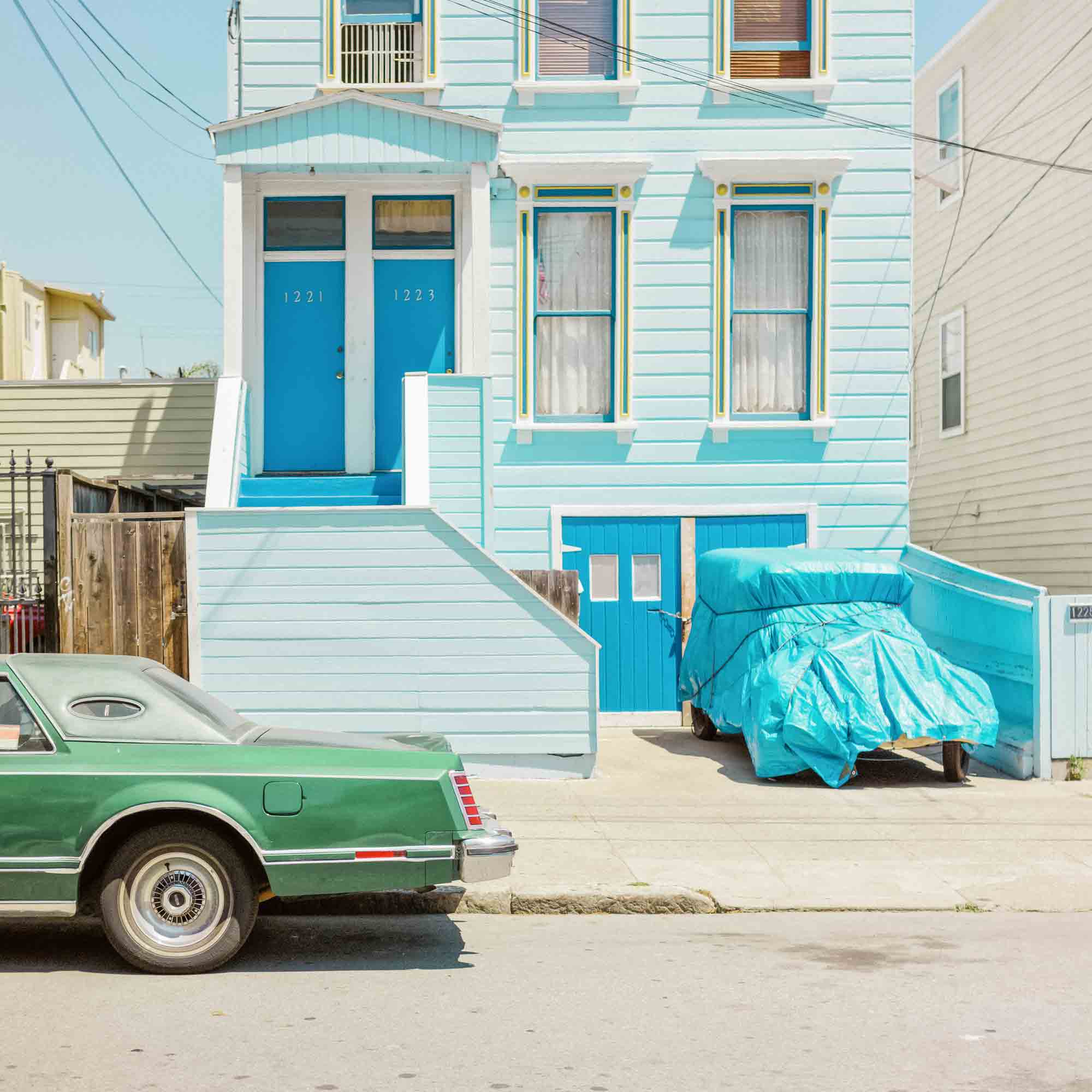
Blue is not just blue, but a whole range of colors. Especially in the morning and evening, the blue of the sky is warmer than in the middle of the day. I don't find this cold blue of the midday sky, which digital cameras reproduce very precisely, very appealing and therefore avoid it in my pictures. In analog photography, you immediately feel much more warmth, which is why I prefer to look at analog photographs. Nevertheless, I photograph digitally more often than analog.
The good thing, however, is that you always have the choice to influence the coloring. I can influence the color temperatures in my own way during the photography itself and in post-processing. The cold blue usually becomes warmer and softer.
I take some liberties there and that's exactly what I love about creative work: the freedom.
Matthias Heiderich - Hamburg
6. Do you take spontaneous shots or do you only shoot when the light, shadows and sky are right? How do you choose your subjects?
Both and. Here in Berlin, I often just go out when the time and weather are right and see what happens. I walk around aimlessly and photograph what I like. In another city, it's usually not so easy, or certain factors such as the time available play a role. The places I want to visit are chosen beforehand and I walk from A to B. On the paths in between, there are also good opportunities to spontaneously discover something that I didn't have on my radar. If the light conditions are not right for an important motif, I try to return later. The weather is definitely often a matter of luck.
That's why I try to make the most of the summer months and spend a lot of time outdoors to collect material that I can work on in winter. When looking for motifs, I often focus on interesting architecture in the respective city. As I'm also interested in this in my private life, I'm happy just to look at it. Otherwise, anything that is colorful, has an interesting, unusual shape or represents a strange constellation of objects comes into question for me. I usually come home with a lot of photos, very few of which are processed further.
7. Your pictures seem to tell stories about buildings and leave plenty of room for your own ideas. What fascinates you about the motifs you choose?
I am interested in the diversity of the man-made environment, the wealth of creativity, the ideas, the passion, sometimes the megalomania, or simply the craziness that certain buildings reflect. Many of the new buildings that are simply supposed to be efficient and functional are of little interest to me.
But there are also buildings that have such a spirit that you just stand in front of them and marvel or shake your head and are totally fascinated by the details. I would say that is essentially what makes fascinating art. It is bolder, more creative, more versatile than the mainstream; yet not intended as a status symbol, but simply an expression of great ideas and good work. I find architecture or objects that reflect this beautiful as motifs. Then it's all about showing the whole thing in an appealing form, whereby the photographer's job is to choose the detail, the lighting situation and the angle. For me, that's what makes photography so appealing.
Matthias Heiderich
8. What do you want to show with your photography?
First and foremost, I want to express my own creative energy with my photography and secondly, I want to show something that speaks to me visually. As I said, I'm hardly interested in telling stories. However, due to the amount of photos in a similar style, a kind of own story or world is created, which is probably closer to my inner world than the world that actually surrounds me.
9. Why do people have no place in your pictures?
When people appear in photographs, they draw attention to themselves. You look at the photos and think about the history of these people and perhaps also enjoy their aesthetics. In any case, it's more about storytelling and stories about people. Admittedly, these are not topics that occupy me very much when I'm photographing. I don't want to tell stories, but rather capture the small sections of the world that satisfy me visually. In my case, these details tend to be devoid of people and reduced to just a few elements in order to radiate a certain calm that I seek and need in everyday life in order to clear my head. To be honest, I also prefer to be alone when taking photos, which is certainly due to my character. I like people, but only in the right doses.
10. How do you approach your photography?
I'm not a big technology freak. Even after many years, my equipment is very manageable and I don't have any insanely expensive cameras or lots of different lenses. I'm usually out and about without a tripod. In my backpack I have a DSLR with lenses covering 16-100mm, spare batteries, a Rolleiflex and medium format films, and then a smartphone, which I use a lot to simply document things. Otherwise, I would describe my approach as intensive looking while walking. This is the ideal speed for me to not miss anything and to scan my surroundings. People often ask me (especially in residential areas) if I'm looking for something or if they can help me. I literally just look around. That's how my photography works - I'm outside a lot, photographing anything I like and about 1% of those photos I show to the public. Sometimes I think photography is actually a by-product of my urge to be outside and explore.
11 .What do you do with your pictures?
Most of my pictures disappear somewhere on my hard drives. I post the ones I like on social media. A small number of them sometimes become prints that I sell. I have also published two books in the past. I hope that more will be added in the future and that there will be more exhibitions again.
12. In conclusion: photography for me is...
the best way to switch off, get into flow mode and forget about everyday life - in short, escapism.
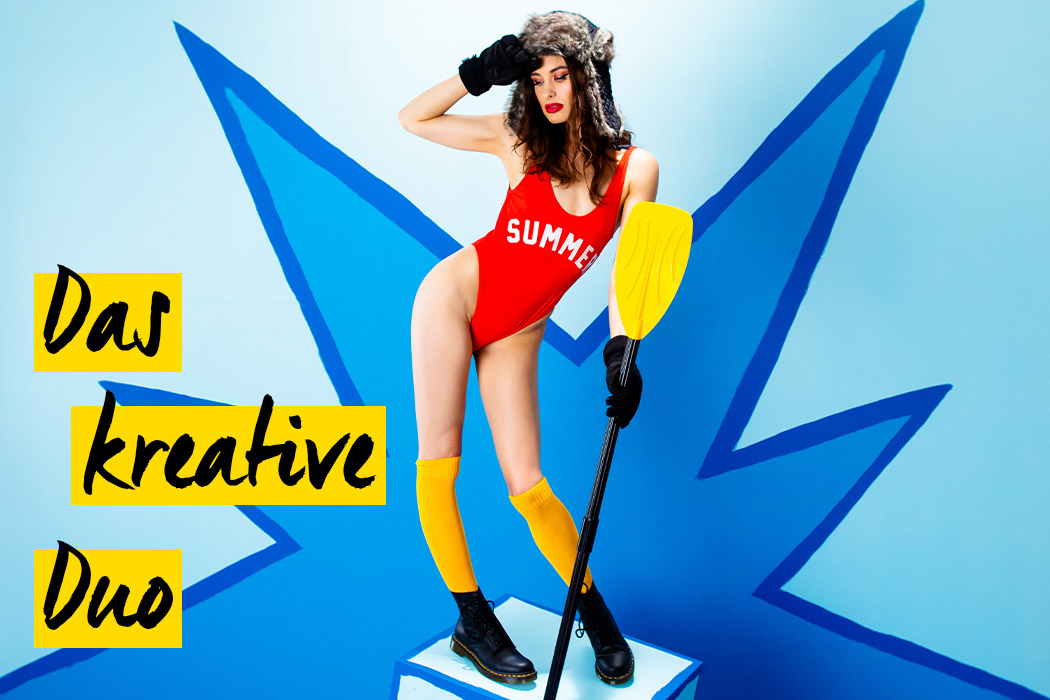
Jada and David are a duo who specialize in very special photography concepts. They put an enormous amount of effort into building backdrops for every single picture. I spoke to Jada to find out what goes into their pictures.
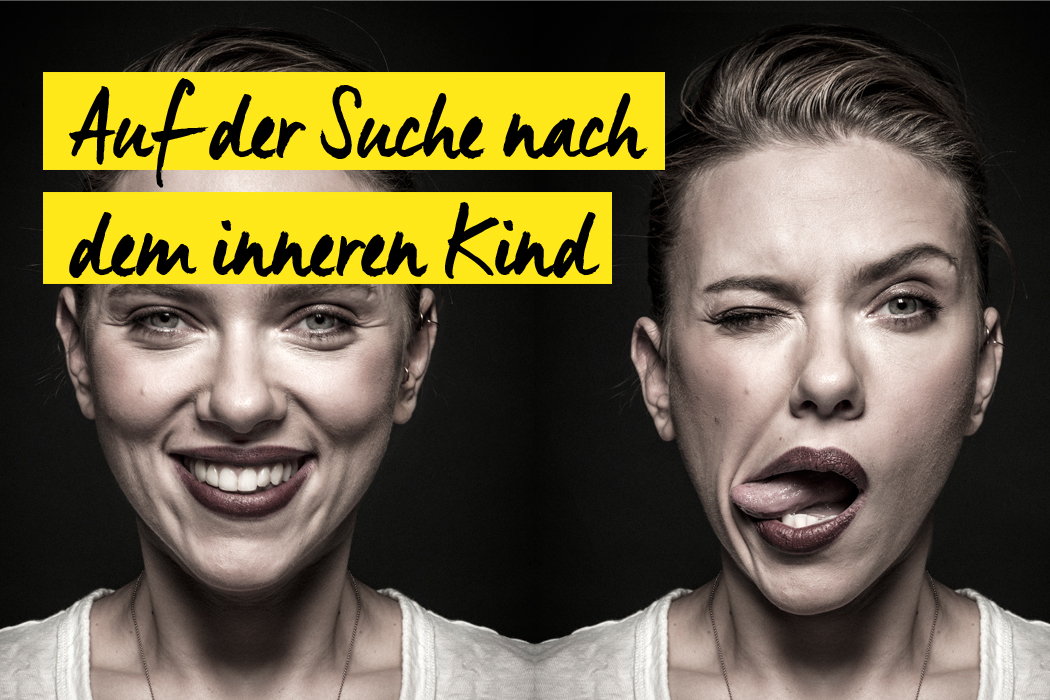
There are many small moments in our lives that make our lives more beautiful. Very often it is children who give us these moments. Photographer Chiara Doveri accompanies families to capture such moments
There are many small moments in our lives that make our lives more beautiful. Very often it is children who give us these moments. The photographer Chiara Doveri accompanies families to capture such moments
Joke sites usually only elicit a weary smile. Ours, too, is brimming with bad and well-known flat jokes. Nevertheless, such a page belongs of course in the issue "Humor". As is well known, humor is, when you laugh anyway!
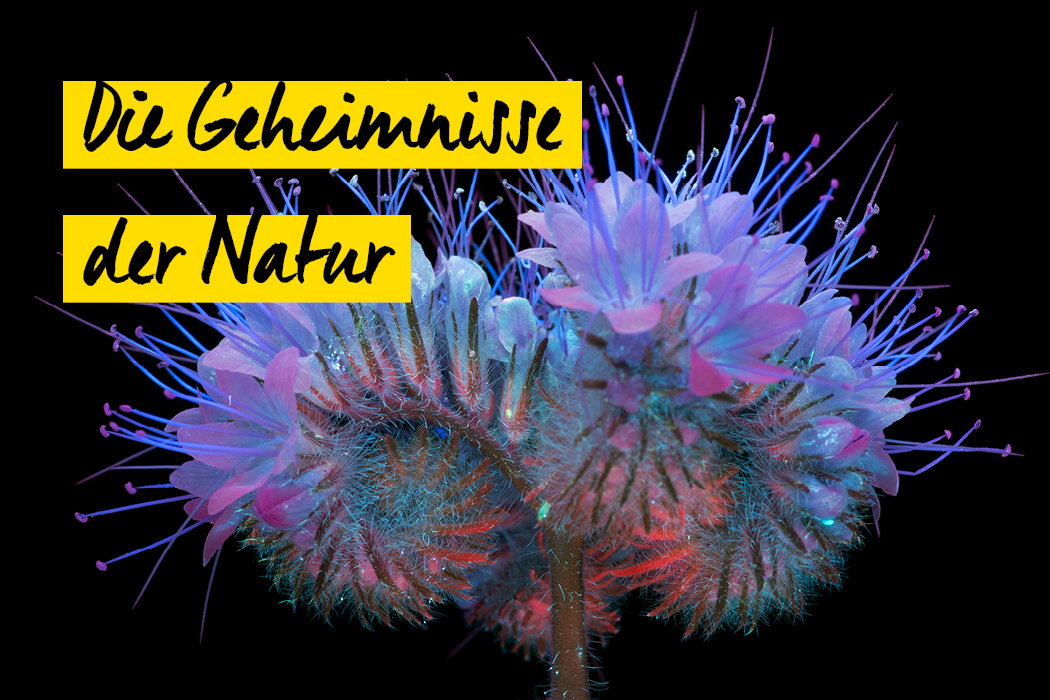
Detailed close-ups, plants that glow in neon colors and rise glittering from the darkness: Craig Burrows' photographs of fluorescent plants are enchanting and reminiscent of a completely different fantasy world. He shows things that you don't normally see.
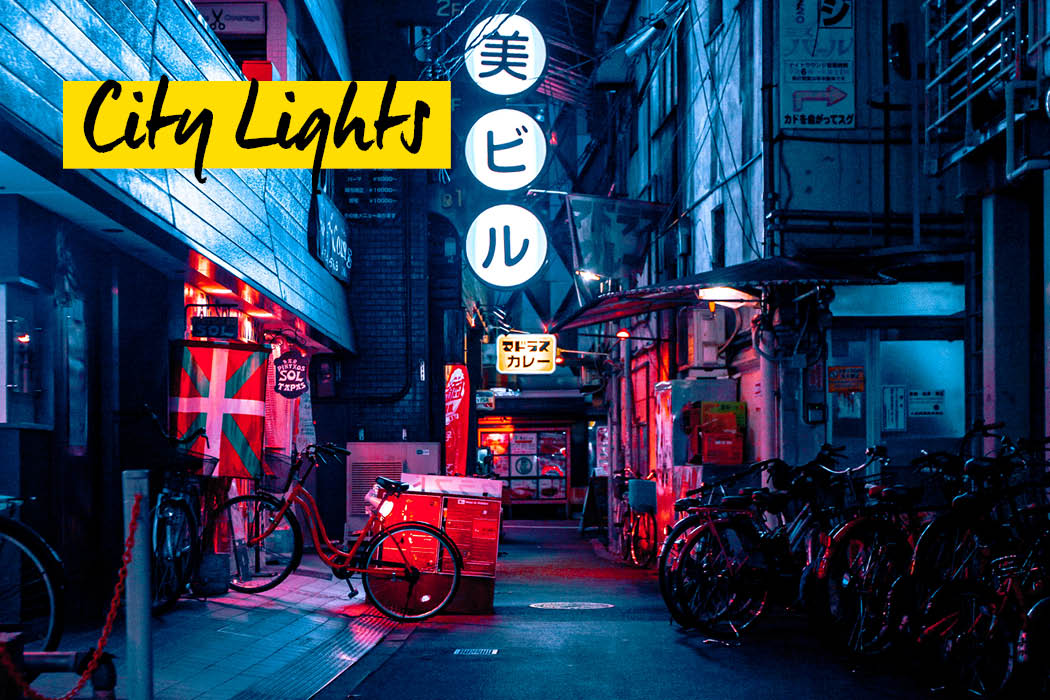
An empty alley in a metropolis, tall buildings rising into the night sky, and artificial light illuminating the darkness. Together they form magical motifs that Aishy, photographer, art director, and video director from France, captures with his camera and immerses us in the Japanese night scenery.
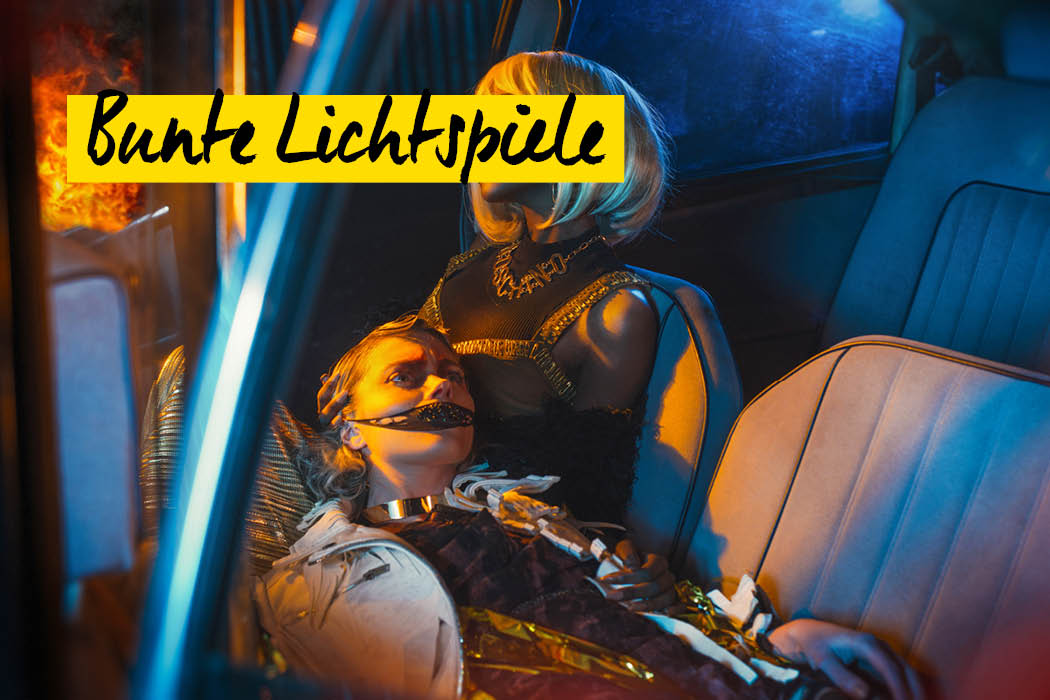
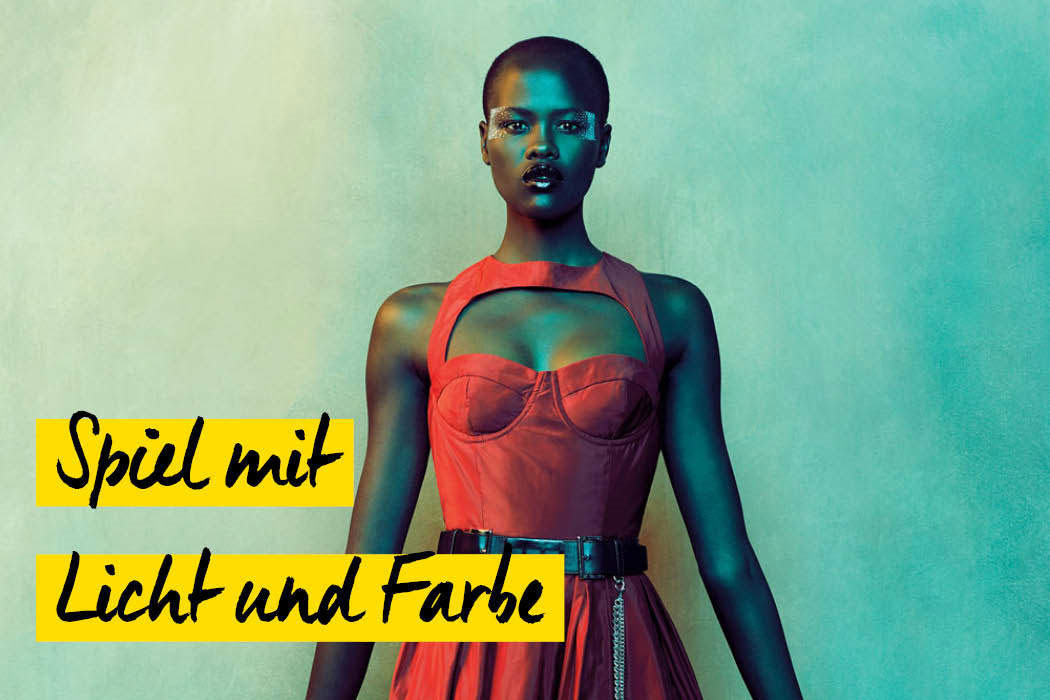
Good lighting is important. When this becomes a play of light, it is all the more exciting and thrilling. This is exactly what distinguishes the professional fashion photographer Glenn Norwood.
For each type of photography and each photo project there is a unique implementation. The artist's idea determines the exact recipe. Brett Stanley has perfected his recipe.
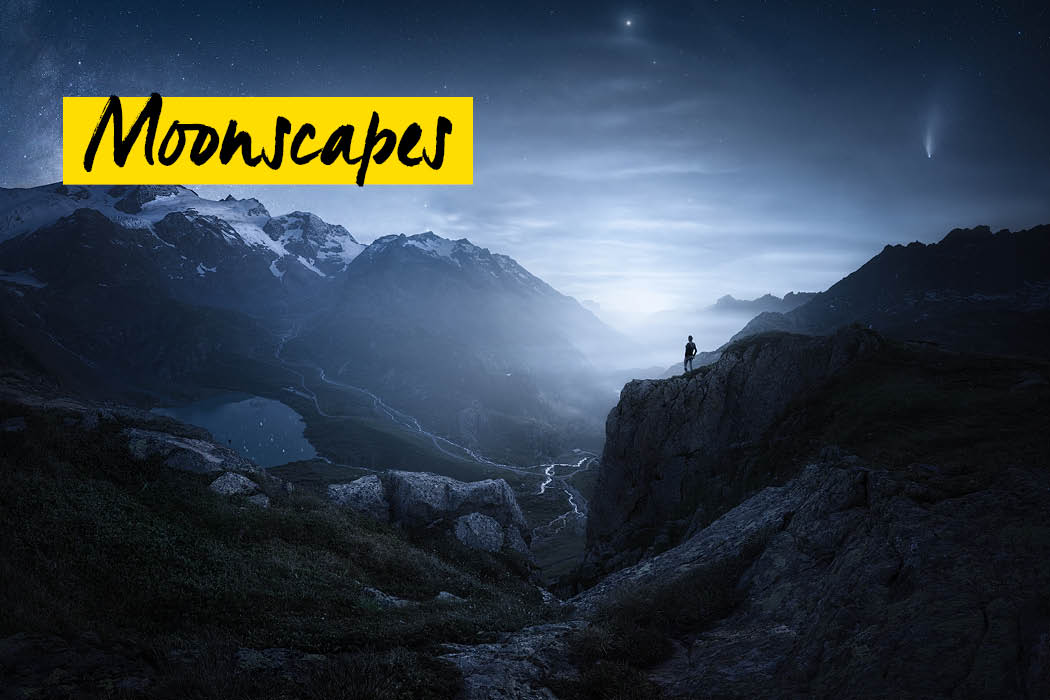
We are used to living with the warm colors of the sun. As soon as it shines, we go out, run and hike or take photos. Who wishes to live with the light of the moon? Isabella Tabacchi does! Especially when the moon surrounds and illuminates her favorite landscapes with its light.
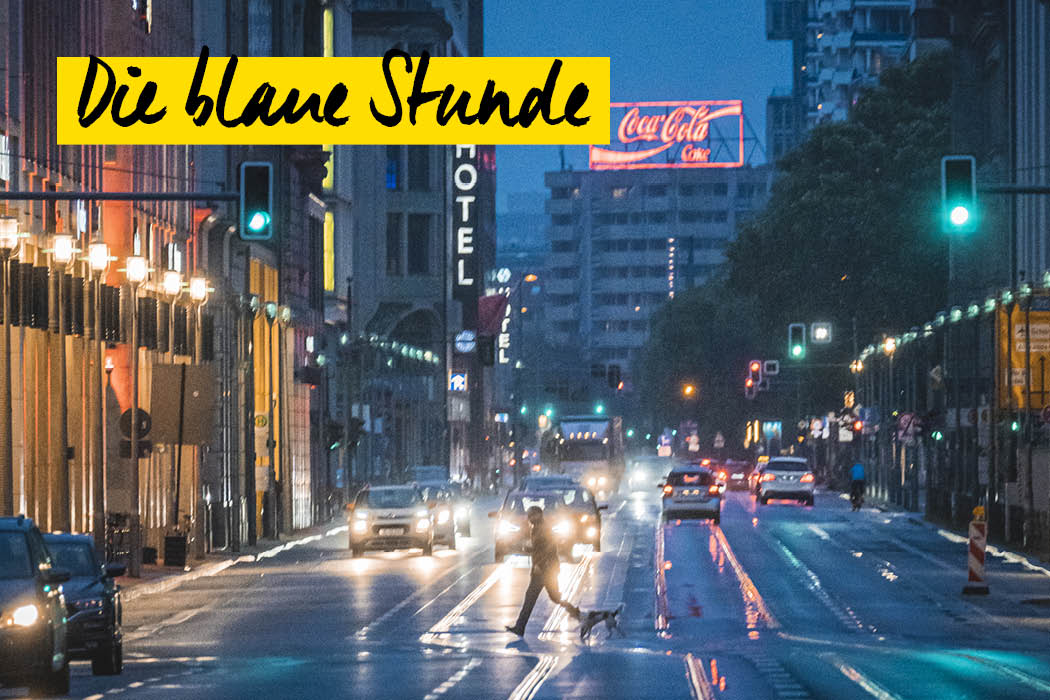
When the sun with its warm, golden colors disappears behind the horizon, the time of the blue hour has come...and the time of Naro. Born in Bangkok and raised in Berlin, the amateur photographer loves the blue hour, that is, the light situation in the sky before complete darkness falls.
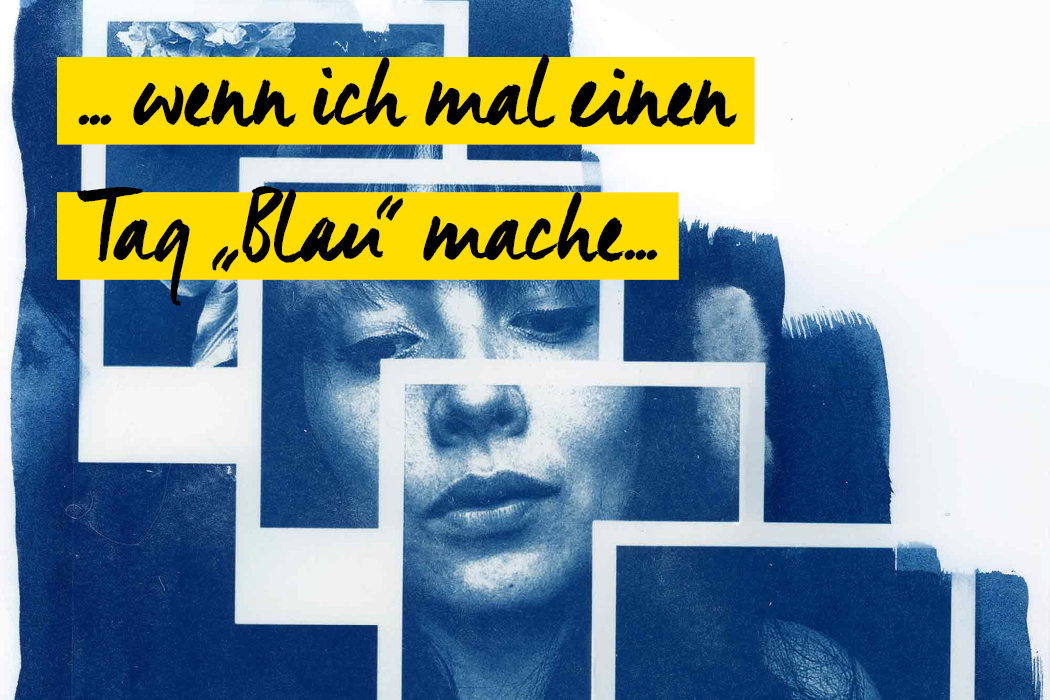
The title of this article is Matthias Petz's life motto. Because when he's blue and not taking pictures, he creates analog noble prints using the cyanotype process. What is cyanotype? Find out in this article!
Abandoned places are mythical and provide an insight into days long gone. An Urbex scene has developed around these sites. The term comes from urban exploration. Motifs from these lost places are often used in photography. Marc Mielzarjewicz explains how he developed this passion and what makes it so special.
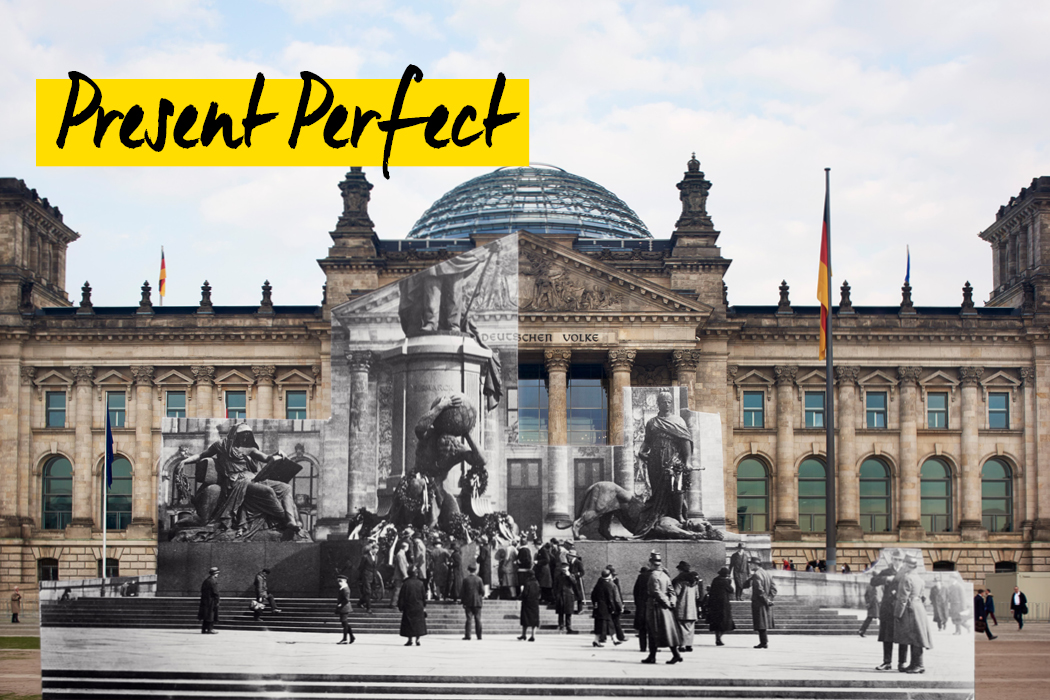
Caspar Sessler has been attracting attention since 2015 with his series present perfect. He stages well-known places over a long period of time and shows changes in a composite image. With his story, he was part of the current issue of our Schnappschuss magazine 'Wandel'.
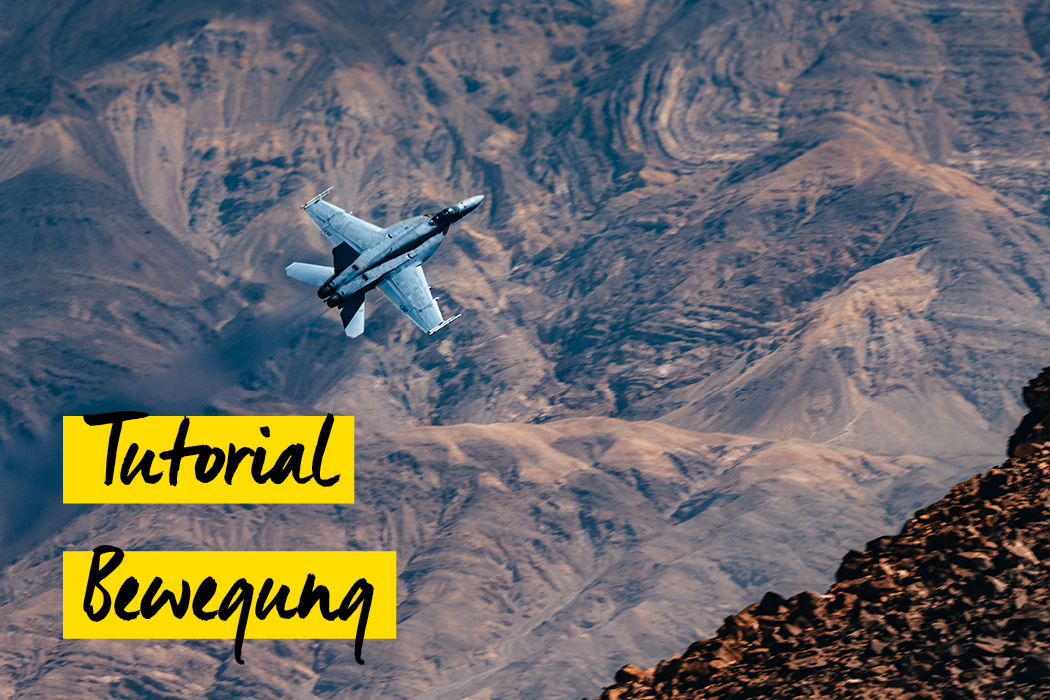
How exactly do I set up my camera when my subject is moving? The answer to this question is relatively simple: it depends. Yes, and on what? On what I want to depict in my work of light, or perhaps not. What impression I want the photo to make on the viewer, or perhaps not.
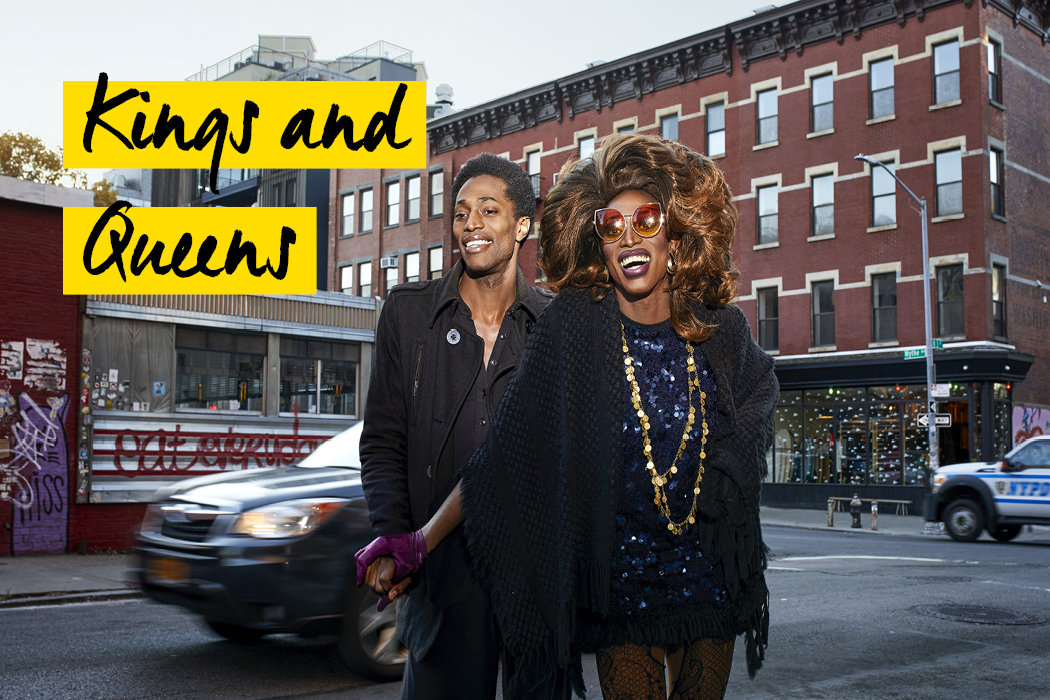
What makes you special? Dutch photographer Leon Hendrickx is fascinated by the different personality traits that make up each of us. Drag queens (and kings) are the best example for him to portray exactly these multiple characteristics.
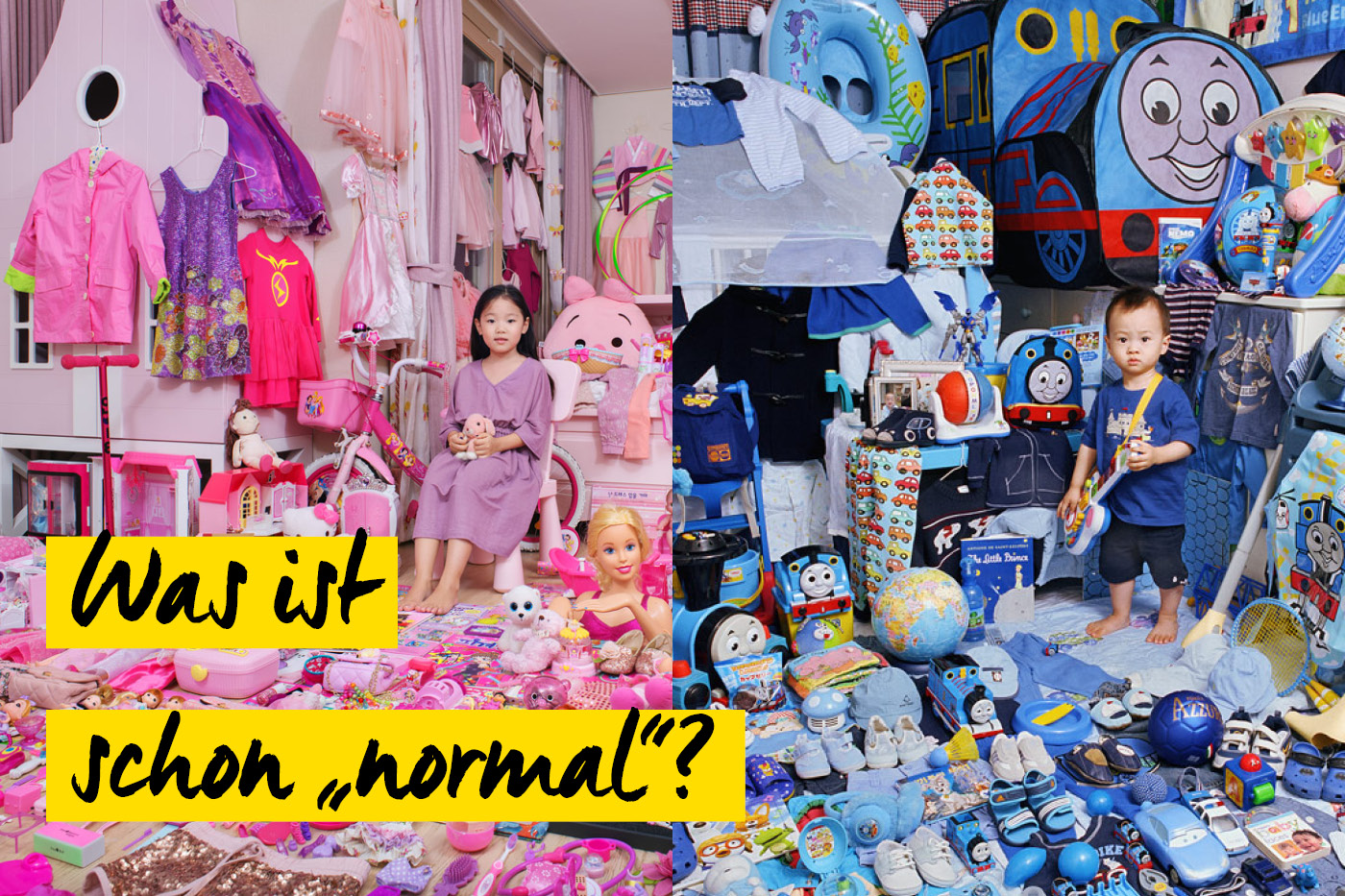
Jeongmee Yoon has set herself the task of photographically capturing the gender color division of children and questioning its causes, because as we all know: Boys like blue, girls like pink - that's just the way it is, isn't it?
Chris Nicholls' photographic style is known for his sensitive use of light and color. His work focuses primarily on fashion and portrait photography, for which he is world- and industry-renowned. We are delighted that Chris will be sharing his perspective on photography and contrast with us.
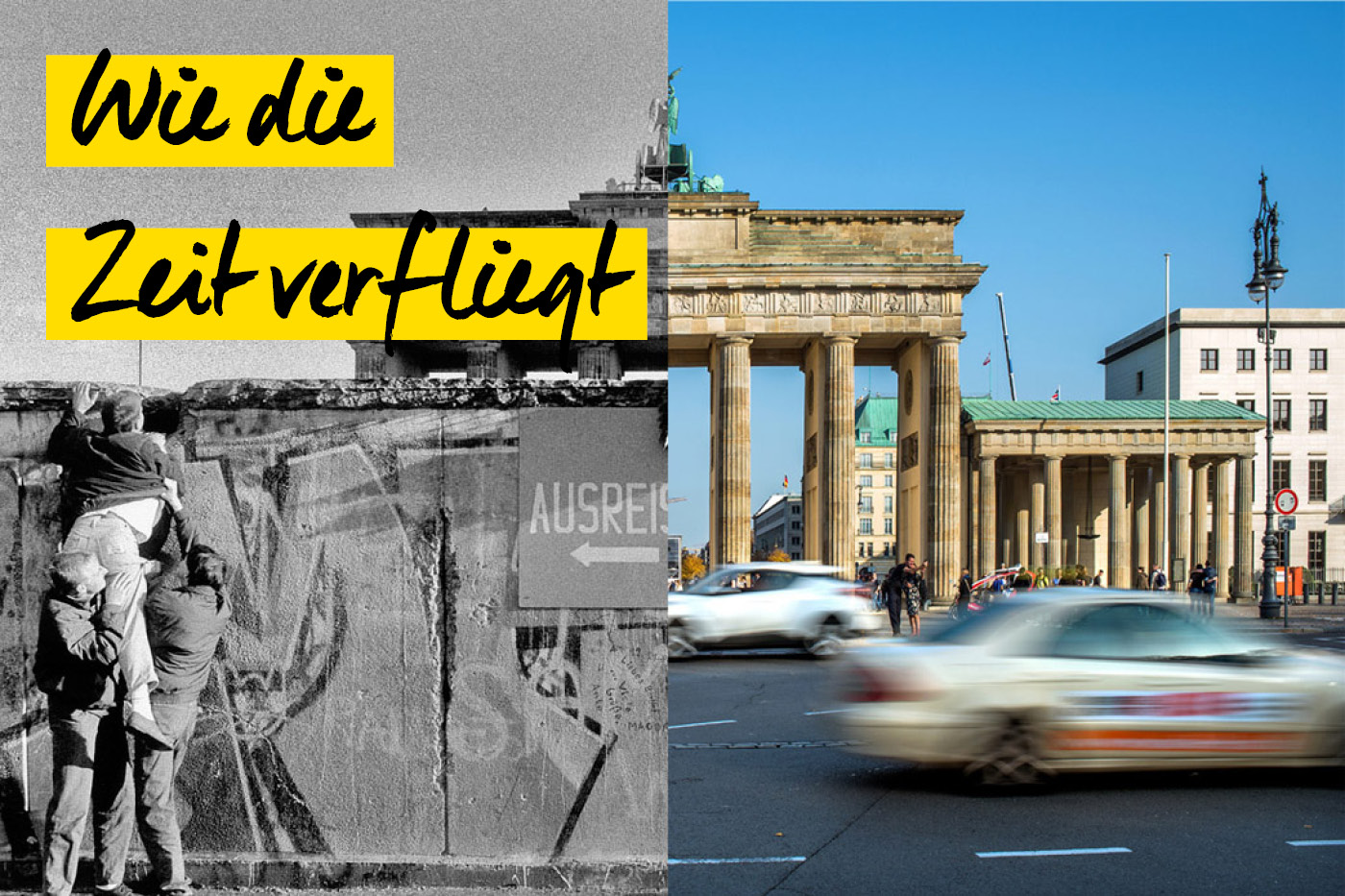
This year we are celebrating the 30th anniversary of the fall of the Berlin Wall. Gerd Danigel has compiled an entire archive of comparative photographs of Berlin and thus created a documentation of the rapid changes of our time.
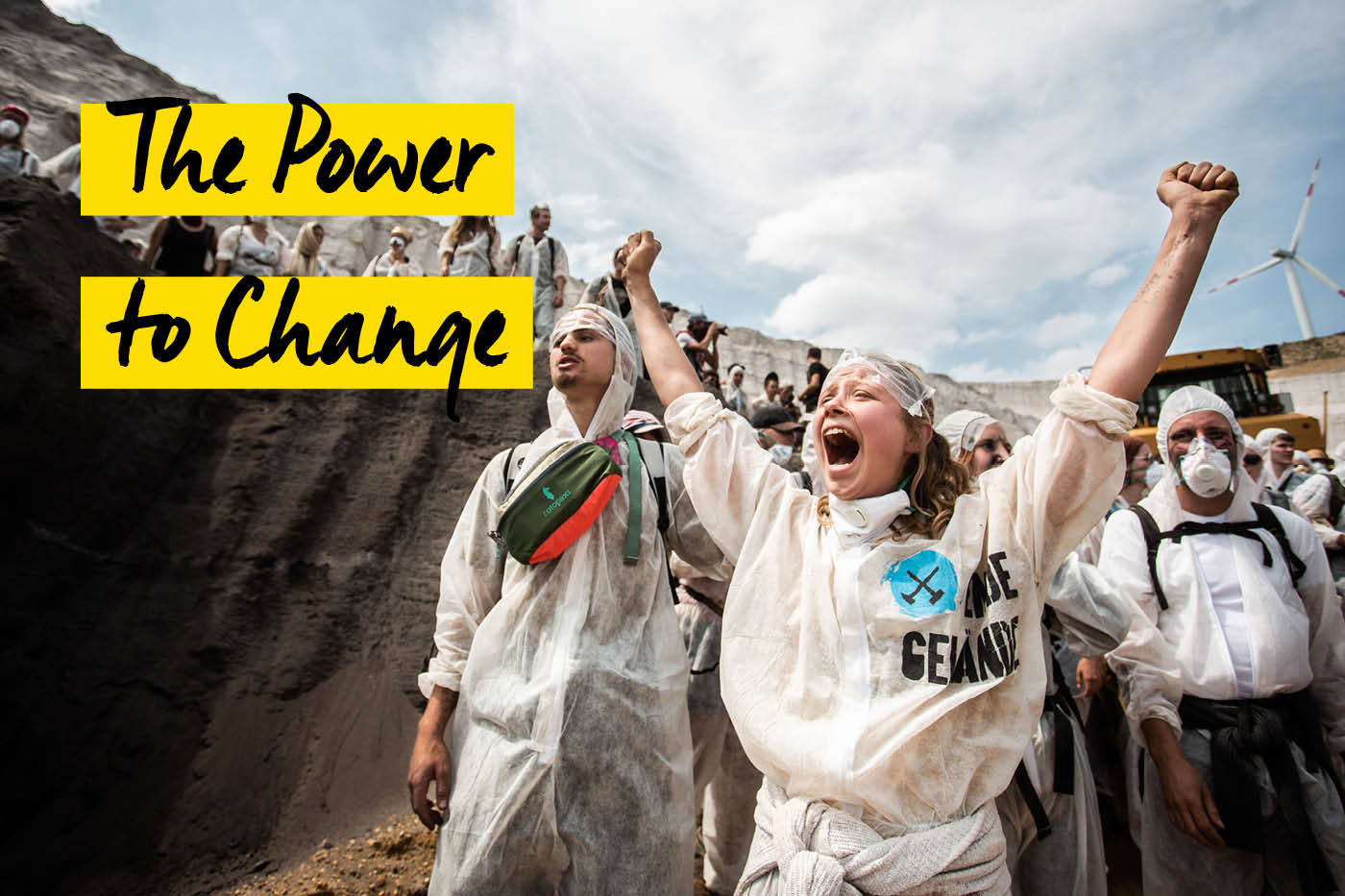
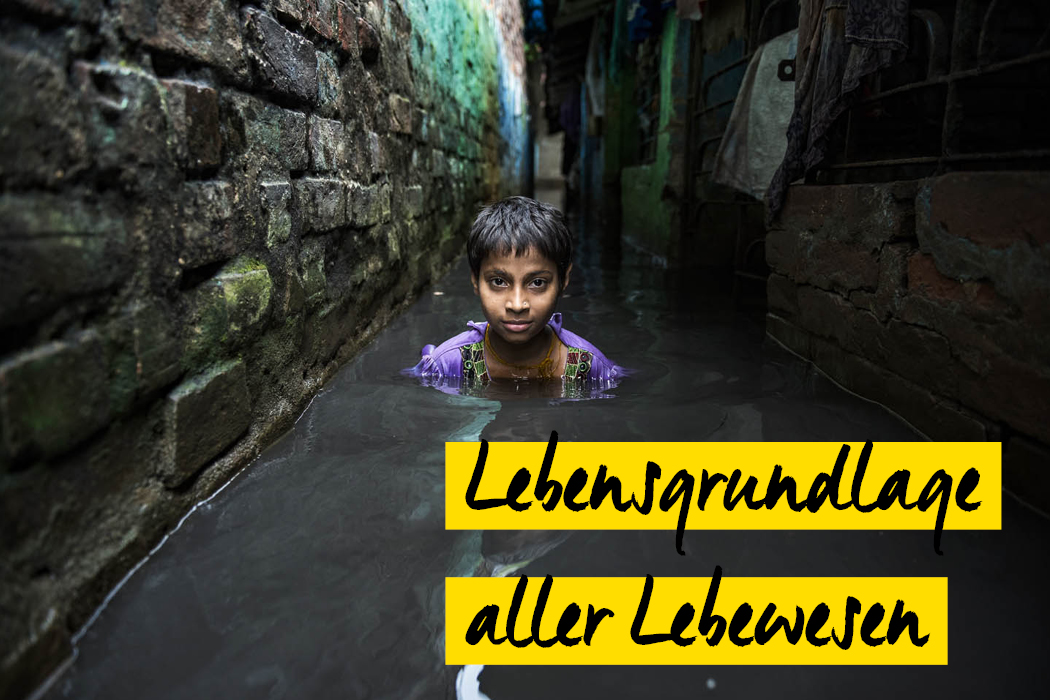
Our planet is changing - unfortunately not for the better.
The impact of humanity is leaving its mark. But there are also opportunities, as the CIWEM organization proves.
When other photographers are sitting comfortably at home, Mike Mezeul II is out in the open armed with his camera.
He is a volcano and thunderstorm hunter and his weather photography is an adrenaline rush.
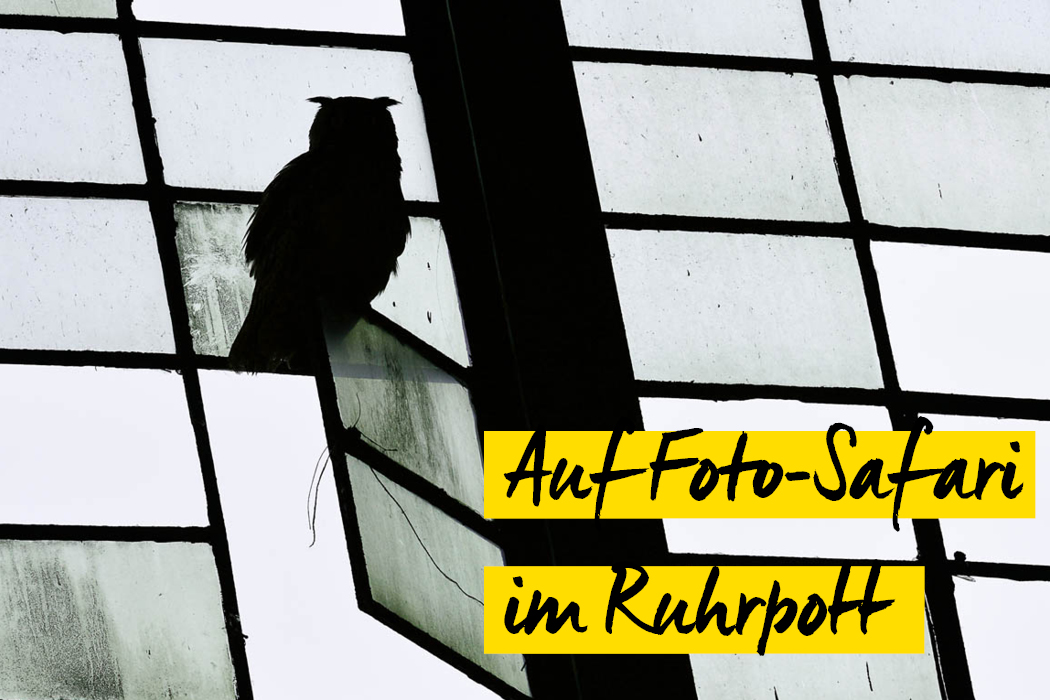
The "Wild Ruhr" project by Volker Kienast shows changes in the Ruhr region and uses a special visual language to bring interested parties closer to the coexistence of flora and fauna in the metropolitan region.
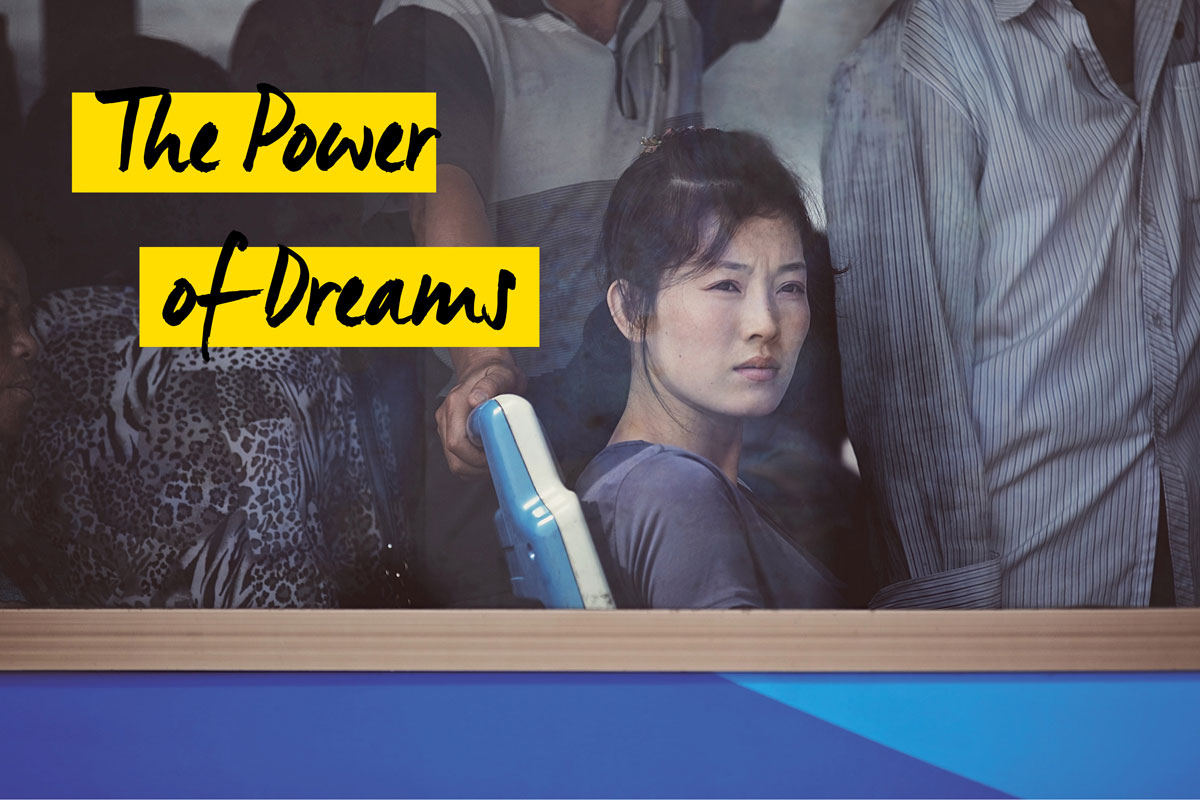
North Korea is probably by far the most secretive country in the world. Hardly anyone has visited the isolated state or would even consider doing so.
Photographer Xiomara Bender has already traveled to Kim Jong-un's country seven times and has managed to look behind the facade.
In our interview, she reports on her experiences.
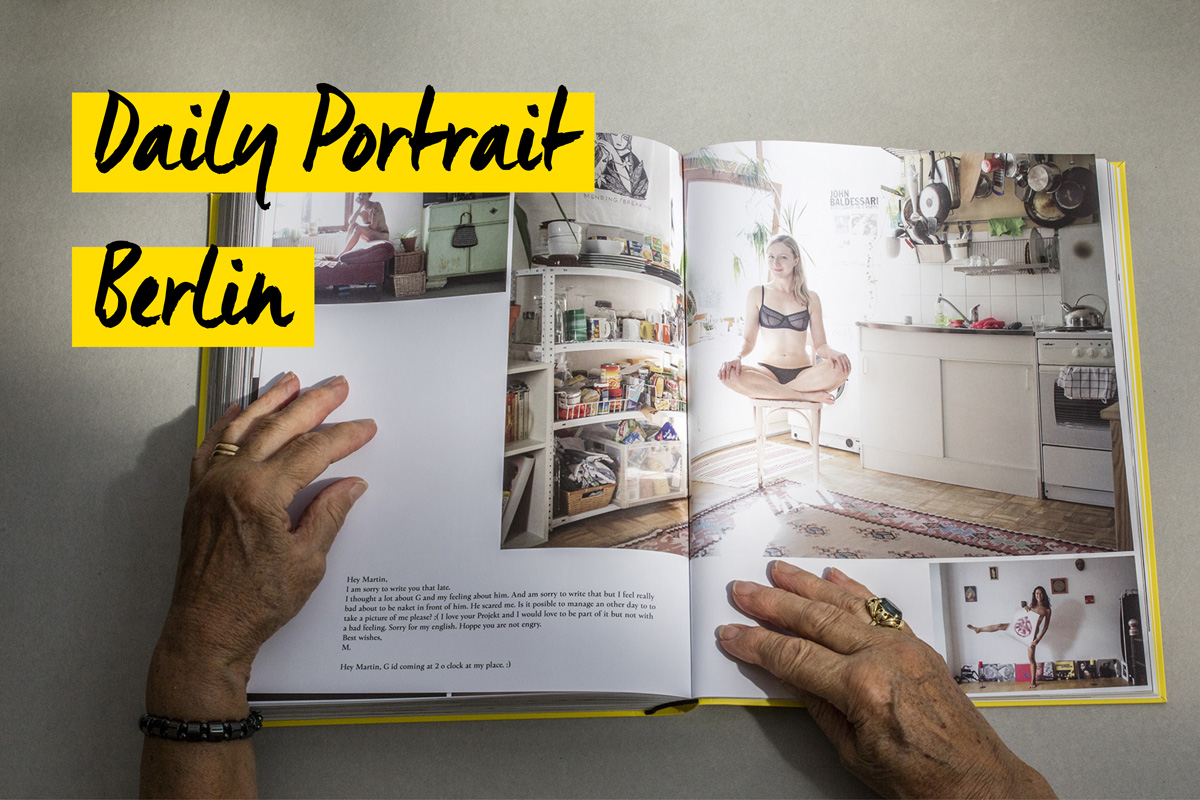
Try to imagine the following situation: You are at home, you are making yourself a cup of tea and suddenly the doorbell rings. There is a completely unknown person at the door. He/she has a camera and is about to take a picture of you. The idea behind the Daily Portrait Berlin project is to get you to undress.
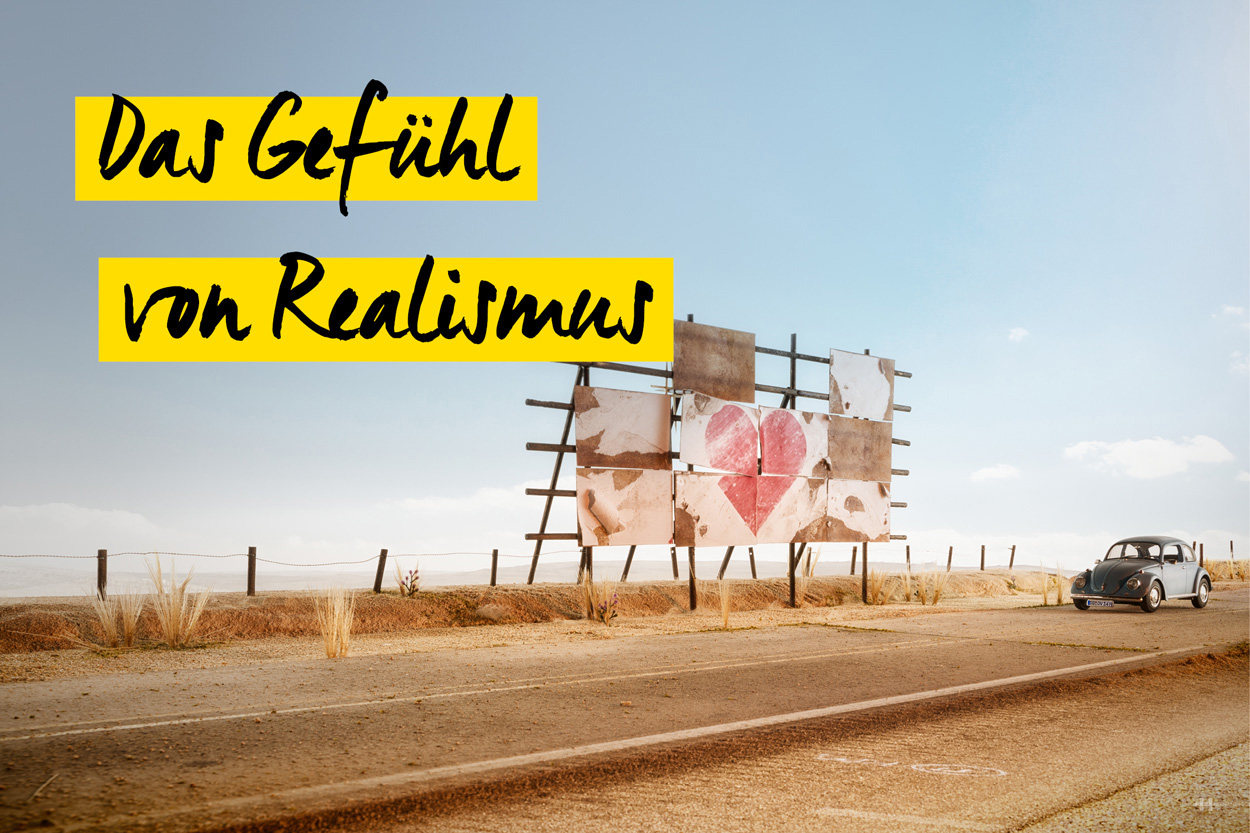
Who sets the rules for the design of a photo? Who says it has to be this way or that way to be correct or good?
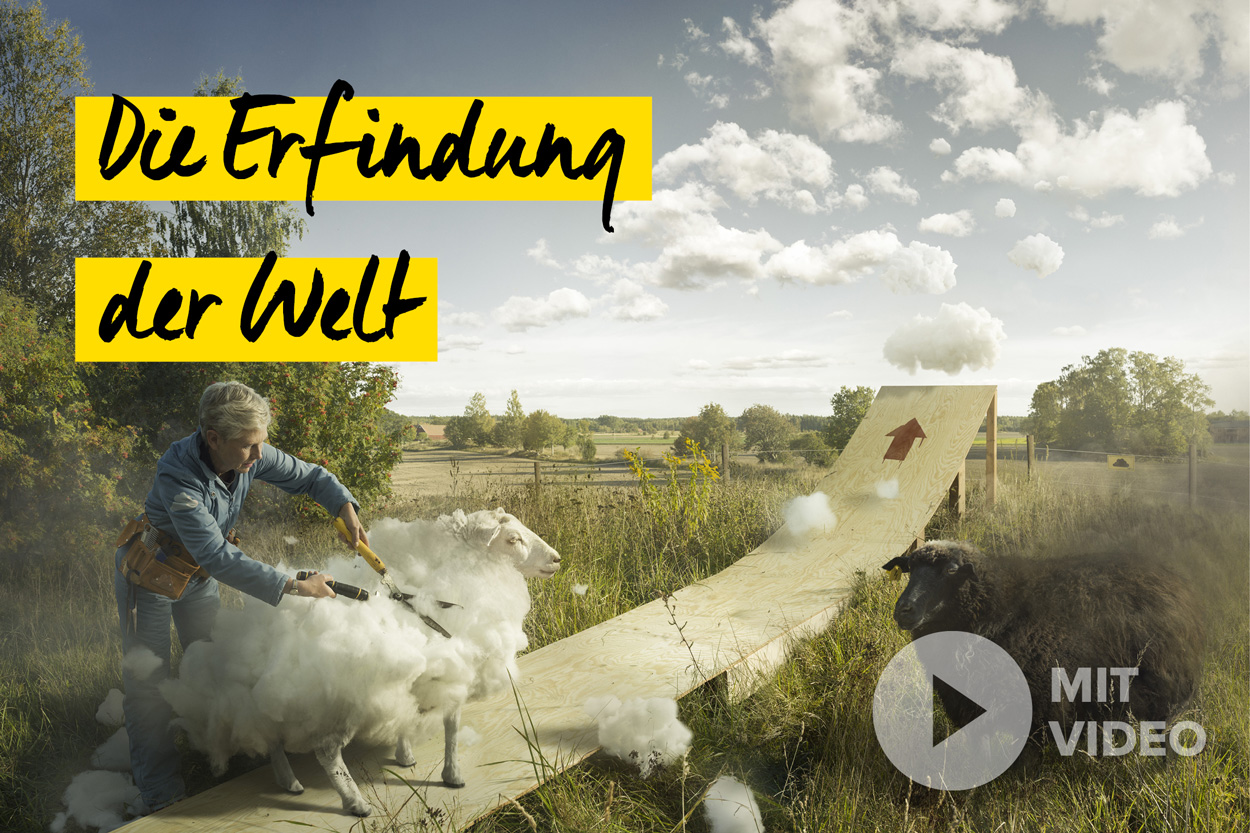
Erik Johansson takes us into a completely surreal world.
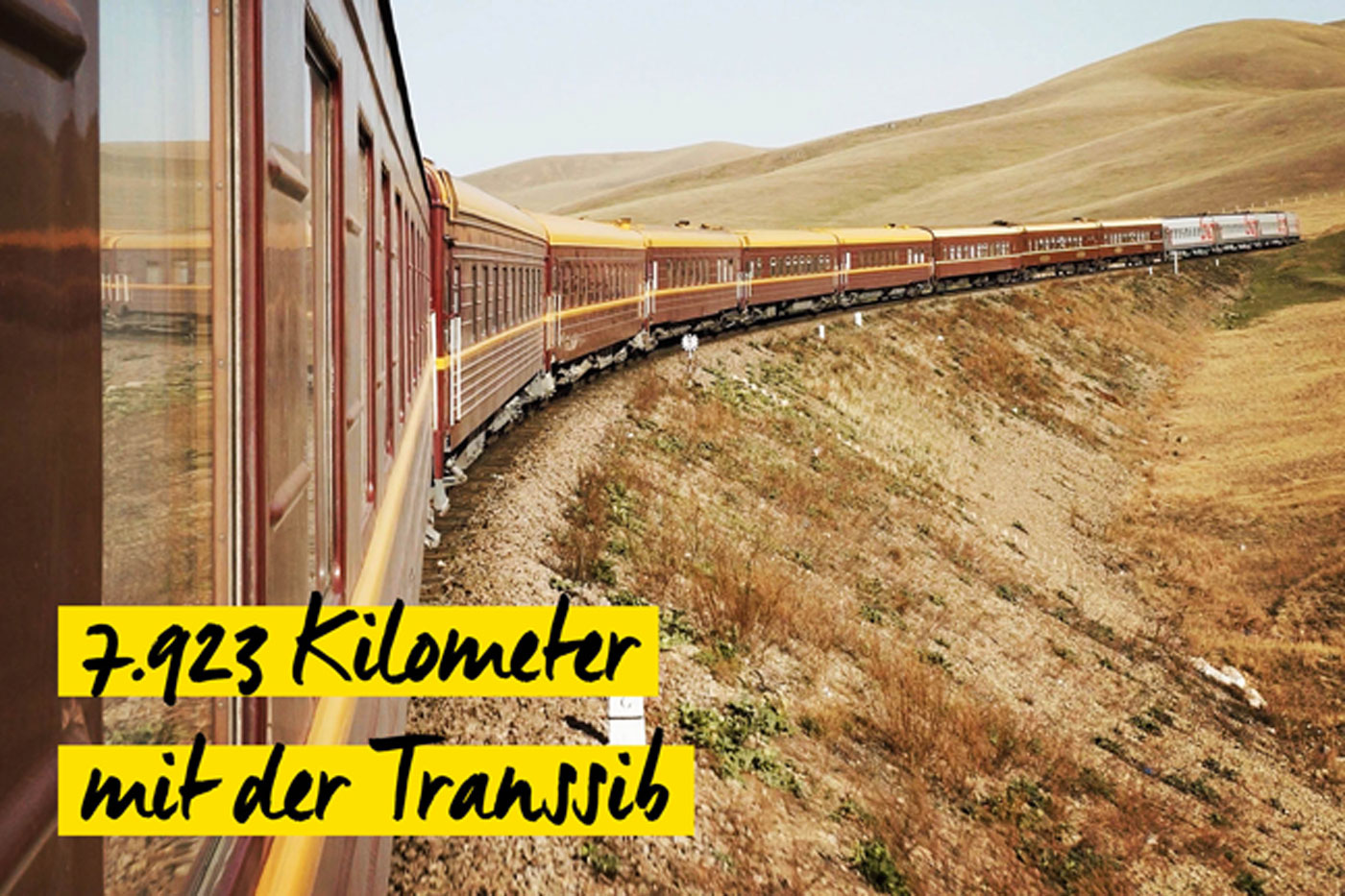
16 days, 8000 km, 7 time zones. From Beijing to Moscow on the Trans-Siberian Railway. Dennis Schmelz shows impressive footage of his "Transsiberian Dream" project.
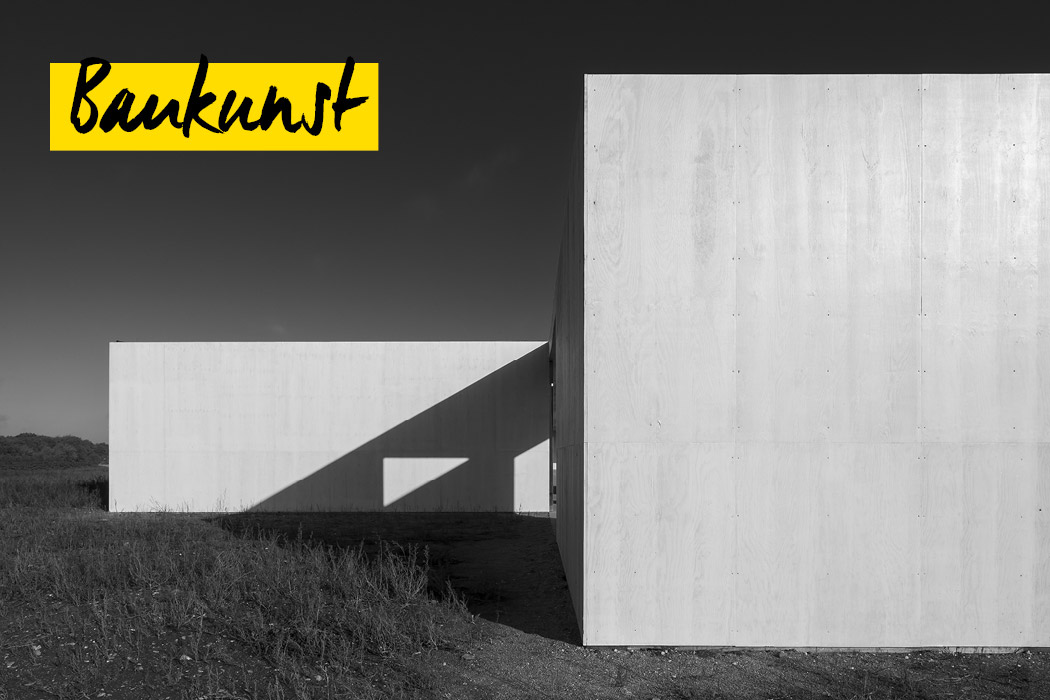
Koen Van Damme is a true master of architectural photography. He manages to depict the seemingly ordinary and banal in an aesthetically sophisticated, fascinating and unique way. He conjures up exciting visual worlds with straightforward structures from simple walls, conventional rooms and matching furnishings.
Perspective is an essential part of photography! Regardless of how you photograph, it gives the photographer the opportunity to leave their usual field of vision and discover new angles. A deliberately chosen perspective is essential for interesting photos.
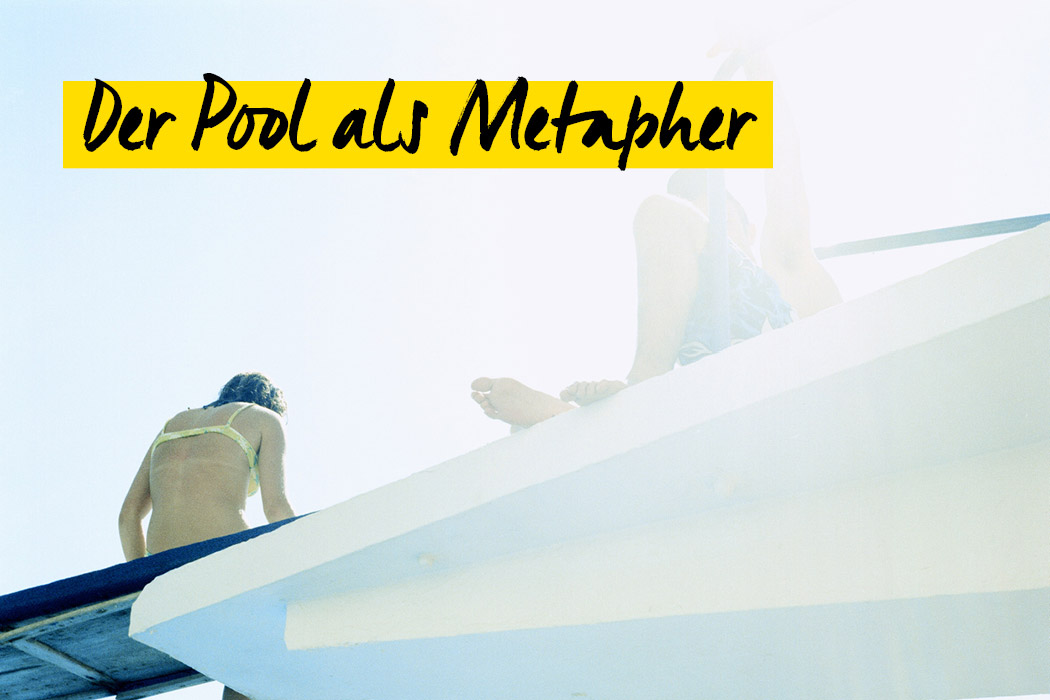
Karine Laval has a weakness for swimming pools and their shimmering water surfaces. Her photographs are reminiscent of those of the old masters Henri Cartier-Bresson or William Eggleston: color is a means of expression for her.
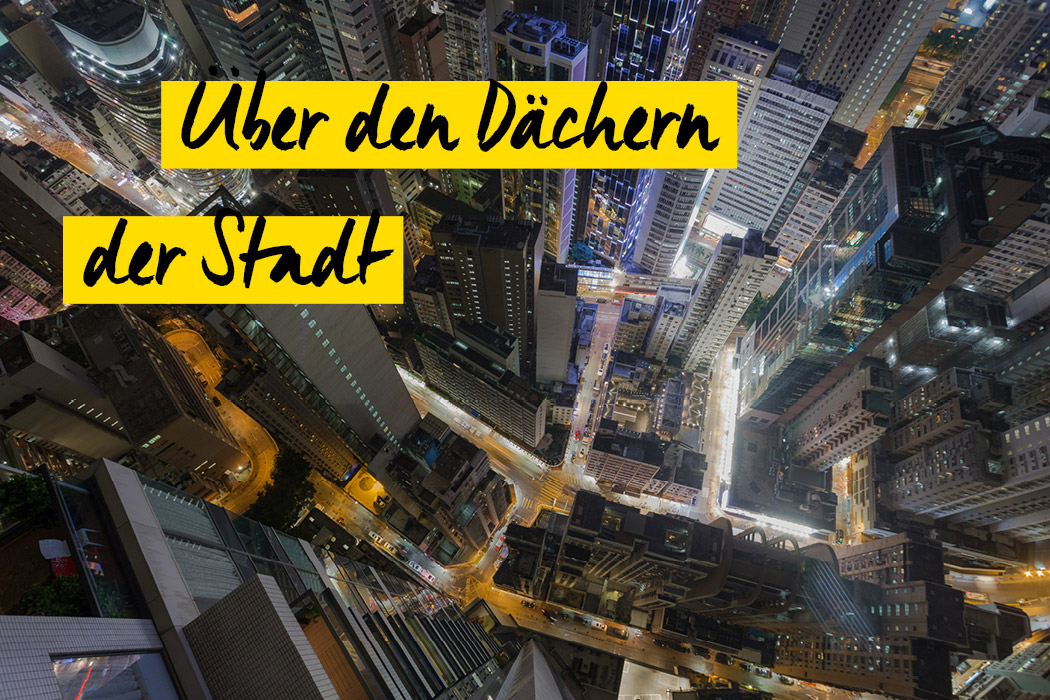
Andrej Ciesielski had quite normal hobbies in his youth. Until the day he discovered roofing for himself. The pictures are spectacular, his actions go around the world.
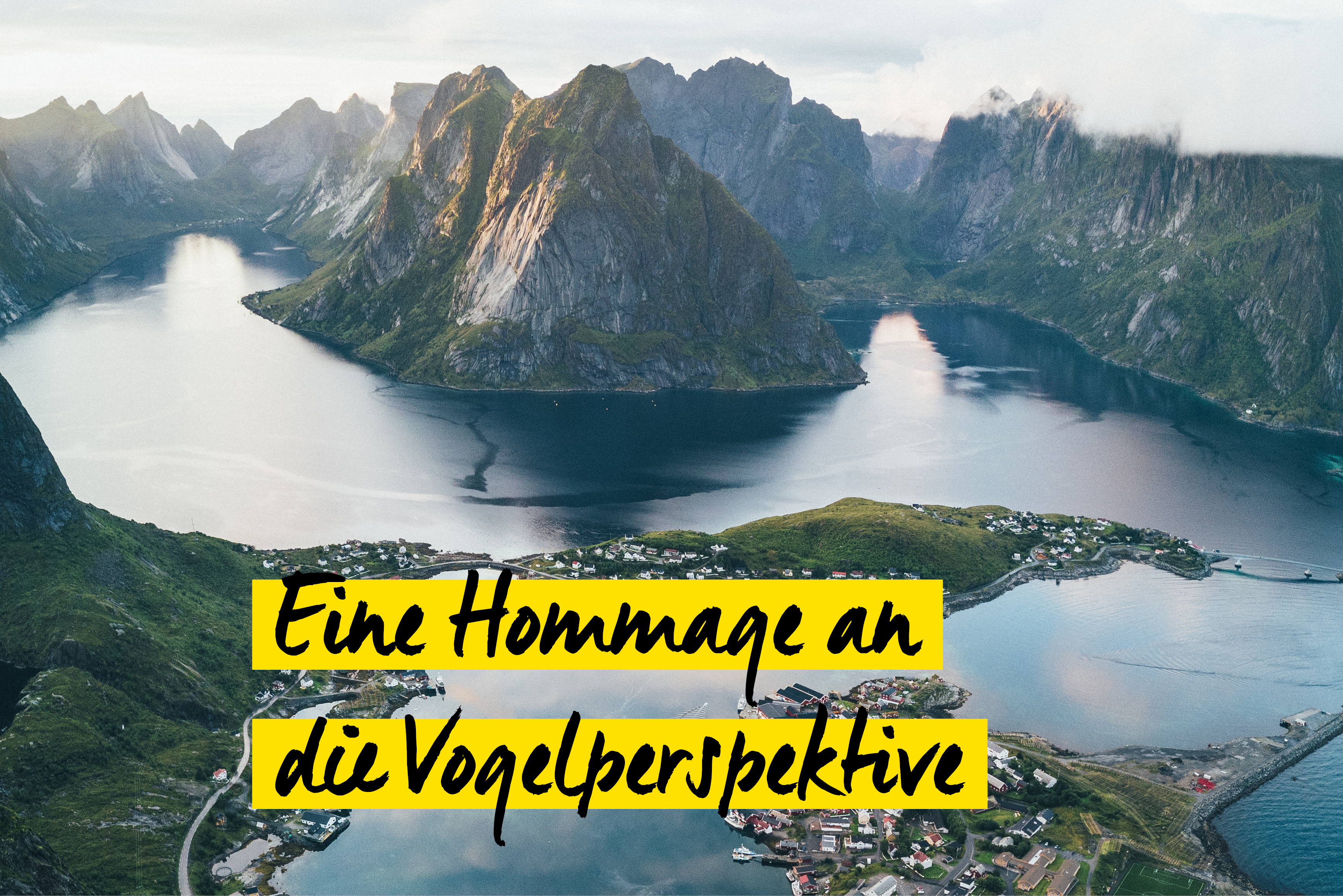
"German Drones" is a platform for photographers that presents a collection of fascinating images that have one thing in common: They were taken from lofty heights by a drone.
In our article, Julius and Sebastian give us plenty of input to get creative ourselves
Perspective is an essential part of photography! Regardless of how you photograph, it gives the photographer the opportunity to leave their usual field of vision and discover new angles. A deliberately chosen perspective is essential for interesting photos.
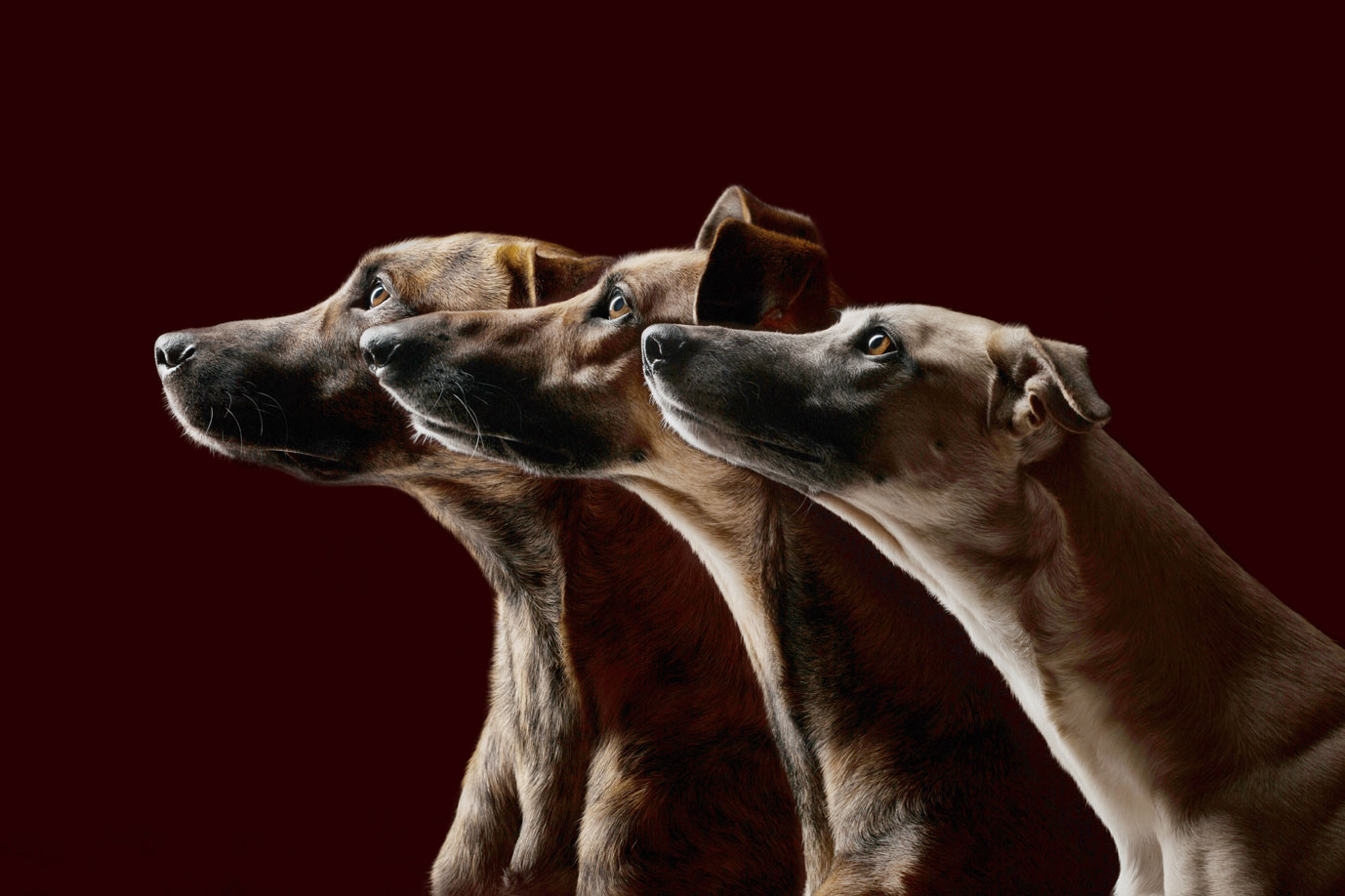
"Dogs have all the good qualities of humans without having their faults." Elke Vogelsang often doubts whether this statement by Frederick the Great is true during her shoots. In this issue, she tells us why she still loves working with her animals and even helps them achieve international fame.
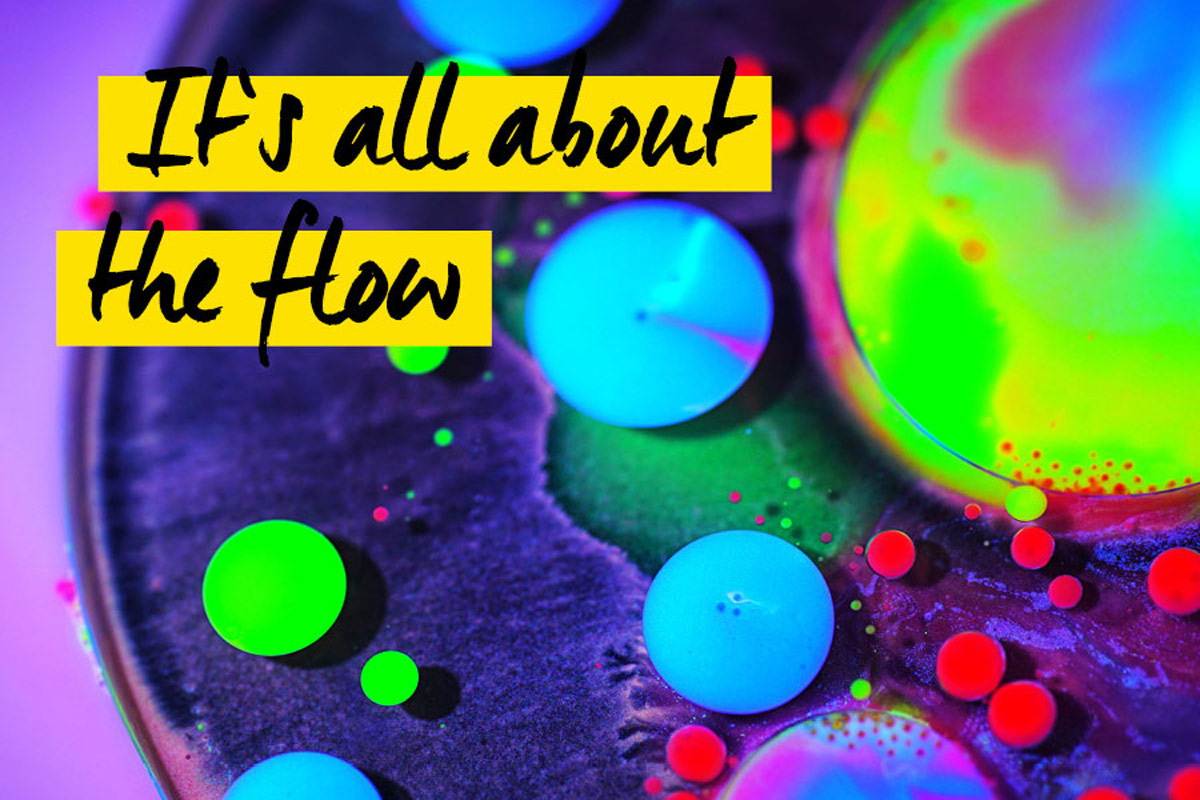
Ruslan Khasanov shows us in a wonderful way how to make unique, whimsical photos and videos with simple means. He experiments with a wide variety of materials and creates sensational, colorful worlds.
"Photography is my way of communicating with the world".
With these words, the artist Wang Chienyang describes
describes his award-winning works, which he has already presented around the globe. For us, the young Taiwanese artist tries to describe his path to pop art and what fascinates him so much about it.
The title of this article is Matthias Petz's life motto. Because when he's blue and not taking pictures, he creates analog noble prints using the cyanotype process. What is cyanotype? Find out in this article!
When the sun with its warm, golden colors disappears behind the horizon, the time of the blue hour has come...and the time of Naro. Born in Bangkok and raised in Berlin, the amateur photographer loves the blue hour, that is, the light situation in the sky before complete darkness falls.
We are used to living with the warm colors of the sun. As soon as it shines, we go out, run and hike or take photos. Who wishes to live with the light of the moon? Isabella Tabacchi does! Especially when the moon surrounds and illuminates her favorite landscapes with its light.
For each type of photography and each photo project there is a unique implementation. The artist's idea determines the exact recipe. Brett Stanley has perfected his recipe.
Good lighting is important. When this becomes a play of light, it is all the more exciting and thrilling. This is exactly what distinguishes the professional fashion photographer Glenn Norwood.
An empty alley in a metropolis, tall buildings rising into the night sky, and artificial light illuminating the darkness. Together they form magical motifs that Aishy, photographer, art director, and video director from France, captures with his camera and immerses us in the Japanese night scenery.
Detailed close-ups, plants that glow in neon colors and rise glittering from the darkness: Craig Burrows' photographs of fluorescent plants are enchanting and reminiscent of a completely different fantasy world. He shows things that you don't normally see.
It's not a new trend, but analog photography has enjoyed great popularity for some time now. We also have various analog cameras in our range and if you come to Düsseldorf, you can also look for a few old treasures in our second-hand shop!
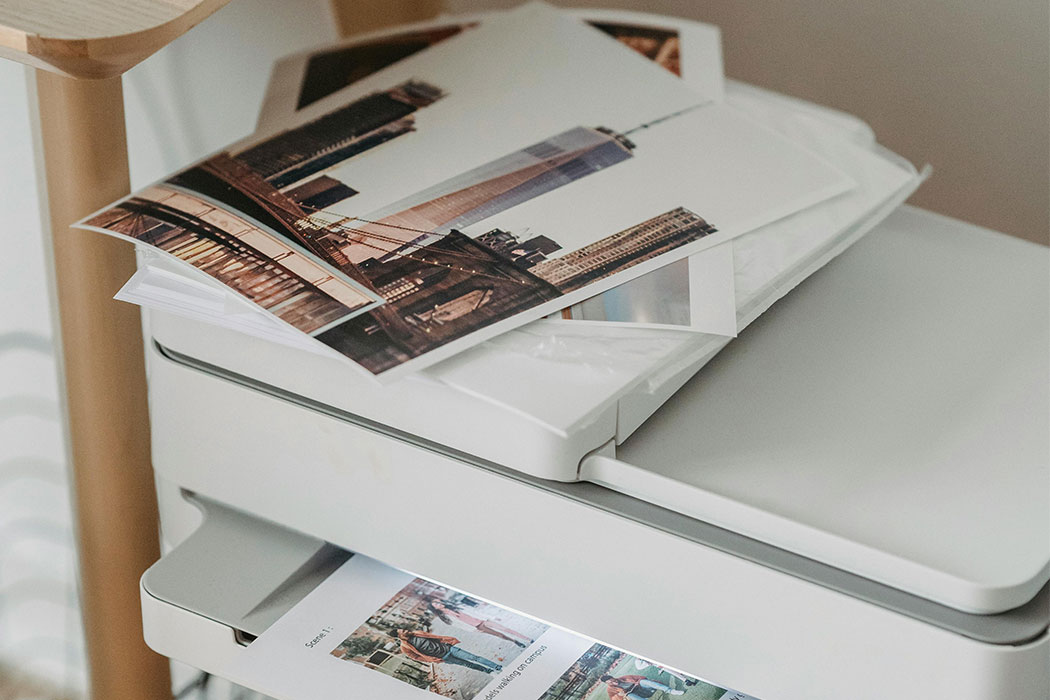
If you print your own pictures at home, you need to pay attention to a number of things. In addition to the right color profiles for the pictures, you need to pay attention to the drying times required by the respective papers and the effect you want to achieve with the paper on which the pictures are printed.
The great Nikon Z mount with its 55mm diameter gave rise to hopes for a long time that all Nikon lenses in the system camera sector would now have a significantly larger aperture. But this was a long time coming in some cases. Now Nikon has delivered and completed its Trinity with the 35mm F1.2. This was preceded by the Nikon Nikkor 85mm F1.2 and the Nikon Nikkor 50mm F1.2.

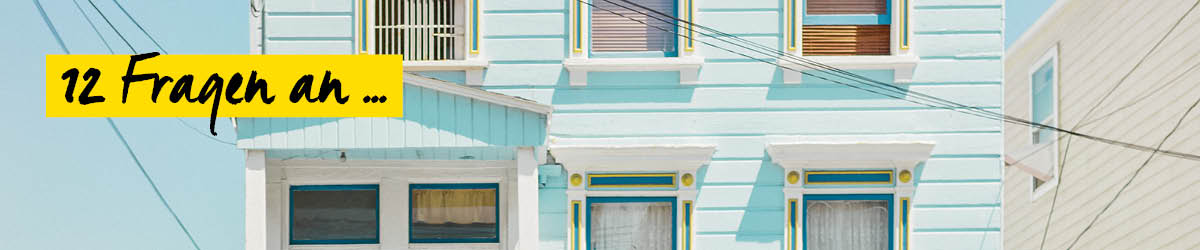
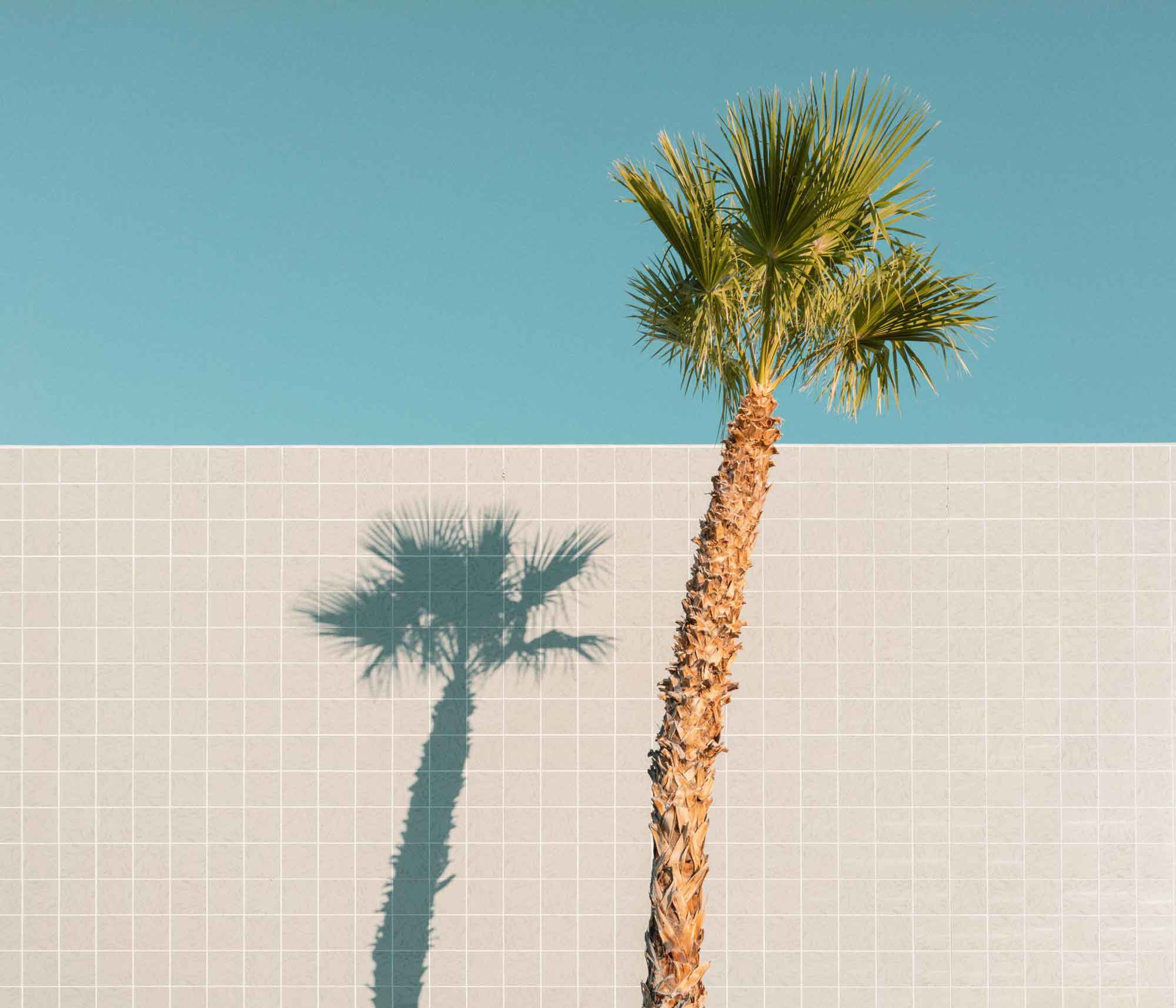 Matthias Heiderich - Las Vegas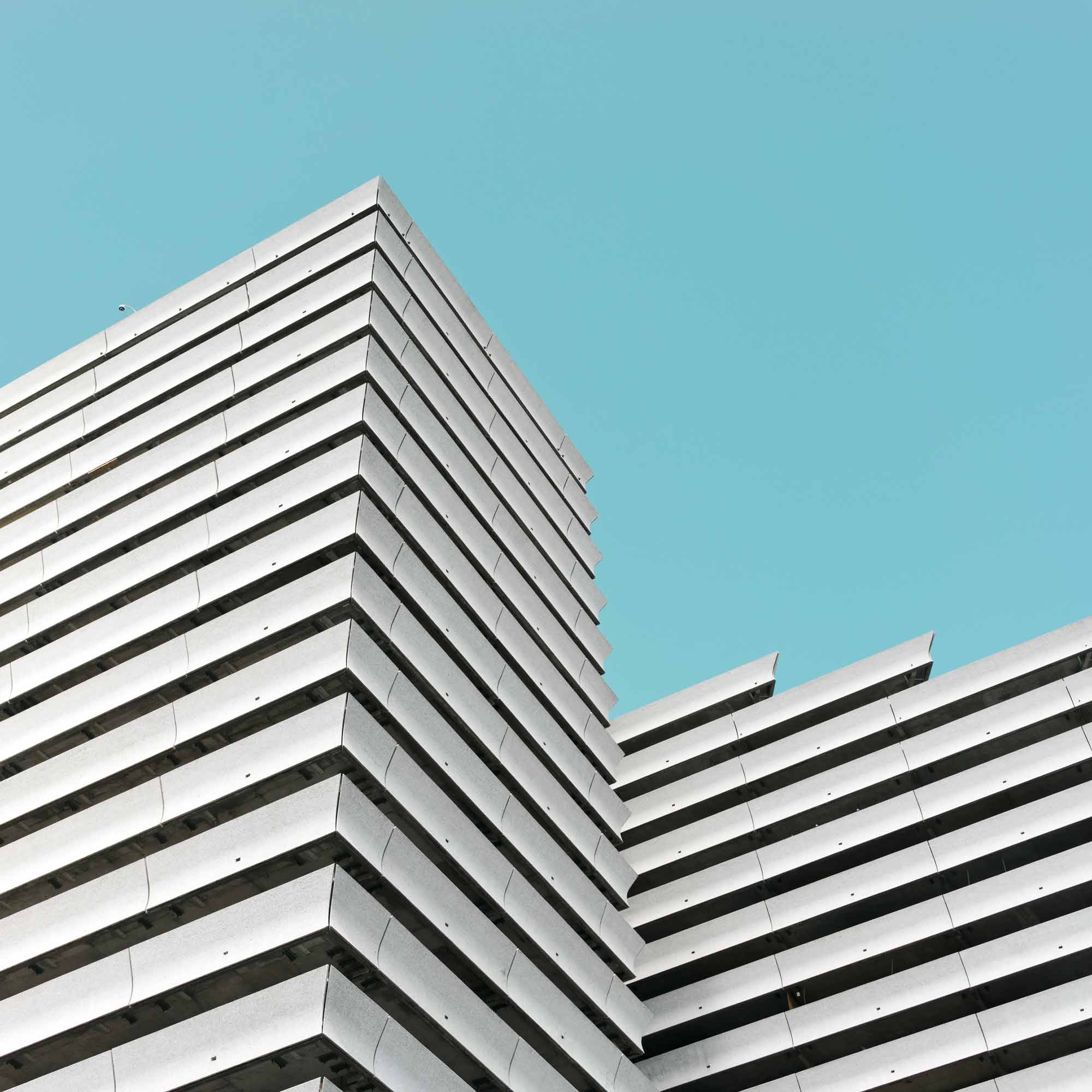
 Aishy City Lights