 Brett Stanley
Underwater photography - Brett Stanley
Reading Time: 10 minutes - February 08, 2022 - by Joana Kritiotis From the snapshot
For every type of photography and every photo project, there is a unique realization. The artist's idea determines the exact recipe.
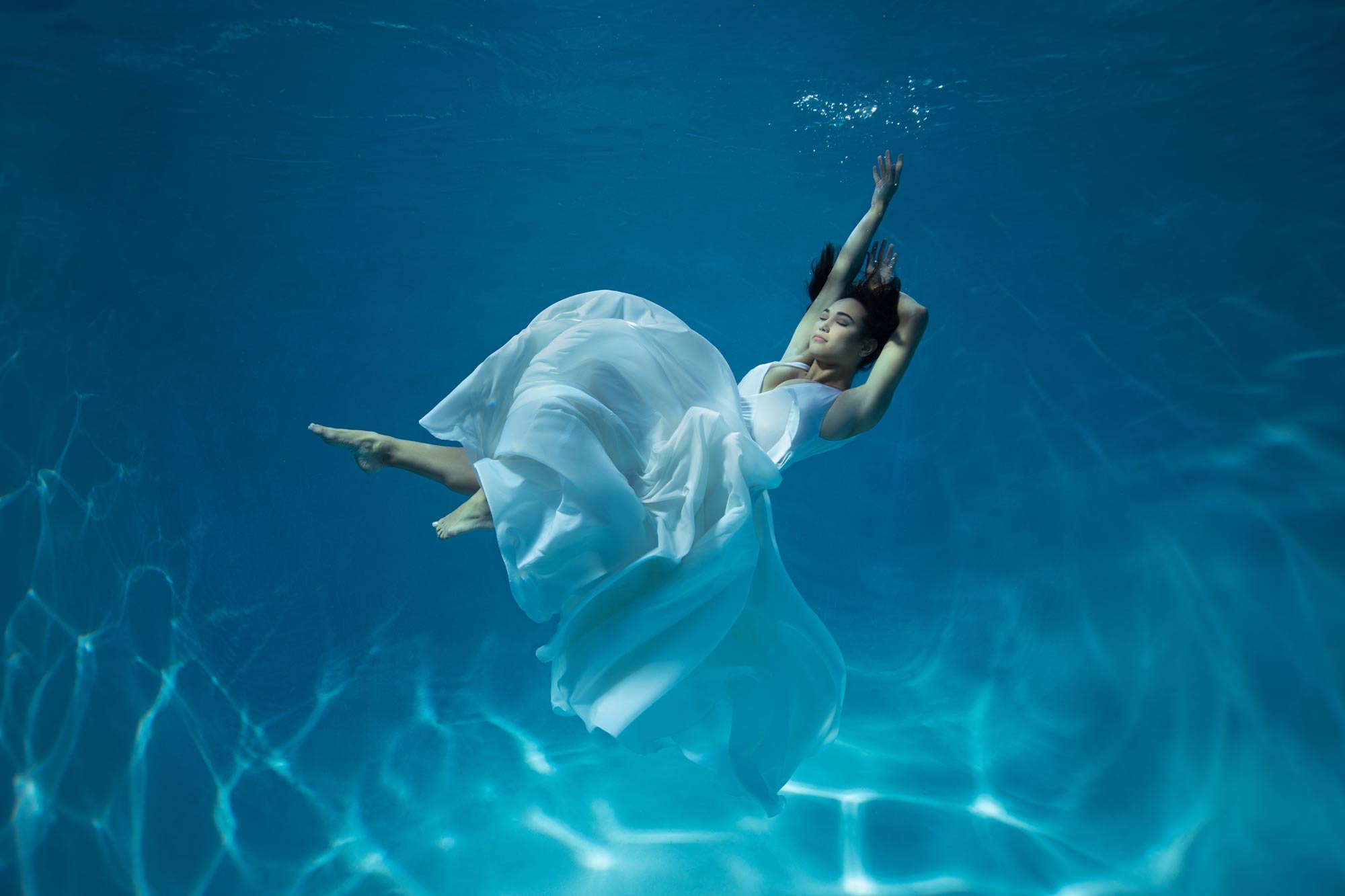
 Brett Stanley - Underwater
Underwater portrait photography
Brett Stanley has specialized in underwater shoots in one of his projects.
For his special recipe he needs:
-
a model as a subject
-
a creative photographer with a vision (diving skills are required)
-
a large pool, the open sea or similar
-
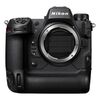
a robust underwater housing including camera
-
enough time and patience to realize the vision
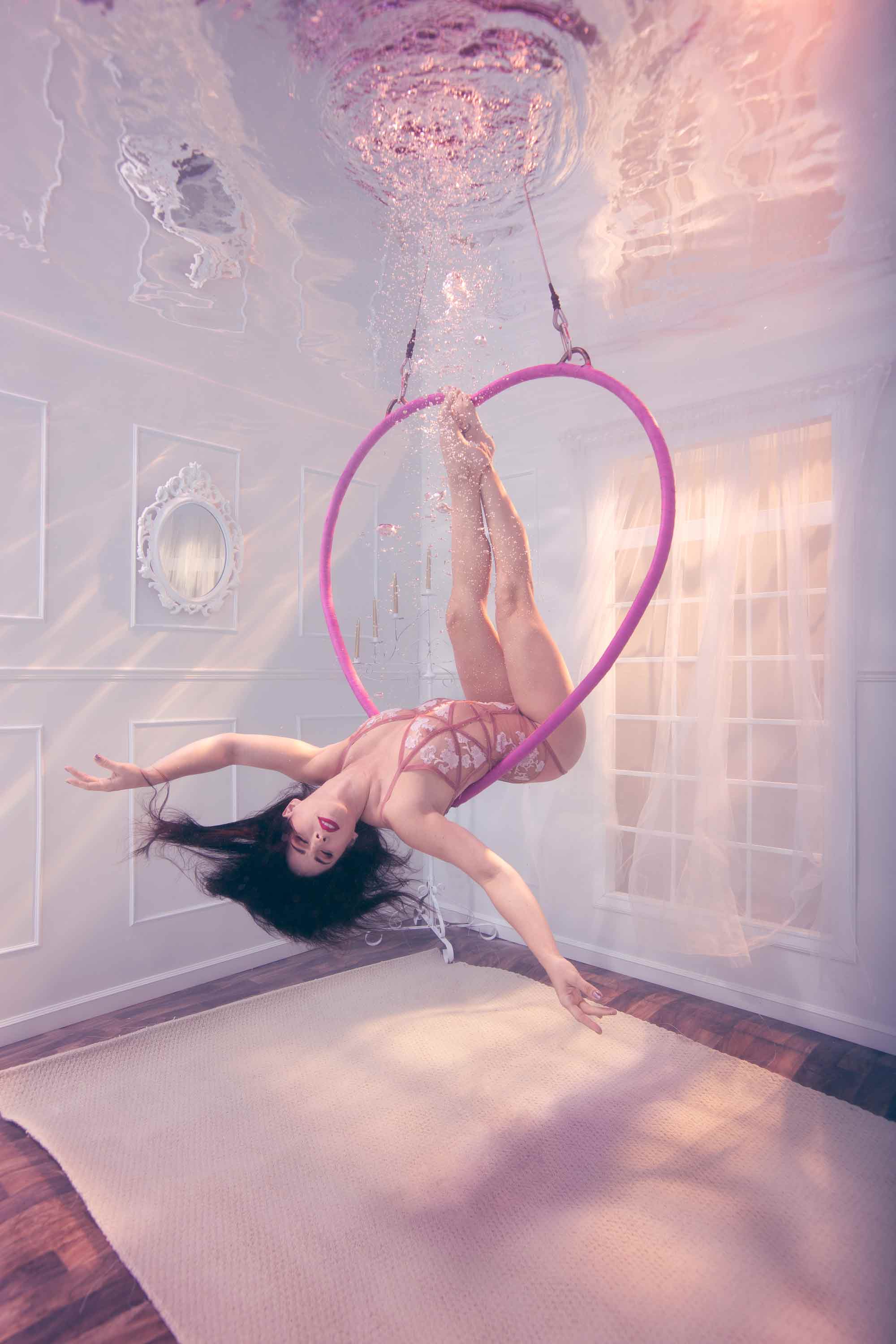
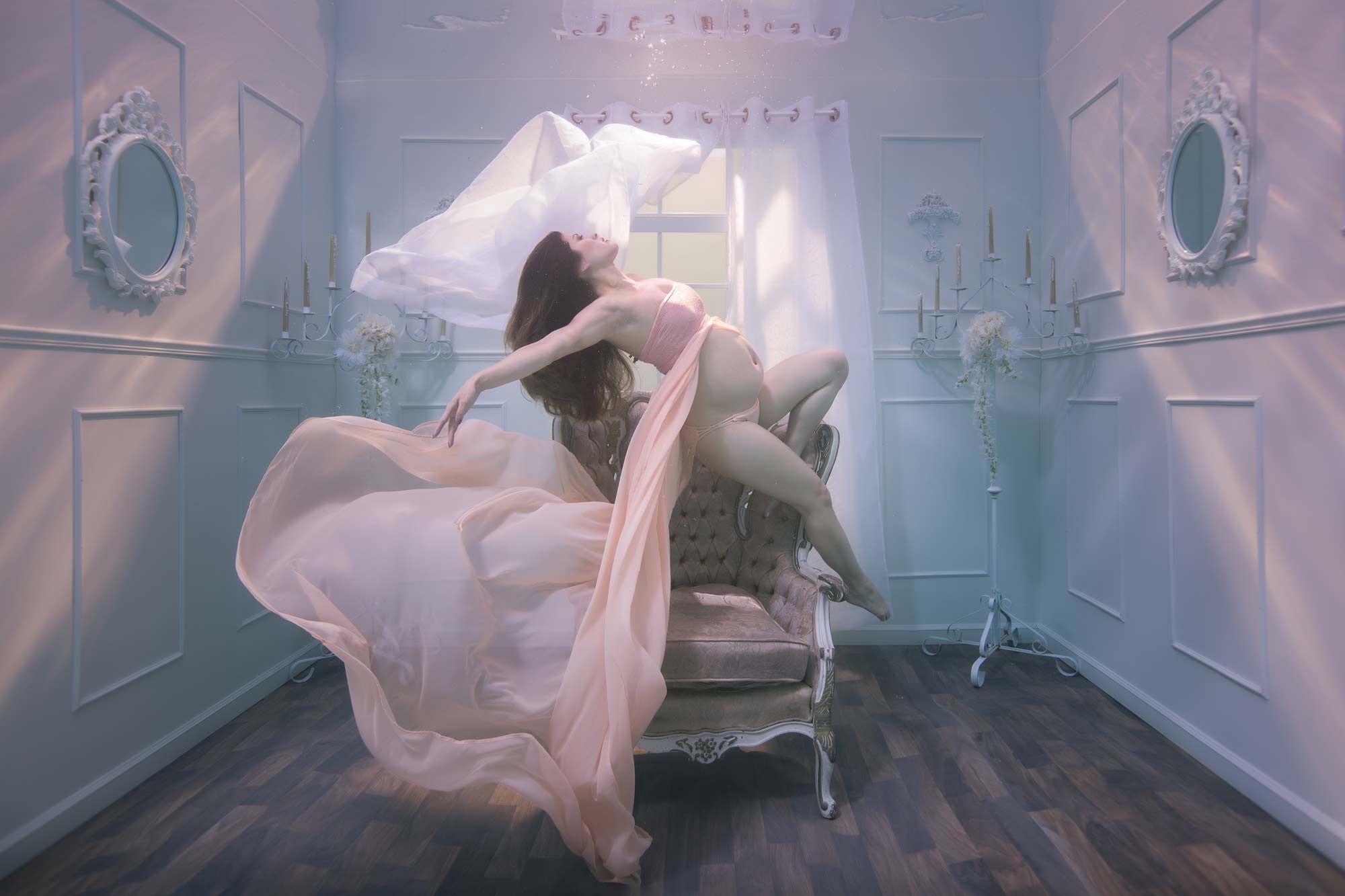
For the decoration, the concept and the zeitgeist, anything can be used, e.g. furniture, various lamps, books, posters, cassette players and other elements. If required, parquet flooring and carpeting can also be laid or an entire room with three walls can be constructed. If it gets too boring (and too dry) on land, you just have to go underground.
 Brett Stanley
Borders are irrelevant
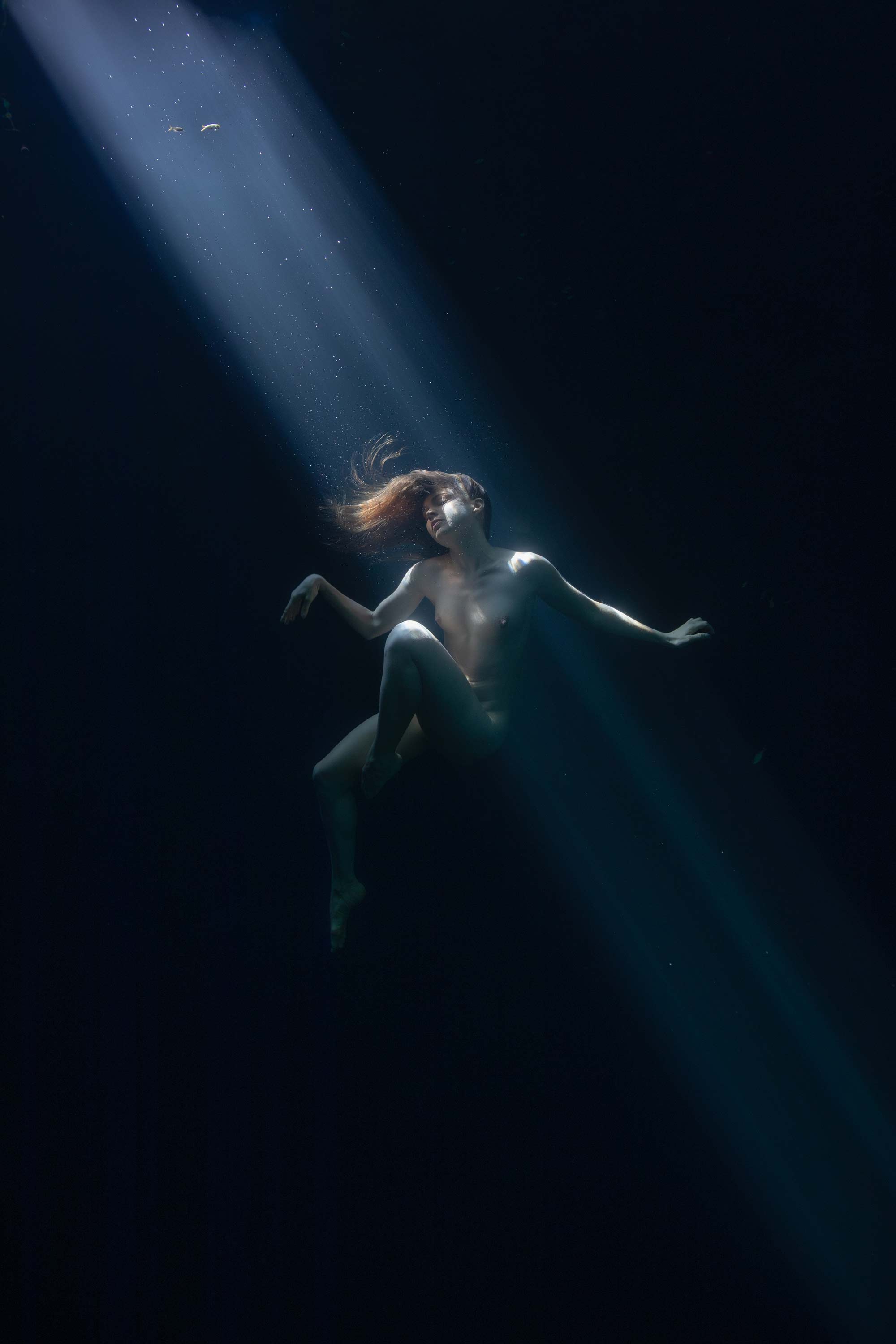
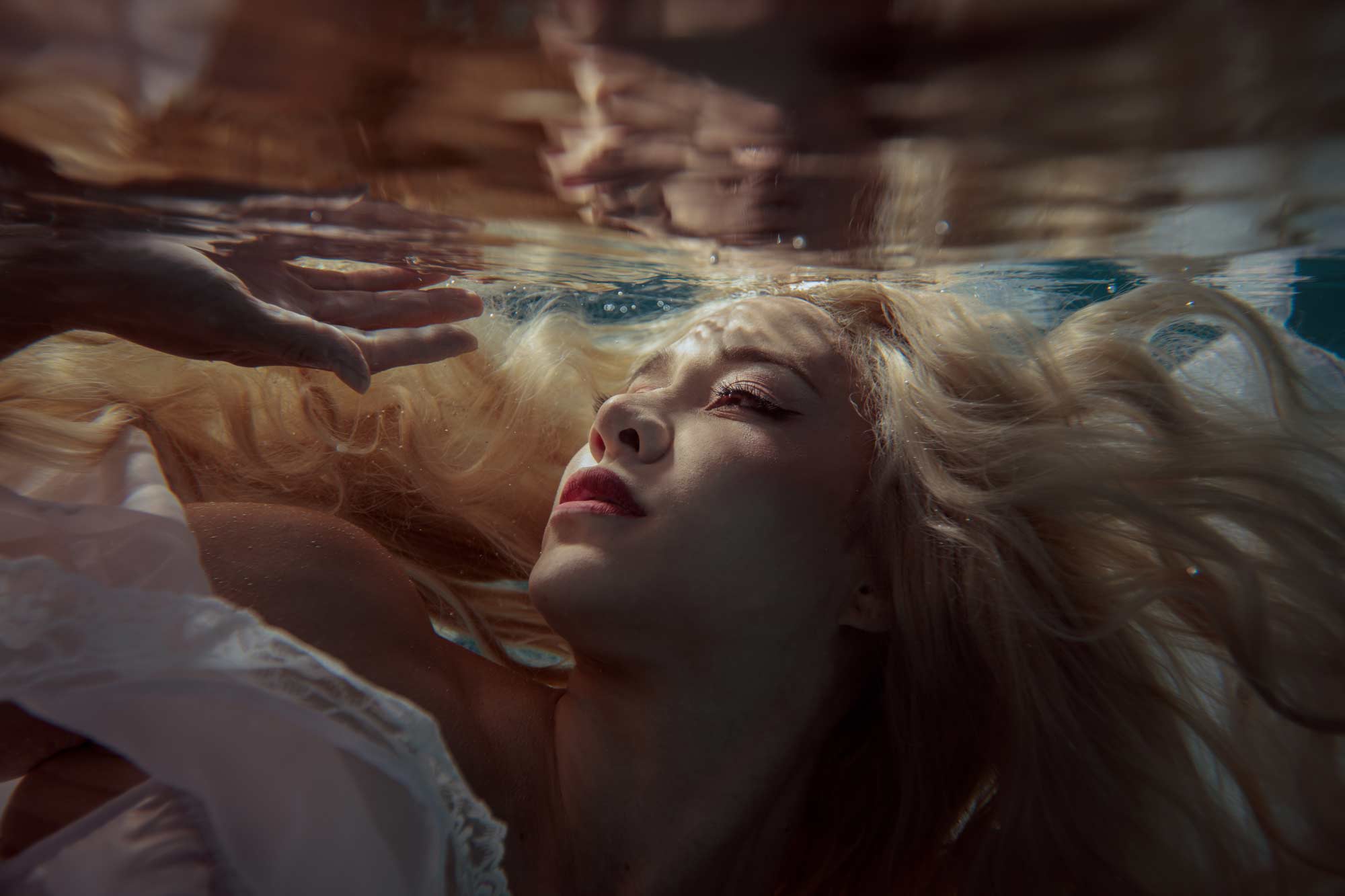
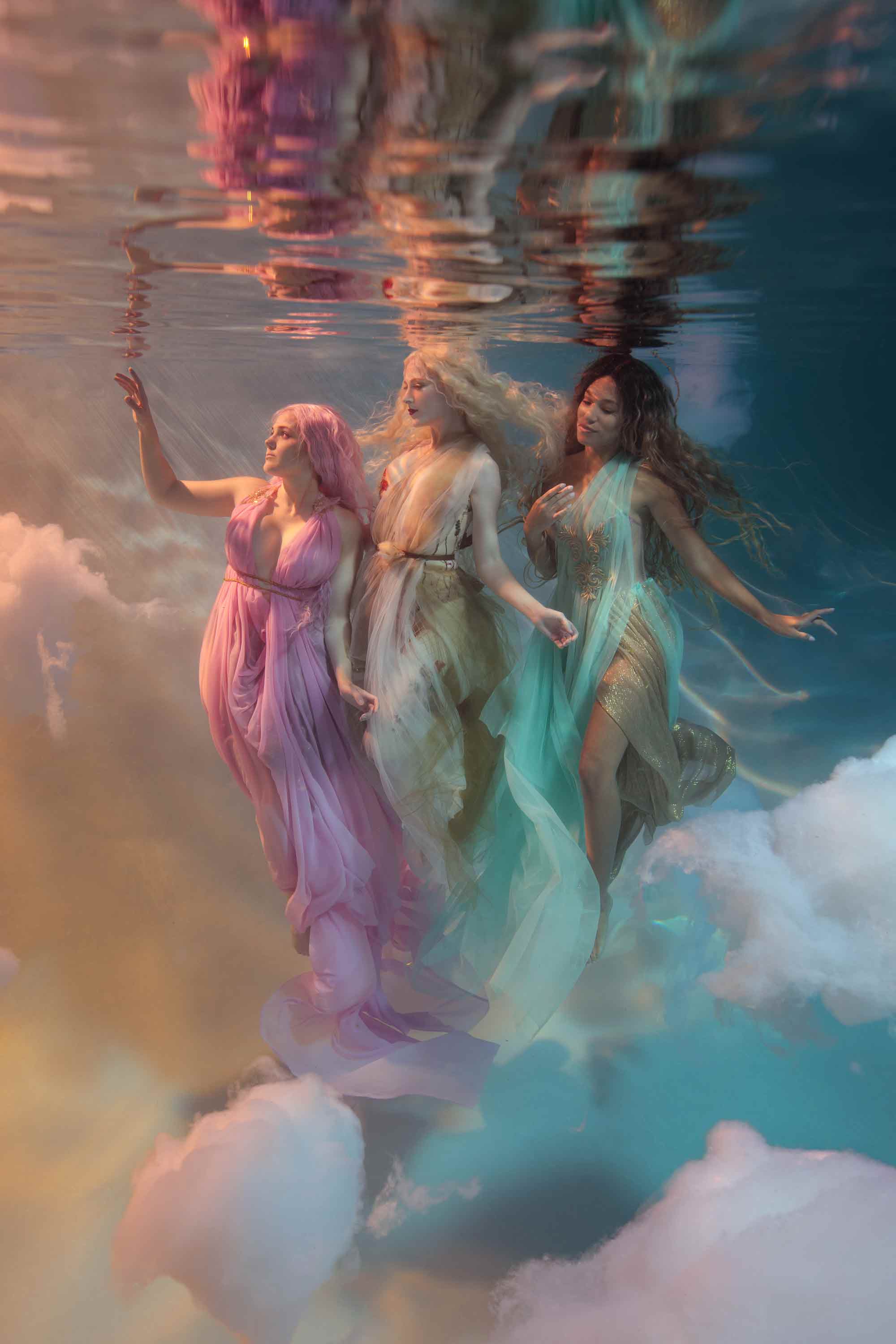
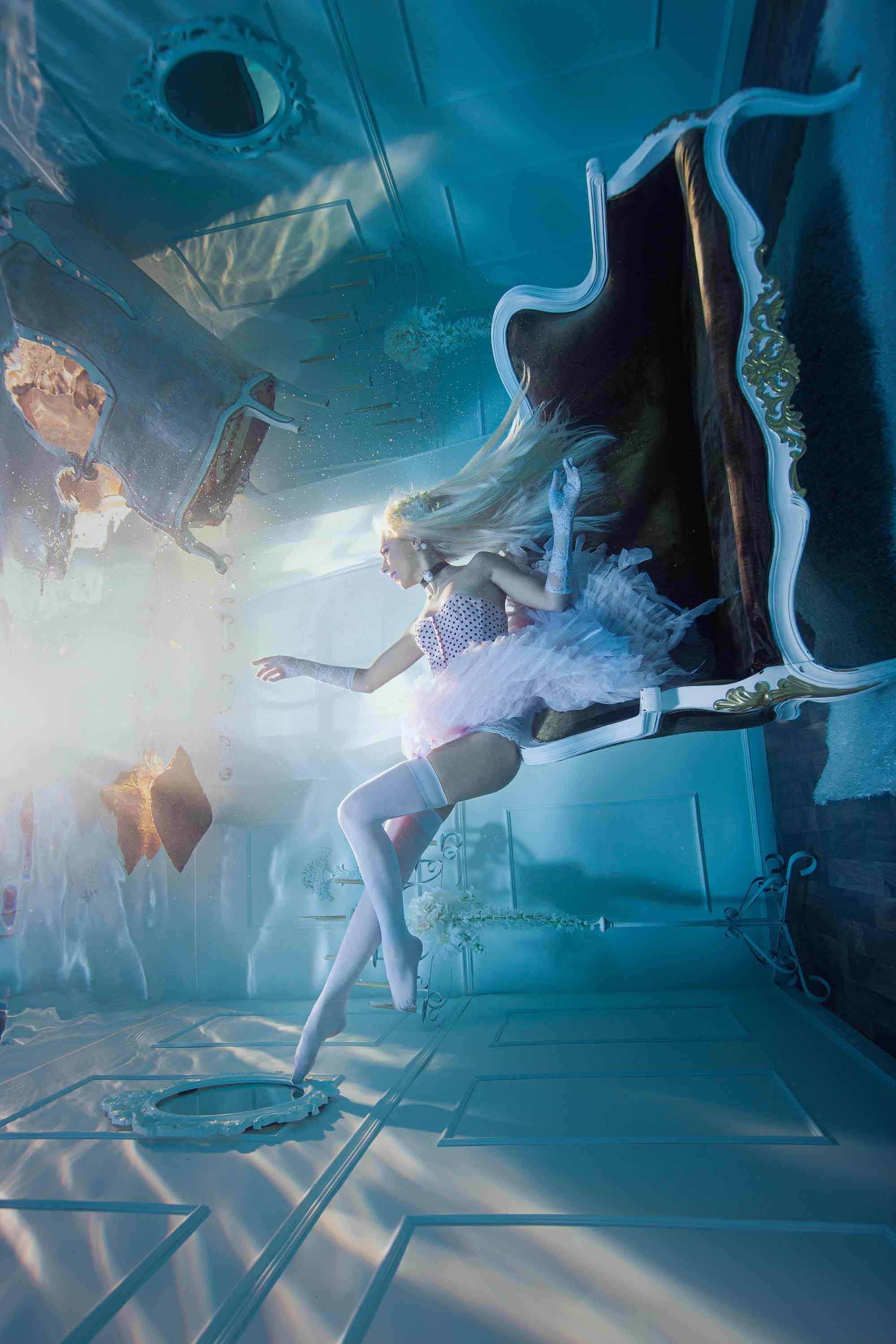
Brett Stanley was born in Australia and now lives in the USA. He has specialized in underwater photography for over 10 years and his portraits are proof that boundaries can be irrelevant in photography. In his works, the viewer is surrounded by colorful aquatic plants, floating fabrics, mermaids and divine figures. They tell wonderful fantasy stories with a pinch of familiar reality. The liquid mirror of the water's surface is sometimes the only element in the pictures that reveals the reality of his process.
Brett has set up his photo studio in the garden behind his house. At first glance, it looks like a large property with a large pool - like many houses in the area in California. You would think: quite normal. But this is where his ideas come to life, because this place is his workplace. The entire photo studio is underwater!
 Brett Stanley - Underwater
 Brett Stanley
 Brett Stanley - Underwater
A creative collaboration
"As soon as a client contacts me about a shoot, we start with a brainstorming session. We gather ideas for the set or the theme. Usually, many of them already have a pretty clear idea of what they want before they contact me. But sometimes they're also very open to concept suggestions from me - which I sometimes find nerve-wracking, depending on how well I know them. After all, I don't want to do anything wrong creatively. I like it when my clients already have an idea, because that's how a collaboration develops. Every one of my shoots is a creative collaboration. Outfits and props are discussed beforehand. On the actual day of the shoot, we discuss some breathing techniques, tips on posing and how to look relaxed underwater. I usually shoot here in my studio in Long Beach. But locations such as the ocean, a freshwater spring or even the client's pool are also possible. Before the pandemic, I traveled a lot and photographed in swimming pools all over the world," says Brett.
 Brett Stanley
A huge aquarium that needs to be decorated
The realization of a project can take him anywhere from days to weeks. There is a lot of preparation and problem solving behind it and he usually works in a small team. One of the biggest difficulties when photographing underwater is positioning things and especially keeping them there. Every material behaves differently and it takes a lot of time to get pieces of furniture and all kinds of props under the liquid surface and fix them in place. You have to imagine it like a huge aquarium that needs to be decorated. The difference here is that the decoration is not available in the pet shop, but is found and bought at flea markets, DIY stores or in classified ads. Always in the hope that the materials have the right properties. Borrowing the props is not an option, as the water usually destroys them after several hours. It all seems far too cumbersome in an age of digital image processing that makes everything possible, doesn't it? For him, the "old school" method is a must for special underwater portraits and part of his process. Brett tends to adjust little things in the editing process, such as color saturation, contrast and eliminating unwanted reflections caused by water movement.